
Tire Valve Stem Leak Symptoms on a RAV4: What to Check
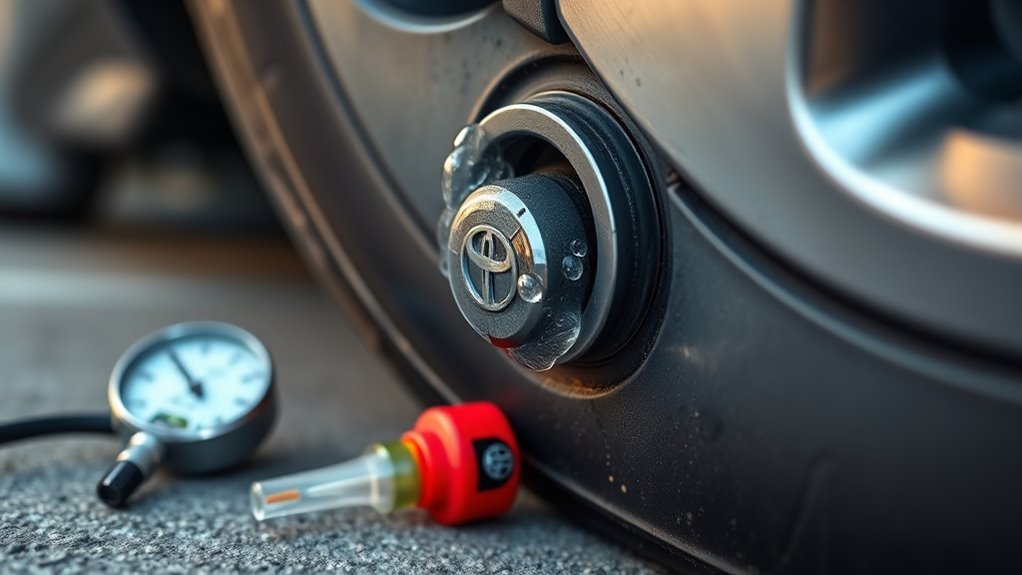
If you’re noticing the TPMS warning light on your RAV4, it could mean your tire valve stems are leaking. Check for consistent under-inflation, listen for hissing sounds when removing the valve cap, and apply soapy water to spot any bubbles indicating a leak. Visually inspect the valve stems for cracks or brittleness. Keeping these signs in mind can help you maintain your tires effectively. Further insights on diagnosis and maintenance await you.
How to Identify Symptoms of Tire Valve Stem Leaks in Your RAV4
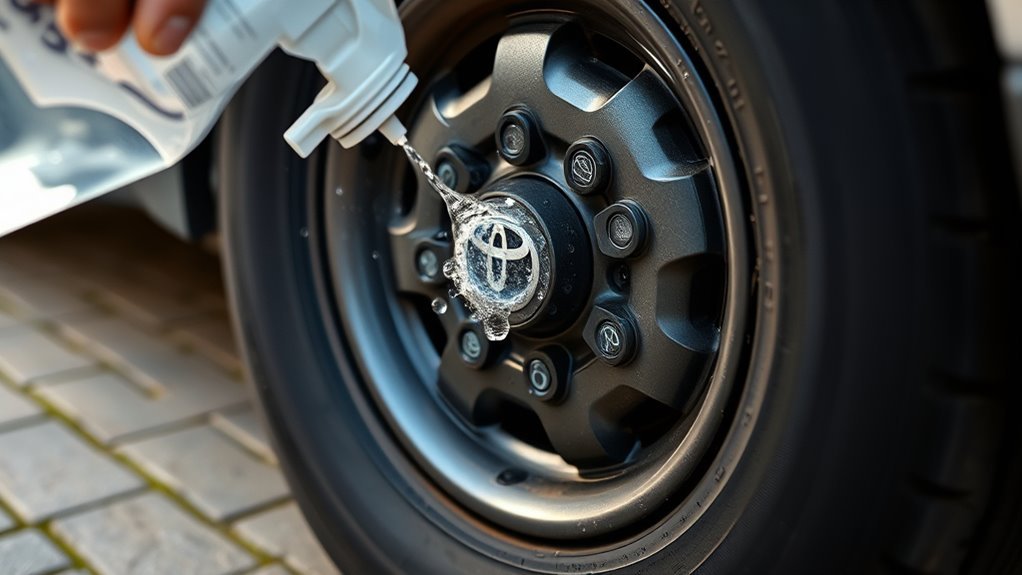
How can you tell if your RAV4 has a tire valve stem leak? Start by observing the TPMS warning light on your dashboard; it often signals under-inflation due to a slow leak. Regular tire pressure monitoring is critical—check your tire pressure manually to detect consistent under-inflation, which could indicate a valve stem issue.
Next, visually inspect the valve stem for cracks, brittleness, or other damage. These imperfections can lead to air loss. To confirm a potential leak, perform a soapy water test: apply a soapy mixture to the valve stem and watch for bubbles, which reveal escaping air.
Additionally, listen for hissing sounds when you remove the valve cap. If you hear air escaping, it’s likely you have a leak. Prioritizing valve stem maintenance can prevent further complications and guarantee your RAV4 runs smoothly.
Understanding Causes of Valve Stem Leaks in RAV4 Models
While many drivers might overlook it, understanding the causes of valve stem leaks in RAV4 models is vital for maintaining tire integrity. One common issue arises from valve core defects, which can lead to sudden tire deflation. Rubber valve stems, particularly in RAV4 Primes, may become compromised due to age, causing brittleness and increased susceptibility to leaks. External factors, such as tampering or incompatibility with aftermarket rims, can exacerbate these issues, creating additional risks for tire performance.
Corrosion from environmental elements like moisture and road chemicals can further damage the valve stems, leading to cracks or improper sealing. To mitigate these risks, regular inspections are important; check for visible cracks and verify that the valve stem is tightly secured. For improved durability, consider replacing rubber valve stems with metal alternatives, which greatly reduce leak risks and enhance overall tire longevity.
How to Diagnose a Leaky Valve Stem Effectively
Diagnosing a leaky valve stem requires a systematic approach to identify the source of air loss accurately. Start by removing the valve cap and listening for any hissing sounds that could indicate escaping air. Next, apply a soapy water solution to the valve stem; if bubbles form, you’ve confirmed a leak at that site. Regularly checking your tire pressure with a gauge is essential, as consistent under-inflation often signals a slow leak related to the valve stem. Utilize a valve core tool to verify the valve stem core is tightly secured; a loose core can lead to air loss. If you detect leaks, replace the valve core promptly and refill the tire with air, then recheck for leaks. Effective valve maintenance not only enhances your vehicle’s performance but also guarantees ideal air pressure, contributing to safer driving conditions.
The Impact of Rubber vs. Metal Valve Stems on RAV4 Tire Performance
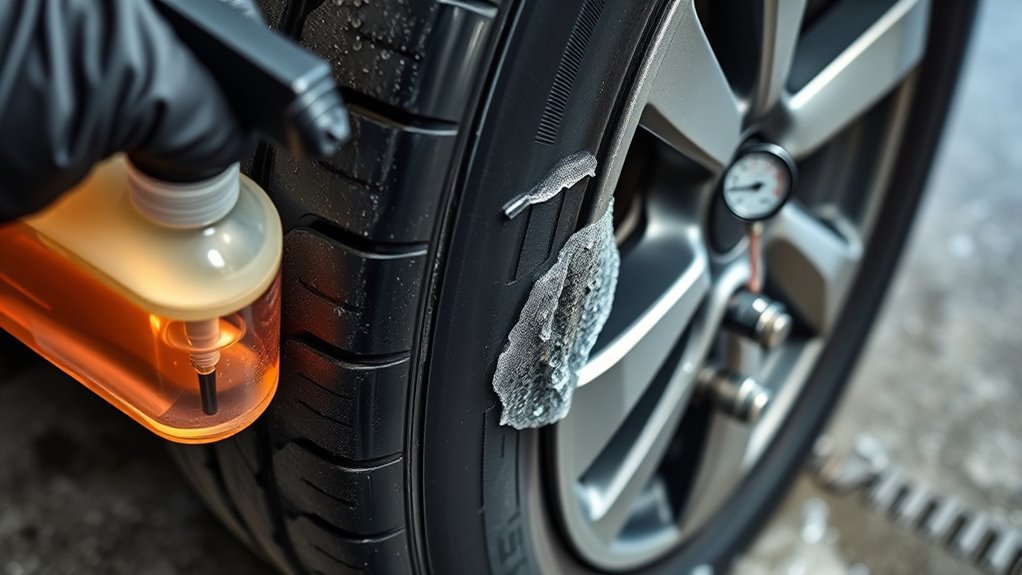
Understanding the differences between rubber and metal valve stems is vital for optimizing tire performance in your RAV4. Each type has its pros and cons, impacting your driving experience considerably.
- Rubber Durability: Generally lasts 4 to 5 years but can be prone to leaks.
- Metal Longevity: Offers greater durability, especially in high temperatures and corrosive environments.
- Safety Concerns: Rubber stems may lead to sudden leaks during high-speed driving.
- Flat Tire Frequency: RAV4 owners report more flats with rubber stems compared to metal.
- Installation Matters: Proper sealing is essential; poor installation can worsen performance issues.
Choosing metal stems can enhance reliability and safety. If you frequently drive at high speeds or in harsh conditions, considering the shift to metal may be your best option for peace of mind on the road.
Key Indicators of Valve Stem Damage in RAV4 Tires
Valve stem damage can seriously affect your RAV4’s tire performance. One key indicator is a sudden drop in tire pressure, often marked by the TPMS light illuminating on your dashboard. Visual inspections are essential; look for cracks, brittleness, or other surface damage on the valve stem. If you suspect a leak, perform a soapy water test—bubbles forming indicate air loss at the sealing points. Frequent flat tires can also signal valve stem issues, particularly if your RAV4 uses rubber valve stem materials, which are more susceptible to wear. Additionally, listen for hissing sounds or feel for escaping air when you remove the valve cap. Addressing these symptoms promptly can enhance leak prevention and guarantee peak tire performance. Regular checks can save you from costly repairs and unsafe driving conditions, empowering you to maintain your vehicle effectively.
Quick Inspection Tips for Valve Stems
Regular inspections of your RAV4’s valve stems are crucial for maintaining tire integrity and performance. Here are some quick inspection tips to help you stay on top of valve maintenance:
- Check for cracks or brittleness: Inspect the valve stem for any signs of damage due to moisture, heat, or road debris.
- Soapy water test: Apply soapy water to the valve stem; if bubbles form, you’ve got a leak that needs immediate attention.
- Listen for hissing: When you remove the valve cap, listen for a hissing sound or feel for escaping air.
- Monitor TPMS light: If the tire pressure monitoring system activates, it could indicate an under-inflation issue linked to a leak.
- Tighten with a valve core tool: Confirm the valve stem is secure; loose stems can lead to air leakage.
Following these valve maintenance tips can enhance your leak prevention strategies and keep your tires performing at their best.
How Weather Impacts Valve Stem Integrity
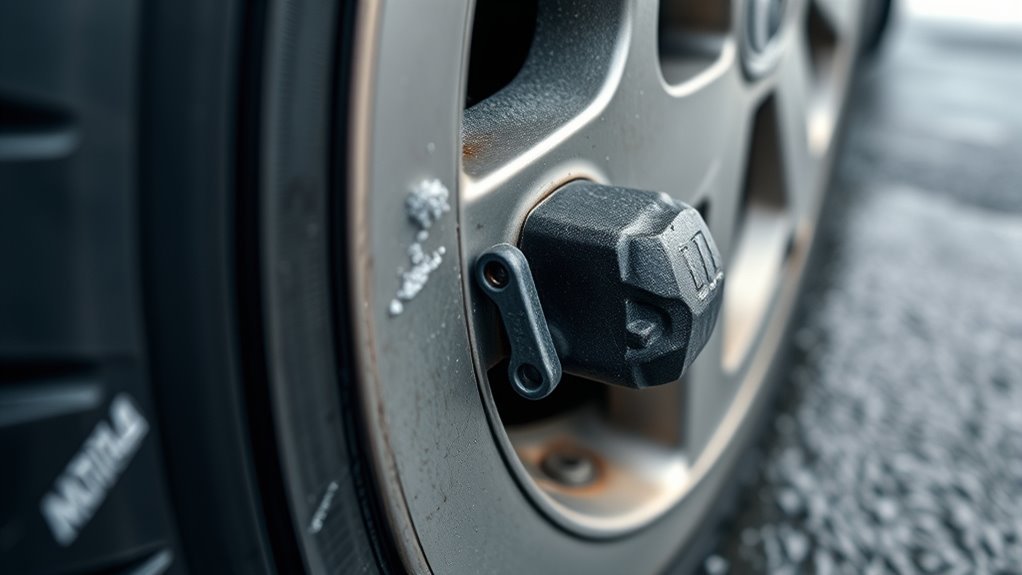
Weather plays an essential role in the integrity of your tire valve stems. Temperature fluctuations can cause the rubber to expand and contract, increasing the risk of leaks. Additionally, UV exposure and moisture accumulation can lead to degradation and mold growth, further compromising their performance.
Temperature Fluctuations Effects
As temperature fluctuations occur, rubber valve stems can expand and contract, leading to potential cracks that compromise their sealing capabilities. Exposure to temperature extremes affects rubber flexibility, making it essential to monitor your valve stems.
- Prolonged heat can make rubber brittle and prone to leaks.
- Cold weather may stiffen rubber, impairing its sealing ability.
- Moisture from rain or snow can worsen existing damage.
- Regular inspections during seasonal changes help catch early signs of wear.
- Replacing old valve stems can prevent air loss and enhance performance.
2. UV Exposure Risks
While you might not immediately notice the impact of UV exposure, it can greatly degrade rubber valve stems over time, making them more susceptible to leaks. Prolonged sunlight can accelerate rubber aging, reducing its lifespan from the typical 4 to 5 years. The heat causes rubber to expand and contract, leading to micro-tears and cracks that compromise sealing ability. Regular inspections for discoloration or surface cracking are essential; these signs indicate UV damage that could lead to sudden tire failures. To mitigate risks, consider UV protection methods like parking in shaded areas or using protective covers. Being proactive with rubber lifespan considerations can save you from unexpected issues down the road.
3. Moisture Accumulation Concerns
UV exposure markedly affects rubber valve stems, but moisture accumulation poses another serious threat. If you neglect moisture management, you risk corrosion and compromised integrity, leading to potential leaks. Seasonal changes, especially winter’s freeze-thaw cycles, can exacerbate these issues, making regular valve maintenance essential.
- Check for water accumulation around valve stems regularly.
- Look for signs of brittleness or cracks in the rubber.
- Use valve stem caps designed to seal against moisture.
- Be aware of humidity levels affecting your vehicle.
- Perform routine inspections after heavy rain or snow.
Taking these proactive steps helps guarantee your valve stems remain intact, reducing the risk of tire deflation and enhancing your driving experience.
DIY Solutions for Fixing a Leaking Valve Stem
Fixing a leaking valve stem is a straightforward DIY task that can save you time and money. Start by using a valve core tool to check if the valve core is loose; tightening it can often resolve minor leaks. If that doesn’t work, remove the old valve core and perform a valve core replacement with a new one. Confirm it’s snug, but avoid over-tightening. Inspect the valve stem for cracks or damage, as these can compromise the seal.
After replacing the core, refill the tire and check for leaks by applying soapy water to the valve stem—bubbles will indicate a leak. Regular tire pressure monitoring is essential, as rubber valve stems typically last 4 to 5 years and should be replaced during tire changes.
| Step | Action | Purpose |
|---|---|---|
| Check Valve Core | Tighten if loose | Fix minor leaks |
| Replace Valve Core | Install new core if necessary | Confirm a proper seal |
| Inspect Valve Stem | Look for cracks or damage | Prevent future leaks |
When Should You Call a Pro for Valve Stem Problems?
If you’ve tried DIY solutions for a leaking valve stem and the problem persists, it’s time to contemplate professional help. Ignoring persistent issues can lead to serious tire failures. Here are signs that signal you should call a pro:
- A consistent drop in tire pressure despite regular inflation
- Activation of the Tire Pressure Monitoring System (TPMS) warning light
- Air escaping from the valve stem upon cap removal or a hissing sound
- Visible cracks, brittleness, or damage on the valve stem
- Uncertainty about valve stem maintenance or repair needs
Addressing these concerns promptly with a qualified technician will guarantee your vehicle’s safety and performance. Regular tire pressure monitoring and visual inspections can help catch issues early, but don’t hesitate to seek expert evaluation for significant problems. Your safety on the road is paramount, so take valve stem issues seriously.
Preventative Measures to Extend the Lifespan of Valve Stems
To extend the lifespan of valve stems, it’s important to incorporate a few proactive measures into your vehicle maintenance routine. Start with regular inspections for visible signs of cracks or damage, particularly after harsh weather. Verify valve caps are securely in place to protect against dirt and moisture, which can lead to premature wear. Consider replacing rubber valve stems every 4 to 5 years or when changing tires to avoid leaks and maintain peak performance. Additionally, keep an eye on your tire pressure—consistent under-inflation stresses valve stems, accelerating deterioration. Finally, store your vehicle in a shaded or climate-controlled environment to minimize sun exposure and extreme temperatures that degrade rubber over time. By implementing these valve stem maintenance practices and protective measures, you’ll greatly extend the lifespan of your valve stems and enhance your vehicle’s overall performance.
Frequently Asked Questions
How to Check if a Valve Stem Is Leaking?
To check if a valve stem’s leaking, perform a valve stem inspection by listening for hissing sounds and monitoring tire pressure. Apply soapy water; bubbles indicate a leak. Confirm the valve’s tightness using a valve core tool.
Conclusion
In conclusion, keeping an eye on your RAV4’s valve stems is essential for peak tire performance. Picture yourself gliding down the road, knowing your tires are safe and sound. Regular checks can reveal subtle signs of wear, ensuring a smooth ride. Whether you’re tackling DIY fixes or consulting a pro, proactive maintenance can extend the life of your valve stems, keeping your adventures worry-free. Don’t let a small leak turn into a big problem; stay vigilant!

Related Articles

Upsizing Wheels on a Toyota RAV4: Pros, Cons, and Considerations
Boost your Toyota RAV4's performance with larger wheels, but discover the hidden trade-offs that could impact your ride before you decide.
Read More
Can I Change Tire Size on My Toyota RAV4? Rules and Recommendations
Are you considering changing the tire size on your Toyota RAV4? Discover the essential rules and recommendations before making a decision.
Read More
What to Do If the TPMS Light Comes On in Your RAV4
Understand the steps to take when the TPMS light illuminates in your RAV4, as overlooking it could lead to serious tire problems.
Read More