Disclosure: As an Amazon Associate, we earn from qualifying purchases. If you click a link on this page and make a purchase, we may receive a small commission at no extra cost to you.
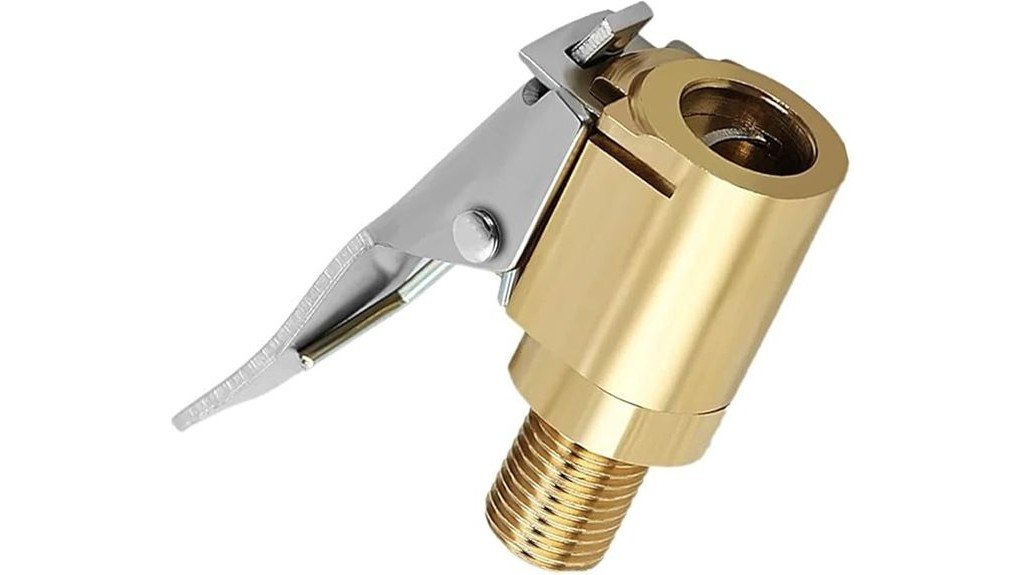
A leaking or awkward tire inflator connection can waste air and make a simple pressure check frustrating. The LDCRE Tire Air Chuck with Clip Adapter 8mm is a small brass replacement chuck designed to lock onto a standard tire valve and connect to a compatible 8mm bore hose. Its main strengths are fast clip-on use, a solid brass body, and a listed 250 PSI maximum rating. Its main limitation is fit: you need the correct hose size and a Schrader-style valve setup, and this open-flow adapter is not a complete inflator by itself.
Quick Verdict
Rating: 8/10, recommended with fitment caveats
Best For: Home garages, portable inflators, and hose repairs that use an 8mm connection and standard Schrader valves
Bottom Line: This is a compact, inexpensive way to add a locking brass chuck to a compatible inflator hose. It is easy to attach and can reduce air loss at the valve, but you must confirm hose diameter, valve type, and airflow control before buying.
| Specification | Detail |
|---|---|
| Brand | LDCRE |
| Model | Tire Air Chuck with Clip Adapter 8mm, LDCRE-1 |
| Product type | Open-flow locking tire inflator chuck |
| Material | Solid brass body with metal locking clip |
| Hose fit | 8mm bore hose |
| Valve compatibility | Standard Schrader-style tire valve stems |
| Maximum listed pressure | Up to 250 PSI |
| Package quantity | 1 chuck for the linked ASIN |
| Best use | Replacing or repairing a compatible inflator-hose end |
| Not included | Pressure gauge, compressor, hose, or valve adapter |
Key Takeaways
- The solid brass body offers better wear and corrosion resistance than a lightweight plastic hose end.
- The locking clip holds the chuck on a Schrader valve, so you do not need to press it against the stem during inflation.
- The linked version is made for an 8mm bore hose and is sold as a one-pack.
- The listed 250 PSI rating is the chuck’s maximum pressure capacity, not the correct inflation pressure for your tire.
- This is an open-flow adapter, so your inflator or air line still needs a trigger, automatic shutoff, or another way to control airflow.
What Is the LDCRE Brass Locking Tire Chuck?
The LDCRE chuck is a hose-end fitting that connects an inflator to a tire’s Schrader valve. You press the lever, push the chuck onto the valve stem, and release the lever so the clip grips the valve threads. This gives you a hands-free connection while the inflator supplies air.
It is designed as a replacement or conversion part, not as a complete tire inflator. You still need a compatible hose, an air source, and a way to read and control pressure. The linked ASIN is identified as the 8mm, one-piece version, so it makes the most sense when your existing hose already matches that size.
Who Should Buy It?
Best For
- Drivers replacing a worn push-on or screw-on chuck on an 8mm inflator hose
- Owners of portable inflators who want a faster clip-on connection to Schrader valves
- Garage users who want a compact brass chuck for cars, motorcycles, trucks, or Schrader-equipped bicycles
Skip If
- Your hose uses 1/4-inch NPT, a quick coupler, or another connection instead of an 8mm bore
- You need a direct Presta-valve connection without a separate adapter
- You need a closed-flow chuck for a constantly pressurized airline with no trigger control
Before You Buy: Measure the hose’s inner diameter and identify how the original chuck is attached. An 8mm hose label does not guarantee that every clamp, ferrule, or threaded fitting will transfer directly.
[Products Worth Considering]

This dual head and ball air chuck set provides closed-flow tire inflation that routes air only through the chuck engaged with the valve. It includes both dual-head and ball-head chucks plus quick plug fittings for easy, fast connections to air lines and compressors. Built for reliable, leak-resistant operation, it’s ideal for filling Schrader valves on bikes, motorcycles, cars, trucks, and more.

This tire air chuck with clip adapter helps you connect a vehicle inflator nozzle securely for faster, easier tire inflation. The brass locking design aims to prevent leaks and keeps the connection stable while you fill tires. Ideal for use with compatible air compressors and pumps with an 8mm connection.

This brass tire air chuck with clip adapter locks securely to the valve stem for a tight seal with minimal leakage. Simply press the locking clip, push or twist the nozzle onto the tire valve, and release the clip to keep it in place during inflation. Designed for efficient, convenient connection between a vehicle inflator hose and common tire valves, with a compatible 8mm bore hose end.
How the Locking Clip Helps Reduce Air Loss
The clip is the main reason to choose this style over a basic press-on chuck. Once attached, it keeps the seal aligned with the valve stem instead of relying on hand pressure. That can reduce the hiss and pressure loss caused by a chuck sitting at an angle.
The seal still depends on the valve threads, the chuck’s internal rubber seal, and correct installation on the hose. A locking lever cannot fix a damaged valve stem, a worn seal, or a loose hose connection. If air leaks after installation, check both ends before assuming the clip is faulty.
| Part | What It Does | What to Check |
|---|---|---|
| Locking clip | Holds the chuck on the valve threads | Firm spring tension and full engagement |
| Internal seal | Seals against the valve tip | Cuts, hardening, or debris |
| Hose connection | Carries air into the chuck | Correct 8mm fit and secure clamp or ferrule |
Materials and Build Quality
The body is listed as heavy-duty solid brass. Brass is a practical choice for an air fitting because it resists rust and handles repeated connection better than many low-cost plastic fittings. It can still tarnish, and the clip and spring should be kept dry to reduce surface corrosion.
The chuck is small enough to store with a portable inflator or in a garage drawer. Its compact shape also helps around recessed wheel areas, although it does not offer the long reach of a dual-head truck chuck. For deeply recessed stems or inner dual wheels, a longer or angled alternative may be easier to use.
Fit and Compatibility
The 8mm connection is the most important buying detail. It is meant to fit an 8mm bore inflator hose, so it is not a universal replacement for every air compressor line. Many shop hoses use 1/4-inch NPT fittings or quick-connect couplers, which require a different chuck or an additional adapter.
At the tire end, the clip-on head is intended for standard Schrader valves used on most cars, light trucks, motorcycles, and many bicycles. A Presta bicycle valve needs a separate Presta-to-Schrader adapter. Valve stems with damaged threads, oversized caps, or restricted wheel access may also prevent a secure connection.
Pro Tip: Before removing your old chuck, photograph the hose end and measure the hose bore. This makes it easier to match the new fitting and reinstall the correct clamp or ferrule.
How to Install and Use It Correctly
- Depressurize the hose: Disconnect the inflator or compressor before cutting or removing the old fitting.
- Confirm the hose size: Check that the hose bore is 8mm and that the hose is in good condition.
- Secure the connection: Fit the chuck to the hose using the appropriate clamp, ferrule, or installation method for your hose.
- Test at low pressure: Pressurize the system gradually and listen for leaks at the hose joint.
- Attach to the valve: Press the clip lever, seat the chuck straight on the Schrader valve, then release the lever.
- Inflate to the correct pressure: Use a reliable gauge and follow the vehicle or equipment pressure specification, not the chuck’s 250 PSI maximum rating.
Because this is an open-flow chuck, air can pass through whenever the inflator supplies it. Use it with a trigger-controlled, automatic, or otherwise regulated inflator. Do not leave it connected to an uncontrolled pressurized line.
How It Performs in Real Use
For Routine Car Tire Top-Ups
The clip-on action is faster than holding a basic push chuck in place. Once the seal is seated, you can focus on the gauge or inflator controls. The main test is whether the clip stays square on the valve without hissing.
For Portable Battery Inflators
This adapter can be useful when replacing a slow screw-on hose end, provided the portable inflator uses a compatible 8mm hose and controls airflow at the unit. It can make attachment and removal quicker, especially during repeated pressure checks.
For Motorcycles and Bicycles
The compact head can work well on accessible Schrader valves. Tight spaces around motorcycle brake rotors or small bicycle wheels may still make a straight chuck awkward, and Presta valves need an adapter.
For Garage and Repeated Use
Brass gives the chuck a sturdier feel for regular use, but the lever, spring, and seal remain wear parts. Check them periodically if you inflate tires every day. A professional shop that needs replaceable seals, closed-flow options, or long-reach heads may prefer a service-grade chuck.
Compatibility and Safety
A 250 PSI component rating does not mean your tire should be inflated anywhere near that pressure. Use the pressure shown on the vehicle’s tire-information placard, owner’s manual, tire-service specification, or equipment label. Overinflation can damage a tire and reduce safe traction.
Wear eye protection when changing pressurized fittings, keep your face away from the valve, and inspect the hose for cracks or bulges. Do not use a damaged chuck, hose, valve stem, or tire. For large truck tires, split rims, or any assembly with visible damage, use trained tire-service help rather than attempting a repair with a small consumer chuck.
Maintenance and Storage
Wipe the chuck clean after use and keep dirt away from the internal seal. Store it dry, with the lever free of heavy objects that could bend it. If the clip loses tension or the seal continues to leak after cleaning, replace the chuck rather than forcing it onto the valve.
Check the hose attachment after the first few uses. A loose clamp or poorly seated ferrule can leak even when the valve connection is tight. Do not add thread tape or sealant unless the actual connection is threaded and the hose or fitting instructions permit it.
Pros and Cons
Pros
- Locking clip supports hands-free inflation on compatible Schrader valves
- Solid brass body is durable and naturally corrosion-resistant
- Listed maximum pressure of 250 PSI provides ample component capacity
- Compact design works well with portable inflators and garage kits
- One-piece replacement can be a low-cost fix for a worn hose-end chuck
Cons
- 8mm hose fit is not compatible with every inflator or compressor hose
- Open-flow design requires airflow control elsewhere in the system
- No gauge, hose, clamp, Presta adapter, or long-reach head is included
Is It Worth the Price?
This LDCRE chuck sits in the budget accessory category and offers strong value when it directly matches your hose. You are paying for a simple brass fitting and locking mechanism, not a gauge, hose, or full inflation system. For a compatible portable inflator, it can be a practical way to replace an inconvenient or worn chuck without replacing the entire tool.
The value drops quickly if you need extra reducers, clamps, or adapters to make it fit. Buyers who use 1/4-inch NPT shop fittings, need closed-flow operation, or service recessed truck valves should compare a purpose-built alternative before ordering.
[Products Worth Considering]
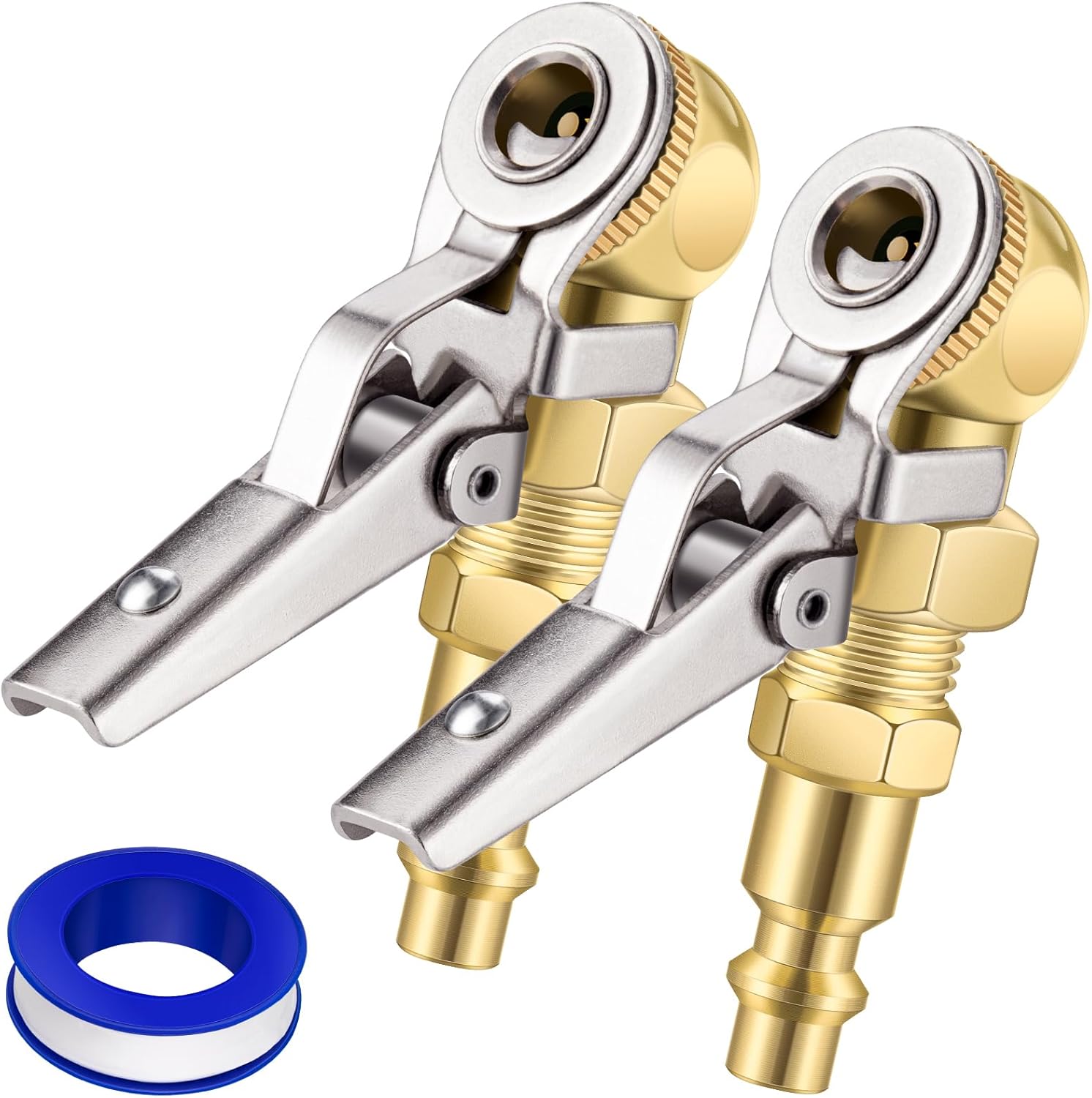
EVOULTES 2-pack closed ball tire chucks lock onto Schrader valves to help you inflate tires hands-free. The set includes both chucks with quick plug compatibility and a 2-way connection approach for easy setup to your air line or compressor. Durable metal construction supports reliable use for cars, trucks, RVs, bikes, and other Schrader-valve tires up to 250 PSI.

The LockNFlate locking air chuck uses six hardened steel jaws to grip any Schrader valve for a secure, hands-free connection that helps prevent leaks or accidental pop-off. It’s rated to 150 PSI and inflates tires with or without the valve core installed. Choose Open Flow for hand/foot valves and automatic inflators, or Closed Flow for compressor/air-hose use requiring valve engagement.

This LUMITECO closed flow ball air chuck set helps prevent air loss by passing air only when the chuck locks onto the tire valve. It features a built-in shut-off valve and quick-connect compatibility for fast, reliable inflating on cars, motorcycles, bikes, and trucks. With a universal 1/4 inch FNPT inlet and secure sealing on Schrader valves, it’s ideal for tire gauges, inflator hoses, and compressor attachments.
How It Compares to Alternatives
The Milton 697-2 is a clip-on, closed-flow chuck with a 1/4-inch FNPT connection, so it better suits traditional compressor fittings but does not match an 8mm hose without adaptation. LockNFlate offers open-flow and closed-flow models with six locking jaws and 1/4-inch NPT threads, making those products better suited to frequent shop use and buyers who want a more service-oriented connection.
The Haltec H-5265 is another standard-bore lock-on option for tire inflators and tire changers. The LDCRE makes the most sense when low cost, compact size, and direct 8mm hose compatibility matter more than a named industrial fitting standard or long-reach design.
[Products Worth Considering]

This solid brass tire inflation hose adapter screws into your inflator and uses a locking press clip to securely clamp onto the tire valve stem. It helps reduce air leakage for fast, efficient pumping and is designed for reliable performance with a wide range of vehicles and inflator setups.

The AstroAI 2 pack air chucks provide a heavy-duty, closed-flow locking design that helps keep air flowing during inflation while securely attaching to the valve stem. Built with 250 PSI rated brass components and compatible with Schrader valves, they feature 1/4" female NPT threads for a wide fit with common inflators. The straight tip and locking clip make filling tires and monitoring pressure more convenient.

This locking tire air chuck adapter converts an unscrewed connection into a secure locking fit to help prevent air leakage during inflation. The brass threaded screw-in nozzle clamps firmly to the tire valve stem for fast, efficient pumping. Designed for reliable performance up to 250 PSI, it’s compatible with 8mm hose inflators and suitable for cars, trucks, motorcycles, bicycles, and more.
Frequently Asked Questions
Does this chuck fit Schrader and Presta valves?
It is intended for standard Schrader-style valve stems. A Presta bicycle valve requires a separate Presta-to-Schrader adapter, and the adapter must still leave enough room for the clip to engage.
Will it fit any tire inflator hose?
No. The linked model is listed for an 8mm bore hose. Check the hose’s inner diameter and attachment method before removing the original fitting.
Is 250 PSI the recommended tire pressure?
No. It is the chuck’s listed maximum pressure rating. Inflate each tire only to the specification provided for the vehicle, tire service, or equipment application.
Can it connect directly to a compressor airline?
Only when the hose connection is compatible and the system controls airflow with a trigger, valve, or automatic inflator. This is described as an open-flow chuck, so it is not the right choice for an uncontrolled, constantly pressurized line.
What comes in the package?
The linked ASIN is listed as a one-pack containing one chuck. A hose, pressure gauge, clamp, compressor, and valve adapters are not identified as included, so verify the current seller selection before ordering.
Why does air still leak after the clip locks?
The chuck may be angled, the internal seal may be dirty or worn, or the valve stem may be damaged. Also inspect the hose connection, since a loose clamp can sound like a valve-end leak.
Who should choose a different air chuck?
Choose another model if you need 1/4-inch NPT threads, closed-flow operation, a dual-head or long-reach design, or direct Presta compatibility. Those needs are better served by a chuck built for that specific fitting and access angle.
The Bottom Line
The LDCRE 8mm brass locking tire air chuck is a sensible buy for an owner who has a matching hose and wants a quicker, hands-free Schrader-valve connection. Its solid brass body, clip mechanism, and 250 PSI component rating are useful strengths, while its open-flow design and limited hose fit are the key tradeoffs. Skip it when your setup uses 1/4-inch NPT fittings, Presta valves without an adapter, or a constantly pressurized line that needs a closed-flow chuck.
Ready to Buy?
Check the current seller, 8mm one-pack selection, and product details before you decide.