
Should You Replace TPMS Sensors When Replacing Hyundai Sonata Tires?
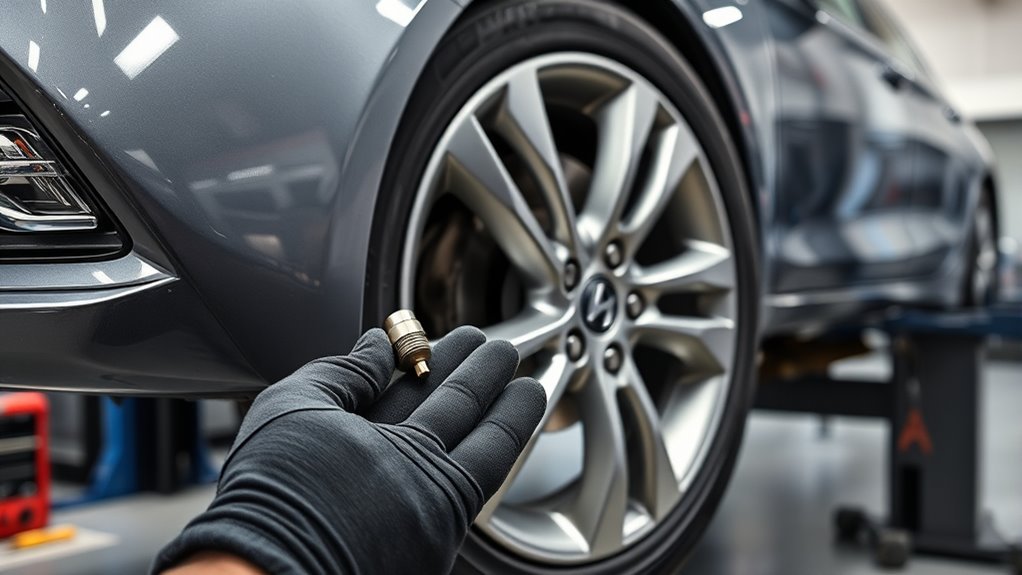
You don’t have to replace TPMS sensors every time you change tires on a Hyundai Sonata—reuse is fine if sensors are intact, batteries hold charge, and signals are strong. Inspect housings, valve stems, cores, and grommets for cracks, corrosion or leaks, and verify IDs and battery/status with an activation tool. Replace any sensors showing dead batteries, intermittent signals, or physical damage, and swap stem parts during mounting; follow with the Hyundai relearn procedure to guarantee proper operation if you want more details.
Can You Reuse TPMS Sensors on a Hyundai Sonata? (Short Answer and Decision Flow)
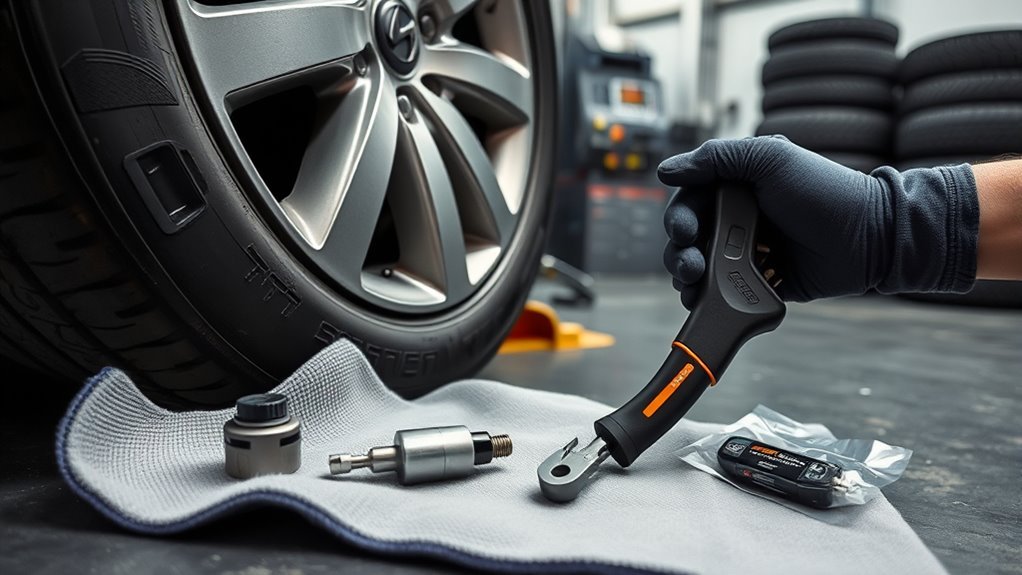
If your Hyundai Sonata’s TPMS sensors are intact and the batteries still hold a charge, you can usually reuse them when changing tires; check each sensor for physical damage, signal strength, and age (5–10 years is the typical service-life window) and replace any sensor that fails diagnostics rather than swapping all units. You’ll assess sensor lifespan first: if units are under 5 years and pass diagnostics, reuse benefits include lower cost, preserved sensor coding, and less waste. During tire change, inspect valve stems and cores—dealerships recommend replacing those to protect the sensor and extend service life. If a sensor shows intermittent transmission, low battery, or triggers the TPMS light despite correct pressure, replace that specific sensor. Your decision flow is simple: evaluate age and diagnostics; address hardware like valve stems; reuse functioning sensors for economy and independence; replace only failed units to keep control over maintenance costs and reduce unnecessary replacements.
How to Check TPMS Sensors on a Hyundai Sonata?
Start by confirming the TPMS light is off after you’ve set all tires to the manufacturer’s recommended pressures; a persistent warning despite correct pressure usually points to a sensor issue, not the air level. You’ll then verify sensor functionality and isolate faults.
- Use a TPMS activation tool at each wheel to read IDs and battery/status data; failure to activate usually indicates malfunction or depleted battery.
- Visually inspect valve stems and sensor housings during tire mounting for cracks, corrosion, or physical damage that can disrupt sensor functionality.
- If the dashboard warning lights persist after pressure and tool checks, perform the Hyundai relearn procedure (or have a shop run it) to re-register sensor IDs to the ECU.
- Monitor the dash regularly and schedule maintenance checks; proactive monitoring frees you from unexpected failures and keeps warning lights meaningful.
Follow these steps to confirm sensors work and preserve your autonomy on the road.
When to Replace a TPMS Sensor: Battery, Damage, or Corrosion?
When a TPMS light stays on or a sensor fails to respond during activation, you’ll need to replace the sensor—most TPMS batteries run down between 5 and 10 years, and a dead battery is the most common cause of failure. You should monitor sensor lifespan and plan battery replacement around that window. Corrosion effects from salt or wet environments degrade contacts and seals; if you see corrosion during service, replace the sensor to maintain system integrity. Physical impacts produce damage indicators such as cracked housings or intermittent signals—those sensors need swapping.
| Issue | Symptom | Action |
|---|---|---|
| Battery end of life | Persistent warning light | Battery replacement = sensor replacement |
| Corrosion effects | Visible rust, poor signal | Replace sensor; stop leak paths |
| Damage indicators | Cracked case, intermittent data | Replace sensor immediately |
Regular checks during tire service free you from unexpected failures and keep you moving with autonomy.
Which Valve Parts to Replace During Tire Mounting (Stem, Core, Nut, Grommet)
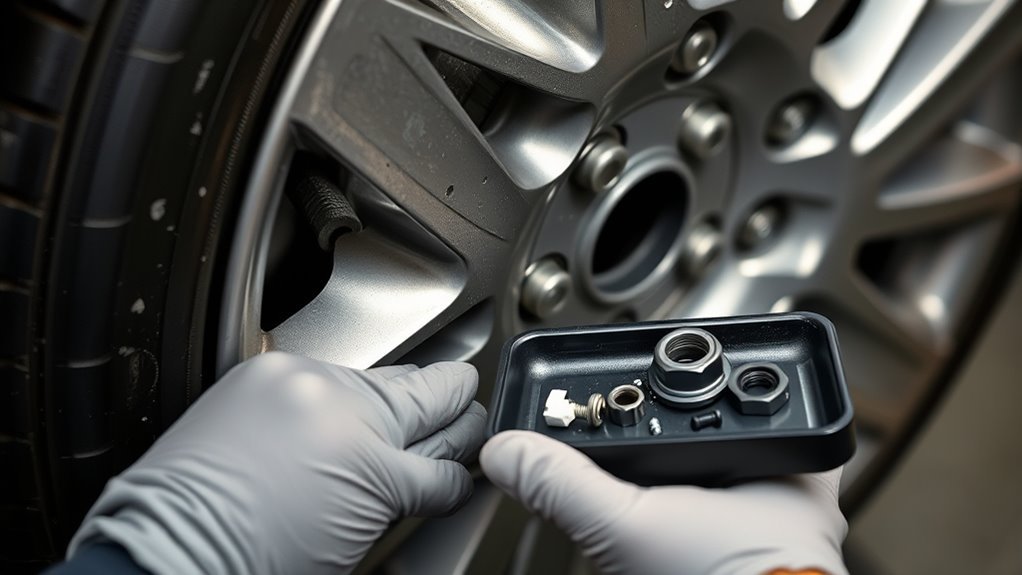
Three valve components deserve routine replacement during tire mounting: the stem, core, and stem nut, with a grommet swap required for metal-stem TPMS units. You should treat these as critical service parts—replacing the valve stem and core stops slow leaks, the stem nut secures the assembly, and the grommet prevents moisture and corrosion on metal-stem sensors. Swap them whenever you mount new tires to protect the TPMS sensor and preserve reliable pressure data.
- Replace the valve stem to eliminate age-related cracking and restore airtight sealing.
- Replace the valve core to guarantee a solid internal seal and consistent inflation control.
- Replace the stem nut to prevent loosening and galvanic corrosion at the wheel interface.
- Replace the grommet on metal-stem sensors to block moisture, maintain sensor accuracy, and avoid premature failures.
You’ll extend sensor life and reduce warning-light interruptions by treating these service parts as standard maintenance.
Cost, Timing, and Step‑by‑Step Workflow for Reuse vs Replace (Including Relearn/Programming)
Having replaced stems, cores, nuts, and grommets during mounting, you now need to decide whether to reuse sensors or replace them—and plan the timing, costs, and relearn steps accordingly. Start with a cost comparison: rebuild kits cost $5–$10 and extend valve life; full sensor replacement averages ~$70 each, with some dealers as low as $20. Factor sensor longevity (7–10 years) and visible damage or low battery before opting to replace.
Workflow — reuse:
1) Inspect and test sensors during mounting.
2) Install rebuild kit if parts are wear-free.
3) Mount tires, balance, and torque.
4) Run TPMS tool to verify readings; no relearn usually needed.
Workflow — replace:
1) Buy matched sensors.
2) Install new sensors during mounting.
3) Perform TPMS relearn/programming per Sonata procedure (scan tool or ignition-cycle method).
4) Verify pressure and calibrate if required.
You’ll save money by reusing serviceable units; replace only when diagnostics or age justify it, keeping liberation and control over maintenance decisions.
Frequently Asked Questions
Do Hyundai TPMS Sensors Need to Be Programmed?
Usually no — they auto-recalibrate while driving, but you might need manual programming if sensors were replaced or aftermarket. Follow TPMS maintenance tips and sensor lifespan considerations to guarantee reliable, liberated vehicle independence.
Where Is the TPMS Reset Button on a Hyundai Sonata?
Want freedom from guesswork? The TPMS reset button’s TPMS location is usually beneath the steering wheel or lower dashboard near the driver’s door; you’ll use it for sensor maintenance and recalibration after tire work.
Conclusion
You can often reuse Hyundai Sonata TPMS sensors if they’re healthy, but don’t gamble—check battery, physical condition, and valve integrity first. If the sensor battery’s near dead, housing’s corroded, or the valve stem is damaged, replace it. Swap worn valve cores, nuts, and grommets during mounting. Relearn/programming is required after tire work. Think of TPMS like a small smoke detector: cheap insurance now avoids a costly blind spot later.

Related Articles

How Summer Heat Affects Your Hyundai Sonata Tires (& What to Do)
Get ready to learn how summer heat impacts your Hyundai Sonata tires and discover crucial tips to keep them safe and efficient this season.
Read More
Hyundai Sonata Uneven Tire Wear: All Causes & Solutions
Tune into the common causes of uneven tire wear in your Hyundai Sonata and uncover essential solutions that could save you money and enhance safety.
Read More
What Tread Depth Prevents Hydroplaning on Hyundai Sonata Tires?
Keep your Hyundai Sonata safe from hydroplaning by knowing the crucial tread depth—discover the details that could save you in wet conditions.
Read More