
4Runner Tire Clearance With a Lift: Sizing Chart
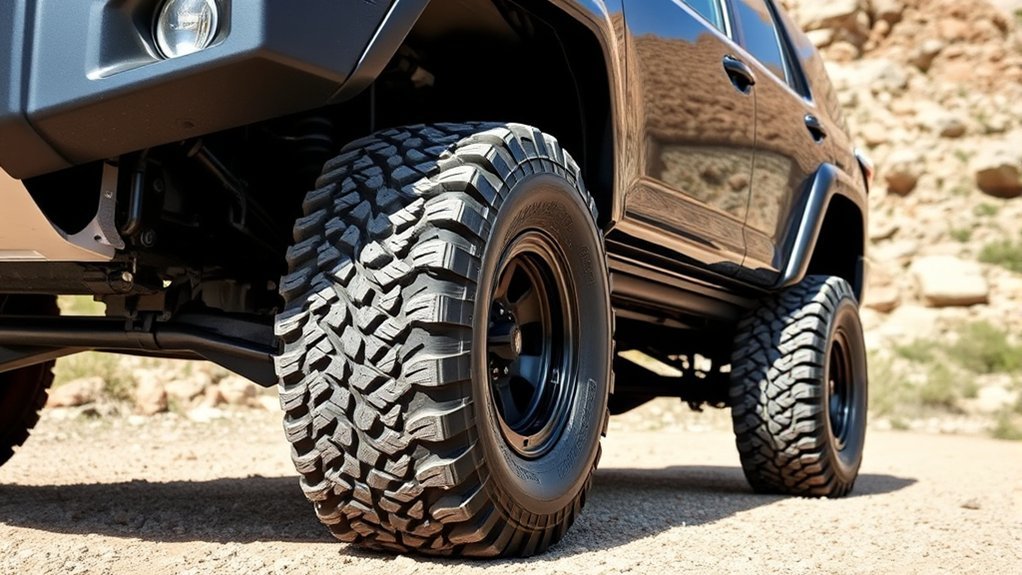
When you lift your Toyota 4Runner, you gain room for larger tires, better ground clearance, and a stronger trail stance. The right size depends on your lift height, wheel offset, tire width, alignment, and how much trimming you accept. For many 4Runner builds, 32-inch tires are the easiest upgrade, 33-inch tires are the common sweet spot, and 35-inch tires are a serious build that usually needs major cutting and setup work.
Last updated: July 7, 2026
Quick Answer
A lifted 4Runner can usually run about 32-inch tires with a 2-inch lift and about 33-inch tires with a 3-inch lift. A 35-inch tire is possible on some builds, but it often needs body mount work, fender trimming, careful wheel offset, alignment changes, and extra test fitting.
Key Takeaways
- Start with your factory tire size, then compare the new tire’s true diameter and width.
- A 2-inch lift is best for mild 32-inch setups, while a 3-inch lift is the common starting point for 33s.
- Rubbing usually happens at the fender liner, mud flap area, body mount, bumper edge, or upper control arm.
- Wheel offset can help clearance, but too much poke can create new rubbing at the fender and bumper.
- After installation, get an alignment, check cold tire pressure, and inspect for rubbing after your first drive.
At a Glance
| Time Required | 30 to 60 minutes for measuring; longer if trimming or alignment is needed |
| Difficulty | Easy for checking clearance; moderate to advanced for trimming and body mount work |
| Tools Needed | Tape measure, flashlight, tire pressure gauge, floor jack, basic hand tools, alignment printout after install |
| Cost | Measuring is free; trimming, alignment, suspension parts, and tires vary by shop and setup |
Tire Clearance Basics for a Lifted 4Runner
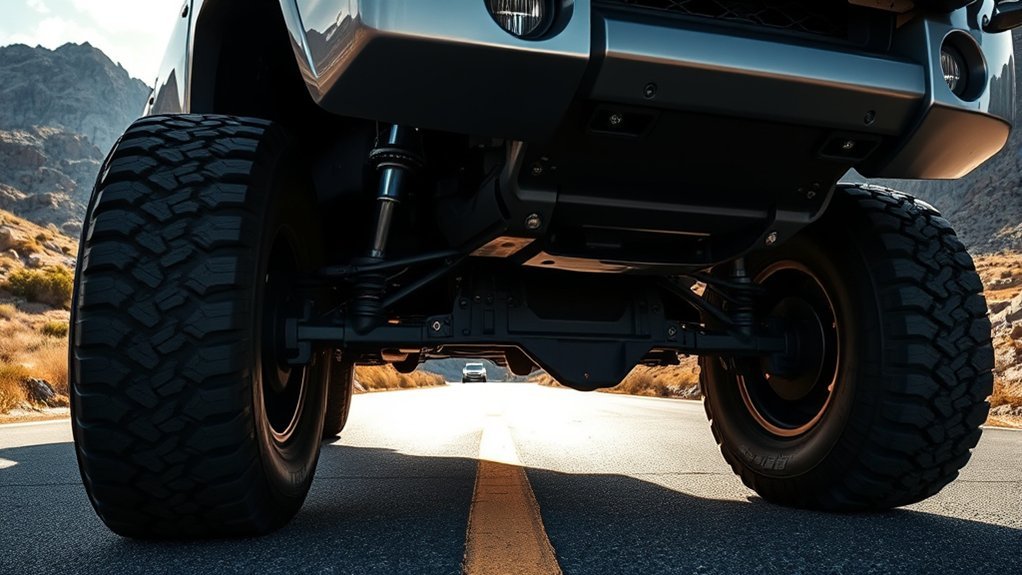
Tire clearance is the space between your tire and everything around it: fender liners, mud flaps, bumper edges, body mounts, upper control arms, brake lines, and the inner wheel well. A lift gives you more vertical clearance, but it does not solve every rubbing point. Wider tires and lower-offset wheels can still hit parts of the body when you turn, reverse, or compress the suspension.
Use your factory tire as the baseline. Toyota’s 2023 4Runner brochure lists P265/70R17 tires on several 17-inch-wheel trims and P245/60R20 tires on Limited models. Those sizes are close to 31.5 to 31.6 inches in overall diameter, depending on the tire model.
Newer 4Runner owners should also note the current factory benchmark. Toyota says the 2025 4Runner Trailhunter uses 33-inch Toyo Open Country A/T tires with Old Man Emu shocks that raise the vehicle two inches in front and one and a half inches in the rear. That does not mean every older 4Runner can copy the setup without changes, but it shows why 33-inch tires are now a major reference point.
Note: Tire sizes are nominal. Two tires with the same printed size can measure differently once mounted, inflated, and loaded. Always check the manufacturer’s true diameter and section width before buying.
[Products Worth Considering]

Universal magnetic jack pad with aluminum grooved design to protect vehicle pinch welds during lifting. Durable nylon pad inserts are upgraded and secured with screws to resist damage and keep in place. Designed to fit most single vehicle pinpoint welds for safer, stable jacking when changing tires, repairs, or performing oil changes.

Camco Trailer Aid Plus tandem tire ramp lifts your trailer for quick, safe tire changes with ample clearance from its 5 1/2-inch lift. It helps you change a flat tire without unloading cargo, making roadside and routine maintenance more efficient. The heavy-duty, waterproof and rustproof polymer design supports up to 15,000 lb and is built for easy portability and storage.
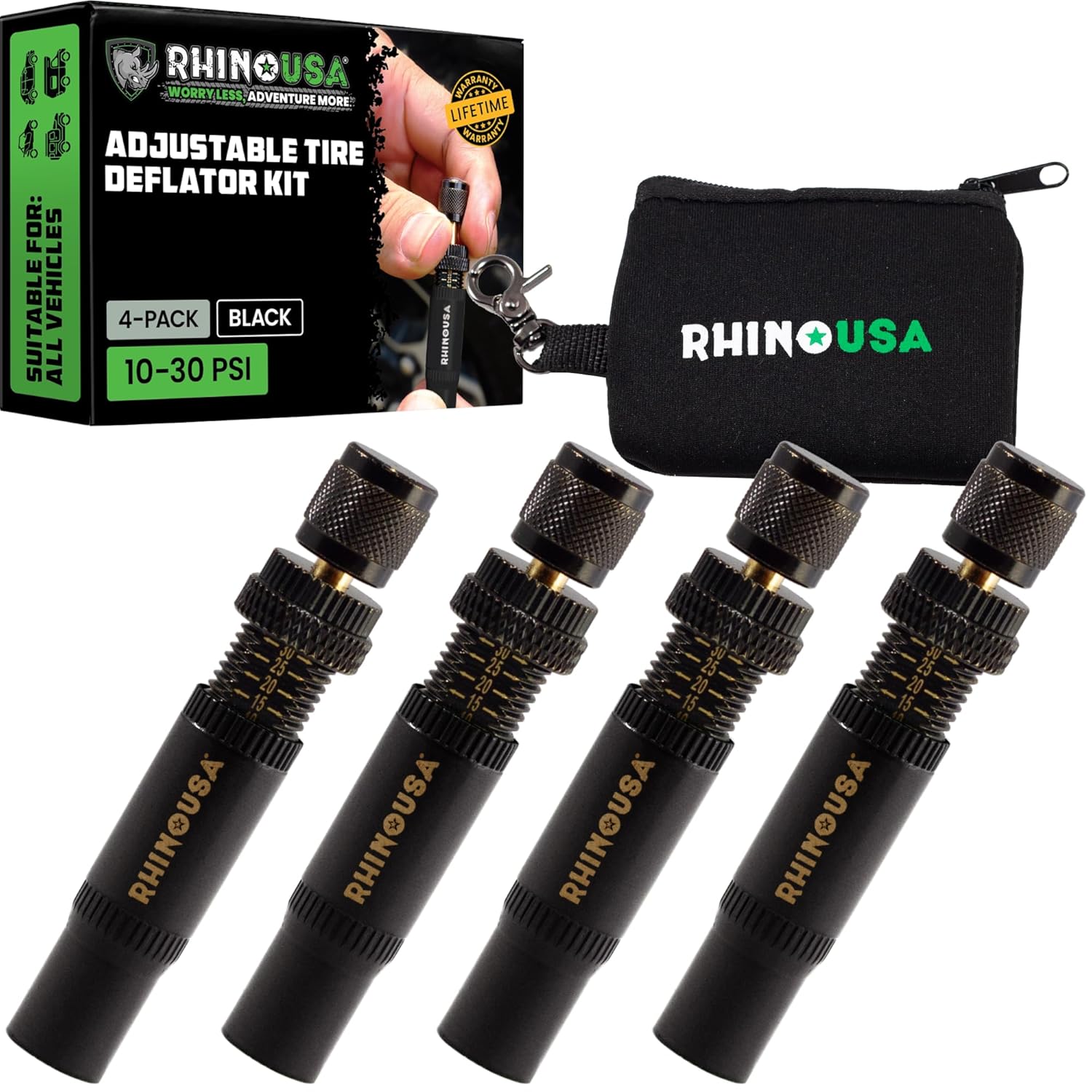
Use the Rhino USA adjustable tire deflators to air down all four tires at once by screwing one deflator onto each valve stem, letting you step away while the tires reach your preset pressure. Each deflator independently adjusts across a 10–30 PSI range with laser-etched indicators for quick setup and verification, making it ideal for beach, sand, and rocky off-road trails.
How Lift Height Affects 4Runner Tire Size
Lift height helps, but it is only one part of tire fitment. A 2-inch lift can usually clear a mild 32-inch tire with little trimming. A 3-inch lift is the common starting point for 33-inch tires, especially 285/70R17. A 4-inch lift or taller can create room for 34-inch or 35-inch tires, but those sizes often need cutting, body mount work, and careful wheel selection.
| Lift Height | Common Tire Range | What to Expect |
| Stock to 2-inch lift | 265/70R17 to 275/70R17, about 31.6 to 32.2 inches | Best for daily driving, light trails, and minimal trimming. |
| 3-inch lift | 285/70R17, about 32.7 inches | Common 33-inch setup. Expect liner adjustment, mud flap removal, or minor trimming. |
| 3-inch lift with more trimming | 285/75R17, about 33.8 inches | Often needs body mount clearance, fender work, caster tuning, and careful offset. |
| 4-inch lift or taller | 315/70R17 or similar, about 34.4 inches | Advanced setup. Expect major trimming, body mount work, and drivability tradeoffs. |
Best Tire Size Recommendations by Lift
For a simple and reliable setup, choose the smallest tire that gives you the clearance and traction you need. A 32-inch tire keeps the 4Runner easier to drive, easier to align, and less likely to rub. A 33-inch tire gives a stronger off-road look and more ground clearance, but it can add weight and may need trimming. A 35-inch tire gives the most stance, but it can affect braking, gearing, fuel economy, steering feel, and long-term wear.
- Best daily-driver choice: 275/70R17 on a mild lift, because it adds size without creating major clearance problems.
- Best balanced trail choice: 285/70R17 on a 3-inch lift, with liner adjustments and a proper alignment.
- Best advanced build choice: 285/75R17 or 315/70R17 only if you accept trimming, body mount work, and extra setup time.
Also consider tread pattern and tire weight. A heavy mud-terrain tire can feel slower and harsher than an all-terrain tire in the same size. If your 4Runner sees daily highway use, an all-terrain tire often gives a better mix of road manners, rain traction, noise control, and trail grip.
Modifying Your 4Runner for Larger Tires
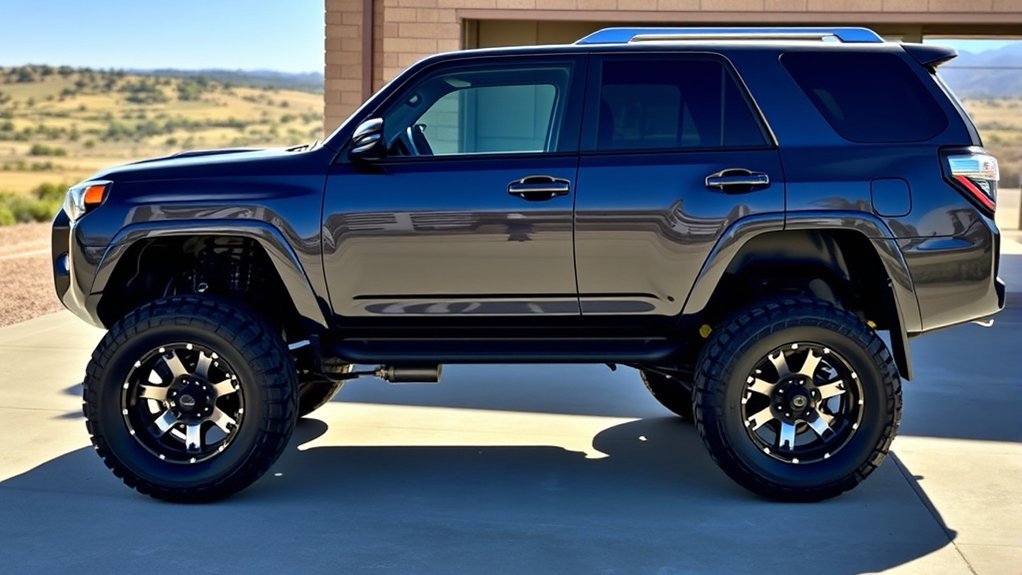
When you move beyond a mild tire upgrade, expect to make small changes before everything clears. The goal is not just to make the tire fit while parked. You need clearance while steering, reversing, braking, turning into a driveway, and flexing the suspension off-road.
Common Rubbing Points
Start by checking the areas where 4Runners usually rub. Look at the front fender liner, mud flap area, lower bumper edge, body mount behind the front tire, pinch weld area, and upper control arm. Rubbing can show up as shiny plastic, polished metal, cut rubber, or a scraping sound when turning.
- Fender liner: Often fixed by pushing the liner forward or trimming plastic.
- Mud flaps: Often removed when running wider 33-inch tires.
- Body mount: May need a body mount chop for larger 33s, 34s, or 35s.
- Upper control arm: Can rub when the wheel has too much positive offset or the tire is too wide.
- Bumper edge: May need trimming when using wider tires or lower-offset wheels.
Warning: Do not cut body mounts, metal, wiring areas, or structural parts unless you know exactly what you are doing. If you need a body mount chop, use an experienced fabricator or off-road shop.
How to Measure Before Buying Tires
Before you order tires, measure the space around your current setup. Turn the steering wheel fully left and right. Check the front and rear side of each front wheel well. Then repeat the check while backing up, because many rubbing problems appear in reverse before they appear while moving forward.
- Park on level ground and set the parking brake.
- Measure the gap between the tire and the fender liner at full steering lock.
- Check the gap between the tire and the upper control arm.
- Look behind the tire at the body mount and mud flap area.
- Estimate the extra width and height of the new tire.
- Plan for alignment and trimming before the tires arrive.
Essential Trimming Techniques
For 33-inch tires, many owners start with plastic work. You may need to reshape the fender liner with heat, move liner mounting points, trim the front bumper edge, or remove mud flaps. These changes are easier to reverse than metal cutting and can solve mild rubbing.
Larger tires may need more serious work. A body mount chop can create extra space behind the front tire. Some builds also need pinch weld flattening or sheet metal trimming under the fender flare. Move slowly and test often, because cutting too much creates a rough finish and can expose areas that need paint or corrosion protection.
Suspension Upgrades and Alignment
A lift changes more than ride height. It also affects alignment, caster, steering feel, and suspension travel. If you run a 3-inch lift, aftermarket upper control arms can help restore alignment range and improve clearance near the tire. Quality shocks and coils also control the heavier tire better than basic spacer-only setups.
After installing lift parts or larger tires, get a professional alignment. Ask for a printout and keep it with your records. More positive caster can help pull the tire away from the rear of the fender opening, but your shop must keep the vehicle within a safe, stable alignment range.
Wheel Offset and Tire Clearance
Wheel offset changes where the tire sits under the 4Runner. A more positive offset tucks the tire inward, which can create upper control arm rubbing with wide tires. A lower or negative offset pushes the tire outward, which can help inner clearance but can also create rubbing at the fender liner and bumper.
Do not choose offset for looks alone. The best wheel depends on tire width, wheel width, lift height, upper control arm shape, and trimming. If you are close to the limit, test-fit one mounted tire before buying a full set. Also check local tire-coverage rules if your new wheel pushes the tread beyond the fender.
Pro Tip: If two tire sizes are close, choose the narrower one for fewer rubbing issues. Width often causes more clearance problems than diameter.
Real-Life Fitment Examples and Modifications
Use these examples as planning ranges, not hard rules. Your actual fit can change with tire brand, tread design, wheel specs, alignment, suspension parts, and worn bushings.
A 33-inch tire is usually the practical limit for many lifted 4Runner owners who want real trail capability without turning the build into a cutting project.
- Stock-size replacement: A 265/70R17 keeps factory-like manners and usually avoids trimming.
- Mild 32-inch setup: A 275/70R17 works well for daily driving and light off-road use with a small lift.
- Common 33-inch setup: A 285/70R17 on a 3-inch lift may need liner movement, mud flap removal, and alignment work.
- Tall 33-inch setup: A 285/75R17 often needs more trimming and may push you toward body mount clearance work.
- 35-inch-style setup: A 315/70R17 or similar tire is a major build item, not a casual upgrade.
[Products Worth Considering]

These universal aluminum tire valve stem caps help protect valve cores from corrosion caused by dirt, water, and snow while helping prevent air leaks to maintain steady tire pressure. They’re easy to install with a simple screw-on fit and are suitable for cars, SUVs, trucks, bicycles, motorcycles, and other vehicles. The stylish black caps add a clean, standout look to your wheels while supporting reliable long-term performance.

This portable cordless tire inflator delivers fast, efficient inflation for cars, motorcycles, bikes, and sports balls with a digital pressure gauge. Use the one-click PSI preset with auto shut-off for accurate, hands-free topping to your target pressure up to 150 PSI. It’s compact and rechargeable with a built-in emergency LED light plus valve adapters and accessories for quick, ready-to-go use.
Safety Checks After Installing Larger Tires
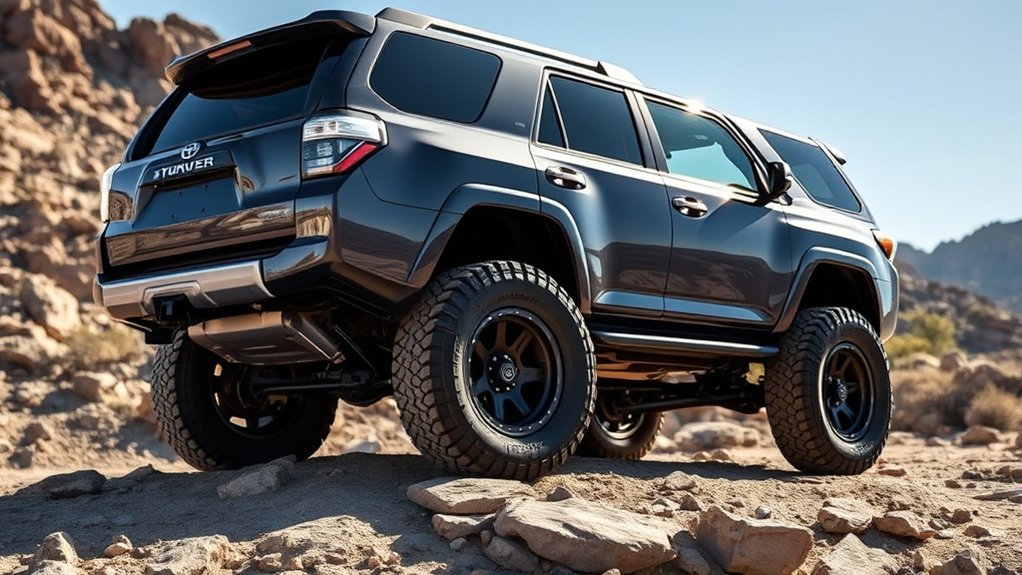
Once the tires are installed, do a slow test before normal driving. Turn lock-to-lock in a parking lot, reverse while turning, drive over a small curb cut at an angle, and listen for rubbing. After the first short drive, inspect the inner fenders, liners, body mount area, brake lines, and sidewalls.
Use the correct tire pressure process. The National Highway Traffic Safety Administration says the proper tire pressure comes from the Tire and Loading Information Label or owner’s manual, not the number molded on the tire sidewall. NHTSA also recommends checking tire pressure at least once a month when the tires are cold.
Check load rating before you buy. Larger tires can be heavier, and some aggressive tires may change ride quality or handling. Choose a tire with a suitable load rating for your 4Runner, passengers, cargo, armor, roof rack, and towing needs. If your TPMS light comes on after the swap, inspect the tire pressure and have the system checked if the light stays on or flashes.
Speedometer, Gearing, and Driving Impact
Larger tires change how the 4Runner drives. A taller tire can make the speedometer read lower than your real speed. It can also reduce low-speed torque, increase braking distance, add road noise, and reduce fuel economy. These changes are small with mild 32-inch tires but become more noticeable with heavy 33s, 34s, and 35s.
If your 4Runner feels sluggish after a large tire upgrade, do not assume the lift caused it. Tire weight and diameter are often the bigger reasons. Regearing is not usually needed for a mild 32-inch setup, but it can become worth discussing on heavy 34-inch or 35-inch builds, especially if you tow, carry armor, or drive in mountains.
Final Tips for Optimal Tire Clearance and Performance
For most owners, the best path is simple: measure first, choose a realistic tire size, install quality suspension parts, align the vehicle, and test for rubbing before your first long trip. A 32-inch tire is the low-stress upgrade. A 33-inch tire is the common lifted 4Runner target. A 35-inch tire belongs on a purpose-built rig with the budget and patience for extra work.
Before you make the final decision, compare your tire’s real dimensions, not just the printed size. Check the manufacturer’s specs for overall diameter, section width, approved wheel width, load rating, and weight. Then match those numbers to your lift, wheels, alignment, and driving style.
Frequently Asked Questions
What size tires will fit on a 4Runner with a lift?
A 2-inch lift usually works best with about 32-inch tires, while a 3-inch lift commonly supports 33-inch tires with some trimming or liner adjustment. Tires around 35 inches can fit some builds, but they often need body mount work, metal trimming, careful wheel offset, and extra setup.
Will 285/70R17 tires fit a lifted 4Runner?
Yes, 285/70R17 is one of the most common 33-inch-style tire sizes for lifted 4Runners. It often works best with about a 3-inch lift, a proper alignment, and minor plastic trimming. Some setups still rub at the body mount, mud flap area, or fender liner.
Do I need a body mount chop for 33-inch tires?
Not always. Many 285/70R17 setups can work with liner adjustment, mud flap removal, and alignment changes. Taller or wider 33s, lower-offset wheels, and aggressive tread designs are more likely to need body mount clearance.
Are 35-inch tires worth it on a 4Runner?
They can be worth it for a dedicated off-road build, but they are not the best choice for every driver. A 35-inch tire adds clearance and traction, but it can also add weight, rubbing, slower acceleration, braking changes, more trimming, and possible gearing needs.
Should I change tire pressure after installing larger tires?
Use the vehicle’s Tire and Loading Information Label or owner’s manual as your starting point, then work with a tire professional if your new tire size, load range, or vehicle weight has changed. Always check pressure when the tires are cold and stay within the tire manufacturer’s limits.
Conclusion
The best tire size for your lifted 4Runner is the one that clears safely, drives well, and matches how you use the vehicle. A 32-inch tire is the easiest upgrade, a 33-inch tire is the most common trail-focused choice, and a 35-inch tire is a major build that needs careful planning. Measure first, choose the right wheel offset, protect your load rating and tire pressure, and test for rubbing before you head off-road.
Sources
- Toyota 2023 4Runner eBrochure – factory 4Runner wheel and tire examples, including P265/70R17 and P245/60R20 sizes.
- Toyota USA Newsroom: 2025 Toyota 4Runner – current-generation Trailhunter context, 33-inch Toyo Open Country A/T tires, and factory lift details.
- NHTSA TireWise – tire pressure, tire sizing, tread, alignment, TPMS, tire maintenance, and safety guidance.

Related Articles

Best Toyota 4Runner Tires Under $150 2026 – Top Budget All-Terrain Tires
You use your Toyota 4Runner for a mix of highway miles and off-road adventures, so choosing capable all‑terrain tires that cost less than $150…
Read More
Best Budget Tires for Toyota 4Runner 2026 – Top Affordable Performance Tires
You rely on your Toyota 4Runner for a mix of daily driving and weekend adventures, and the tires you choose shape safety, comfort, and…
Read More
Best On Road All Terrain Tires for Toyota 4Runner 2026 – Top Highway-Friendly A/T Tires
You want all-terrain tires that let your 2026 Toyota 4Runner feel planted and quiet on the highway while still offering capable off-road traction when…
Read More