
Risks of Underinflated Tires on a RAV4: A Safety Guide
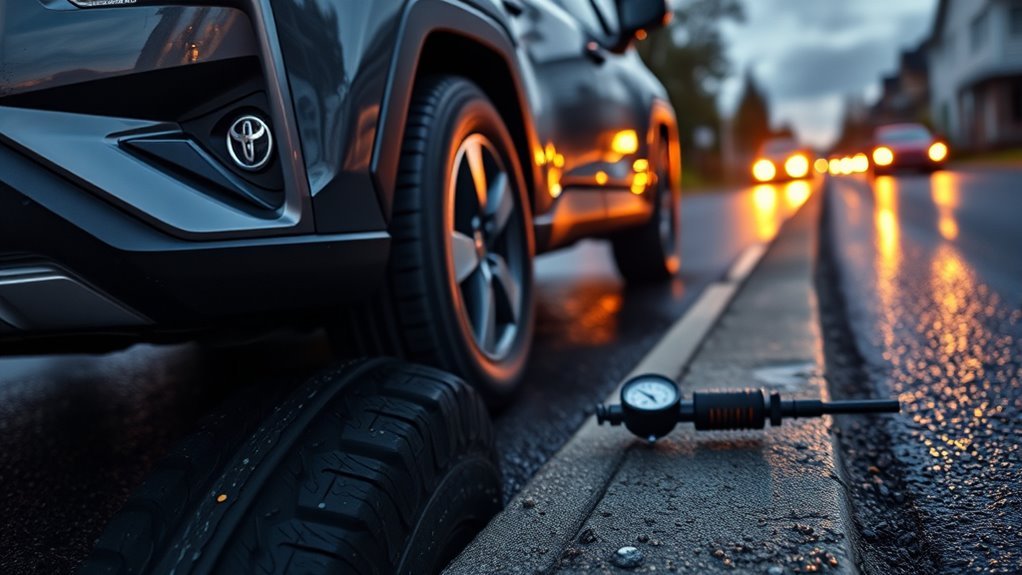
Driving your RAV4 on underinflated tires greatly increases your crash risk, lowers fuel efficiency, and compromises vehicle performance. Tires below pressure can cause blowouts and extend your stopping distance by up to 20%. Natural air loss and temperature changes contribute to underinflation, making regular checks essential. Ignoring tire pressure can also lead to legal and financial repercussions. Understanding the signs and risks of underinflation can keep you safer on the road and enhance your vehicle’s longevity. More insights await.
The Dangers of Driving on Underinflated Tires

When you drive on underinflated tires, you dramatically increase the risk of dangerous situations. Tires underinflated by 25% or more are three times more likely to cause a crash, as they can lead to blowouts and overheating. This overheating compromises tire integrity, which could result in severe accidents. Additionally, underinflated tires extend your stopping distances by 10% to 20%, making quick stops more hazardous. Shockingly, nearly 45% of SUVs involved in rollovers had prior tire issues, underscoring the critical nature of tire maintenance.
Driving with low tire pressure not only jeopardizes safety but also increases rolling resistance, forcing your engine to work harder. This negatively impacts fuel efficiency and raises emissions, violating safety regulations aimed at protecting the environment. Regular checks and maintenance of your tires can liberate you from these risks, ensuring a safer driving experience.
Common Causes of Underinflated Tires in RAV4s
Underinflated tires on your RAV4 can stem from several common issues. Natural air loss typically reduces tire pressure by 1-2 PSI each month, which can go unnoticed if you don’t check regularly. Additionally, temperature fluctuations and valve stem defects can further exacerbate this problem, making it essential for you to stay vigilant about tire maintenance.
Natural Air Loss
Natural air loss in RAV4 tires is a common issue that can lead to underinflation if not addressed. Tires naturally lose 1-2 PSI per month due to air permeability through the tire material, so regular pressure checks are essential. This gradual air loss can compromise your vehicle’s performance and safety. Additionally, valve stem defects and small punctures from road debris may contribute to slow leaks, further deteriorating air retention. Corroded tire beads or debris can also create gaps that allow air to escape, making visual inspections crucial. By staying vigilant and monitoring your tire pressure regularly, you can mitigate the risks associated with underinflated tires, ensuring a safer driving experience in your RAV4.
Temperature Fluctuations Effects
As temperatures fluctuate, your RAV4’s tires can easily become underinflated, especially during colder months. Here are key factors to take into account:
- Tire pressure can drop by 1 PSI for every 10°F decrease in temperature.
- Tires may lose 1-2 PSI per month due to natural air loss and temperature changes.
- The Tire Pressure Monitoring System (TPMS) alerts you to significant drops in tire pressure.
- Seasonal temperature changes can lead to overinflation if pressure isn’t monitored.
Regular temperature monitoring and timely pressure adjustments are essential. Underinflated tires increase rolling resistance, reducing fuel efficiency and compromising safety. By staying vigilant, you can maintain ideal tire performance and enhance your driving experience.
Valve Stem Defects
Temperature fluctuations can exacerbate tire pressure issues, but valve stem defects often play a significant role in air loss for your RAV4’s tires. A damaged valve stem can cause leaks, leading to underinflation, which not only affects handling but also increases the risk of blowouts. Regular visual inspections for cracks or wear are vital for valve maintenance and can enhance tire longevity. Corroded or improperly installed valve stems can worsen the natural air loss of 1-2 PSI per month. Promptly replacing faulty valve stems is essential, as they contribute to about 10% of tire inflation issues.
| Defect Type | Consequence | Maintenance Action |
|---|---|---|
| Cracked | Air loss | Inspect regularly |
| Corroded | Increased leaks | Replace immediately |
| Improper Installation | Frequent underinflation | guarantee proper setup |
| Age-related Wear | Gradual pressure loss | Replace every few years |
| Foreign Debris | Obstructed sealing | Clean and inspect |
How Does Tire Underinflation Affect Your RAV4’s Performance?
When your RAV4’s tires are underinflated, you may not realize the significant impact on its overall performance. Effective tire maintenance is essential, as underinflation leads to various performance issues:
- Fuel Efficiency: A drop of 1 PSI can reduce efficiency by about 0.2%, increasing fuel costs over time.
- Handling and Stability: Underinflated tires compromise handling, resulting in 10% to 20% longer stopping distances.
- Engine Strain: Increased rolling resistance forces the engine to work harder, risking overheating and shortening its lifespan.
- Safety Risks: Underinflation raises the risk of blowouts and crashes, particularly if tires are 25% below recommended pressure.
These performance impacts highlight the importance of regular tire maintenance. Ignoring tire care not only affects your RAV4’s efficiency but also compromises safety, ultimately limiting your freedom on the road.
Signs Your RAV4 Tires Are Underinflated

How can you tell if your RAV4’s tires are underinflated? Start by visually inspecting them; underinflated tires often appear saggy or less round. Pay attention to your driving comfort—delayed steering response and increased stopping distances signal potential underinflation, with braking times extending by 10% to 20%. Additionally, if the Tire Pressure Monitoring System (TPMS) light activates, it’s a clear indicator to check your tire pressure.
Another critical sign is unusual tire wear. Look for excessive wear on the outer edges, which commonly indicates underinflation. Finally, keep an eye on your fuel efficiency. A drop in mileage could suggest your tires are underinflated, as every 1 PSI decrease can reduce gas mileage by 0.2%. By remaining vigilant about these signs, you can guarantee a safer, more efficient drive in your RAV4.
How to Check Tire Pressure on Your RAV4
To check tire pressure on your RAV4, you’ll need a reliable tire pressure gauge and access to the recommended PSI, found on the Tire and Loading Information Label. Aim to check your tire pressure at least once a month and before any long trips for maximum safety. Regular monitoring not only enhances performance but also extends the life of your tires.
Tools Required
Checking the tire pressure on your RAV4 requires just two essential tools: a reliable tire pressure gauge and an air compressor. With these, you can confirm your tires are properly inflated for peak performance and safety. Here’s what you’ll need:
- Tire Pressure Gauge: Choose between digital or analog gauge types for accurate readings.
- Air Compressor: Handy for inflating tires if pressure is below the recommended level.
- Tire Pressure Information: Know the ideal PSI, usually found on the driver’s side door jamb.
- Safety Gloves: Protect your hands while working on your tires.
Regularly using these tools will help you maintain proper tire pressure and enhance your RAV4’s safety and efficiency.
Ideal Checking Frequency
Regularly checking your RAV4’s tire pressure is essential for maintaining peak performance and safety. Aim to check your tire pressure at least once a month, especially before long journeys. Use a reliable tire pressure gauge and always measure when the tires are cold for the most accurate readings. You can find the recommended tire pressure on the driver’s side door jamb or in your owner’s manual, typically listed in PSI. During colder months, monitor your tire pressure more frequently, as it can drop by 1-2 PSI for every 10°F decrease. Consistent tire maintenance and safety checks not only enhance your vehicle’s fuel efficiency but also greatly reduce the risk of accidents on the road.
Seasonal Impact on RAV4 Tire Pressure
As temperatures fluctuate throughout the year, understanding how these changes affect your RAV4’s tire pressure becomes vital for safe driving. Seasonal variations can greatly impact your tire performance, so here are some key points to bear in mind:
- In colder temperatures, tire pressure can drop by 1-2 PSI for every 10°F decrease.
- For winter adjustments, inflate your tires 2-3 PSI higher to counteract cold-induced pressure loss.
- During hot weather, tire pressure can rise; avoid releasing air from warm tires.
- Regular pressure monitoring is essential, as a drop below the manufacturer’s recommendation by over 25% increases tire failure risk.
What You Need to Know About TPMS in Your RAV4
Your RAV4’s Tire Pressure Monitoring System (TPMS) plays an essential role in maintaining safe driving conditions by continuously monitoring tire pressure. It alerts you when pressure drops noticeably, typically triggering a dashboard warning light when it falls below 25% of the recommended level. Understanding TPMS functionality is important; RAV4 models may have direct systems with sensors in each tire or indirect systems that monitor wheel speed for pressure changes.
However, TPMS isn’t foolproof. Slow leaks or minor pressure changes can go undetected, making regular manual checks essential for effective TPMS maintenance. After adjusting tire pressure, resetting the TPMS guarantees the system accurately reflects your tires’ current condition. By staying informed about your TPMS, you empower yourself to maintain ideal tire pressure, enhancing safety and performance. Remember, proactive measures can help prevent accidents and improve your driving experience.
How Underinflated Tires Hurt Fuel Efficiency
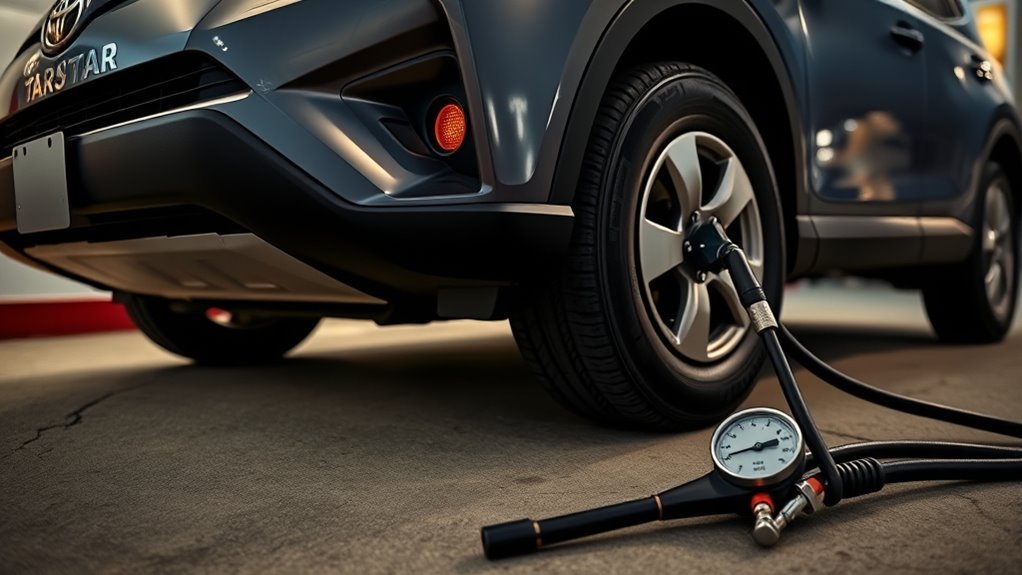
Underinflated tires increase the load on your engine, forcing it to work harder and consume more fuel. For each PSI drop in tire pressure, you could see a 0.2% reduction in fuel efficiency, which adds up over time. By maintaining proper tire inflation, you not only enhance your RAV4’s performance but also save on fuel costs.
Increased Engine Load
When tire pressure drops, your RAV4’s engine faces increased strain, which directly impacts fuel efficiency. Here’s how underinflated tires affect your driving experience:
- Fuel Efficiency Decline: Expect a 0.2% decrease in efficiency for every 1 PSI drop.
- Higher Rolling Resistance: A drop of 25% or more greatly raises fuel consumption.
- Engine Performance Issues: Low tire pressure forces your engine to work harder, reducing overall performance.
- Increased Emissions: Poor tire pressure leads to higher emissions, affecting air quality.
Regularly checking tire pressure is essential. By maintaining ideal levels, you can lessen engine strain, enhance performance, and ultimately enjoy a more liberating driving experience while saving money at the pump.
Higher Fuel Costs
Maintaining proper tire pressure directly affects your fuel costs. Underinflated tires can severely reduce fuel efficiency, leading to increased expenses at the pump. A tire that’s 10 PSI low can decrease fuel efficiency by 20%, translating to significant financial strain over time. Regular maintenance, however, can provide notable fuel savings and enhance tire longevity.
| Tire Pressure Drop | Fuel Efficiency Loss |
|---|---|
| 1 PSI | 0.2% |
| 10 PSI | 20% |
| Recommended PSI | Up to 3% gain |
Legal Risks of Driving With Underinflated RAV4 Tires
Driving a RAV4 with tires that aren’t properly inflated can expose you to significant legal risks. Understanding these risks is essential for your safety and financial well-being. Here are four key points to take into account:
- Increased Accident Risk: Underinflated tires raise your chances of being involved in a crash by three times.
- Negligence Claims: Failing to maintain proper tire pressure can be deemed negligent, leading to liability in accidents.
- Rollover Incidents: Nearly 45% of SUVs with tire issues were involved in rollover crashes, underscoring the severity of underinflation.
- Insurance Consequences: If found liable for an accident due to underinflated tires, you might face higher insurance premiums and legal penalties.
These legal implications and liability concerns emphasize the importance of regularly checking your tire pressure to protect yourself from potential legal repercussions.
Top Tips for Ensuring Your RAV4 Tires Are Properly Inflated
Underinflated tires can lead to serious legal repercussions, making it essential to prioritize proper tire inflation for your RAV4. Start by checking your tire pressure at least once a month, guaranteeing it aligns with the manufacturer’s recommended PSI, typically found on the driver’s side door jamb. Use a reliable tire pressure gauge and check when your tires are cold for accurate readings.
Be aware of seasonal temperature changes; tire pressure can drop by 1-2 PSI for every 10°F decrease. This means you should check more frequently during winter months. Confirm both front and rear tires are inflated to their specific recommended pressures, as they may differ. Finally, consider setting your tire pressure 2-3 PSI higher in winter to enhance safety and performance. Following these tire maintenance tips will not only improve your driving experience but also help you avoid potential legal issues.
Frequently Asked Questions
What Happens if My RAV4 Tire Pressure Is Too Low?
If your RAV4’s tire pressure is too low, you’ll experience uneven tire wear and decreased fuel efficiency. This means more frequent stops at the pump and potential safety hazards, so regularly check and maintain proper tire pressure.
Conclusion
In conclusion, staying savvy about your RAV4’s tire pressure is essential for safety and performance. Underinflated tires can lead to dangerous dilemmas, diminished efficiency, and potential legal liabilities. By regularly checking tire pressure and understanding the signs of underinflation, you can guarantee a smooth, safe ride. So, keep your tires properly inflated to promote peace of mind, performance, and prolonged tire life. Don’t let underinflation derail your driving experience!

Related Articles

Upsizing Wheels on a Toyota RAV4: Pros, Cons, and Considerations
Boost your Toyota RAV4's performance with larger wheels, but discover the hidden trade-offs that could impact your ride before you decide.
Read More
Can I Change Tire Size on My Toyota RAV4? Rules and Recommendations
Are you considering changing the tire size on your Toyota RAV4? Discover the essential rules and recommendations before making a decision.
Read More
What to Do If the TPMS Light Comes On in Your RAV4
Understand the steps to take when the TPMS light illuminates in your RAV4, as overlooking it could lead to serious tire problems.
Read More