
Hyundai Sonata Tire Keeps Losing Air With No Puncture: Causes
If your Hyundai Sonata’s tire keeps losing air without visible punctures, several factors could be at play. Temperature changes can cause pressure drops, while valve stem leaks and tire bead issues might contribute as well. Tiny cracks or porous tires can allow air to seep out, and corroded rims can create poor seals. Regular inspections can help you spot these problems early. For more insights on preventing air loss and maintaining your tires, keep exploring.
Diagnosing Tire Deflation: Key Indicators and Solutions
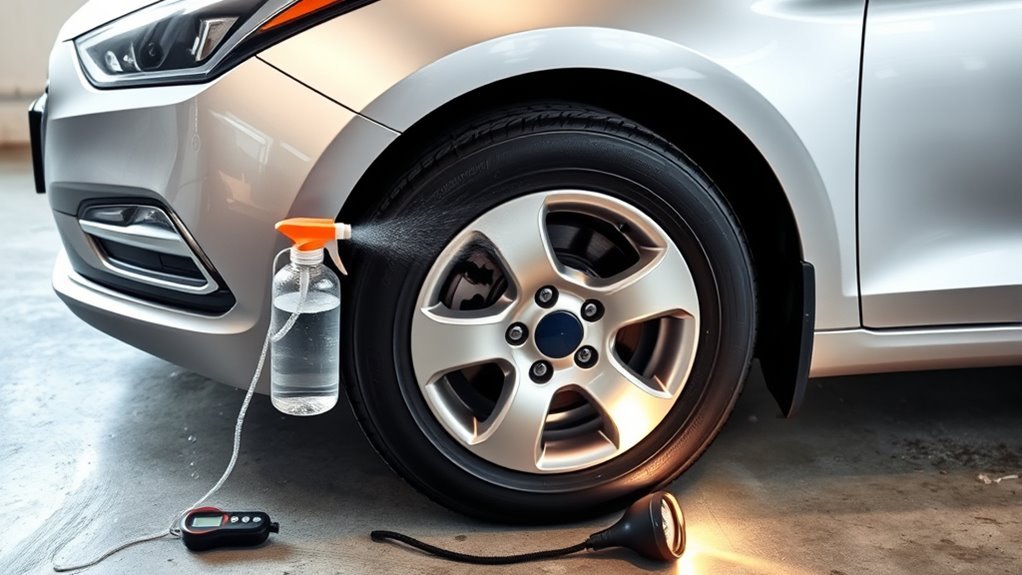
When it comes to diagnosing tire deflation, being proactive can save you from potential hazards on the road. Start by regularly monitoring your tire pressure—just a drop of 1-2 psi can occur for every 10-degree Fahrenheit decrease in temperature, leading to air loss. Check for valve stem leaks by flexing the stem or using a soap and water mixture; even tiny cracks can cause gradual air escape.
Inspect the tire bead and wheel rim for dirt, corrosion, or improper seating, as these can create leaks where the tire meets the wheel. Don’t overlook visual inspections for small sidewall damage or internal leaks; these issues can be tricky to spot but could necessitate tire replacement to prevent blowouts. Finally, schedule regular professional inspections to catch hidden issues like bead leaks or valve stem deterioration before they worsen. Staying vigilant will keep your tires—and you—safe on the road.
How Temperature Changes Affect Tire Pressure
As temperatures drop, you might notice your tire pressure decreasing by 1-2 psi for every 10 degrees Fahrenheit. Cold air causes the air inside your tires to contract, while warmer weather makes it expand. Keeping an eye on your tire pressure during these seasonal shifts is essential for peak performance and safety.
Effects of Temperature Drops
Temperature drops can drastically impact your tire pressure, leading to a host of performance issues if not addressed. As the temperature plummets, air pressure in your tires decreases by about 1-2 psi for every 10-degree Fahrenheit drop. This temperature impact can result in underinflation, risking safety on the road.
- Uneven tire wear
- Decreased fuel efficiency
- Increased risk of blowouts
- Diminished traction
- Poor handling
Regularly checking your tire pressure, especially during colder months, is crucial. You might notice significant air loss overnight, so keep a reliable gauge handy. By staying vigilant, you can guarantee peak performance and safety, empowering you to drive with confidence through any weather.
Air Expansion and Contraction
Shifts in temperature directly impact tire pressure, primarily through the principles of air expansion and contraction. As the temperature drops, air pressure in your tires decreases by about 1-2 psi for every 10-degree Fahrenheit drop. Conversely, when the air heats up, it expands, causing pressure to rise. This fluctuation can lead to underinflation, especially if you don’t check your tire pressure regularly.
| Temperature Change (°F) | Pressure Change (psi) |
|---|---|
| -10 | -1 to -2 |
| 0 | 0 |
| +10 | +1 to +2 |
| +20 | +2 to +4 |
| -20 | -2 to -4 |
Understanding these temperature effects helps you maintain safe tire inflation, enhancing performance and handling.
Seasonal Pressure Adjustments
When the seasons change, your tire pressure can fluctuate significantly, making it important to keep an eye on it. Temperature drops can cause tire pressure to dip by about 1-2 PSI for every 10 degrees Fahrenheit. This means regular checks during colder months are essential.
- Tires losing air overnight
- Uneven tread wear and tear
- Decreased fuel efficiency
- Compromised vehicle performance
- Increased risk of blowouts
These seasonal adjustments are critical for effective tire maintenance. Underinflated tires not only wear unevenly but can also lead to safety issues on the road. Stay proactive and monitor your tire pressure regularly to guarantee a smooth, safe ride, regardless of the season.
What Role Do Valve Stems Play in Tire Air Loss?
Valve stems play an essential role in maintaining your tire’s air pressure by sealing in air while allowing you to inflate or deflate as needed. However, these small components can suffer from wear and tear over time, leading to potential air leaks if not properly maintained. Regularly checking your valve stems for cracks and replacing them when necessary can help prevent frustrating tire pressure issues down the road.
Valve Stem Functionality Explained
Although you might not think about them often, valve stems play an essential role in maintaining your tire’s air pressure. They allow you to add or remove air while sealing the tire to prevent leaks. Neglecting proper valve stem maintenance can lead to slow air leaks, impacting your driving safety.
- The sturdy core that keeps air sealed
- A rubber exterior vulnerable to heat and moisture
- The sneaky cracks that can develop over time
- Bubbles forming with soapy water—your leak detection tool
- A quick replacement that saves you from deflation
Regularly inspect your valve stems for signs of wear. It’s a simple step that can keep your tires safe and functioning effectively.
Common Valve Stem Issues
Neglecting your valve stems can lead to frustrating air loss in your tires. These small components are vital for maintaining tire pressure, but they can corrode or crack over time, allowing air to escape without any visible damage. A missing valve cap can also compromise the seal, leading to leaks. Regular valve maintenance is essential; inspect them every 4 to 5 years and replace them if you spot any damage.
| Issue | Action |
|---|---|
| Corrosion | Inspect regularly and replace |
| Cracking | Check integrity; replace if needed |
| Missing valve cap | Always use to protect the stem |
| Exposure to chemicals | Clean and inspect frequently |
| Air loss detection | Use soap and water to check leaks |
Identifying Bead Leaks and Tire Air Loss Issues
When you’re experiencing tire air loss, one potential culprit could be a bead leak, which often occurs at the junction where the tire meets the wheel. This issue can arise from dirt, corrosion, or improper installation, leading to gradual air loss without visible damage.
To identify bead leaks, consider a thorough bead inspection. Look for:
- Accumulated dirt or debris
- Signs of corrosion on the wheel
- Gaps between tire and rim
- Uneven wear patterns on the tire
- Any noticeable bulges or deformities
If you suspect a leak, tire reseating may be necessary to create a proper seal. Regular checks can help catch these issues early, preventing significant air loss. However, if you’re unsure, don’t hesitate to seek professional inspection; they can address any mounting or wheel damage effectively. Keeping your tires in top shape guarantees a smoother, safer ride.
How Tiny Cracks and Porous Tires Contribute to Air Loss
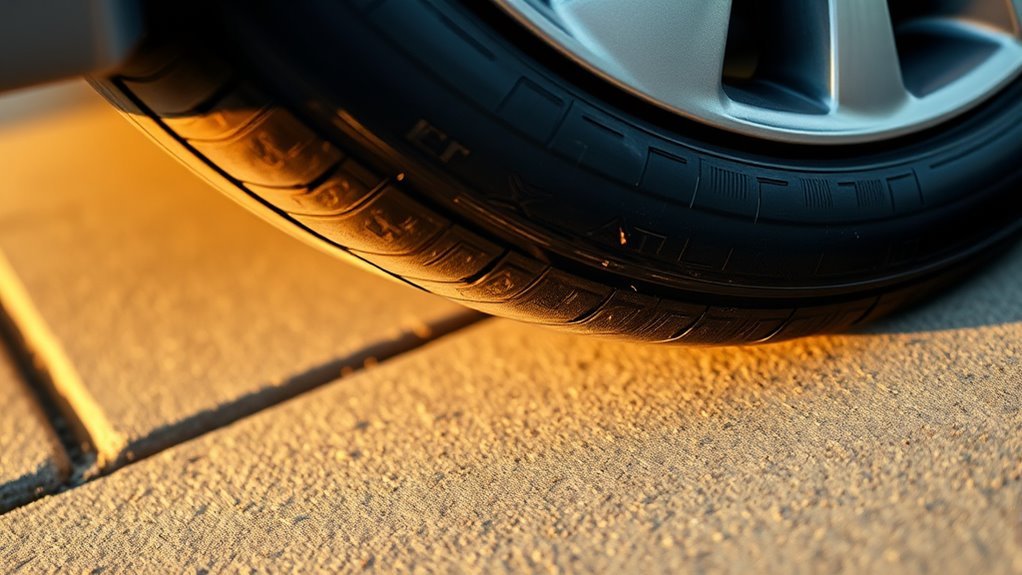
Tiny cracks and porous tires can considerably contribute to air loss, often without you even realizing it. As tires age, exposure to heat, moisture, and road chemicals can create tiny sidewall cracks that allow air to escape gradually. If your tires are made from low-quality rubber, the porosity increases, letting air molecules seep through the material over time. These small damages, like pinhole leaks, might be tough to spot, but they can greatly compromise tire integrity. Regular inspections are essential; catching these issues early helps you intervene before you face serious air loss. To keep your tires performing their best, maintain proper tire pressure and consider replacing aging tires. Prioritizing rubber quality and addressing micro-cracks will empower you to drive confidently, ensuring you stay in control on the road while avoiding unexpected air loss.
Are Your Wheels Corroded or Damaged? Here’s What to Look For?
Maintaining your tires is only part of the equation; the condition of your wheels plays a significant role in overall performance. A thorough wheel inspection can reveal issues that might cause air loss. Look for:
Maintaining your wheels is crucial for performance; regular inspections can prevent air loss and enhance your driving safety.
- Visible signs of corrosion, especially around the bead area
- Small bends from hitting potholes or curbs
- Gaps between the tire and wheel rim
- Accumulated dirt and debris on the rims
- Any signs of rust or deterioration
Regular rim cleaning not only enhances appearance but also minimizes the risk of bead leaks, ensuring better air retention. If you notice corrosion or damage, don’t wait—consider professional repairs or replacement. Ignoring these problems can lead to ongoing air loss, impacting your driving experience and safety. Stay proactive and keep your wheels in top shape to enjoy a smooth ride.
Road Hazards That Don’t Leave a Mark
Even the most careful drivers can fall victim to road hazards that leave little to no visible damage on tires. While you may think your tires are safe, road debris can cause micro damage that leads to slow air leaks over time. Small impacts, like hitting a pothole, might create bead leaks where the tire meets the wheel rim, compromising the seal without any noticeable signs.
Corrosion from road salt or chemicals can also damage your wheel rims, resulting in air loss without alerting you. Even minor sidewall impacts can result in internal cracks or damage that aren’t immediately detectable. This hidden deterioration can cause your tires to lose air gradually, often going unnoticed until the pressure drops considerably.
Regular inspections and pressure checks are crucial to catch these issues early and keep your driving experience liberating and worry-free. Stay vigilant to confirm your tires are in top shape!
Maintenance Tips to Prevent Air Loss
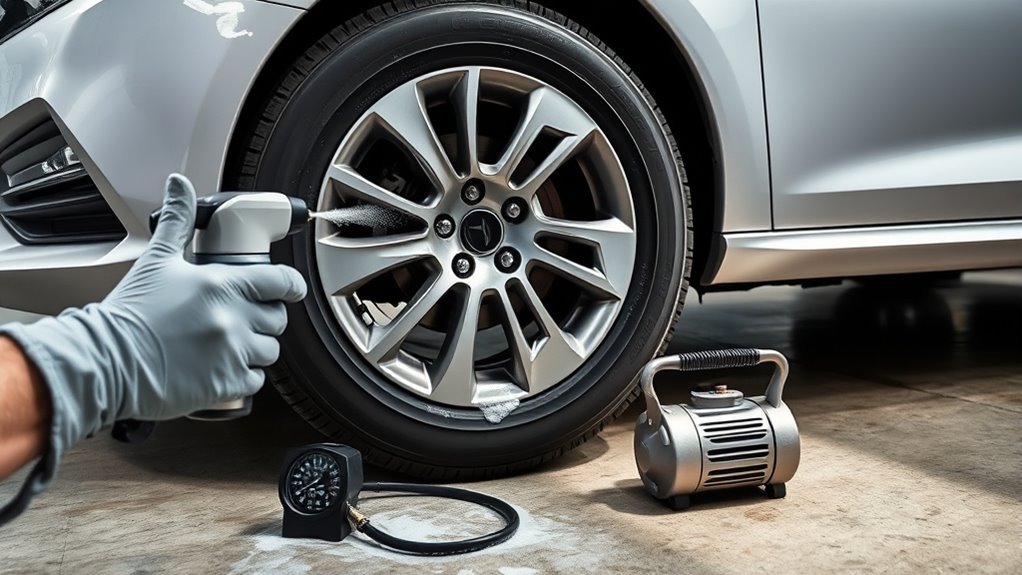
To keep your tires functioning at their best, you should adopt a proactive maintenance routine. Here are some essential tips to help you prevent air loss and guarantee peak performance:
- Regularly check tire pressure with a reliable gauge, ideally monthly.
- Inspect valve stems for cracks or wear that might cause slow leaks.
- Clean rims to remove corrosion or debris, promoting a better seal.
- Rotate tires every 5,000 to 7,500 miles for even wear and pressure distribution.
- Replace aging tires and valve stems every 4 to 5 years to avoid leaks.
When to Seek Professional Help for Tire Issues
How can you tell when it’s time to seek professional help for tire issues? If your Hyundai Sonata’s tire pressure drops consistently without visible damage, don’t wait. You might be dealing with hidden leaks like valve stem issues or bead seal problems. Pay attention to dashboard warnings indicating low tire pressure; they’re a signal for immediate evaluation to avoid blowouts or safety hazards.
Regularly checking your tire pressure, especially during temperature changes, is essential. If you notice a tire losing 12 psi weekly, consult a mechanic to investigate potential punctures or internal leaks. Unusual wear patterns or persistent under-inflation are also red flags that require expert attention. Ignoring these signs can lead to more significant problems down the road. Empower yourself to guarantee your safety—don’t hesitate to seek professional help when your tires aren’t performing as they should.
Frequently Asked Questions
Why Does My Tire Keep Losing Air if There Is No Leak?
Your tire might keep losing air due to issues like a faulty valve stem or bead leaks. Regular checks can help you spot these hidden problems, ensuring your ride remains safe and enjoyable.
How to Reset Hyundai Tire Pressure Sensor?
To reset your tire pressure sensor, guarantee proper inflation, then turn the ignition on. Press the reset button until the light blinks thrice. Drive above 25 mph for pressure calibration and sensor maintenance.
Is It Normal for a Tire to Lose 5 Psi Overnight?
No, it’s not normal for a tire to lose 5 PSI overnight. Such air retention issues might indicate leaks or damage. Regularly check your tire pressure to catch problems early and guarantee safe driving.
Conclusion
In summary, keeping your Hyundai Sonata’s tires properly inflated is essential for both safety and performance. Like a slow leak in a balloon, unnoticed issues can deflate your driving experience. By staying vigilant about temperature changes, checking valve stems, and inspecting for leaks, you can nip air loss in the bud. If problems persist, don’t hesitate to seek professional help—your tires are the wheels of your journey, and they deserve attention!

Related Articles
Do Tires Affect Hyundai Sonata Gas Mileage? Yes, Here’s How
The surprising ways your tires change Hyundai Sonata fuel economy — from pressure to tread and size — reveal easy MPG gains you’ll want to learn.
Read More
Can a Hyundai Sonata Handle Snow on All-Season Tires?
Can a Hyundai Sonata conquer snow with all-season tires, or will it struggle in winter's grip? Discover the crucial tips for safe winter driving.
Read More
Hyundai Sonata Tire & Wheel Protection Plan Explained
Benefit from five years of zero‑deductible tire and wheel coverage—learn how reimbursements, exclusions, and winter options actually work.
Read More