
Hyundai Sonata Tire Going Flat Overnight: Common Causes & Fixes
If your Hyundai Sonata’s tire is going flat overnight, it’s likely due to punctures, valve stem damage, or temperature changes. Sharp objects can create slow leaks, while cold weather can cause air pressure to drop. Inspect your tires for visible damage and listen for hissing sounds that indicate leaks. Regular monitoring and maintenance can help prevent future issues. Want to uncover more about these fixes and tips for keeping your tires in top shape?
What Causes Tires to Lose Air Overnight?
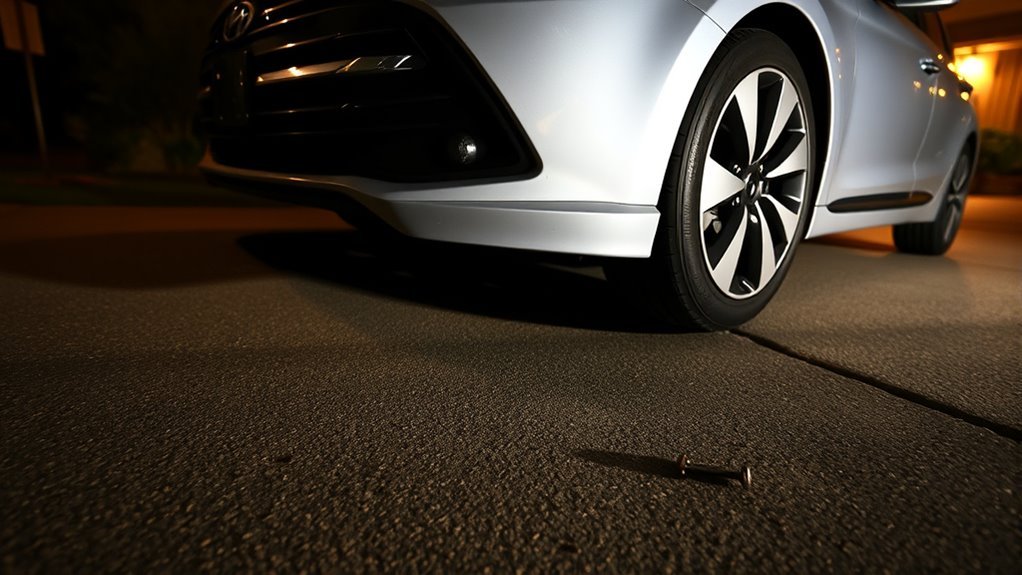
Tires can be a mystery sometimes, especially when you find one flat overnight. One common culprit is a puncture from sharp objects like nails or glass, which can create slow leaks that aren’t immediately visible. Temperature fluctuations also play a role—cold weather can cause air to contract, dropping your tire pressure by about 1 PSI for every 10°F decrease.
Don’t overlook valve stem damage, either; cracks or wear can lead to air loss. A quick check with soapy water can reveal leaks if you see bubbles forming. Additionally, bead leaks occur where the tire meets the wheel, often due to dirt or corrosion disrupting the seal. Aging tires may develop cracks or weak spots, underscoring the necessity of regular inspections. By understanding these causes, you can take proactive steps to maintain your tires and enjoy a smoother ride.
How Can You Identify Punctures and Damage in Your Tire?
How can you quickly spot punctures and damage in your tire? Start with a thorough tire inspection. Visually scan the surface and tread for any embedded objects like nails or glass, which can lead to punctures and slow leaks. Don’t forget to listen; hissing sounds near suspected areas can signal air escaping. For a quick leak check, apply soapy water to the valve stem—bubbles will indicate a leak. Also, look for uneven wear on the tire; this could suggest alignment issues or internal damage affecting air retention. Finally, keep an eye on your tire pressure with a gauge. If you notice significant drops, it could point to hidden punctures or damage. By staying proactive with these puncture detection techniques, you’ll guarantee your tires remain in top shape, giving you the freedom to drive confidently.
How Temperature Affects Your Tire’s Air Pressure
Temperature plays an important role in your tire’s air pressure. As the mercury drops, your tires can lose about 1 PSI for every 10°F decrease, leading to under-inflation and increasing the risk of flats. Conversely, higher temperatures can inflate your tires too much, risking blowouts and uneven wear, so regular pressure checks are essential.
Temperature and Tire Pressure
As the temperature drops, you might notice your vehicle’s performance slipping, and that’s often due to changes in tire pressure. Cold air causes the air in your tires to contract, leading to a decrease of about 1 PSI for every 10°F drop. This underinflation can heighten the risk of flat tires, especially if you haven’t kept up with tire maintenance. Regularly checking your tire pressure during seasonal monitoring is key to ensuring your tires stay adequately inflated. Using a reliable tire pressure gauge can help you maintain ideal pressure, which enhances safety and performance. Don’t let temperature fluctuations catch you off guard—stay proactive about your tire health to enjoy a smoother, safer ride.
Cold Weather Effects
When winter hits and temperatures plummet, your tires feel the impact, affecting their air pressure and overall performance. Cold weather causes the air inside your tires to contract, leading to a drop of about 1 PSI for every 10°F decrease. This under-inflation not only risks flat tires but also compromises fuel efficiency and increases wear. Plus, as temperatures drop, the rubber hardens, making your tires less flexible and more prone to damage. To combat these issues, regular tire maintenance is essential. It’s wise to inflate your tires to the manufacturer’s specified PSI before winter sets in, ensuring they can handle the chill while keeping you safe on the road. Stay vigilant, and your tires will thank you!
Heat Expansion Impact
While cold weather can wreak havoc on your tires, heat brings its own set of challenges. As temperatures rise, the air inside your tires expands, causing pressure fluctuations that can lead to over-inflation. This can compromise your safety and tire longevity if left unchecked.
| Temperature Change | Pressure Effect | Recommended Action |
|---|---|---|
| Increase 10°F | +1 PSI | Check pressure weekly |
| Decrease 10°F | -1 PSI | Inflate as needed |
| Consistent Heat | Fluctuates | Monitor regularly |
Regularly checking your tire pressure during these seasonal changes guarantees peak performance. Maintaining proper tire pressure enhances your tire lifespan and fuel efficiency, keeping your drive smooth and safe.
Are Valve Stem Problems Causing Your Flat Tire?
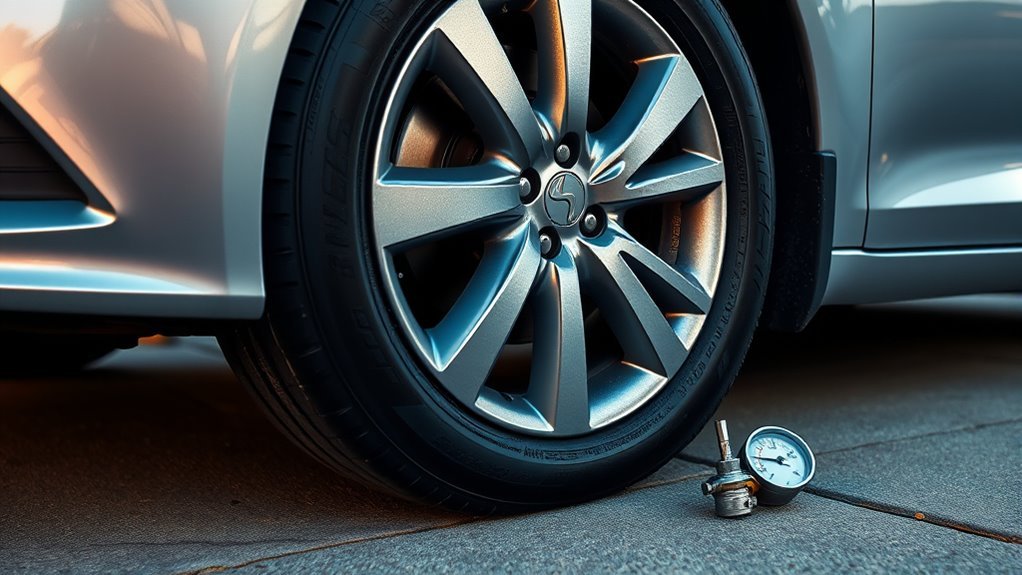
If you’re experiencing frequent flat tires, your valve stems might be the culprit. Signs of damage, like cracks or looseness, can lead to air leaks that are easily overlooked. Knowing when to repair or replace these stems can save you from unexpected tire troubles down the road.
Signs of Valve Damage
Have you ever wondered why your Hyundai Sonata might suddenly have a flat tire? One common culprit could be valve damage. Over time, valve stems can crack or wear out due to age and harsh elements, leading to significant air loss. To spot potential issues, conduct a quick valve inspection; just a gentle wiggle can reveal hidden damage. If you’re unsure, apply soapy water to the valve stem—bubbles forming indicate a leak that needs attention. Regularly checking your valve stems during tire maintenance can save you from unexpected flat tires. Plus, when you replace your tires, consider replacing the valve stems as well to guarantee a secure seal and avoid future air loss.
Repair or Replace Options
When dealing with flat tires, understanding your repair or replace options for valve stem issues is essential. Valve stem problems often cause slow leaks, leading to overnight deflation. Inspecting the valve stem for cracks or wear can be revealing. A simple soapy water test can help identify leaks.
Replacing a faulty valve stem is generally quick and cost-effective, often costing between $10 to $20. It’s vital to replace it during tire installation or repair to prevent future air loss. Regular valve stem maintenance not only enhances tire longevity but also boosts performance.
| Action | Cost Estimate | Benefit |
|---|---|---|
| Inspect Valve Stem | Free | Identify leaks quickly |
| Replace Valve Stem | $10 – $20 | Cost-effective solution |
| Maintain Valve Stems | Minimal | Prevent future flats |
Understanding Bead Leaks and Their Effect on Tire Pressure
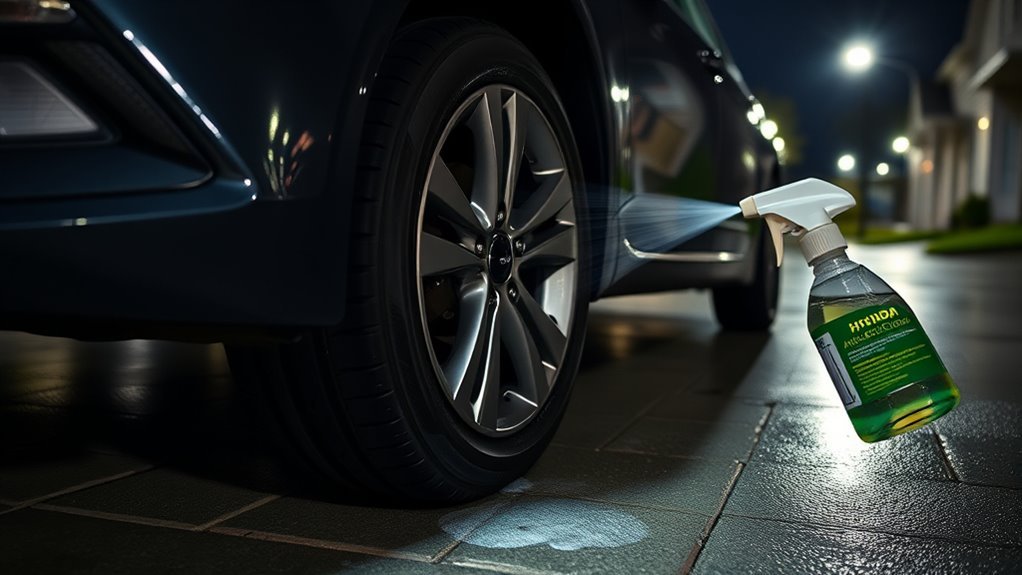
Understanding bead leaks is vital, especially since they can lead to gradual air loss in your tires. These leaks occur where the tire’s bead meets the wheel, and if left unchecked, they can cause flat tires. Here’s what you should know about bead leaks and how they affect tire pressure:
- Causes: Common causes include improper tire installation, wheel rim damage, and corrosion disrupting the bead seal.
- Inspection: Regularly inspect the tire bead area for signs of wear or damage to catch issues early.
- Tire Pressure: Maintaining proper tire pressure is important, as bead leaks can worsen with temperature changes or heavy driving.
- Professional Help: It’s wise to seek professional assistance for diagnosing and repairing bead leaks to guarantee a secure fit and prevent future air loss.
What to Do When You Find a Flat Tire
Discovering a flat tire can be frustrating, but knowing how to handle the situation can make it less stressful. Start by inspecting the tire for visible damage, like punctures or cracks. This helps you determine whether you can attempt a tire repair. Next, use a tire pressure gauge to check the PSI; if it’s below the recommended level, you might need to reinflate it. If there’s no visible damage, reinflate the tire and keep an eye on it for a few days to see if air loss occurs. Avoid driving on a flat, as this can cause further damage. If you need to get to a safe location, don’t hesitate to use your spare tire. Regularly checking tire pressure and performing maintenance can also help prevent future flats, especially during temperature changes. Taking these steps empowers you to handle a flat tire effectively.
Should You Repair or Replace Your Flat Tire?
How do you decide whether to repair or replace your flat tire? Making the right choice can enhance your safety and vehicle performance. Here are some key points to evaluate:
- Puncture Size: Minor punctures in the tread can often be repaired with professional patching, while damage larger than a quarter-inch usually requires replacement.
- Damage Location: Sidewall damage is typically a red flag. Repairs here are often unsafe, necessitating immediate replacement.
- Wear Level: Regular inspections can spot issues early. If you notice excessive wear, consult a certified technician for guidance on repair techniques or replacement criteria.
- DIY Kits: While you might use a DIY repair kit for minor leaks, treat it as a temporary fix until you get a professional assessment.
When in doubt, replacing a compromised tire is usually the safer option. Your safety is paramount, after all!
Preventative Tips to Avoid Future Tire Flats
Flat tires can be a hassle, but you can take steps to minimize the risk of experiencing one again. Start with regular tire maintenance—check your tire pressure at least once a month. Remember, a drop of 1 PSI occurs for every 10°F temperature decrease, which can lead to underinflation and increase the risk of flats. Rotate your tires every 5,000 to 7,500 miles to guarantee even wear and prevent premature failure.
Don’t forget to inspect your tires for visible damage like cuts or cracks during routine checks. Addressing issues early can save you from future headaches. Also, avoid overloading your vehicle; excessive weight stresses tires, raising the chances of blowouts. Finally, store your spare tire in a cool, dry spot and check its pressure periodically to confirm it’s ready when you need it. Following these tips can greatly enhance your flat prevention strategy.
Frequently Asked Questions
What Causes a Tire to Go Flat Overnight?
A tire can go flat overnight due to air pressure loss from sharp objects, valve stem issues, or aging. Regular leak detection checks help you catch problems early, ensuring a safer, smoother ride.
Why Does My Tire Keep Going Flat but There Is No Damage?
If it ain’t broke, don’t fix it—yet your tire might keep going flat due to air leaks or valve issues. Check for slow leaks and verify your valve stems are in good shape.
Why Did My Tire Go Flat All of a Sudden When Parked a Few Weeks?
Your tire likely went flat due to slow leaks from punctures, valve damage, or temperature changes affecting air pressure. Regular tire maintenance and checks can prevent these issues, ensuring your tires stay safe and reliable.
Conclusion
In the grand journey of driving, encountering a flat tire can feel like a sudden detour. By understanding the causes—from punctures to temperature changes—you can steer clear of future mishaps. Just as Odysseus navigated challenges on his voyage, you too can safeguard your Hyundai Sonata with proactive measures. Remember, a little maintenance today can save you from bigger hassles tomorrow. Keep your tires healthy, and you’ll enjoy a smoother ride on your life’s road.

Related Articles

How Tire Weight Affects Hyundai Sonata Fuel Economy Explained
Fascinated by how shaving a few pounds from your Sonata's wheels can noticeably boost MPG and acceleration—discover the surprising math and trade-offs inside.
Read More
Hyundai Sonata Tire Traction on Ice: Tips to Stay Safe
Brave the icy roads with your Hyundai Sonata by mastering tire traction tips that could save your life this winter. Discover essential strategies now.
Read More
Do Tires Affect Hyundai Sonata Gas Mileage? Yes, Here’s How
The surprising ways your tires change Hyundai Sonata fuel economy — from pressure to tread and size — reveal easy MPG gains you’ll want to learn.
Read More