How to Reset the TPMS Light: Step-by-Step for Any Car
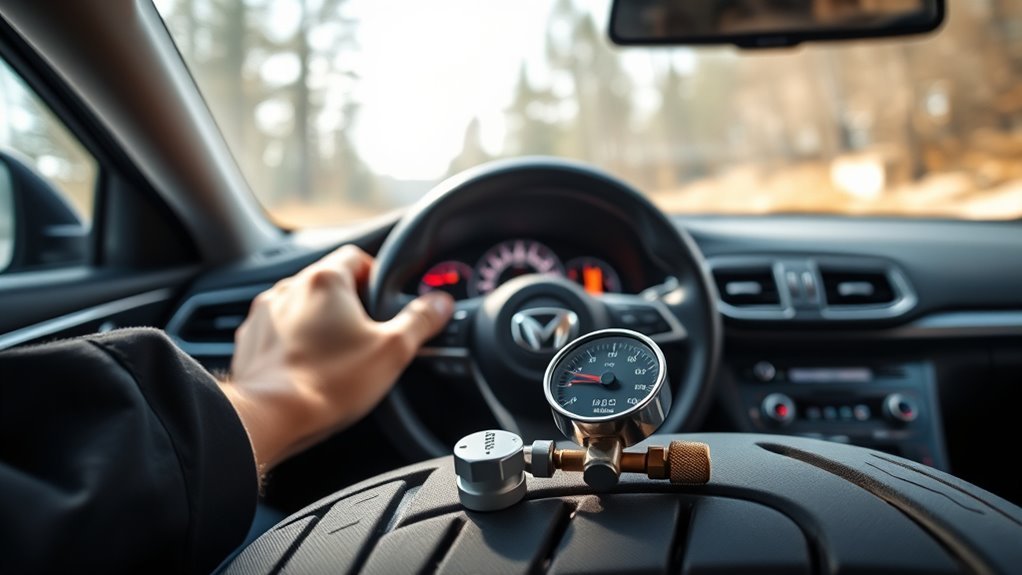
Check and inflate all tires (and spare) to the manufacturer PSI with cold gauges, then try a reset. If your car has a TPMS reset button, hold it until the light blinks, then drive 10–20 minutes at 20+ mph for relearn. For cars with infotainment, use Settings → Vehicle → TPMS calibration. If the light persists, inspect for leaks, check sensor battery/status, or get diagnostics—keep going for specific brand steps and troubleshooting tips.
Quick Answer: How to Reset the Tire Pressure/TPMS Light

Check and inflate all tires to the recommended PSI (found on the driver’s door jamb or in the owner’s manual), then locate the TPMS reset button—usually under the steering wheel or in the glove box—and press and hold it until the light blinks three times; release the button and drive for 10–15 minutes at 20+ mph to let the system recalibrate, and if the light stays on you’ll need a sensor check or professional diagnostics. You’ll perform a basic TPMS troubleshooting tips routine: confirm pressures, engage reset, and allow recalibration while driving. If the indicator persists, suspect a faulty sensor, a dead sensor battery, or a system fault requiring diagnostic scanning. Maintain regular tire pressure monitoring to avoid repeat alerts.
Check and Inflate Tires to the Correct PSI
Before you start, find the recommended PSI on the sticker in the driver’s door jamb or in your owner’s manual and make sure the tires are cold so measurements are accurate. Use a reliable gauge to perform pressure monitoring on all four tires and the spare. Record values, then inflate with an air compressor to the specified PSI. Check monthly and before long trips; temperature swings affect tire pressure and can trigger the TPMS light. If a tire repeatedly loses pressure, inspect for punctures or damage and repair or replace as needed. Keep a log for consistent tire maintenance to spot trends and prevent TPMS warnings.
| Tire | Action |
|---|---|
| Front Left | Measure/Inflate |
| Front Right | Measure/Inflate |
| Rear Left | Measure/Inflate |
| Rear Right | Measure/Inflate |
Universal Reset Methods (Button, Touchscreen, Drive)
When your TPMS light stays on after correcting tire pressures, use one of three common reset methods:
- Button Reset: Locate the TPMS reset button (under the steering wheel or glove box). Hold until the light blinks three times; that’s the hardware-based reset often found in older TPMS history designs.
- Touchscreen Calibration: On vehicles with infotainment systems, open Settings → Vehicle → TPMS calibration. Use the touchscreen to trigger the relearn sequence; modern sensor technology integrates with this UI.
- Driving Method: Inflate tires to specified cold pressures, then drive 10–15 minutes at ≥20 mph to allow automatic recalibration.
- Verification: After reset, recheck cold tire pressures and consult the owner’s manual for model-specific procedures and recommended PSI.
Ford: How to Reset the Tire Pressure/TPMS Light

If your Ford’s TPMS light stays on after you’ve corrected tire pressures, locate the TPMS reset button (usually under the steering wheel or in the glove box). Turn the ignition to On without starting the engine, press and hold the reset button until the light flashes three times, then release. Verify all tires match the recommended PSI before initiating reset; incorrect pressure prevents successful recalibration. After releasing the button, drive for 10–15 minutes at 20+ mph to complete sensor relearn. Use these TPMS maintenance tips: regularly check PSI, inspect sensors during tire service, and replace weak batteries or damaged valves. If the light persists, it signals a deeper fault—seek professional diagnostics to address Common TPMS issues like sensor failure or wiring faults.
Honda: How to Reset the Tire Pressure/TPMS Light
Though the TPMS light can stay on for several reasons, you can usually clear it yourself by first setting all tires (including the spare) to the manufacturer’s recommended pressure—typically 32–36 PSI. Use these steps for Honda models; follow TPMS maintenance tips and note sensor replacement options if needed.
- For touchscreen Hondas: turn ignition to ON, go to Settings > Vehicle, tap TPMS Calibration.
- For non-touchscreen Hondas: find the TPMS button under the dash, press and hold until the light blinks twice, then start the car.
- Drive 10–20 minutes at moderate speed so the system relearns current pressures as normal.
- If the light stays on, pursue diagnostics for faulty sensors or wiring and consider sensor replacement options.
If the Light Stays On: Diagnose Sensors, Leaks, and Cold-Weather Drops
If the TPMS light stays on after you’ve corrected pressure, check each tire for slow leaks or embedded punctures that can bleed air over days. Inspect the valve stems and run a soapy-water test to spot leaks, then verify sensor function—dead sensor batteries or damaged sensors often require diagnostic tools or shop service. Also remember temperature drops can lower pressure about 1 PSI per 10°F, so recheck pressures during cold snaps before replacing parts.
Check For Slow Leaks
When the TPMS light stays on after you’ve corrected pressures, check for slow leaks by visually inspecting each tire for punctures, cuts, or sidewall damage and by applying soapy water to valve cores, tread, and bead areas to spot escaping bubbles. Use leak detection and systematic tire inspection to isolate the leak source, including the spare.
- Measure pressure with a gauge on all tires; compare to manufacturer PSI and record deviations.
- Apply soapy solution to valve stems, around the rim, and suspected punctures; watch for steady bubbles.
- Recheck pressures after parked overnight and after driving to detect slow loss; note PSI change.
- If loss ≈1 PSI per 10°F ambient drop, account for temperature effects; if unexplained loss persists, seek professional diagnostic for TPMS/system faults.
Inspect TPMS Sensors
Start by confirming each tire’s pressure with a reliable gauge and inspect for visible damage, then check for weather-related drops—remember pressure falls about 1 psi for every 10°F decrease—before assuming a sensor fault. If pressures are correct and the light stays on, examine valve stems and rim seals for leaks and use soapy water to find slow punctures. Next, use a TPMS diagnostic tool to poll each sensor; note sensor IDs, battery status, and signal strength. Record findings and follow TPMS maintenance tips: log pressures, seasonally retest, and keep spare valve cores. If a sensor reports dead battery or no response, evaluate sensor replacement options—OEM vs aftermarket—and have a technician program and balance the new unit to avoid false alerts.
When to Get Professional Help and What to Expect
Wondering whether you need a pro? If the TPMS light stays on after you check and adjust pressures, get professional diagnostics — it often means a faulty sensor or system malfunction. Shops like Les Schwab or Matthews-Currie Ford use advanced tools to identify dead sensor batteries, required sensor replacement, or recalibration after tire rotation. Expect a structured service:
- Diagnostic scan to read TPMS codes and sensor IDs.
- Physical inspection for valve/sensor damage and tire maintenance needs.
- Sensor battery test and replacement or resealing if needed.
- Relearn/recalibration of the TPMS and test drive verification.
You’ll get a report and cost estimate. Regular professional inspections prevent recurring warnings and unsafe driving conditions.
Frequently Asked Questions
Is Resetting TPMS the Same for All Cars?
No — procedures differ by vehicle models and TPMS sensors. You’ll follow model-specific steps: reset buttons, dashboard menus, drive recalibration, or sensor relearns. If it persists, consult a technician with diagnostic tools.
Can I Reprogram TPMS Sensors Myself?
Like fixing a watch once, you can sometimes reprogram TPMS sensors yourself; DIY programming works on some cars, but sensor compatibility varies. Use troubleshooting tips from your manual, and get pro help if methods fail.
Conclusion
You’ve now got the tools to silence that stubborn TPMS light: check tire pressures, use your car’s reset button or touchscreen, or take a short drive to let the system relearn. If the lamp persists, suspect a faulty sensor, slow leak, or cold-induced pressure drop and test accordingly. Don’t let warning lights linger—treat them like a ticking clock; get professional diagnostics and repair when needed to keep your vehicle safe and efficient.
Related Articles
How to Read Motorcycle Tire Size: Complete Breakdown
Often misunderstood, this guide decodes motorcycle tire sizes like 180/55ZR17—learn what each number and letter means to ensure safe, perfect fitment.
Read More
How to Read Bicycle Tire Size: Inches, Metric & ISO
Get the essential trick to decoding ETRTO/ISO codes so you’ll always pick rim-compatible tyres—discover what to check next.
Read More
How to Read Tire Size Numbers: Decode the Sidewall
Step-by-step guide to decode tire sidewalls—sizes, load, speed, DOT and winter symbols—so you’ll know what fits and when to replace.
Read More