
Golf Cart Tire & Tube Guide: Sizes, Pressure & Care
You should keep golf cart tires at about 18–22 PSI for mixed use, 20 PSI for common sizes, 20–24 PSI for turf, and 12–18 PSI for all‑terrain; check cold monthly and adjust 1 PSI per 10°F change. Use a quality gauge, match tube valve type to the wheel, rotate tires every 3–5k miles, and replace on visible damage. Adjust pressure for load and terrain for safety and wear, and more detailed size, tube, and seasonal tips follow.
What PSI Should My Golf Cart Tires Have?
Wondering what PSI to set your golf cart tires at? You’ll aim for 18–22 PSI for turf or mixed surfaces to balance ride comfort, traction, and longevity. For common 188.50-8 or 2310.50-12 sizes, 20 PSI is a practical target that reduces uneven wear and preserves stability. Note turf tires often run slightly higher, 20–24 PSI, while all-terrain rubber benefits from lower pressure, around 12–18 PSI, to enhance grip.
You should check tire pressure monthly when tires are cold; that gives reliable readings and helps you spot leaks or gradual loss. Incorrect tire pressure accelerates wear, undermines stability, and raises the chance of tire failure—so you’re protecting freedom to travel without breakdowns by staying disciplined. Use a quality gauge, keep a simple maintenance tips checklist, and adjust pressure based on load and terrain. This technical, practical approach frees you from avoidable problems and keeps your cart performing.
Recommended PSI by Tire Type & Size
Match tire pressure to terrain and size: turf/street tires typically run 20–24 PSI while all‑terrain/off‑road tires perform best at 12–18 PSI. Check specific sizes (for example 18×8.50‑8 ≈ 22 PSI) and adjust slightly for load and manufacturer recommendations. Measure pressure cold and increase checks seasonally—lower slightly in summer for traction, raise modestly in winter to compensate for pressure loss.
Turf Vs. Off-Road
When you’re choosing tire pressures, pick turf or street tires at about 20–24 PSI for smooth surfaces and drop off-road or all-terrain tires to 12–18 PSI to improve traction on rough ground. You’ll match tire tread to terrain: shallow, smooth turf tread favors higher pressure for rolling efficiency; aggressive off-road tread benefits from lower pressure to increase contact patch and traction differences. Aim for 20 PSI as a baseline if you want balanced handling, but know many owners run 18–20 PSI year-round to stay adaptable. Adjust incrementally for seasonal or terrain variation—softer for wet or loose ground, firmer for hot pavement. Monitor feel and wear, and use a quality gauge to control pressure precisely. Choose freedom through informed settings.
Pressure By Tire Size
Start by sizing your target PSI to the tire: most golf cart tires fall in a 15–25 PSI window, with turf/street models best at about 18–22 PSI and standard 18×8.50-8 or 23×10.50-12 sizes often running effectively near 20 PSI. You’ll match pressure to tire type: turf/street ~20–24 PSI for smooth roll, all-terrain 12–18 PSI for traction, off-road 18–20 PSI for controlled flex. Practice regular tire maintenance and pressure monitoring to preserve grip, economy, and lifespan.
| Tire Type | Recommended PSI |
|---|---|
| Standard (18×8.50-8 / 23×10.50-12) | ~20 |
| Turf/Street | 20–24 |
| All-Terrain / Off-Road | 12–20 |
Seasonal Pressure Adjustments
After setting base PSI by tire type and size, adjust pressures seasonally to keep handling and traction consistent as temperatures change. You’ll target 18–22 PSI for turf/mixed tires and 20–24 PSI for street tires as standard. Consider seasonal factors: in cold months lower turf/mixed to 16–18 PSI for improved grip on soft grass; in heat or on pavement raise street/turf toward 22–24 PSI for sharper handling. For off-road/all-terrain, run 12–18 PSI depending on terrain—softer for rocks and sand, firmer for hardpack. Check pressures regularly because temperature swings alter PSI readings. These adjustments deliver pressure benefits: predictable steering, reduced slippage, and extended tread life, giving you freedom to push performance safely.
Check and Set Golf Cart Tire Pressure (Step‑by‑Step)
Check tire pressure when the tires are cold—at least monthly or weekly during heavy use—to get accurate readings. Remove the valve cap, use a quality tire gauge on each valve stem, and adjust to the manufacturer’s recommended PSI (typically 15–25 PSI). After inflating or deflating, recheck pressure a few hours later to confirm it’s stable and to detect any leaks.
Check Tires Cold
Because tire pressure rises with use and heat, always measure your golf cart’s tires when they’re cold to get accurate readings—ideally at least once a month or weekly during heavy use. For disciplined tire maintenance and pressure monitoring, remove each valve cap and place a reliable gauge squarely on the valve stem. Record the PSI and compare it to the manufacturer’s recommended range (typically 15–25 PSI). Inflate or deflate to the specified value, working methodically around the cart so all tires match. After adjustments, recheck pressures a few hours later to confirm stability and detect leaks. Consistent cold checks improve ride quality, prolong tire life, and free you from avoidable roadside fixes—practical steps toward vehicle autonomy.
Use A Quality Gauge
Accuracy matters: use a quality tire pressure gauge to get reliable readings, and always test tires when they’re cold. You want tire gauge accuracy so decisions are precise—remove the valve cap, press the gauge firmly to the valve stem, and read the display without hesitation. Use a calibrated analog or digital gauge rated for the PSI range of golf cart tires.
Follow maintenance tips: check pressure monthly or weekly during heavy use. If a reading deviates from the recommended 15–25 PSI range for your tires, mark the tire for adjustment. Record readings and dates to track trends; this data frees you from guesswork and exposes slow leaks. A good gauge reduces wasted trips and keeps your cart efficient, safer, and ready for the next ride.
Inflate And Recheck
Start by confirming each tire’s cold pressure with your gauge, then add air until you reach the manufacturer’s recommended PSI—typically 18–22 PSI for turf tires and 20–24 PSI for street tires—taking care to press the filler firmly to the valve stem and avoid quick bursts that can overshoot the target. You’ll practice disciplined tire inflation and pressure monitoring: add air incrementally, retest, and lock the valve cap. Wait a few hours or overnight, then recheck to confirm no leaks and stable pressure. Maintain monthly checks or weekly during heavy use. This routine preserves ride quality, safety, and freedom to roam.
| Task | Action |
|---|---|
| Initial check | Gauge cold PSI |
| Inflate | Add air gradually |
| Recheck | Verify stability after hours |
Adjust Pressure for Terrain, Load & Temperature
When you adjust tire pressure for terrain, load and temperature, aim for clear targets: 16–18 PSI for soft grass or uneven ground, 22–24 PSI for paved paths, and 18–22 PSI for mixed surfaces, while off‑road/all‑terrain tires often work best at 12–18 PSI. Use terrain adjustments to match traction needs: lower pressure increases contact patch on soft surfaces; higher pressure sharpens handling on pavement. Apply load considerations by increasing pressure modestly within the recommended range when carrying heavy passengers or gear to preserve stability and avoid pinch or sidewall stress. Check pressures when tires are cold—weekly under heavy use or monthly otherwise—to get accurate readings. Account for temperature: expect roughly 1 PSI drop per 10°F decrease and compensate before a long run. Carry a reliable gauge and a portable inflator so you can reclaim control wherever you go. These practical, measured steps keep your cart responsive, protect tires, and free you to roam with confidence.
Signs of Wrong Pressure and Troubleshooting
If your cart feels bouncy, wanders, or knocks over bumps, you’re likely dealing with wrong tire pressure—overinflation gives a harsh ride and center tread wear, while underinflation causes excessive sidewall flex, heat buildup, and higher risk of pinch flats. Watch pressure indicators: uneven center wear points to overinflation; scalloped or cupped edges and squirming at low speeds point to underinflation. You’ll also notice reduced traction, poorer stability, and increased steering effort when PSI sits outside the recommended 15–25 range.
Troubleshooting: check pressure when tires are cold with a calibrated gauge. Adjust to manufacturer PSI, then recheck after a short run and a cool-down. Inspect sidewalls and tread for heat damage, cupping, or embedded debris as part of tire maintenance. If problems persist despite correct PSI, verify load distribution and suspension components. Stay proactive—accurate readings and routine checks free you from avoidable failures and keep the cart predictable and safe.
Tire Life, Rotation & Replacement Tips
A well-maintained golf cart tire will typically last 4–7 years (about 8,000–15,000 miles), but you can extend service life considerably by keeping pressure correct, rotating tires regularly, and replacing worn units promptly. You’ll manage tire lifespan management by monitoring pressure monthly (weekly under heavy use) when cold, keeping PSI in the 15–25 range per tire type, and adjusting for season and terrain. Follow a disciplined tire rotation frequency—rotate every 3,000–5,000 miles or sooner if you see uneven wear—to add 2–3 years to service life. Inspect tires for reduced grip, cracks, punctures, and sidewall damage; those are replacement triggers. Replace immediately when safety or performance is compromised.
- Check pressure cold monthly; weekly in heavy use
- Rotate every 3,000–5,000 miles for even wear
- Adjust PSI 15–25 based on terrain/season
- Replace at visible damage or performance loss
You’ll gain freedom from breakdowns by staying proactive and procedural.
Choosing Golf Cart Tires & Tubes: Buying Checklist
Tire selection drives performance, so match the tire type to your terrain—turf for fairways, all-terrain or off-road for rough ground—and confirm sidewall-stamped PSI to fit the 15–25 PSI operating window for your chosen model. Start your buying checklist by specifying use: course, utility, or trail. Select standard, low-profile, or all-terrain construction to balance clearance, stability, and comfort. Verify size, load rating, and rim compatibility against your cart’s specifications.
Inspect tire tread pattern and compound for expected grip and wear characteristics. Confirm recommended PSI on the sidewall and plan a monthly inflation check into your maintenance schedule to protect ride quality and battery range. Look for reinforced sidewalls if you need puncture resistance. When replacing tubes, match valve type and diameter to wheel specs.
Prioritize vendors offering clear specs, warranty, and return policy. Choose components that free you from frequent stops and commitments, giving you reliable mobility that aligns with your independent needs.
Frequently Asked Questions
What PSI Should My Golf Cart Tires Be?
Aim for 20 PSI for standard turf and 12–18 PSI for off‑road tires; turf/street 20–24 PSI. You’ll check tire pressure monthly, when cold, and perform tire maintenance to maximize life, safety, traction and efficiency.
How to Tell Golf Cart Tire Size?
I read the sidewall: reading sidewall markings like 205/30-12 tells you size. Use tire measurement techniques—measure width, aspect ratio, rim diameter—and confirm against your manual; you’ll free yourself from guesswork and make precise replacements.
What Are Common Golf Cart Tire Problems?
You’ll face tire wear, tread deterioration, air leaks and uneven pressure causing poor traction, uneven tread wear, sidewall damage and heat buildup; you’ll inspect regularly, maintain 18–24 PSI, fix leaks promptly, and replace worn tires to stay free.
How Many Pounds for a Golf Cart Tire?
Think of pressure as your cart’s heartbeat: you’ll run most golf cart tires around 15–25 PSI (turf 20–24, off‑road 12–18). You’ll check pressure monthly, aiding golf cart maintenance and timely tire replacement.
Conclusion
Keep your golf cart tires at the right PSI, and you’ll boost performance, safety, and tire life. Remember: overinflation reduces traction; underinflation raises rolling resistance and wear. Check pressures before rides, adjust for load and temperature, and rotate or replace when tread or sidewall damage appears. Interesting stat: properly inflated tires can improve fuel/electric range by up to 3–5%, translating to noticeably longer rides between charges or fills. Stay proactive—inspect and measure.
Related Articles
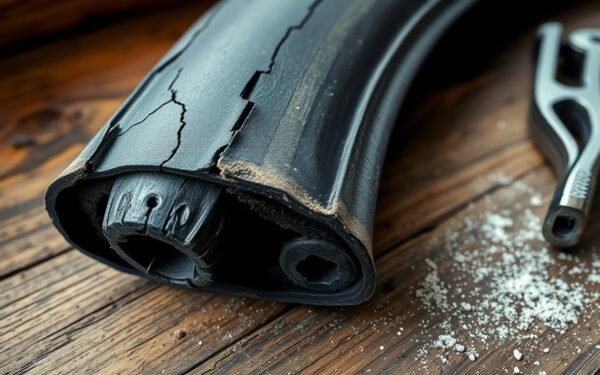
Signs of a Bad Inner Tube: When Repair Won’t Work
Find out which cuts, bulges, or repeated patch failures mean you must replace your inner tube—and why patching might not save it.
Read More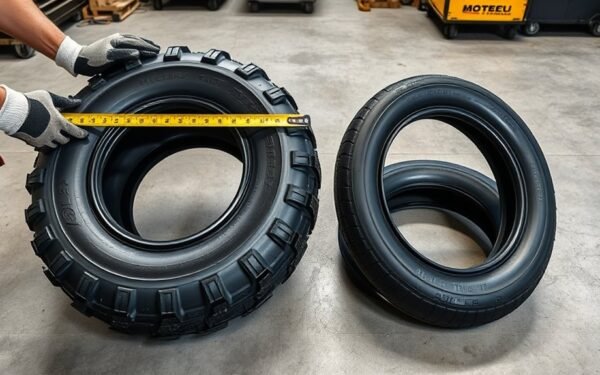
Inner Tube Sizing for ATV Tires: Matching Tube to Tire
Sizing ATV inner tubes correctly ensures durability and safe inflation — discover how to match tire sidewall markings, choose the larger fit, and confirm valve details.
Read More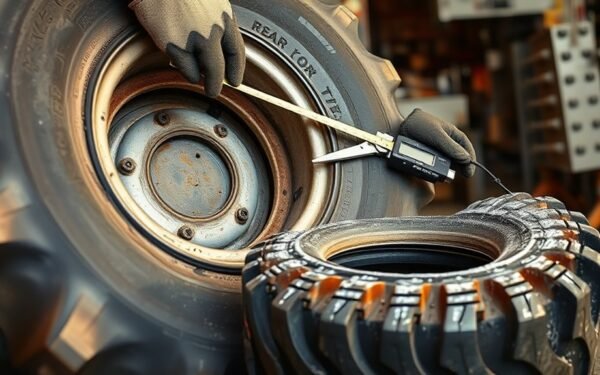
Inner Tube Sizing for Tractor Tires: Complete Guide
Understand how to choose the right tractor inner tube—diameter, rim profile, valve type, and installation tips—so you avoid costly failures and learn the exact specs.
Read More