
Does Hyundai Sonata Use Direct or Indirect TPMS? Explained
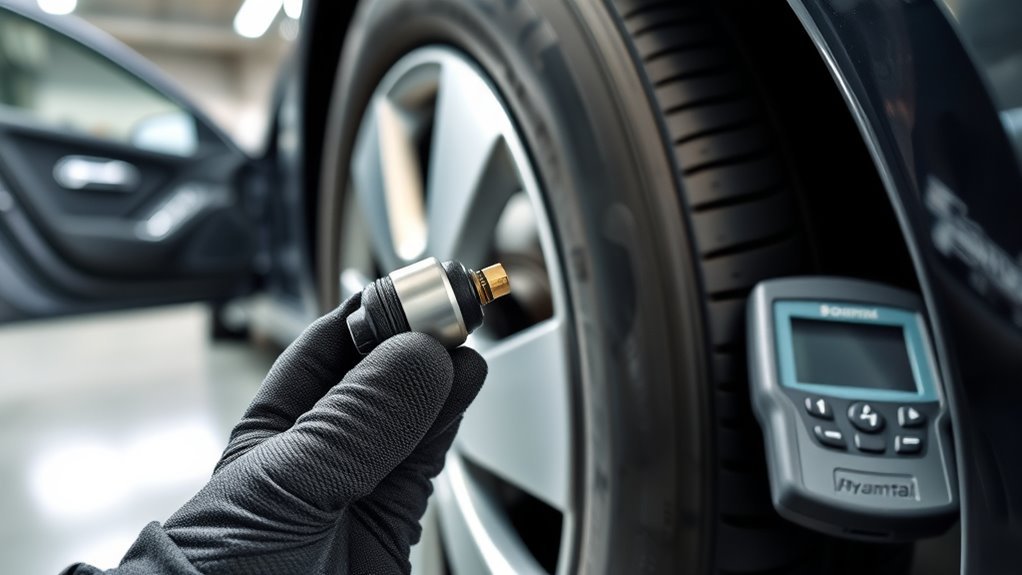
Your Hyundai Sonata uses a direct TPMS, so each wheel has its own battery-powered sensor that measures tire pressure and sends real-time data to the ECU. That gives you accurate readings (usually within about 1 PSI), faster low-pressure alerts, and individual tire diagnostics on the dash. If the light comes on it’s often low pressure, but could be a faulty sensor, corrosion, or a leak. Keep tires inflated and follow the reset procedure to clear alerts; more practical fixes and diagnostics follow.
Quick Answer: Sonata Uses Direct TPMS and What That Means
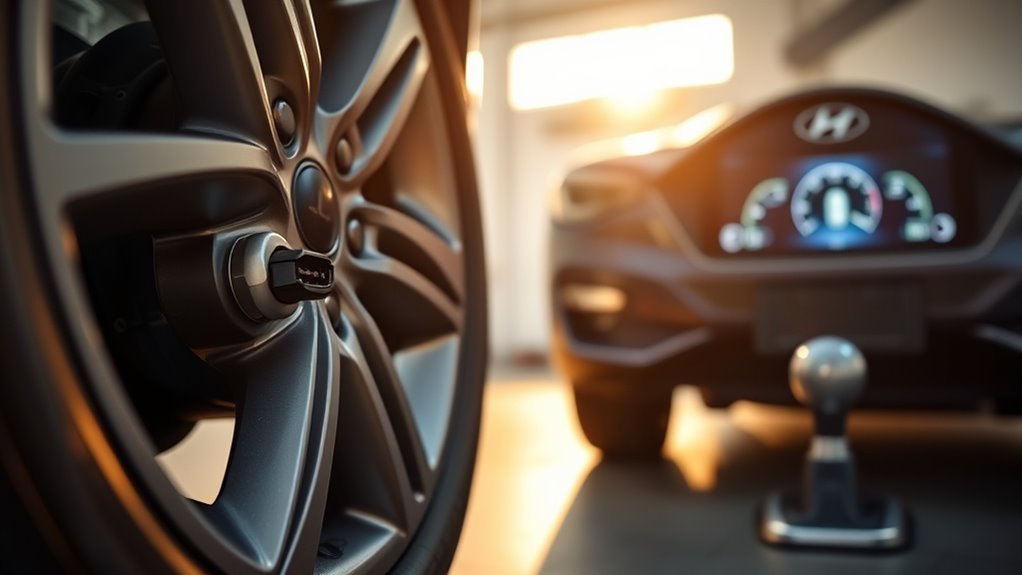
Because the Sonata uses a Direct TPMS, each wheel has its own battery-powered sensor at the valve stem that measures tyre pressure directly and relays readings to the car’s ECU. You get precise measurements—typically within 1 PSI—so the system alerts you immediately to low tyre pressure, improving safety, fuel economy, and handling. This direct approach boosts system reliability compared with indirect TPMS that infers pressure from wheel rotation; you won’t rely on algorithms that can miss a single deflating tyre.
You should still perform regular maintenance: sensor batteries last about 3–7 years and can fail, so replace sensors proactively to preserve system reliability. The Direct TPMS’s market dominance reflects its effectiveness for vehicles and drivers seeking autonomy over vehicle condition. In short, you benefit from accurate, timely tyre pressure data that lets you act decisively, avoid preventable breakdowns, and maintain control of your mobility.
How Sonata’s Direct TPMS Works
One key component of the Sonata’s direct TPMS is a battery-powered sensor mounted at each valve stem that measures tyre pressure in real time and transmits readings—typically within ±1 psi—to the vehicle’s ECU. You’ll rely on those sensors for precise sensor accuracy; each unit samples pressure continuously and sends a wireless packet so the ECU can compare values against thresholds you set by maintaining recommended inflation. The system flags deviations on your dashboard, giving you actionable data rather than indirect inferences from wheel speed. Direct TPMS records individual tyre status, timestamps, and diagnostic info, so you can decide whether to inspect, inflate, or replace a sensor approaching its 3–7 year lifespan. Because this approach detects low pressure faster and with higher fidelity, it strengthens tire safety and reduces risk on the road. You gain control and clarity: accurate readings, clear alerts, and a maintenance cadence that preserves performance and autonomy.
Common Reasons the TPMS Light Comes On
You’ll most often see the TPMS light because a tire’s pressure is low — remember pressure can fall about 1–2 PSI for every 10°F drop. You should also consider sensor malfunction, since sensor batteries typically last 3–7 years and a flashing light often indicates a dead sensor. Regularly check pressures and sensor status, especially in extreme weather, to avoid persistent alerts that can precede blowouts.
Low Tire Pressure
When temperatures drop, your Sonata’s tire pressure can fall by about 1–2 PSI for every 10°F change, and that small loss often triggers the TPMS light. You rely on direct pressure monitoring for accurate, 1‑psi readings, so even modest losses from slow leaks, valve stem damage, or air seeping through rubber will illuminate a solid warning. For liberation from roadside risk, check pressure with a calibrated gauge and restore recommended PSI before driving. Address slow leaks promptly—patch or replace the tire, repair valve stems, or swap out compromised tires. Regularly inspect pressure when seasons change; consistent tire safety practices reduce fuel use, uneven wear, and accident risk. A solid light = low pressure; act decisively to regain control.
Sensor Malfunction
1 common culprit for a TPMS warning on your Sonata is a failing sensor: their coin-cell batteries usually last 3–7 years, and once they die the sensor stops transmitting and the system either flashes or throws persistent alerts. You’ll also see failures from corrosion, valve-stem damage, or physical impact that interrupt RF signals. Know your sensor types (wheel-mounted direct sensors versus indirect systems that infer pressure) so you can choose targeted troubleshooting techniques. A flashing light signals a serious sensor fault; a solid light usually means low pressure or a slow leak. You should monitor pressures, inspect valve stems, and replace worn sensors promptly. Acting decisively frees you from false warnings and reduces safety risks.
Quick Fixes: Inflate, Drive, and Reset the TPMS
First, check and inflate all tires to the recommended PSI on the vehicle placard. Then drive at speeds above 50 mph for 10–15 minutes to let the system automatically recalibrate. If that doesn’t work, use the manual method—inflate each tire 3 PSI over spec, deflate to the correct pressure, and retest; persistent lights likely mean a failed sensor or battery.
Check And Inflate
Start by checking each tire’s pressure and inflating them to the recommended PSI listed on the driver’s door placard or in the owner’s manual; you can then drive at speeds above 50 mph for 10–15 minutes to allow the TPMS to automatically recalibrate. You’ll practice disciplined tire maintenance and pressure monitoring: inflate all tires to spec, or briefly overinflate by ~3 PSI then deflate to trigger some systems. Remember temperature affects pressure; check when cold. If the TPMS light stays on after proper inflation, you may have a failed sensor or other fault requiring diagnostic steps in the owner’s manual or a shop. Act to reclaim control—maintain correct pressures and verify sensor health to stay free from unexpected alerts.
| Action | Purpose |
|---|---|
| Inflate to spec | Normalize sensor readings |
| Overinflate briefly | Trigger reset on some systems |
| Recheck after cool-down | Account for temperature shifts |
| Inspect sensor/shop | Diagnose persistent light |
Drive To Recalibrate
Once you’ve confirmed and adjusted pressures as described, drive the Sonata at speeds above 50 mph for 10–15 minutes to let the TPMS relearn baseline tire pressures and extinguish the warning. You’ll free yourself from a persistent light by letting the system adapt to stable tire temperature and pressure monitoring data collected on the road. If the lamp persists, verify sensor health or use diagnostic tools.
- Inflate tires cold to placard PSI, or try the 3 PSI over/deflate method to prompt recalibration.
- Maintain steady highway speed so the TPMS receives consistent pressure monitoring inputs and compensates for thermal changes.
- If issues continue, scan via OBD‑II to read sensor IDs, battery status, and confirm sensor operation.
Drive, verify, and reclaim control.
Manual Reset Procedure
If your Sonata’s TPMS light stays on after checking pressures, inflate all tires to the placard PSI (or briefly add 3 psi then return to spec) and drive above 50 mph for 10–15 minutes so the system can relearn baseline pressures; if the lamp still won’t clear, press the TPMS reset button (when equipped) until the indicator flashes three times, then cycle the ignition. You’ll first confirm tire pressure at each wheel, using a calibrated gauge and the placard value. Drive recalibration is passive; the system resets its reference once stable highway speed is maintained. If needed, use the reset button to force relearn, or briefly overinflate each tire by ~3 psi then bleed back to spec to trigger sensors. Always consult the owner’s manual for model-specific steps and safety.
How to Reset the Sonata’s TPMS (Automatic & Manual)
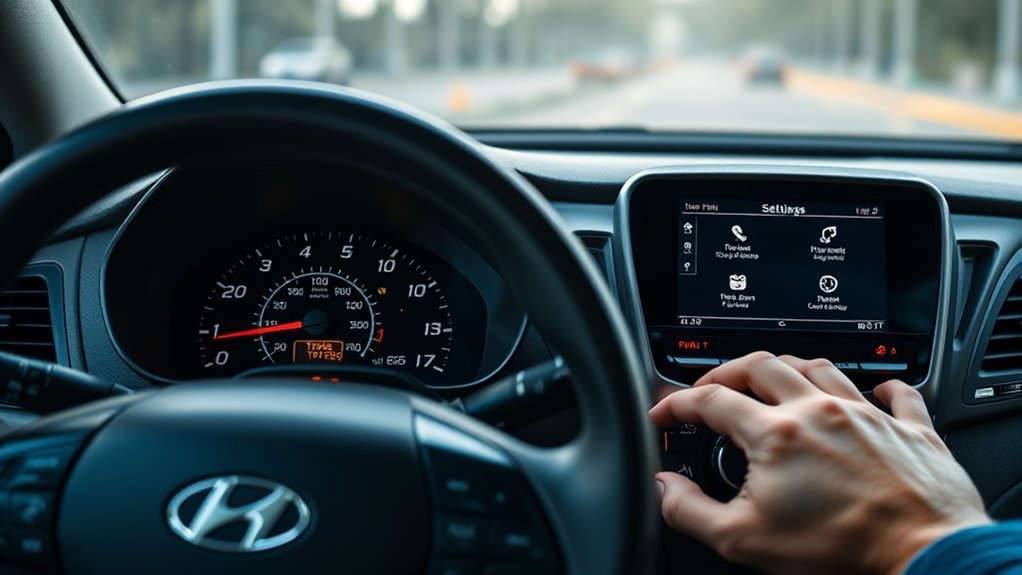
Anyone can reset the Sonata’s TPMS either manually or by letting the system recalibrate automatically, and both methods rely on ensuring correct tire pressures and sensor function. You’ll appreciate TPMS benefits and sensor technology when you take control—this is about safety and freedom on the road. For a manual reset, find the TPMS reset button, press until the indicator blinks three times, cycle the ignition off and on, then drive about 10 minutes. For automatic recalibration, cold-inflate tires to the recommended PSI, then drive 50+ mph for 10–15 minutes. An alternative fast-sync technique inflates tires 3 PSI over spec, deflates to correct pressure, then reinflates.
- Manual: button → three blinks → ignition cycle → 10-minute drive.
- Automatic: cold pressure correct → sustained 50+ mph drive 10–15 minutes.
- Alternative: +3 PSI, deflate to spec, then verify and drive.
If the light stays on after these steps, a sensor may have failed and will need diagnosis or replacement.
TPMS Light Won’t Go Off? How to Diagnose Sensors, Valves, and Leaks
Why won’t the TPMS light go off even after you’ve reset it? Start with targeted sensor diagnostics: a persistent lamp often signals a failed TPMS sensor, corrosion, or physical damage rather than mere low pressure. Inspect valves and sensor bodies visually for corrosion or bent stems; older vehicles commonly show degraded components. Next, perform a systematic tire maintenance check: measure pressure, watch for slow leaks, and submerge suspect valves to reveal air seepage through rubber or faulty valve cores.
If pressures and valves appear normal, isolate the problem by swapping wheels or using a diagnostic tool to read sensor IDs and signal strength. Persistent alerts can precede a blowout, so address them immediately. As a last-resort reset, disconnect the positive battery terminal briefly to clear the system, then recheck sensors and pressures. You’re responsible for safe freedom on the road—diagnose precisely and act decisively.
TPMS Battery Life, Sensor Replacement, and Maintenance Tips
Because TPMS sensors use sealed batteries, they typically last about 3–7 years and will gradually lose signal strength before failing outright, so you should track age and performance rather than waiting for the light. You’ll monitor TPMS lifespan considerations by noting manufacture dates and observing subtle signal drops or intermittent warnings. Corrosion, impact damage, and valve wear shorten life; regular inspections catch these before failure. Replacement costs vary—expect roughly $50–$150 per sensor—so plan for staggered swaps rather than all at once to stay mobile and independent.
- Check sensors visually for corrosion or damage during tire service.
- Reprogram sensors after tire or sensor replacement to restore accurate readings.
- Replace sensors proactively when they approach 3–7 years or show weak signals.
These sensor maintenance tips keep your Sonata safe and reduce roadside vulnerability. Act early, document ages, and schedule service to preserve TPMS reliability and your freedom to travel without unexpected stops.
DIY vs. Professional TPMS Service: When to Get Help
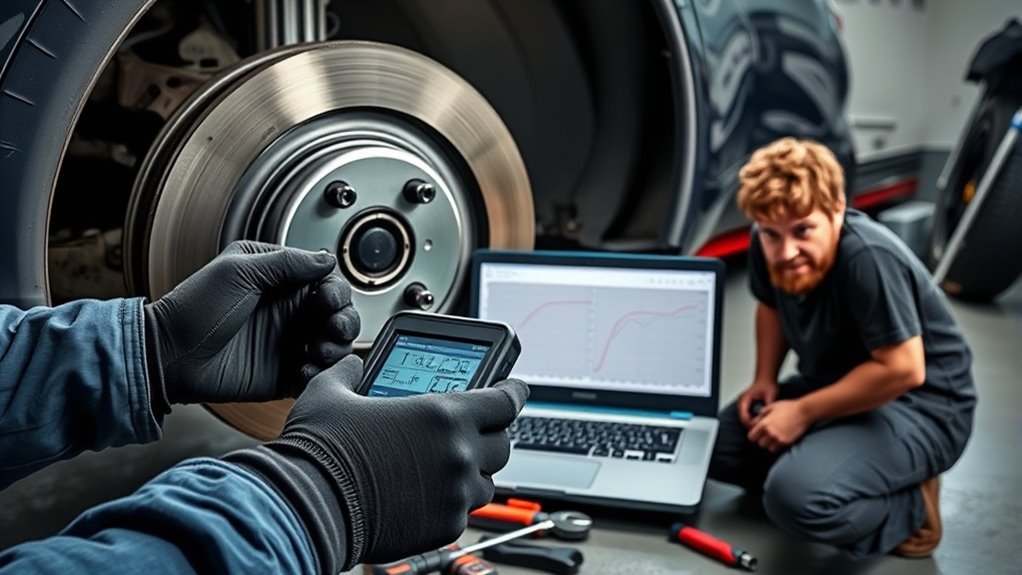
When should you tackle TPMS tasks yourself and when should you bring the Sonata to a pro? You can handle basic tasks: check tire pressure with a gauge, inflate to spec, and reset the system per the manual. Those steps free you from unnecessary shop visits and use simple TPMS tools.
Bring the Sonata to a professional if the warning light persists, if a sensor fails, or after tire service that required sensor removal. Certified technicians have diagnostic scanners, advanced TPMS tools, and the expertise for accurate sensor programming, calibration, and replacement. They’ll reduce misdiagnosis risk and prevent safety compromises.
Don’t attempt complex sensor swaps or programming without training; incorrect work can increase costs, produce unreliable readings, and endanger you. Schedule periodic professional maintenance to monitor battery health—TPMS sensor batteries typically last 3–7 years—and extend sensor life. Use DIY for routine checks; rely on pros for diagnostics, sensor programming, and repairs.
Frequently Asked Questions
Can Aftermarket Wheels Affect the Sonata’s Direct TPMS Accuracy?
Yes — aftermarket wheels can reduce your direct TPMS accuracy. You’ll need proper sensor compatibility, correct valve fitment, and calibrated mounting to maintain reliable readings; otherwise air pressure data and alarm thresholds may become compromised.
Can TPMS Sensors Be Reprogrammed for Winter Tire Sets?
Yes — you can reprogram sensors for winter sets. TPMS reprogramming benefits include accurate pressure alerts and sensor ID pairing; it guarantees winter tire compatibility, preserves safety, and lets you control seasonal swaps with confident independence.
Do Tire Pressure Offsets Change TPMS Alerts at High Altitude?
Yes — altitude adjustments can alter TPMS alerts: you’ll need pressure calibration so sensors reflect lower ambient pressure at elevation, otherwise thresholds trigger warnings; recalibrate or reset systems to prevent false low-pressure alarms.
Will Using Nitrogen in Tires Impact TPMS Readings?
Yes — using nitrogen won’t meaningfully change TPMS readings; you’ll gain nitrogen benefits like slower pressure drift and moisture reduction, but TPMS monitors tire pressure only, so it still measures absolute tire pressure regardless of gas type.
Does TPMS Communicate With Hyundai Blue Link or Mobile Apps?
Don’t worry — yes, TPMS technology can share tire data with Hyundai features like Blue Link and mobile apps when your Sonata supports it; you’ll get alerts and status updates remotely, empowering you to act quickly and free.
Conclusion
Quick recap: your Hyundai Sonata uses direct TPMS, detecting tire pressure via sensors and sending specific signals so you can spot slow leaks, sensor failures, or valve issues. Stay proactive: periodically pressure-check, swap sensors when batteries die, and reset the system after adjustments. If warning lights won’t wane, diagnose sensors, valves, and leaks or seek pro help. Consistent care prevents premature problems and preserves performance, safety, and peace of mind.

Related Articles

Hyundai Sonata Tire Road Hazard Warranty: What Does It Cover?
Find out when Hyundai's Sonata tire warranty actually pays for punctures, blowouts, and pothole damage—and what extra coverage you might need.
Read More
What Are Directional Tires on a Hyundai Sonata? Full Explanation
In exploring directional tires on your Hyundai Sonata, discover how their unique tread design boosts performance—but what happens if they're installed incorrectly?
Read More
Hyundai Sonata TPMS Sensor Malfunction: How to Diagnose & Fix
Step into the world of Hyundai Sonata TPMS sensor malfunctions and discover essential diagnostic tips—your solution awaits just beyond the next click.
Read More