
Can You Replace Just 2 Tires on a Hyundai Sonata? Front or Rear
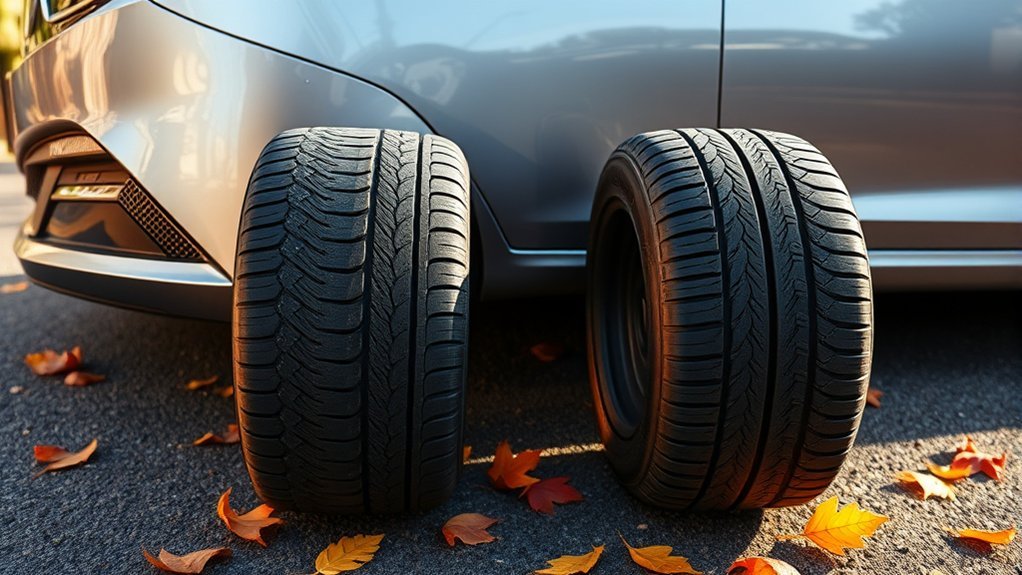
Yes, you can replace just two tires on your Hyundai Sonata, but it’s essential to evaluate their placement. Always place new tires on the rear axle to improve stability and control, especially in wet conditions. Mixing tread depths can lead to handling issues, so it’s generally safer to replace tires in pairs. Keeping your tires matched helps maintain performance and safety. If you want to know more about tire replacement guidelines and maintenance tips, there’s plenty more to discover.
How to Safely Replace Tires on a Hyundai Sonata
Replacing tires on your Hyundai Sonata can seem intimidating, but it’s a straightforward process when you know the steps. Start by checking the tread depth of your existing tires; if they’re below 4/32 inches, it’s time for a change. If you’re only replacing two tires, make sure they match in size and tread pattern to maintain balanced handling. For enhanced stability, install the new tires on the rear axle, especially during seasonal changes when road conditions can be slippery.
Before you start, ensure you have the right tools: a jack, lug wrench, and torque wrench. Once the car’s lifted, remove the old tires and replace them with the new ones, tightening the lug nuts in a star pattern. Don’t forget to perform regular tire rotation every 5,000 to 7,500 miles to promote even wear. Following these steps will keep your Sonata safe and responsive on the road.
Why New Tires Should Go on the Rear Axle
When you install new tires on your Hyundai Sonata, putting them on the rear axle is essential for maintaining stability. This practice helps reduce the risk of oversteer, especially in wet conditions where grip is important. By placing new tires on the rear, you enhance overall handling consistency, allowing for better control during emergency maneuvers. Rear tires with greater tread depth offer improved grip, which is critical for cornering and braking effectively.
Additionally, this approach minimizes the chances of fishtailing, a common issue when worn tires remain on the back. For front-wheel-drive vehicles like the Sonata, rear stability is even more significant. Regular tire rotation is recommended to guarantee even wear across all tires, but prioritizing new tires on the rear is a key stability enhancement strategy. By following this guideline, you’ll drive with greater confidence and safety on the road.
When to Replace Worn Tires
How can you tell if your tires need replacing? Start by checking the tread depth; if it’s below 4/32 inches, it’s critical for your safety to replace them. Worn tread patterns can signal that your tires aren’t gripping the road effectively, which can lead to handling issues. Regular tire rotation every 5,000 to 7,500 miles can help maintain an even wear and prolong your tire lifespan, so don’t skip this step!
If you notice uneven wear, it’s time to replace them to avoid compromising your driving experience. For your Hyundai Sonata, replacing tires in pairs is usually acceptable, but make sure the new tires match the size and tread pattern of the remaining ones. Remember, keeping your tires in check guarantees not just safety, but also a more liberating driving experience. Stay proactive, and your tires will serve you well on every journey.
The Risks of Uneven Tire Replacement
While it might seem cost-effective to replace just two tires on your Hyundai Sonata, doing so can greatly compromise your vehicle’s handling and safety. If the tread depth between tires varies considerably, you risk uneven handling, increasing the chance of losing control. Hyundai recommends replacing all four tires when possible to maintain ideal tire performance and vehicle safety.
Mismatched tire sizes or tread patterns can disrupt your traction control system, leading to poorer handling in adverse conditions. Studies show that vehicles with uneven tire wear are more prone to oversteer and fishtailing, especially in wet weather, raising the likelihood of accidents.
To enhance your driving experience and keep yourself safe on the road, regularly monitor tire wear and stick to the manufacturer’s recommendations. Embracing this proactive approach not only guarantees better performance but also contributes to your overall road safety.
Why Matching Tire Types Is Crucial for Safety
Guaranteeing that all your tires match in type and size is essential for maintaining safety on the road. When tire performance is consistent across all four corners, you’ll enjoy better handling and stability, especially in adverse weather conditions. Mixing different tire types, like summer and winter tires, can lead to unpredictable behavior, increasing your risk of skidding or losing control.
Different tread patterns or sizes create unbalanced driving dynamics, which can severely compromise your steering response. Manufacturers like Hyundai advise that all tires on an axle must match to promote peak performance and safety. Regularly monitoring your tires helps maintain uniform characteristics, critical for steering through emergency situations effectively. By prioritizing matching tire types, you elevate your driving safety, empowering you to drive with confidence and peace of mind.
Should You Put New Tires in the Front or Back?
When it comes to replacing tires on your Hyundai Sonata, always put the new ones on the rear axle. This approach boosts stability and control, especially in wet conditions, helping you avoid dangerous oversteer. Prioritizing your rear tires not only improves handling but also enhances your overall driving experience.
New Tires on Rear
Replacing tires on your Hyundai Sonata can be a significant decision, especially when it comes to balancing safety and performance. When you’re replacing just two tires, it’s best to install the new ones on the rear axle. This placement enhances vehicle stability and reduces the risk of oversteer, especially during emergency maneuvers in wet conditions. New tires in the rear maintain better grip, guaranteeing predictable handling and balanced driving dynamics, particularly when front tires are worn. Mixing tread depths can compromise handling, so keeping uniformity is essential for safety. By prioritizing new tires at the back, you’ll enhance tire longevity and secure ideal traction, making your drive safer and more enjoyable.
Handling and Stability
Installing new tires on the rear of your Hyundai Sonata greatly boosts handling and stability. This choice enhances your vehicle dynamics, especially in slippery conditions. Here’s why you should consider it:
- Improved Traction: New tires grip the road better, essential during emergency maneuvers.
- Reduced Oversteer: You’ll minimize the risk of losing control when turning on wet surfaces.
- Consistent Handling: Matching tire conditions on each axle guarantees stability and control.
Regularly check tire pressure and tread depth to maintain peak performance. Remember, worn tires can compromise your safety and affect how your Sonata drives. Prioritizing rear tire replacement not only enhances your experience but also empowers you to navigate the roads with confidence.
Understanding All-Wheel Drive Tire Considerations
When you’re replacing tires on your all-wheel drive Hyundai Sonata, tread depth is essential. Uneven tread can lead to differential stress, affecting your vehicle’s handling and stability. To keep your ride smooth and safe, consider replacing at least two tires on the same axle.
Tread Depth Importance
Maintaining proper tread depth is essential for all-wheel drive vehicles like the Hyundai Sonata, as it directly impacts both handling and safety. To guarantee peak performance, keep these points in mind:
- Uniformity Matters: All tires should have no more than a 1/8 inch difference in tread depth to avoid drivetrain damage.
- Regular Checks: Keep an eye on tread depth; replace tires when they reach the 4/32 inch threshold.
- Rear Stability: When replacing tires, consider putting new ones on the rear axle for better control in challenging conditions.
Neglecting tread depth can lead to uneven wear, compromising your traction and overall safety. Stay proactive, and enjoy a liberated driving experience with your Hyundai Sonata!
Differential Stress Risks
Differential stress can become a serious concern for Hyundai Sonata owners with all-wheel drive (AWD) systems if tires aren’t replaced correctly. When you replace just two tires, the differing tread depths can lead to differential wear, potentially causing drivetrain damage over time. AWD systems rely on uniformity for peak performance, so mismatched tires disrupt this balance and create handling issues.
| Tire Position | Tread Depth (inches) | Recommended Action |
|---|---|---|
| Front | 8 | Replace both tires |
| Rear | 6 | Replace both tires |
| Left | 7 | Replace with a pair |
| Right | 5 | Replace with a pair |
Always consult your owner’s manual for specifications to avoid costly repairs.
The Importance of Tire Replacement and Maintenance
Tire replacement and maintenance are essential for ensuring your Hyundai Sonata handles safely and efficiently. Ignoring these can lead to dangerous situations, especially as tire aging and seasonal changes affect performance. Here are three key reasons to stay on top of your tire health:
- Safety First: Regularly checking tread depth and pressure can considerably reduce the risk of tire-related accidents, which are alarmingly high in the U.S.
- Enhanced Control: Installing new tires on the rear axle maintains better stability and control, especially during adverse weather conditions.
- Cost-Effective: Replacing tires in pairs helps you avoid uneven wear, ultimately saving you money on premature replacements.
How to Check Tire Wear Effectively
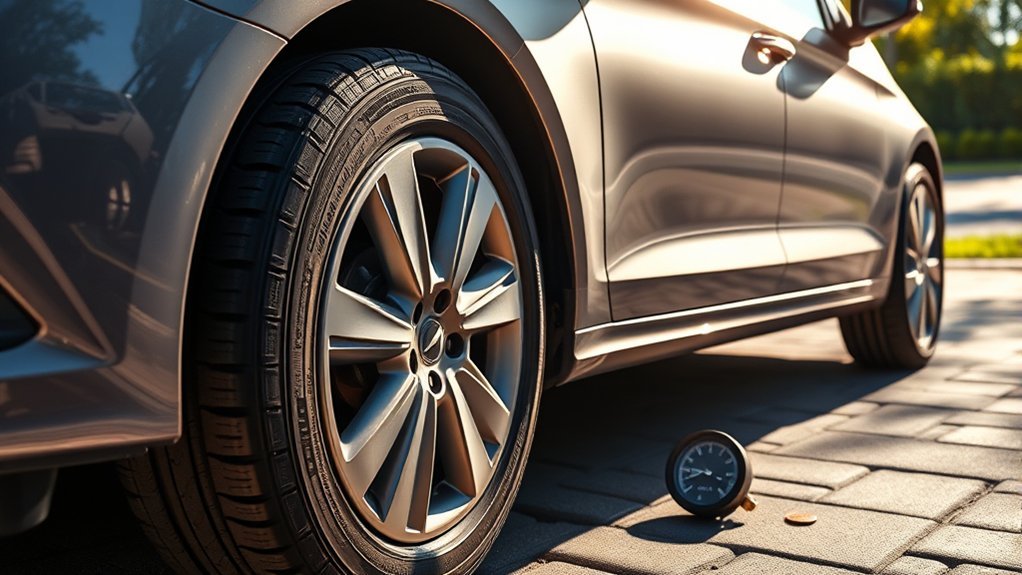
Guaranteeing your Hyundai Sonata’s tires are in good condition starts with knowing how to check for wear effectively. Begin with the penny test: insert a penny into the tread grooves. If you can see all of Lincoln’s head, it’s time for a replacement. Regularly inspect tread depth, replacing tires when it reaches 4/32 inches to maintain performance and safety.
Keep an eye out for uneven tread patterns, which can signal alignment issues or improper tire pressure. Addressing these concerns early can prevent further complications. Also, look for visible damage like cracks, bulges, or foreign objects that might compromise tire integrity.
Finally, maintain a consistent tire rotation schedule every 5,000 to 7,500 miles. This promotes even wear and extends the life of all tires. By staying proactive in your checks, you’ll guarantee a safer and smoother ride in your Sonata.
Frequently Asked Questions
Can I Mix Different Tire Brands on My Hyundai Sonata?
You can mix different tire brands on your Hyundai Sonata, but it may affect tire performance and raise safety concerns. For peak performance and safety, stick to matching brands and tread patterns whenever possible.
How Do I Know if My Tires Are the Same Size?
Did you know 40% of drivers unknowingly use mismatched tire sizes? To guarantee yours match, check the sidewall for tire size, and measure tread depth; they should be the same for maximum safety and performance.
What Is the Lifespan of Hyundai Sonata Tires?
Hyundai Sonata tires generally last 40,000 to 60,000 miles, depending on driving habits and tire wear. To guarantee safety and performance, check replacement frequency regularly and replace tires as needed for peak driving experience.
Can I Rotate My Tires After Replacing Only Two?
Yes, you can rotate your tires after replacing just two. However, consider tire replacement considerations carefully, as mismatched tread can affect handling characteristics. Regular rotation helps guarantee even wear and maintains peak performance for your Hyundai Sonata.
Will Replacing Two Tires Affect My Car’s Alignment?
Think of your tires as dancers in a performance. Replacing just two can throw off their rhythm, leading to uneven tire wear and possible alignment issues. Keeping harmony guarantees a smoother, safer drive down the road.
Conclusion
Just like a ship needs a balanced sail to navigate smoothly, your Hyundai Sonata requires well-matched tires for a safe ride. Replacing only two tires can throw off your vehicle’s stability, much like an uneven weight on a boat. Always consider putting new tires on the rear for better control. Remember, a well-maintained vessel sails further. So, keep an eye on your tires, and verify they’re ready to take you wherever the road leads!

Related Articles

Touring vs Performance Tires for Hyundai Sonata: Which to Choose
Discover the key differences between touring and performance tires for your Hyundai Sonata, and find out which option truly suits your driving style.
Read More
All-Season vs Summer Tires for Hyundai Sonata: Best Choice?
Better understand the differences between all-season and summer tires for your Hyundai Sonata to make an informed choice that suits your driving needs.
Read More
All-Weather vs All-Season Tires for Hyundai Sonata Compared
Just how do all-weather tires outperform all-season tires for your Hyundai Sonata? Discover the key differences that could impact your driving experience.
Read More