
Can You Patch a Hyundai Sonata Tire? When It’s Safe & When It’s Not
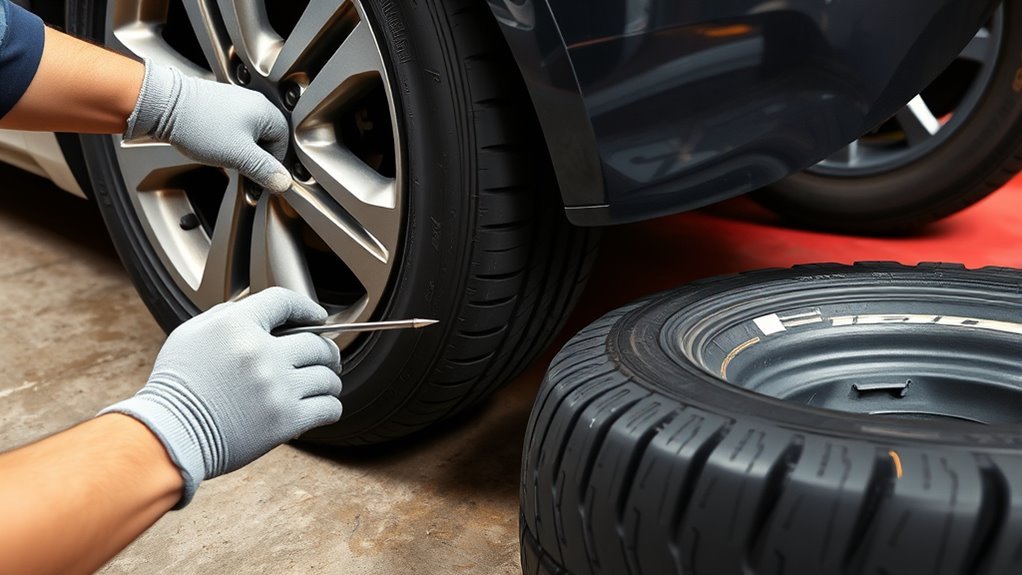
Yes, you can patch a Hyundai Sonata tire if the puncture is within the center tread area, is less than 1/4 inch in diameter, and doesn’t involve sidewall damage. Patching is a safe method for minor repairs but avoid driving on a flat tire, as it can cause internal damage. If the damage exceeds these limits or if you’re unsure, it’s best to seek professional help. Learn more about identifying repairable tire damage and best practices for your tire maintenance.
Is It Safe to Patch a Tire on a 2017 Hyundai Sonata?
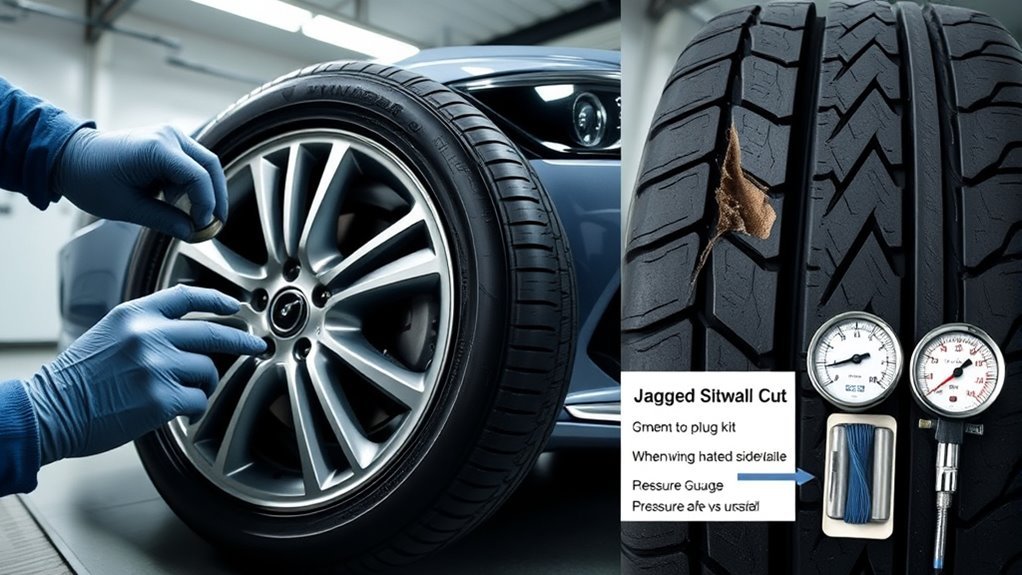
Is it really safe to patch a tire on your 2017 Hyundai Sonata? The answer hinges on a few essential factors. First, the puncture must be within the center 80% of the tread width and no larger than 1/4 inch (6mm) in diameter. If the damage is on the sidewall or if you’ve driven on a flat tire, repairs aren’t an option—these conditions jeopardize your safety and the tire’s structural integrity. For effective tire maintenance, always follow the manufacturer’s guidelines and consider professional help. Experts can employ techniques like a plug-patch combination, ensuring your repairs are both safe and reliable. Regular safety checks of your tires can prevent potential hazards and keep you liberated on the road. Remember, improper repairs can lead to dangerous outcomes, particularly when it comes to such vital components as tires. Prioritize safety and make informed choices for your Sonata.
Understanding Tire Damage Types: When Is Patching Possible?
When you encounter a tire puncture, understanding the type of damage is crucial for determining whether patching is a viable option. Here are key points to take into account regarding tire puncture types and repair techniques:
- Location: Patching is possible if the puncture is in the center 80% of the tread width and doesn’t exceed 1/4 inch (6mm) in diameter.
- Shoulder Restrictions: Repairs aren’t allowed within 1/2 inch of the tire’s shoulder due to flexing that compromises the integrity of the repair.
- Internal Damage: If the tire has been driven flat or severely underinflated, it may have unseen internal damage, making it unsafe for repair.
Sidewall damage is a different story; it can’t be repaired because of insufficient steel belt reinforcement. Always verify repairs are done by a trained technician using proper plug and patch methods for maximum safety.
Manufacturer Guidelines for Tire Repairs
When it comes to repairing your Hyundai Sonata’s tires, understanding the manufacturer’s guidelines is essential. These policies detail where repairs can be made, the limitations on puncture size, and the importance of safety standards. By following these rules, you can guarantee that your tire repairs are effective and safe for your vehicle.
Manufacturer Repair Policies
Hyundai’s manufacturer repair policies for tires are designed to guarantee your safety and the longevity of your vehicle. Following these guidelines is essential for maintaining your manufacturer warranties and ensuring proper tire maintenance. Here are key points to take into account:
- Repairs are only safe for punctures in the center tread, not exceeding 1/4 inch (6mm) in diameter.
- Damage to the shoulder or sidewall disqualifies a tire from repair due to insufficient structural integrity.
- Tires driven while flat or severely underinflated, or those with internal damage, should be replaced instead.
Repair Limitations Explained
Understanding the repair limitations for your Hyundai Sonata’s tires is essential to guarantee both safety and performance. Manufacturer guidelines dictate that punctures can only be repaired if they’re in the center 80% of the tread width and no larger than 1/4 inch (6mm). Repairs on the shoulder or sidewall aren’t allowed, as they compromise structural integrity, increasing blowout risks. If you’ve driven on a flat tire or one that’s severely underinflated, it likely can’t be repaired due to potential internal damage. Additionally, overlapping injuries or multiple punctures may render the tire unrepairable. Finally, avoid repairs on worn tires with a tread depth of 2/32-inch or less to guarantee peak tire maintenance and safety.
Safety Standards Compliance
Repairing a tire on your 2017 Hyundai Sonata requires strict adherence to safety standards set forth by the manufacturer. To guarantee proper tire maintenance and repair techniques, keep these guidelines in mind:
- Only repair punctures located within the center 80% of the tread, and they shouldn’t exceed 1/4 inch in diameter.
- Avoid repairs on the sidewall or shoulder, as these areas aren’t reinforced for safe repairs.
- Confirm the tire hasn’t been driven while flat or severely underinflated, which can cause hidden damage.
Following these standards is essential. If your tire shows significant internal damage or exceeds repair limits, it must be replaced to maintain your vehicle’s safety and performance. Always prioritize your safety on the road!
Risks of Driving on a Flat Tire

Driving on a flat tire can severely compromise its integrity, leading to hidden damage that makes repairs impossible. Not only does this increase the risk of blowouts, but it also poses safety hazards for you and other road users. Additionally, your vehicle’s performance can suffer, affecting handling and braking when you push your luck on a damaged tire.
Tire Integrity Risks
When you continue to drive on a flat tire, you’re not just risking a simple inconvenience; you could be causing significant internal damage. The tire sidewalls experience continuous flexing, which can lead to catastrophic failure. Here are three critical risks to contemplate:
- Broken Belts: Internal damage may result in broken belts, making the tire unsafe for repair.
- Blowouts: Even small punctures can cause blowouts due to weakened structures, putting you and others at risk.
- Sidewall Collapse: The sidewall could collapse between the wheel and road, leading to further damage and costly replacements.
To guarantee your safety and maintain tire integrity, always inspect tires thoroughly before deciding on repairs. Don’t gamble with your safety!
Safety Hazards Involved
Even a short trip on a flat tire can lead to serious safety hazards. Driving on a flat may cause unseen internal damage, such as broken belts and separations, making your tire unsafe for repair. The sidewall could collapse, pinching between the wheel and the road, increasing the risk of blowouts. If you continue driving, you could exacerbate the original puncture, rendering it unrepairable due to additional damage. There are also significant risks with patched tires if repairs aren’t done correctly; improper fixes can compromise tire integrity. To avoid these dangers, prioritize regular tire maintenance and follow essential safety precautions. Always verify a thorough internal inspection before any repair work to safeguard your ride and well-being.
Performance Impact Factors
While you might think a flat tire is just a minor inconvenience, its impact on your vehicle’s performance can be severe. Driving on a flat alters your tire performance and can lead to dangerous situations. Here are some risks to take into account:
- Internal Damage: Broken belts and internal separations can occur, compromising safety.
- Sidewall Collapse: The sidewall may pinch, increasing the risk of catastrophic failure.
- Increased Blowout Risk: Significant flexing alters structural integrity, making blowouts more likely even after a repair.
Ignoring these factors can jeopardize your safety and performance on the road. Your driving habits should prioritize timely tire maintenance to guarantee a smooth, reliable ride. Don’t underestimate the importance of a well-maintained tire!
Patching vs. Plugging for Hyundai Sonata Tires: Which Is Better?
How do you decide between patching and plugging a tire on your Hyundai Sonata? Understanding tire repair techniques is key. Patching is ideal for punctures within the center 80% of the tread, as long as they’re no larger than 1/4 inch. This method offers a permanent fix, especially when professionally installed, allowing for a thorough internal inspection. On the other hand, plugs are quick fixes but may lead to undetected internal damage if not meticulously applied.
Here’s a quick comparison:
| Method | Durability | Safety |
|---|---|---|
| Patching | High | Extensive internal inspection |
| Plugging | Moderate | Temporary; risks internal damage |
While both approaches have their place, patches are generally favored for their long-lasting reliability. Always remember: if you suspect sidewall damage, avoid repair altogether.
How to Identify Repairable Tire Damage
To determine if your Hyundai Sonata tire is repairable, start by inspecting the puncture’s location and size. Focus on these key factors:
- Tire Tread Area: The puncture must be within the center 80% of the tread width. If it exceeds this area, it’s likely non-repairable.
- Puncture Size: Verify the damage doesn’t exceed 1/4 inch (6mm) in diameter. Larger punctures compromise structural integrity.
- Distance from the Shoulder: Punctures should be at least 1/2 inch from the tire’s shoulder. Damage here is generally considered unsafe.
When to Seek Professional Help for Tire Repairs
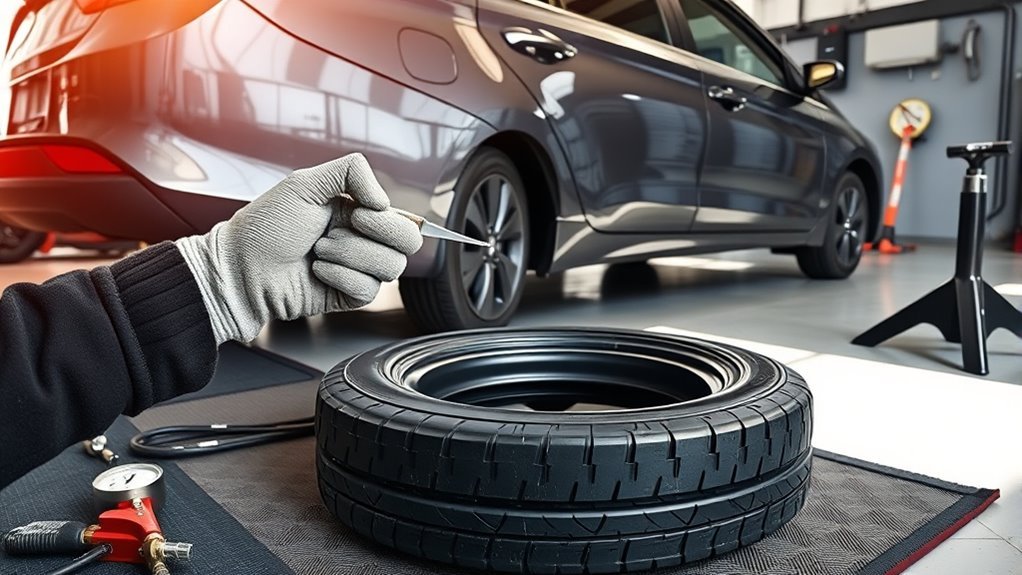
If you notice a puncture larger than 1/4 inch or located outside the central 75% of your tire’s tread, it’s time to seek professional help. These conditions make repairs unsafe and could jeopardize your safety on the road. If you spot any visible sidewall damage or if the tire’s been driven flat, don’t wait—get a professional inspection immediately, as sidewall repairs aren’t possible.
Additionally, if your tire shows signs of internal damage, such as broken belts or exposed cords, a mechanic’s evaluation is essential. Trying DIY methods for significant tire damage can lead to costly mistakes and higher repair costs later. Finally, if your tire has overlapping injuries from previous repairs, consult a professional to assess whether a safe repair is possible or if a replacement is necessary. Prioritizing proper tire maintenance not only guarantees safety but also enhances your driving experience.
Best Practices for Monitoring Your Tires Post-Repair
After addressing tire damage with professional help, keeping an eye on your tires is essential for continued safety and performance. Here are some best practices to follow:
After professional tire repairs, regular monitoring is crucial for safety and optimal performance.
- Check Tire Pressure: Regularly monitor tire pressure after repairs. Fluctuations can signal leaks or further issues that need your attention.
- Inspect Repaired Areas: Look for signs of deterioration like cracking or bulging. This helps guarantee the integrity of the patch remains intact.
- Monitor Tread Depth: Use a gauge to check tread depth regularly. Aim for it to stay above 2/32 inches to maintain safe traction.
Additionally, keep an eye on uneven wear patterns, which might indicate alignment problems. Don’t forget to schedule professional inspections periodically, especially after repairs, to guarantee your tires continue to perform effectively. Staying proactive can enhance your driving experience and safety.
Frequently Asked Questions
How Long Can a Tire Last With a Patch?
A properly patched tire can last 5,000 to 10,000 miles, depending on patching techniques and maintenance. Regularly check tire pressure to guarantee longevity and safety, as worn patches can lead to failure.
Why Is My Tire Pressure Light on When My Tires Are Fine on My Hyundai?
Your tire pressure light might be on even if your tires look fine due to temperature changes or a malfunctioning warning system. Regular checks guarantee you stay informed about your tire pressure and avoid potential issues.
Can You Patch a Tire While It’s Still on the Vehicle?
No, you shouldn’t patch a tire while it’s still on the vehicle. Proper tire maintenance tips emphasize removing it for thorough inspection. Effective patching techniques require evaluating internal damage, ensuring your safety on the road.
How Much Does It Cost to Get a Tire Patched and Plugged?
Getting a tire patched typically costs $15 to $30, while plugging ranges from $10 to $20. For savvy drivers, knowing these tire maintenance tips and cost comparisons can save you money and keep you rolling.
Conclusion
In summary, patching a tire on your 2017 Hyundai Sonata can be safe if the damage is minor and within manufacturer guidelines. However, remember that not all damage is repairable. Driving on a flat tire can lead to further issues, so it’s vital to assess the situation carefully. Always prioritize safety over convenience; if you’re unsure, don’t hesitate to consult a professional. Regular tire monitoring is essential for long-term performance and safety.

Related Articles
Hyundai Sonata TPMS Sensor Compatibility Guide by Year
Just when you thought replacing Sonata TPMS sensors was simple, discover which 52933 part fits your model year and why it matters—keep reading.
Read More
Hyundai Sonata Hub Bore (Center Bore) Size: All Years Listed
I discovered the crucial hub bore size for all Hyundai Sonata models, but what happens if yours doesn't match? Find out more!
Read More
Hyundai Sonata TPMS Sensor Battery Life: How Long Do They Last?
Predict how long Hyundai Sonata TPMS sensor batteries really last and when you'll need replacements—find surprising lifespan factors and warning signs inside.
Read More