Benefits of Nitrogen in Tires for a Toyota RAV4: Is It Worth It?
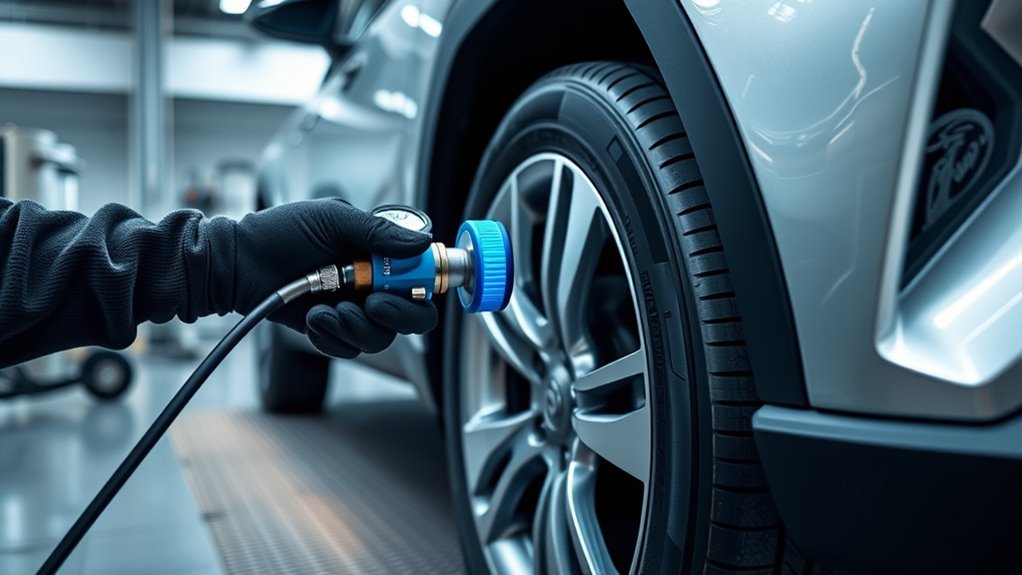
Using nitrogen in your Toyota RAV4 tires can boost your driving experience considerably. It helps maintain tire pressure better by reducing air loss and stabilizing performance, which can enhance fuel economy and safety. With less moisture buildup, you’re less likely to face blowouts. While initial costs may be higher compared to regular air, the long-term benefits might just outweigh them. Curious to find out what else you can gain from nitrogen?
Why Choose Nitrogen for Your RAV4 Tires?

When it comes to maintaining your Toyota RAV4, choosing nitrogen for your tires can be a game-changer. By reducing tire pressure loss by approximately 40%, nitrogen guarantees better inflation consistency over time. You’ll notice that nitrogen-filled tires lose only about 2.2 psi in a year, compared to 3.5 psi for those filled with air. This improved stability enhances both safety and fuel efficiency, making your drives smoother and more economical.
Additionally, nitrogen helps prevent moisture-related issues that could lead to overinflation and potential blowouts, further safeguarding your vehicle. Regularly maintaining nitrogen-filled tires may also extend their longevity due to reduced oxidation and degradation, especially vital in extreme weather conditions. While the initial filling cost ranges from $70 to $179, the potential long-term savings from improved fuel economy and reduced tire wear make this investment worthwhile for any RAV4 owner seeking liberation from frequent maintenance worries.
How Nitrogen Helps Maintain Tire Pressure?
When you fill your Toyota RAV4 tires with nitrogen, you benefit from larger nitrogen molecules that reduce leakage through the tire walls. This means your tires can maintain pressure more effectively over time. Plus, without moisture in the mix, you won’t have to worry about gas expansion leading to overinflation, making your driving experience safer and more efficient.
Larger Molecule Structure
Nitrogen’s larger molecule structure plays an essential role in maintaining tire pressure for your Toyota RAV4. Compared to oxygen, nitrogen’s size reduces the rate of pressure loss through the tire walls, enhancing safety and performance. Here are three key benefits of using nitrogen:
- Improved Pressure Retention: Nitrogen-filled tires lose only about 2.2 psi annually, unlike regular air tires that lose around 3.5 psi.
- Consistent Performance: Slower nitrogen leakage leads to more stable tire pressure, optimizing your vehicle’s handling and fuel efficiency.
- Reduced Risk of Underinflation: Maintaining proper tire pressure minimizes the chances of driving on underinflated tires, which can lead to accidents.
Reduced Moisture Impact
Using nitrogen in your Toyota RAV4 tires greatly reduces the impact of moisture, which can lead to pressure fluctuations. Unlike compressed air, nitrogen is a dry gas, preventing moisture buildup that can cause overinflation, especially in hot conditions. This stability not only enhances tire longevity but also minimizes the need for frequent inflation checks. With consistent tire pressure, you’ll enjoy improved fuel economy and better vehicle handling. Plus, the reduced risk of tire blowouts means you can drive with confidence. By choosing nitrogen, you’re not just opting for a technical upgrade; you’re liberating yourself from the hassles of regular maintenance and enhancing your overall driving experience. It’s a smart choice for any RAV4 owner.
How Nitrogen Affects Fuel Economy in Your RAV4?
Maintaining proper tire pressure is essential for maximizing fuel economy in your Toyota RAV4, and nitrogen can play a significant role in this. By using nitrogen, you can expect enhanced fuel efficiency through the following benefits:
Maintaining proper tire pressure with nitrogen can significantly boost your Toyota RAV4’s fuel economy.
- Slower Pressure Loss: Nitrogen-filled tires lose pressure at a rate of only 2.2 psi per year, compared to 3.5 psi for air, keeping your tire pressure more consistent.
- Reduced Under-Inflation Risks: With nitrogen, you can extend the intervals between pressure checks, lowering the chance of driving with under-inflated tires that can reduce gas mileage by 0.2% for every PSI drop.
- Ideal Rolling Resistance: Stable tire pressure minimizes fluctuations, ensuring your RAV4 maintains ideal rolling resistance, vital for maximizing miles per gallon.
Incorporating nitrogen in your tires not only improves fuel efficiency but also enhances your driving experience. It’s a simple step that can lead to significant savings.
Safety Benefits of Nitrogen-Filled Tires?
When you choose nitrogen-filled tires for your RAV4, you’re opting for enhanced pressure stability that can greatly boost your safety on the road. With nitrogen’s ability to maintain consistent tire pressure longer than regular air, you reduce the chances of driving on under-inflated tires, which can lead to dangerous situations. Plus, the minimized risk of blowouts due to the absence of moisture gives you added peace of mind, allowing for a more controlled driving experience.
Enhanced Pressure Stability
While many drivers may overlook the importance of tire pressure, ensuring your Toyota RAV4’s tires are consistently inflated with nitrogen can greatly enhance pressure stability. Here’s how nitrogen contributes to your safety and performance:
- Slower Pressure Loss: Nitrogen-filled tires lose only 2.2 psi per year, compared to 3.5 psi for air, promoting tire longevity.
- Reduced Underinflation Risks: Consistent pressure helps prevent accidents linked to underinflated tires, enhancing overall handling.
- Minimized Fluctuations: Larger nitrogen molecules reduce leakage, ensuring ideal pressure and improving traction.
Reduced Blowout Risks
Using nitrogen in your Toyota RAV4’s tires can greatly reduce the risks of blowouts, making your driving experience much safer. Nitrogen’s larger molecules slow pressure loss, which means you’re less likely to drive on underinflated tires—a common cause of blowouts. Consistent tire pressure enhances handling, lowering the chances of accidents stemming from tire failure. Plus, without moisture, nitrogen-filled tires eliminate the risk of overinflation due to gas expansion, further aiding blowout prevention. The stability of nitrogen also minimizes pressure fluctuations from temperature changes, ensuring safer driving conditions. By maintaining nitrogen-filled tires, you can enjoy improved traction and control, ultimately enhancing tire longevity and your overall driving safety. It’s a proactive step toward liberation on the road.
Nitrogen vs. Regular Air: Which Is Better for Your RAV4?
Choosing between nitrogen and regular air for your Toyota RAV4 tires can greatly impact your driving experience. Here’s a breakdown of why nitrogen might be the superior choice:
- Pressure Retention: Nitrogen-filled tires lose about 2.2 psi annually, compared to 3.5 psi for air, enhancing tire performance and safety.
- Reduced Inflation Frequency: Nitrogen’s larger molecules prevent quicker permeation, so you won’t have to check your tire pressure as often, saving you time and effort.
- Enhanced Safety: The absence of moisture in nitrogen minimizes overinflation risks, vital for preventing blowouts during your drives.
Considering these benefits, nitrogen can improve your RAV4’s fuel efficiency and longevity, especially if you use your vehicle for towing or off-roading. Opting for nitrogen isn’t just a trend; it’s a practical decision for a liberating driving experience.
Cost of Nitrogen Inflation: Is It Worth It?
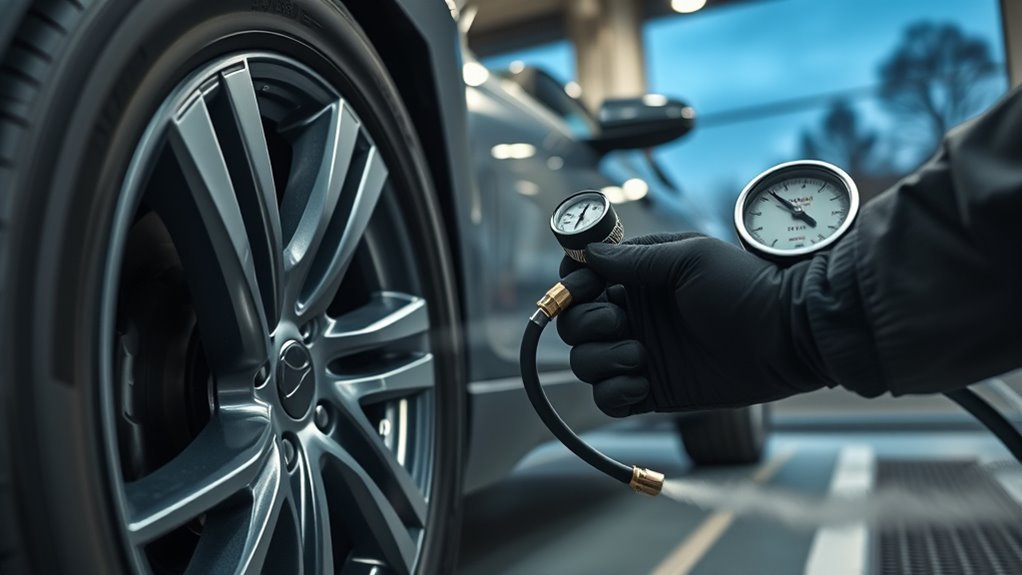
Is the cost of nitrogen inflation truly justified for your Toyota RAV4? When you consider the initial nitrogen fill costs, which can range from $70 to $179, plus potential charges of up to $30 per tire for draining air, the financial commitment adds up quickly. Routine maintenance for nitrogen-filled tires could cost you an additional $80 to $112 annually. In stark contrast, regular air fills are often free, highlighting a significant cost comparison. While nitrogen might offer benefits like better pressure retention, the ongoing expenses may not lead to long-term savings for the average driver. Plus, accessibility can be a concern, as nitrogen filling stations aren’t as common as air compressors. Ultimately, weighing the costs against the benefits will help you decide if nitrogen inflation is worth it for your driving needs.
Tire Maintenance: How Often to Check Nitrogen Levels?
While many drivers appreciate the benefits of nitrogen in their tires, regular maintenance remains essential to guarantee peak performance and safety. Checking your nitrogen levels every two to three months is critical. Here are three key points to keep in mind:
- Tire Pressure Stability: Nitrogen-filled tires lose pressure at a slower rate than air-filled ones, but they still require regular checks for ideal performance.
- Timing Matters: Always check tire pressure when the tires are cool for the most accurate reading.
- Maintenance Schedule: Don’t let the longer intervals between checks lead to neglect; a consistent maintenance schedule is crucial for your safety.
Do Everyday Drivers Really Need Nitrogen in Their Tires?
Wondering if nitrogen is truly necessary for your everyday driving experience? For most drivers, the answer is likely no. While nitrogen-filled tires can offer benefits in specialized situations, everyday usage, like with your Toyota RAV4, shows only a minimal 1.3 psi difference in pressure loss over a year compared to air-filled tires. This small advantage doesn’t greatly impact tire longevity or driving efficiency.
Plus, filling your tires with air is cost-effective—often free at service stations—while nitrogen can range from $5 to $30 per tire. Many claims about nitrogen improving fuel economy or reducing tire degradation are more theoretical than practical for standard driving conditions.
Ultimately, the key to maintaining ideal tire performance lies in routine maintenance, like monthly pressure checks. Whether you choose nitrogen or air, staying vigilant about tire pressure is what truly enhances your driving experience.
Frequently Asked Questions
Are There Any Downsides to Using Nitrogen in Tires?
Yes, there are downsides to using nitrogen in tires. You’ll face higher costs and limited availability. Plus, while it maintains tire pressure better, it doesn’t guarantee significant performance benefits for everyday driving.
Do Dealers Actually Put Nitrogen in Tires?
Yes, dealers often fill tires with nitrogen, but it’s not always guaranteed. Think of it as a gourmet meal; sometimes, it’s just regular maintenance dressed up. You still need to check tire pressure regularly.
Can I Mix Nitrogen and Regular Air in a Tire?
Yes, you can mix nitrogen and regular air in a tire. However, doing so might compromise tire pressure retention and air quality, leading to more frequent checks. Prioritize nitrogen for ideal performance whenever possible.
Conclusion
In the grand journey of your Toyota RAV4, nitrogen-filled tires are like a steady compass, guiding you toward better performance and safety. While the initial cost may feel like a pebble in your shoe, the benefits—consistent pressure, improved fuel economy, and enhanced safety—make it a worthy investment. So, as you roll down the road, consider if the clarity of nitrogen can help navigate your driving experience, ensuring every mile is smooth and safe.

Related Articles

Upsizing Wheels on a Toyota RAV4: Pros, Cons, and Considerations
Boost your Toyota RAV4's performance with larger wheels, but discover the hidden trade-offs that could impact your ride before you decide.
Read More
Can I Change Tire Size on My Toyota RAV4? Rules and Recommendations
Are you considering changing the tire size on your Toyota RAV4? Discover the essential rules and recommendations before making a decision.
Read More
What to Do If the TPMS Light Comes On in Your RAV4
Understand the steps to take when the TPMS light illuminates in your RAV4, as overlooking it could lead to serious tire problems.
Read More