What Is Tire Casing? Layers, Materials & Importance
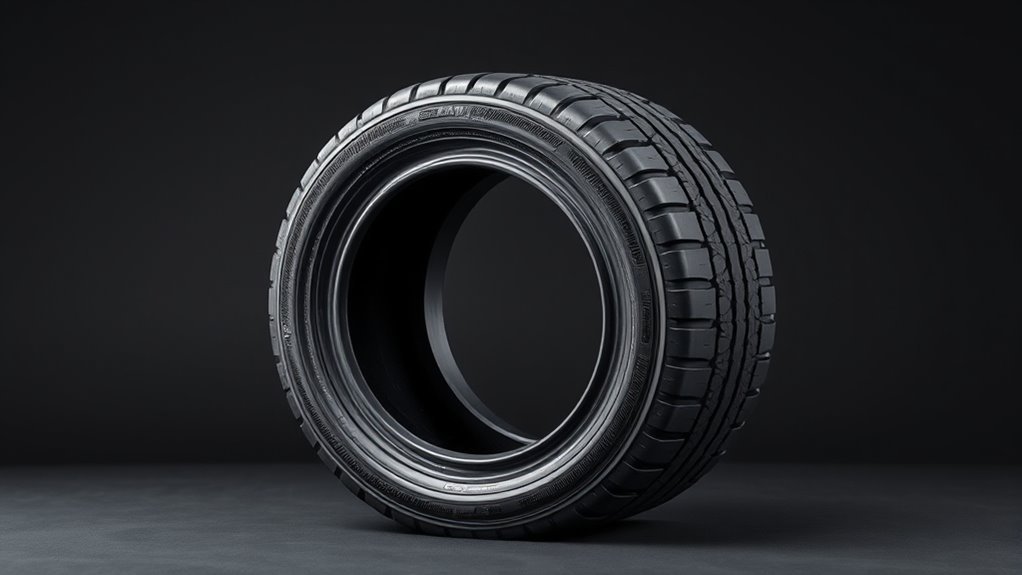
A tire casing is the structural body of a tire. It includes the bead, body plies, belts, sidewall, inner liner, and rubber layers that help the tire hold air, carry weight, keep its shape, absorb road forces, and protect against damage. The casing sits below the tread, so you usually judge its condition by inspecting the sidewall, tread area, bead area, pressure history, and any signs of cuts, bulges, exposed cords, or separation.
Quick Answer
A tire casing is the tire’s load-carrying structure beneath the tread. It is made from reinforced plies, beads, belts, sidewalls, an inner liner, and rubber compounds. A sound casing improves handling, air retention, durability, puncture resistance, and, for many commercial tires, retread potential.
Key Takeaways
- The casing is the tire’s structural “body,” while the tread is the outer wear surface that contacts the road.
- Beads anchor the tire to the wheel, plies carry load, belts stabilize the tread, sidewalls protect the body, and the inner liner holds air in tubeless tires.
- Modern “ply rating” usually means load-carrying strength, not the literal number of fabric plies inside the tire.
- Correct cold inflation pressure, regular inspection, rotation, alignment, and timely repair help protect the casing from heat and structural damage.
- Retreading is most common for commercial truck, bus, aircraft, and specialty tires, and only a sound casing should be retreaded.
What a Tire Casing Is and Why It Matters
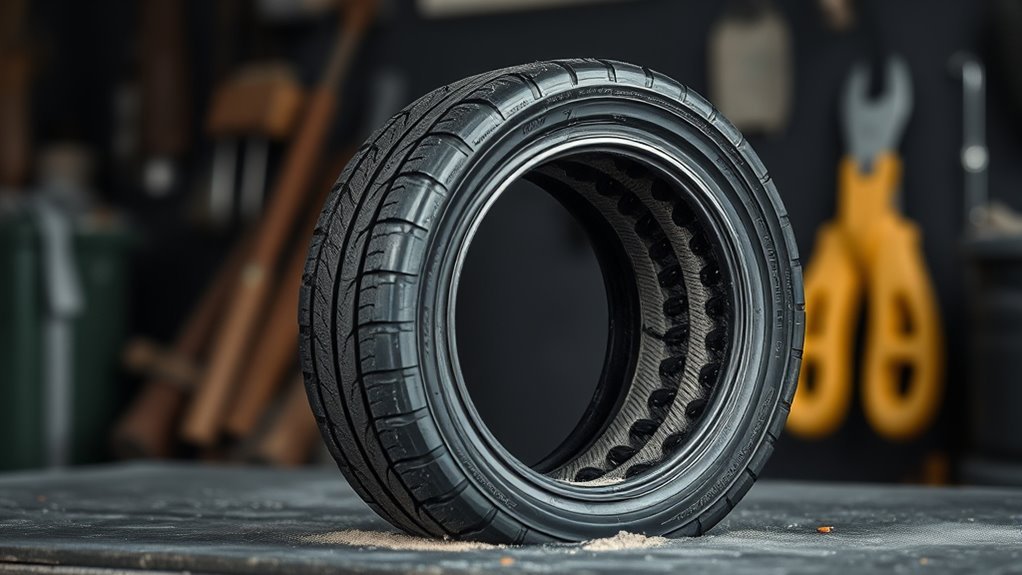
Think of the tire casing as the tire’s skeleton. It is the reinforced structure under the tread that helps the tire support the vehicle, hold pressure, keep a stable footprint, and respond to steering, braking, cornering, and road impacts.
The word casing is often used with the word carcass. In everyday tire talk, both refer to the tire body beneath the tread. In retreading, “casing” usually means the used tire body after the worn tread has been removed and before a new tread is applied.
A good casing matters because it affects:
- Load capacity: the casing must be strong enough for the vehicle, cargo, passengers, and inflation pressure specified by the tire and vehicle manufacturer.
- Ride comfort: sidewall and ply construction influence how much the tire flexes over bumps.
- Handling: belts and plies help control tread shape, cornering response, and stability at speed.
- Heat control: underinflation, overloading, and impact damage can create heat and internal stress that shorten casing life.
- Puncture and impact resistance: reinforcement layers help protect the air chamber and tread area, although no casing is puncture-proof.
- Retreadability: a commercial casing that has been protected from damage may be a candidate for retreading after the tread wears down.
Note: On passenger and light-truck tires, shoppers usually compare size, load index, load range, speed rating, tread type, and warranty more than “casing” specifications. On commercial, aircraft, off-road, and bicycle tires, casing construction is discussed more directly because durability, casing value, and retread or repair potential are major cost factors.
Inside a Tire: Bead, Plies, Belts, Sidewall, and Inner Liner
A tire casing is not one single layer. It is a built-up structure of rubber-coated cords, steel or textile reinforcements, rubber compounds, and sealing layers. Bridgestone’s tire structure guide describes the bead as the part that grips the wheel, the body ply as the tire skeleton, and the belt as the layer that stiffens and protects the tread area.
| Component | Primary Role | What to Watch For |
|---|---|---|
| Bead | Anchors and seals the tire to the wheel | Bead damage, air leaks, mounting damage, rust or debris at the rim seat |
| Body plies | Carry load and resist internal air pressure | Exposed cords, impact breaks, sidewall bulges, cuts |
| Belts | Stabilize the tread and strengthen the footprint | Tread separation, punctures, irregular wear, belt-edge damage |
| Sidewall | Protects the body plies and flexes under load | Cracking, scuffing, bulges, deep cuts, ozone damage |
| Inner liner | Holds air in tubeless tires | Air loss, puncture damage, poor repairs, contamination |
| Tread and undertread | Provide road contact and protect the casing below | Low tread depth, cuts, embedded objects, uneven wear |
The inner liner is especially important on tubeless tires. Michelin describes it as an airtight synthetic rubber layer, similar in purpose to an inner tube, that helps retain air inside the tire. The carcass ply above it uses reinforced cords that help determine tire strength and pressure resistance. Michelin’s tire manufacturing guide gives a clear overview of these internal parts.
Common Tire Casing Materials and What They Do
Tire engineers combine several materials because no single material gives perfect comfort, strength, heat resistance, puncture resistance, air retention, and wear life. The exact mix depends on whether the tire is made for a passenger car, light truck, semi-truck, bicycle, aircraft, agricultural machine, or off-road equipment.
| Material | Where It Is Used | Why It Matters |
|---|---|---|
| Polyester, rayon, or nylon cords | Body plies and casing reinforcement | Provide strength, flexibility, and shape control while keeping weight manageable |
| Steel | Bead bundles and many radial tire belts | Adds bead strength, tread stability, puncture resistance, and load support |
| Aramid | Selected protective belts, bead materials, and high-performance or specialty casings | Offers high strength for its weight and good cut resistance in demanding applications |
| Natural and synthetic rubber | Sidewall, tread, inner liner, undertread, bead filler, and insulation layers | Tunes grip, flexibility, heat resistance, air retention, and wear |
| Carbon black, silica, oils, resins, and curing agents | Rubber compounds | Help balance traction, rolling resistance, durability, and weathering resistance |
For passenger and light-truck tires, steel belts under the tread are common in radial construction. For bicycle tires, casing thread count, often called TPI, is a visible selling point: higher TPI usually means a more supple casing, while lower TPI or added protective layers may improve toughness. For auto and truck tires, TPI is not usually the main shopper-facing spec; load index, load range, service description, tire type, and manufacturer data matter more.
[Products Worth Considering]

[Material] Our tire repair tools are made of high-quality metal and plastic materials, which are durable, corrosion-resistant, not easy to rust, will not be easily deformed or damaged, and have a long service life.

Heavy Duty Rubber Cement Tire Repair: Vulcanized cement is a chemical agent that can promote the vulcanization of rubber or elastomer materials at room temperature. Ideal for professional tire repair and other applications that require rubber materials to cure without the need for heat. Tire vulcanizing cement combined with various repair patches and plugs can quickly solve your tire leakage problem and achieve powerful repair

[🔨PROFESSIONAL QUALITY ] - AUTOWN Tire Repair Kits are made of refined high-quality steel, AUTOWN upgraded tire patch kits comply with exacting standards of audit, can repair the toughest tires on the market.
Radial vs. Bias-Ply Casing Construction
The way the plies are arranged changes how the casing behaves. The two main construction types are radial and bias-ply.
- Radial tires: body cords run roughly bead-to-bead across the tire, and belt layers sit under the tread. Radial construction is common on modern passenger, light-truck, and commercial highway tires because it usually improves tread life, heat control, ride, and fuel efficiency.
- Bias-ply tires: ply cords cross diagonally from bead to bead. Bias construction is still used in some agricultural, trailer, off-road, vintage, and specialty applications where sidewall stiffness, impact resistance, or operating conditions favor that design.
Neither design is automatically “best” in every situation. The right casing construction depends on the vehicle, load, speed, terrain, and the tire manufacturer’s fitment recommendations.
[Products Worth Considering]


Tire only, Rim not included

FULL nylon cap ply overlay cross entire tread area.
Ply Rating, Load Range, and What “10-Ply” Really Means
Older tires used actual layers of cotton or fabric cord, so “ply” once described the real number of layers in the casing. Modern tires use stronger materials and different construction, so a ply rating is usually a strength equivalent, not a literal layer count.
That means a “10-ply” light-truck tire is usually a tire with a load range commonly associated with 10-ply strength. It does not mean you can cut the tire open and count exactly 10 casing plies. Always check the tire sidewall and vehicle placard for:
- Tire size, such as P225/65R17 or LT265/70R17
- Load index, which indicates how much weight one tire can carry at its rated pressure
- Load range, such as C, D, E, F, or higher on many light-truck and commercial tires
- Maximum cold inflation pressure, printed on the tire sidewall
- Vehicle-recommended cold inflation pressure, found on the driver-door placard or in the owner’s manual
Warning: A tire with a higher ply rating or load range does not increase your vehicle’s legal payload, axle rating, towing rating, or braking capacity. Match the tire to the vehicle manufacturer’s required size, load index, load range, and inflation guidance.
How Tire Casing Construction Affects Ride, Durability, and Retreading
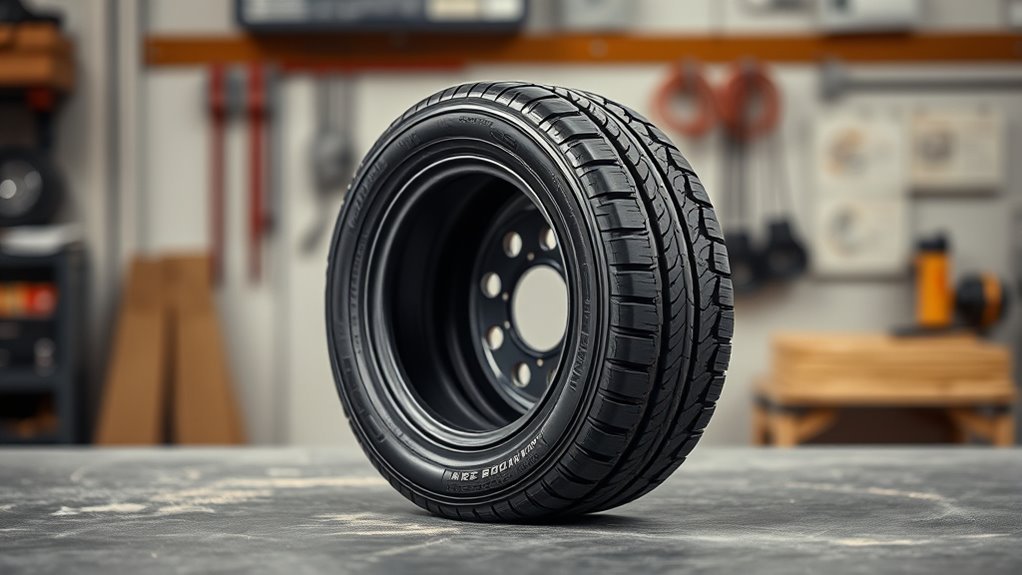
Casing construction affects how the tire feels, how long it lasts, and whether the tire body can survive a second service life. A more flexible casing can improve ride comfort and road feel, while a stronger casing may better resist damage from heavy loads, rough surfaces, and heat. The best tire is the one built for the job, not simply the one with the stiffest sidewall.
Several design choices shape casing performance:
- Ply material and angle: affect flexibility, load support, heat generation, and impact behavior.
- Belt package: controls tread shape, footprint stability, puncture resistance, and high-speed stability.
- Sidewall compound: affects scuff resistance, ozone resistance, ride comfort, and flex fatigue.
- Inner liner quality: affects air retention, pressure stability, and casing protection.
- Heat resistance: matters because underinflation, overloading, speed, and repeated flexing can damage the casing from the inside.
Retreading depends on the casing, not just the remaining tread. The Tire Retread & Repair Information Bureau explains that retreading uses selected, inspected worn casings; the old tread is buffed away and a new tread is bonded to the tire body. If the casing has impact damage, exposed cords, sidewall separation, bead damage, contamination, or poor repairs, it should not be retreaded.
According to USTMA’s 2024 retread report addendum, about 15 million tires are retreaded annually in the United States, and U.S. truck and bus fleets commonly retread each tire two to three times on average when the casing remains suitable.
How to Inspect a Tire Casing
You cannot see every internal layer from the outside, but a careful visual inspection can catch many casing problems before they become dangerous. Inspect tires when they are cool, properly lit, and safely parked.
At a Glance
| Time Required | 5–10 minutes for a basic walkaround inspection |
| Difficulty | Easy for basic checks; professional inspection needed for internal damage or retread decisions |
| Tools Needed | Tire pressure gauge, tread depth gauge, flashlight, gloves, and owner’s manual or door placard |
| Cost | Usually $0 for a basic check; professional inspection or repair cost varies by tire type and damage |
Basic Casing Inspection Checklist
- Check cold inflation pressure. Use the vehicle placard or owner’s manual, not the maximum pressure printed on the tire sidewall, for normal inflation guidance. NHTSA recommends measuring pressure when tires are cold for the most accurate reading.
- Look for sidewall bulges or bubbles. A bulge can signal broken internal cords or impact damage. Do not ignore it.
- Inspect cuts, cracks, and scuffs. Any cut deep enough to expose ply or belt material is unsafe.
- Check for tread or sidewall separation. Raised areas, vibration, thumping, or visible separation can indicate serious internal damage.
- Measure tread depth. Low tread exposes the casing to more road damage and reduces wet traction.
- Look for uneven wear. Feathering, cupping, shoulder wear, or center wear can point to alignment, balance, suspension, inflation, or load problems.
- Inspect the bead and rim area. Bead damage, corrosion, or debris can cause leaks and mounting problems.
- Check repair history. Multiple repairs, sidewall repairs, poor plug-only repairs, or damage outside the repairable area can make a casing unsuitable for service or retreading.
Pro Tip: Mark recurring air loss, uneven wear, or vibration early. A small pressure problem can become casing damage if the tire runs underinflated long enough to overheat.
When a Tire Casing Is Not Safe to Use
A tire should be removed from service when the casing shows signs that its structure may be compromised. Federal commercial vehicle rules in 49 CFR § 393.75 prohibit operating a commercial motor vehicle tire with exposed body ply or belt material, tread or sidewall separation, a flat tire or audible leak, or a cut that exposes ply or belt material.
For everyday drivers, the same warning signs are worth taking seriously even if your vehicle is not covered by commercial rules. Replace or professionally inspect the tire if you see:
- Exposed cords, belts, or fabric
- A sidewall bulge, bubble, or knot
- Tread separation or sidewall separation
- A tire that repeatedly loses air
- Deep cuts, cracking, or weather checking
- Damage from driving flat or severely underinflated
- Impact damage after hitting a pothole, curb, debris, or road hazard
- Uneven wear severe enough to expose the casing or belts
Choosing and Caring for Tire Casings: Selection Tips, Maintenance, and When to Retread
The right casing depends on the vehicle and the job. A delivery van, passenger sedan, gravel bike, long-haul tractor, skid steer, and aircraft tire all need different casing designs. Start with the tire size and service requirements from the vehicle or equipment manufacturer, then choose the tread pattern, load range, speed rating, and casing features that match your use.
| Use Case | What to Prioritize | Why It Helps |
|---|---|---|
| Daily passenger driving | Correct size, load index, speed rating, comfort, wet traction, and tread life | Balances safety, handling, noise, and fuel economy |
| Towing or hauling | Manufacturer-approved load range, proper inflation, heat control, and sidewall strength | Helps the casing handle weight without excessive flexing |
| Commercial fleet use | Casing durability, repairability, retread program, pressure monitoring, and application matching | Protects casing value and lowers cost per mile |
| Off-road or construction | Cut resistance, impact protection, sidewall durability, and correct tread design | Reduces damage from rocks, debris, curbs, and rough terrain |
| Bicycle performance | TPI, puncture belt, casing suppleness, tire pressure range, and tubeless compatibility | Balances speed, comfort, grip, and puncture protection |
[Products Worth Considering]

Universal Steel Construction:The semi truck spare tire rack is crafted from heavy-duty steel with a matte black powder-coated finish, the spare tire rack is universally compatible with most vehicle models. Its rugged design withstands harsh weather and resists rust, ensuring reliable performance for long-distance journeys
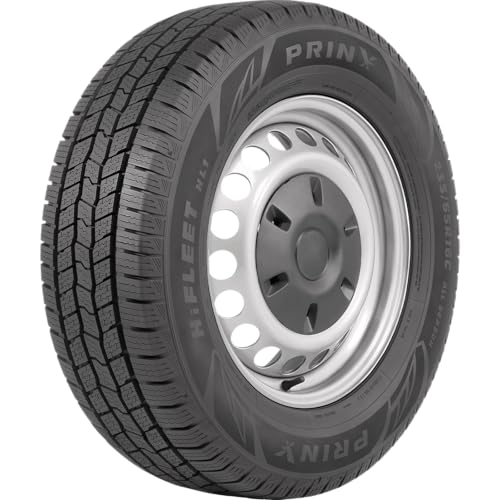
Designed for use on route vans and service trucks

Professional Adjustable Design - Our adjustable tire rack is suitable for all series of Class 8 highway semi-trailer trucks. The maximum width of the spare tire does not exceed 11.7", and the maximum span of the vehicle beam frame is 25.5"-26.5", allowing you to travel far No worries.
Maintenance Habits That Protect the Casing
- Keep tires properly inflated. The NHTSA TireWise guide explains that correct cold inflation pressure should come from the vehicle manufacturer’s recommendation.
- Rotate tires on schedule. The U.S. Tire Manufacturers Association recommends following the owner’s manual and notes that if no rotation period is specified, 5,000 to 8,000 miles is a common interval.
- Fix alignment and balance issues. Pulling, vibration, cupping, and uneven wear can shorten casing life.
- Avoid overloading. Too much load increases casing flex, heat, and stress.
- Repair punctures correctly. A proper repair usually requires demounting the tire, inspecting the inside, and using approved repair methods.
- Remove tires before the casing is damaged. For tires intended for retreading, waiting until tread is completely worn can expose the belt area to stone drilling and impact damage.
When to Retread Instead of Replace
Retreading makes sense when the casing is valuable, structurally sound, properly inspected, and designed for retread service. It is common in commercial trucking, buses, aircraft, and some off-road applications. It is not a routine choice for most passenger-car tires.
A casing may be a retread candidate when:
- The tread is worn but the casing has no structural damage
- The tire has been kept properly inflated and not overloaded
- The bead, sidewall, belt package, and inner liner pass professional inspection
- Previous repairs were done correctly and remain within accepted repair limits
- The casing is suitable for the tire’s next application and service position
Defer to a qualified tire technician or retread plant for the final decision. Retreading is a casing inspection process first and a tread replacement process second.
Frequently Asked Questions
What is a tire casing?
A tire casing is the structural body of a tire beneath the tread. It includes reinforced plies, beads, belts, sidewalls, the inner liner, and rubber layers that help the tire hold air, carry load, maintain shape, and resist road damage.
Is a tire casing the same as the tread?
No. The tread is the outer rubber pattern that touches the road and wears down over time. The casing is the reinforced structure underneath. A tire can have worn tread but still have a sound casing, which is why some commercial tires can be retreaded.
What is better, a 10-ply or 12-ply tire?
A 12-ply-rated tire is usually built for more load capacity than a similar 10-ply-rated tire, but it is not automatically better. Choose the tire size, load index, load range, and inflation requirements specified for your vehicle. A higher-rated tire can ride stiffer and will not increase the vehicle’s payload rating.
Which is better, 4-ply or 8-ply tires?
An 8-ply-rated tire generally has more load-carrying strength than a 4-ply-rated tire in the same basic category, but “better” depends on the vehicle and use. Lighter vehicles may benefit from the comfort and efficiency of a lower-rated tire, while hauling or rough-service use may require a higher load range.
Can every tire casing be retreaded?
No. Only sound, inspected casings should be retreaded. A casing with exposed cords, sidewall separation, bead damage, impact damage, poor repairs, contamination, or internal heat damage should be rejected. Retreading is most common for commercial and specialty tires, not everyday passenger-car tires.
What damages a tire casing the most?
Underinflation, overloading, impact with potholes or curbs, heat buildup, deep cuts, improper repairs, misalignment, and running a tire too long after tread wear can all damage the casing. Correct pressure and regular inspection are the best ways to protect it.
Conclusion
A tire casing is the tire’s hidden load-carrying structure. Its bead, plies, belts, sidewall, inner liner, and rubber compounds work together to hold air, support weight, stabilize the tread, absorb road forces, and protect against damage. Choosing the right casing means matching the tire’s size, load index, load range, construction, and tread design to the vehicle and job.
To get the most life and safety from any casing, keep tires correctly inflated, inspect them often, fix alignment or wear problems early, and remove damaged tires from service. If the tire is part of a commercial retread program, protect the casing before the tread is fully worn out and let a qualified retreader decide whether it is safe for another service life.
Sources
- Bridgestone: Basic Structure of Tires — supports tire component definitions, including bead, body ply, belt, sidewall, tread, and inner liner.
- Michelin: How Are Tires Made? — supports the explanation of the inner liner, carcass ply, beads, sidewalls, and tire construction layers.
- NHTSA TireWise: Tire Safety Ratings and Awareness — supports cold inflation pressure guidance, tire safety checks, and tire aging awareness.
- U.S. Tire Manufacturers Association: Tire Care Essentials — supports pressure, tread, rotation, and alignment maintenance recommendations.
- eCFR: 49 CFR § 393.75 Tires — supports unsafe commercial tire conditions and minimum tread-depth rules for covered vehicles.
- Tire Retread & Repair Information Bureau: Learn More About Retreading — supports the explanation of inspected casings and the tire retreading process.

Related Articles
What Does THE P Stand For on a Tire? Full Meaning Explained
I’ll explain what the “P” on a tire really means and why it could change how you choose your next set.
Read More
How to Use a Tubeless Tire Repair Kit: Complete Field Guide
Learn how to fix tubeless tire punctures fast with the right kit, because one small mistake can leave you stranded on the trail.
Read More
How to Tell a Tire’s Diameter: Easy Guide to Reading Tire Size
Want to decode tire sidewall numbers and find the right diameter, but wonder what those hidden digits really mean?
Read More