
Best Winter Tires for Trucks and SUVs in 2026: 7 Top Picks
Disclosure: As an Amazon Associate, we earn from qualifying purchases. If you click an Amazon link on this page and make a purchase, we may receive a small commission at no extra cost to you.
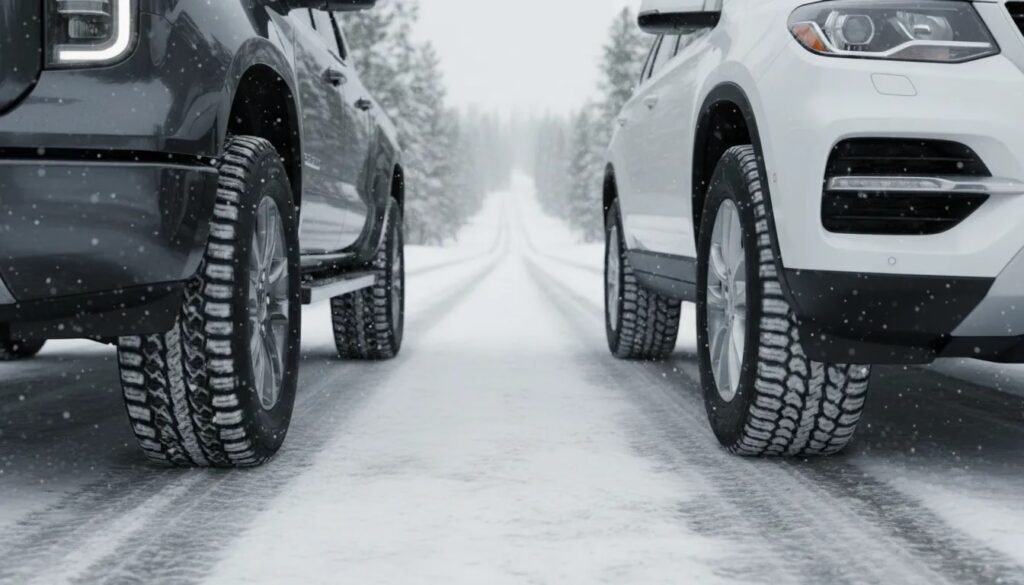
Choosing winter tires for a truck or SUV is about more than “better traction.” The right tires help you brake with more confidence on snow and ice, manage slush and wet roads, reduce road noise, and stay within your vehicle’s load and speed requirements.
Below are seven strong winter tire options for 2026, including both studded and studless friction models. Use this guide to match the tire type to your conditions, then confirm the exact size, load index, speed rating, and stud legality before you buy.
Quick Verdict
For most SUV drivers, a premium studless winter tire is the easiest daily choice because it gives strong snow and ice grip without stud noise or legal restrictions. Choose a studded tire only if your roads often stay icy and your state or province allows studs. For heavy-duty pickups and work trucks, start with a light-truck winter tire that meets the required load rating.
Key Takeaways
- Best daily SUV choice: Bridgestone Blizzak DM-V3 or Continental VikingContact 8, depending on size availability and local market.
- Best heavy-duty pickup choice: Nokian Hakkapeliitta LT3 because it is built for demanding truck use.
- Best studded choices: Nokian Hakkapeliitta 10 SUV, Nokian Hakkapeliitta LT3, and Goodyear UltraGrip Arctic 2 SUV if studs are legal where you drive.
- Most important fitment rule: match tire size, load index, and speed rating before comparing brands.
- Do not mix tire types: avoid mixing studded and studless winter tires on the same vehicle.
❄️ What makes a winter tire “best” for trucks and SUVs?
For trucks and SUVs, the best winter tire is the one that balances winter grip with durability, stability, and everyday drivability.
- Snow and ice braking: Look for tread designs and rubber compounds that stay flexible in cold weather and can bite into ice or packed snow.
- Slush and wet handling: Winter roads often include water. Strong wet traction and effective water evacuation matter as much as snow performance.
- Load and sidewall strength: Trucks and many SUVs carry heavier loads. Quality winter tires should meet your vehicle’s required load index.
- Noise and comfort: Some options, especially studded tires, can be louder. If you commute daily, noise and ride comfort matter.
- Cold-weather compound: Studless tires depend on rubber that remains grippy below freezing.
- Winter certification: Look for the Three-Peak Mountain Snowflake symbol. Some newer winter tires may also carry an Ice Grip marking.
Quick note on studded vs studless: Studded tires usually make the most sense for frequent hard ice. Studless winter tires often work better for drivers who want quieter daily use, fewer legal concerns, and strong all-around snow, slush, and cold-weather traction.
| Tire | Type | Best For | Main Caution | Amazon |
|---|---|---|---|---|
| Bridgestone Blizzak DM-V3 | Studless | SUV and 4×4 winter traction | Verify local availability and exact size | Check Price on Amazon |
| Michelin X-Ice Snow SUV | Studless | Long tread-life priority | Confirm SUV or light-truck rating in your size | Check Price on Amazon |
| Nokian Hakkapeliitta R5 SUV | Studless | Ice grip without studs | May cost more than basic winter tires | Check Price on Amazon |
| Continental VikingContact 8 | Studless | Mixed snow, slush, wet roads, and daily comfort | Check load index for heavier trucks | Check Price on Amazon |
| Nokian Hakkapeliitta 10 SUV | Studded | Hard ice and compact snow | Studs may be restricted and louder | Check Price on Amazon |
| Goodyear UltraGrip Arctic 2 SUV | Studded | Ice plus slush-prone winter roads | Verify regional availability | Check Price on Amazon |
| Nokian Hakkapeliitta LT3 | Studded or non-studded, depending on version | Pickups, heavy loads, and winter work routes | Choose the correct LT size and rating | Check Price on Amazon |
[Products Worth Considering]

Protect tire valves from water, dust, and sand to help prevent leaks and support safe driving. These universal stem caps install quickly by hand and feature durable aluminum alloy construction with an inner sealing ring for better air retention. Compatible with cars, SUVs, trucks, motorcycles, and bicycles for everyday convenience.
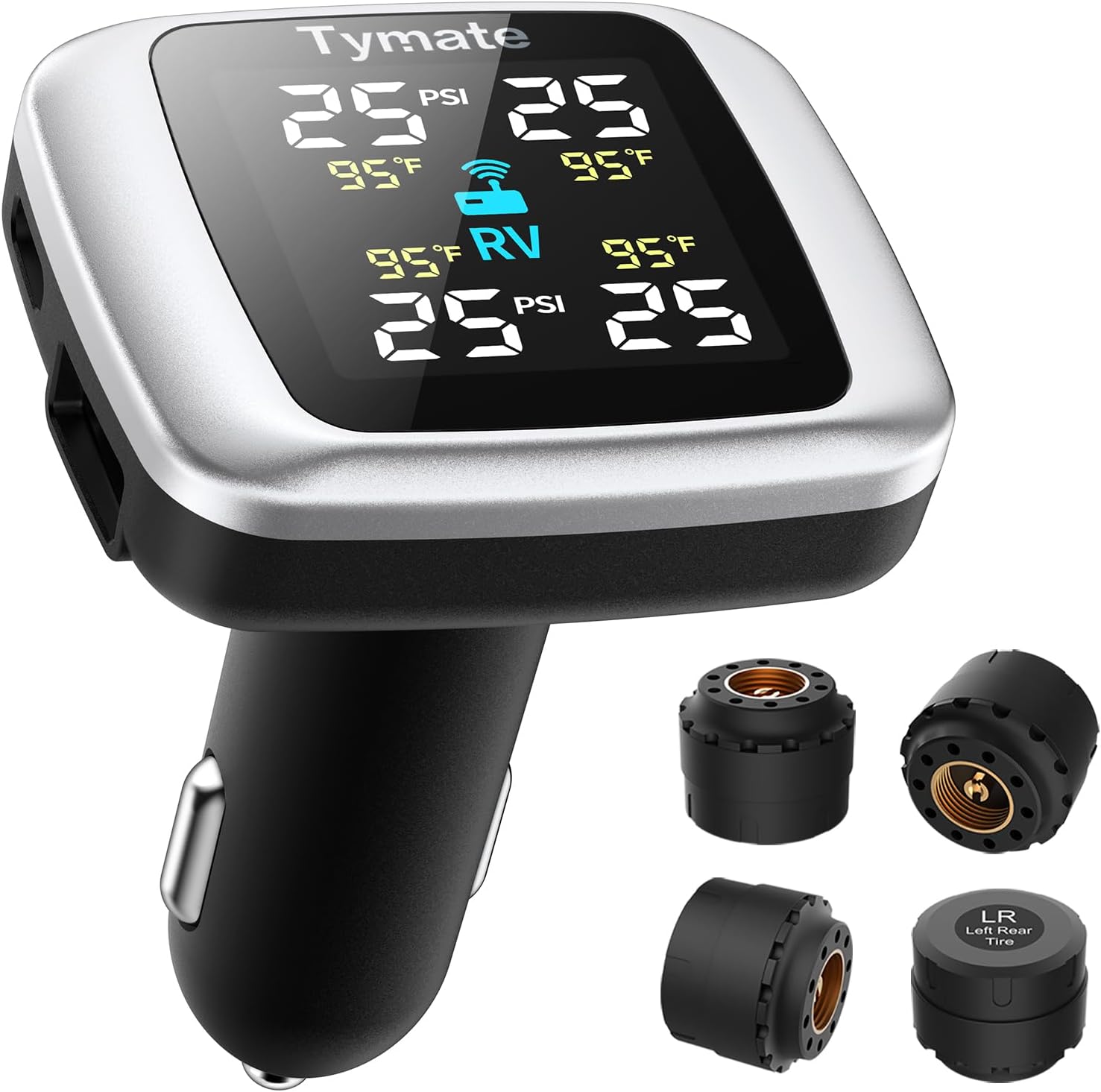
Tymate TM7 is a wireless tire pressure monitoring system that delivers real-time pressure and temperature readings for safer driving. It includes four external sensors, a bright color LCD display with adjustable backlight, and six alarm modes for high/low pressure, fast leakage, high temperature, and sensor signal or battery issues. The system covers a wide 0–144 PSI range and plugs into your vehicle’s cigarette lighter socket for quick DIY setup.

Slip the Powerbuilt tire step over your vehicle’s tire to reach roof racks, engine bays, truck boxes, and more without overreaching. Its adjustable, universal design fits tires with a cross tread width up to 13 inches, including car, truck, RV, and semi tires. The non-slip cheesegrater surface and anti-slip tape provide secure grip while the open design lets mud and debris pass through. Fold-flat storage with rubber bumpers helps keep your tire and the step protected between uses.
🧭 How to choose the right winter tire for your area
Start with conditions you actually drive in, not the most extreme scenario you can imagine.
1) Pick your tire type based on road surface
- Mostly packed snow and slush: A strong studless winter tire can be a great match.
- Frequent hard ice or glare ice: Consider a studded tire if local laws allow it.
- Mixed winters with snow, rain, and wet roads: Prioritize wet braking, slush evacuation, and predictable handling.
- Heavy loads or work-truck use: Start with LT-rated winter options that meet your vehicle’s load needs.
2) Confirm your size, load index, and speed rating
Winter tires must meet your vehicle requirements. Check your door jamb label, owner’s manual, or current tire sidewall for:
- Section width (example: 245)
- Aspect ratio (example: 75)
- Rim diameter (example: 16)
- Load index (must meet or exceed the requirement)
- Speed rating (must meet or exceed the requirement)
Fitment note: Do not choose a tire only because the model name appears in this list. Winter tires are sold in many sizes and ratings. Always confirm the exact size, load index, speed rating, and wheel compatibility before ordering.
3) Don’t ignore tread life, storage, and warranty
A winter tire that lasts multiple seasons can reduce cost per mile. If you drive a lot, tread longevity, rotation habits, storage conditions, and warranty coverage can matter as much as small grip differences.
🏆 Best winter tires for trucks and SUVs in 2026 (7 top options)
The list below includes a mix of studded and studless winter tires for SUVs, crossovers, light trucks, and heavy-duty pickups. Use it as a shortlist, then verify size availability and stud legality before buying.
7) Nokian Hakkapeliitta LT3 for heavy-duty winter grip
Best for: deep snow, icy work routes, and heavy-load use where you need a winter tire built for pickup trucks and demanding service.
What to expect: The Hakkapeliitta LT3 is designed for demanding winter use on pickup trucks and heavier vehicles. It focuses on winter grip, stability, and durability. Depending on the version and market, it may be available factory studded or non-studded, so confirm the exact listing before buying.
Why you’ll like it: It is the most truck-focused tire in this list and makes sense if you tow, haul, or drive winter job-site routes.
Skip it if: you drive a lighter crossover and want the quietest daily ride more than heavy-duty construction.
Choose this if: you regularly face severe winter conditions and your routes include hard-packed snow, icy roads, or heavy-load driving.
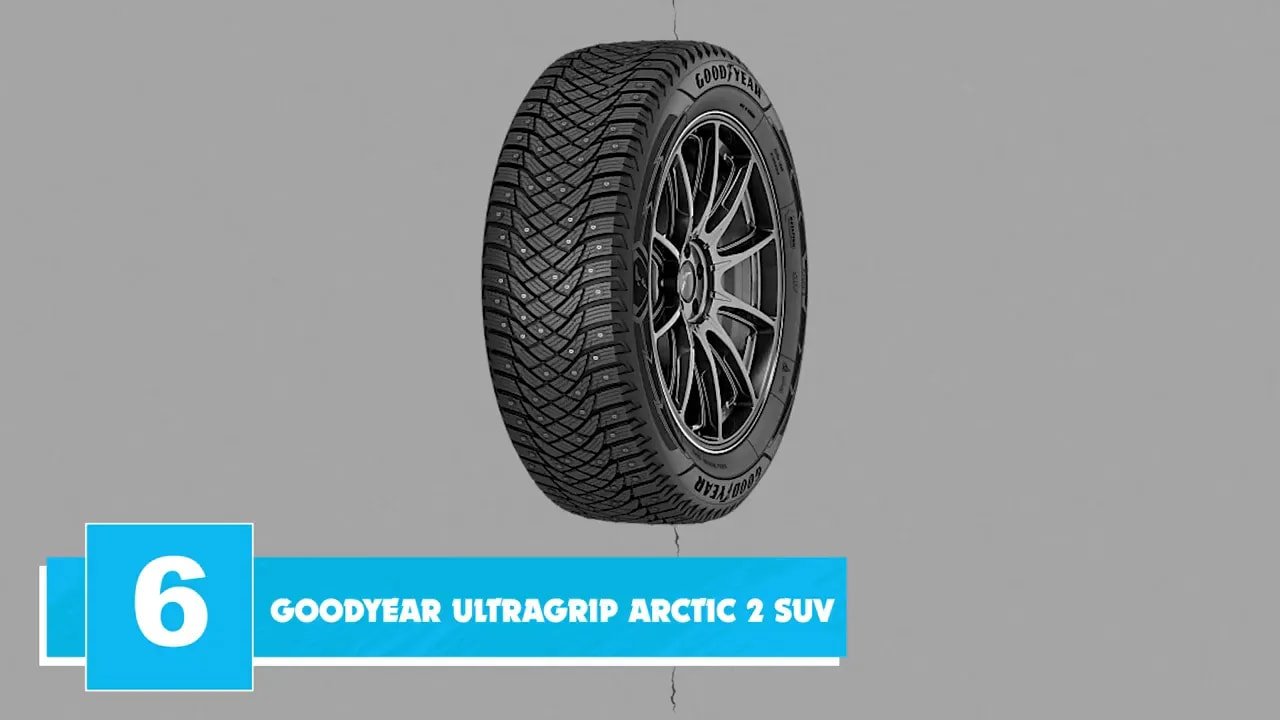
6) Goodyear UltraGrip Arctic 2 SUV for ice plus wet-road confidence
Best for: mixed winters with ice, snow, slush, and wet highways, especially where studded tires are legal.
What to expect: This studded SUV winter tire is designed to improve grip on ice while still managing snow and slush. It can be a strong option if you want the bite of studs but do not drive only on frozen roads.
Why you’ll like it: It gives you a studded option for icy conditions without ignoring slush and wet-road control.
Skip it if: your area bans studs, your roads are often dry, or you want the quietest winter tire possible.
Choose this if: you want the added traction of studs but still drive on wet and slushy roads often.
5) Nokian Hakkapeliitta 10 SUV for maximum ice control
Best for: places where roads stay frozen for long stretches and ice traction is your top priority.
What to expect: The Hakkapeliitta 10 SUV is a studded winter tire aimed at harsh icy conditions. It is a strong fit for drivers who care most about starting, stopping, and turning on compact snow and ice.
Why you’ll like it: It gives you a premium studded SUV option for severe winter regions.
Skip it if: your winter driving includes a lot of dry pavement, frequent rain, or areas where studded tires are restricted.
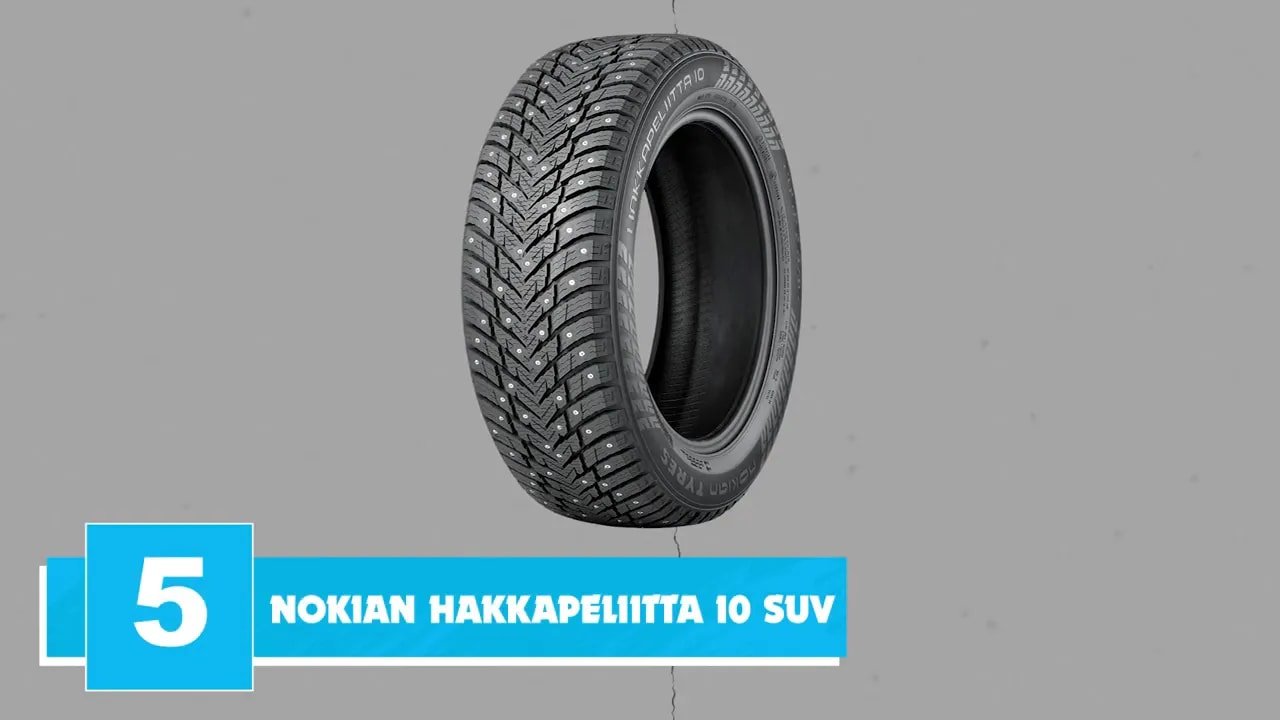
Choose this if: your winter is dominated by ice and compact snow, and stud laws are compatible with your driving location.
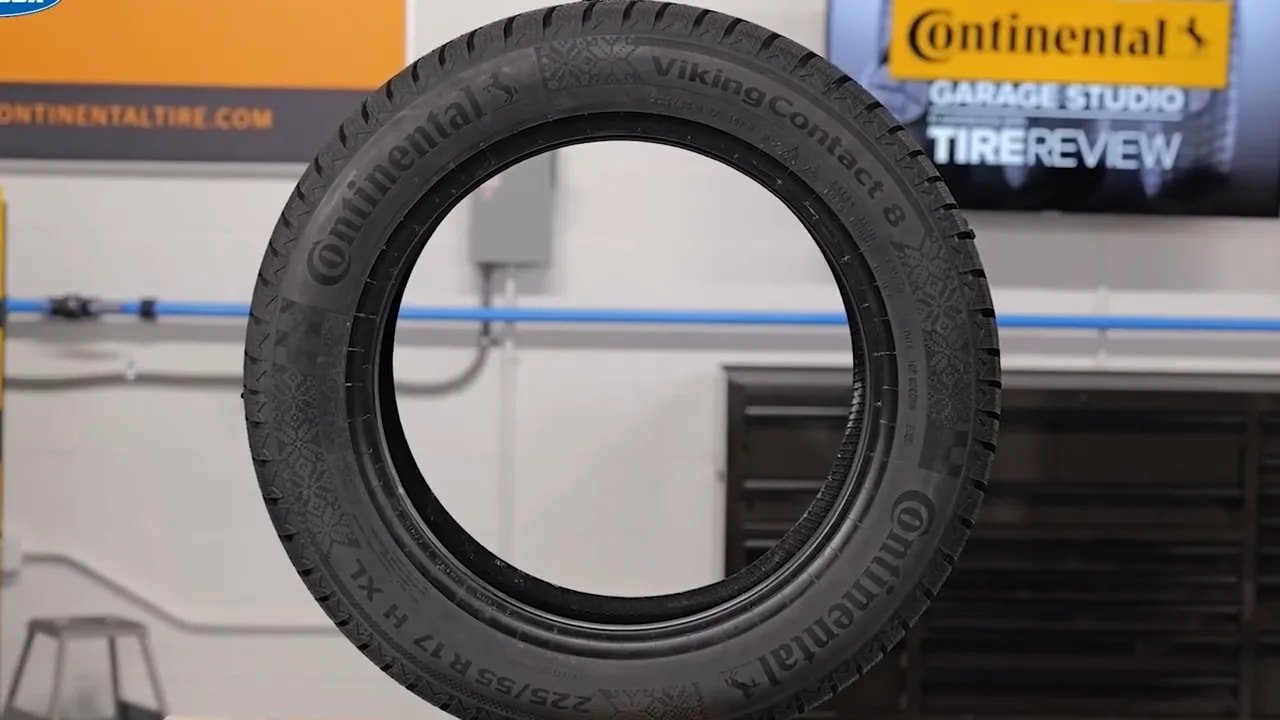
4) Continental VikingContact 8 for well-rounded daily drivability
Best for: drivers who want one studless winter tire for snow, slush, wet pavement, and cold dry roads.
What to expect: The VikingContact 8 is a premium studless winter tire made for passenger cars, crossovers, SUVs, and light trucks. It focuses on flexible cold-weather grip, winter braking, and daily comfort without stud noise.
Why you’ll like it: It is a smart daily-driver choice if your winter weather changes often and you do not want the legal or comfort tradeoffs of studs.
Skip it if: you drive a heavy-duty pickup that requires a specific LT winter tire size or higher load rating.
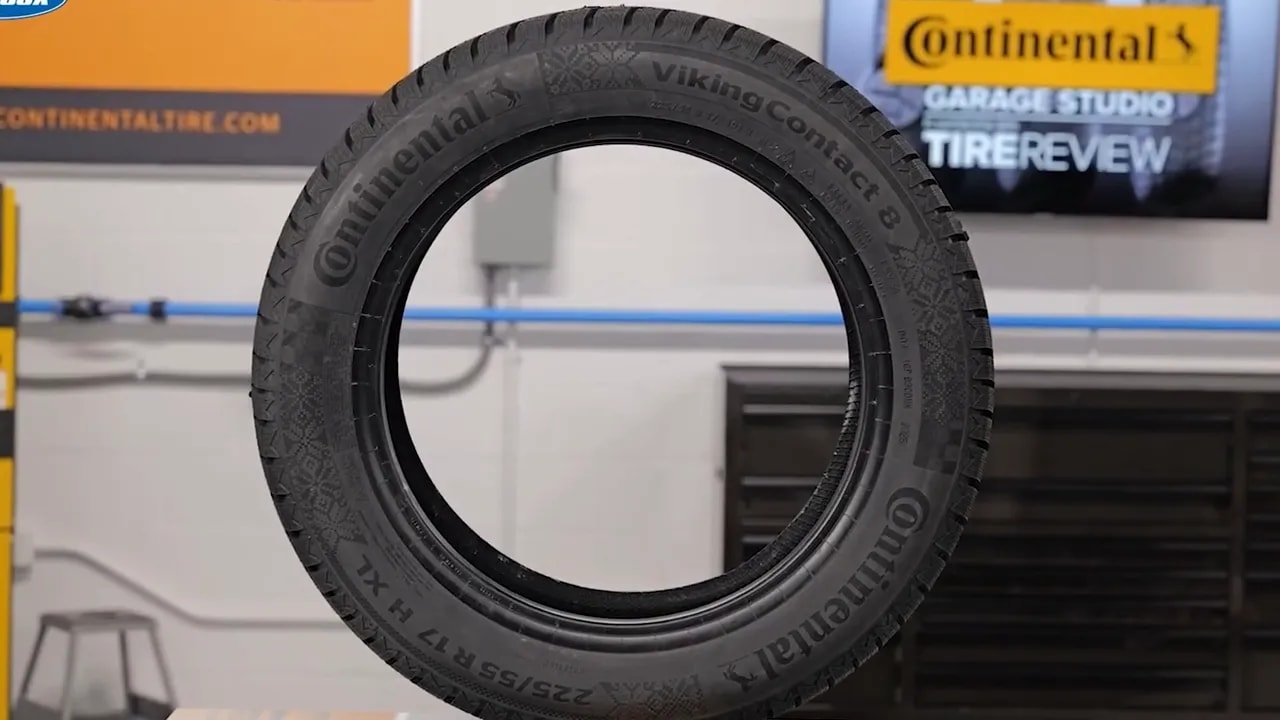
Choose this if: your winter weather swings between snow, slush, wet pavement, and dry cold days.
3) Nokian Hakkapeliitta R5 SUV for icy grip without studs
Best for: cold regions where you want strong snow and ice traction while keeping ride comfort and low noise as priorities.
What to expect: The Hakkapeliitta R5 SUV is a non-studded winter tire for passenger cars, crossovers, and SUVs. It is built for larger vehicles and focuses on winter grip, stability, durability, and lower rolling resistance.
Why you’ll like it: It gives you a premium studless option when you want winter confidence without stud noise.
Skip it if: your roads are often glare ice and you are allowed to use studs.
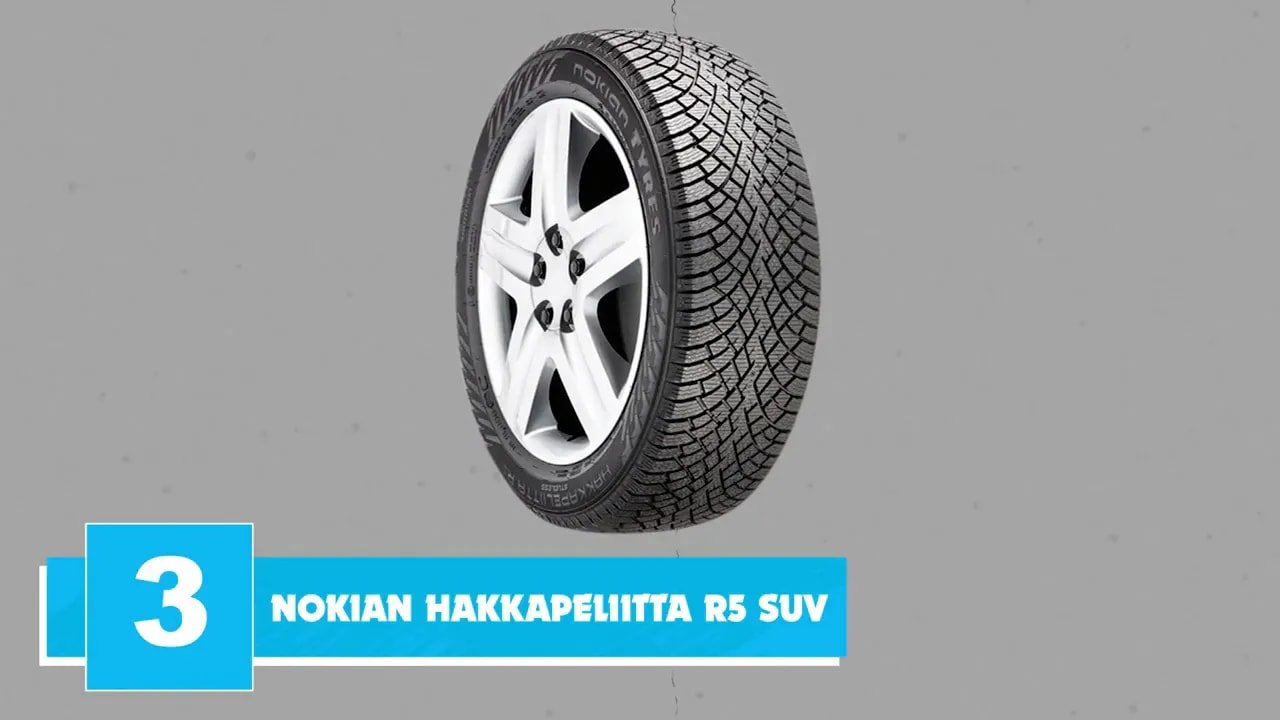
Choose this if: you frequently encounter snow and slush and want studless convenience and quieter driving.
2) Michelin X-Ice Snow SUV for long-lasting winter performance
Best for: drivers who want winter performance plus stronger tread-life confidence than many winter-tire options offer.
What to expect: Michelin’s X-Ice Snow line is built for winter mobility and is backed by a limited mileage warranty in many fitments. It is a practical choice if you drive many winter miles and want a tire that stays useful across multiple seasons when properly maintained.
Why you’ll like it: It balances winter grip, comfort, and ownership value better than many short-life snow tires.
Skip it if: you need a dedicated heavy-duty pickup tire or a studded tire for frequent hard ice.
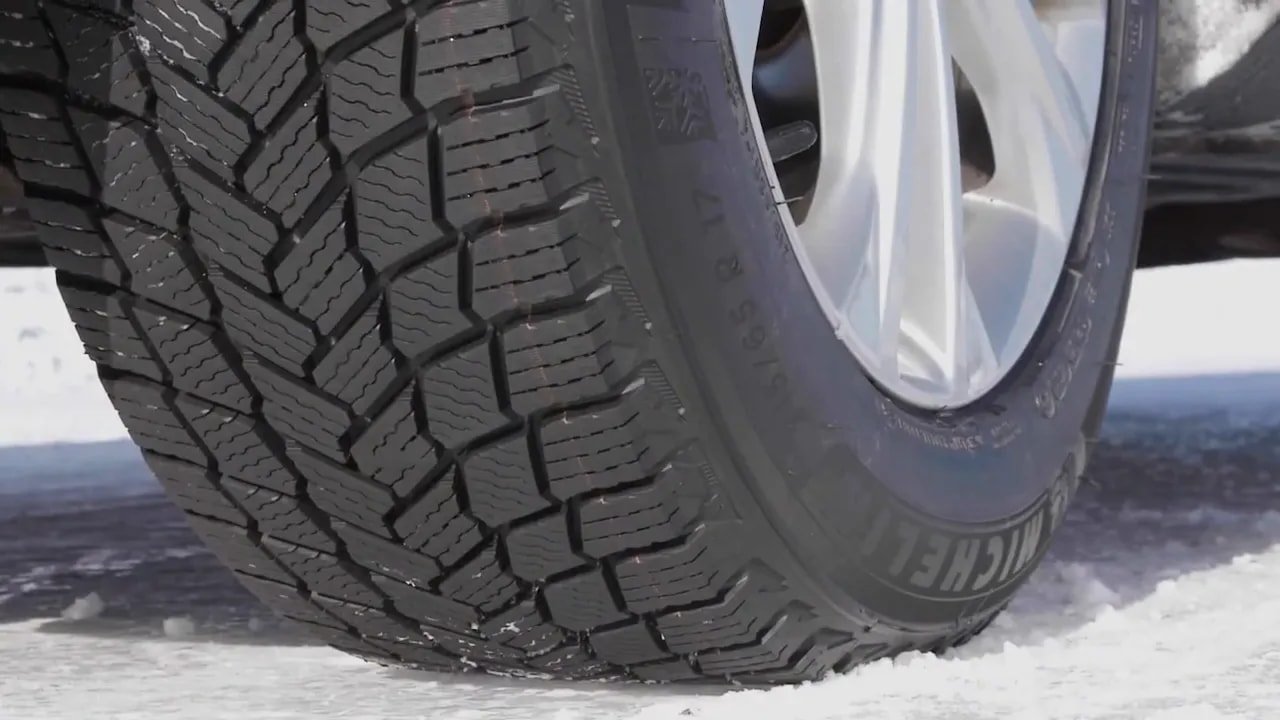
Choose this if: you drive a lot, want a winter tire that lasts, and still need dependable grip for typical winter slush and packed snow.
1) Bridgestone Blizzak DM-V3 for SUV and 4×4 snow traction
Best for: SUV and 4×4 drivers who want strong studless winter grip without using studs.
What to expect: The Blizzak DM-V3 is a studless winter tire aimed at SUV and 4×4 winter use in markets where it is sold. It is designed for snow, ice, and cold-road traction, but availability can vary by country, retailer, and size.
Why you’ll like it: It fits the classic Blizzak appeal: winter-focused traction without the noise and legality issues of studs.
Skip it if: you cannot find the correct size, load rating, or local listing. In some U.S. fitments, a different Blizzak SUV winter model may appear instead.
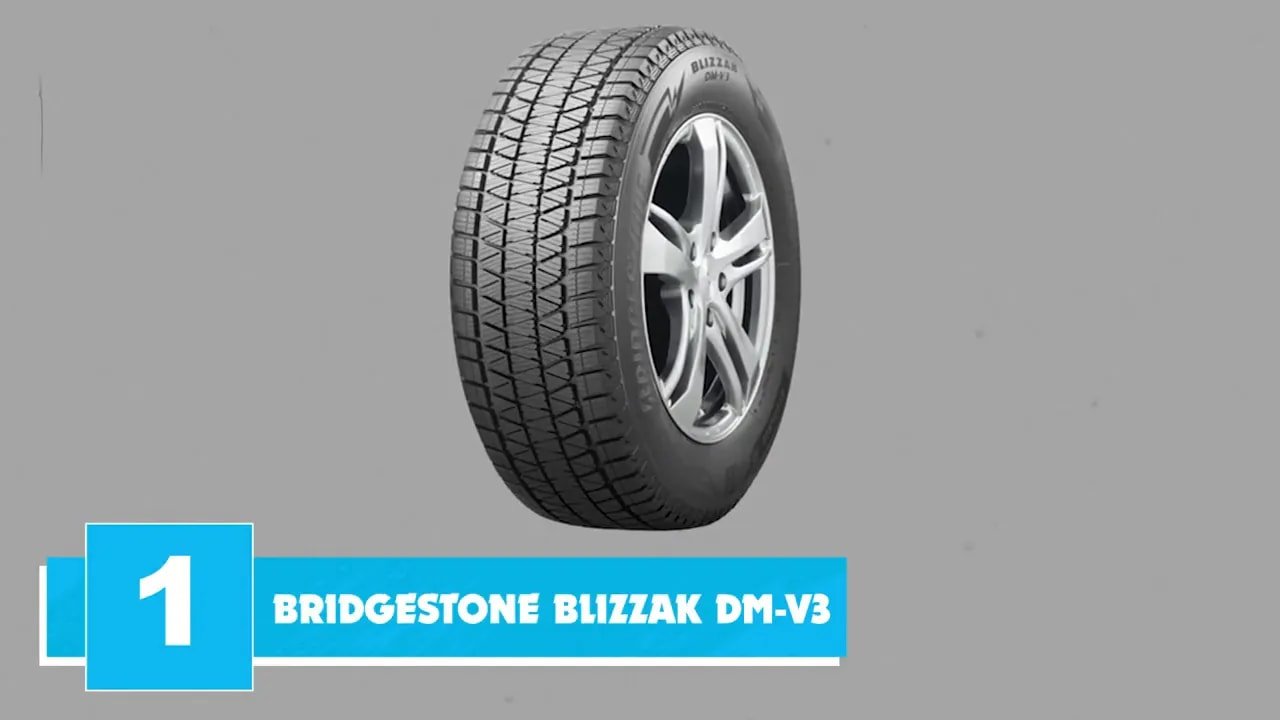
Choose this if: you want a quiet daily winter setup while still prioritizing snow and ice traction.
✅ Buying checklist before you commit
- Match your vehicle requirements: confirm size, load index, speed rating, and wheel diameter.
- Confirm stud legality: rules vary by location and season. If you are unsure, choose studless winter tires.
- Check whether the tire is sold in your size: one model can be excellent but still wrong for your truck or SUV.
- Plan for mounting and balancing: installation quality affects vibration, wear, and winter performance.
- Use a matching set: mixing studded and studless tires can reduce predictable handling.
- Brake early in winter: even the best winter tire cannot eliminate stopping distance on ice.
- Inspect tire condition: check tread depth, uneven wear, cracks, age, and air pressure.
[Products Worth Considering]

The 22800 wheel stud installer makes replacing wheel studs quick and secure, saving time and effort during tire service. It uses a ratchet or impact wrench to pull new studs firmly into place, helping when existing studs are too long. Compatible with most automotive wheels and light-duty truck wheel studs, it’s designed for easy, tool-assisted installation.

These M14x1.5 closed-end chrome lug nuts are a one-piece replacement designed for secure fitment on compatible GM, Ford, and select Chrysler/Dodge models. Featuring a 60-degree conical seat and anti-rust chrome plating, they help resist corrosion and maintain a bright look for everyday driving. Built for long-term durability, they include OEM-style part references and are backed by 12 months of support.

Check tire pressure with the Milton S-925 pencil gauge built for trucks, RVs, and bicycles. It features a single-head chuck with a built-in deflator valve, and it displays readings in both PSI and kPa for convenient use. The gauge is designed for accurate, repeatable pressure checks within its working range.
⚠️ Common mistakes to avoid with winter tires
- Choosing a tire by marketing claims alone: always match the tire to your actual road conditions.
- Ignoring load rating: an under-rated tire can wear poorly or perform badly under heavy SUV or truck loads.
- Mixing tire types: changing to winter tires unevenly or mixing studs with studless tires can reduce stability.
- Waiting too long to switch: winter performance depends on temperature, not just visible snow.
- Assuming studs are always better: studs help on ice, but studless tires can be quieter and easier to live with on wet or dry winter roads.
- Driving winter tires all year: warm pavement can accelerate wear and reduce performance.
🧠 FAQ: Best winter tires for trucks and SUVs
Do studded winter tires handle wet roads well?
They can, but not all studded tires perform equally on wet pavement. If your winter includes frequent rain, slush, or wet highways, prioritize studded models designed for water evacuation, or choose a strong studless winter tire.
Are studless winter tires good enough for ice?
Many studless winter tires can provide strong traction on ice, especially for daily driving and packed snow. Studded tires may still have an edge on hard glare ice when they are legal in your area.
What size should I buy for my truck or SUV?
Use the tire size and ratings recommended by your vehicle manufacturer. Confirm the size on your door jamb label, owner’s manual, or current tire sidewall, then match the load index and speed rating.
How long do winter tires typically last?
Winter tire life depends on tread wear, storage, climate, road surface, and driving style. Rotate them as recommended, store them away from heat and sunlight, and replace them when tread depth, age, cracking, or performance becomes a concern.
Should I replace all four winter tires at once?
For best handling and stability, use a matching set of four winter tires. Installing winter tires only on the front or only on the rear can create uneven traction and reduce predictable braking and steering.
Do I need to use tire chains with winter tires?
Often, no. Winter tires improve traction, but chain requirements may still apply in mountain passes, severe storms, or certain road-control zones. Check local rules and verify chain clearance with your vehicle and tire size.
How should I store winter tires during the off-season?
Store tires in a cool, dry place away from direct sunlight, motors, fuels, solvents, and ozone sources. Keep them clean and dry before storage. If they are mounted on wheels, stacking or hanging is usually easier than standing them upright.
🧾 Final takeaway: which winter tire should you buy?
- Want a strong studless SUV winter tire: start with Bridgestone Blizzak DM-V3, but confirm local availability and size.
- Want all-around daily comfort in mixed winter roads: choose Continental VikingContact 8.
- Want long tread-life confidence: consider Michelin X-Ice Snow SUV.
- Want premium studless ice grip: choose Nokian Hakkapeliitta R5 SUV.
- Want studded ice control: compare Nokian Hakkapeliitta 10 SUV, Goodyear UltraGrip Arctic 2 SUV, and Nokian Hakkapeliitta LT3.
- Want a heavy-duty pickup winter tire: start with Nokian Hakkapeliitta LT3.
The safest choice is the tire that fits your vehicle and your real winter conditions. Before ordering, confirm the exact size, load index, speed rating, stud legality, and whether the listing matches the tire model shown here.
[Products Worth Considering]

This 2-pack closed-flow locking air chuck set delivers controlled airflow only when the valve stem is held in place, helping prevent leaks during inflation. Made for heavy-duty use with a 300 PSI maximum rating, it features a brass body for corrosion resistance and long service life. The 1/4" FNPT connection and quick-plug compatibility make it convenient for use with Schrader valve systems and common truck, RV, and auto air compressors.

Milton S-921 pencil tire pressure gauge helps you maintain optimal tire pressure for passenger cars with accurate readings in PSI and kPa. It features a built-in deflator valve for convenient pressure adjustments, plus a single chuck head and nylon indicator bar for easy use on the go. Built from durable plated brass and designed for reliable performance, it’s a practical road trip and cold-weather maintenance tool.

Accurately measure tire tread depth with a calibrated gauge marked from 0 to 1 inch in 1/32 inch increments. The color-coded bar helps you quickly identify tread condition ranges, supporting safe driving for trucks, motorcycles, automobiles, and passenger vehicles.

Related Articles
Sam’s Club Tire Installation Cost: Full Price Guide
Keen to know what Sam’s Club tire installation really costs? Discover the hidden fees, included services, and savings before you buy.
Read More
Walmart Tire Installation: What the $25 Deal Covers
Just $25 at Walmart gets your tires mounted, balanced, and checked—but what’s missing might cost you more.
Read More
How Much Does Tire Retreading Cost?
Whether you’re pricing passenger or truck tires, tire retreading costs vary widely, and the real reasons behind the savings may surprise you.
Read More