
Butyl vs. Latex Inner Tubes: Which Should You Choose?
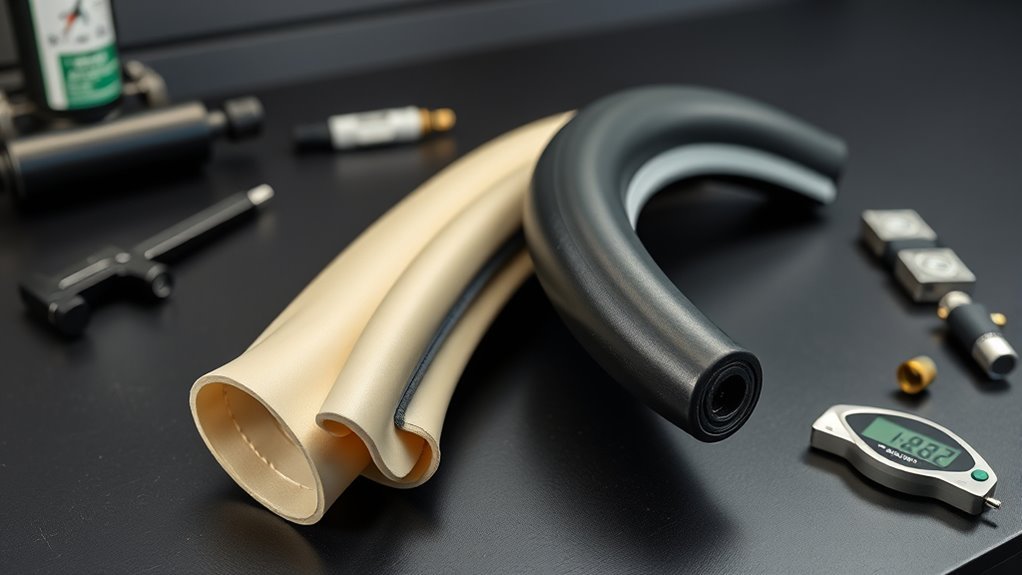
If you want the best speed and feel, choose latex. It is lighter and lowers rolling resistance by several watts. This improves acceleration and comfort. However, latex bleeds pressure fast. It requires daily checks and careful patching. If you value convenience, durability, and fewer roadside fixes, pick butyl. Butyl is heavier and more airtight, losing only about 1 psi per day. It is also cheaper and easier to repair. Match your choice to your mission. Whether you race, commute, or ride on weekends, keep reading to see detailed trade-offs and setup tips.
Quick Answer: Tube Choice for Racers, Commuters, and Weekend Riders
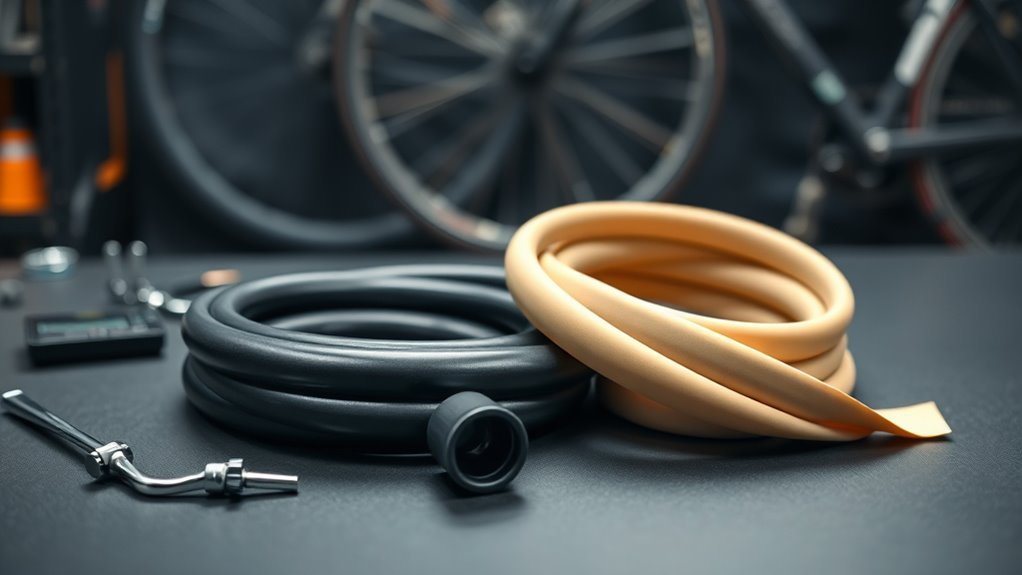
Choose the tube that matches how you ride:
- Racers: Pick latex for its lower rolling resistance (saving roughly 7.1 W total) and lighter weight (~80 g). The measurable watts saved translate to faster acceleration and sustained speed. You just have to accept daily top-ups.
- Commuters: Stick with butyl. It wins on convenience. It tolerates punctures better, costs less to replace, and offers great air retention (~1 psi/day). You will not have to inflate your tires before every trip.
- Weekend Riders: Weigh the trade-offs based on your route. Use butyl for low-maintenance rides. Swap to latex when you want lighter, livelier handling and do not mind pumping your tires before you head out.
[Products Worth Considering]

This 2-pack bicycle inner tube set is designed for kids, road, and MTB bikes with 20-inch tires in the 1.75 to 2.125 width range, using a 32mm AV Schrader valve. Each tube...
Material Differences: Butyl vs Latex Inner Tubes
Let us compare the base polymers. Butyl is isobutylene-based, while latex is natural rubber. This drastically affects tube behavior. Pay attention to elasticity and flexibility. Latex is markedly more compliant. This cuts rolling resistance but demands gentler handling. Also consider gas permeability. Latex leaks air far faster than butyl, so it needs more frequent inflation.
Material Composition Differences
Butyl and latex inner tubes behave quite differently due to their base polymers. Butyl is a synthetic rubber that gives strong shock absorption and very low gas permeability. Latex is a natural rubber that is far more elastic and lighter. This natural stretch lowers rolling resistance.
You must weigh material benefits against performance. A 700×28 butyl tube weighs about 100 to 150 g. A similar latex tube weighs about 80 g. Expect latex to bleed pressure rapidly, losing up to 10 psi per day. Butyl holds steady at around 1 psi per day. This makes butyl more dependable for long rides. Latex can save roughly 7.1 watts over butyl, but it is more puncture-prone and trickier to install.
Elasticity And Flexibility
Having compared weight and permeability, let us look at elasticity. High elasticity reduces rolling resistance and improves ride comfort. It gives latex a notable performance advantage over butyl. Butyl has lower elasticity. This increases internal friction and weight, costing you efficiency.
| Property | Effect |
|---|---|
| Elasticity (Latex) | Conforms to casing, lowers rolling resistance |
| Elasticity (Butyl) | Higher internal friction, heavier |
Latex is very flexible. This lowers puncture susceptibility during certain real-world impacts and trims weight. If you prioritize performance, choose latex. If you need stability and air retention, choose butyl.
Gas Permeability Rates
Gas permeability is a decisive practical difference. Butyl tubes lose roughly 1 psi per day thanks to a tight polymer matrix. Latex can bleed off as much as 10 psi per day. You will need to pump latex far more often.
Butyl’s leak rate is roughly 10 to 20 times lower than latex. This delivers predictable air retention for commuting. You get better rolling performance with latex, but it requires strict maintenance. Choose butyl if you want freedom from daily inflation. Opt for latex only if you want superior ride feel in exchange for vigilant pressure checks.
How Much Faster? Real-World Watts, Ride Feel, and Trade-Offs
If you are chasing every watt, latex tubes deliver a clear advantage. In independent testing, they cut rolling resistance by about 7.1 W for a pair of tires at 29 km/h. This translates to measurable savings over long rides.
Performance metrics heavily favor latex. You get lower watts and lighter mass (~80 g vs 100–150 g). The compliant ride also reduces road vibration and perceived effort. This efficiency converts to a higher average speed for the same power output.
The trade-offs are strictly practical. Latex loses air faster. Expect notable inflation frequency. It is also more delicate during installation and repair. You will need discipline to monitor pressure. If you want robustness and easier maintenance, butyl is the pragmatic option.
Cost, Durability and Repair: What Happens When You Puncture a Tube
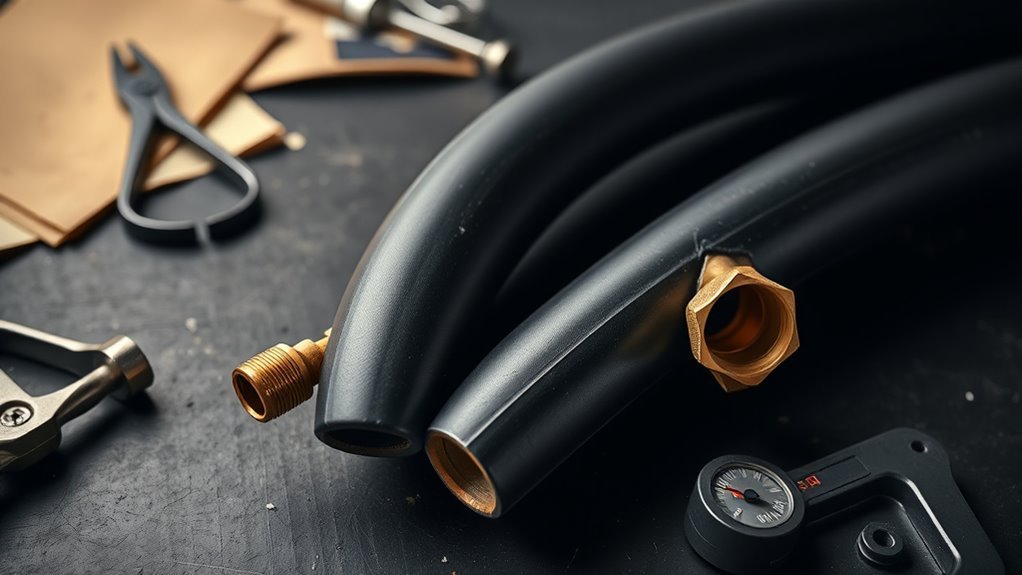
Punctures cause downtime and cost money. You should weigh repairability and long-term expenses alongside speed gains. Butyl tubes cost about £7.50. They hold air well and tolerate rough handling. You can patch them easily with standard glue patches or glueless squares.
Latex costs around £14.99. It saves watts but rips more easily during installation. It also requires a specific latex patch kit and careful cleaning with alcohol wipes. When a puncture happens, butyl gets you riding sooner. Latex demands more time and patience.
Balance the marginal speed gain against increased maintenance and recurring tube costs. Always follow basic puncture prevention tips. Run proper tire pressure, ensure correct bead seating, and mount tires carefully to avoid a complex latex repair on the road.
What About TPU Tubes?
Thermoplastic Polyurethane (TPU) tubes offer a modern middle ground. They are extremely light, often weighing under 40 grams. They hold air almost as well as butyl and offer rolling resistance close to latex.
The main drawback of TPU is cost. They are usually the most expensive option on the market. They also require specialized TPU patch kits for repairs. If you want latex-like weight without the daily pumping, TPU is an excellent upgrade to consider.
Compatibility: Hookless Rims, Tubeless Tyres, and Race-Wheel Use
Check your rim specifications before fitting tubes. Hookless rims are designed specifically for tubeless tyres. Standard clincher tires may not seat safely on them. You can install inner tubes in tubeless tires on hookless rims, but it comes with compromises. For pure race wheels, latex tubes give the best efficiency if you must run tubes. However, the ideal result on modern rims is often a dedicated tubeless setup.
Hookless Rim Compatibility
Hookless rims demand tubeless-specific tires. They are not compatible with standard clincher tires that rely on inner tubes. You must match the tire to the rim bed profile to guarantee a secure seal. Tubeless tires designed for hookless rims reduce the risk of burping or explosive bead release.
You can technically fit inner tubes inside tubeless tires on hookless rims. However, expect installation challenges. Seating the bead becomes trickier, and rolling efficiency may suffer. If you race, choose wheels and tires engineered to work together.
Tubeless Tyres With Tubes
If you run tubeless tyres on hookless rims but want the simplicity of a tube, you can fit butyl, latex, or TPU inside. Just know you will pay a penalty in weight and rolling resistance. You sacrifice tubeless advantages like self-sealing punctures. However, you gain quick repairs and predictable behavior on the roadside.
- Check compatibility: Hookless rims need tubeless-compatible tires. Never force standard clinchers onto them.
- Expect installation challenges: Narrow hookless beds can make seating and inflation fiddly with a tube inside.
- Performance trade-off: Tubes add mass and increase rolling resistance compared to a true tubeless setup.
- Strategic use: Pros sometimes fit tubes for specific race conditions where rapid changes matter.
When to Upgrade: Buying Advice by Rider Type
When you want measurable gains in speed and ride quality, upgrade to latex tubes. Racers will see a noticeable drop in rolling resistance and shave grams for better climbing. You get clear performance benefits if you prioritize speed and a supple ride.
Consider your daily riding habits. Racers and climbers should favor latex or TPU for weight savings. Commuters and budget riders should stick with butyl for reliability, lower cost, and easy patching.
| Rider Type | Recommended Tube | Why it fits |
|---|---|---|
| Racer/Competitive | Latex | Lowest rolling resistance, light |
| Mountain/Climber | Latex/TPU | Weight savings, better uphill feel |
| Commuter/Casual | Butyl | Cheap, holds air, easy maintenance |
| Budget/Durable | Butyl | Patches easily, less frequent inflation |
Choose based on your mission. Chase marginal gains with latex, or secure dependable miles with butyl.
Frequently Asked Questions
Which Is Better Latex or Butyl Inner Tube?
Latex is better for pure performance. It offers lower rolling resistance and lighter weight. Butyl wins on durability, air retention, and ease of use. Choose based on whether speed or reliability matters more to you.
How Much Slower Are Butyl Inner Tubes?
You lose roughly 3 to 4 watts per tire compared to latex. You may feel butyl’s higher rolling resistance at higher speeds. However, its superior air retention often makes up for the speed gap on casual rides.
Is Butyl Rubber Good for Inner Tubes?
Yes. Butyl rubber is excellent for inner tubes. Advantages include durability, excellent air retention, and easy patching. The main disadvantages are higher weight and sluggish rolling resistance compared to latex.
Is Butyl Rubber the Same as Latex?
No. They are distinct materials. Butyl is a synthetic rubber built for air retention and toughness. Latex is a natural rubber known for superior stretch and lower rolling resistance.
Conclusion
Deciding between butyl and latex comes down to the trade-offs you are willing to accept. Butyl is tough, cheap, and low-maintenance. This makes it ideal for commuting and rough roads. Latex rewards you with lower rolling resistance, better compliance, and faster sprinting. However, it is fragile, leaks air faster, and demands more care. If you crave marginal gains and will maintain tire pressure religiously, go with latex. If you want reliability and fewer roadside headaches, stick with butyl. The choice depends entirely on your priorities.

Related Articles
What Does THE P Stand For on a Tire? Full Meaning Explained
I’ll explain what the “P” on a tire really means and why it could change how you choose your next set.
Read More
How to Use a Tubeless Tire Repair Kit: Complete Field Guide
Learn how to fix tubeless tire punctures fast with the right kit, because one small mistake can leave you stranded on the trail.
Read More
How to Tell a Tire’s Diameter: Easy Guide to Reading Tire Size
Want to decode tire sidewall numbers and find the right diameter, but wonder what those hidden digits really mean?
Read More