
Why Are My Tires So Loud? How Tread Design Affects Road Noise
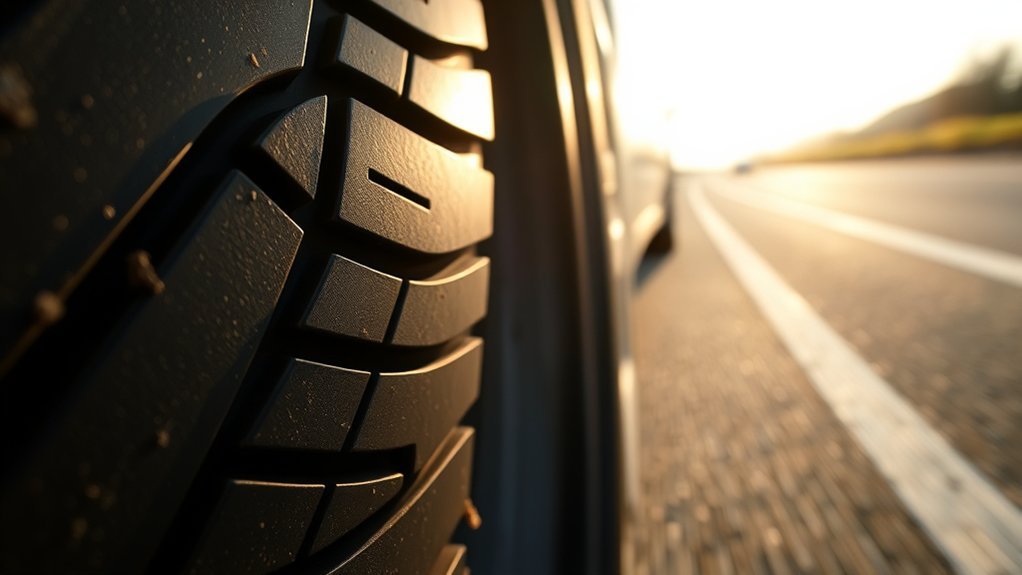
If your tires are loud, the most common causes are tread design, uneven tread wear, incorrect tire pressure, wheel imbalance, alignment problems, worn suspension parts, tire age, or the road surface itself. A steady hum from aggressive tread may be normal, but a new thump, roar, vibration, or grinding sound should be checked because it can point to a safety issue.
Quick Answer
Tires usually get loud because the tread is worn unevenly, the air pressure is wrong, the wheels are out of balance or alignment, or the tire pattern is naturally noisy. Check cold tire pressure first, inspect the tread for cupping or feathering, then have the balance, alignment, suspension, and wheel bearings inspected if the noise continues.
Key Takeaways
- A steady tire hum can be normal with aggressive, winter, all-terrain, or performance tread patterns.
- Rhythmic thumping, roaring that changes in turns, vibration, or sudden new noise usually deserves a closer inspection.
- The fastest first checks are cold tire pressure, tread depth, visible tread damage, and uneven wear patterns.
- Alignment, balance, suspension, and wheel-bearing problems can all sound like tire noise.
- If you see a bulge, exposed cords, tread separation, or severe vibration, stop driving and get help.
At a Glance
| Time Required | 5–10 minutes for a driveway check; 30–90 minutes for a shop inspection, balance, or alignment |
| Difficulty | Easy for pressure and visual checks; professional help recommended for alignment, bearing, suspension, or internal tire damage |
| Tools Needed | Tire pressure gauge, tread-depth gauge or penny, flashlight, owner’s manual or driver-door tire placard |
| Cost | Free for basic checks; usually low to moderate for rotation/balance/alignment; higher if tires, bearings, or suspension parts need replacement |
Understanding Tire Noise: What Causes It?
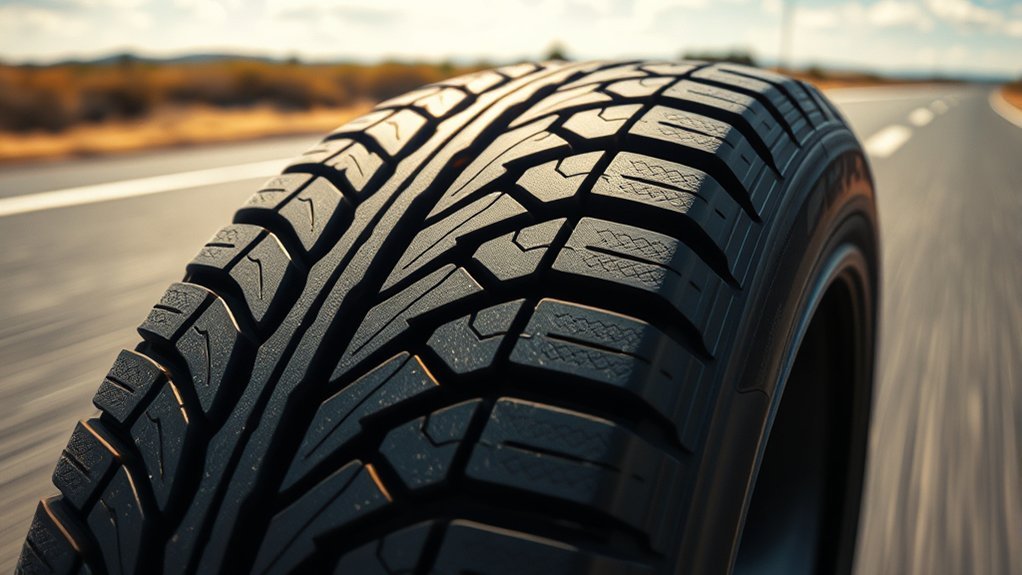
Tire noise starts where the tread meets the road. As the tire rolls, tread blocks hit the pavement, air moves through grooves, and the tire structure can vibrate. That is why tire type, tread pattern, tread depth, inflation pressure, vehicle weight, speed, and pavement texture can all change what you hear inside the cabin.
Continental notes that tire noise is most noticeable at moderate to higher speeds and can be amplified by uneven tire wear or incorrect tire pressure. The Federal Highway Administration also recognizes that noise generated at the tire-pavement interface contributes to highway traffic noise, which is why the same tire may sound different on smooth asphalt, coarse asphalt, concrete, or grooved pavement.
Note: Not every loud tire is defective. All-terrain tires, mud-terrain tires, winter tires, low-profile performance tires, and some run-flat tires can be louder by design. The bigger concern is a noise that appears suddenly, gets worse quickly, or comes with vibration, pulling, or visible damage.
[Products Worth Considering]

EVOULTES heavy duty tire inflator with an integrated gauge delivers accurate pressure readings from 10–120 PSI, helping you inflate, deflate, and check tires in one tool. The 16.5-inch extended dual-head air chuck with swivel base reaches hard-to-access dual wheel valves on trucks and RVs. A brass trigger core and side-mounted air release valve make operation smooth, with standard 1/4" NPT threading and quick-connect compatibility for easy setup.

The JACO FlowPro Tire Inflator measures, inflates, and airs down tires up to 100 PSI with battery-free operation and ±2% accuracy after calibration. It features a glowing pressure dial for night visibility, a heavy-duty steel build with a hybrid hose, and a precision push-to-inflate thumb trigger. The patented Lightning Air Chuck locks on for a secure seal, and the kit includes quick-connect hardware for easy inline use with your air compressor.

This portable cordless tire inflator delivers up to 160 PSI with fast 17 L/min airflow to help you quickly top up tires and get back on the road. It features dual power mode, running on a 21V rechargeable battery or a 12V DC adapter for convenient roadside use. An automatic shut-off with digital pressure gauge helps prevent overinflation, and a built-in LED light improves visibility in low-light conditions.
Common Tire Noises: Identifying the Issue
The sound can help narrow down the cause. Use this table as a starting point, not a final diagnosis, because wheel bearings, brakes, suspension parts, and drivetrain issues can mimic tire noise.
| Noise You Hear | Common Causes | What To Check First |
|---|---|---|
| Steady humming or roaring | Aggressive tread, uneven wear, worn wheel bearing, rough pavement | Tread wear pattern, road surface, whether the sound changes in turns |
| Rhythmic thumping | Cupped tire, separated belt, flat spot, out-of-balance wheel, tire damage | Visible bulges, tread separation, vibration, uneven high/low tread spots |
| High-pitched whine | Tread pattern, overinflation, certain pavement types, drivetrain noise | Cold tire pressure and whether the sound changes with speed |
| Vibration plus noise | Wheel imbalance, bent wheel, damaged tire, suspension wear | Balance, wheel damage, suspension, and tire condition |
| Grinding or scraping | Usually not the tire; often brake or wheel hardware related | Stop driving if severe and have the brakes/wheel area inspected |
Warning: Do not keep driving on a tire with a sidewall bulge, exposed cords, visible tread separation, rapid air loss, or severe vibration. These can indicate tire damage that may fail without much warning.
How Uneven Tread Wear Affects Noise
Uneven tread wear is one of the most common reasons tires become louder over time. When the tire no longer contacts the road evenly, the tread blocks slap, scrub, or vibrate instead of rolling smoothly. That can create humming, growling, thumping, or a choppy vibration that gets worse as speed increases.
Causes of Uneven Tread Wear
Uneven wear can come from several problems working together. The most common causes include incorrect inflation pressure, skipped tire rotations, wheel imbalance, misalignment, worn shocks or struts, worn steering components, and bent wheels. Bridgestone explains that cupping can be linked to alignment service, balancing, pressure correction, rotation planning, and suspension or steering repair.
Signs of Tread Damage
Look across the tread surface with a flashlight. High and low patches, scalloped dips, feathered edges, bald spots, shoulder wear, center wear, cracks, or exposed cords are signs that the tire needs attention. Run your palm lightly over the tread in both directions. If one direction feels sharp or saw-toothed, the tire may be feathered from alignment or toe-angle problems.
Impact on Road Noise
| Type of Uneven Wear | Noise Characteristics | Likely Next Step |
|---|---|---|
| Cupping or scalloping | Rhythmic humming, droning, or thumping | Inspect balance, shocks/struts, suspension, and tire condition |
| Feathering | Whirring, growling, or saw-tooth tread noise | Check alignment, especially toe settings |
| Center wear | More contact noise and harsher ride | Check for overinflation or incorrect tire size/load use |
| Edge or shoulder wear | Growling, roughness, or wandering feel | Check underinflation, alignment, cornering wear, or suspension issues |
| Patchy wear or flat spot | Repeated thud that matches wheel speed | Inspect for lock-up damage, long storage flat spot, or internal tire damage |
How Tire Pressure Affects Tire Noise Levels
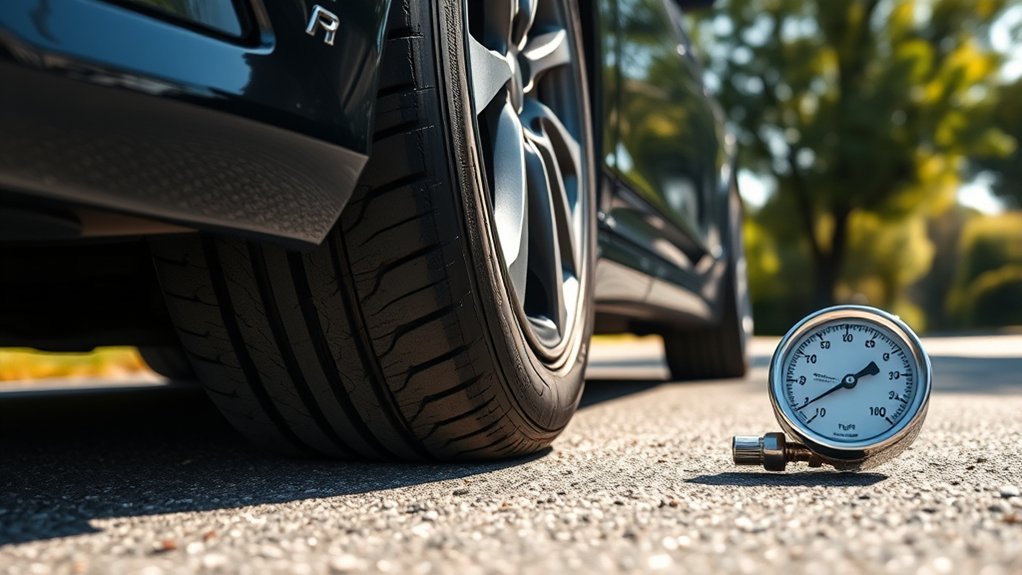
Correct tire pressure helps the tread sit flat on the road. Underinflated tires flex more, build more heat, wear the shoulders faster, and can sound louder or feel mushy. Overinflated tires can ride harder, wear the center faster, and transmit more road texture into the cabin.
Use the cold PSI listed on the driver-door placard or in the owner’s manual, not the maximum pressure molded on the tire sidewall. NHTSA TireWise recommends regular tire-pressure and tread checks as part of tire safety. Bridgestone also notes that tire pressure changes by about 1 PSI for every 10°F change in ambient temperature, which is why seasonal checks matter.
Pro Tip: Check pressure when the tires are cold, before driving more than a short distance. Driving heats the tires and can make the pressure reading look higher than the true cold setting.
The Connection Between Wheel Alignment and Tire Noise
Wheel alignment affects how each tire points and contacts the road. If the wheels are out of alignment, the tread can scrub sideways instead of rolling straight. That scrubbing can create feathered wear, pulling, steering-wheel off-center symptoms, and a growling or humming sound that gets worse as the wear pattern develops.
An alignment check is especially smart after hitting a curb or pothole, replacing suspension or steering parts, installing new tires, or noticing pulling, uneven wear, or a crooked steering wheel. Alignment can correct the cause of new wear, but it may not erase noise from tread that is already badly cupped or feathered.
Balance, Bearings, and Suspension Noises That Sound Like Tires
Not every “tire noise” starts in the tire. A wheel that is out of balance often causes vibration at certain speeds. Worn shocks or struts can allow the tire to bounce, which can create cupping. A failing wheel bearing can create a deep roar or growl that may change when you steer left or right. Brake hardware can scrape, grind, or squeal and may be mistaken for tire noise.
If the sound changes when turning, braking, or accelerating, pay attention to that clue. Tire tread noise usually changes with road speed and pavement type. Bearing noise often changes with load during turns. Brake noise often changes when the brake pedal is applied. A technician can road-test the vehicle and inspect the tires, wheels, bearings, brakes, and suspension together.
Road Surface, Weather, and Vehicle Type
Road surface can make a quiet tire sound loud. Coarse asphalt, concrete, bridge decks, grooved pavement, and patched roads often create more cabin noise than smooth asphalt. Wet roads can add a rushing or hissing sound because water is being pushed through the tread grooves. Cold weather can also make some rubber compounds feel firmer until the tire warms up.
Vehicle type matters too. Electric vehicles and hybrids can make tire noise more noticeable because there is less engine noise to mask it. Trucks and SUVs may use heavier-duty or all-terrain tires with larger tread blocks. Performance cars often use wider, lower-profile tires that transmit more road texture.
Selecting Tires Designed for Reduced Road Noise
If your tires are simply noisy by design, choosing a different tire type can make a major difference. Touring and grand-touring tires usually prioritize comfort and low road noise. Highway tires are often quieter than all-terrain or mud-terrain tires. Some premium tires use variable-pitch tread blocks, tighter tread spacing, special rubber compounds, or internal foam technology to reduce certain types of tire noise.
When shopping, check the tire category, professional test results, and owner reviews for noise comments. Do not choose a tire by noise alone. Make sure the tire matches your vehicle’s size, load rating, speed rating, climate, road conditions, and driving needs. The U.S. Tire Manufacturers Association Tire Care & Safety Guide explains tire markings and why vehicle and tire manufacturer recommendations matter.
| Tire Type | Typical Noise Level | Best Fit |
|---|---|---|
| Touring / grand touring | Low | Daily driving, comfort, highway use |
| Standard all-season | Low to moderate | Balanced year-round use in mild climates |
| Performance | Moderate to high | Sharper handling and grip |
| Winter | Moderate | Snow, ice, and cold-weather traction |
| All-terrain / mud-terrain | High to very high | Off-road grip, trucks, mixed surfaces |
[Products Worth Considering]
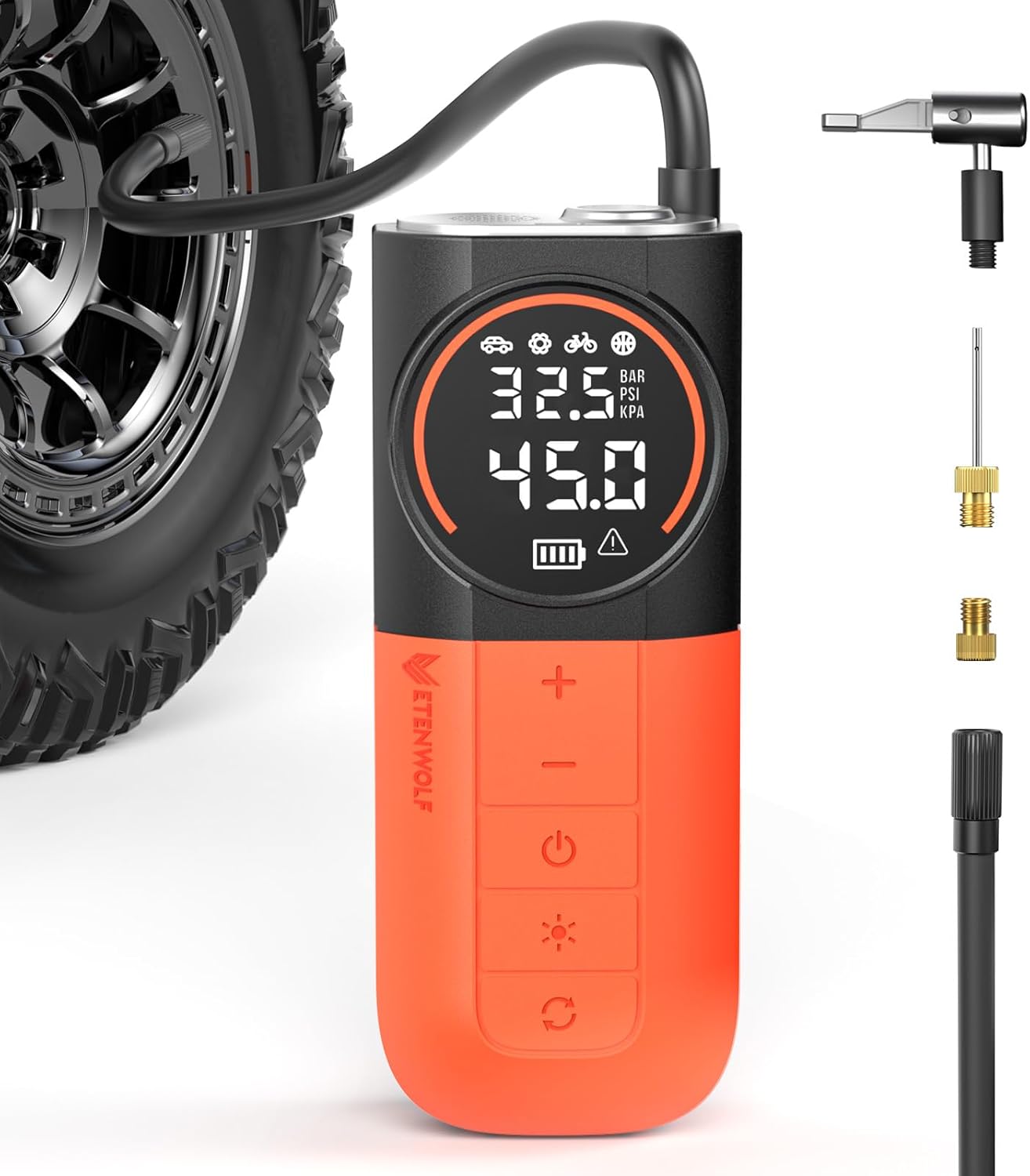
The ETENWOLF S1 cordless tire inflator delivers ultra-fast inflation with up to 160 PSI and a 20 L/min airflow for quicker tire top-offs. Its 5200mAh battery and cooling system support inflating many tires and sports balls on a single charge, while the digital pressure gauge and multi-unit display help you reach the right pressure accurately. With preset modes, pressure memory, an auto-stop feature, and an LED flashlight, it’s built for easy roadside and everyday use.

This portable cordless tire inflator delivers fast, efficient inflation for cars, motorcycles, bikes, and sports balls with a digital pressure gauge. Use the one-click PSI preset with auto shut-off for accurate, hands-free topping to your target pressure up to 150 PSI. It’s compact and rechargeable with a built-in emergency LED light plus valve adapters and accessories for quick, ready-to-go use.
Maintenance Tips to Minimize Tire Noise
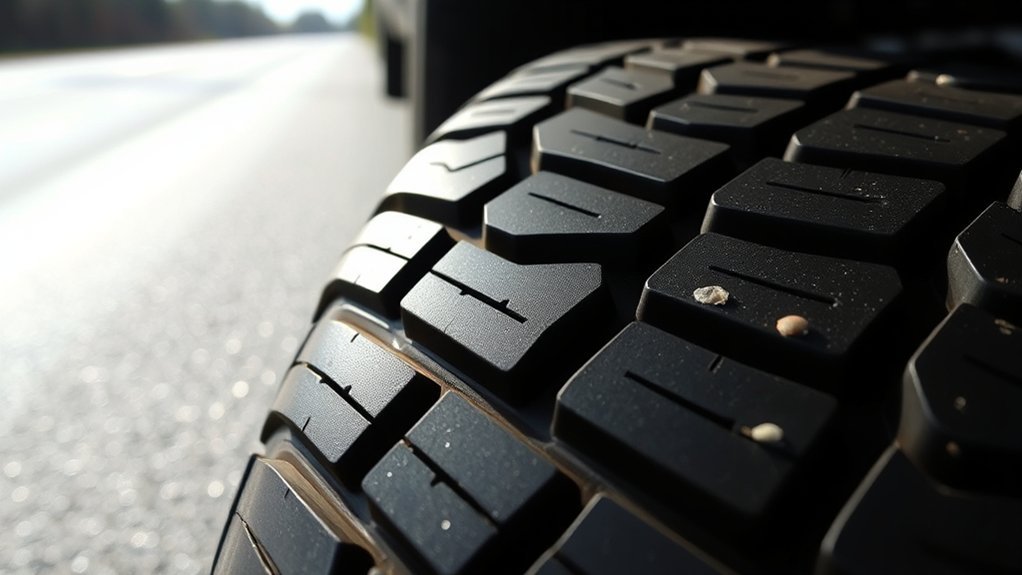
Regular maintenance keeps the tread wearing evenly, which is the best way to prevent tire noise from getting worse. Check tire pressure at least monthly and before long trips. Inspect tread depth and look for cuts, cracks, bulges, embedded objects, and uneven wear. Rotate tires according to your owner’s manual; many vehicles are around 5,000 to 7,500 miles, but the correct interval depends on the vehicle and tire.
Have the wheels balanced if you feel vibration through the steering wheel, seat, or floor. Ask for an alignment check if the vehicle pulls, the steering wheel is off-center, or the tread is feathered or wearing unevenly. If the tires are old, check the DOT date code and follow your vehicle and tire manufacturer’s age recommendations. Age can matter even when tread depth still looks acceptable.
Step-by-Step Troubleshooting Checklist
- Notice when the noise happens. Write down whether it appears at low speed, highway speed, while turning, while braking, or only on certain roads.
- Check cold tire pressure. Set all tires, including the spare if applicable, to the vehicle placard pressure.
- Inspect the tread. Look for cupping, feathering, bald spots, cracks, bulges, exposed cords, nails, or a separated tread edge.
- Compare road surfaces. Drive safely on a different pavement type. If the sound changes dramatically, road texture may be a big factor.
- Rotate if due. If the tire rotation is overdue and the tread is safe, rotation can help prevent future uneven wear.
- Balance the wheels if vibration is present. Noise plus vibration often points beyond simple tread design.
- Check alignment and suspension. Pulling, feathering, cupping, or a crooked steering wheel call for a professional inspection.
- Have bearings and brakes checked if the sound changes while turning or braking. These parts can mimic tire noise and should not be ignored.
When to Seek Professional Help for Loud Tires
Get a professional inspection if tire noise starts suddenly, gets louder quickly, comes with vibration, or changes during turns or braking. Also schedule service if you see cupping, feathering, sidewall cracks, bulges, exposed cords, uneven shoulder wear, or a tire that keeps losing air.
If the noise sounds like a helicopter, a washing machine, or a heavy thump that speeds up with the vehicle, do not assume it is harmless tread noise. It could be a separated tire belt, flat spot, damaged wheel, failing bearing, or suspension issue. A shop can lift the vehicle, spin the wheels, check runout, inspect the suspension, and confirm whether the tire is safe to keep using.
What Can You Do About Loud Tires?
Start with the simple fixes: set the tire pressure correctly, remove any stones trapped in the tread, inspect for visible damage, and rotate the tires if they are due and safe to rotate. If the noise remains, have the tires balanced and the alignment checked. If the tread is already badly cupped, feathered, separated, or aged out, replacement may be the only way to restore a quiet ride.
If your current tires are healthy but naturally loud, choose a quieter tire category the next time you replace them. Look for touring or highway tires with comfort-focused reviews, and avoid moving to aggressive all-terrain, mud-terrain, or very low-profile performance tires unless you are willing to accept more road noise.
Frequently Asked Questions
Do weather conditions affect tire noise levels?
Yes. Wet pavement can create a louder hiss or rushing sound as water moves through the tread grooves. Cold weather can make some tires feel firmer, and seasonal temperature changes can lower or raise tire pressure, which may affect both noise and wear.
How does tire age impact noise production?
As tires age, rubber can harden, crack, or lose flexibility. That can make the ride harsher and noisier. Check the DOT date code on the sidewall and follow the tire and vehicle manufacturer’s age guidance, especially once tires are several years old.
Can tire noise vary with vehicle type?
Yes. Trucks and SUVs often use heavier-duty tires with larger tread blocks. Electric vehicles can make tire noise more noticeable because there is less engine noise. Sports cars often use wider, lower-profile tires that transmit more road texture.
Are certain tire brands quieter than others?
Yes, but tire category and model matter more than the brand name alone. Touring and comfort-focused tires are usually quieter than mud-terrain, all-terrain, or extreme-performance tires. Compare professional tire tests and owner reviews for road-noise feedback before buying.
Does tire size influence road noise?
It can. Wider tires, lower-profile tires, and tires with large tread blocks often transmit more road noise. A larger wheel with a shorter sidewall can also reduce cushioning, making pavement texture more noticeable inside the vehicle.
Can rotating tires make loud tires quieter?
Sometimes. Rotation can help even out normal wear and prevent future noise, but it may not fix a tire that is already badly cupped, feathered, or internally damaged. If the noise gets worse after rotation, have the tires inspected.
Are noisy tires dangerous?
Not always. Some tread patterns are naturally louder. However, noise can be dangerous if it comes with vibration, thumping, pulling, air loss, visible tire damage, exposed cords, a bulge, or a grinding sound. Those symptoms should be inspected right away.
Conclusion
Loud tires usually come down to tread design, tire pressure, uneven wear, wheel balance, alignment, suspension condition, tire age, or road surface. Start with a cold tire-pressure check and a careful tread inspection. If the sound is sudden, rhythmic, paired with vibration, or linked to visible tire damage, treat it as a safety issue and have the vehicle inspected before the problem gets worse.
Sources
- NHTSA TireWise — tire safety, pressure checks, tread checks, tire ratings, and recalls.
- U.S. Tire Manufacturers Association Tire Care & Safety Guide — tire markings, inflation guidance, service information, and manufacturer recommendations.
- Bridgestone Tire Inflation — cold inflation pressure and temperature-related PSI changes.
- Bridgestone Tire Cupping — causes of cupping, uneven wear, and corrective actions.
- Continental Tire Noise — tire noise causes, speed effects, uneven wear, and pressure factors.
- Federal Highway Administration Pavement Noise Guidance — tire-pavement noise and road-surface effects.

Related Articles
Toyota Tundra Tire and Wheel Package: What to Consider Before Buying
Unlock the secrets to choosing the perfect tire and wheel package for your Toyota Tundra—essential tips await to enhance your ride.
Read More
Do Bigger Tires Void a Toyota Tundra Warranty? Magnuson-Moss Act Explained
Bigger tires might not void your Toyota Tundra warranty, but understanding the Magnuson-Moss Act is crucial—discover how to protect your investment effectively.
Read More
Toyota Tundra Tire Rack Setup: Garage Storage Ideas for Seasonal Sets
Better tire storage for your Toyota Tundra awaits—discover essential tips to maximize space and protect your seasonal sets in the garage!
Read More