
When to Replace Tires on Your Toyota 4Runner
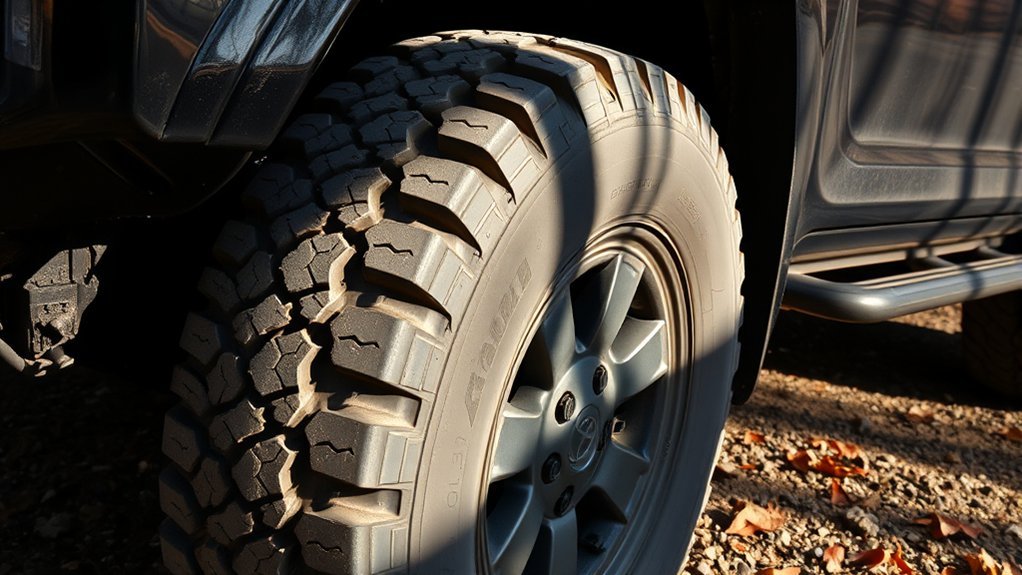
Your Toyota 4Runner’s tires do not need replacement simply because they have reached a certain mileage or a fixed three-year anniversary. Replace them based on tread depth, physical damage, repeated pressure loss, age, performance changes, and the limits set by Toyota and the tire manufacturer. Off-road use, heavy loads, potholes, heat, and poor inflation can shorten their usable life.
Quick Answer
Replace your Toyota 4Runner tires when tread reaches 2/32 inch, wear bars become flush, or you find bulges, exposed cords, deep cuts, repeated air loss, or unrepairable damage. Consider earlier replacement for frequent rain or snow. Follow the earliest age limit specified by Toyota or the tire manufacturer.
Key Takeaways
- 2/32 inch is the replacement threshold: Replace a tire when its tread reaches the wear bars or the top of Lincoln’s head is visible during the penny test.
- Do not wait for low tread if a tire is damaged: Bulges, exposed cords, serious cuts, sidewall punctures, and structural damage can require immediate replacement.
- Age guidance varies: Check the DOT manufacture date and follow the earliest limit from Toyota or the tire manufacturer.
- Match the replacement correctly: Use the tire size, load capacity, speed rating, and cold pressure listed for your exact 4Runner model and trim.
- Inspect more often after hard use: Potholes, curb impacts, towing, heavy loads, rocky trails, and recurring vibration justify a professional inspection.
Understanding Tread Depth and Its Importance

Tread grooves move water, slush, mud, and loose material away from the tire’s contact area. As those grooves become shallower, the tire has less ability to resist hydroplaning or maintain traction on wet, snowy, and unpaved surfaces.
The National Highway Traffic Safety Administration says tires are not safe and should be replaced when the tread reaches 2/32 inch. Tire wear bars are molded at approximately this level. When a wear bar becomes flush with the surrounding tread, the tire has reached its replacement point.
Two tires with the same measured depth may not perform identically. Tread design, rubber compound, tire type, temperature, tire pressure, and uneven wear also affect grip. Inspect the complete tire rather than relying on one measurement in one groove.
A tire can need replacement before its tread reaches 2/32 inch if it has structural damage, repeated pressure loss, severe uneven wear, or age-related deterioration.
[Products Worth Considering]

EVOULTES heavy duty tire inflator with an integrated gauge delivers accurate pressure readings from 10–120 PSI, helping you inflate, deflate, and check tires in one tool. The 16.5-inch extended dual-head air chuck with swivel base reaches hard-to-access dual wheel valves on trucks and RVs. A brass trigger core and side-mounted air release valve make operation smooth, with standard 1/4" NPT threading and quick-connect compatibility for easy setup.

This portable cordless tire inflator delivers up to 160 PSI with fast 17 L/min airflow to help you quickly top up tires and get back on the road. It features dual power mode, running on a 21V rechargeable battery or a 12V DC adapter for convenient roadside use. An automatic shut-off with digital pressure gauge helps prevent overinflation, and a built-in LED light improves visibility in low-light conditions.

This compact capsule-style tire repair kit helps you quickly fix punctures and plug flats with minimal effort. The rugged stainless steel shell protects the contents for reliable roadside use, while the simple plug assembly makes repairs fast and tool-free. Suitable for motorcycles, cars, ATVs, UTVs, and even mountain bikes.
Signs Your Tires Need Replacement
Replace or professionally inspect a 4Runner tire when you notice any of the following:
- Tread at 2/32 inch: The wear bars are level with the tread, or the penny test shows the top of Lincoln’s head.
- Bulges or bubbles: These may indicate damaged internal cords or separation inside the tire.
- Exposed fabric or cords: Do not continue normal driving on a tire with visible structural material.
- Sidewall punctures or deep cuts: Sidewall damage is generally not safely repairable.
- Repeated pressure loss: A tire that continually loses air may have a puncture, valve problem, bead leak, wheel damage, or internal failure.
- Severe uneven wear: One-sided, cupped, scalloped, center, or shoulder wear can indicate inflation, alignment, balance, suspension, or rotation problems.
- New vibration, thumping, or pulling: These symptoms can follow a pothole impact, belt damage, wheel damage, imbalance, or alignment change.
- Age beyond the applicable limit: Follow the earliest replacement limit specified by Toyota or the tire manufacturer.
Tread Depth Indicators
Most road tires have raised treadwear indicators inside their main grooves. Look for a small “TWI” mark, triangle, or similar symbol on the sidewall to locate them. Inspect several indicators around the tire because one section may wear faster than another.
Replace the tire if any wear bar is flush with the surrounding tread. Do not average a badly worn section with a deeper section elsewhere on the tire.
Sidewall Damage Signs
Inspect both the outer and visible inner sidewalls for cuts, cracks, abrasions, bubbles, exposed cords, deformation, or objects embedded near the shoulder. Small cosmetic scuffs may not affect the tire’s structure, but a visual inspection cannot always reveal damage inside the casing.
Warning: Do not use the length of a sidewall cut as the only replacement test. A puncture, bulge, exposed cord, or structural cut in the sidewall can make the tire unsafe even when the damaged area looks small. Have it inspected promptly and avoid highway driving if failure appears possible.
What’s the Right Tread Depth for Different Driving Conditions?
The 2/32-inch figure is a replacement threshold, not a promise of strong performance in every condition. Wet-road, snow, mud, and loose-surface traction can decline before a tire reaches that point.
Recommended Tread Depths
| Tread Condition | Recommended Action |
|---|---|
| Above 6/32 inch | Usually provides substantial remaining groove depth, but still inspect for damage, age, and uneven wear. |
| Around 5/32 to 6/32 inch | Review winter needs, winter wear indicators, and local requirements before regular snow or ice driving. |
| Around 4/32 inch | Consider earlier replacement if you frequently drive in heavy rain or notice reduced wet grip. This is a planning point, not a universal legal limit. |
| 2/32 inch or wear bars flush | Replace the tire. Do not continue using it as a normal road tire. |
| Unevenly worn below the limit in one area | Replace or inspect the tire based on its shallowest unsafe section and diagnose the cause of uneven wear. |
Local tread-depth laws and winter-tire rules can differ. Check the rules that apply where you drive, especially when crossing state, provincial, or national borders.
Tread Depth Measurement Methods
A tread-depth gauge provides the most useful measurement. Check each tire in several locations:
- Park on a level surface and make sure the vehicle cannot roll.
- Place the gauge in a main tread groove, not on a wear bar or raised feature.
- Measure the inner, center, and outer portions of the tread.
- Repeat the measurements at several points around the tire.
- Record the lowest reading rather than averaging shallow and deep areas.
You can also use the penny test. Insert a penny into a main groove with Lincoln’s head upside down and facing you. If the top of his head remains visible, the tread is approximately at or below 2/32 inch and the tire should be replaced.
Pro Tip: Keep an inexpensive tread-depth gauge in the glove box. It is more precise than the penny test and helps you identify side-to-side wear before it becomes severe.
Checking for Sidewall Damage
Examine the sidewalls whenever you check pressure and after hitting a pothole, curb, sharp rock, or trail obstacle. Turn the steering wheel when inspecting the front tires so you can see more of the inner sidewall.
- Look for bulges or bubbles: These can indicate broken internal cords and require immediate professional attention.
- Check for cuts and exposed material: A cut that reaches fabric or cords is structural damage.
- Inspect weather cracking: Fine surface lines may be cosmetic, but widespread or deep cracking warrants professional assessment.
- Check the bead area: Damage where the tire meets the wheel can cause air loss and may prevent a safe seal.
- Watch for pinching or impact marks: A hard impact can damage the tire internally without leaving a large external cut.
A tread-area puncture may be repairable only when it is limited to the repairable tread area, no larger than 1/4 inch, and the tire has not been driven while flat. According to Michelin’s tire-repair guidance, the tire should be removed from the wheel and inspected internally by a trained professional. Sidewall and shoulder punctures should not be repaired.
Identifying Causes of Tire Vibration While Driving
Persistent vibration is not a normal tire-aging symptom that you should ignore. The cause may involve the tires, wheels, alignment, suspension, drivetrain, or road surface.
Common tire- and wheel-related causes include:
- Incorrect tire pressure.
- Wheel or tire imbalance.
- Mud, ice, or debris packed inside a wheel.
- A bent wheel following a pothole or curb impact.
- Uneven or cupped tread wear.
- Internal belt separation or casing damage.
- A tire that is out of round.
- Loose or incorrectly tightened wheel hardware.
If vibration begins suddenly, becomes severe, or follows an impact, reduce speed and stop in a safe location. Look for pressure loss, deformation, bulges, or loose wheel hardware. Have the vehicle inspected before continuing at highway speed when the cause is unknown.
Understanding the Risks of Keeping Old Tires
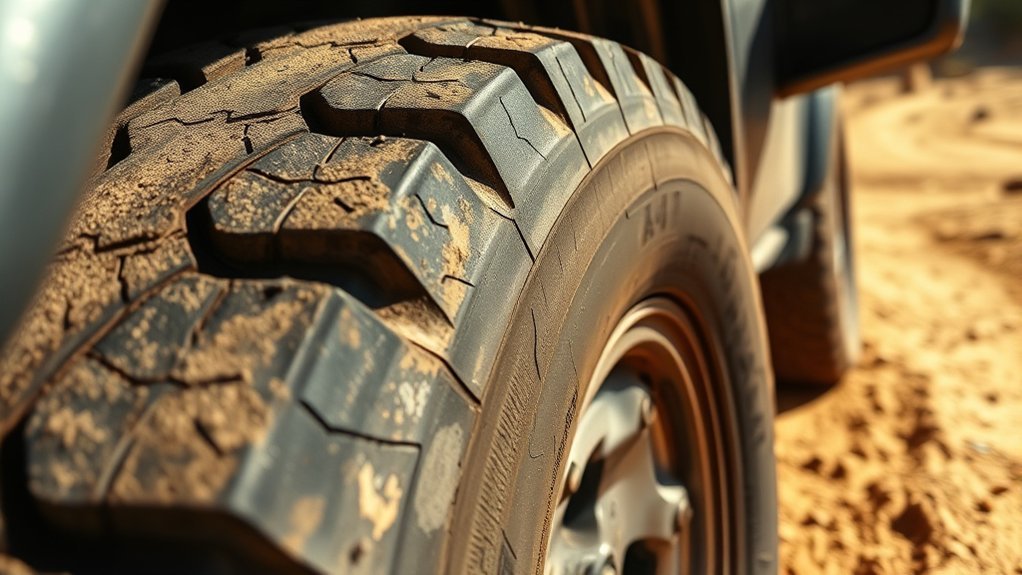
Tire rubber and internal materials change over time because of heat cycles, oxygen, ozone, sunlight, storage, pressure, load, and use. A tire may therefore have adequate tread but still need replacement because of cracking, internal deterioration, repeated air loss, or the manufacturer’s age limit.
The NHTSA tire-safety guide explains that vehicle and tire manufacturers may recommend replacement between six and ten years regardless of remaining tread. Michelin recommends a detailed professional inspection at least annually after five years of service and replacement by ten years from the manufacture date as a precaution.
Follow the earliest applicable instruction from:
- Your exact Toyota 4Runner owner’s manual or maintenance guide.
- The original-equipment tire manufacturer.
- The replacement-tire manufacturer.
- A qualified tire professional who has inspected the tire.
How to Read the DOT Tire Date Code
Find the Tire Identification Number beginning with “DOT” on the sidewall. The complete code may appear on only one side of the tire. Its final four digits show the week and year of manufacture.
For example, a code ending in 2524 indicates manufacture during the 25th week of 2024. Check the date on every road tire and the spare because they may not all have been manufactured at the same time.
Note: The date code identifies when the tire was manufactured, not when it was installed. A tire can age while stored, and a rarely used full-size spare can become too old even when its tread looks new.
Factors Influencing Tire Lifespan on Your 4Runner
No mileage figure applies to every 4Runner tire. Tire design, vehicle setup, pressure, maintenance, terrain, climate, load, and driving style all affect wear.
[Products Worth Considering]
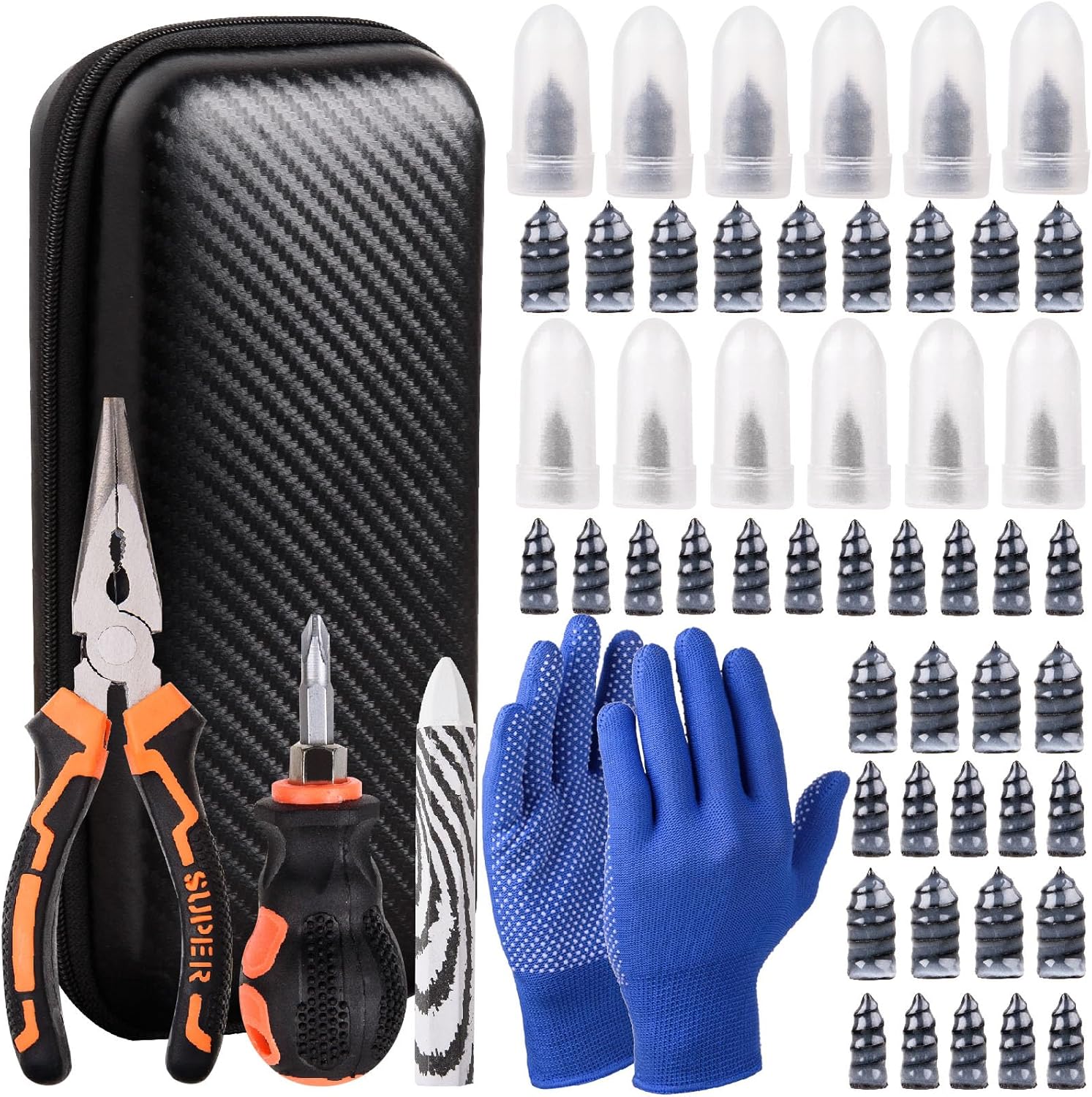
This tire sidewall puncture repair kit fixes flats fast without removing the tire, helping you get back on the road in minutes. It includes self-tapping repair nails, essential tools, gloves, and a portable storage bag for convenient roadside use. Designed for tubeless tires, it helps create a tight, leak-resistant seal for cars, motorcycles, trucks, SUVs, and ATVs.

Wykodra tire plugs provide quick vulcanizing repairs for tubeless tires, helping you seal punctures and get back on the road. The industrial-strength rubber creates a long-lasting, leak-resistant bond and is designed for emergency fixes without removing the tire. Choose between two standard plug sizes with color-matched options for small to larger damage across many vehicles and off-road uses.
Tire Type Considerations
Different tire categories trade one type of performance for another:
- Highway-terrain tires: Usually prioritize road comfort, noise control, wet-road behavior, and tread life.
- All-terrain tires: Add traction and durability for gravel, dirt, and moderate trails, often with additional weight or road noise.
- Mud-terrain tires: Use aggressive tread for loose terrain but may wear, vibrate, or sound different on pavement.
- Winter tires: Use compounds and patterns intended for cold, snow, and ice. Install winter tires on all four wheels rather than mixing seasonal types.
A higher treadwear rating does not guarantee a specific mileage on your vehicle. Compare tires within the same category and consider traction, temperature performance, load capacity, warranty terms, terrain, and maintenance requirements.
Driving Conditions Impact
These conditions can accelerate wear or damage:
- Low or excessive inflation.
- Heavy cargo, towing, or roof loads within the vehicle’s rated limits.
- Frequent hard acceleration, braking, or cornering.
- Rocky trails, sharp gravel, mud, sand, and washboard roads.
- Long exposure to high temperatures and direct sunlight.
- Potholes, curbs, and trail impacts.
- Misalignment, worn suspension parts, or wheel imbalance.
- Delayed tire rotation.
After demanding off-road use, inspect the tread blocks for chunking, cuts, embedded stones, exposed cords, bead damage, and pressure loss. Also check the wheels for bends or cracks.
How to Choose the Right Replacement Tires
Toyota 4Runner tire sizes and specifications vary by model year, trim, wheel package, drivetrain, and market. Do not choose replacements based only on another 4Runner you saw online.
- Read the driver-door tire placard: It lists the original tire size and recommended cold inflation pressure for your vehicle configuration.
- Check the exact owner’s manual: Toyota publishes model-specific tire and wheel information. Current specifications can differ substantially from earlier generations.
- Match load capacity: The replacement must meet or exceed the required load-carrying capacity.
- Use an appropriate speed rating: Follow Toyota’s requirements and your tire professional’s guidance.
- Keep outside diameter appropriate: Major changes can affect clearance, gearing, speedometer readings, driver-assistance systems, and driveline operation.
- Choose the correct category: Match the tire to your pavement, rain, snow, towing, and off-road use.
- Confirm wheel compatibility: Tire width, diameter, construction, and load requirements must suit the wheel.
Do not use the maximum pressure molded on the tire sidewall as your normal inflation target. Use the cold pressure on the vehicle placard or in the exact Toyota manual. Toyota’s published specifications show that tire size and pressure can vary by wheel and configuration, so the placard on your own vehicle takes priority.
Matching Tires on 2WD and 4WD Models
For the most predictable braking and handling, use four tires with matching size, construction, category, model, tread pattern, and similar tread depth. This is especially important on 4WD configurations, where a meaningful difference in tire circumference can affect driveline operation.
Toyota’s current 4Runner winter-driving guidance warns applicable 4WD owners not to mix tires of different makes, models, tread patterns, or treadwear. It also instructs owners to use snow tires on all four wheels.
If only two tires are being replaced on a configuration where Toyota and the tire manufacturer allow it, install the newer tires on the rear axle for better wet-road stability. Before replacing fewer than four tires on a 4WD 4Runner, have a Toyota dealer or qualified tire professional verify that the remaining tread-depth and circumference difference is acceptable.
When to Seek Professional Tire Inspection
Arrange a professional inspection when:
- A tire has a bulge, bubble, exposed cord, deep cut, or sidewall puncture.
- Pressure continues to drop after inflation.
- The vehicle develops new vibration, thumping, pulling, or steering changes.
- You hit a severe pothole, curb, rock, or trail obstacle.
- One part of the tread wears much faster than another.
- A puncture is near the shoulder or larger than 1/4 inch.
- The tire was driven while significantly underinflated or flat.
- The wheel appears bent, cracked, or unable to hold a seal.
- The tires have reached the manufacturer’s enhanced-inspection age.
- You are unsure whether visible cracking is cosmetic or structural.
A technician may need to remove the tire from the wheel to inspect its inner liner and internal condition. An exterior view alone cannot confirm that a tire is safe after severe underinflation or impact.
Scheduling Your Tire Replacement Services
Do not schedule replacement only by calendar date. Use a routine that identifies wear and damage before the tire reaches an unsafe condition.
- Monthly: Check cold pressure, tread depth, sidewalls, valve caps, uneven wear, and the spare.
- Before a long trip: Check pressure when cold, inspect all visible surfaces, and confirm that the spare and tire-changing equipment are usable.
- After off-road driving: Look for cuts, chunked tread blocks, trapped stones, bead damage, wheel damage, and pressure loss.
- After a pothole or curb impact: Inspect promptly and seek professional help if vibration, pulling, deformation, or pressure loss appears.
- At the rotation interval: Follow your model-year Toyota maintenance guide and tire warranty requirements. Frequent trail use may justify earlier inspections.
- After five years of tire service: Follow the tire manufacturer’s enhanced-inspection guidance.
- At the manufacturer’s maximum age: Replace the tire even if visible tread remains.
Correct the cause of abnormal wear before installing new tires. Otherwise, misalignment, incorrect pressure, worn suspension parts, or wheel imbalance may quickly damage the replacement set.
Frequently Asked Questions
How often should I rotate my Toyota 4Runner tires?
Follow the maintenance guide for your exact model year and the tire manufacturer’s requirements. A 5,000-mile interval is a common starting point for many 4Runner owners, but towing, uneven wear, heavy loads, and off-road use can justify earlier inspection or rotation.
Can I mix different tire brands on my 4Runner?
Matching all four tires is the safest approach, especially on 4WD models. Use the same size, construction, category, tread pattern, and similar tread depth. Toyota warns applicable 4WD owners against mixing different makes, models, patterns, or substantially different treadwear.
What warranty period do new tires have?
Coverage varies by manufacturer and tire model. A tire may include a workmanship-and-materials warranty, a limited treadwear warranty, a trial period, or separate road-hazard coverage. Read the written warranty because exclusions for alignment, incorrect pressure, overloading, misuse, and road damage are common.
How do temperature changes affect tire pressure?
Pressure normally falls as ambient temperature drops and rises as the tire warms. Check pressure when the tires are cold and adjust it to the driver-door placard. Do not release air from a hot tire merely because the reading is higher than the cold specification.
Should I replace all four tires or only two?
Replacing all four provides the closest match in traction and circumference. If only two are replaced and Toyota permits it, install the new pair on the rear axle. Owners of 4WD models should confirm allowable tread-depth variation before replacing fewer than four tires.
How can I tell how old a tire is?
Find the DOT Tire Identification Number on the sidewall. The last four digits show the manufacture week and year. For example, 2524 means the tire was manufactured during the 25th week of 2024. Check both sides because the complete code may appear on only one side.
Can a punctured sidewall be repaired?
No standard sidewall puncture repair is considered safe. A repairable puncture must generally be confined to the tread area, no larger than 1/4 inch, and assessed with the tire removed from the wheel. Shoulder damage, sidewall damage, or damage caused by driving flat normally requires replacement.
Conclusion
Replace your Toyota 4Runner tires when they reach 2/32 inch, show flush wear bars, develop non-repairable damage, repeatedly lose pressure, or exceed the applicable manufacturer age limit. Replace earlier when wet, winter, or off-road performance no longer meets your needs.
Use the tire placard and owner’s manual for your exact model year and trim. Inspect the tread, sidewalls, pressure, age code, and spare regularly, and arrange a professional inspection after severe impacts, unexplained vibration, or suspected internal damage.
Sources
- National Highway Traffic Safety Administration: TireWise — tread limits, penny test, damage, pressure checks, vibration, wear bars, and tire-age guidance.
- Toyota 2026 4Runner Owner’s Manual: Maintenance Data — model-specific tire sizes, cold pressures, wheel specifications, and configuration differences.
- Toyota 4Runner Winter Driving Guidance — matching tire requirements, snow-tire installation, inflation, and 4WD precautions.
- Michelin: Can My Tire Be Repaired? — tread-area repair limits and non-repairable sidewall damage.
- Michelin: When to Replace Tires — inspection after five years, ten-year precautionary replacement, age, damage, and performance changes.

Related Articles

When to Switch From All-Season to Winter Tires on a 4Runner
Ineffective all-season tires in cold weather can jeopardize your safety—discover when to make the crucial switch for better traction and handling.
Read More
4Runner Tire Mileage: How Many Miles Should They Last
Curious about how long your 4Runner tires should last? Discover essential tips and factors that influence tire longevity.
Read More
How Long Do Toyota 4Runner Tires Typically Last
How long do Toyota 4Runner tires typically last? Discover the factors that influence tire longevity and essential tips for maintenance.
Read More