
All-Terrain vs Highway Tires on a 4Runner: Key Differences
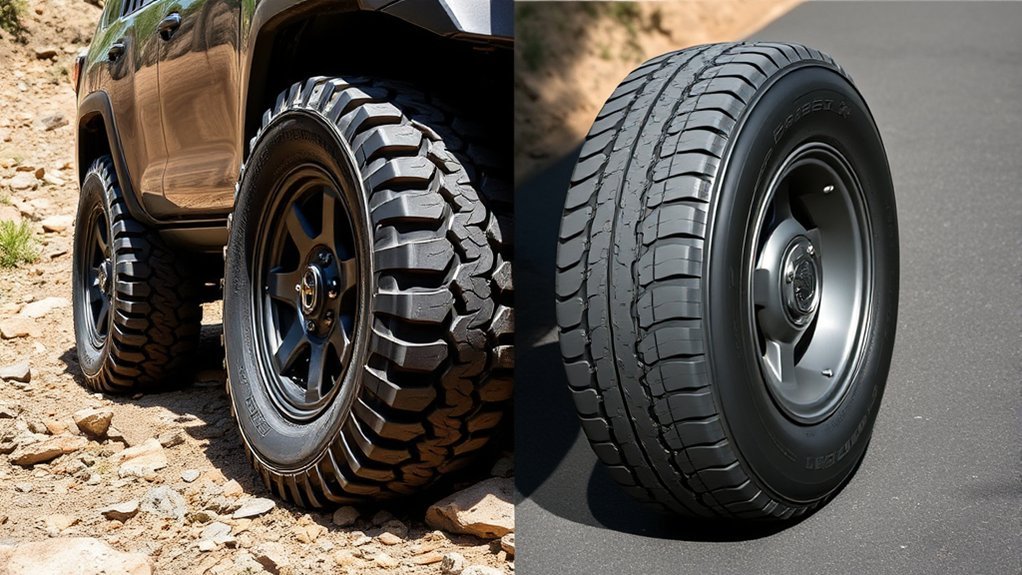
Choosing between all-terrain and highway tires for your Toyota 4Runner depends on how you actually drive. If most of your miles are on pavement, highway-terrain tires usually give you the quieter ride, steadier handling, and better fuel economy. If you regularly drive gravel roads, forest trails, campsites, snow, or rocky terrain, all-terrain tires give you more bite and tougher construction.
Quick Answer
Choose highway-terrain tires for a 4Runner that mostly stays on pavement. Choose all-terrain tires if you regularly drive dirt, gravel, trails, snow, or rough jobsite roads. Before buying either type, match your 4Runner’s tire size, load index, speed rating, and pressure guidance from the door placard or owner’s manual.
Key Takeaways
- Highway-terrain tires are best for daily commuting, long road trips, quiet cabins, and fuel efficiency.
- All-terrain tires are better for gravel, dirt, light trails, campsites, and rough weather, but they can add road noise and rolling resistance.
- A 3PMSF-rated all-terrain tire can help in snow, but dedicated winter tires are still the stronger choice for regular ice and severe winter driving.
- Never choose a tire by tread style alone. Confirm the exact size, load index, speed rating, wheel fitment, and spare-tire plan before installing.
What Are All-Terrain Tires and Their Benefits?
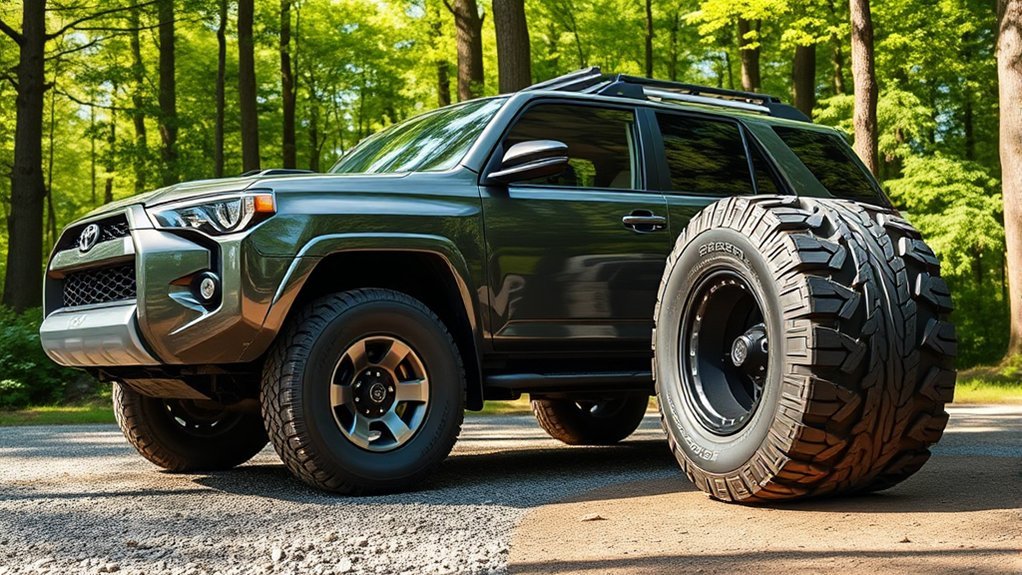
All-terrain tires, often called A/T tires, are built to balance paved-road manners with loose-surface traction. They usually use larger tread blocks, wider grooves, stronger shoulders, and more open voids than highway-terrain tires. That design helps your 4Runner grip dirt, gravel, wet grass, mild mud, and uneven trail surfaces.
A/T tires make sense if your 4Runner sees trailheads, camping areas, unpaved roads, snowy mountain drives, or rough worksites. Some models also use stronger sidewall features to help resist cuts, chips, and punctures from rocks or debris.
Many modern all-terrain tires also carry the Three-Peak Mountain Snowflake symbol, often shortened to 3PMSF. That symbol means the tire meets specific snow traction performance requirements. It does not mean every A/T tire performs like a dedicated winter tire on ice.
For example, the Yokohama Geolandar A/T G015 is marketed as a 3PMSF-rated all-terrain tire line, but you should still confirm that your exact size carries the rating before buying. Tire ratings can vary by size and load range.
Pro Tip: If your 4Runner spends most weekdays on pavement and only sees easy gravel roads on weekends, look for a mild all-terrain tire instead of the most aggressive pattern. You will usually get less noise and better road comfort.
[Products Worth Considering]

Wykodra tire plugs provide quick vulcanizing repairs for tubeless tires, helping you seal punctures and get back on the road. The industrial-strength rubber creates a long-lasting, leak-resistant bond and is designed for emergency fixes without removing the tire. Choose between two standard plug sizes with color-matched options for small to larger damage across many vehicles and off-road uses.
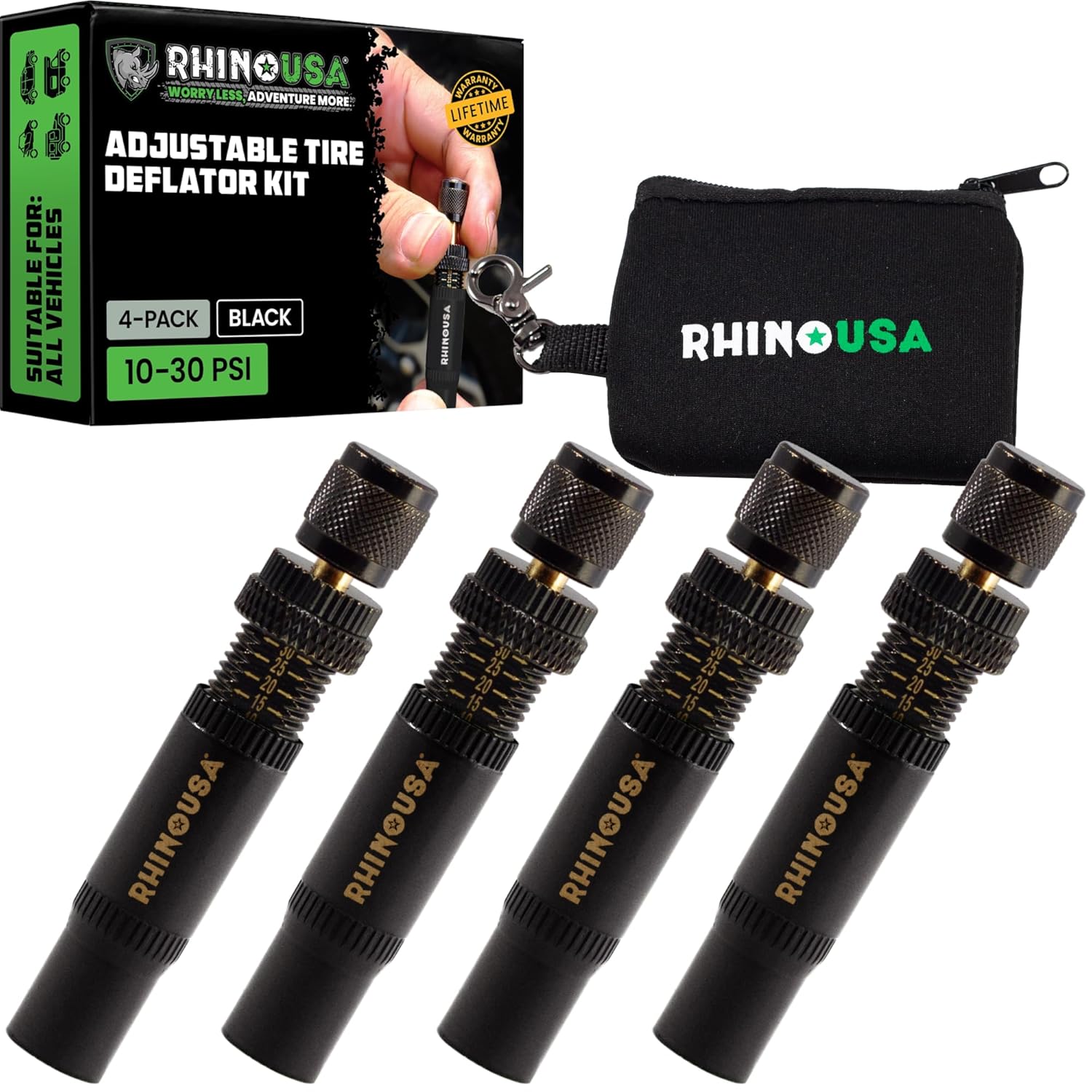
Use the Rhino USA adjustable tire deflators to air down all four tires at once by screwing one deflator onto each valve stem, letting you step away while the tires reach your preset pressure. Each deflator independently adjusts across a 10–30 PSI range with laser-etched indicators for quick setup and verification, making it ideal for beach, sand, and rocky off-road trails.
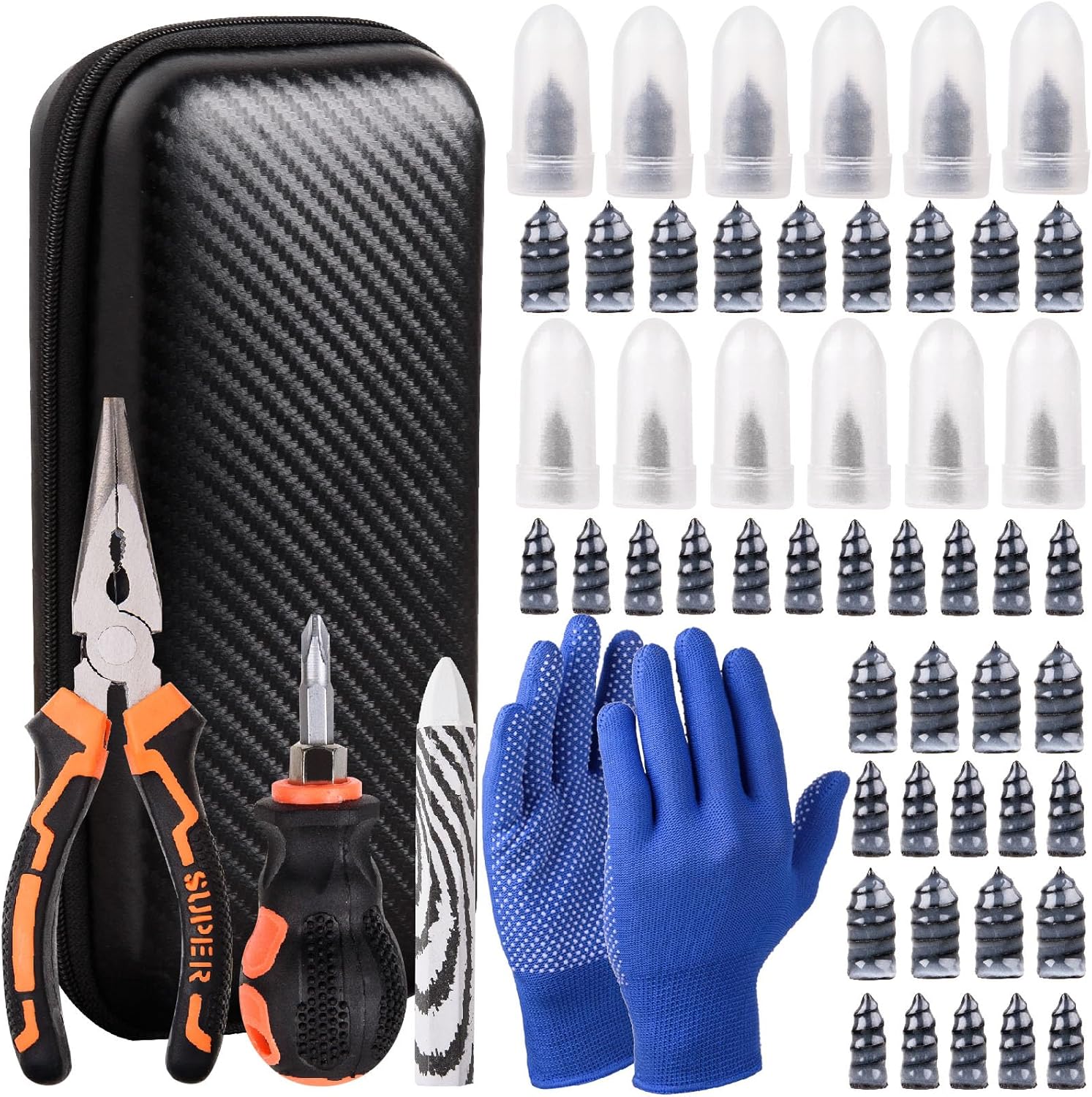
This tire sidewall puncture repair kit fixes flats fast without removing the tire, helping you get back on the road in minutes. It includes self-tapping repair nails, essential tools, gloves, and a portable storage bag for convenient roadside use. Designed for tubeless tires, it helps create a tight, leak-resistant seal for cars, motorcycles, trucks, SUVs, and ATVs.
Highway Tires: What You Need to Know
Highway-terrain tires, often called H/T tires, are designed mainly for paved roads. Their tread patterns are usually tighter, smoother, and more continuous than A/T tires. This helps reduce road noise, improve steering feel, and lower rolling resistance.
For a 4Runner used as a family SUV, commuter vehicle, tow vehicle on paved roads, or long-distance road-trip rig, H/T tires are often the better everyday choice. They usually feel more stable on highways, ride more quietly, and may last longer when you do most of your driving on asphalt.
H/T tires can handle rain and light seasonal weather when they have proper tread depth and the right all-season design. However, they are not made for deep ruts, sharp rocks, sticky mud, or repeated trail use. If you push an H/T tire off-road too often, you increase the risk of tread damage, sidewall damage, and traction loss.
A/T vs H/T Tires for a 4Runner: Quick Comparison
| Factor | All-Terrain Tires | Highway-Terrain Tires |
|---|---|---|
| Best use | Mixed pavement, gravel, dirt, snow, trails, campsites | Daily commuting, highways, city driving, road trips |
| Ride comfort | Good to firm, depending on load range and tread design | Usually smoother and quieter |
| Fuel economy | Can reduce MPG if heavier or more aggressive | Usually better for pavement-focused driving |
| Off-road grip | Better on loose, uneven, and rocky surfaces | Limited beyond graded gravel or packed dirt |
| Snow | Strongest when the exact tire carries 3PMSF | Fine for mild conditions, but weaker for severe winter unless specifically winter-rated |
| Main drawback | More noise, weight, cost, and rolling resistance | Less grip and durability off pavement |
Check Fitment Before Choosing A/T or H/T Tires
The best tire type is still the wrong tire if it does not fit your exact 4Runner. Toyota 4Runner tire sizes vary by model year, trim, wheel package, and market. Newer 2025 and 2026 4Runner models can use different tire sizes than older fifth-generation models, so do not rely on a forum post or another owner’s setup alone.
Before buying, check the Tire and Loading Information Label on the driver’s doorjamb and your owner’s manual. The National Highway Traffic Safety Administration recommends using the original tire size or another size recommended by the vehicle manufacturer. The same source also says the correct tire pressure comes from the vehicle label or owner’s manual, not the maximum pressure printed on the tire sidewall.
Warning: Do not install larger, heavier, lower-speed-rated, or lower-load-rated tires without checking clearance, load capacity, speed rating, spare-tire fit, and tire-pressure requirements. Wrong fitment can affect braking, handling, speedometer accuracy, ABS, traction control, and tire wear.
P-Metric vs LT Tires
Many 4Runner owners compare P-metric and LT all-terrain tires. P-metric tires usually ride softer and weigh less, which helps comfort and fuel economy. LT tires are built for heavier-duty use and can add toughness for towing, heavy cargo, rocky trails, or overlanding setups.
The trade-off is that LT tires often feel firmer, cost more, weigh more, and may need different pressure guidance from a qualified tire professional. If your 4Runner is mostly stock and lightly loaded, an LT tire may be more tire than you need.
Match All Four Tires on 4WD Models
If your 4Runner has four-wheel drive, keep all four tires closely matched by size, type, tread depth, and wear. Mixing tire types or running one tire with a very different diameter can create handling issues and stress drivetrain components. If one tire is damaged, ask a tire professional whether shaving, matching tread depth, or replacing a full set is the safer option.
Off-Road Capability: A/T vs H/T
For off-road driving, A/T tires have the clear advantage. Their open tread pattern can bite into loose ground better than a highway tread. The larger shoulder blocks can also help when your 4Runner climbs out of ruts, crosses gravel, or drives over uneven trail surfaces.
Tread Design Impact
Tread design changes how the tire interacts with the ground. A/T tires use deeper grooves and more open spacing to clear loose dirt, small stones, and slush. This gives the tire more edges to grab uneven surfaces.
H/T tires use tighter tread blocks and continuous ribs to stay stable and quiet on pavement. That design is excellent for highway driving, but it can pack up faster with mud or loose dirt. Once the tread fills, traction drops quickly.
Puncture Resistance Comparison
A/T tires often use stronger shoulders or sidewall features, which can help on rocky roads and rough surfaces. That does not make them puncture-proof. Sharp rocks, low pressure, overloading, high speed on rough terrain, and damaged sidewalls can still ruin an A/T tire.
| Feature | A/T Tires | H/T Tires |
|---|---|---|
| Sidewall focus | Often more trail-focused | Usually comfort-focused |
| Tread pattern | Open, blocky, more aggressive | Tighter, smoother, road-oriented |
| Puncture resistance | Usually better in rough use | Adequate for normal pavement use |
| Best terrain | Gravel, dirt, trail access roads, mild mud | Pavement, highways, city roads |
Fuel Efficiency Insights: A/T vs H/T
Tire choice can affect your 4Runner’s fuel economy, but the exact change depends on the tire model, size, weight, tread depth, pressure, load range, wheel weight, alignment, and driving speed. A/T tires often use deeper, blockier tread and may weigh more than H/T tires. That can increase rolling resistance.
In one controlled Tire Rack comparison between a highway all-season tire and an all-terrain tire, the highway tire returned 22.7 MPG while the all-terrain tire returned 22.0 MPG under that test’s conditions. That result shows a real difference, but it does not prove a universal MPG number for every 4Runner or every tire.
Lower rolling resistance can improve fuel economy, but tire choice is only one part of the equation. Tire pressure, alignment, vehicle weight, roof racks, speed, and driving habits also matter.
If fuel economy is your top priority, choose an H/T tire in the correct size and keep it properly inflated. If you need A/T capability, avoid oversizing more than necessary and compare tire weights before buying.
Noise Levels: A/T vs H/T Performance
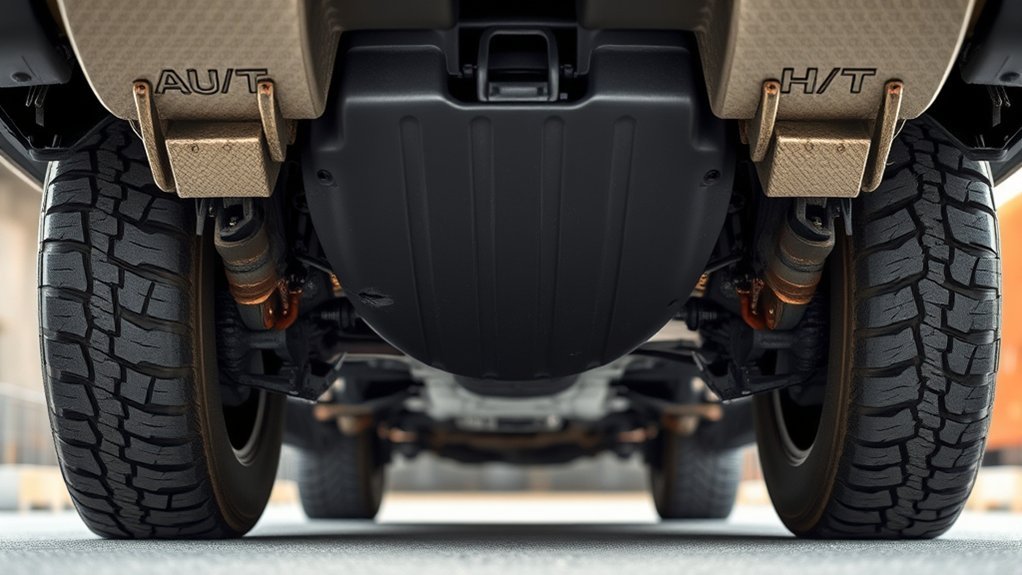
H/T tires usually win for cabin quietness. Their tighter tread pattern creates fewer gaps for air movement and tread slap, so they often feel smoother on highways and city streets.
A/T tires can be quiet when new, especially mild all-terrain designs, but aggressive tread blocks tend to create more hum as speed rises. Noise can also increase as the tread wears unevenly. Regular rotation, balancing, and alignment help reduce that problem.
| Tire Type | Typical Noise Level | Typical Comfort Level |
|---|---|---|
| A/T | Moderate to high, depending on tread | Good to firm |
| H/T | Low to moderate | Usually high |
If you drive long highway distances, carry passengers often, or want the quietest 4Runner setup, H/T tires are usually the safer choice. If you accept some hum for better trail grip, choose a lighter and less aggressive A/T tire.
[Products Worth Considering]
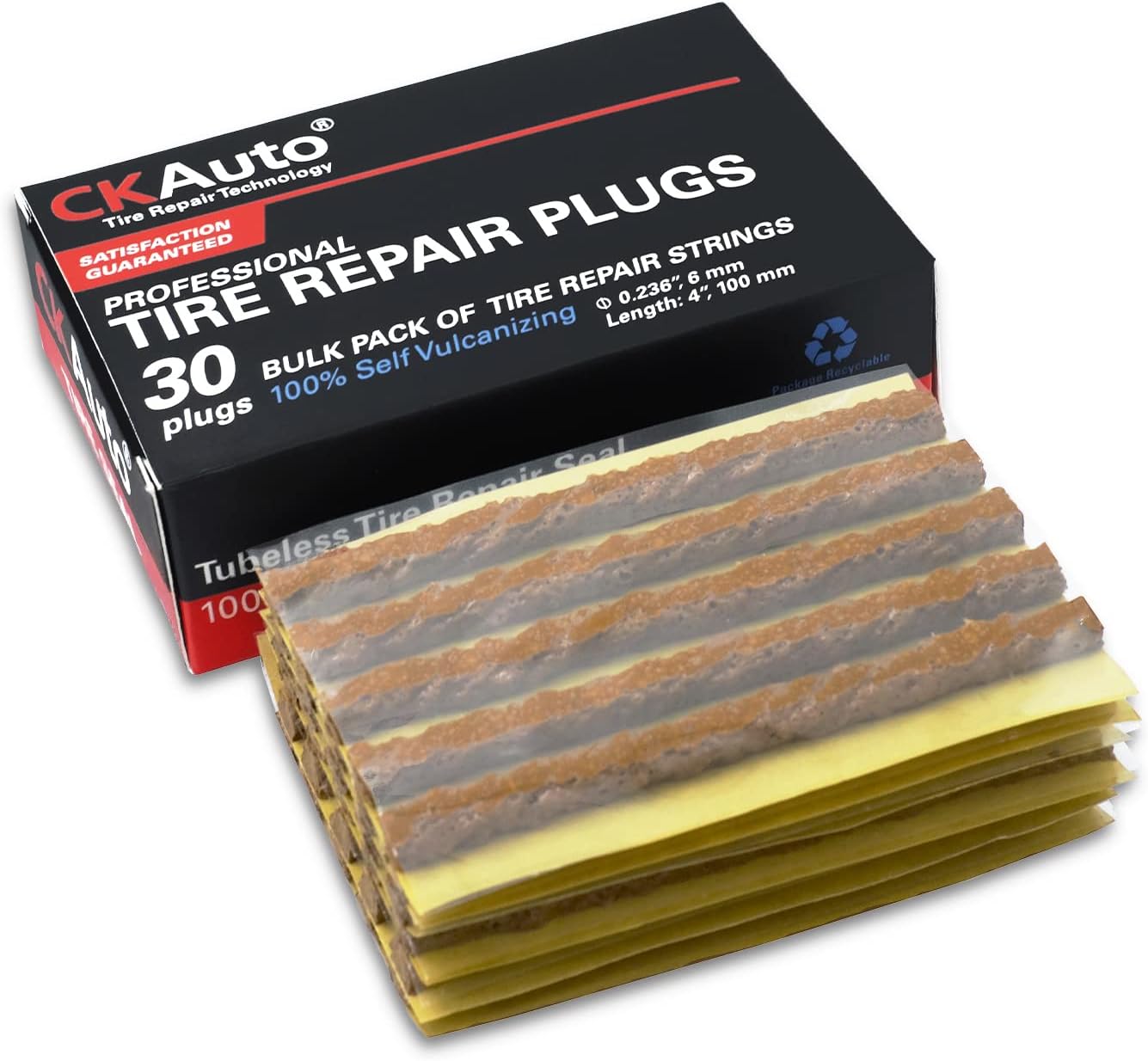
CKAuto tire repair strings provide a fast, reliable way to seal punctures in tubeless off-road tires without removing the tire from the rim. The rubber repair plugs are designed for quick roadside fixes and work across many vehicle types including cars, bikes, ATVs/UTVs, wheelbarrows, and mowers.

This VEVOR tire bead breaker uses a slide-hammer impact and wedge tip to separate tire beads from rims quickly and efficiently without damaging hub surfaces. The long handle and sturdy steel construction help reduce user strain while providing reliable, portable tire changing for cars, trucks, and more. Ideal for home mechanics and repair shops handling multiple vehicle tire sizes.
Snow Performance: A/T vs H/T Tires
Snow performance depends more on the exact tire than the A/T or H/T label. A 3PMSF-rated A/T tire can be a good choice for drivers who see snow, slush, and cold gravel roads. A non-3PMSF A/T tire may look aggressive but still underperform in winter braking or turning.
M+S marking alone is not the same as 3PMSF. M+S relates mostly to tread geometry, while 3PMSF means the tire meets specific snow traction requirements. Transport Canada also notes that winter tires keep their elasticity and grip better at temperatures below 7°C.
Note: The 3PMSF symbol is a snow traction rating, not an ice-braking guarantee. If you regularly drive on ice, hard-packed snow, or mountain passes in winter, dedicated winter tires are still the best option.
H/T tires can work in mild winter weather when they are in good condition and properly rated, but they are not ideal for frequent snow, steep icy roads, or unplowed routes. For a 4Runner used in serious winter conditions, shop by 3PMSF rating, tread depth, and cold-weather compound instead of tread appearance alone.
Cost Analysis: A/T vs H/T Tires
A/T tires often cost more upfront because they use more aggressive tread designs and tougher construction. They can also raise long-term costs if they reduce fuel economy, wear unevenly, or add weight to your setup.
H/T tires are often more cost-effective for pavement-focused drivers. They usually deliver better road comfort, lower noise, and strong tread life for daily use. If your 4Runner rarely leaves pavement, paying extra for heavy-duty off-road capability may not be worth it.
For trail drivers, the value equation changes. A/T tires can help reduce slipping, improve control on loose surfaces, and add durability where H/T tires are more vulnerable. In that case, the higher cost can make sense because the tire better matches the job.
Selecting Tires Based on Driving Conditions
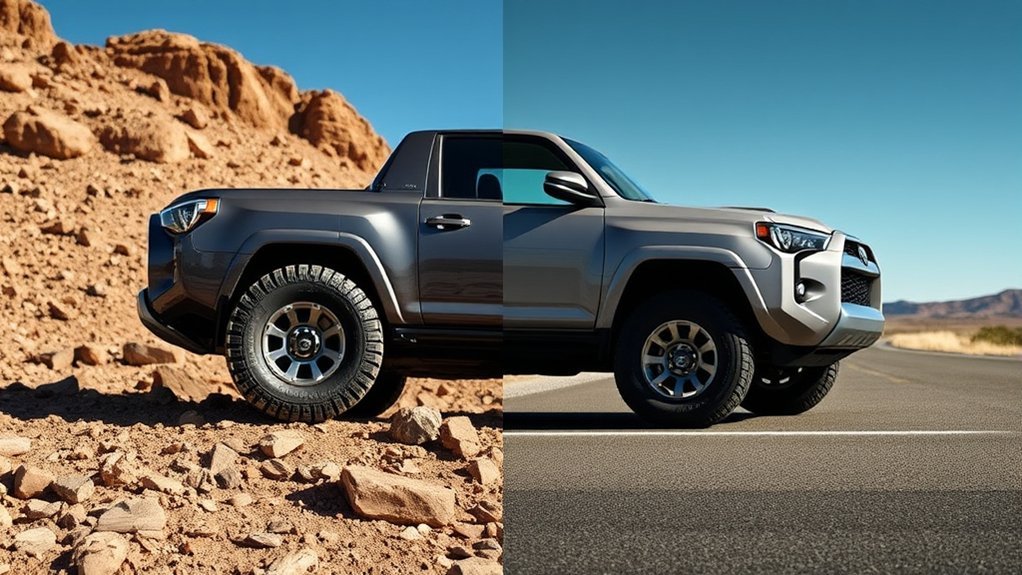
Your normal driving conditions should decide the tire type. A tire that performs well on a rocky trail may feel loud and inefficient on a daily commute. A quiet highway tire may feel great on the interstate but struggle on muddy campsites.
| Your Driving Pattern | Better Choice | Why |
|---|---|---|
| 90% pavement, daily commute | H/T | Quieter ride, better road feel, lower rolling resistance |
| Pavement plus gravel roads | Mild A/T | Adds grip without going too aggressive |
| Camping, forest roads, trailheads | A/T | Better loose-surface traction and tougher shoulders |
| Frequent snow and cold weather | 3PMSF A/T or winter tire | Snow rating matters more than tread style alone |
| Heavy cargo, towing, overlanding | Properly rated A/T or H/T | Load index and pressure guidance matter most |
Also think about your tolerance for road noise. If you love a quiet cabin and rarely leave pavement, H/T tires will likely make you happier. If you are willing to trade some quietness for off-road control, A/T tires are the better fit.
Maintenance Tips for Either Tire Type
Good maintenance matters as much as tire type. Check tire pressure at least monthly when the tires are cold. Inspect tread depth, sidewalls, and uneven wear before long trips or trail days.
NHTSA says tires are not safe when tread wears down to 2/32 inch. For snow-covered roads, many winter-driving authorities recommend replacing or retiring tires from winter service earlier because snow traction drops as tread depth gets shallow.
Rotate your tires on the schedule in your owner’s manual, and balance them when new tires are installed. If your 4Runner pulls, vibrates, or wears tires unevenly, check alignment before blaming the tire model.
Frequently Asked Questions
What is the best all-around A/T tire for a 4Runner?
The best all-around A/T tire depends on your 4Runner’s year, trim, wheel size, load needs, climate, and road mix. A tire such as the Yokohama Geolandar A/T G015 can be a good mild all-terrain option in some sizes because it balances road comfort with 3PMSF-rated snow capability, but you should confirm your exact size and rating before buying.
Do all-terrain tires reduce gas mileage on a 4Runner?
They can. Aggressive A/T tires often weigh more and create more rolling resistance than H/T tires. The real MPG change depends on the tire model, size, pressure, wheel weight, alignment, and driving habits. A mild A/T in the factory size usually has a smaller impact than an oversized, heavy LT tire.
Are highway tires bad for a 4Runner?
No. Highway tires are often the best choice if your 4Runner mostly drives on pavement. They can give you a smoother ride, lower noise, better fuel economy, and strong wet-road performance. They are only a poor choice if you regularly need trail traction or extra off-road durability.
Are all-terrain tires good in snow?
Some are, but not all. Look for the Three-Peak Mountain Snowflake symbol if you want stronger snow capability. Even then, dedicated winter tires are usually better for regular ice, hard-packed snow, and very cold conditions.
Can I put bigger A/T tires on my 4Runner?
Sometimes, but you need to check clearance, wheel offset, suspension setup, load index, speed rating, spare fit, and rubbing at full steering lock and suspension compression. Bigger tires can affect speedometer accuracy, fuel economy, braking, and ride quality.
Conclusion
For most pavement-focused 4Runner drivers, H/T tires are the smarter daily choice because they are quieter, smoother, and usually more efficient. For drivers who use their 4Runner for gravel, campsites, trail access, snow, or rough roads, A/T tires are worth the trade-off in noise and fuel economy.
The safest answer is not simply “A/T” or “H/T.” The right tire is the one that matches your driving conditions and your 4Runner’s exact fitment requirements. Check the door placard, owner’s manual, tire size, load index, speed rating, and weather rating before you buy.
Sources
- NHTSA TireWise Tire Safety — supports tire size, pressure, tread depth, rotation, and replacement safety guidance.
- Toyota Canada 2026 4Runner Specifications — supports current 4Runner tire-size variation by trim and market.
- Transport Canada Winter Tire Guidance — supports 3PMSF meaning and winter tire temperature guidance.
- Tire Rack A/T vs H/T Road Test — supports fuel economy, paved-road behavior, and snow-performance nuance for one tested tire comparison.
- National Academies: Tires and Passenger Vehicle Fuel Economy — supports rolling resistance and fuel economy context.
- Yokohama Geolandar A/T G015 — supports product-line 3PMSF and all-terrain positioning example.

Related Articles

When to Switch From All-Season to Winter Tires on a 4Runner
Ineffective all-season tires in cold weather can jeopardize your safety—discover when to make the crucial switch for better traction and handling.
Read More
4Runner Tire Mileage: How Many Miles Should They Last
Curious about how long your 4Runner tires should last? Discover essential tips and factors that influence tire longevity.
Read More
How Long Do Toyota 4Runner Tires Typically Last
How long do Toyota 4Runner tires typically last? Discover the factors that influence tire longevity and essential tips for maintenance.
Read More