
How to Check for Tire Damage on a Toyota Camry: Signs to Look For
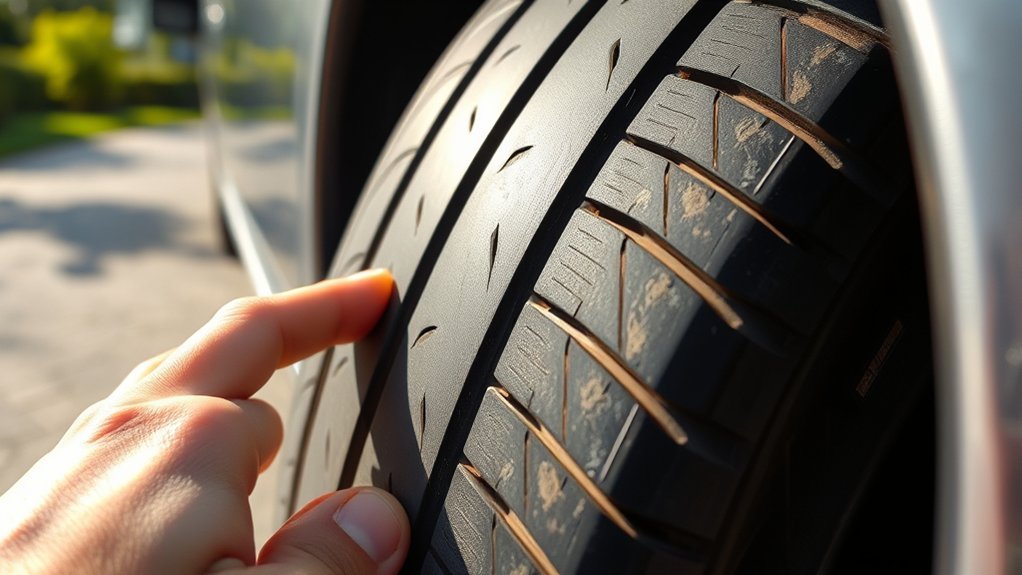
Checking tire damage on your Toyota Camry takes only a few minutes, but it can help you catch low tread, sidewall damage, uneven wear, and pressure problems before they affect braking, steering, or ride quality. Inspect all four tires, and do not forget the spare if your Camry has one.
Quick Answer
To check tire damage on a Toyota Camry, inspect tread depth, treadwear indicator bars, sidewalls, pressure, tire age, and driving symptoms. Replace tires at 2/32 inch tread depth, plan replacement sooner for wet driving, and get professional help for bulges, deep cuts, exposed cords, leaks, or sudden vibration.
Key Takeaways
- Use the penny test only as a quick minimum-tread check; a tread depth gauge gives a more accurate reading.
- Inspect the tread and sidewalls for cuts, punctures, cracks, bulges, scrapes, bumps, exposed cords, and embedded objects.
- Check tire pressure when the tires are cold and use the Toyota Camry door-jamb placard or owner’s manual, not the maximum pressure printed on the tire sidewall.
- Call a tire professional if you see sidewall damage, uneven wear, repeated pressure loss, pulling, shaking, or vibration that starts after a pothole or curb impact.
At a Glance
| Time Required | 5–10 minutes for a basic inspection |
| Difficulty | Easy; no mechanical experience needed for the visual checks |
| Tools Needed | Penny, tread depth gauge, tire pressure gauge, flashlight, gloves |
| Cost | $0 with a penny; usually $5–$15 for a basic tread or pressure gauge |
Warning: Do not keep driving on a tire with a bulge, exposed cord, deep sidewall cut, rapid pressure loss, or severe vibration. Install the spare if it is safe and usable, or call roadside assistance or a tire professional.
Before You Start: How to Inspect Camry Tires Safely
Park your Toyota Camry on a flat, well-lit surface, set the parking brake, and let the tires cool before checking pressure. For the most accurate pressure reading, NHTSA recommends checking tires when they are cold, which means the vehicle has been parked for at least three hours or driven less than one mile.
Walk around the car and inspect each tire from several angles. Turn the front wheels left and right so you can see more of the inner tread. If your Camry has a spare tire, check its condition and pressure too. A flat or cracked spare will not help when you need it most.
Note: The tire pressure printed on the tire sidewall is the tire’s maximum pressure, not the recommended pressure for your Camry. Use the tire information placard on the driver’s door frame or your Toyota owner’s manual.
How to Recognize Low Tread Depth on Your Toyota Camry
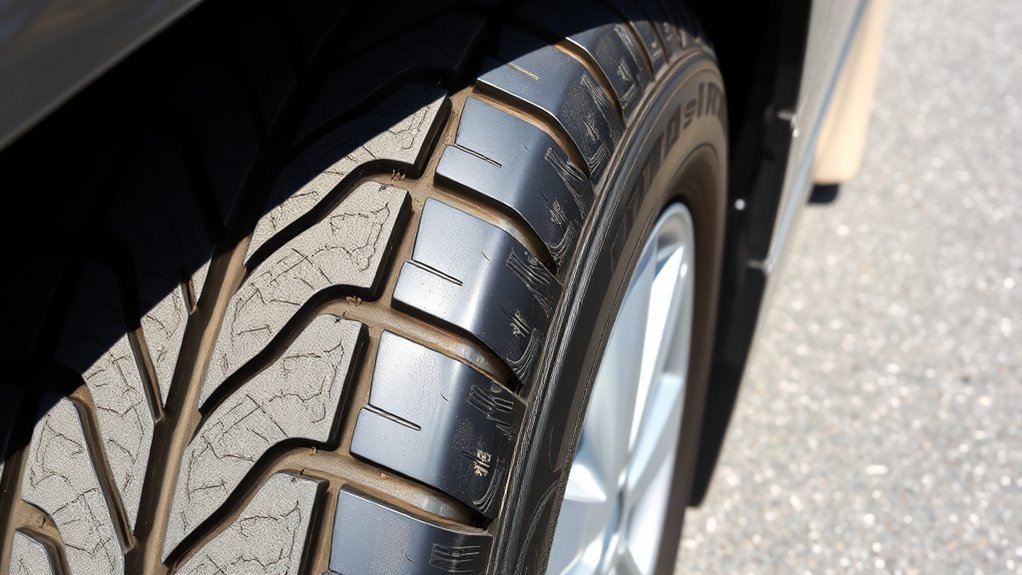
Low tread depth reduces your tire’s ability to move water away from the contact patch, which can hurt wet-road grip and increase hydroplaning risk. Start with the penny test: place a penny into the tread groove with Lincoln’s head upside down. If you can see the top of Lincoln’s head, the tread is at or near the common 2/32-inch replacement point.
For a more accurate check, use a tread depth gauge and measure the inner, center, and outer grooves on every tire. Do not rely on one spot. A tire can look acceptable in the center but be unsafe on the inner shoulder.
- 2/32 inch: Replace the tire. This is the basic minimum threshold used in NHTSA guidance.
- 4/32 inch: Start shopping for replacements if you drive in rain. AAA testing found major wet-road braking and handling losses at this tread depth compared with new tires.
- 5/32 inch: Use extra caution in winter or snow-prone conditions, where deeper tread is helpful for traction.
Also look for the built-in treadwear indicator bars. Toyota notes that Camry tires have treadwear indicators and sidewall markings that help show where those indicators are located. When the bars are flush with the tread surface, the tire should be replaced. You can review Toyota’s tire inspection guidance in the Toyota Camry owner information.
In AAA wet-road testing, tires worn to 4/32 inch needed much longer to stop than new tires, and the Toyota Camry test vehicle showed a 42 percent increase in stopping distance from 60 mph.
[Products Worth Considering]

The JACO FlowPro Tire Inflator measures, inflates, and airs down tires up to 100 PSI with battery-free operation and ±2% accuracy after calibration. It features a glowing pressure dial for night visibility, a heavy-duty steel build with a hybrid hose, and a precision push-to-inflate thumb trigger. The patented Lightning Air Chuck locks on for a secure seal, and the kit includes quick-connect hardware for easy inline use with your air compressor.

This portable cordless tire inflator delivers up to 160 PSI with fast 17 L/min airflow to help you quickly top up tires and get back on the road. It features dual power mode, running on a 21V rechargeable battery or a 12V DC adapter for convenient roadside use. An automatic shut-off with digital pressure gauge helps prevent overinflation, and a built-in LED light improves visibility in low-light conditions.

EVOULTES heavy duty tire inflator with an integrated gauge delivers accurate pressure readings from 10–120 PSI, helping you inflate, deflate, and check tires in one tool. The 16.5-inch extended dual-head air chuck with swivel base reaches hard-to-access dual wheel valves on trucks and RVs. A brass trigger core and side-mounted air release valve make operation smooth, with standard 1/4" NPT threading and quick-connect compatibility for easy setup.
How to Identify Uneven Tread Wear Patterns
Uneven tread wear can point to alignment, inflation, rotation, balance, or suspension problems. Look across the full width of each tire, not just the outer edge you can see while standing beside the car.
| Wear Pattern | Possible Cause | What to Do |
|---|---|---|
| One edge worn faster | Alignment issue, worn suspension part, or camber problem | Schedule alignment and suspension inspection. |
| Both shoulders worn | Underinflation or frequent hard cornering | Check cold pressure and inspect for leaks. |
| Center worn faster | Overinflation or incorrect pressure setting | Set pressure to the Camry placard specification when cold. |
| Cupping or scalloped dips | Balance, shock/strut, bearing, or suspension issue | Have the tire and suspension checked before replacing tires. |
| Patchy bald spots | Locked-wheel skid, damaged belt, or severe balance problem | Get a tire professional to inspect it before highway driving. |
If your Camry pulls to one side, the steering wheel is off-center, or the same tire keeps wearing faster than the others, inspect the tires and schedule service. Replacing tires without fixing the cause of uneven wear can ruin the next set quickly.
Pro Tip: Take a quick photo of each tire’s tread every month. Comparing photos makes it easier to spot new shoulder wear, cupping, or a growing bald patch before it becomes obvious.
[Products Worth Considering]

This tire repair kit provides fast emergency puncture repair without removing the tire from the rim, helping you get back on the road quickly. Its screw plug system is...
Identifying Tire Damage: Cuts, Bulges, and Sidewall Issues
When inspecting your Toyota Camry’s tires, focus on the sidewalls as carefully as the tread. NHTSA recommends checking the tread and sidewalls for cuts, punctures, bulges, scrapes, cracks, or bumps at least once a month and before long road trips.
Bulges, bubbles, and blisters can indicate internal cord or layer damage, often after a pothole, curb strike, or impact with road debris. Deep cuts, exposed fabric, or cracks that open when the rubber flexes are also serious warning signs. Michelin notes that sidewall cuts, cracks, bulges, and blisters may signal structural damage and should be inspected immediately.
A small puncture in the main tread area may be repairable if it meets tire-industry repair rules, but sidewall damage is different. Do not patch a sidewall at home, and do not rely on sealant as a permanent fix. If the damage is on the sidewall, shoulder, or close to the tire edge, treat it as a professional-inspection issue.
How Tire Damage Affects Handling and Causes Vibrations
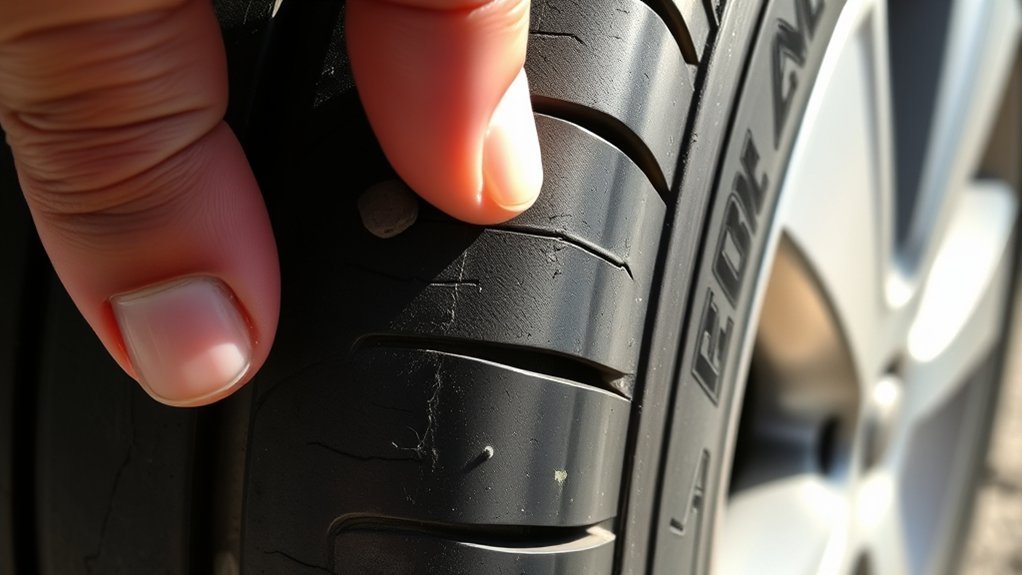
Tire damage can change how your Camry steers, brakes, and rides. A damaged belt, separated internal layer, bent wheel, or unevenly worn tread can cause vibration through the steering wheel, seat, or floor. Pulling to one side can also point to tire damage, low pressure, or alignment trouble.
| Issue | Effect on Handling |
|---|---|
| Cuts and Bulges | Reduced strength and higher risk of sudden tire failure |
| Vibrations | Poor ride quality and possible internal damage, imbalance, or wheel issue |
| Pulling to One Side | Possible low pressure, tire damage, brake drag, or alignment problem |
| Cupping | Bumpy ride and possible suspension, balance, or shock/strut issue |
| Irregular Wear | Reduced traction and shorter tire life |
If vibration starts suddenly after hitting a pothole or curb, slow down, pull over where safe, and inspect the tire and wheel. If you see damage or the tire is losing air, do not continue at highway speed.
Check Tire Pressure, Tire Age, and the Spare Tire
Tread is only one part of tire safety. A Toyota Camry tire can have decent tread and still be unsafe if it is underinflated, overloaded, aged, cracked, or damaged internally.
- Check cold pressure monthly: Use the pressure listed on the Camry’s driver-door placard or owner’s manual. NHTSA advises checking pressure when tires are cold and reminds drivers not to use the sidewall maximum as the vehicle’s recommended pressure.
- Do not rely only on TPMS: The tire pressure monitoring system is useful, but it may not warn you until pressure is already significantly low. A gauge check is still important.
- Read the DOT date code: The last four digits of the DOT code show the week and year the tire was made. For example, 2322 means the tire was made in the 23rd week of 2022.
- Watch tire age: Many tire makers recommend a professional inspection after about five years of service and replacement by ten years from the manufacture date, even if tread remains. Follow your tire maker’s and Toyota’s guidance.
- Inspect the spare: If your Camry has a spare, check its pressure, tread, sidewall condition, and age. A spare can age even when it has never been used.
When Should You Call a Pro for Tire Inspections?
Call a tire professional or Toyota service technician when the tire shows damage you cannot confidently evaluate. This is especially important before a long trip or highway driving.
- Visible structural damage: Bulges, bubbles, exposed cords, deep cuts, cracked sidewalls, or damage near the shoulder or sidewall need immediate professional attention.
- Unusual noises or vibrations: Shaking, thumping, humming, or vibration that gets worse with speed can point to tire, wheel, balance, bearing, or suspension issues.
- Repeated pressure loss: If one tire keeps losing air, it may have a puncture, valve-stem leak, bead leak, cracked wheel, or hidden damage.
- Uneven or fast tread wear: Alignment, suspension, rotation, or inflation problems should be fixed before the next set of tires wears the same way.
- Age concerns: Have older tires inspected even if the tread looks acceptable, and replace tires that have reached the manufacturer’s maximum age guidance.
When in doubt, choose inspection over guessing. A short visit to a tire shop is less expensive than a blowout, damaged wheel, or unsafe highway stop.
Frequently Asked Questions
What are the signs of tire damage on a Toyota Camry?
Common signs include low tread, uneven wear, bald spots, sidewall cracks, cuts, punctures, bulges, exposed cords, repeated air loss, vibration, thumping noises, and the car pulling to one side. Any bulge, exposed cord, or deep sidewall cut needs immediate attention.
How often should I inspect my Camry tires?
Inspect tire pressure, tread, and sidewalls at least once a month and before long trips. Also inspect after hitting a pothole, curb, or road debris, even if the tire does not go flat right away.
Is the penny test enough to check tire safety?
No. The penny test is a quick way to spot tread near the 2/32-inch replacement point, but it does not check tire pressure, sidewall damage, tire age, uneven wear, internal damage, or wet-weather performance. A tread depth gauge is better for accurate measurements.
Can a damaged sidewall be repaired?
Sidewall damage is generally not considered a safe repair area. A puncture in the central tread may be repairable by a professional if it meets repair guidelines, but sidewall cuts, punctures, bulges, or exposed cords usually mean the tire should be replaced.
What should I do if my Camry vibrates after hitting a pothole?
Slow down, pull over safely, and inspect the tire and wheel for bulges, cuts, air loss, bent rim damage, or uneven tread. If vibration continues or you see damage, avoid highway driving and have the tire, wheel, alignment, and suspension checked.
Conclusion
Checking your Toyota Camry’s tires is a simple habit that supports safer braking, steadier handling, and longer tire life. Look for low tread depth, uneven wear, pressure loss, sidewall cuts, bulges, cracks, age-related damage, and vibration while driving. If anything looks questionable, get a professional inspection before the tire problem turns into a roadside emergency.
Sources
- NHTSA Summer Driving & Road Trip Tips — supports cold pressure checks, monthly tire inspections, 2/32-inch tread guidance, penny test, damage checks, and professional inspection advice.
- Toyota Owners: 2025 Camry Tires — supports Toyota-specific treadwear indicator and uneven tire wear guidance.
- AAA Newsroom: Worn Tires Put Drivers at Risk — supports wet-road stopping-distance and handling concerns at 4/32-inch tread depth.
- AAA All-Season Tire Testing Report — supports Toyota Camry wet braking and handling data for worn tires.
- Michelin: When to Replace Tires — supports tire age, DOT date code, sidewall damage, vibration, and replacement guidance.

Related Articles

Toyota Camry All-Season Tires Explained: What They Can and Can’t Do
In exploring Toyota Camry all-season tires, discover their benefits and limitations—are they really the right choice for your driving needs?
Read More
Toyota Camry Tire Traction in Ice and Snow: A Practical Winter Driving Guide
Learn essential tips for maximizing tire traction on ice and snow in your Toyota Camry, ensuring your winter driving is safe and confident. Discover more now!
Read More
Do Toyota Camry Tires Need Snow Chains? When They Help and When They Don’t
How do snow chains enhance your Toyota Camry's winter driving safety, and when should you avoid using them? Discover the essential details inside!
Read More