
How to Read Tire Wear Patterns on a Toyota Camry & What They Mean
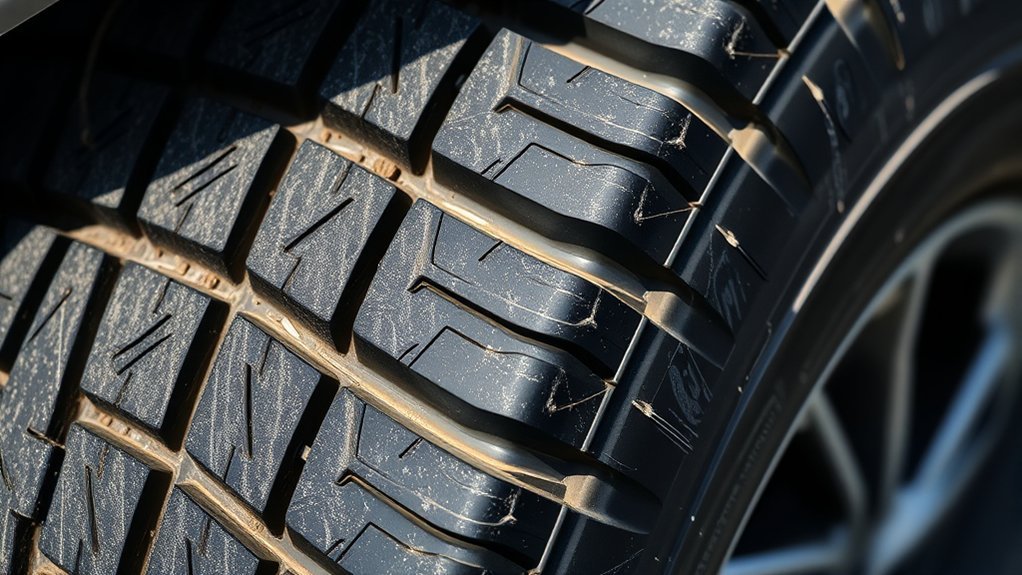
Your Toyota Camry’s tire tread can tell you more than whether the tires are “still good.” Uneven wear can point to low pressure, overinflation, alignment drift, worn suspension parts, wheel imbalance, skipped rotations, or a tire that is no longer safe to use. The goal is simple: compare the tread across the inner edge, center, and outer edge, then match the pattern to the most likely cause before the damage gets worse.
Quick Answer
To read Toyota Camry tire wear patterns, check each tire cold, compare the inner edge, center, and outer edge, then look for center wear, shoulder wear, feathering, cupping, diagonal patches, cracks, bulges, or exposed cords. Center wear often points to overinflation, both-edge wear to underinflation, feathering to toe alignment, and cupping to suspension, balance, or alignment problems.
Key Takeaways
- Check tire pressure when the tires are cold and use the Camry’s door placard or owner’s manual, not the PSI printed on the tire sidewall.
- Center wear often means too much air; both-edge shoulder wear often means too little air or overloading.
- One-sided inner or outer edge wear, feathering, pulling, or an off-center steering wheel usually means alignment or suspension should be inspected.
- Cupping, scalloping, vibration, or droning tire noise can point to worn shocks/struts, wheel imbalance, alignment problems, or skipped rotations.
- Replace tires at 2/32 inch tread depth at the latest, and consider earlier replacement for heavy rain, snow, visible damage, bulges, or exposed cords.
At a Glance
| Time Required | 10 to 15 minutes for a driveway inspection |
| Difficulty | Easy for inspection; professional help recommended for alignment, balancing, suspension, or tire replacement |
| Tools Needed | Tire pressure gauge, tread depth gauge or penny, flashlight, gloves, and a notebook or phone photo log |
| Cost | Free to inspect; low cost for a gauge; alignment, balancing, or tire replacement costs vary by shop and tire size |
Warning: Do not ignore exposed cords, sidewall bulges, deep cracks, a tire that will not hold air, severe vibration, or tread worn to the wear bars. Avoid highway driving on a visibly damaged or severely underinflated tire and have it inspected or replaced before continuing normal use.
Common Tire Wear Patterns Explained
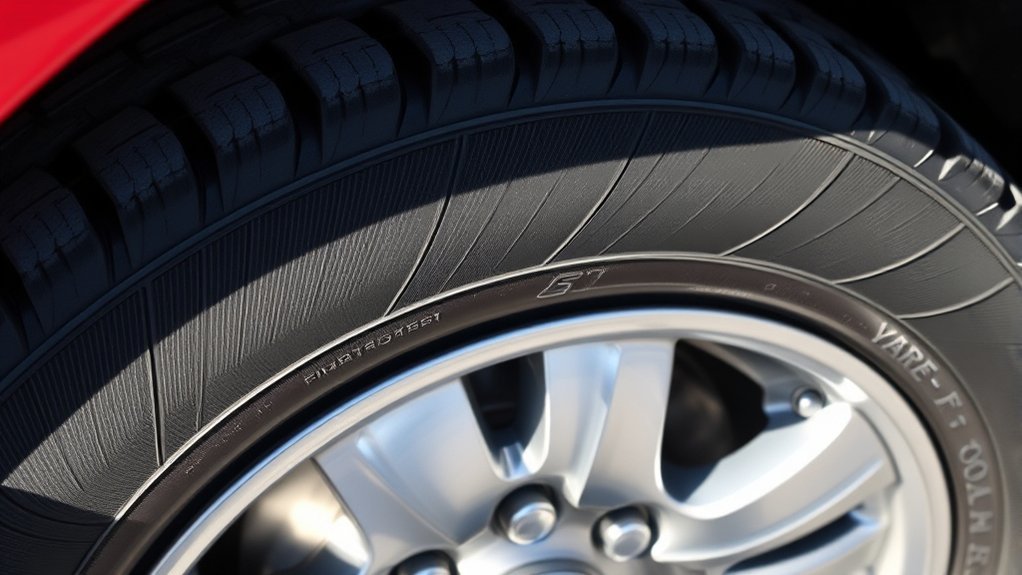
Tire wear patterns are clues, not final diagnoses. A Camry tire can wear unevenly because of pressure, load, alignment, balance, suspension condition, road impacts, tire age, or driving habits. Start with the pattern you can see or feel, then confirm it with pressure readings, tread depth, steering feel, ride quality, and a professional inspection when needed.
| Wear Pattern | What It Looks or Feels Like | Most Likely Causes | What To Do First |
|---|---|---|---|
| Center wear | Middle tread ribs are lower than both shoulders | Overinflation, incorrect pressure habits, or unusual driving/load conditions | Check cold PSI against the Toyota placard and adjust only to the recommended cold pressure |
| Both-edge shoulder wear | Inner and outer shoulders are lower than the center | Underinflation, overloading, or slow air loss | Set cold pressure correctly and inspect for leaks, punctures, valve issues, or bead leaks |
| One-sided inner or outer edge wear | Only one shoulder is wearing faster | Camber/toe alignment issue, worn suspension, or repeated hard cornering | Schedule an alignment and suspension/steering inspection |
| Feathering | Tread feels smooth one direction and sharp or saw-toothed the other | Toe misalignment or steering/suspension wear | Have toe, steering linkage, and suspension parts checked |
| Cupping or scalloping | Repeating dips, scoops, or high-low spots around the tread | Worn shocks/struts, imbalance, alignment issues, pressure problems, or skipped rotations | Inspect suspension, balance, alignment, pressure, and tread depth |
| Diagonal or patchy wear | Flat or worn patches crossing the tread at an angle | Wheel imbalance, alignment/runout, loose wheel or steering parts, or missed rotations | Check balance, alignment, and mechanical looseness before replacing tires |
| Flat spot | One localized bald or flattened area | Hard braking skid, long storage, impact, or brake/suspension issue | Inspect tread depth and tire structure; replace if damage is severe |
How to Inspect Your Camry Tires in 10 Minutes
Park on level ground, let the tires cool, and turn the steering wheel to expose the front tire tread. Use this quick process once a month, before long trips, and anytime the Camry pulls, vibrates, gets noisier, or triggers a tire-pressure warning.
- Check cold pressure first. Use the tire pressure listed on the Toyota tire information placard on the driver’s door edge/post or in the owner’s manual. Toyota also directs owners to the owner’s manual or placard for the recommended tire pressure, and NHTSA says cold pressure means the tire has not been driven for at least three hours.
- Measure three tread zones. Check the inner groove, center groove, and outer groove on each tire with a tread depth gauge. Write down the numbers or take photos.
- Look across the whole tread. Compare inner shoulder, center ribs, and outer shoulder. Do not judge only the outside edge you can see easily.
- Run your hand lightly over the tread. Feathering often feels smooth in one direction and sharp in the other. Cupping can feel wavy or scalloped.
- Inspect the sidewalls. Look for cracks, cuts, bubbles, exposed cords, nails, or sidewall bulges.
- Compare all four tires. A single tire with odd wear may point to a local issue; matching wear on all four tires often points to pressure habits, rotation schedule, or driving conditions.
- Act on the pattern. Correct pressure immediately, then schedule balancing, alignment, suspension inspection, or tire replacement if the pattern calls for it.
Note: TPMS is helpful, but it is not a substitute for a gauge. Many systems warn only after pressure is significantly low, so a tire can be underinflated enough to wear poorly before the dashboard warning appears.
[Products Worth Considering]

EVOULTES heavy duty tire inflator with an integrated gauge delivers accurate pressure readings from 10–120 PSI, helping you inflate, deflate, and check tires in one tool. The 16.5-inch extended dual-head air chuck with swivel base reaches hard-to-access dual wheel valves on trucks and RVs. A brass trigger core and side-mounted air release valve make operation smooth, with standard 1/4" NPT threading and quick-connect compatibility for easy setup.

The JACO FlowPro Tire Inflator measures, inflates, and airs down tires up to 100 PSI with battery-free operation and ±2% accuracy after calibration. It features a glowing pressure dial for night visibility, a heavy-duty steel build with a hybrid hose, and a precision push-to-inflate thumb trigger. The patented Lightning Air Chuck locks on for a secure seal, and the kit includes quick-connect hardware for easy inline use with your air compressor.

Upgrade your tires with a set of four aluminum valve stem covers designed to protect the valve from wear and help keep out moisture and debris. The hermetically sealed, screw-in caps are corrosion resistant and provide an attractive, long-lasting anodized finish. Suitable for many vehicle types and installs quickly for everyday convenience.
How to Identify Center Wear and Its Causes
Center wear means the middle ribs of the tread are wearing faster than both shoulders. On a Toyota Camry, this often points to overinflation or repeated pressure checks that were done incorrectly. The tire rides more on the center of the tread, which can reduce the contact patch and wear the center faster.
Do not bleed air from a hot tire just because the number looks high after driving. Tires warm up as you drive, and warm pressure is normally higher than cold pressure. Instead, recheck when the tires are cold, then adjust to the PSI printed on your Camry’s tire placard or listed in the owner’s manual. The PSI printed on the tire sidewall is not the recommended driving pressure; it is a tire limit, not your Camry’s setting.
Pro Tip: Check pressure in the morning before driving. If one tire is repeatedly lower than the others, do not just keep topping it off; inspect for a nail, valve leak, bead leak, or wheel damage.
Spotting Shoulder Wear: Underinflation or Alignment?
Shoulder wear needs careful reading because not all edge wear means the same thing. If both the inner and outer shoulders are wearing faster than the center, the most likely causes are underinflation, carrying too much load, or a slow leak. Low pressure lets the tire flex more, which can increase heat and shoulder wear.
If only one shoulder is worn, such as only the inner edge or only the outer edge, think alignment or suspension first. One-sided wear can come from camber or toe settings being out of specification, worn steering parts, worn suspension parts, road impacts, or repeated aggressive cornering.
Causes of Shoulder Wear
The first step is to check cold tire pressure and load. If all four tires show both-edge wear, pressure habits may be the main problem. If one tire shows heavy one-sided wear, a professional alignment and suspension inspection is smarter than simply adding air and hoping the wear stops.
Effects on Performance
Shoulder wear can reduce wet grip, increase tire heat, shorten tire life, and make the Camry feel less stable in corners. If the vehicle also pulls to one side, the steering wheel sits off center, or the tire squeals easily, treat the problem as more than routine tread wear.
| Tire Condition | Likely Effect | Recommended Action |
|---|---|---|
| Both shoulders worn | Heat buildup, lower fuel efficiency, shorter tire life | Set cold PSI correctly and inspect for slow leaks or overloading |
| Only inner edge worn | Possible alignment drift, pulling, fast tread loss | Check camber, toe, steering, and suspension |
| Only outer edge worn | Possible alignment issue or hard cornering wear | Check alignment and driving conditions; inspect pressure too |
| Properly inflated, evenly worn | Best chance of stable handling and longer tread life | Keep monthly checks and rotate on schedule |
Preventative Maintenance Tips
Check cold tire pressure at least once a month and before long trips. Rotate tires according to your Camry’s maintenance schedule, tire type, and owner’s manual. Toyota maintenance guidance commonly places tire rotation around 5,000 to 7,500 miles, but the right interval can vary with driving habits, road conditions, tire type, and model year.
How Cupping Tires Indicate Suspension Problems
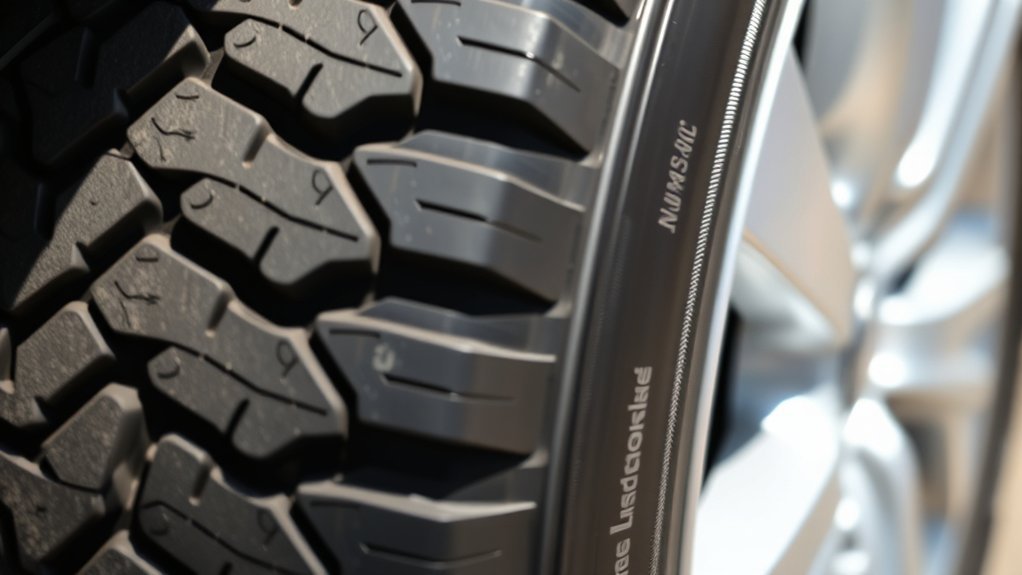
Cupping, also called scalloping, looks like repeating scooped-out dips around the tread. It may also sound like a humming, droning, or growling tire noise that gets louder with speed. On a Camry, cupping can come from worn shocks or struts, loose steering or suspension parts, wheel imbalance, alignment problems, incorrect pressure, or skipped tire rotations.
If you notice cupping, do not assume a new tire alone will solve it. The worn tread will not grow back, but correcting the cause may prevent the next set of tires from wearing the same way. Have the tire, wheel balance, alignment, shocks, struts, bushings, ball joints, wheel bearings, and pressure checked before replacing tires.
Understanding Feather Edging: Alignment Issues You Can’t Ignore
Feather edging is a wear pattern you can often feel before you can clearly see it. Rub your hand lightly across the tread from inside to outside and then outside to inside. If the tread blocks feel smooth in one direction and sharp in the other, the tire may be feathered.
Feathering often points to toe misalignment. Toe describes whether the tires point slightly inward or outward as the vehicle rolls. When toe is off, the tread can scrub sideways instead of rolling cleanly. That scrubbing can create sharp edges, road noise, faster wear, and a Camry that feels less settled on straight roads.
- Likely cause: toe alignment out of specification, steering wear, suspension wear, or impact damage.
- Common symptoms: saw-tooth tread feel, steering pull, off-center steering wheel, or increased tire noise.
- Best fix: alignment plus inspection of tie rods, ball joints, bushings, struts, and related steering components.
Diagonal or Patchy Wear: Diagnosing Balance Problems
Diagonal or patchy tire wear often shows up as flat areas or worn patches that cross the tread instead of following the tread ribs evenly. A tire and wheel assembly that is out of balance can cause this, but it is not the only possibility. Misalignment, runout, loose wheel bearings, worn steering parts, brake issues, or missed rotations can also produce uneven patches.
If the Camry vibrates through the steering wheel, seat, or floor, especially at certain speeds, schedule wheel balancing and an inspection. If the tire also has one-sided wear or feathering, add an alignment check. If the patchy wear is severe, the tire may stay noisy even after the mechanical issue is fixed.
Measuring Tire Tread Depth: A Quick Guide
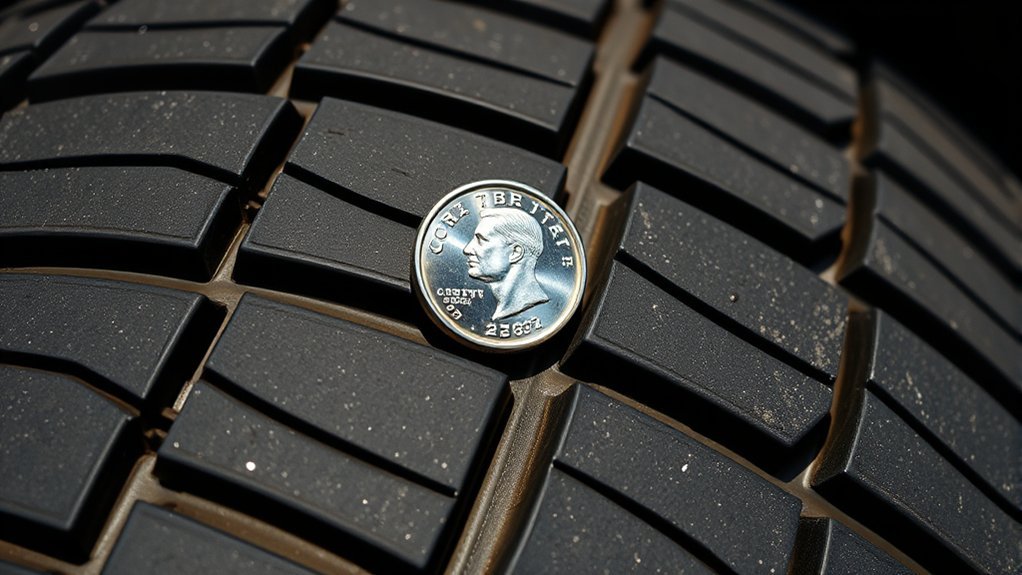
Measuring tread depth tells you whether the tire still has enough usable tread, while the wear pattern tells you why the tread is wearing the way it is. Use both checks together.
- Best method: Use a tread depth gauge and measure the inner, center, and outer grooves on each tire.
- Penny method: Insert a penny into the tread with Lincoln’s head upside down and facing you. If you can see the top of Lincoln’s head, the tire is at or near the replacement point.
- Wear bars: Tires have built-in treadwear indicators. If the tread is level with those bars, replace the tire.
- Wet-road caution: A tire can be legal but still weak in heavy rain. Consider replacing earlier if you often drive in wet weather or snow.
- Uneven readings: If the inner, center, and outer measurements differ by about 2/32 inch or more, inspect pressure, alignment, balance, and suspension.
NHTSA says tires are not safe and should be replaced when tread is worn to 2/32 inch. Treat that as the latest replacement point, not a goal to reach.
[Products Worth Considering]

These universal tire valve stem caps help protect your valve core from dust, debris, moisture, and corrosion, supporting more stable tire pressure. The aluminum alloy design resists long-term wear, while the sealing construction helps help prevent air leakage. They twist on easily for quick installation and help safeguard driving safety across cars, SUVs, trucks, and motorcycles.

This tire repair kit provides fast emergency puncture repair without removing the tire from the rim, helping you get back on the road quickly. Its screw plug system is designed for punctures in both tread and sidewall and includes a complete patch plug tool set with essential accessories. A portable storage bag makes it easy to carry for cars, trucks, SUVs, motorcycles, and heavy-duty applications.
Essential Tire Maintenance Tips for Longevity
Good tire maintenance prevents many wear patterns before they start. The basics are simple: keep pressure correct, rotate on schedule, balance when needed, align when symptoms appear, and inspect the tire structure.
- Check pressure monthly: Use a reliable gauge and adjust to the cold PSI listed for your specific Camry.
- Rotate regularly: Follow your owner’s manual. Many Toyota schedules use 5,000 to 7,500 miles, but tire type and driving conditions can change the right interval.
- Balance when vibration appears: New tires should be balanced, and existing tires may need rebalancing after impact, rotation, wheel service, or vibration.
- Align when symptoms appear: Pulling, off-center steering, feathering, one-sided wear, or uneven replacement intervals all justify an alignment check.
- Inspect suspension: Cupping, clunking, uneven ride height, bouncy ride, or leaking struts are reasons to inspect shocks, struts, bushings, ball joints, and wheel bearings.
- Replace damaged tires: Bulges, exposed cords, deep sidewall cuts, severe cracks, or tread separation are not normal maintenance issues; they are safety concerns.
When to See a Professional
A driveway inspection can identify the pattern, but some causes require tools and training. Schedule a tire or alignment inspection if your Camry has vibration, pulling, cupping, feathering, one-sided wear, repeated air loss, uneven tread depth, or a tire pressure warning that comes back after inflation.
Also get help before replacing only one or two tires. Tire size, speed rating, load rating, tread depth difference, rotation pattern, and tire type can affect handling. Your Camry’s tire information placard and owner’s manual should guide tire size and pressure choices.
Frequently Asked Questions
Is a 500 treadwear rating good?
A 500 treadwear rating is generally a long-wearing rating compared with lower UTQG treadwear numbers, but it is not a mileage guarantee or a complete safety grade. UTQG treadwear is a relative comparison. Also compare traction grade, temperature grade, tire age, tread depth, pressure habits, alignment, and the tire’s actual performance in your driving conditions.
Can uneven tire wear be fixed?
The missing rubber cannot be restored, but the cause can often be corrected. Adjusting pressure, rotating tires, balancing wheels, repairing suspension parts, or correcting alignment may slow future uneven wear. If the tire is too worn, noisy, cupped, damaged, or below safe tread depth, replacement may still be needed.
Can I drive on cupped tires?
Light cupping may be drivable for a short time if tread depth, structure, and traction are still acceptable, but cupping should be inspected soon. Deep cupping, vibration, loud noise, pulling, low tread, or visible damage means the tire, balance, alignment, and suspension should be checked before normal highway driving.
Does the Camry TPMS warning mean I can skip pressure checks?
No. TPMS is a backup warning, not a maintenance plan. Use a gauge at least monthly and before long trips because tire pressure can be low enough to affect wear, fuel economy, and handling before a warning light appears.
Should I replace tires at 2/32 inch or sooner?
Replace at 2/32 inch at the latest because that is the minimum safety point commonly used for passenger tires. Replace sooner if you drive in heavy rain, snow, or cold conditions, or if the tire has bulges, cuts, cracks, exposed cords, severe cupping, or uneven wear that affects control.
Sources
- NHTSA TireWise tire safety guidance — cold pressure, tire placard, tread depth, TPMS, rotation, and tire safety basics
- Toyota Support: recommended tire pressure — Toyota guidance to use the owner’s manual or tire information placard
- Toyota 2025 Camry digital owner’s manual: tire inflation pressure — tire pressure inspection and adjustment process
- Bridgestone: tire cupping causes and prevention — cupping, scalloping, balance, alignment, suspension, pressure, and rotation causes
- Michelin: irregular tire wear patterns — one-sided wear, diagonal wear, feathering, pressure, alignment, and mechanical causes
- Tire Rack: when tires should be replaced — tread-depth replacement guidance for dry, wet, and snow conditions
Conclusion
Reading tire wear patterns on your Toyota Camry starts with a simple comparison: inner edge, center, outer edge, and all four tires. Center wear often points to pressure being too high, both-edge shoulder wear often points to pressure being too low, feathering points toward toe alignment, and cupping or patchy wear deserves a closer look at suspension, balance, alignment, and rotation history. Check pressure cold, measure tread depth monthly, rotate on schedule, and act quickly on bulges, cords, severe vibration, or rapid air loss. The earlier you read the pattern, the better chance you have of saving the tire, protecting handling, and avoiding a preventable safety problem.

Related Articles

Toyota Camry All-Season Tires Explained: What They Can and Can’t Do
In exploring Toyota Camry all-season tires, discover their benefits and limitations—are they really the right choice for your driving needs?
Read More
Toyota Camry Tire Traction in Ice and Snow: A Practical Winter Driving Guide
Learn essential tips for maximizing tire traction on ice and snow in your Toyota Camry, ensuring your winter driving is safe and confident. Discover more now!
Read More
Do Toyota Camry Tires Need Snow Chains? When They Help and When They Don’t
How do snow chains enhance your Toyota Camry's winter driving safety, and when should you avoid using them? Discover the essential details inside!
Read More