
Symmetrical vs Asymmetrical Tires for Hyundai Sonata: Best Choice
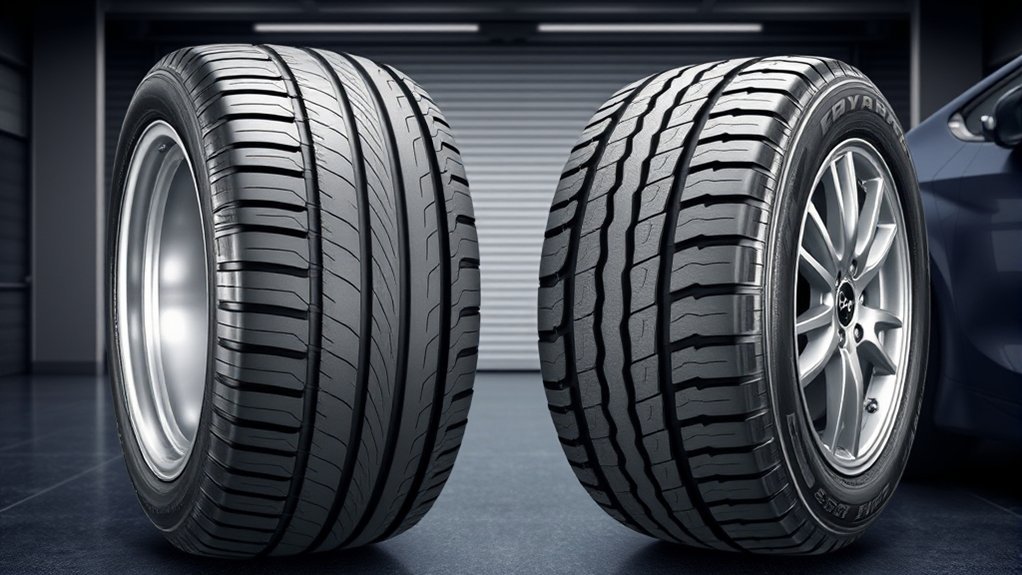
Choosing between symmetrical and asymmetrical tires for your Hyundai Sonata comes down to how you drive, where you drive, and what you want most from the car. A Sonata used mostly for commuting needs comfort, quietness, long wear, and predictable handling. A Sonata driven in heavy rain, on curvy roads, or with a more spirited style may benefit from the extra grip and stability of a good asymmetrical tire.
Quick Answer
For most Hyundai Sonata drivers, a quality touring or grand-touring all-season tire matters more than the tread pattern alone. Choose symmetrical tires if you want value, easy rotation, quiet comfort, and even wear. Choose asymmetrical tires if you want stronger wet grip, sharper cornering, and better handling in mixed conditions.
Key Takeaways
- Symmetrical tires are usually the better everyday choice if your Sonata is mainly a commuter car.
- Asymmetrical tires are usually better if you care more about wet traction, cornering stability, and responsive handling.
- Tread pattern is only one factor. Tire compound, season rating, size, load index, speed rating, and pressure matter just as much.
- Always match the tire size and inflation pressure to your Sonata’s driver-side tire label or owner’s manual, not to a generic online chart.
What Are Symmetrical Tires and Their Benefits?
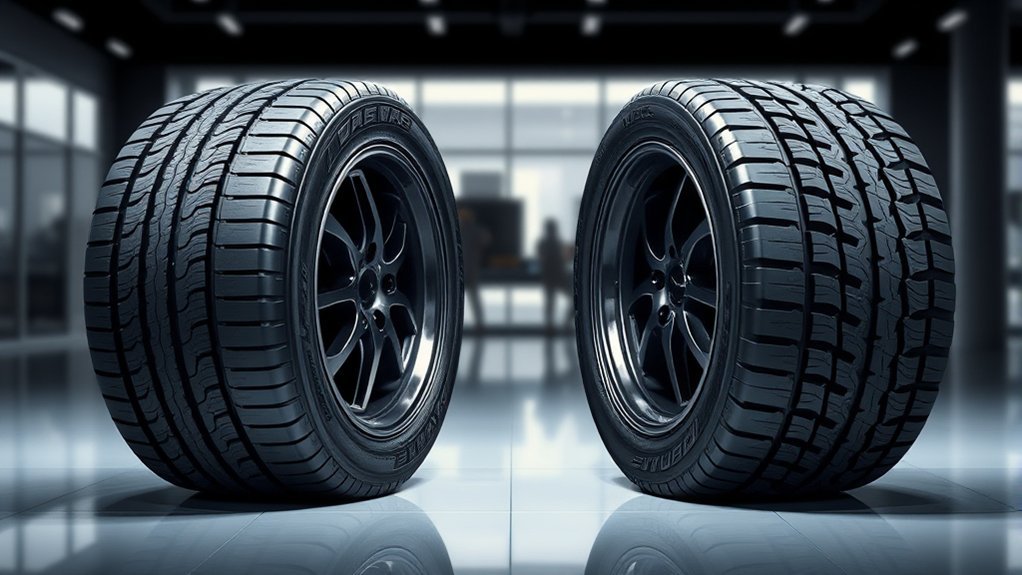
Symmetrical tires have the same basic tread design across the inner and outer halves of the tire. In simple terms, the pattern is balanced across the tread face. This design is common on many passenger-car touring tires because it supports a smooth ride, predictable straight-line stability, and simple maintenance.
For a Hyundai Sonata, that makes symmetrical tires a practical choice if your normal driving is highway commuting, school runs, errands, rideshare work, or long-distance cruising. They are often easier to rotate because many symmetrical tread tires can use front-to-back, modified X, or full X rotation patterns when the vehicle and tire setup allow it. Bridgestone notes that symmetric tread tires can be mounted and rotated in any direction without affecting the tread pattern’s performance, which is one reason they are popular for everyday use.
Symmetrical tires can also be budget-friendly. They are widely available, easy to shop for, and often aimed at drivers who want comfort, long tread life, and low road noise rather than maximum cornering grip.
Pro Tip: If your Sonata mostly sees city streets and highways in mild weather, start your tire search with grand-touring all-season tires. The tire category and quality level will usually affect comfort and safety more than the symmetrical label by itself.
[Products Worth Considering]

The Continental Grand Prix 5000 is an allround road bike tire engineered for faster rolling, improved ride comfort, and enhanced puncture protection. It features a Vectran Breaker cut-protection layer, Lazer Grip micro-profile tread for confident cornering control, and Active Comfort Technology to damp vibration for smoother rides. BlackChili compound optimizes grip and speed for everyday performance and long-lasting confidence.

Keep your tires properly inflated with this analog VONDIOR tire pressure gauge, designed for fast, easy readings without batteries. The swiveling, two-axis hose and large glow dial help you measure at any tire angle with instant visibility. Built with a protective rubber shield, it supports durable, low-maintenance use for cars and trucks.

Measure tire tread depth quickly and accurately with this LUMITECO dial gauge that reads in 1/32" increments up to 14/32". The color-coded green/yellow/red zones make it easy to judge tire wear and know when replacement is needed. A rugged, compact design with a protective pouch helps keep the gauge ready for use on cars, trucks, motorcycles, and more.
What Are Asymmetrical Tires and Their Advantages?
Asymmetrical tires use different tread designs on the inner and outer portions of the tire. The inner side usually has more grooves or smaller tread blocks to help move water away from the contact patch. The outer side usually has larger, stiffer blocks to support dry handling and cornering stability.
This split design is why asymmetrical tires are common on performance all-season, ultra-high-performance all-season, summer, and some premium touring tires. Continental explains that asymmetrical tread patterns are designed to combine wet grip, handling, and curve stability, while Yokohama describes larger outer tread blocks for cornering stability and smaller inner blocks that help with traction and water dissipation.
For a Hyundai Sonata, asymmetrical tires make the most sense if you drive in frequent rain, take highway ramps quickly, want more steering response, or own a sportier Sonata trim. They can make the car feel more planted, especially when changing lanes or cornering on wet pavement.
Warning: Asymmetrical tires must be mounted with the side marked “outside” facing outward. If they are installed backward, the tread zones cannot work as designed. Always check the sidewall markings after installation.
Symmetrical vs. Asymmetrical Tires for a Hyundai Sonata
Neither tread pattern is automatically “best” for every Sonata. The better choice depends on your driving style, climate, and tire budget.
| Driver Priority | Better Starting Point | Why |
|---|---|---|
| Quiet daily commuting | Symmetrical touring tire | Usually tuned for comfort, easy rotation, and even wear. |
| Lowest ownership cost | Symmetrical tire | Often more affordable and easier to maintain. |
| Heavy rain and mixed weather | Asymmetrical or directional all-weather tire | More specialized tread zones may improve wet grip and water evacuation, depending on the model. |
| Sharper handling | Asymmetrical performance tire | Outer shoulder blocks can support better cornering stability. |
| Snow or winter driving | Winter tire or all-weather tire with 3PMSF rating | Tread pattern alone does not replace a winter-ready compound and snow rating. |
When to Choose Symmetrical Tires for Everyday Driving
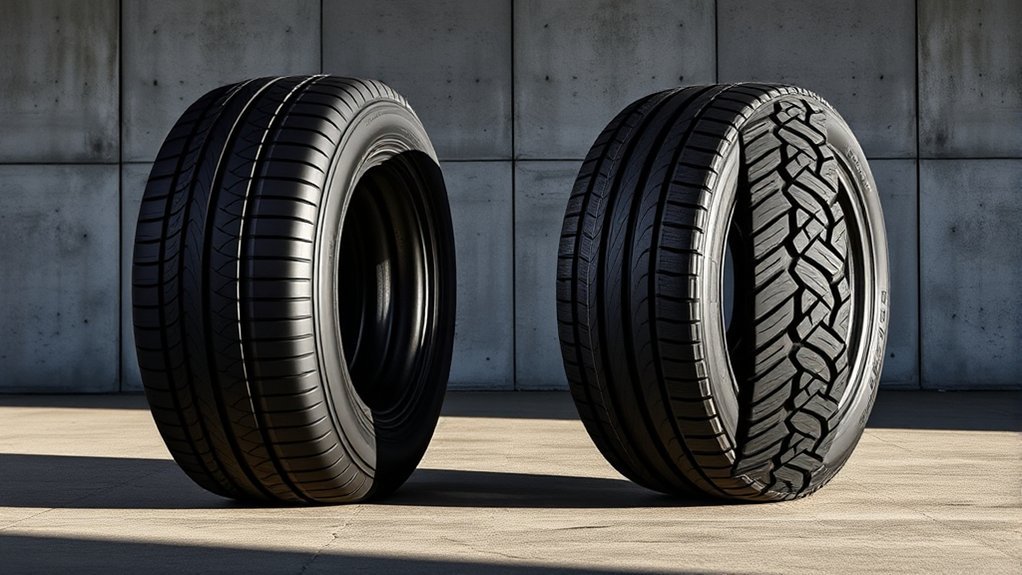
Choose symmetrical tires for your Hyundai Sonata if your main priorities are comfort, value, tread life, and simple maintenance. This is the best fit for many Sonata owners because the car is usually used as a comfortable midsize sedan, not a track-focused performance vehicle.
Symmetrical tires are especially sensible if you:
- Drive mostly on highways and city streets.
- Prefer a quiet, comfortable ride.
- Want easier tire rotation and even wear.
- Live in a mild climate without frequent snow or extreme rain.
- Want a good all-around tire at a reasonable price.
| Feature | Benefit for Sonata Drivers |
|---|---|
| Even tread layout | Helps support predictable wear when rotated correctly. |
| Simple rotation options | Can make maintenance easier on many non-staggered Sonata setups. |
| Comfort-focused design | Good match for daily commuting and long trips. |
| Wide availability | Usually easy to find in common Sonata tire sizes. |
When to Choose Asymmetrical Tires for Performance
Choose asymmetrical tires if you want your Sonata to feel more controlled in rain, curves, and quick lane changes. A good asymmetrical tire can improve confidence because each side of the tread has a different job.
These tires are a strong match if you:
- Drive often in wet weather.
- Want better grip when cornering.
- Own a sportier Sonata trim or use larger wheels.
- Prefer a more responsive steering feel.
- Are willing to pay more for handling and traction.
Enhanced Handling Capabilities
The main handling advantage of an asymmetrical tire comes from the outside shoulder. Larger and stiffer outer tread blocks can help the tire stay more stable when the car leans into a turn. On a Hyundai Sonata, that can make highway ramps, quick lane changes, and winding roads feel more secure.
This does not mean every asymmetrical tire will outperform every symmetrical tire. A premium symmetrical touring tire may still beat a cheap asymmetrical tire in comfort, braking, or tread life. Compare actual tire tests, ratings, warranties, and fitment before buying.
Improved Wet Traction
Asymmetrical tread patterns often use inner grooves and sipes to help move water away from the tire. That can help with wet-road control when the tire is properly installed and has enough tread depth.
Still, wet traction depends on more than tread layout. Rubber compound, tread depth, siping, tire age, air pressure, and road temperature all matter. If rain is your main concern, look for tires with strong independent wet-braking ratings and avoid driving on worn tread.
Do Not Confuse Asymmetrical and Directional Tires
Many drivers mix up asymmetrical and directional tread patterns, but they are not the same thing.
- Symmetrical tires have a balanced tread pattern across the tire face.
- Asymmetrical tires have different inner and outer tread zones and must be mounted with the correct side facing outward.
- Directional tires are designed to roll in one direction and usually have an arrow or V-shaped tread pattern.
This matters for rotation. A non-directional asymmetrical tire may be rotated to different wheel positions as long as the outside sidewall remains outside. A directional tire normally stays on the same side of the vehicle and rotates front to rear. A tire that is both asymmetrical and directional can have the most restrictive rotation rules.
Note: Before rotating tires, check the tire sidewall, your Sonata owner’s manual, and the tire manufacturer’s rotation guidance. Rotation rules can change if your vehicle has different front and rear tire sizes.
Tire Tread Impact on Fuel Efficiency and Comfort
Tread pattern can affect fuel efficiency and comfort, but it is not the only factor. Rolling resistance, tire weight, tread compound, air pressure, wheel size, and alignment all influence how your Sonata feels and how efficiently it drives.
Symmetrical touring tires are often tuned for low noise, smooth ride quality, and low rolling resistance. That makes them a natural fit for daily commuting. Asymmetrical tires may trade a little comfort or noise control for sharper handling, but many premium touring tires manage to balance both.
For fuel economy, the best move is to keep the tires inflated to the cold pressure listed for your vehicle. NHTSA advises using the vehicle manufacturer’s recommended cold tire pressure from the tire information placard or owner’s manual, not the maximum pressure molded on the tire sidewall.
[Products Worth Considering]

The SAFELIFE dial tire tread depth gauge measures tread depth in 1/32 inch increments with clear, easy-to-read 2-inch dial face. Color zones using a traffic light system help you quickly judge whether tread is low, marginal, or ample for safer driving. Built with a durable zinc cast body and a metal detect probe for precise, comfortable use across cars, motorcycles, trucks, and buses.

Accurately measure tire tread depth with a calibrated gauge marked from 0 to 1 inch in 1/32 inch increments. The color-coded bar helps you quickly identify tread condition ranges, supporting safe driving for trucks, motorcycles, automobiles, and passenger vehicles.

Monitor tire tread wear with a smart, color-coded depth gauge that shows clear condition ranges at a glance. The bar is range marked for fast, easy readings, helping you maintain safer traction and performance. Each gauge is portable with a pocket clip, and the set includes 20 units for daily use and sharing.
Key Factors for Selecting Tires for Your Hyundai Sonata
Before choosing symmetrical or asymmetrical tires, confirm the tire is correct for your specific Sonata. Model year, trim, wheel size, and load requirements can vary.
| Factor | What to Check | Why It Matters |
|---|---|---|
| Tire size | Use the size listed on your Sonata’s tire label or owner’s manual. | Wrong sizing can affect speedometer accuracy, handling, clearance, and safety systems. |
| Load index | Match or exceed the required load rating. | The tire must support the vehicle and passengers safely. |
| Speed rating | Match the rating recommended for your trim. | It affects heat resistance and high-speed capability. |
| Climate | Choose all-season, all-weather, summer, or winter tires based on local conditions. | A tread pattern alone cannot replace the right seasonal compound. |
| Driving style | Comfort commuting vs. responsive handling. | This helps decide between touring, grand-touring, performance, or all-weather tires. |
Hyundai states that the tire label on the driver’s side center pillar gives the recommended tire pressures for the vehicle. Use that label as your first reference when checking pressure or replacing tires.
Top Tire Brands for Your Hyundai Sonata
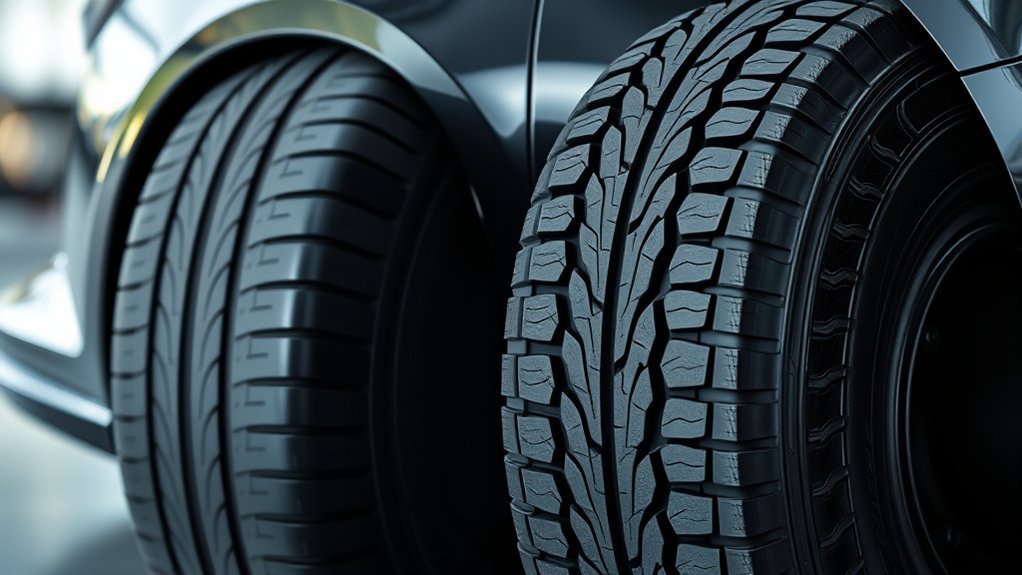
Several major tire brands make Sonata-friendly tires in touring, grand-touring, all-season, all-weather, and performance categories. The best model depends on your exact tire size and driving needs.
Popular Tire Options
If you want premium comfort and all-season control, the Michelin Primacy MXM4 is one example of a premium all-season tire that Michelin describes as offering wet braking performance, precision handling, comfort, and all-season longevity. If long wear, wet braking, and low road noise are priorities, the Continental TrueContact Tour is another example of a touring tire positioned around tread life, fuel savings, wet stopping, and comfort.
Goodyear, Bridgestone, Hankook, Pirelli, Yokohama, and Kumho also offer tires that may fit various Sonata years and trims. Do not buy by brand name alone. First confirm the correct size, load index, speed rating, season rating, and warranty.
Performance Comparison
| Tire Type | Best For | Trade-Off |
|---|---|---|
| Symmetrical touring all-season | Comfort, quietness, value, and easy maintenance. | May not feel as sharp in hard cornering. |
| Asymmetrical grand-touring all-season | Balanced comfort with better wet and dry handling. | Often costs more than basic touring tires. |
| Performance all-season | Sharper steering and better grip in mild weather. | May ride firmer or wear faster. |
| All-weather tire | Drivers who see rain, cold, and occasional snow. | May be noisier or less crisp than a performance tire. |
| Winter tire | Frequent snow, ice, and freezing temperatures. | Not ideal for warm-weather use. |
Maintenance Tips After Choosing Your Tires
The right tires will only perform well if they are maintained correctly. After installation, build these habits into your Sonata maintenance routine:
- Check pressure monthly when the tires are cold.
- Rotate tires on schedule using the pattern allowed by the tire and vehicle setup.
- Inspect tread depth across the inner, center, and outer tread zones.
- Watch for uneven wear, which may point to alignment, suspension, or inflation problems.
- Replace tires in matched sets when possible, or at least keep the same tire type and size on the same axle.
- Have a professional inspect damage if you see cracks, sidewall bulges, vibration, punctures, or repeated pressure loss.
The safest tire choice for a Hyundai Sonata is not just “symmetrical” or “asymmetrical.” It is the correctly sized tire, in the right category, inflated to the vehicle’s cold-pressure specification, and maintained on schedule.
Frequently Asked Questions
Are asymmetrical tires better for a Hyundai Sonata?
Asymmetrical tires can be better if you want stronger wet traction, sharper steering, and improved cornering stability. They are not automatically better for every Sonata driver, though. If comfort, price, quietness, and easy rotation matter more, a quality symmetrical touring tire may be the better choice.
Which tire is best, symmetrical or asymmetrical?
For everyday commuting, symmetrical tires are often the best value. For wet grip and more responsive handling, asymmetrical tires are often the better choice. The real “best” tire is the one that fits your Sonata correctly and matches your climate, driving style, and budget.
What type of vehicle usually uses asymmetrical tires?
Asymmetrical tires are common on performance cars, sporty sedans, premium touring cars, and some crossovers. They are also found on many everyday all-season tires because the split tread design can balance wet traction and dry handling.
What kind of tires does a Hyundai Sonata need?
A Hyundai Sonata needs tires that match the tire size, load index, speed rating, and cold inflation pressure listed for that specific vehicle. Most Sonata drivers are well served by quality touring, grand-touring, or all-season tires, while drivers in snow-prone areas may need all-weather or winter tires.
Can asymmetrical tires be rotated?
Many asymmetrical tires can be rotated as long as the side marked “outside” remains facing outward. However, directional tires and tires that are both directional and asymmetrical may have stricter rotation rules. Always follow the tire sidewall markings and manufacturer guidance.
Are symmetrical tires bad in rain?
No. A good symmetrical all-season tire can perform safely in rain when it has enough tread depth and proper pressure. Asymmetrical or directional designs may offer stronger wet-weather features, but tire quality, compound, tread depth, and maintenance matter more than the label alone.
Conclusion
For most Hyundai Sonata owners, symmetrical tires are the smart everyday choice because they are comfortable, practical, easy to rotate, and often more affordable. If you drive in frequent rain, want sharper handling, or prefer a sportier feel, asymmetrical tires can be worth the higher cost.
The safest answer is to choose by fitment first and tread pattern second. Check your Sonata’s driver-side tire label, match the correct size and ratings, choose the right tire category for your climate, and then decide whether symmetrical comfort or asymmetrical grip better fits your driving style.
Sources
- Continental Tires — Tire tread patterns — supports tread-pattern differences, wet grip, handling, rolling resistance, and rotation notes.
- Bridgestone — Tire tread patterns — supports symmetric tread description and rotation flexibility.
- Yokohama Tire — Tread Design — supports asymmetrical tread explanation and tread-element definitions.
- NHTSA TireWise — Tire safety — supports cold tire pressure and tire maintenance guidance.
- Hyundai Owner’s Manual — Tire specification and pressure label — supports using the driver-side center-pillar label for recommended tire pressure.
- Michelin Primacy MXM4 and Continental TrueContact Tour — supports current examples of touring/all-season tire positioning.
[Products Worth Considering]

This manual duck head tire changer kit makes tire installation and removal simpler by letting you embed the duck head into the tire with applied pressure. The integrated design and durable steel construction help reduce friction and improve efficiency and safety during use. Suitable for 16–21 inch wheels, it’s convenient for cars, trucks, SUVs, and ATV tires, with 24-hour after-sales support.

Cristal Products Untouchable Tire Shine Spray delivers a deep, wet-look gloss that enhances your vehicle’s tires. It’s quick-drying and spreads smoothly for consistent, streak-free coverage, while forming a protective coating against UV rays, road grime, and weather. Suitable for all tire types, it helps restore dull, faded tires to a showroom-quality finish.

The Milton S-693 straight foot dual head air chuck is designed for accurate tire pressure checks and quick, secure valve-core engagement with lock-on threads on both ends. With a 1/4" FNPT connection and a maximum 150 PSI rating, it’s built for use on inner duals and common vehicle tires, including trucks and RVs.

Related Articles

Danger of Using Summer Tires in Winter on a Hyundai Sonata
Potentially perilous, using summer tires in winter on your Hyundai Sonata can compromise safety—discover the hidden dangers that await you on icy roads.
Read More
Can You Mix Nitrogen and Air in Hyundai Sonata Tires? Answered
Discover the implications of mixing nitrogen and air in your Hyundai Sonata tires—are the benefits worth the risks? Explore the answer inside!
Read More
How to Tell If Hyundai Sonata Tires Are Too Old to Use Safely
Understand how to assess the age of your Hyundai Sonata tires and discover crucial signs of deterioration that could compromise your safety on the road.
Read More