
Where Are Cooper Tires Made?
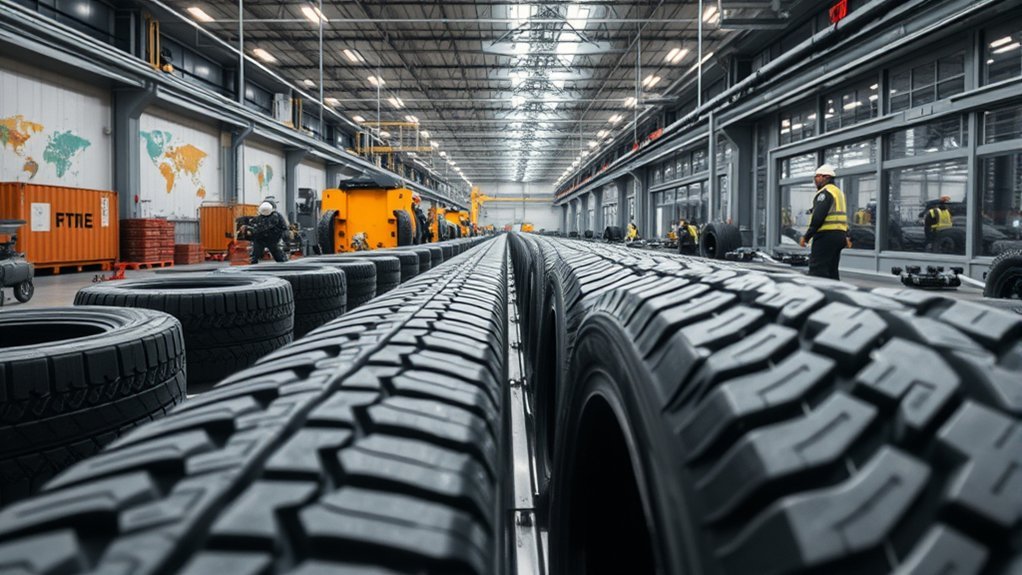
Cooper Tires are made in several countries, including the U.S., Mexico, Serbia, China, and other global plants, so the exact origin depends on the tire model you buy. You can find some Cooper tires produced domestically, while others come from overseas facilities that support regional demand and product mix. Manufacturing location doesn’t automatically determine quality, since plant standards, materials, and testing matter more. If you keep going, you’ll see how to identify your tire’s origin.
Key Takeaways
- Cooper Tires are made in multiple countries, including the United States, Mexico, Serbia, and China.
- Some Cooper tires are manufactured in U.S. plants, supporting domestic jobs and supply chains.
- Production is distributed globally, with different factories specializing in specific tire types and markets.
- The exact manufacturing country is shown on the tire sidewall near the DOT code or “Made in” label.
- Tire quality depends more on plant standards and inspections than on manufacturing location alone.
[Products Worth Considering]

These waterproof RGB LED bike spoke lights deliver bright, eye-catching visibility for safer night rides. With 14 LEDs and up to 30 pattern options, the light effects change every few seconds and create striking wheel designs. Motion-sensor automatic mode and a manual switch offer flexible control, while IP66 water resistance supports riding in wet conditions.

Black Magic Tire Wet delivers a deep wet-look shine that makes tires appear dark, rich, and freshly detailed. Its long-lasting formula helps resist rain, dust, and road grime for weeks of glossy protection, not days. Apply by spraying onto clean, dry tires—no buffing or wiping required—with a low-sling design to reduce splatter on paint and wheels.
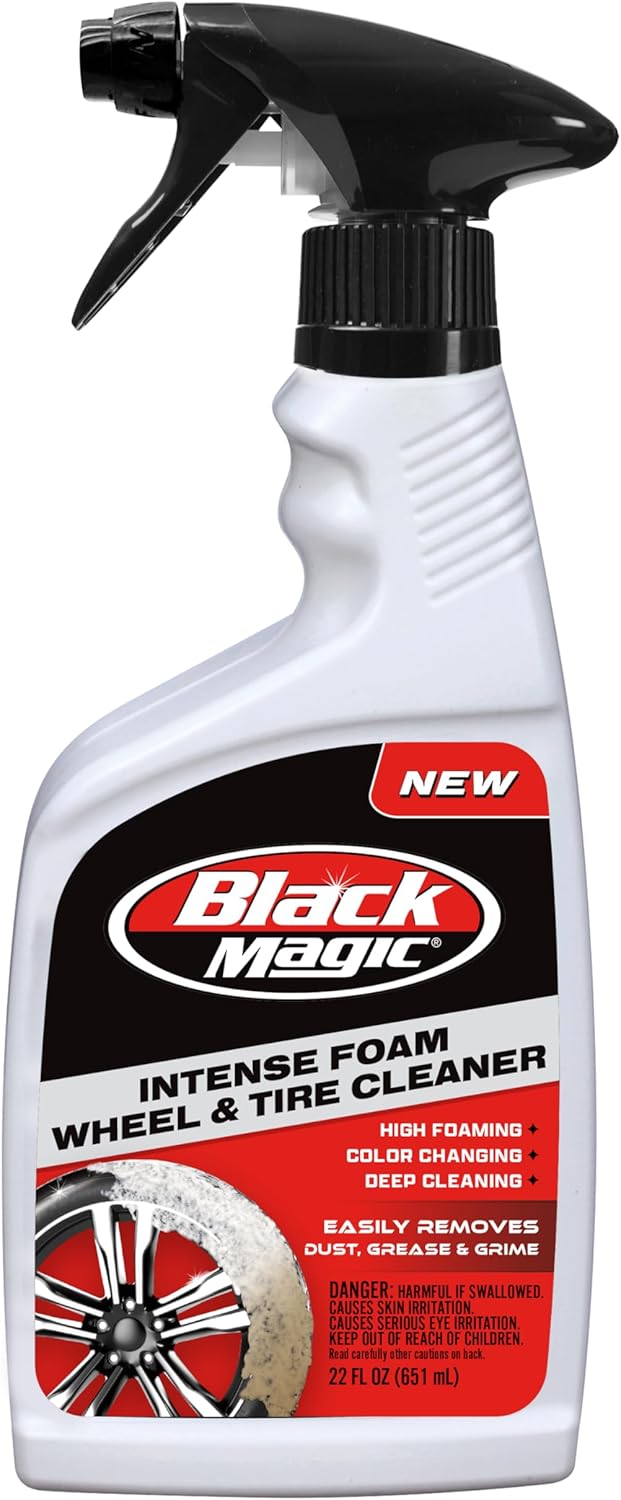
Black Magic Intense Foam Wheel & Tire Cleaner uses a high-foaming action to lift away dirt, grime, and brake dust without scrubbing. The color-changing formula helps show contaminants being dissolved as foam turns from white to brown. Safe for all wheel types and even wheel wells, it leaves a like-new, slick finish with a fresh cherry scent.
Where Are Cooper Tires Made?
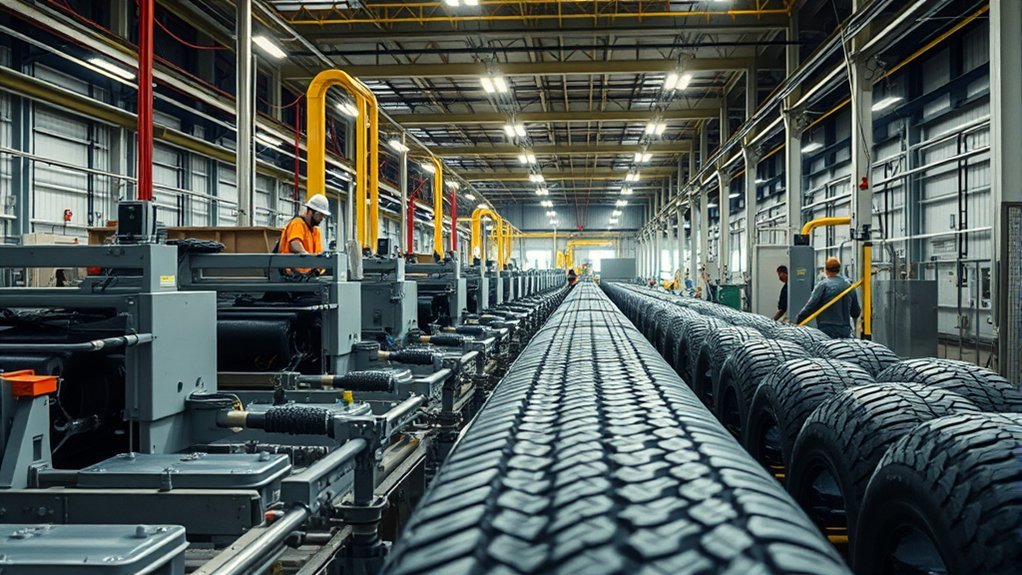
If you’re asking where Cooper Tires are made, the answer is more than one place: Cooper’s production network includes facilities in the United States, Mexico, Serbia, China, and other locations tied to its global operations.
You can treat this as a distributed manufacturing model, not a single-site system. Cooper history shows a company that scaled by expanding capacity and aligning plants with regional demand, logistics, and product mix.
That matters because tire innovations often depend on localized production, tighter supply chains, and specialized equipment.
You’ll also see that sourcing decisions reflect efficiency: plants can support passenger, light truck, and performance lines with different output profiles.
Are Cooper Tires Made in the USA?
Yes, you’ll find that Cooper Tires does make products in the USA, with manufacturing sites supporting its domestic output.
But you should also note that Cooper runs a global production network, so not every tire comes from a U.S. plant.
To verify a tire’s origin, check the sidewall markings or product documentation for the country of origin.
U.S. Manufacturing Sites
Cooper Tires does make tires in the United States, and its U.S. manufacturing footprint has long been a core part of the brand’s identity. You can trace output through U.S. factories that reflect regional differences in labor, logistics, and demand.
These plants support local employment and help sustain nearby suppliers, so the supply chain stays tighter and more responsive. You’ll also see manufacturing standards shaped by consistent quality controls, workforce training, and measured production capacity. That combination affects economic impact beyond payroll, including tax revenue and service spending.
Community relations matter too, because plant operations often tie into local schools and infrastructure. Environmental practices also influence site performance, especially when you compare energy use, emissions, and waste handling across facilities.
Global Production Network
Although Cooper Tires has meaningful U.S. production, its manufacturing network is global, so you shouldn’t assume every tire comes from American plants.
You’ll see that Cooper uses a diversified supply chain to balance capacity, labor costs, and market demand. That structure helps the company keep production efficiency high while reducing dependence on any single facility.
When you compare output across regions, you’ll notice that plant specialization matters: some sites focus on passenger tires, others on light truck or performance lines.
This spread lets Cooper match product volume with regional sales patterns and manage lead times more effectively.
For you, the key takeaway is simple: Cooper’s footprint is designed for flexibility, resilience, and scale, not just domestic sourcing.
Country Of Origin
If you’re asking whether Cooper Tires are made in the USA, the answer is partly yes: the company does produce some tires in American plants, but not all of them. You should expect a mixed country of origin, which affects brand reputation and consumer preferences.
| Country | Role |
|---|---|
| USA | Some production |
| Mexico | Some production |
| Serbia | Some production |
| China | Some production |
| Other markets | Sourcing support |
That mix means you can’t assume every Cooper tire is American-made. Check the sidewall and product specs if origin matters to you. For buyers focused on domestic manufacturing, the U.S. share may support your decision, but imported lines still shape overall availability. In practice, origin varies by model, so compare labels before you buy.
Which Cooper Tires Come From Each Plant?
To map Cooper’s production network, you need to look at the plant-by-plant lineup, because each facility tends to specialize in specific tire categories and sizes.
When you review Cooper’s tire plant locations, you’ll see that output often tracks with local production capacity and market demand. In the United States, different plants typically handle passenger, SUV, light truck, and some commercial applications, while overseas sites usually support regional fitments and volume balancing.
You can expect one plant to supply a broader range of all-season touring tires, while another focuses on higher-load or larger-diameter designs.
Cooper also shifts products among plants when capacity changes, tooling updates, or distribution needs require it. That means the exact tire you buy may vary by size and trim, even within the same model line.
For the most accurate source info, check the sidewall code or product listing before you buy.
How Cooper Tires Are Made
You can trace Cooper Tires’ process from raw materials through mixing, building, curing, and finishing, with each stage affecting tread uniformity and durability.
The manufacturing line relies on controlled temperatures, precise compound ratios, and automated assembly to keep output consistent.
Before a tire ships, you’ll see quality testing that checks balance, structural integrity, and performance against spec limits.
[Products Worth Considering]

Black Magic Tire Wet delivers a wet, black, glossy finish with just one quick spray. Its weather and rinse-resistant formula helps maintain shine for weeks, not days, and dries quickly to reduce sling. A self-healing formula fills small scuffs to defend the look, leaving no white, powdery residue.

Ride with added confidence using Blackburn inner tubes featuring anti-puncture technology and a 20% thicker tube to help prevent flats. Each set includes two tire levers to make removal and installation easier. Designed for compatible mountain and cruiser bikes with Presta valves.

Built for smooth-trail to technical single-track riding, these Blackburn mountain bike tires deliver superior traction and ultimate control with an optimized knobby tread. A protective layer under the tread enhances strength and puncture resistance, helping you stay confident on rough terrain. The carbon steel bead makes folding and unfolding the tire easier without damage.
Tire Manufacturing Process
Cooper Tires are made through a tightly controlled, multi-step process that starts with raw materials such as rubber, steel, and reinforcing textiles.
You’ll see tire materials measured and mixed to exact formulas, then formed into compounds for tread, sidewall, and inner liner layers.
Production techniques use automated extrusion, calendering, and bead building to shape each component with consistent thickness and alignment.
Next, you’ll have the parts assembled on a drum, where operators and machines build the green tire in a precise sequence.
The uncured tire then enters a press, where heat and pressure bond the layers and create final tread patterns.
This process emphasizes repeatability, material efficiency, and dimensional control, helping you understand how Cooper maintains manufacturing consistency across plants.
Quality Testing Steps
Once the tire comes out of the curing press, Cooper subjects it to a series of quality tests to verify that it meets size, balance, and structural standards.
You can expect automated gauges to check dimensions, while technicians inspect tread, sidewall, and bead integrity.
You’ll also see uniformity testing, which measures radial force variation and runout to spot vibration risks.
If a tire fails, Cooper removes it from the line for review, protecting overall quality assurance.
These testing procedures don’t stop at appearance; they validate performance against internal specifications and industry benchmarks.
By combining machine data with human inspection, Cooper reduces defect rates and keeps output consistent.
That’s how you get a tire that’s ready for distribution, mounting, and real-world driving conditions.
Does Where Cooper Tires Are Made Affect Quality?
Does the manufacturing location affect tire quality? Yes, but only indirectly. You’ll usually see similar performance when Cooper plants follow the same manufacturing standards, equipment controls, and inspection targets. That means location alone doesn’t decide durability, wet grip, or wear rate. Your quality perceptions may shift if you assume one country is better than another, but the data should guide you.
| Factor | Effect |
|---|---|
| Process control | Keeps variation low |
| Material sourcing | Influences consistency |
| Worker training | Supports precision |
| Plant audits | Verifies compliance |
| Testing protocols | Confirms performance |
You should focus on plant certification, process consistency, and test results, not geography. If two factories use the same specifications, you can expect comparable tires. Differences usually come from operational execution, not the map. In short, location matters less than how tightly the plant manages production, quality checks, and final validation.
How to Read a Cooper Tire Made-In Label
A tire’s made-in label gives you the quickest way to verify where it was produced, and it’s worth reading before you judge quality by country alone. You’ll usually find it on the sidewall near the DOT code or molded into the inner bead area.
Read the factory location, then match it with the plant code if it appears. That pairing improves manufacturing transparency and helps you confirm the tire’s origin without guessing.
- Find the full “Made in” line.
- Check the country, city, or plant code.
- Compare it with the DOT sequence for consistency.
Label significance matters because it tells you where Cooper assembled that specific tire, not where the brand is headquartered.
If the label is hard to spot, use the service manual or an online photo guide to identify the marking pattern. You’re looking for exact production data, not marketing language, so focus on stamped identifiers and ignore broad brand claims.
What Cooper Tire Origin Means for Value?
Cooper tire origin can influence value, but it doesn’t determine it by itself. You should compare manufacturing country with tread life, warranty, and test scores to judge value perception. Origin can affect shipping costs, labor, and brand loyalty, but performance data matters more. If two tires deliver similar wet braking and mileage, the lower-priced option often wins.
| Factor | Value impact |
|---|---|
| Manufacturing location | Can shift cost and perception |
| Tread life | Directly affects cost per mile |
| Warranty | Reduces your risk |
| Test results | Shows real performance |
| Brand loyalty | Can raise willingness to pay |
When you see a Cooper tire made in the U.S., Mexico, or another country, treat that as one data point. You get the best value when origin aligns with consistent quality, strong reviews, and a price that fits your budget.
Frequently Asked Questions
Do Cooper Tires Offer a Treadwear Warranty?
Yes, you can get treadwear warranties on many Cooper tires, but coverage varies by model. You’ll need to check warranty details for mileage limits, exclusions, and treadwear performance requirements before you buy.
Which Cooper Tire Models Are Best for Snow?
You’ll usually get the best snow performance from Cooper Discoverer True North, Discoverer Snow Claw, and Evolution Winter. Compare tread, siping, and compound in tire comparisons; you’ll want the most traction, braking, and handling.
How Often Should Cooper Tires Be Rotated?
You should rotate your Cooper tires every 5,000 to 8,000 miles, but check your owner’s manual. Regular tire maintenance improves wear; your rotation frequency may vary with driving style, alignment, and tire type.
Are Cooper Tires Good for Off-Road Driving?
Yes, you’ll find Cooper tires can handle dirt like boots on a trail, especially models with aggressive tread design and strong off road performance. You should choose the right line; some excel, others stay pavement-focused.
Where Can I Buy Authentic Cooper Tires?
You can buy authentic Cooper Tires from authorized tire retailers and Cooper’s official website, or trusted online shopping platforms that verify sellers. Check dealer listings, warranty registration, and DOT codes to confirm legitimacy before you order.
Conclusion
So, where Cooper tires are made matters more than you might think, but it doesn’t tell the whole story. You can trace each tire’s origin, compare plant standards, and judge value with facts, not guesswork. Like a modern road map, the label points you toward the journey, while performance decides the destination. When you read the data closely, you don’t just buy a tire—you make a smarter, more confident choice.
[Products Worth Considering]

Blackline Blackout is a water-based trim and tire dressing that restores rubber, vinyl, and plastic with a rich satin, blackout look. Its no-sling formula dries quickly and helps prevent messy transfer onto paint. The coating repels water and offers UV protection to help prevent fading, cracking, and discoloration for a clean, long-lasting finish.

Upgrade night rides with BLITZU LED bike wheel lights that boost visibility from all directions for safer low-light cycling. Choose from 7 colors and switch between constant and flashing modes for a fun, attention-grabbing look. The lights fit a wide range of bike sizes with no tools required and include batteries and an installation video for easy setup.

This compact tire repair kit includes a heavy-duty universal plug kit for fast roadside puncture repairs in most tubeless tires. It comes with a durable MOLLE storage pouch so you can keep the tools organized and easily store them in your UTV, ATV, truck, motorcycle, RV, or overlanding gear. Ideal for getting back on the road, trail, or job site with confidence.

Related Articles
Who Makes Kumho Tires? Brand and Factory Guide
From South Korea to global factories, find out who really makes Kumho tires—and why their production story may surprise you.
Read More
Are Michelin Tires Worth the Price?
Do Michelin tires justify their premium price, or are you paying for a badge; discover what really drives their value and decide for yourself.
Read More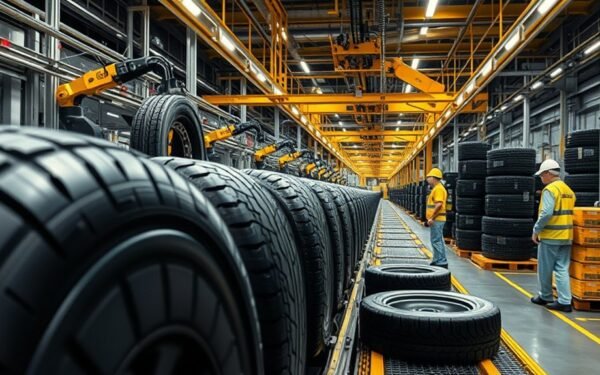
Where Are Continental Tires Made?
Originating from a global network of advanced factories, Continental tires are made in surprising places—find out which plant could be behind yours.
Read More