
Tire Warranties: What to Look For Before You Buy

Before you buy tires, check what the warranty covers, including defects, early tread wear, repair, replacement, or prorated refunds. Review mileage promises, exclusions like punctures, low pressure, impact damage, and weather, plus any rules for rotations, alignments, and service records. Compare claim steps, labor coverage, and deductibles, then match the warranty to your driving habits and roads. The details can change the value a lot, and the fine print reveals what matters most.
Key Takeaways
- Check what the warranty covers, including defects, treadwear guarantees, repairs, replacements, and prorated refunds.
- Review mileage limits and maintenance requirements, since rotations, alignments, and inflation records often affect claims.
- Know the exclusions, such as punctures, impact damage, poor maintenance, weather, chemicals, and tire-size mismatches.
- Compare claim rules, deductibles, labor coverage, and documentation requirements before buying.
- Match the warranty to your driving habits and conditions, and read the fine print for hidden limits.
[Products Worth Considering]

This AstroAI 2-pack pencil tire pressure gauge delivers accurate tire readings across common vehicle types, with a precision nozzle that seals on valve stems for reliable results. It measures PSI, kPa, and BAR within a 10–75 PSI range, includes an integrated deflator valve, and features an ABS indicator bar for easier pressure checks. A compact, pocket-friendly design and battery-free operation make it ideal for road trips and everyday maintenance.

AstroAI’s 12V tire inflator delivers fast inflation with a 25L/min flow rate and a digital gauge for real-time pressure monitoring. It features an auto shut-off that stops when the preset pressure is reached, plus a built-in storage compartment for easier portability. An LED light and easy-to-use controls help you inflate safely at night, while multifunction nozzles make it useful for cars, motorcycles, bikes, and inflatables.
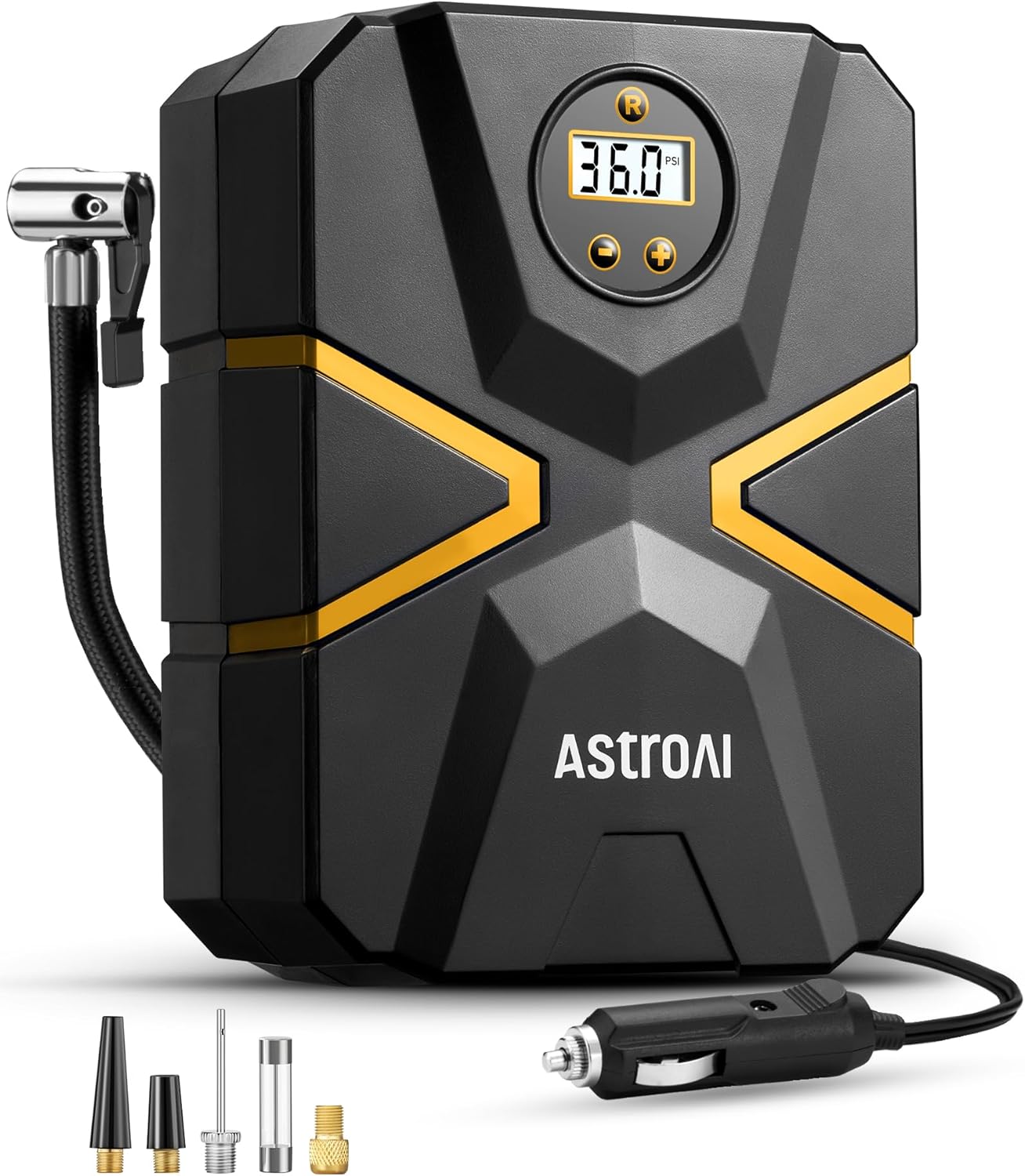
AstroAI S1 is a compact 12V DC tire inflator with a digital screen that shows real-time pressure for accurate inflation. Set your target pressure and the compressor automatically shuts off to help prevent overinflation. It supports fast inflation for car, motorcycle, bicycle, and sports balls, with an accessory kit and LED light for convenient use in emergencies.
What Tire Warranties Usually Cover
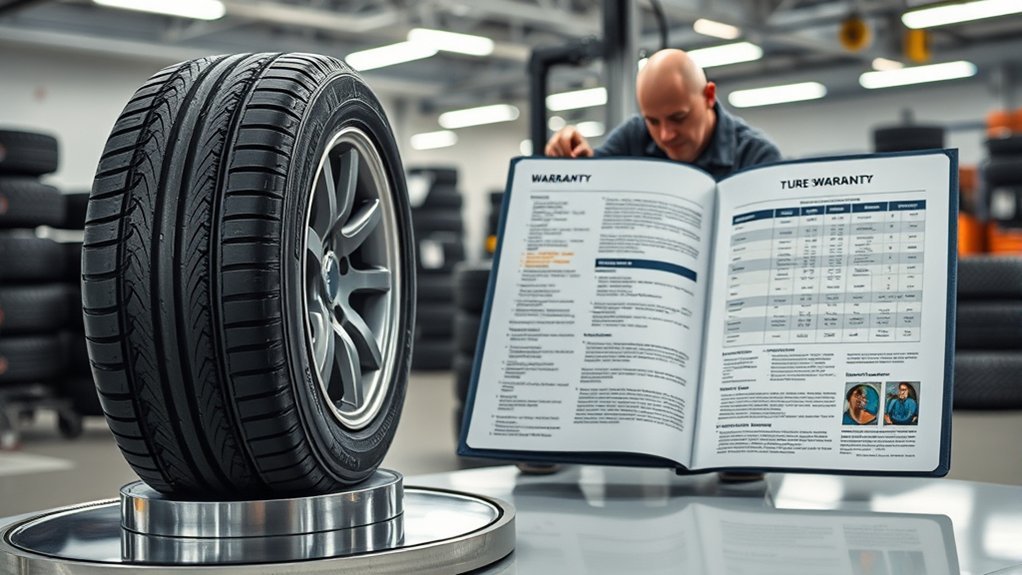
Tire warranties usually cover defects in materials and workmanship, so if a tire has a manufacturing flaw, you may be able to get a repair, replacement, or refund depending on the warranty terms.
You should review the tire warranty types before you buy, because coverage can differ by brand, model, and mileage rating. Some warranties protect against early tread wear, while others focus on structural problems or limited road hazard issues.
Read the mileage limits, time limits, and required maintenance rules so you know what counts as a valid claim. If you need help, follow the warranty claim process exactly: keep your receipt, note the tire’s DOT code, and contact the seller or manufacturer promptly.
You’ll usually need proof that you maintained the tires properly and rotated them on schedule. Clear records make it easier to get a quick decision and the coverage you paid for.
What Tire Warranties Don’t Cover
Just as important as knowing what’s covered, you should also understand what tire warranties usually exclude.
Tire warranty exclusions often surprise buyers, especially when common misconceptions make damage seem eligible. Most warranties won’t pay for problems caused by poor maintenance, such as low pressure, improper rotation, or worn alignment. They also usually exclude damage from road hazards, curb strikes, vandalism, racing, or overloading. If you misuse the tires, the warranty can be voided quickly.
Tire warranties often exclude damage from poor maintenance, road hazards, overloading, and misuse.
- Neglect: You must keep proper inflation and service records.
- Accidents: Punctures, impact breaks, and other sudden damage usually aren’t covered.
- Modification: Mixing sizes, mounting incorrectly, or changing the tire’s design can cancel protection.
- External causes: Weather, chemicals, and normal wear from driving conditions typically fall outside coverage.
Read the fine print before you buy so you know exactly where the warranty stops and your responsibility begins.
How Tire Treadwear Mileage Guarantees Work
While exclusions show where a warranty stops, treadwear mileage guarantees explain when you can expect help for normal wear. You buy a tire with a stated mileage promise, and the maker says it should last that long if you maintain it properly. When wear reaches the limit early, you may qualify for a prorated adjustment. Use treadwear indicators to spot uneven or excessive wear before you assume the warranty applies. Keep records of rotations, alignments, and inflation so your mileage expectations stay realistic.
| Step | What you do | Why it matters |
|---|---|---|
| 1 | Check the mileage promise | Sets your target |
| 2 | Inspect treadwear indicators | Shows remaining life |
| 3 | Save service receipts | Proves proper upkeep |
| 4 | Measure wear regularly | Flags problems early |
If your tires wear faster than expected, the guarantee may offset part of the replacement cost, but only after you’ve followed the maintenance rules.
[Products Worth Considering]

This heavy-duty tire pressure gauge combines measurement, inflation, and deflation in one compact tool for quick roadside and garage use. Its dual-head chuck helps reach inner and outer dual-wheel positions, while the clear indicator bar makes readings easy to see. Built for durability, it supports a wide pressure range and works across cars, trucks, RVs, SUVs, and motorcycles.

The AstroAI portable tire inflator delivers fast, accurate inflation with a TrueGauge digital display that reads pressure extremely frequently for safer driving. It inflates common car tires quickly, includes auto shut-off, and features a premium metal build with an ergonomic handle and anti-slip base. A built-in ultra-bright 12 LED emergency light and multi-adapter compatibility make it convenient for cars, motorcycles, bikes, and inflatables (not for truck tires).

The AstroAI tire inflator delivers dual power for 12V DC car use and 120V AC home use, making it convenient for travel and everyday inflations. Choose high-pressure mode for car, bike, and motorcycle tires up to 150 PSI, or use large-volume mode for low-pressure inflatables like air mattresses. An LED light, digital pressure display, preset shutoff, and memory for your last setting simplify each session. Dual metal motors, OmniVent heat dissipation, and a 15-minute continuous work limit help it run reliably between cool-downs.
How to Compare Coverage, Mileage, and Exclusions
How do you tell whether a tire warranty is actually valuable? Compare three things: what it covers, how many miles it promises, and what it excludes. Different tire warranty types protect against workmanship defects, road hazards, or treadwear, so read the exact terms before you buy. Consumer experiences often show that the fine print matters more than the headline promise.
- Check coverage limits. See whether the warranty pays for replacement, prorating, labor, or only the tire itself.
- Verify mileage terms. Match the promised mileage to your driving habits, rotation schedule, and vehicle use.
- Review exclusions carefully. Damage from misuse, alignment issues, racing, or improper inflation can void claims.
- Compare claim rules. You may need receipts, rotation records, and proof of maintenance to file successfully.
When you line up these details, you can judge the warranty’s real protection, not just its marketing language.
How to Choose the Best Tire Warranty Value
The best tire warranty value usually comes from the balance between price, coverage, and the way you actually drive. Start by matching tire warranty types to your needs: treadwear coverage may matter if you rack up miles, while road hazard coverage can help if you drive on rough streets.
Then check coverage limits closely. A longer warranty isn’t always better if the limits are narrow or the deductibles are high.
You should also compare what’s included, like prorated replacements, mounting fees, or repair support. If you drive mostly in the city, you may not need the most expensive plan.
If you travel often or carry heavy loads, broader protection can pay off. Read the fine print, because exclusions can shrink value fast. The best choice gives you realistic protection without forcing you to pay for benefits you’ll never use.
Frequently Asked Questions
How Do I File a Tire Warranty Claim?
You’ll file a tire warranty claim by contacting the retailer or manufacturer, then follow their claim process. Gather proof of purchase, photos, and tire details. Check warranty coverage first, since requirements and exclusions vary.
Do Tire Warranties Transfer to a New Owner?
Usually, yes, but only by coincidence of brand terms. You’ll need to check warranty transferability and your owner responsibilities, since many warranties limit coverage, require registration, or exclude second owners altogether.
What Proof Is Required for Warranty Service?
You’ll usually need proof of purchase, plus any warranty documentation requirements, like the original receipt and tire serial numbers. Keep your maintenance records too, since dealers often ask for rotation, alignment, and inspection evidence.
Can I Buy Extra Tire Warranty Coverage?
Yes, you can often buy extra tire warranty coverage. Think of it like an umbrella in a 30% storm forecast: it’s tire protection that may save you money. You’ll want extended coverage before damage happens.
How Long Does Tire Warranty Approval Take?
Approval often takes a few days to a few weeks, depending on warranty processing and the approval timeline. You’ll speed it up by submitting receipts, photos, and maintenance records right away and following up promptly.
Conclusion
When you buy tires, think of the warranty as a map for the road ahead. It can guide you through unexpected wear, but it won’t steer you around every pothole or storm. You’ll get the best value when you compare coverage, mileage promises, and exclusions before you choose. Read the fine print, ask questions, and match the warranty to how you really drive. That way, you won’t just buy tires—you’ll buy peace of mind.
[Products Worth Considering]

AstroAI’s tire pressure gauge with inflator helps you check and adjust car tire pressure accurately for safer, smoother driving. It offers 3-in-1 operation to inflate, deflate, or measure pressure, with an easy-to-read 2.5-inch glow dial and a heavy-duty air chuck for convenient use. Universal compatibility supports Schrader-valve tires and quick-connect 1/4" NPT air compressors for quick maintenance.

Replace worn pool cleaner tires with this all-purpose C10 tire set made to fit compatible Polaris automatic pool cleaners. The tires are designed for maximum traction while helping protect your pool finish, and they match Polaris OEM size and material. Each pack includes three new tires in sealed bags.

Autel MX TPMS sensors combine 315MHz and 433MHz in a single easy-to-install press-in design for faster tire service. They support wireless programming with strong signal performance, and the sensors are clone-able for streamlined replacement. Built for reliability and tested to SAE standards, each sensor includes a series number for quality control.

Related Articles

What Is a Demo Tire? Should You Buy One?
Usually near-new, a demo tire can save money—or hide surprises, so would you know what to inspect before buying one?
Read More
Why Are Tires So Expensive? Cost Breakdown
Premium tires cost far more than rubber alone, and this breakdown reveals the hidden materials, engineering, and brand factors driving prices.
Read More
Where Can You Sell Used Tires? Best Options
Just the best places to sell used tires—and which ones pay fastest or highest—might surprise you.
Read More