
Do Tires Come With Rims? What You Actually Get
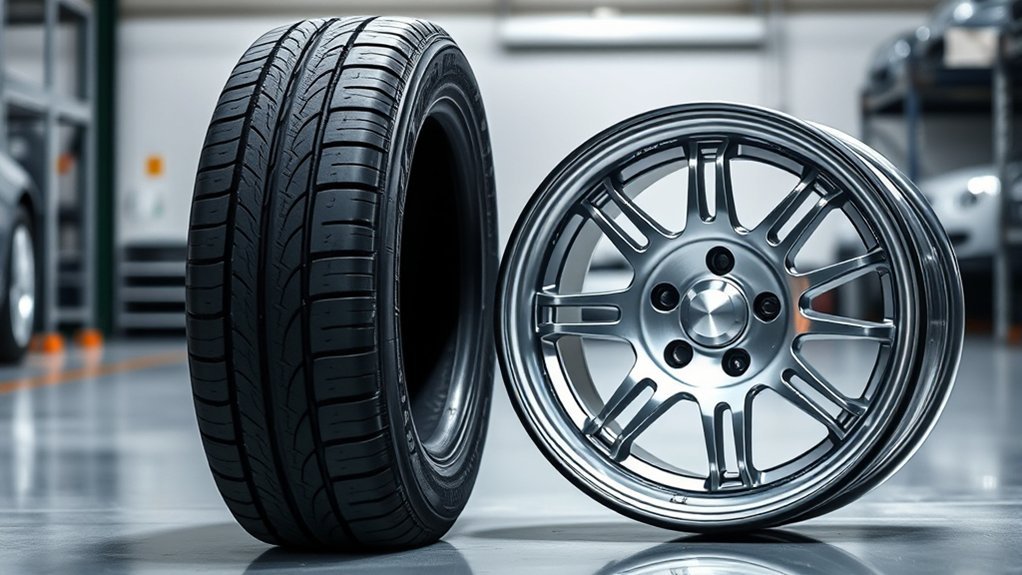
Tires usually don’t come with rims unless the listing says they’re a mounted wheel package. A tire is the rubber part that grips the road, while the rim holds it in place and the wheel includes the full assembly. Sellers often list them separately so you can choose the right fit, style, and price. If you’re buying online, check the product details carefully, because what’s pictured isn’t always what you’ll actually get, and there’s more to know.
Key Takeaways
- Tires usually do not come with rims unless the listing says they are a mounted package.
- Product photos can show tires on rims, but images alone do not confirm both are included.
- A “wheel and tire package” typically includes matching tires, rims, and often mounting, balancing, and TPMS sensors.
- Tires and rims are sold separately because they wear out differently and need different compatibility checks.
- Always read the product description and ask the seller to confirm exactly what is included before buying.
[Products Worth Considering]

Replace worn or malfunctioning GM TPMS sensors with this 433MHz pre-programmed sensor set designed for compatibility with many Chevrolet, Buick, GMC, and Cadillac models. It includes guidance for proper OBDII relearning/pairing after installation and supports reliable long-term operation with a high-performance CR2032 battery. Quality tested for durability and performance to help restore accurate tire pressure monitoring.

Replace worn or missing TPMS sensors with a pre-programmed 4-pack designed for compatible GM vehicles. These 315MHz sensors provide real-time tire pressure monitoring and alert you if pressure is too high, too low, or if a rapid air leak occurs. Most installations are ready with minimal relearn effort after mounting, helping improve safety and driving confidence.
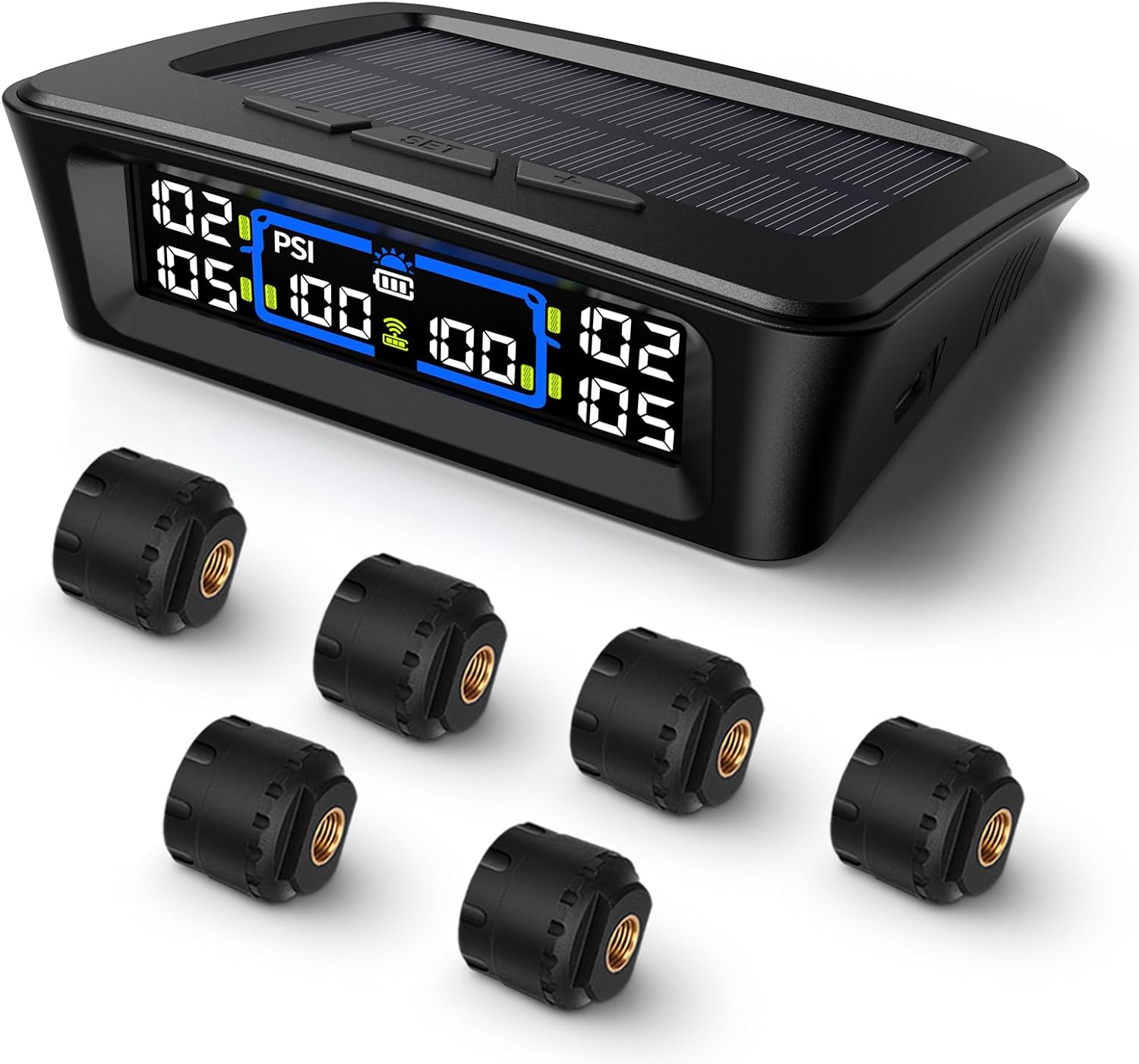
The Tymate TM12 RV TPMS delivers real-time tire pressure and temperature monitoring with a stable 433Hz display for safer long-distance driving. It supports simultaneous monitoring across vehicle and trailer zones, includes six alarm modes for pressure, temperature, leakage, battery, and signal loss, and features easy DIY installation with auto calibration. Power is supplied via USB-C charging or solar recharging, with a wide 0–144 PSI range and up to 50 ft signal coverage for RVs and towable trailers.
Do Tires Come With Rims?
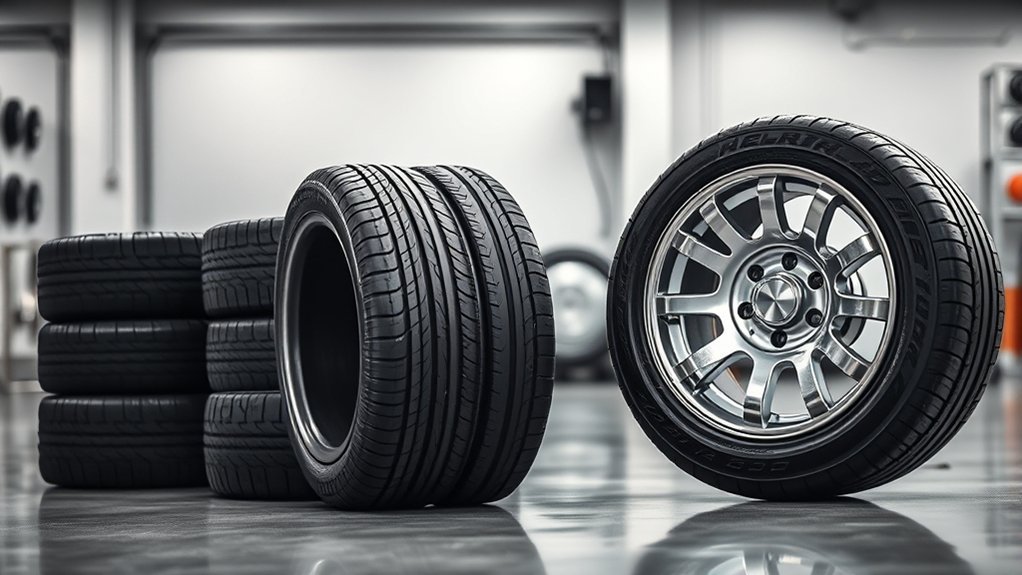
Usually, no—tires are sold separately from rims, so when you buy a tire, it typically doesn’t include the rim unless the listing clearly says otherwise. You should assume tires and rims are separate unless the product description says it’s a mounted package.
Many retailers offer images of tires already mounted for display, but that doesn’t mean you’ll receive both parts. Because tires are sold without rims in most cases, you should verify with sellers before you order. Ask whether the price includes mounting, valve stems, or balancing.
Product images can be misleading—check with the seller to confirm whether mounting, valve stems, or balancing are included.
Separating the purchase also gives you more customization, since you can choose each part for style, fit, and performance characteristics. That flexibility helps you match your vehicle’s needs more precisely.
Always check compatibility with your vehicle and confirm exactly what’s included. A quick message to the seller can prevent confusion, returns, and unexpected costs later.
Tires vs. Rims vs. Wheels
You can think of tires as the rubber part that grips the road, while rims are the metal pieces that hold the tire in place.
The wheel is the full assembly that combines the rim, spokes, and hub into one unit.
When you know how they differ, you can make better choices for safety, performance, and appearance.
Tires Grip The Road
Tires are the flexible rubber part that actually grips the road, while rims are the metal or alloy frames that support the tire beads and form part of the wheel assembly.
You rely on tires for traction, impact absorption, and load support because they’re the only part touching the road. Different tire sizes and types, including performance tires, affect grip, ride quality, and handling in specific conditions.
Rims mainly influence your vehicle’s appearance and can also affect handling, but they don’t provide road contact.
When you compare tires, rims, and the wheel assembly, you can make an informed decision about what you need. If you’re buying replacements, tires are often sold separately, though some arrive pre-mounted and balanced for easier installation.
Rims Hold The Tire
Although tires and rims work together, they aren’t the same thing: the rim is the metal or alloy structure that holds the tire in place, while the tire is the flexible rubber part that grips the road.
You rely on rims for stability, alignment, and secure mounting within the wheel assembly, which also includes spokes and the hub. Your tires absorb shocks, support vehicle weight, and improve traction, while rims help maintain structural integrity and proper performance.
Because rims and tires are usually sold separately, you can choose each part to match your vehicle specifications. If you want convenience, mounted tire packages combine both.
Understanding how rims differ from tires helps you make an informed decision about handling, appearance, and safety.
Wheels Combine All Parts
A wheel is the complete assembly that brings the rim, spokes, and hub together, while the tire is the rubber part that wraps around it for traction and shock absorption.
When you compare tires and wheels, you’ll see that rims are separate from the rubber, but they work as one unit on your vehicle. You can buy new wheels by matching wheel size and bolt pattern to your car’s specs.
Most shops sell rims and tires separately, so you choose each part for fit, style, and performance. If you want convenience, look for packages that come ready to install, often with lug nuts and TPMS sensors included.
Knowing the difference helps you pick the right complete assembly and avoid costly fitment mistakes.
Why Tires and Rims Are Sold Separately
Rims and tires are usually sold separately because that gives you more flexibility when choosing performance, style, and budget. You can match tires and rims to your driving needs, your aesthetic preferences, and your vehicle hub requirements without buying parts you don’t want. It also makes tire swaps simpler, since your tires may wear out long before the rims. Because tires often need replacement every 40,000 to 60,000 miles, separate sales can be more cost-effective over time.
| Factor | Tires | Rims |
|---|---|---|
| Lifespan | Replace often | Last longer |
| Compatibility | Tread, size | Bolt pattern, offset |
| Cost | Varies by performance | Can be budget-friendly |
| Use | Grip and ride | Fitment and style |
| Retail benefit | Easier demand shifts | Better inventory control |
You still need to check compatibility before you buy, but sold separately, you get more control and fewer compromises.
What’s Included in a Wheel and Tire Package
A wheel and tire package usually includes four matching tires and wheels made for your vehicle, so you get a proper fit and reliable performance.
You’ll also get services and add-ons like mounting, balancing, TPMS sensors, lug nuts, center caps, hub rings, and valve stems.
This setup gives you a ready-to-install solution and can save you money compared with buying each part separately.
[Products Worth Considering]

The TYAMATE TM8 solar-powered wireless TPMS delivers real-time tire pressure and temperature monitoring with six alarm modes for safer driving. A vibrant color LCD display shows readings clearly while windshield mounting keeps it hands-free and easy to read. With a wide 0–87 PSI range, strong 433.92 MHz signal transmission, and quick sensor pairing, it’s ideal for RV, sedan, SUV, MPV, and truck use.

This 3-piece wheel and tire brush set makes it easy to clean light, medium, and heavy dirt from wheels, rims, tires, and exterior surfaces. It includes both soft and stiff bristle options for gentle scrubbing and tough grime removal, helping lift brake dust and road buildup. The long-handle design supports comfortable cleaning across cars, trucks, SUVs, RVs, motorcycles, and more, with simple care instructions to restore brush shape.

Autel MX TPMS sensors combine 315MHz and 433MHz in a single easy-to-install press-in design for faster tire service. They support wireless programming with strong signal performance, and the sensors are clone-able for streamlined replacement. Built for reliability and tested to SAE standards, each sensor includes a series number for quality control.
Package Components
Most wheel and tire packages include four matching wheels and tires built to fit your vehicle’s specifications, so you get the right size, load rating, and performance from the start.
In a wheel and tire package, you usually get a specific tire matched to each wheel, plus free mounting and balancing so the set arrives pre-mounted and balanced.
You’ll also see a tire pressure monitoring system, whether the sensors are new or transferred from your old setup.
Most packages include vehicle-specific lug nuts, hub rings, valve stems, and center caps to help everything fit correctly and look consistent.
Because the components are matched for your vehicle, you can install the package faster and avoid guesswork.
This setup makes upgrading simpler and helps guarantee proper fitment right away.
Add-Ons And Services
Beyond the basic wheel-and-tire set, many packages also include helpful add-ons and services that make installation easier for you. You’ll often get TPMS sensors, lug nuts, center caps, hub rings, and valve stems, along with professional mounting and balancing services.
Many retailers also transfer or install sensors at no extra charge, so the tires come ready for quick setup. These add-ons and services help guarantee compatibility with your vehicle specifications, including bolt pattern, offset, and load ratings, reducing the risk of fitment problems.
When packages cost less than buying parts separately, you save money and time. Because the wheels and tires are matched, you avoid guesswork and get a safer, cleaner result that’s ready for the road.
How to Check Tire and Rim Listings Before Buying
When you’re checking tire and rim listings before buying, start by looking for phrases like “Set of 4 Tires + Rims” to confirm both parts are included.
Read the product description carefully, because tires work differently depending on whether they’re mounted on rims or sold separately. Most tires are usually sold separately, so don’t assume rims and tires come together unless the listing says so.
Read the product description carefully, since tires are often sold separately unless the listing clearly says otherwise.
Review every image, too: if the photos show tires mounted on rims, make sure the text matches. If anything seems unclear, contact the seller directly and ask exactly what’s included. That simple step helps you make an informed decision and avoids surprises at checkout.
It can also help you compare offers from tire shops and spot real cost savings when a package includes both components. Clear listings save time, reduce confusion, and help you buy the right setup the first time.
When to Reuse Old Rims or Replace Them
If your old rims are still structurally sound, you can often reuse them with new tires, as long as they match your vehicle’s bolt pattern, offset, and other fitment specs. That choice can save money, but only if compatibility is solid and safety isn’t compromised.
Check the rims closely before you buy tires.
- Inspect for cracks, bends, and corrosion.
- Confirm the rims fit the new tires and vehicle specs.
- Replace rims that show damage, warping, or heavy wear.
- Ask a professional to assess older rims if you’re unsure.
Regular inspections help you catch problems early and protect performance.
Even small defects can affect balance, handling, and tire wear. If the rims have been in service for years, a shop can tell you whether reuse still makes sense or if you should replace them now.
Frequently Asked Questions
Is $600 for 4 Tires Good?
Yes, $600 for four tires is often good if you’re getting solid tire quality from reputable tire brands. Check rim compatibility and rim materials, and add installation costs. Seasonal tires, buying used, and maintenance tips can change value.
Is It Cheaper to Buy Rims and Tires Together?
Yes, you usually save money buying rims and tires together; a stitch in time saves nine. You’ll improve Tire compatibility, Rims selection, Buying benefits, Specialty tires, Seasonal considerations, Online purchasing, Installation costs, and Brand comparisons.
Should You Buy Tires With Rims?
Yes, you should buy tires with rims when you want easier installation, matched Tire types, and fewer compatibility issues. You’ll compare Rim materials, Installation costs, Custom options, Seasonal tires, Performance upgrades, Maintenance tips, Buying guides.
Do You Have to Get New Tires When You Get New Rims?
No, you don’t have to. If your tires fit the new rims, you can reuse them. Check tire compatibility, rim types, tire sizes, and warranty considerations, since installation costs, performance differences, budget options, and seasonal tires matter.
Conclusion
So, do tires come with rims? Usually not. You’ll typically buy tires and rims separately unless you order a wheel-and-tire package or a mounted set. That means you should always check the listing before you buy. Knowing the difference helps you avoid surprises and pick the right fit for your vehicle. Think of it like buying shoes and laces—you don’t always get both unless the seller says so.
[Products Worth Considering]

This professional wheel and rim brush kit makes it easy to lift brake dust, grime, and dirt from wheels and tires without scratching finishes. The brushes feature soft, metal-free wool heads and a flexible 360-degree rim brush design for reaching hard-to-clean areas. Includes multiple brush types plus accessories for thorough car, motorcycle, and general vehicle detailing.
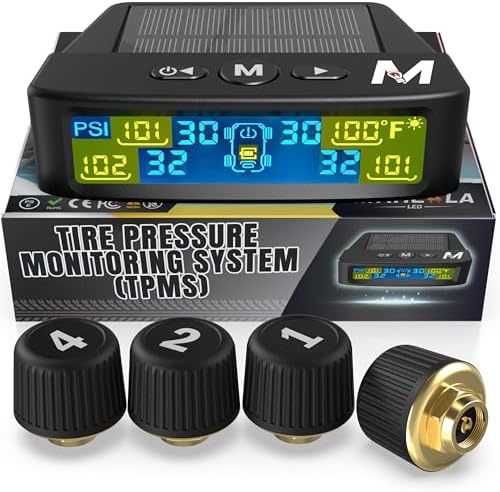
Marcala’s TPMS set of four sensors helps you monitor tire pressure and temperature in real time while driving, with updates every second. The bright color LCD uses auto-dimming for easy viewing, powered by dual solar and USB charging, and offers six alarm modes. Built for trailers, RVs, campers, trucks, and towing setups, the sensors support monitoring 1-4 wheels up to 98 PSI with IP67 waterproof protection.

Replace your worn or missing TPMS sensors with pre-programmed, direct-fit sensors for compatible Ford, Lincoln, and select Mazda models. Each sensor comes ready to activate with a scan tool, helping restore accurate tire pressure monitoring and trouble-free installation. Built with a long-life CR2032 battery and tested before factory release, this set provides dependable performance with a one-year warranty.

Related Articles
Firestone Tire Installation Cost: Full Price Guide
Compare Firestone tire installation costs and discover what hidden fees could change your final bill.
Read More
Tire Rack vs Costco: Which Is Better for Tires?
Pick the better tire deal between Tire Rack and Costco before hidden differences change your choice.
Read More
How Much Does It Cost to Install Rims?
Need to know what installing rims really costs? Discover the hidden fees and price factors before you pay more than you should.
Read More