
Tire Buying and Maintenance Guide: Everything to Know
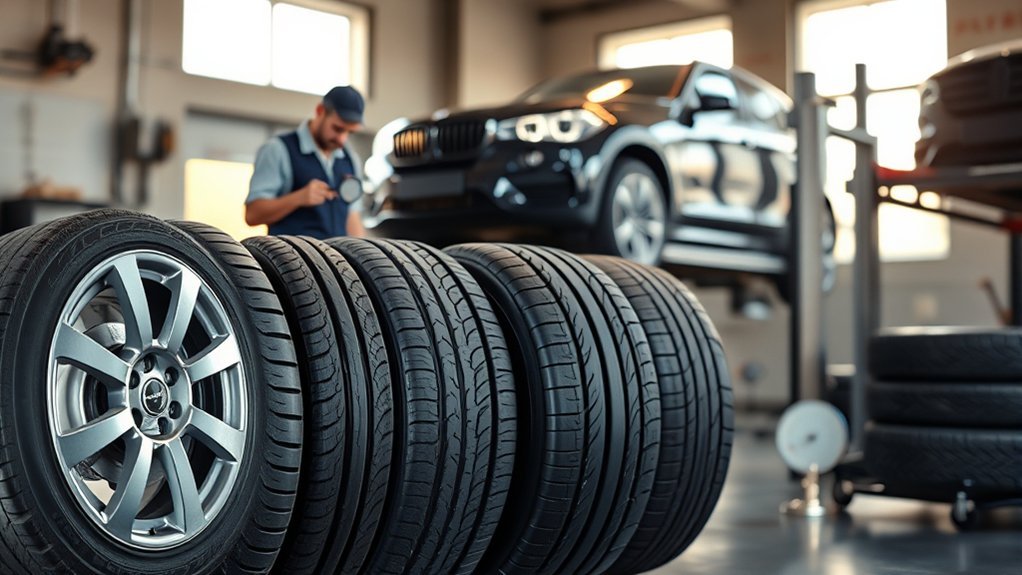
You should replace tires when tread is worn, sidewalls crack, bulges appear, or vibration and pulling suggest internal damage; don’t ignore air loss or use tires past six years. Read size, load index, and speed ratings to match your vehicle. Choose all-season, winter, summer, or all-weather tires based on climate and use. Compare tread-life warranties, then rotate every 5,000 to 7,500 miles, keep pressure correct, and inspect run-flats and fitment carefully to get more from every mile.
Key Takeaways
- Replace tires when tread is shallow, sidewalls crack, tires bulge, or every six years.
- Choose tire size, load index, speed rating, and type based on vehicle needs and driving conditions.
- Compare tread-life ratings, UTQG scores, and warranties to judge long-term value.
- Rotate tires every 5,000 to 7,500 miles, check pressure monthly, and maintain alignment and balance.
- Consider run-flat tires for puncture protection, but verify fitment and expect a firmer ride.
[Products Worth Considering]

Monitor tire tread wear with a smart, color-coded depth gauge that shows clear condition ranges at a glance. The bar is range marked for fast, easy readings, helping you maintain safer traction and performance. Each gauge is portable with a pocket clip, and the set includes 20 units for daily use and sharing.

Measure tire tread depth quickly and accurately with this LUMITECO dial gauge that reads in 1/32" increments up to 14/32". The color-coded green/yellow/red zones make it easy to judge tire wear and know when replacement is needed. A rugged, compact design with a protective pouch helps keep the gauge ready for use on cars, trucks, motorcycles, and more.

Accurately measure tire tread depth with a calibrated gauge marked from 0 to 1 inch in 1/32 inch increments. The color-coded bar helps you quickly identify tread condition ranges, supporting safe driving for trucks, motorcycles, automobiles, and passenger vehicles.
How Do You Know It’s Time for New Tires?
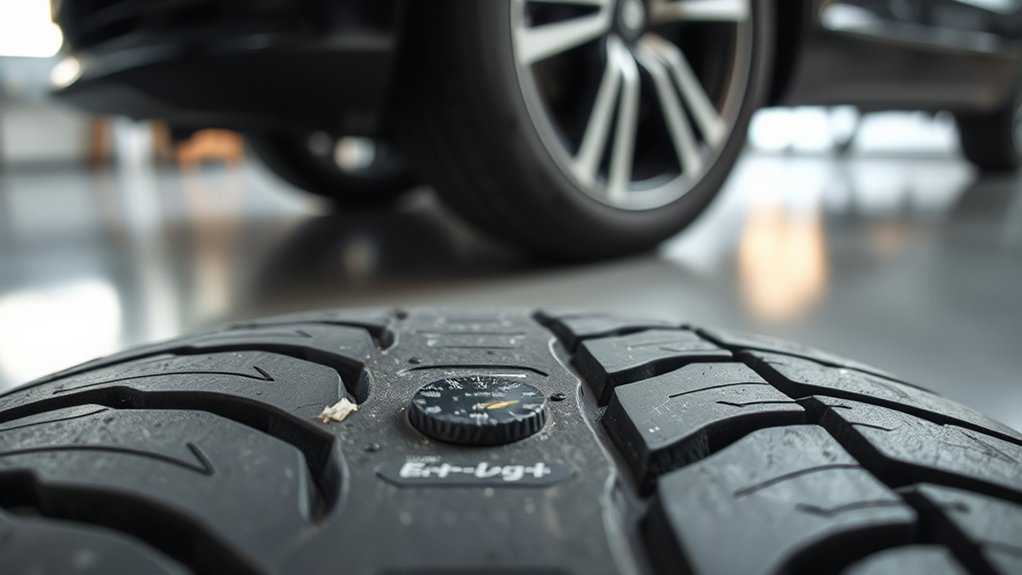
You know it’s time for new tires when the tread gets too shallow, and the penny test gives you a quick check: if Abraham Lincoln’s head is visible, the tires are likely worn past safe limits.
You should inspect your tires regularly for uneven tread, cuts, sidewall cracks, or bulges; these visible signs of damage mean replacement isn’t optional.
Inspect tires regularly for uneven wear, cuts, cracks, or bulges—visible damage means replacement is required.
If you feel vibrations, hear thumping, or notice pulling to one side, your worn tires may be failing internally.
Check tire pressure often, too; repeated air loss can point to damage or excessive wear.
Don’t ignore age of your tires: manufacturers recommend replacing them every six years, even if the tread looks acceptable.
Age reduces rubber integrity and shortens tire life.
When any of these warnings appear, it’s time for new tires, not a delay.
Addressing problems early helps you maintain control, protect handling, and reduce the risk of sudden failure on the road.
How to Read Tire Size and Ratings?
You can read a tire size code like P195/60R16 by checking the vehicle type, section width, aspect ratio, construction, and rim diameter.
Next, use the load index to confirm the tire can support your vehicle’s weight and payload.
Then verify the speed rating so the tire’s maximum safe speed matches your driving demands.
Reading Tire Size Codes
A tire sidewall code tells you the tire’s basic size and performance limits at a glance, and learning to read it helps you match the right tire to your vehicle and driving needs. You’ll see tire size written like P195/60R16 85H: P means passenger tire, 195 is tire width, 60 is aspect ratio, R means radial, and 16 is rim diameter. The load index and speed rating follow the size code. Understanding tire markings also helps you compare M+S and the UTQG rating for tread life, tread pattern, traction, and temperature.
| Code | Meaning | Example |
|---|---|---|
| P195/60R16 | Size | Passenger radial |
| 85H | Capacity and speed rating | Load index 85, H speed |
| UTQG | Performance info | Tread life data |
Use the code to choose correctly.
Understanding Load Index
The load index is the number on the tire sidewall that tells you how much weight that tire can safely carry when it’s properly inflated. You’ll usually see it after the tire size, such as 245/40R18 95V, where 95 is the load index.
That load rating shows the tire’s maximum load-carrying capacity; higher numbers support more weight. For example, an index of 85 carries about 1,100 lbs.
Match the load index to your vehicle specifications to protect safety and performance. Check your owner’s manual or the driver’s door jamb placard for the correct value.
Don’t ignore it, because an undersized tire can overload the tire’s tread and lead to tire failure. Always choose tires that meet the required load index.
Decoding Speed Ratings
Speed ratings appear as a letter on the tire sidewall and show the maximum safe speed the tire can handle when properly inflated, with ratings ranging from L to Y and higher letters generally supporting higher speeds and sharper handling.
You’ll usually see H, V, or Z; H tops out at 130 mph, V at 149 mph, and Z exceeds 149 mph.
Choose a rating that matches or exceeds your owner’s manual and door placard, because lower speed ratings can reduce handling and control and raise failure risk.
Your tire manufacturer may note that higher ratings can shorten tread-life warranty coverage.
Always compare speed ratings with load index, since both determine safe tire choice and overall performance.
Which Tire Type Fits Your Driving Needs?
Choosing the right tire starts with matching the tire’s strengths to your climate and driving habits. In this tire buying guide, you should compare tire types by traction, temperature range, and performance, not just price.
All-season tires suit mild weather and mixed roads, but they won’t match winter tires in snow or ice. Summer tires deliver sharp steering and strong grip above 40°F, yet cold pavement reduces their traction.
All-season tires handle mild conditions, while summer tires grip best above 40°F and lose traction in the cold.
If you drive through harsh winters, winter tires give you the safest bite on packed snow and ice. All-weather tires bridge the gap, giving year-round usability with snow traction close to winter options. High-performance all-season tires suit you when handling matters and you still want one set for daily use.
- Match tread design to your driving needs.
- Check weather patterns before you buy.
- Prioritize traction over convenience when conditions demand it.
All-Season vs. Winter vs. Summer Tires
Once you know what kind of driving you do, the next step is comparing all-season, winter, and summer tires by how they actually perform. You’ll see three main tire types:
| Tire type | Strength | Best use |
|---|---|---|
| all-season tire | balanced traction | mixed weather conditions |
| winter tires | maximum snow grip | freezing roads |
| summer tires | sharp handling | warm pavement |
| high-performance all-season | better steering | year-round driving |
| all-weather tires | strong snow traction | variable climates |
An all-season tire gives you practical performance in most weather conditions, but it isn’t ideal in severe snow unless it carries the snowflake symbol. Winter tires use a flexible tread pattern and compound to keep traction in cold, icy conditions. Summer tires deliver the best steering response and cornering grip above 40°F, but they lose traction when temperatures drop. If you want the best price, match the tire to your climate, not just the label.
How to Compare Tread Life, Warranties, and Price
You should compare tread life by checking the tread-wear rating on the tire sidewall and the UTQG rating, since higher values usually indicate longer service life.
Review the warranty coverage for mileage limits, pro-rated credits, and any conditions that affect claims, because those details give you a better estimate of real-world longevity.
Then weigh initial price against warranty value, expected mileage, and promotions to judge the true cost per mile.
[Products Worth Considering]

The SAFELIFE dial tire tread depth gauge measures tread depth in 1/32 inch increments with clear, easy-to-read 2-inch dial face. Color zones using a traffic light system help you quickly judge whether tread is low, marginal, or ample for safer driving. Built with a durable zinc cast body and a metal detect probe for precise, comfortable use across cars, motorcycles, trucks, and buses.

Steelman white tire marking crayons provide high-contrast, semi-permanent marks for repairing and inspecting tires and equipment. They write on wet or dry, smooth or coarse surfaces including rubber, metal, glass, and wood, making them ideal for puncture location and damage outlining. The lead- and zinc-free crayons resist weather and fading yet wipe away when you no longer need the marks.

Keep your tires properly inflated with this analog VONDIOR tire pressure gauge, designed for fast, easy readings without batteries. The swiveling, two-axis hose and large glow dial help you measure at any tire angle with instant visibility. Built with a protective rubber shield, it supports durable, low-maintenance use for cars and trucks.
Tread Life Ratings
Tread life is one of the most useful indicators when comparing tires, but it’s important to read it in context. You’ll see tread-wear ratings on the sidewall; higher numbers usually signal better durability in controlled tests.
Use the Uniform Tire Quality Grading system to compare tread wear, traction, and temperature resistance together, not in isolation.
- mileage guarantees can show the manufacturer’s confidence.
- premium tires often cost more upfront but may last longer.
- proper inflation and regular maintenance help extend tire tread life.
Real-world driving, load, and road conditions can change results, so don’t treat tread life as a promise.
When you balance tread life, price, and performance, you can choose tires that fit your driving needs and budget.
Warranty Coverage Details
Warranty coverage can change the value of a tire as much as its tread life rating or sticker price. Use tire quality grading and treadwear warranties to gauge expected tread wear, but check the warranty coverage details closely.
Most warranties promise 40,000 to 80,000 miles, yet your actual life depends on driving conditions and maintenance practices. Read the exclusions: many plans deny claims for road hazard damage, uneven wear, or neglected inflation.
If the maker offers pro-rated warranties, you can get credit when tires wear out early, which can cut replacement costs. During price comparisons, compare the warranty term, claim process, and limits, not just the upfront number.
A cheaper tire with weak coverage may cost more over time.
Price Vs Value
Price matters, but value comes from how long a tire actually lasts and how well it performs in your conditions. When buying tires, compare the tread-wear rating first; higher numbers usually signal longer life, but your mileage may vary with driving habits and roads.
Check the manufacturer’s tread-life warranty to see whether the brand backs its claims with mileage credits if wear comes early. Weigh the initial purchase price against the long-term cost, including installation, disposal, and TPMS resets.
- Match performance characteristics to your climate and commute.
- Prioritize safety and handling if you drive aggressively or in rain.
- Choose the tire that lowers total cost, not just sticker price.
Should You Replace Tires or Upgrade Them?
Should you replace your tires with the same model or upgrade to a higher-performance option? If you replace your tires with equivalent models, you preserve compatibility with your vehicle’s specifications and keep original performance standards intact.
That choice usually delivers predictable ride quality, comfort and fuel efficiency, and strong cost-effectiveness.
You should upgrade to higher-performance tires when your driving habits demand sharper handling, better grip, or more confident response in wet or spirited driving.
Tire professionals can help you compare tread designs, load ratings, and size constraints before you commit. Be careful with wider, lower-profile tires; if they don’t match your vehicle’s specifications, they can reduce ride quality and accelerate wear.
Choose the option that fits how you drive, not just how the tire looks. If you value daily comfort and lower operating costs, a direct replacement is often the smarter technical decision.
How to Make Your Tires Last Longer
Once you’ve chosen the right tire type for your vehicle, the next step is making sure those tires last as long as they should. Start with tire pressure: check it monthly and before long trips. Under-inflated tires increase tire wear, hurt fuel economy, and shorten service life.
Use proper tire maintenance by rotating your tires every 5,000 to 7,500 miles; this helps distribute load evenly and reduces uneven tire wear.
- Check tread depth with the penny test; if Lincoln’s head shows, plan replacement.
- Keep wheel alignment and balance in spec to protect handling and limit edge wear.
- Drive smoothly; avoid rapid acceleration and hard braking that speed up tire wear.
Inspect sidewalls and tread for cuts, bulges, or embedded debris during each pressure check. If you notice vibration, pulling, or unusual noise, schedule a tire inspection quickly.
Small corrections now can add thousands of miles before replacement is needed, while keeping traction, stability, and safety consistent.
Run-Flat Tires: What to Know Before Buying
Run-flat tires let you keep driving after a puncture or sudden loss of air pressure, usually for up to 50 miles at about 50 mph, giving you time to reach a repair shop safely.
When you’re buying run-flat tires, check your vehicle’s fitment, the tire pressure monitoring system, and the manufacturer’s approved performance characteristics. Their reinforced sidewalls support the car after deflation, which improves safety and reduces the risk of wheel damage.
Expect a firmer ride quality, because the stiff construction limits flex and absorbs less road shock than conventional tires. That tradeoff can be acceptable if you value convenience and emergency mobility.
However, you may face limited options in sizes, tread patterns, and price points, so compare availability carefully before you commit. Also, replace damaged run-flats promptly, since they aren’t meant for extended use.
Match them to your driving needs and your car’s suspension tuning.
Frequently Asked Questions
How Often Should Tire Pressure Be Checked?
You should check tire pressure monthly and before long trips. Use tire pressure gauges for accurate tire health checks; seasonal changes and temperature effects matter. Don’t trust tire pressure myths—good tire pressure monitoring boosts fuel efficiency and safety concerns.
When Should Tire Rotation Be Done?
Rotate your tires every 5,000–8,000 miles, or at seasonal changes. You’ll spot even tire wear, preserving tire life and impact performance. Watch signs rotation is due; choose DIY rotation or professional rotation as needed.
How Do I Know if My Wheels Need Alignment?
You need alignment if you notice uneven tire wear, poor steering response, pulling, or vibration. Check alignment signs after potholes, changing driving habits, or suspension issues; use alignment tools and follow service intervals, not alignment myths.
What Tire Pressure Is Best for My Car?
Check your door jamb placard, not folklore: your car’s ideal tire pressure matters. Use cold tire inflation with a gauge. Pressure monitoring systems help, but tire pressure myths ignore seasonal pressure adjustments, overinflation and underinflation consequences.
Are Tire Balancing and Alignment the Same?
No—balancing and alignment aren’t the same. You’ll use balancing techniques to fix wheel weight, while alignment importance affects angles and tire wear. Watch signs of imbalance, ignore common myths, consider cost considerations, DIY checks, professional services, and seasonal effects.
Conclusion
You now know when to swap worn tires, read ratings, and choose the right type for your driving demands. Check tread, compare warranties, and balance cost with long-term value. Pick all-season, winter, summer, or run-flat tires based on your roads and routines. Then keep them lasting longer with proper pressure, rotations, and alignments. With smart, steady, safe tire care, you’ll drive with greater grip, better efficiency, and more confidence.
[Products Worth Considering]

The Airmoto portable tire inflator quickly and accurately fills car, truck, SUV, motorcycle, and bicycle tires up to 120 PSI with auto shut-off when your target pressure is reached. Its large LCD, multi-unit pressure display, and digital gauge make it easy to dial in settings and verify readings, while the built-in LED flashlight helps in low light. The included polyurethane hard carrying case and storage mesh pocket keep the inflator and accessories protected and organized.
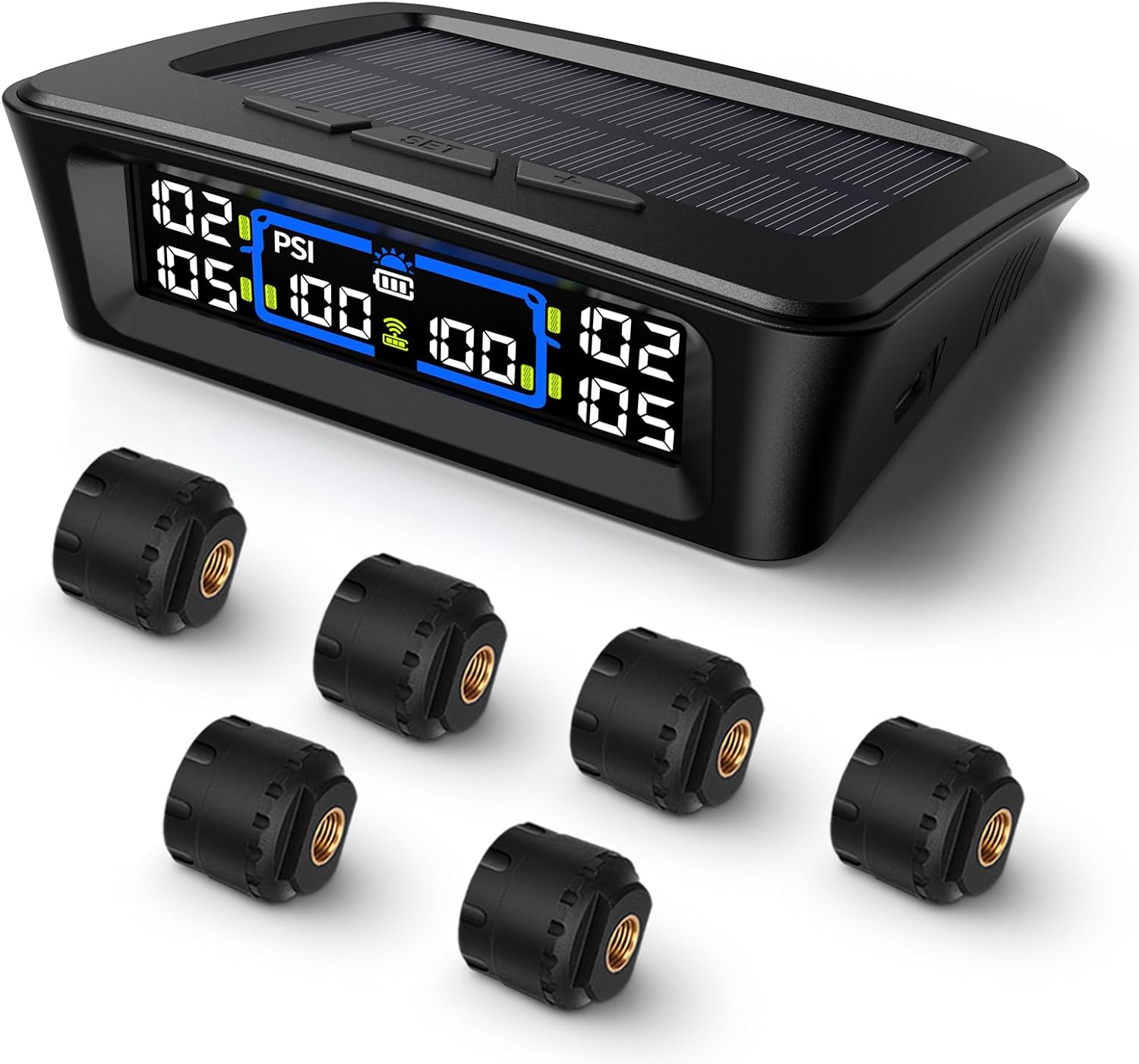
The Tymate TM12 RV TPMS delivers real-time tire pressure and temperature monitoring with a stable 433Hz display for safer long-distance driving. It supports simultaneous monitoring across vehicle and trailer zones, includes six alarm modes for pressure, temperature, leakage, battery, and signal loss, and features easy DIY installation with auto calibration. Power is supplied via USB-C charging or solar recharging, with a wide 0–144 PSI range and up to 50 ft signal coverage for RVs and towable trailers.

Milton S-921 pencil tire pressure gauge helps you maintain optimal tire pressure for passenger cars with accurate readings in PSI and kPa. It features a built-in deflator valve for convenient pressure adjustments, plus a single chuck head and nylon indicator bar for easy use on the go. Built from durable plated brass and designed for reliable performance, it’s a practical road trip and cold-weather maintenance tool.

Related Articles
Firestone Tire Installation Cost: Full Price Guide
Compare Firestone tire installation costs and discover what hidden fees could change your final bill.
Read More
Tire Rack vs Costco: Which Is Better for Tires?
Pick the better tire deal between Tire Rack and Costco before hidden differences change your choice.
Read More
How Much Does It Cost to Install Rims?
Need to know what installing rims really costs? Discover the hidden fees and price factors before you pay more than you should.
Read More