
Tires With Exposed Cords: How Long Can You Drive?

You shouldn’t drive on tires with exposed cords; the tire has already failed structurally and can blow out with little or no warning. There’s no meaningful safe distance, and even a short trip can worsen the damage, especially at speed or under load. Stop driving as soon as it’s safe, inspect the tire and the matching tire on the same axle, and replace them immediately. More details can help you avoid a costly mistake.
Key Takeaways
- Tires with exposed cords are unsafe and indicate structural failure, so you should not keep driving on them.
- There is no meaningful safe distance; even short trips can worsen damage and increase blowout risk.
- If you must move the vehicle, drive only a very short distance at low speed to reach a safe location or repair shop.
- Replace the damaged tire immediately, and have the matching tire on the same axle professionally inspected.
- Check for cuts, bulges, and uneven wear regularly to catch tire damage before it becomes dangerous.
[Products Worth Considering]

These 4 prank tire valve stem caps glow in the dark to catch attention and create a fun reaction, making an ideal gag gift for friends or coworkers. Simply place them over existing valve stems for a quick, lossless installation without removing the original caps. Beyond the prank, the caps help block water, dust, and sand while supporting reliable tire protection.
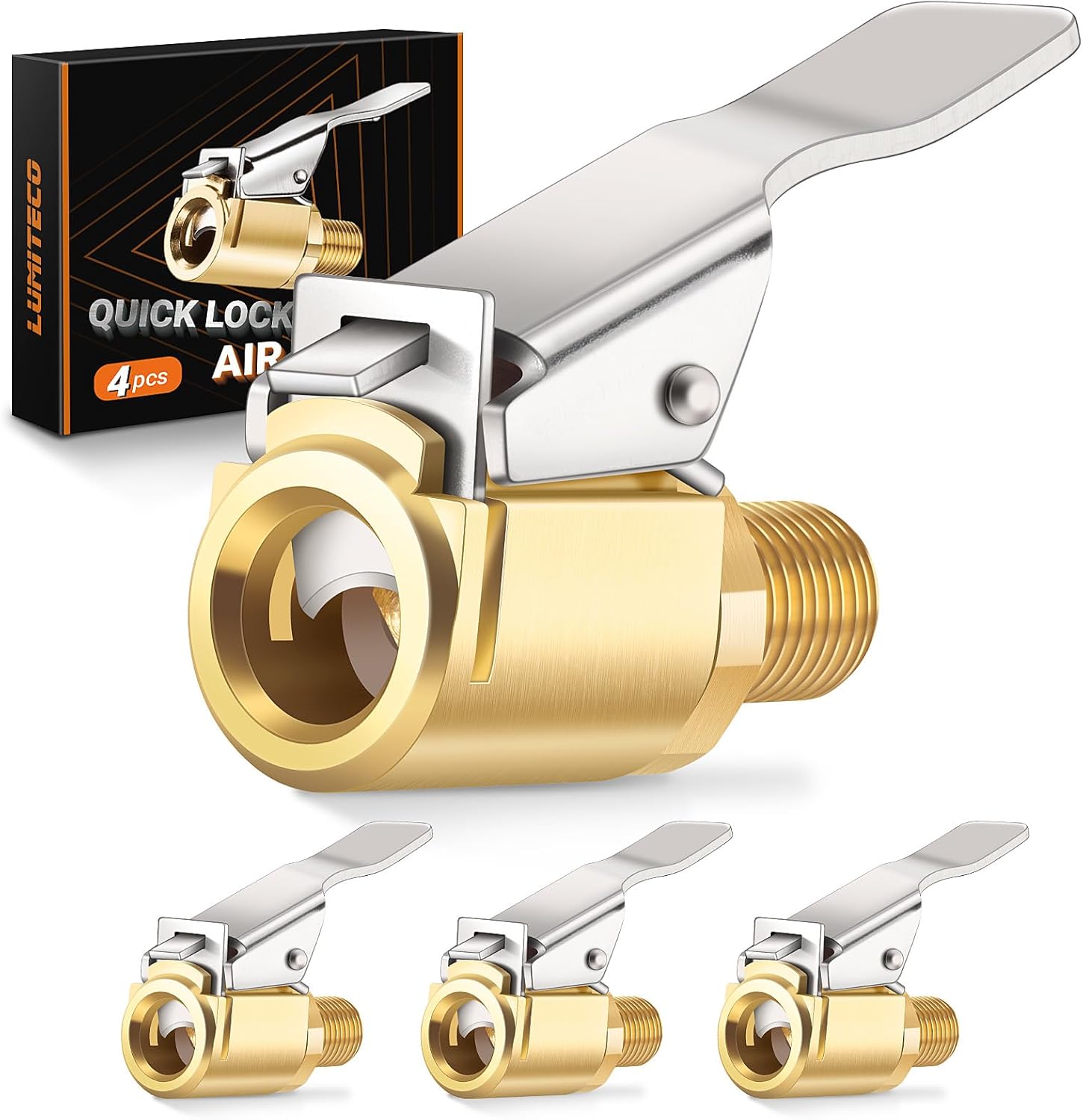
This brass air chuck adapter converts a screw-on inflator connection into a lock-on quick connect for hands-free, no-leak tire inflation. Clip the chuck onto Schrader valve stems and lock it in place to simplify inflating car, bike, and motorcycle tires. Built for durability with a corrosion-resistant brass body and strong quick operation.

This 4-pack kit converts Presta bike valves to standard Schrader valves so you can inflate with any regular pump or air compressor. The solid brass adapters include an O-ring for a tight, leak-proof seal and provide a simple screw-on setup. Compatible with road bikes, mountain bikes, e-bikes, and e-scooters, it’s designed for convenient, everyday carry readiness.
Can You Drive on Tires With Exposed Cords?

No—you shouldn’t drive on tires with exposed cords. Once you see exposed cords, you’re dealing with unsafe tires whose structure has already failed.
No—you shouldn’t drive on tires with exposed cords; once cords show, the tire is unsafe and has already failed.
You can’t rely on remaining tread or mileage, because visible damage means the tire no longer meets basic service standards. Driving further can reduce traction and grip, increase the chance of a blowout, and compromise vehicle control.
You should replace the tire immediately and avoid any unnecessary movement on it. Continuing to drive can worsen the damage and put you and others at risk.
In some states, operating a vehicle on unsafe tires also violates safety regulations, which can lead to citations or fines.
If you spot exposed wires or steel cords, treat the tire as unusable. Install a spare only if it’s rated for road use, then schedule a proper replacement without delay.
Why Exposed Tire Cords Are So Dangerous
Exposed tire cords are dangerous because they mean the tire’s structure has already been severely compromised, and that failure can quickly escalate into a blowout. You can’t treat exposed cords as a cosmetic defect; they signal critical loss of carcass strength and tread retention.
- Blowout risk: The weakened tire can rupture without warning, causing sudden loss of control.
- Reduced grip: Visible cords lower traction, so braking and cornering get less predictable.
- Higher puncture risk: The damaged layer can’t shield the tire, so sharp debris can penetrate more easily.
- Legal and safety exposure: You may face citations for unsafe tires, and you endanger others on the road.
If you’re asking whether it’s safe to drive, the answer is no.
Once cords show, you need immediate replacement, not continued use. That’s the only technically sound response when structural failure has already begun.
How Far Can You Safely Drive on a Damaged Tire?
If a tire has exposed cords, you shouldn’t plan on driving any meaningful distance on it, because the tire’s structure is already failing and a blowout can happen with little warning.
You’re dealing with a damaged tire that has lost much of its strength, traction, and puncture resistance. Even a short trip can worsen the failure, especially at speed or under load.
For safety issues, experts generally advise not driving at all and replacing the tire immediately. If you absolutely must move the vehicle, keep the distance as short as possible and drive slowly, but treat that as an emergency-only measure, not a normal solution.
Conflicting advice about waiting until the next oil change is risky and misleading. In some states, unsafe-tire citations can add legal consequences.
Your safest option is to minimize travel and get to a tire shop right away.
What to Do If Your Tire Shows Cords
If you can see cords in your tire, stop driving as soon as it’s safe and inspect the damage immediately.
You shouldn’t continue except to reach a tire shop, and then only at low speed and for the shortest possible distance.
Replace the tire now, because exposed cords mean the tire can fail without warning.
Immediate Safety Steps
When tire cords are visible, replace the tire immediately to reduce the risk of a blowout and loss of vehicle control. Exposed cords mean the casing has failed, so don’t ignore the damage or delay service.
- Stop driving as soon as it’s safe.
- Inspect the tire for cuts, bulges, and uneven wear.
- Have a professional evaluate the axle pair; the matching tire may also need replacement.
- Document the condition, because safety citations can follow hazardous tires in some states.
Don’t weigh cost against risk here; replace it immediately. A new tire is cheaper than collision damage, tow fees, or injury.
If you must move the vehicle, do it only briefly and under strict caution, then get expert assessment.
Drive To Shop
Even with exposed cords, you should drive only slowly and cautiously to the nearest tire shop, because higher speeds can worsen tire failure and raise the risk of a blowout.
Keep your drive to shop short, stay off highways if you can, and avoid hard braking or sharp turns.
Check surrounding traffic carefully, because tire health is already compromised and handling can change without warning.
If the tire shows exposed cords on one side, inspect the opposing tire on the same axle; it may also need attention.
Once you arrive, ask a professional to assess the damage and overall tire health.
Don’t continue normal driving, because unsafe tires can lead to loss of control and, in some states, legal citations.
Replace Tires Now
Exposed tire cords mean the tire’s structure has failed, so you should replace it immediately to avoid a high risk of blowout and loss of vehicle control.
You shouldn’t try to drive on tires with visible cords; that gamble can end in sudden failure. Even if one technician says the tire can limp along, the safer rule is clear: tires need replacement now.
- Stop driving as soon as possible.
- Inspect for spare availability.
- Arrange immediate tire replacement.
- Budget for new tires now.
If you lack a spare, don’t extend the risk. Replace tires now to prevent a crash, avoid medical costs, and reduce repair bills.
The upfront expense is lower than the consequences of a failure on the road.
When You Need a New Tire Right Away
If you can see tire cords, you need a replacement right away, because that level of wear means the tire has suffered severe structural damage and may fail without warning.
Seeing tire cords means immediate replacement—this tire is structurally compromised and can fail without warning.
You shouldn’t drive farther than necessary; every mile raises the chance of a blowout, loss of steering control, or a crash.
In technical terms, the tire is no longer fit for service, and no account of remaining tread changes that fact.
If you don’t have a spare, the risk climbs even more, so arrange towing or immediate service instead of trying to nurse the tire home.
Expert guidance varies on how long damaged tires last, but when cords show, there’s no safe grace period.
Treat the situation as urgent, not optional.
Prioritize safety over cost, because a new tire now is far cheaper than accident damage later.
All rights reserved.
[Products Worth Considering]

Replace worn or missing TPMS sensors with a pre-programmed 4-pack designed for compatible GM vehicles. These 315MHz sensors provide real-time tire pressure monitoring and alert you if pressure is too high, too low, or if a rapid air leak occurs. Most installations are ready with minimal relearn effort after mounting, helping improve safety and driving confidence.

Replace worn or malfunctioning GM TPMS sensors with this 433MHz pre-programmed sensor set designed for compatibility with many Chevrolet, Buick, GMC, and Cadillac models. It includes guidance for proper OBDII relearning/pairing after installation and supports reliable long-term operation with a high-performance CR2032 battery. Quality tested for durability and performance to help restore accurate tire pressure monitoring.

Add a sparkling, diamond-look upgrade to your vehicle with these bling rhinestone tire valve caps. They help protect valve stems from dirt, grime, and dust while offering a smooth, comfortable touch. Suitable for cars, SUVs, trucks, motorcycles, and bicycles, they’re quick to install by hand for an easy custom style.
Should You Replace the Matching Tire Too?
If one tire has exposed cords, you should usually replace the matching tire on the same axle so tread wear stays aligned.
Uneven tread depth can reduce traction balance and increase instability during braking and cornering, and the risk is higher on all-wheel-drive vehicles.
A tire professional should inspect both tires before you decide, because the right pair replacement can improve safety and prevent premature wear.
Axle Pair Considerations
When one tire on an axle shows exposed cords or other serious damage, you should usually replace the matching tire too to keep handling balanced and safe.
Paired replacement helps preserve alignment and tire performance, while reducing suspension load. If you leave one new tire beside a worn one, you can create unstable response and accelerated wear.
- Match the axle pair to avoid pull or drift.
- Replace both tires if the damaged one has exposed cords.
- Keep handling predictable under braking and cornering.
- Follow the vehicle maker’s pair-replacement guidance.
Uneven tires on the same axle can reduce traction and raise blowout risk. You shouldn’t rely on a single replacement when the other tire is compromised; the mismatch can shorten both tires’ service life and complicate safe control.
Tread Wear Matching
Tread wear matching matters just as much as physical damage on the axle pair. If one tire has exposed cords, you should inspect the matching tire immediately.
Compare tread depth, tire pressure, and signs of alignment issues, because unequal wear on the same axle can hide a broader problem. Replace both tires in pairs when the remaining tire shows substantial deterioration.
That keeps tread depth consistent, reduces stress on the new tire, and avoids premature wear that can raise long-term costs. Manufacturers often advise paired replacement every 5,000 to 10,000 miles, even if one tire looks serviceable.
Don’t ignore a worn partner tire; its condition may be close enough to compromise performance and force another replacement soon.
Safety And Stability
An exposed cord on one tire means you should assess the matching tire on the same axle right away, because uneven wear can undermine stability and handling. You shouldn’t replace just one tire if the other’s wear is similar; pair replacement keeps traction balanced and reduces control risk.
- Check tire pressure on both tires before deciding.
- Compare tread depth, sidewall damage, and age.
- Match replacements to your driving conditions and speed habits.
- Follow a strict maintenance frequency to prevent repeat failure.
If you drive fast or carry heavy loads, replace both tires on the axle. Mismatched grip can stress suspension parts, increase vibration, and raise repair costs.
For safety and stability, treat exposed cords as a pair-level warning, not a single-tire issue.
How to Spot Tire Damage Early
A quick visual check can catch tire damage before it becomes dangerous: inspect the tread and sidewalls for cracks, bulges, cuts, discoloration, or exposed steel cords, since any of these can signal severe deterioration. You should treat these as urgent signs of wear, not minor cosmetic flaws.
Use tire maintenance tips that include regular inspections and tread depth measurement with a gauge or the penny test; you need more than 2/32 of an inch for safe use. Examine the tread for uneven wear patterns, because they can indicate alignment errors or incorrect inflation.
Check both sidewalls for abrasions or soft spots that compromise structure. If you feel vibration, hear abnormal noise, or notice a sudden handling change, stop driving and inspect the tire immediately.
Early detection helps you identify damage before a failure occurs, but exposed cords mean the tire has already lost critical protection and requires immediate replacement.
How to Prevent Tires From Wearing Out Fast
Once you spot damage such as cracks, bulges, or exposed cords, the next step is preventing the rest of the tire from wearing out even faster. Use tire maintenance tips that keep pressure at the manufacturer’s recommended level, because underinflation or overinflation accelerates uneven tread loss and raises failure risk.
- Check pressure weekly and before long trips.
- Rotate tires every 5,000 to 8,000 miles.
- Verify alignment importance by scheduling inspections if the vehicle pulls or the tread wears unevenly.
- Balance tires and replace any damaged tire promptly.
Your driving habits matter too. Avoid rapid acceleration, hard braking, and aggressive cornering; these actions generate heat and scrub tread away faster.
Avoid rapid acceleration, hard braking, and aggressive cornering to reduce heat, tread wear, and tire failure risk.
Inspect the sidewalls and tread regularly, because small defects can spread quickly. If you keep the tires inflated, rotated, aligned, and balanced, you’ll slow wear, preserve handling, and reduce the chance of a sudden failure.
Frequently Asked Questions
Are Tires With Exposed Cords Illegal?
Yes, you can’t legally drive tires with exposed cords in many areas because tire safety laws prohibit severe tread wear and visible damage. They create road hazards, reduce traction, and can trigger fines.
How Fast Can I Drive With Tire Cables?
You should keep tire cables at or below 30 mph; higher speeds increase tread wear and reduce tire safety. Follow manufacturer limits, monitor tension, and adjust for conditions, because driving precautions matter on dry pavement.
How Long Can I Drive on a Tire That’s Been Plugged?
In a pinch, you can drive on a plugged tire for up to 25,000 miles if you follow tire maintenance tips, tire safety guidelines, and watch tire replacement signs; inspect it often and replace it pronto.
What Do Exposed Tire Cords Look Like?
They look like shiny, metallic, threadlike strands poking through worn rubber, often silver or steel-colored. You’re seeing severe tread wear, which compromises tire safety and increases driving risks by exposing the tire’s internal structure.
Conclusion
Think of your tire as a shield in a storm: once its cords show, the armor is gone and every mile cuts deeper. You can’t safely keep driving on exposed cords, because heat, speed, and road friction can trigger a blowout without warning. Stop, inspect, and replace the tire right away. If one tire’s failed early, check its mate too. Catch damage sooner, and you’ll protect your vehicle, your wallet, and your safety.
[Products Worth Considering]

Upgrade your wheels with zinc alloy valve stem caps featuring a plated, corrosion-resistant finish and a secure rubber O-ring seal. These caps help protect the valve stem from moisture, snow, and debris while supporting stable tire pressure and safer driving. Designed for easy installation, they replace worn caps and add a distinctive look to your vehicle.

These universal tire valve stem caps help protect valve cores from dust, debris, and moisture while helping maintain stable tire pressure. The corrosion-resistant metal construction and sealed design provide reliable protection in road grime, mud, and winter conditions. Twist-on installation makes them quick to fit on cars, SUVs, trucks, and motorcycles.

These universal tire valve stem caps help protect your valve core from dust, debris, moisture, and corrosion, supporting more stable tire pressure. The aluminum alloy design resists long-term wear, while the sealing construction helps help prevent air leakage. They twist on easily for quick installation and help safeguard driving safety across cars, SUVs, trucks, and motorcycles.

Related Articles

Driving With Mismatched Tires: Is It Safe?
Bald mismatched tires can affect grip and drivability—discover when it’s risky, what to match, and whether your vehicle can handle it safely.
Read More
How Long Does a Tire Plug Take to Dry? Safe Wait Times
Longer than you think, a tire plug’s dry time can make or break your safety—discover the safest wait before driving.
Read More
How Tires Affect Road Noise (and How to Reduce It)
Icy tire tread patterns can turn every drive into a roar—discover what really causes road noise and how to quiet it down.
Read More