
Nitto Trail Grappler vs Ridge Grappler: Which Is Better?
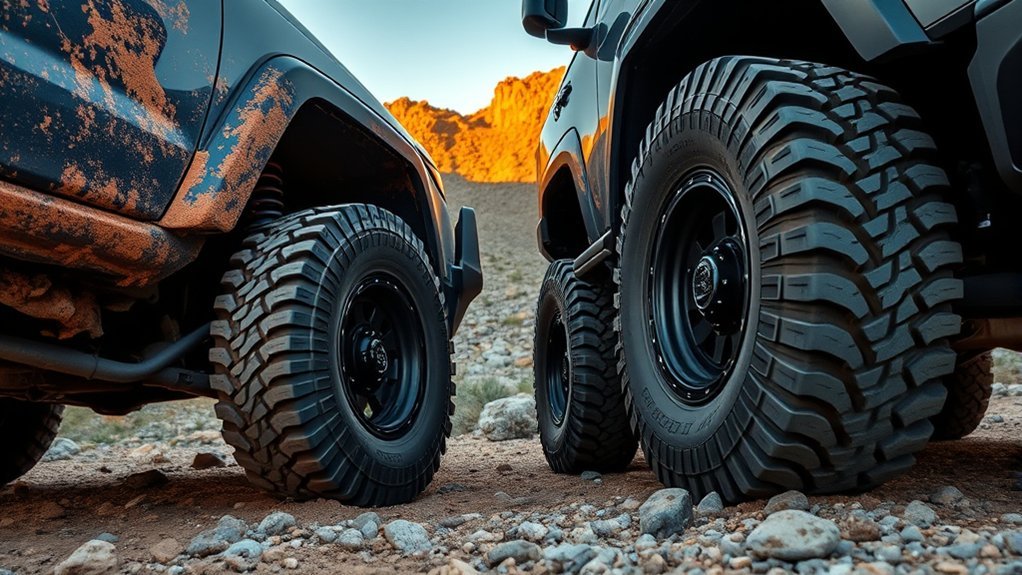
If you spend most of your time on pavement, you’ll usually be better served by the Nitto Ridge Grappler: it’s quieter, rides smoother, and returns better fuel economy with solid wet and light winter performance. If your priority is mud, rocks, and loose terrain, the Trail Grappler is the stronger off-road tire, with more bite and tougher tread blocks. Both come in multiple sizes and load ratings, and each has tradeoffs worth weighing further.
Key Takeaways
- Ridge Grappler is better for daily driving, with quieter road manners, better comfort, and improved fuel economy.
- Trail Grappler is better for serious off-road use, especially mud, rocks, and loose terrain, thanks to its more aggressive tread.
- Ridge Grappler typically lasts around 70,000 miles and handles pavement, wet roads, and light snow more consistently.
- Trail Grappler is louder on highways and usually costs about 2 MPG in fuel economy compared with the Ridge Grappler.
- Choose Ridge Grappler for a balanced all-terrain tire, or Trail Grappler for maximum off-road traction and durability.
[Products Worth Considering]

Keep your tires properly inflated with this analog VONDIOR tire pressure gauge, designed for fast, easy readings without batteries. The swiveling, two-axis hose and large glow dial help you measure at any tire angle with instant visibility. Built with a protective rubber shield, it supports durable, low-maintenance use for cars and trucks.
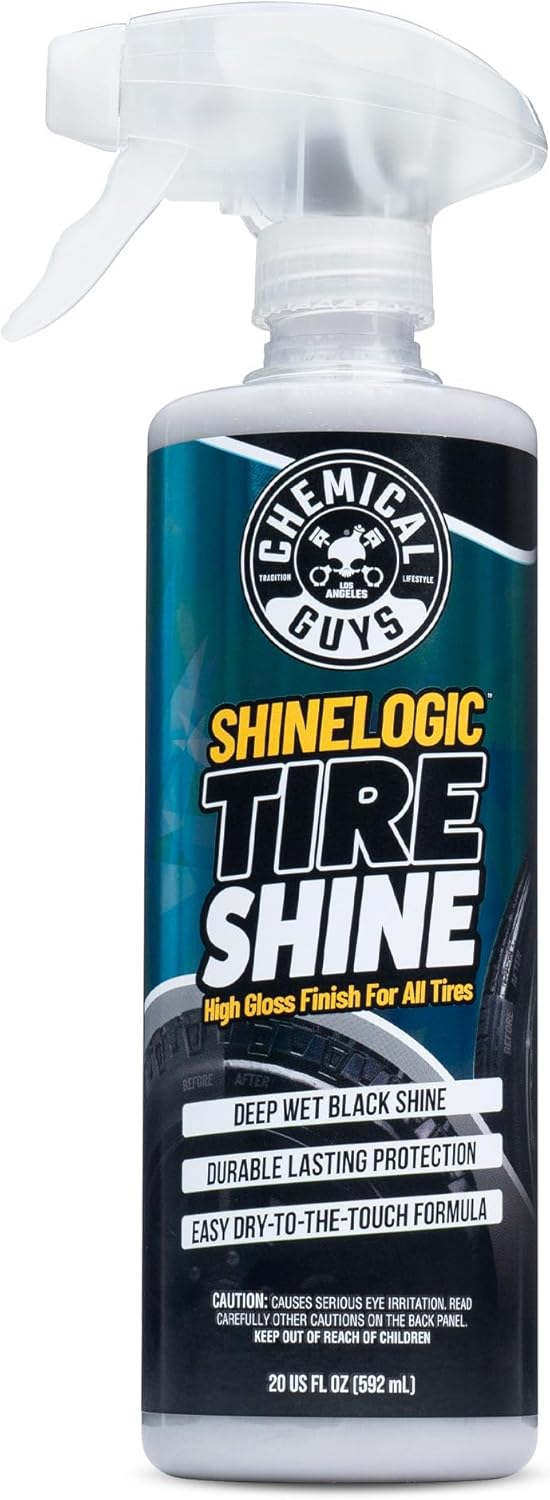
Chemical Guys ShineLogic Tire Shine delivers a deep wet black, high-shine finish for rubber tires with a sleek look. It’s designed for durable, one-step application with minimal drips, streaks, or runs, and it helps produce effortless, long-lasting shine. Choose aerosol or trigger spray for easy use on cars, trucks, motorcycles, RVs, and more.
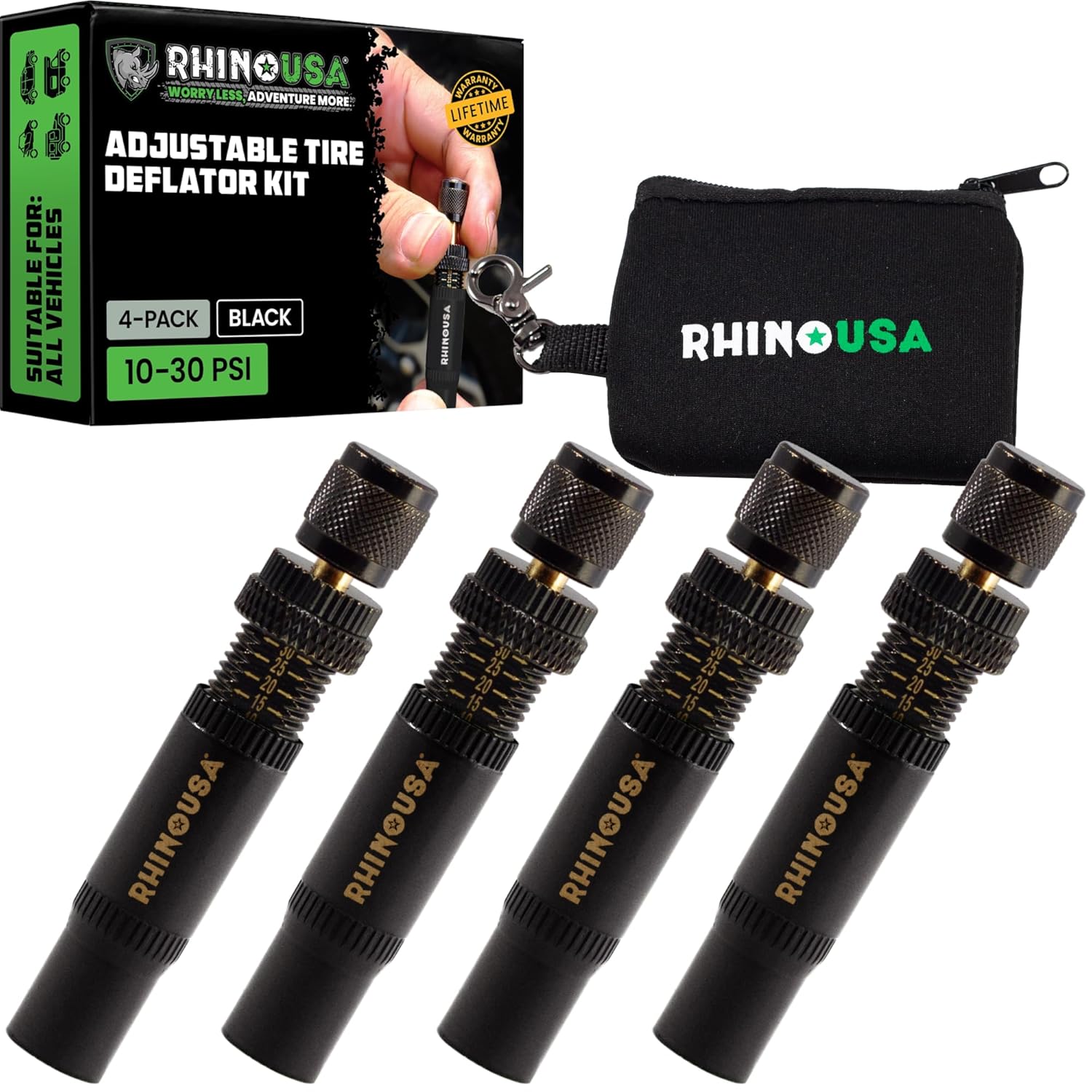
Use the Rhino USA adjustable tire deflators to air down all four tires at once by screwing one deflator onto each valve stem, letting you step away while the tires reach your preset pressure. Each deflator independently adjusts across a 10–30 PSI range with laser-etched indicators for quick setup and verification, making it ideal for beach, sand, and rocky off-road trails.
Which Nitto Grappler Fits Your Driving Style?
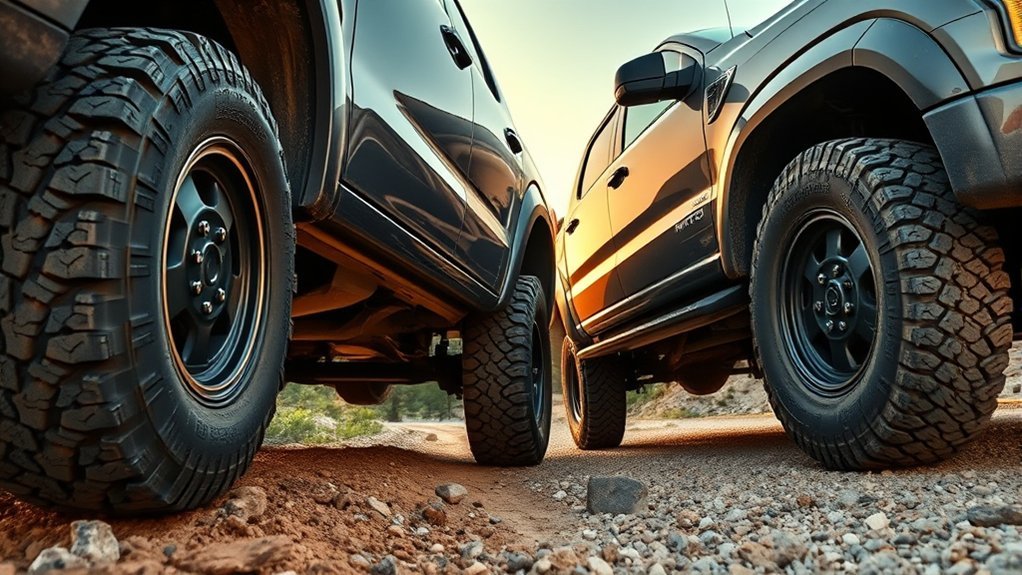
If your driving mostly stays on pavement, the Ridge Grappler is the better fit because it’s built for daily comfort, lower noise, and better fuel efficiency.
You get a hybrid tread that still handles light off-road use, but it prioritizes road manners over maximum traction. Ridge Grapplers typically suit urban commutes, highway travel, and mixed use where predictable handling matters.
You can also expect them to run about 70,000 miles in many applications, which makes them a practical long-term choice if you rotate and maintain them properly.
Trail Grapplers, by contrast, target you if you spend more time in mud, rocks, or loose terrain. Their aggressive tread delivers stronger off-road bite, but it can reduce mileage by around 2 MPG and adds more wear in everyday driving.
Trail Grappler Vs Ridge Grappler Noise
When noise matters, the Ridge Grappler is generally the quieter, more daily-driver-friendly option, especially after the tires have a few months of wear on them. You’ll usually notice that Ridge Grapplers can sound a bit louder at first, then their noise levels settle as the tread breaks in.
Ridge Grapplers are usually the quieter, more daily-driver-friendly choice, especially after a short break-in period.
Trail Grapplers, by contrast, tend to generate more noise on highways because their more aggressive pattern moves more air and creates a stronger tread hum. Even so, you may still find Trail Grapplers’ noise fairly acceptable once they’ve worn in.
In practical terms, both tires keep noise at manageable levels, but the Ridge Grapplers usually get the nod if you want the calmer option. Your perception will also depend on vehicle insulation, road surface, and speed, so the gap isn’t absolute.
If you prioritize reduced tire noise, Ridge Grapplers are the safer pick.
How Ridge Grappler Feels On The Road
You’ll notice the Ridge Grappler produces lower road noise than the Trail Grappler, with the tread pattern tuning out some of the harshness you’d expect from a more aggressive tire.
It also gives you a more compliant daily-driving ride, while still keeping enough hybrid tread structure to handle rain and light snow with consistent grip.
On the highway, you should feel stable tracking and predictable balance, and that usually translates to easier rotation, smoother operation, and better fuel economy.
Road Noise Levels
Road noise is one of the Ridge Grappler’s clearer advantages over the Trail Grappler. You’ll usually notice the Ridge Grapplers’ hybrid tread generates less acoustic harshness, and many users report the tone drops further after a few months of wear. They’re still louder than pure highway tires, but the sound stays manageable for everyday use.
| Condition | Noise Character |
|---|---|
| New | Moderate hum |
| After break-in | Quieter, smoother |
| Compared with Trail Grappler | Less aggressive |
This pattern comes from the tighter, less aggressive tread design, which helps reduce pattern noise without eliminating off-road capability. If you want a tire that keeps a rugged look while limiting cabin intrusion, the Ridge Grappler offers a practical balance.
Daily Driving Comfort
Beyond the quieter road manners already noted, the Ridge Grappler also stands out for daily driving comfort.
You’ll notice that Ridge Grapplers use a hybrid tread layout that softens pavement impacts without giving up all-terrain capability. That design helps the tire feel more composed during city commutes, stop-and-go traffic, and routine errands.
Compared with more aggressive mud-terrain options, they deliver a smoother, less busy ride on asphalt. Many drivers also report dependable traction in rain and light snow, which adds confidence in everyday weather changes.
As the tread wears in, the ride often feels even more settled, and the reduced road noise supports a calmer cabin.
If you want a tire that balances utility with comfort, Ridge Grapplers make a strong daily-driving choice.
Highway Stability
On the highway, the Ridge Grappler feels particularly more composed than the Trail Grappler, thanks to its hybrid tread design and more daily-driver-friendly tuning.
You’ll notice that Ridge Grapplers track straight, resist wander, and keep steering inputs predictable at speed. Their tread blocks generate less road noise, so long-distance driving stays calm even after months of use.
Compared with the more aggressive Trail Grappler, they usually preserve better fuel mileage because the tread creates less rolling resistance. That softer highway behavior doesn’t sacrifice control; instead, it gives you a stable, planted feel in lane changes and steady cruising.
If you rotate and balance the tires on schedule, you’ll maintain that refined road manners and get the most out of the tire’s highway performance.
Trail Grappler Fuel Economy And Wear
You’ll usually see a fuel economy penalty with the Trail Grappler, and some users report about a 2 MPG drop because its aggressive tread increases rolling resistance.
At the same time, you can get strong tread life from this tire, since many owners note excellent durability even under demanding use.
To preserve wear and performance, you’ll need regular rotation and balancing, especially if you run it hard off-road.
Fuel Economy Impact
When fuel economy matters, the Trail Grappler typically comes up short compared with the Ridge Grappler. You can expect roughly a 2 MPG drop versus more road-friendly options, mainly because the Trail Grappler’s aggressive tread adds rolling resistance and aerodynamic drag.
That design improves off-road grip, but on highways it demands more energy to keep the truck moving, so fuel economy suffers. The Ridge Grappler’s hybrid pattern usually returns better fuel economy because it blends trail capability with smoother on-road behavior.
If you drive daily, you may notice the Trail Grappler’s tread working against efficiency more than the Ridge Grappler’s. Regular rotations and proper inflation can help you manage the impact, but they won’t fully offset the tire’s inherently aggressive footprint.
Tread Wear Longevity
Fuel economy and tread life often move in opposite directions with these two tires.
If you prioritize tread wear longevity, you’ll usually see the Trail Grappler hold up longer, especially when you drive on rocks, mud, or other abrasive terrain. Its deeper, more aggressive tread depth gives you added rubber to wear through, and that design can translate into better durability under harsh use.
The Ridge Grappler still performs well for daily driving, but you may notice faster tread wear when you push it off-road. In return, it can save you about 2 MPG versus the Trail Grappler, so your tradeoff is clear.
For both tires, proper maintenance helps preserve tread life and keeps performance predictable over time.
Rotation And Maintenance
Regular tire rotation is essential for both the Trail Grappler and Ridge Grappler, because it helps keep wear even, preserves tread life, and supports more consistent performance over time. You should pair rotation with pressure checks, since Trail Grapplers often run best near 34 PSI rear and 36 PSI front. That helps reduce drag and can limit their roughly 2 MPG fuel economy gap versus Ridge Grapplers.
| Task | Trail Grappler | Effect |
|---|---|---|
| Rotation | Regular | Even wear |
| Pressure | 34/36 PSI | Better MPG |
| Balancing | Consistent | Less noise |
If you skip maintenance, you may notice faster wear, more road noise, and less stability. Proper rotation and balancing also help larger Trail Grapplers resist hydroplaning and retain off-road grip.
Off-Road Grip: Trail Grappler Vs Ridge Grappler
If off-road traction is your priority, the Nitto Trail Grappler has the clear edge over the Ridge Grappler.
You’ll notice stronger off-road grip from the Trail Grappler because its more aggressive tread pattern, taller tread blocks, and sharper leading edges help it bite into mud, rocks, and other loose terrain. Its deeper tread also supports traction when the surface shifts under load, so you get more consistent forward drive in demanding conditions.
The Ridge Grappler still delivers competent off-road performance, but its hybrid design balances pavement and trail use, so it won’t match the Trail Grappler’s maximum grip in extreme environments.
The Ridge Grappler balances pavement and trail use, but it won’t match the Trail Grappler’s maximum grip in extreme conditions.
If you split time between highways and moderate trails, the Ridge Grappler can still serve you well.
But if you want the better off-road-focused tire, the Trail Grappler is the more capable choice for serious use.
Tread And Sidewall Differences
Beyond grip, the Trail Grappler and Ridge Grappler also differ in how their tread and sidewall designs shape overall behavior.
You’ll notice the Trail Grappler uses a more aggressive tread pattern with massive blocks and sharp leading edges, which helps it bite harder in loose terrain.
The Ridge Grappler keeps a hybrid tread that blends mud-terrain traits with better pavement manners, so you get moderate off-road capability without as much road harshness. Its tread design also works to reduce noise compared with the Trail Grappler.
Both tires use durable sidewalls that reflect Nitto’s tough construction, so you can expect strong protection either way.
The Ridge Grappler’s taller tread blocks and deeper tread help it stay capable off-road while still supporting decent on-road performance.
If you drive daily but still want an assertive tread and sturdy sidewall, the Ridge Grappler leans more versatile; if you prioritize maximum off-road aggression, the Trail Grappler’s design is more focused.
[Products Worth Considering]
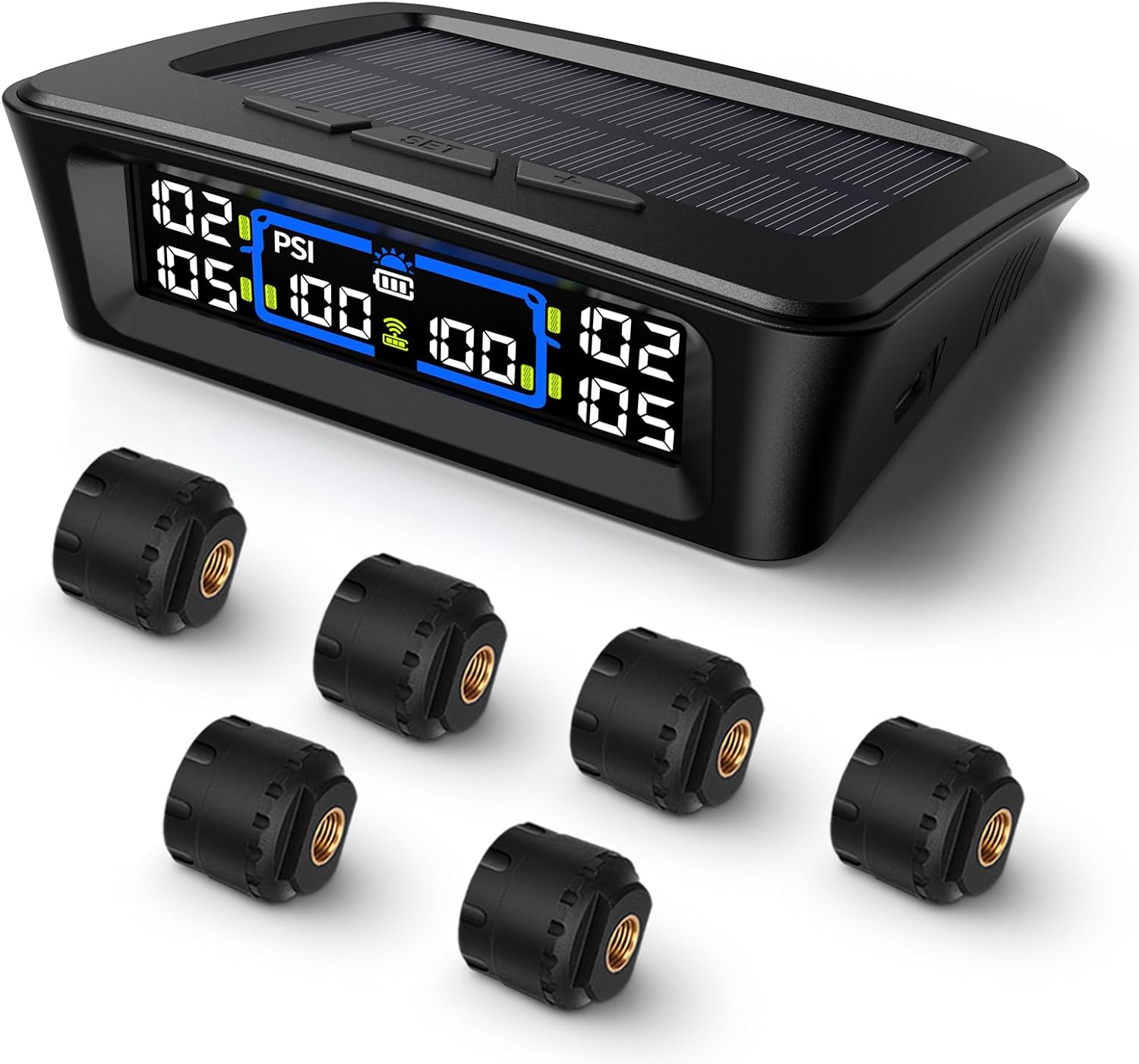
The Tymate TM12 RV TPMS delivers real-time tire pressure and temperature monitoring with a stable 433Hz display for safer long-distance driving. It supports simultaneous monitoring across vehicle and trailer zones, includes six alarm modes for pressure, temperature, leakage, battery, and signal loss, and features easy DIY installation with auto calibration. Power is supplied via USB-C charging or solar recharging, with a wide 0–144 PSI range and up to 50 ft signal coverage for RVs and towable trailers.

Monitor tire tread wear with a smart, color-coded depth gauge that shows clear condition ranges at a glance. The bar is range marked for fast, easy readings, helping you maintain safer traction and performance. Each gauge is portable with a pocket clip, and the set includes 20 units for daily use and sharing.

The SAFELIFE dial tire tread depth gauge measures tread depth in 1/32 inch increments with clear, easy-to-read 2-inch dial face. Color zones using a traffic light system help you quickly judge whether tread is low, marginal, or ample for safer driving. Built with a durable zinc cast body and a metal detect probe for precise, comfortable use across cars, motorcycles, trucks, and buses.
Available Sizes And Load Ratings
When you compare the Trail Grappler and Ridge Grappler by size and load range, you’ll find that both lines cover popular fitments, including the widely used 33×12.5×17. Their available sizes span Hard Metric and LT options, so you can match fitment to your vehicle’s wheel and clearance limits.
LT versions usually give you higher load ratings and tougher sidewalls, which matters if you haul, tow, or run heavier armor.
LT versions usually deliver higher load ratings and tougher sidewalls for hauling, towing, or heavier builds.
- Hard Metric sizes suit many modern SUVs and pickups
- LT sizes raise load capacity and casing strength
- Ridge Grapplers can show C- and E-rated versions with similar weight
- Nitto keeps durable sidewalls in both models
You should still verify the exact load index before you buy. The Ridge Grappler’s taller tread blocks don’t change sizing, but they can affect how you interpret load choices in practice.
Rain, Snow, And Ice Performance
Size and load range are only part of the decision, since wet and winter traction can matter just as much in real-world use.
In rain, both tires use tread blocks and voids that help move water away from the contact patch, which lowers hydroplaning risk and keeps steering responses predictable. Ridge Grapplers deliver solid, confidence-building grip on wet pavement, and they stay noticeably quiet even when the road turns slick.
In snow, you’ll find the Ridge Grapplers are capable for everyday winter driving, with consistent traction and manageable control.
Trail Grapplers, however, usually give you stronger bite when conditions get severe, especially if you drive on packed snow, slush, or icy off-road surfaces. That extra aggression can improve control, but it doesn’t mean they’re always the better street tire.
If you want balanced all-weather behavior, Ridge Grapplers are the more refined choice; if you need maximum traction in harsh winter conditions, Trail Grapplers have the edge.
How Long Each Grappler Lasts
Longevity is another major separator between these two tires, and your choice depends on how you drive and where you spend most of your miles.
If you rack up highway miles, Ridge Grapplers often deliver outstanding longevity, with many users seeing about 70,000 miles and stable wear past 15,000 miles. Their less aggressive tread helps you preserve tread depth over time, especially in daily-use applications.
Trail Grapplers also show strong durability, but their strength shows most when you push them hard off-road.
- Ridge Grapplers: strong tread life for mixed and street-focused use
- Trail Grapplers: built for durability in demanding off-road conditions
- Wear pattern: Ridge Grapplers usually stay more consistent over long mileage
- Durability focus: Trail Grapplers can better tolerate repeated trail abuse
If you want the best longevity for commuting, Ridge Grapplers usually hold the edge.
If your mileage includes rough terrain, Trail Grapplers may resist damage better over time.
Trail Grappler Vs Ridge Grappler: Final Pick
Your final pick comes down to how much you value daily driving comfort versus off-road performance.
If you want a quieter ride, better fuel efficiency, and solid all-around road manners, the Ridge Grappler fits better; if you need maximum traction, durability, and more aggressive off-road capability, the Trail Grappler is the stronger choice.
You’re balancing highway comfort against rugged terrain performance, so the right tire depends on where you drive most.
Daily Driving Comfort
For daily driving, the Ridge Grappler is generally the better pick because it delivers a quieter, more refined on-road experience than the Trail Grappler. If you commute regularly, you’ll likely notice less cabin drone and fewer vibrations with Ridge Grapplers, even after months of use.
- Lower road noise improves day-to-day comfort.
- Stable noise levels help preserve long-term usability.
- Hybrid tread design balances comfort and versatility.
- Users often report better fuel economy than with Trail Grapplers.
You can also expect a more relaxed steering feel and less fatigue on long highway trips.
The Trail Grappler may suit harsher duty better, but for street-focused use, the Ridge Grappler offers the more efficient, civil, and consistent driving experience without sacrificing practical capability.
Off-Road Performance
When off-road performance is the priority, the Trail Grappler is the stronger choice because its more aggressive tread pattern delivers better traction in mud, loose gravel, and other demanding terrain than the Ridge Grappler’s hybrid design.
You’ll notice improved bite from the deeper voids and tougher lugs, which help the tire self-clean and maintain grip in harsh conditions. Users also report stronger off-road durability, so it handles repeated abuse better when you’re crawling or digging through ruts.
Ridge Grapplers still work well on dirt and light trails, and their taller blocks add useful capability, but they don’t match the Trail Grappler in deep mud or snow.
The Trail’s slight fuel-mileage penalty in mixed driving is a fair trade for superior off-road performance.
Frequently Asked Questions
Are Ridge Grapplers Better Than Trail Grapplers?
Yes, you’ll usually find Ridge Grapplers better for daily use. In this Durability Comparison, they’re quieter, last longer, and save fuel, while Trail Grapplers grip harder off-road and handle harsher terrain better.
What Is the Best Nitto Tire for All Terrain?
You’ll get the best all-terrain Nitto with the Ridge Grappler: a balanced bridge between trail and road. It delivers strong Tire Performance, quieter highway manners, and long tread life, so you can drive confidently everywhere.
What’s Better Than Nitto Ridge Grappler?
You’ll usually find the Recon Grappler A/T or Trail Grappler better, depending on use. Their Tread Design adds stronger off-road bite, while still balancing noise, wear, and traction more effectively than the Ridge Grappler.
How Many Miles Will Nitto Trail Grapplers Last?
You can expect Nitto Trail Grapplers to last about 50,000–60,000 miles, with Tread Longevity sometimes reaching 70,000+ miles. Your mileage’ll vary based on rotation, pressure, load, terrain, and driving habits.
Conclusion
So, if you drive like a courier on paved roads with occasional dirt paths, you’ll likely choose the Ridge Grappler; it’s the quieter bridge over the city river. If you need a mud-biting climber for rough trails, the Trail Grappler is the armored mule that hauls you through. You’re not buying “better” in absolute terms—you’re matching tread to terrain, noise, and wear. Pick the tire that serves your route, not your wish.
[Products Worth Considering]

Accurately measure tire tread depth with a calibrated gauge marked from 0 to 1 inch in 1/32 inch increments. The color-coded bar helps you quickly identify tread condition ranges, supporting safe driving for trucks, motorcycles, automobiles, and passenger vehicles.

This ALL-TOP auto-stop tire deflator valve kit lets you air down off-road tires quickly without watching pressure, automatically stopping when your preset PSI is reached. Each valve is individually calibrated for reliable performance with an acceptable +/- 2 PSI tolerance. The adjustable deflator range covers 10 to 30 PSI and includes four valves plus valve caps and a zipper pouch for easy setup on trucks, SUVs, RVs, UTVs, and powersports.

This tire inflator with pressure gauge delivers long-lasting performance with a durable rubber-protected gauge and sturdy build. The longer hose and 360 swivel air chuck help you seal the valve securely and keep your hands free while measuring, inflating, or deflating. It’s battery-free for reliable use and provides ±2 PSI accuracy in the mid-range for most typical tires, with universal compatibility for 1/4 NPT compressor outputs.

Related Articles
How Oversized Tires Affect Your Transmission
Oversized tires strain your transmission more than you think, but the real damage they cause may surprise you.
Read More
Weight on Wheels Meaning: Why Unsprung Weight Matters
C**urious how weight on wheels affects speed, grip, and ride quality? Discover why unsprung weight can make or break your setup.
Read More
Caster, Camber, and Toe: Wheel Alignment Explained
I’m breaking down caster, camber, and toe—three tiny alignment angles that can transform your car’s handling, but one of them may surprise you.
Read More