
Tire Noise Causes and Solutions for Toyota RAV4
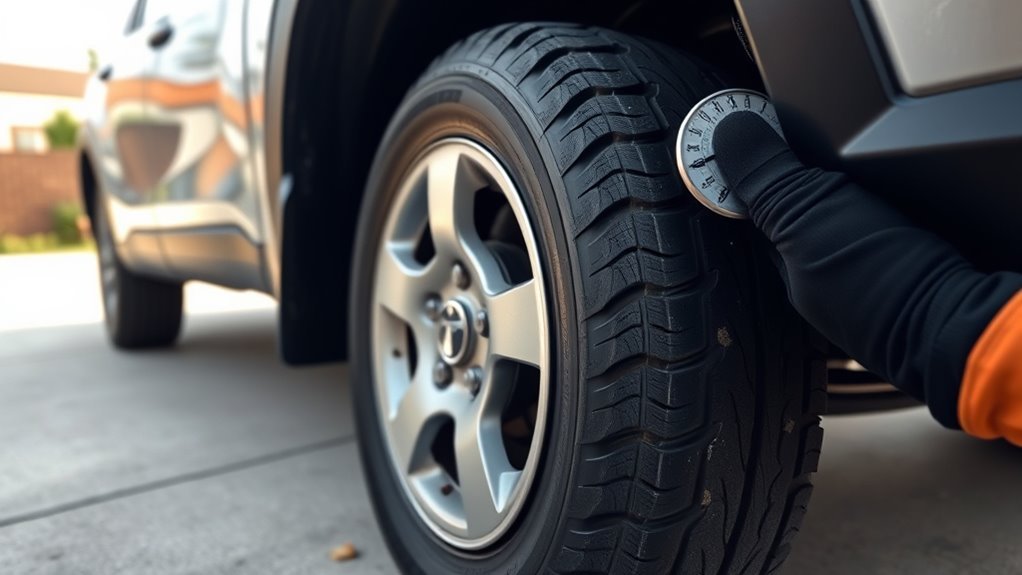
If you’re experiencing tire noise in your Toyota RAV4, it’s often due to defective tires, improper alignment, or low-quality components. These issues can lead to excessive rumbling and vibrations, affecting your driving comfort and safety. Higher-quality tires can minimize road noise, while regular inspections for tread wear and alignment issues are essential. If you’re noticing unusual sounds, it might indicate the need for tire replacement. Discover further insights into effective solutions and maintenance strategies for a quieter ride.
Why Does My RAV4 Make Tire Noise?

Why is your RAV4 making that annoying tire noise? This persistent sound can stem from various factors, primarily related to tire maintenance. Defective tires or improper alignment often lead to uneven tread wear, creating rumbling noises, especially at low speeds. You’ll find that the rear wheels are common culprits, where low-quality tires may amplify road noise. If your tires are misaligned or unbalanced, you might experience vibrations and increased noise, particularly between 40-65 mph.
Additionally, new tires can sometimes produce unusual sounds, especially when turning, signaling potential installation issues. To achieve effective noise reduction, consider a thorough diagnostic check. Evaluating your tire quality and alignment can help you address these concerns. If necessary, sound-deadening treatments may enhance your driving experience, liberating you from the distractions of unwanted noise.
[Products Worth Considering]

Upgrade your tires with authentic 40mm caliber bullet-shaped stem caps designed to help keep inflation consistent and secure. The patented insert helps protect TPMS and the lacquer coating resists tarnishing for a stylish look. Easy to install on standard Schrader valve stems, these caps fit cars, trucks, SUVs, motorcycles, BMX and bicycles.

These universal tire valve stem caps help protect your valve core from dust, debris, moisture, and corrosion, supporting more stable tire pressure. The aluminum alloy design resists long-term wear, while the sealing construction helps help prevent air leakage. They twist on easily for quick installation and help safeguard driving safety across cars, SUVs, trucks, and motorcycles.

These universal aluminum tire valve stem caps help protect valve cores from corrosion caused by dirt, water, and snow while helping prevent air leaks to maintain steady tire pressure. They’re easy to install with a simple screw-on fit and are suitable for cars, SUVs, trucks, bicycles, motorcycles, and other vehicles. The stylish black caps add a clean, standout look to your wheels while supporting reliable long-term performance.
The Impact of Tire Quality on Noise Levels
Tire quality directly affects noise levels in your RAV4, with higher-quality tires designed to reduce road noise through advanced tread patterns and materials. Cheaper options may lead to increased noise and potential issues like cupping, which can worsen sound production. Understanding the relationship between tire tread patterns and noise generation is essential for optimizing your driving experience.
Tire Tread Patterns
When selecting tires for your Toyota RAV4, the tread pattern plays an important role in determining noise levels on the road. A well-optimized tread design considerably reduces noise and enhances traction, providing a smoother drive. Conversely, cheaper tires often have irregular patterns that amplify sound due to poor sound wave dispersion. Directional tires need correct installation; misalignment can increase noise and vibrations. Additionally, tread wear, such as cupping or feathering, can elevate noise levels, making regular inspections vital for performance.
| Tread Pattern Type | Noise Level Impact | Additional Benefits |
|---|---|---|
| Optimized Design | Low | Improved traction |
| Irregular Design | High | Limited performance |
| Directional Design | Variable | Enhanced stability |
| Cupping or feathering | low | — |
| Can elevate noise levels | low | — |
| Cupping | low | — |
| Which can worsen sound production | low | — |
Quality vs. Price
While cheaper tires may seem like a budget-friendly option, they often compromise on quality, leading to increased noise levels that can detract from your driving experience. Higher-quality tires feature advanced tread patterns designed specifically for noise reduction, greatly minimizing road noise compared to their cheaper counterparts. This not only enhances tire longevity but also improves overall performance, including traction and handling. Additionally, defective cheap tires may suffer from issues like cupping, contributing to further noise and vibration at higher speeds. By investing in premium tires, you guarantee a quieter ride, with some sound deadening treatments effectively reducing noise levels by 3-5dB. Ultimately, prioritizing quality over price pays off in both comfort and safety.
How Defective Tires Can Cause Noise
Defective tires can create significant noise due to irregular tread patterns, which lead to a rolling rumble that becomes noticeable at speeds as low as 25 mph. Additionally, issues with tire balancing and wheel alignment can exacerbate these noise problems, making it essential to inspect these factors regularly. Understanding these aspects will help you address potential noise issues efficiently.
Tread Pattern Issues
Tread pattern issues can greatly impact your driving experience, especially when it comes to noise levels. Defective tires often exhibit non-circular tread patterns, causing uneven tread wear that leads to excessive noise during driving. You might notice rhythmic whirring or knocking sounds at higher speeds, particularly if your tires aren’t designed for specific road conditions. Intermittent rumbling may also indicate poor tread quality, worsening during turns. Investing in high-quality tires with well-engineered tread patterns is essential for noise reduction; cheaper options can considerably increase road noise and diminish your driving comfort. Additionally, ensuring proper installation of directional tires is vital, as incorrect mounting can further amplify undesirable noise levels and performance issues.
Balancing and Alignment Problems
When tires aren’t properly balanced or aligned, they can generate significant noise that detracts from your driving experience. Defective tires, especially those with non-circular tread patterns, may produce a persistent rolling rumble, particularly at speeds above 25 mph. Even after multiple attempts at tire balancing, noise can persist if the tires are inherently flawed or improperly mounted. Misalignment of the wheel center with the bearing center exacerbates this issue, necessitating thorough inspection during routine maintenance. Additionally, out-of-round tires create vibrations and abnormal noise at specific speed ranges, typically between 40-65 mph, indicating a need for diagnostic evaluation. Ensuring that tire size matches manufacturer specifications is essential to prevent excessive noise and performance issues.
How Alignment Issues Contribute to Tire Noise
Misalignment of your Toyota RAV4’s wheels can substantially contribute to tire noise, especially at higher speeds. When your wheel alignment is off, it leads to uneven tire wear, generating excessive noise. A misalignment between the wheel center and bearing center often produces a pronounced rumbling sound from the front wheels. Additionally, improper alignment can cause vibrations, particularly noticeable between 40-65 mph, creating a rhythmic noise that detracts from your driving experience.
Regular tire maintenance, including inspections during tire balancing, is vital to identify any out-of-round conditions that could exacerbate noise issues. Confirm the wheel center bore matches the hub to prevent discrepancies that can lead to further noise and handling problems. Addressing these alignment issues not only enhances your ride quality but also prolongs tire life, liberating you from the burdens of constant noise and discomfort while driving your RAV4.
Diagnosing Noise Sources: Tires vs. Other Factors
Diagnosing tire noise in your Toyota RAV4 requires a systematic approach, as multiple factors can contribute to the issue. Begin with noise testing to isolate the source, and compare your vehicle with another using the same tire model. This helps determine if the noise is tire-related or due to alignment or suspension problems.
| Factor | Symptoms | Solutions |
|---|---|---|
| Tire Defects | Rumbling at low speeds | Rotate tires, replace if needed |
| Misalignment | Uneven wear, pulling | Adjust alignment |
| Unbalanced Tires | Vibration at higher speeds | Rebalance tires |
| Tread Pattern Issues | Increased road noise | Confirm proper installation |
| Component Wear | Grinding noises | Inspect and replace parts |
Regular tire rotation and thorough inspections can greatly reduce noise. Addressing these factors can liberate your driving experience from persistent tire noise.
[Products Worth Considering]

Upgrade your Toyota tire setup with these corrosion-resistant, leak-proof valve stem caps designed to help protect the valve core from water, snow, and road grime. The caps feature a snug rubber seal and durable copper alloy construction to resist rust and oxidation while maintaining stable tire pressure. Ideal for replacing worn original caps and keeping your wheels looking clean and stylish.
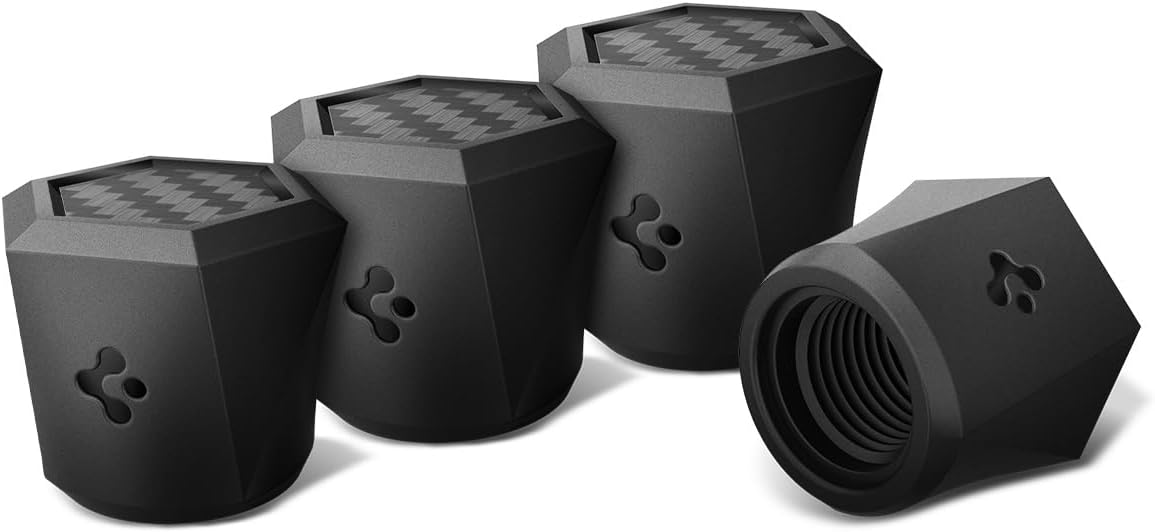
Spigen magnetic tire valve caps attach securely to metal surfaces so you never have to search for lost caps. Designed for Schrader valve stems, they install quickly, help protect against air leakage and corrosion, and feature a light magnet that won’t interfere with TPMS signals.
Top Sound Deadening Treatments for RAV4
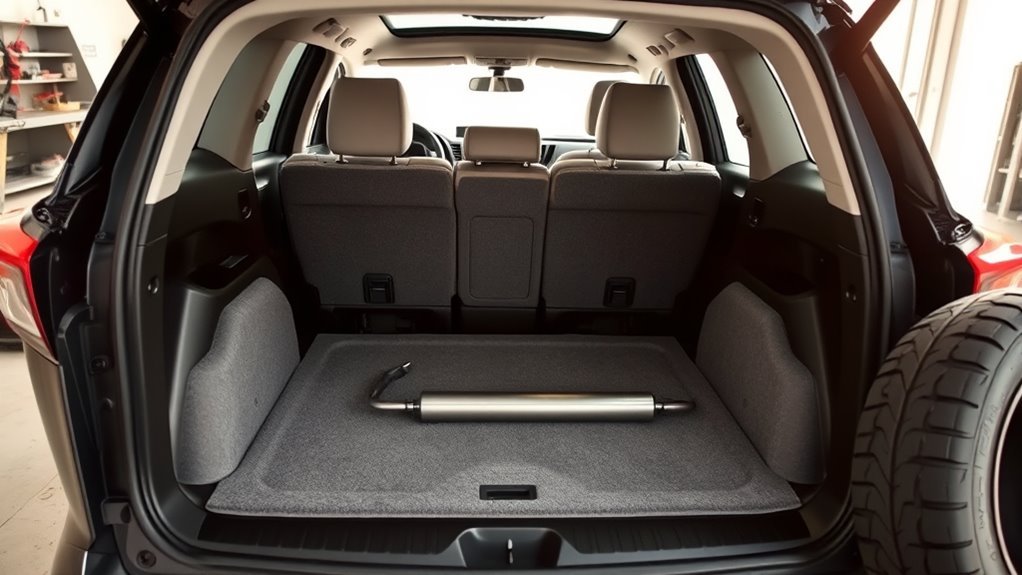
Improving the sound quality inside your Toyota RAV4 can greatly enhance your driving experience. To achieve a quieter cabin, consider these top sound deadening treatments:
- Damplifier Pro: Apply it in the wheel wells to reduce road and tire noise by approximately 3-5 dB.
- Luxury Liner Pro: Use alongside Damplifier Pro for maximum effectiveness in dampening vibrations.
- Hood Insulation Upgrades: These help diminish engine compartment echoes, further enhancing cabin tranquility.
- Door Treatment: Combine Damplifier Pro with Mega Zorbe to effectively reduce wind noise, considerably elevating overall sound quality.
When Tire Noise Indicates It’s Time to Replace Tires
When driving your Toyota RAV4, tire noise can serve as a crucial indicator of tire condition; if you notice rolling rumbles or rhythmic whirring sounds at speeds above 25 mph, it’s time to assess your tires. These noise symptoms often signal tire wear or defects that may require immediate attention. If persistent noise continues despite balancing efforts, irregular tread patterns or defective tires could be the culprits, making replacement necessary.
Additionally, a significant increase in noise while turning or at higher speeds suggests quality issues. If your tires have exceeded 12,000 miles and display unusual sounds, investigate for defects and consider replacement, particularly if under warranty. Finally, if you’ve installed budget tires, their excessive noise can impede your driving experience. Upgrading to higher-quality options not only enhances comfort but also minimizes noise levels, allowing you to fully enjoy your RAV4’s performance.
Frequently Asked Questions
How to Make RAV4 Less Noisy?
To make your RAV4 less noisy, use soundproofing materials in key areas and focus on tire selection. Opt for higher-quality, quieter tires designed to minimize road noise, enhancing your driving experience considerably.
How Do You Get Rid of Tire Noise?
To silence the roar of the road, prioritize tire maintenance and consider soundproofing materials. Upgrade to quality tires, guarantee proper alignment, and add treatments to transform your ride into a serene escape from noise.
Conclusion
In summary, addressing tire noise in your RAV4 is essential for a smooth, comfortable ride. Just as a symphony needs harmony, your vehicle requires balanced tires and proper alignment to minimize disturbances. By understanding the causes and implementing effective solutions, you can greatly reduce unwanted noise. Remember, if the sound persists, it might be time to think about replacing your tires. Stay proactive, and enjoy a quieter journey on the road ahead.

Related Articles

Toyota RAV4 TPMS Reset: Easy Steps That Work
Unlock the secrets to resetting your Toyota RAV4's TPMS effortlessly—discover the essential steps to ensure your tires are always safe.
Read More
Toyota RAV4 Tire Rotation: DIY Steps & Pattern
Take control of your Toyota RAV4's tire maintenance with our simple DIY rotation guide—discover the best steps for optimal performance and longevity!
Read More
Mix Tire Brands on a Toyota RAV4? Expert Guide
Keeping your RAV4 safe? Learn when mixing tire brands risks traction, ABS/TCS and AWD damage — and what exact matches you must insist on.
Read More