
Is Armstrong a Good Tire Brand? Value Review & Performance
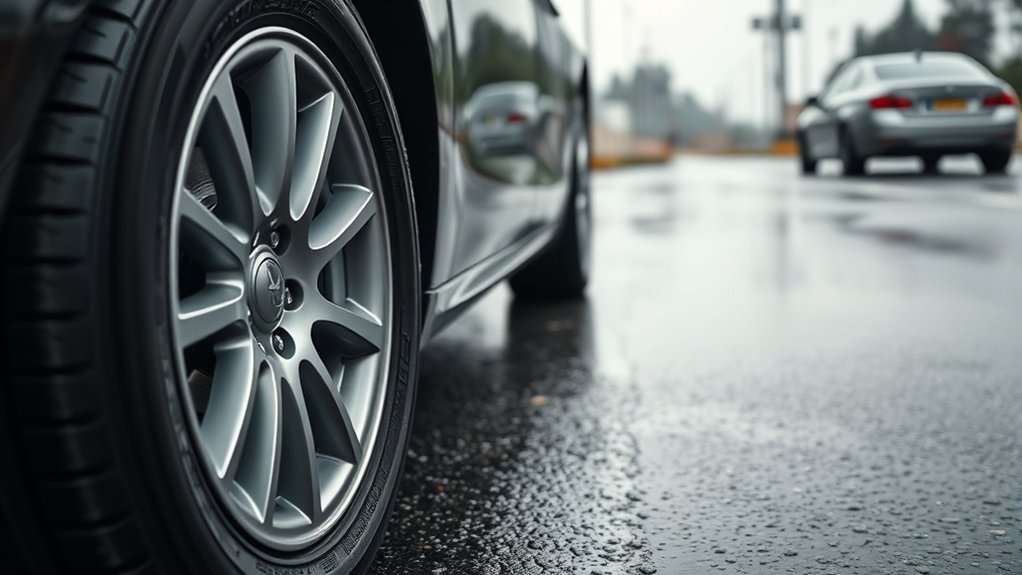
Yes, Armstrong can be a good tire brand if you want a value-priced tire for normal daily driving, light-truck use, or SUV use. The brand is not a premium-tier choice like Michelin, Bridgestone, or Goodyear, but it offers useful model options, competitive mileage warranties on select tires, and generally positive owner feedback on major retailer listings.
Quick Answer
Armstrong is a good budget tire brand for drivers who want affordable all-season, highway, or all-terrain tires with decent comfort and warranty support. It is best for everyday driving, not for buyers who need top-tier wet braking, severe winter grip, or premium refinement.
Key Takeaways
- Armstrong is a value-focused tire brand revived by ZAFCO, with roots going back to 1912.
- The strongest Armstrong options are usually for daily commuters, SUVs, light trucks, highway use, and mild all-terrain driving.
- Warranty coverage varies by model. Some Armstrong passenger tires carry mileage warranties up to 85,000 miles, while other models are lower or may not include mileage coverage.
- Owner reviews are generally positive on major retailer pages, but review scores and buy-again percentages are model-specific, not a permanent brand-wide guarantee.
- Armstrong all-season tires are not a substitute for dedicated winter tires if you drive often in deep snow, ice, or mountain conditions.
Warning: Do not choose any tire by brand alone. Match the exact tire size, load index, speed rating, vehicle placard, and driving conditions before buying. If you are unsure, ask a qualified tire installer to confirm fitment.
Is Armstrong a Good Tire Brand?
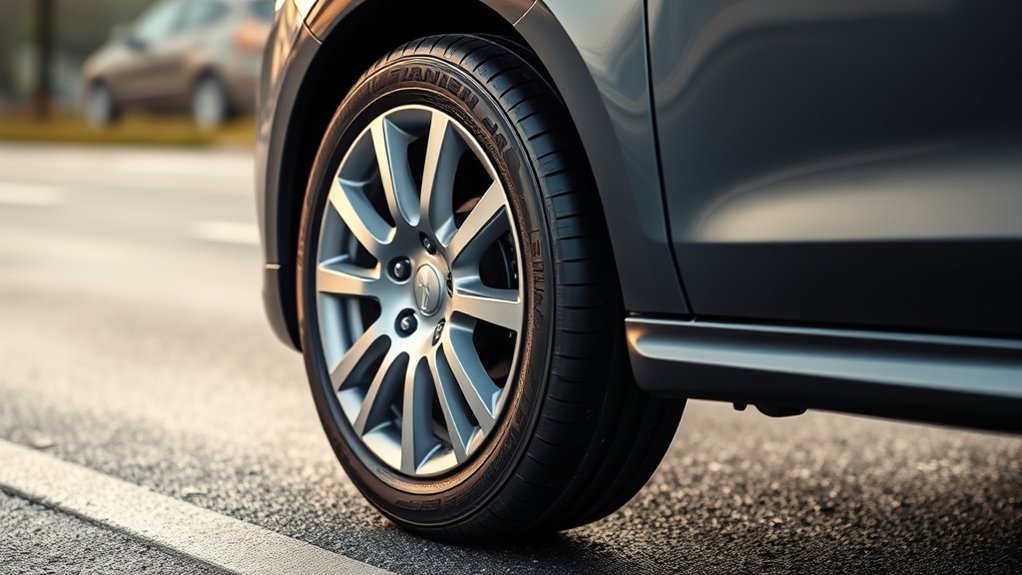
Armstrong is a good tire brand for budget-conscious drivers who want practical performance rather than premium-brand refinement. The brand is part of ZAFCO’s portfolio, and ZAFCO says Armstrong was founded in 1912 by George F. Armstrong before being revived and rebuilt as part of the ZAFCO family. ZAFCO’s Armstrong page also describes the brand around quality, value, safety, and warranty support.
That makes Armstrong most appealing if you want a lower-cost replacement tire for commuting, errands, highway driving, light truck use, or mixed SUV driving. You should not expect every Armstrong tire to match a top premium tire in braking, snow grip, steering sharpness, or long-term refinement. The better way to judge the brand is to compare the exact Armstrong model against your vehicle, climate, and budget.
[Products Worth Considering]

The SAFELIFE dial tire tread depth gauge measures tread depth in 1/32 inch increments with clear, easy-to-read 2-inch dial face. Color zones using a traffic light system help you quickly judge whether tread is low, marginal, or ample for safer driving. Built with a durable zinc cast body and a metal detect probe for precise, comfortable use across cars, motorcycles, trucks, and buses.

The 22800 wheel stud installer makes replacing wheel studs quick and secure, saving time and effort during tire service. It uses a ratchet or impact wrench to pull new studs firmly into place, helping when existing studs are too long. Compatible with most automotive wheels and light-duty truck wheel studs, it’s designed for easy, tool-assisted installation.

Measure tire tread depth quickly and accurately with this LUMITECO dial gauge that reads in 1/32" increments up to 14/32". The color-coded green/yellow/red zones make it easy to judge tire wear and know when replacement is needed. A rugged, compact design with a protective pouch helps keep the gauge ready for use on cars, trucks, motorcycles, and more.
What Armstrong Tires Do Best
Armstrong tires do best when you want a practical balance of price, comfort, and usable tread life. The lineup includes passenger, SUV, light truck, commercial, lawn and garden, and farm options on major retailer listings, so the brand covers more than one vehicle type. Still, the performance depends heavily on the model you choose.
Quiet, Comfortable Ride
Several Armstrong touring and highway tires are designed for smoother road manners. For example, retailer product descriptions for the Armstrong Blu-Trac PC mention dynamic inner ribs for lower road noise, while the Tru-Trac HT is positioned as a highway tire for light trucks and SUVs with reduced road noise and towing-oriented design features. That makes Armstrong worth considering if your main goal is a calm daily drive at a lower price.
Strong Value for Everyday Driving
Armstrong’s strongest selling point is value. It gives you mainstream tire categories, useful mileage warranties on select models, and a lower entry price than many premium brands. On SimpleTire’s Armstrong brand page, models such as the Blu-Trac PC, Tru-Trac AT, Tru-Trac HT, and Tru-Trac SU are listed across passenger, light truck, and SUV categories. Retailer listings also show that prices vary by size, model, and current sale.
Dependable Wet-Road Features
Many Armstrong models use tread designs intended to move water away from the contact patch. For example, the Blu-Trac PC listing describes lateral grooves and a self-locking sipe system for wet-road traction and braking. That is useful for rain, but it does not mean every Armstrong tire will perform like a premium wet-braking tire. Always compare the exact tire model, not just the brand name.
Note: Tire review scores are model-specific. A 4.6 rating on one Armstrong model does not automatically apply to every Armstrong tire.
Armstrong Tire Prices and Value
Armstrong tires usually compete in the budget and mid-value range. That said, you should avoid relying on one fixed price because tire prices change by size, speed rating, load range, retailer, shipping, installation, and sale timing. A 16-inch passenger tire may cost much less than a larger LT all-terrain tire, even when both carry the Armstrong name.
Price Vs. Performance
The price-to-performance case is strongest if you drive normally, maintain your tires, and do not need extreme capability. For commuters and family vehicles, a value tire can make sense when it still gives you the correct load rating, safe tread depth, proper inflation, and predictable traction. For aggressive driving, frequent towing, mountain snow, or high-performance vehicles, a premium or specialty tire may be the better long-term choice.
Warranty and Lifespan
Armstrong warranty coverage is not the same across every tire. ZAFCO describes Armstrong’s warranty program as including mileage warranty coverage up to 85,000 miles, road hazard coverage, roadside assistance, and a 30-day money-back guarantee. SimpleTire’s listings show examples such as the Blu-Trac PC with an 85,000-mile limited manufacturer tread life warranty, the Tru-Trac AT with a 60,000-mile warranty, and the Tru-Trac HT with a 65,000-mile warranty.
| Armstrong Model | Common Use | Listed Mileage Warranty Example | Best Fit |
|---|---|---|---|
| Blu-Trac PC | All-season passenger tire | Up to 85,000 miles on listed sizes | Commuters and sedans in mild climates |
| Blu-Trac HP | UHP all-season passenger tire | Often lower than touring models | Drivers who want a sportier budget tire |
| Tru-Trac AT | All-terrain light truck tire | 60,000 miles on listed sizes | Light trucks and SUVs with mixed road use |
| Tru-Trac HT | Highway light truck tire | 65,000 miles on listed sizes | Highway driving, hauling, and towing-focused use |
| Desert Dog MT | Mud-terrain light truck tire | May not include a mileage warranty | Off-road style and mud-terrain needs |
Your actual tread life may be shorter or longer than the warranty number. Inflation pressure, wheel alignment, tire rotation, load, road surface, driving style, and climate all affect wear. The National Highway Traffic Safety Administration recommends checking tire pressure monthly, checking tread, and following rotation guidance from your owner’s manual or vehicle manufacturer.
Deals and Shipping
Retailers may offer free shipping, discounts, installation packages, road hazard add-ons, or price guarantees. Treat those as part of the total cost, not just the tire price. A cheap tire can become less attractive if installation, balancing, disposal fees, or shipping raise the final bill.
Which Vehicles Fit Armstrong Tires Best
Armstrong tires can fit many passenger cars, SUVs, crossovers, minivans, and light trucks, depending on the exact size and load rating. The brand is especially practical for older vehicles, daily commuters, budget family vehicles, work trucks, and SUVs where the owner wants acceptable performance without paying premium-brand prices.
Armstrong may not be the best choice if your vehicle needs maximum wet braking, severe snow traction, high-speed handling, track performance, or original-equipment-level refinement. It may also be the wrong choice if the tire does not match your vehicle’s required load index, speed rating, or size.
Pro Tip: Before buying, check the tire placard on the driver’s door jamb and compare the size, load index, and speed rating with the exact Armstrong tire listing.
Armstrong Tire Performance in Dry and Wet Conditions

In dry conditions, most Armstrong touring, highway, and all-terrain tires should feel stable enough for normal driving when properly inflated and matched to the vehicle. Dry grip is usually less demanding than wet or icy grip, so many budget tires can feel acceptable in dry weather.
Wet traction depends more on tread pattern, tread depth, rubber compound, and tire age. Some Armstrong models list wet traction grades and water-channeling tread features, but that does not replace independent braking tests. If you drive in heavy rain often, compare the exact model’s wet traction grade, owner feedback, and any available third-party testing before buying.
The tire model matters more than the tire brand. A touring Armstrong tire, an all-terrain Armstrong tire, and a mud-terrain Armstrong tire can feel very different on the same road.
Snow and Winter Performance
Armstrong all-season tires can be fine for mild winter weather, but they should not be treated as dedicated winter tires unless the specific tire carries the proper severe snow rating and is designed for that use. NHTSA explains that all-season tires can handle a variety of road conditions, but winter tires are more effective than all-season tires in deep snow.
If you drive in regular snow, ice, freezing rain, steep hills, or mountain passes, choose a dedicated winter tire or a tire with the three-peak mountain snowflake symbol when appropriate. Some Armstrong listings show that common all-season and all-terrain models do not carry the 3PMSF mark, so check the exact listing and sidewall before assuming winter capability.
How Armstrong Tires Handle Noise and Comfort
Armstrong’s comfort reputation is one of its stronger value points. Touring and highway-oriented models tend to be the best choices for low noise and smoother ride quality. All-terrain and mud-terrain tires usually create more road noise because the tread blocks are larger and more aggressive.
If quiet driving matters most, look first at highway or touring patterns such as Blu-Trac PC or Tru-Trac HT rather than a mud-terrain tire. Also remember that noise can increase as tires wear, especially if inflation pressure, alignment, or rotation intervals are ignored.
[Products Worth Considering]

Accurately measure tire tread depth with a calibrated gauge marked from 0 to 1 inch in 1/32 inch increments. The color-coded bar helps you quickly identify tread condition ranges, supporting safe driving for trucks, motorcycles, automobiles, and passenger vehicles.

Monitor tire tread wear with a smart, color-coded depth gauge that shows clear condition ranges at a glance. The bar is range marked for fast, easy readings, helping you maintain safer traction and performance. Each gauge is portable with a pocket clip, and the set includes 20 units for daily use and sharing.

ETENWOLF T300 is a calibrated digital tire pressure gauge for accurate readings from 3 to 200 PSI across light and heavy-duty vehicles. It includes thermal compensation for reliable performance in extreme cold or heat, with an auto shut-off to extend battery life and an LED for easier reading. The sturdy design supports rugged everyday use, making it ideal for pickups, RVs, and industrial applications.
Armstrong Tire Tread Life and Warranty Coverage
Armstrong tread life is competitive for the price on select models, but it should be discussed by model, not as one brand-wide number. Some passenger-focused models list higher mileage warranties, while performance, all-terrain, and mud-terrain designs may list lower coverage or no mileage warranty at all.
To protect tread life, keep tires properly inflated, rotate them on schedule, maintain alignment, and avoid overloading the vehicle. NHTSA notes that poor tire maintenance, including underinflation and failure to rotate tires, can lead to flats, blowouts, or tread separation. It also states that proper inflation, rotation, balance, and alignment can help tires last longer.
Armstrong Tire Reviews: What Drivers Say

Owner feedback for Armstrong tires is generally positive on major retail pages, especially for value, comfort, and everyday traction. For example, SimpleTire’s Armstrong Tru-Trac AT page shows a 4.6 overall rating with 112 reviews and 92% buy-again intent at the time of review. The Blu-Trac PC page shows a 4.6 overall rating with 65 reviews and 95% buy-again intent at the time of review.
Those ratings are helpful, but they are not the same as controlled independent testing. Reviews can also be influenced by vehicle type, tire size, driving style, installation quality, and climate. Use owner reviews to spot patterns, then confirm the tire’s technical specs before buying.
Armstrong vs Other Budget Tire Brands
Against other budget tire brands, Armstrong looks competitive because it offers recognizable model families, useful warranty support on select tires, and many sizes for common vehicles. It may be a stronger choice than unknown no-name tires with little warranty information or weak retailer support.
Compared with premium brands, Armstrong’s main advantage is price. Its likely tradeoffs are less advanced wet braking, less refined ride quality, less consistent testing data, and weaker severe-weather performance on some models. If you want the lowest cost for normal driving, Armstrong deserves consideration. If you want the best possible braking, winter grip, or performance handling, compare premium alternatives too.
How to Choose the Right Armstrong Tire
Use these checks before choosing an Armstrong tire:
- Match the size: Use the tire placard on your vehicle, not just the old tire size.
- Check load index: The tire must carry the vehicle’s required load safely.
- Check speed rating: Match or exceed the rating required for your vehicle and use.
- Review the warranty: Mileage coverage varies by model and size.
- Check winter marking: Look for the three-peak mountain snowflake symbol if you need severe snow capability.
- Compare recent reviews: Focus on reviews from drivers with similar vehicles and climates.
- Plan maintenance: Rotate, balance, align, and check pressure to protect the tread.
Frequently Asked Questions
Who makes Armstrong brand tires?
Armstrong is part of ZAFCO’s brand portfolio. ZAFCO says Armstrong was founded in 1912 by George F. Armstrong, was later purchased by Pirelli, and was revived by ZAFCO after the brand was close to being phased out.
Are Armstrong tires made in the USA?
Armstrong is an American legacy brand, but current ZAFCO material says Armstrong tires are made in Thailand, with manufacturing near Bangkok. Always check the DOT code on the actual tire sidewall if manufacturing location matters to you.
Are there any tire brands to avoid?
Avoid tires with unclear manufacturer information, poor wet-traction feedback, no meaningful warranty, repeated complaints about early failure, or specs that do not match your vehicle. A cheap tire is not a good deal if it compromises safety, fitment, or durability.
What are the top 3 best tire brands?
There is no single top three for every driver. Michelin, Bridgestone, and Goodyear are often treated as premium benchmark brands, but the best tire depends on your vehicle, climate, budget, and performance needs. Compare exact tire models, not just brand names.
Has Consumer Reports rated Armstrong tires?
Do not assume Armstrong has a Consumer Reports recommendation unless you check the current Consumer Reports tire test for the exact model and size category. Retailer reviews are useful for owner feedback, but they are not the same as controlled independent testing.
Are Armstrong tires good in snow?
Some Armstrong all-season or all-terrain tires may handle light snow, but they are not automatically good for severe winter driving. If you regularly drive in deep snow or ice, choose a dedicated winter tire or confirm that the exact tire has the three-peak mountain snowflake rating.
Conclusion
Armstrong is a good tire brand for the right buyer. It makes the most sense if you want affordable tires for normal commuting, highway driving, SUV use, or light-truck use and you are willing to compare the exact model carefully. It is less ideal if you need premium wet braking, severe winter traction, sporty handling, or the longest independent testing record. For the best result, match the tire to your vehicle, climate, load needs, and maintenance habits before you buy.
Sources
- ZAFCO International — Armstrong Tires — brand history, ZAFCO ownership, manufacturing information, and warranty program overview.
- SimpleTire — Armstrong Tires brand page — current model lineup, example pricing, categories, and model availability.
- SimpleTire — Armstrong Tru-Trac AT — all-terrain light truck specs, reviews, and listed 60,000-mile warranty.
- SimpleTire — Armstrong Blu-Trac PC — passenger all-season specs, reviews, and listed 85,000-mile warranty.
- SimpleTire — Armstrong Tru-Trac HT — highway light-truck specs, reviews, and listed 65,000-mile warranty.
- NHTSA TireWise — tire safety, tire ratings, pressure checks, tread depth, rotation, alignment, and winter tire guidance.
[Products Worth Considering]

Protect tire valves from water, dust, and sand to help prevent leaks and support safe driving. These universal stem caps install quickly by hand and feature durable aluminum alloy construction with an inner sealing ring for better air retention. Compatible with cars, SUVs, trucks, motorcycles, and bicycles for everyday convenience.

This digital tire pressure gauge with built-in inflator helps you accurately check and adjust tire pressure for safer driving and better fuel efficiency. It supports multiple units (PSI, KPA, BAR, KG/CM²) and reads within 1% for reliable results. The 3-in-1 design inflates, deflates, and measures, with a quick-connect air chuck and compatible hose setup for cars, trucks, SUVs, RVs, and motorcycles.

AZUNO’s digital tire inflator delivers stable, accurate pressure readings with a bright LCD and a 0.1 resolution display for confident inflation. It supports one-handed operation for inflating and quick deflating, and it’s built with rugged steel and brass components for reliable shop or garage use. With multi-unit pressure display and compatibility across cars, SUVs, motorcycles, and trucks, it’s a convenient accessory for everyday tire maintenance.

Related Articles
Best Tires for 2500HD Duramax 2026: Heavy-Duty Tires for Towing and Work Trucks
You depend on your 2500HD Duramax to tow heavy loads and handle demanding worksite conditions, so tire choice is not optional. The right tires…
Read More
Best Mastercraft Tires 2026: Reliable Tire Picks for Trucks, SUVs, and Daily Drivers
You need tires that match how you drive, where you live, and what your vehicle carries. This guide highlights Mastercraft models that stand out…
Read More
Best Lionhart Tires 2026: Budget Performance Tires for Cars and SUVs
You want tires that deliver confident handling, predictable braking, and acceptable longevity without stretching your budget. Lionhart’s 2026 lineup focuses on delivering those trade-offs…
Read More