
Is Prinx a Good Tire Brand? Value, Performance & Reviews
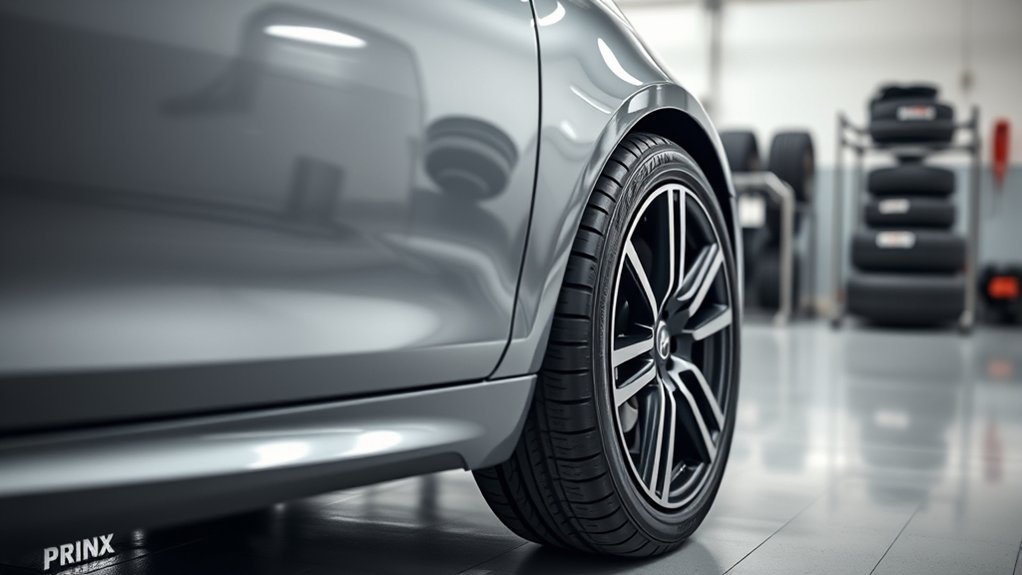
Yes—Prinx can be a good tire brand if you want a budget-friendly tire for normal commuting, highway driving, light truck/SUV use, or commercial work. The better answer depends on the exact Prinx model, your vehicle size, your climate, and whether you need a true severe-snow-rated tire. Prinx is strongest as a value brand, not as a premium-brand replacement for every driver.
Quick Answer
Prinx is a solid budget tire brand for drivers who want dependable everyday traction, reasonable comfort, and lower prices than many premium brands. It is best for practical commuting, highway use, trucks, SUVs, and value-minded buyers. Choose carefully by model, because warranty, winter rating, load range, and performance vary by tire.
Key Takeaways
- Prinx is a value-focused tire brand under Prinx Chengshan, with products for passenger cars, SUVs, light trucks, vans, and commercial vehicles.
- The brand offers useful engineering features on many models, including wide grooves, siping, pattern-noise design, and Nano Blend Compound technology on select lines.
- Mileage warranties vary by model and size. Some Prinx passenger and SUV tires reach long treadwear warranty coverage, but not every Prinx tire has a mileage warranty.
- Do not assume every Prinx tire is severe-snow-rated. Some models carry 3PMSF, while others do not, so verify the exact tire listing and sidewall.
- Prinx makes the most sense for budget-conscious drivers who want practical performance, not buyers who demand top-tier independent test results from a premium brand.
Is Prinx a Good Tire Brand?

Prinx is a good tire brand for the right buyer. If you drive mostly on paved roads, want a lower purchase price, and still care about comfort, wet-road control, and warranty coverage, Prinx belongs on your comparison list. The brand is not usually the first choice for drivers who want the most heavily tested premium tire, but it can be a smart pick when price matters.
Prinx is connected to Prinx Chengshan, and the official brand page describes Prinx as a tire line covering TBR, PCR, SUV, 4×4, and van applications. That broad range matters because the brand is not limited to one narrow tire type.
The most important rule is simple: judge Prinx by the exact model, not only by the logo. A Prinx highway tire, all-terrain tire, mud-terrain tire, winter tire, and commercial tire are built for different jobs. The right Prinx tire can be a strong value. The wrong one can disappoint, especially if you expect snow, towing, off-road, or premium-touring performance from a model that was not designed for that job.
[Products Worth Considering]

This tire repair kit provides fast emergency puncture repair without removing the tire from the rim, helping you get back on the road quickly. Its screw plug system is designed for punctures in both tread and sidewall and includes a complete patch plug tool set with essential accessories. A portable storage bag makes it easy to carry for cars, trucks, SUVs, motorcycles, and heavy-duty applications.

EVOULTES heavy duty tire inflator with an integrated gauge delivers accurate pressure readings from 10–120 PSI, helping you inflate, deflate, and check tires in one tool. The 16.5-inch extended dual-head air chuck with swivel base reaches hard-to-access dual wheel valves on trucks and RVs. A brass trigger core and side-mounted air release valve make operation smooth, with standard 1/4" NPT threading and quick-connect compatibility for easy setup.

This portable cordless tire inflator delivers up to 160 PSI with fast 17 L/min airflow to help you quickly top up tires and get back on the road. It features dual power mode, running on a 21V rechargeable battery or a 12V DC adapter for convenient roadside use. An automatic shut-off with digital pressure gauge helps prevent overinflation, and a built-in LED light improves visibility in low-light conditions.
Prinx Tire Features and Technologies
Prinx uses several practical tire-design features across its lineup. On official product pages, models such as the HiCountry HT2 mention Nano Blend Compound technology, siping for all-season performance, a wide footprint for wet traction and ride stability, Central Dual Pitch design, and Pattern Noise Simulation technology for lower road noise.
That does not mean every Prinx tire performs the same way. It means Prinx is not just a generic black-round-tire brand. Many of its models include specific design choices meant to improve wear, wet grip, stability, or comfort.
Note: Tire technology names are useful, but they are not a substitute for checking the tire’s size, load index, speed rating, UTQG grade, tread depth, sidewall markings, and warranty terms for your exact vehicle.
How Prinx Tires Compare on Price
Prinx usually sits in the budget-to-midrange price tier. That is one of the biggest reasons shoppers consider the brand. In many sizes, Prinx tires cost less than comparable premium tires from brands such as Michelin, Bridgestone, Continental, BFGoodrich, or Nitto.
Do not treat any single online price as permanent. Tire prices change by size, load range, speed rating, retailer, rebates, shipping, installation, and local availability. A small passenger-car Prinx tire can be much cheaper than a light-truck or commercial Prinx tire, even within the same brand.
The better value question is not “What is the cheapest Prinx tire?” It is “Which Prinx tire gives me the correct size, load rating, warranty, traction rating, and installer support at the lowest total installed cost?”
How Prinx Tires Perform on Dry Roads

On dry pavement, many Prinx tires should feel stable and predictable for everyday use when they are correctly sized, inflated, and installed. Highway and touring-style Prinx models are the best fit for drivers who want a calmer ride, while all-terrain and mud-terrain models trade some road refinement for more aggressive traction.
Dry Grip and Stability
Dry-road performance depends heavily on tread design, sidewall construction, vehicle weight, and tire pressure. Prinx highway and passenger models typically focus on stable contact, even wear, and predictable steering. For normal commuting, that is usually enough.
If you drive aggressively, tow heavy loads, or run a performance vehicle, compare the specific Prinx model against premium alternatives. A budget tire can be perfectly safe and practical without matching the steering precision, braking consistency, or heat management of a top-tier performance tire.
Highway Handling Feel
Prinx highway models are often aimed at drivers who want a quiet, steady ride rather than sporty feedback. The official HiCountry HT2 description, for example, highlights a wide footprint, Central Dual Pitch design, and noise-focused pattern technology. Those are the right features to look for if you spend most of your miles on pavement.
Braking and Cornering
For braking and cornering, match the tire to the job. A passenger all-season tire may be fine for daily use but not ideal for heavy towing. A mud-terrain tire may look aggressive but may not stop as quietly or smoothly on pavement as a highway-terrain tire. Prinx gives you several categories, so the model choice matters more than the brand name alone.
Are Prinx Tires Good in Wet and Winter Conditions?
Some Prinx tires are designed with grooves and siping that support wet traction, and some models are listed with 3PMSF severe-snow capability. But Prinx should not be described as universally excellent in winter. Wet and winter performance must be checked model by model.
Wet Grip Performance
For wet roads, look for wide circumferential grooves, siping, a traction grade, and recent owner feedback for the exact model. Prinx product pages for models such as the HiCountry HT2 and HiRACE/HiCITY lines mention wet-traction design features, including grooves and siping.
That is promising for value shoppers, but it does not replace independent wet-braking test data. If you live in a very rainy region, prioritize a model with strong wet traction, a good UTQG traction grade, and a proven track record in owner reviews.
Winter Traction Capability
Winter performance is where buyers need to be most careful. M+S and 3PMSF are not the same thing. M+S is a mud-and-snow marking, while 3PMSF indicates the tire meets a severe-snow performance standard. Some Prinx tires have 3PMSF; some do not.
For example, a Prinx all-weather or all-terrain model with 3PMSF may be useful in light-to-moderate winter conditions. A Prinx highway tire without 3PMSF should not be treated as a dedicated winter tire. If you regularly drive through deep snow, ice, mountain passes, or winter-tire-law areas, choose a true winter tire or a verified 3PMSF model that fits your vehicle.
Warning: Never buy a tire for winter driving based only on the brand name. Check the exact sidewall and product listing for 3PMSF, the correct size, load rating, and speed rating. When in doubt, follow your vehicle owner’s manual and local winter-tire rules.
Best Prinx Tires to Consider
The best Prinx tire depends on your vehicle and driving conditions. Use this table as a starting point, then verify the exact size and specs before buying.
| Prinx Model | Best For | Buyer Note |
| HiCountry HT2 | SUVs and crossovers needing a highway-terrain tire | Good fit for pavement comfort and stability; verify snow rating because not every listing is 3PMSF. |
| HiSeason 4S HS1 | Drivers wanting an all-weather-style option | Often attractive for value shoppers who want long mileage coverage and 3PMSF availability on listed sizes. |
| HiCITY HH2 | Passenger cars and daily commuting | Consider it for basic all-season value, not severe winter use unless the exact tire is marked for it. |
| HiRACE HZ2 A/S | Drivers wanting a sportier all-season pattern | Check wet traction, speed rating, and owner feedback if you drive fast highways often. |
| HiCountry A/T2 | Light trucks and SUVs needing all-terrain traction | Better for mixed use than a highway tire; expect more tread noise than touring designs. |
| HiCountry HM1 / RT-style models | More aggressive truck and off-road looks | Choose these for traction needs, not maximum quietness or fuel economy. |
| AR602 / HiFleet HL1 | Commercial and fleet use | Focus on load rating, service position, casing durability, and installer support. |
Which Vehicles Fit Prinx Tires Best?
Prinx tires fit a wide range of passenger cars, SUVs, crossovers, pickups, vans, trailers, and commercial vehicles. That does not mean every Prinx model fits every vehicle. Tire fit depends on the exact size, load index, speed rating, rim width, and intended use.
| Vehicle Type | Fit Advantage |
|---|---|
| Passenger cars | Budget all-season commuting options |
| SUVs and crossovers | Highway-terrain and all-weather choices |
| Light-duty trucks | All-terrain, rugged-terrain, and highway-terrain options |
| Commercial vehicles | Fleet-focused load and durability options |
Before you buy, check the Tire and Loading Information Label on the driver’s doorjamb or the owner’s manual. Match the tire size, load rating, and speed rating first. Brand preference comes after fitment and safety.
What Drivers Say About Prinx Tires

Driver feedback for Prinx tires is generally positive on value, but it varies by model and review sample size. That is normal for a broad tire brand. A quiet highway tire and an aggressive mud-terrain tire will not earn the same type of review, because buyers expect different things from them.
Ride Comfort
Ride comfort is usually one of the stronger reasons to consider Prinx highway and touring-style tires. Models designed for pavement can give you a stable daily-driving feel without the premium price. If comfort matters most, avoid choosing a more aggressive tread just because it looks tougher.
Noise Levels
Noise depends on tread design. Prinx product descriptions for several passenger and SUV models mention pitch sequencing, Pattern Noise Simulation, or dual-pitch design. Those features are intended to reduce road noise, especially compared with more aggressive tread blocks.
| Metric | What To Check |
|---|---|
| Noise levels | Owner reviews for your exact model and size |
| Comfort | Highway/touring models usually ride smoother |
| Wet grip | UTQG traction grade, tread design, and siping |
| Winter use | 3PMSF marking on the exact tire |
Value For Money
Value is where Prinx is most competitive. You are usually buying lower upfront cost, useful everyday performance, and model-dependent warranty coverage. For many drivers, that combination is enough.
The trade-off is that Prinx does not have the same level of broad independent testing, premium-brand reputation, or original-equipment presence as the biggest tire makers. That does not make Prinx bad. It simply means you should buy it as a value tire and compare the exact model carefully.
Prinx Warranty and Buying Options
Prinx warranty coverage varies by model, size, and seller. Some passenger and SUV models carry mileage warranties, while commercial, mud-terrain, or specialty models may have different coverage or no mileage warranty. Always read the warranty PDF or product listing before buying.
When comparing buying options, look at total installed cost instead of only tire price. Include shipping, installation, balancing, valve stems or TPMS service, disposal fees, road-hazard coverage, alignment needs, and warranty claim process.
[Products Worth Considering]

The JACO FlowPro Tire Inflator measures, inflates, and airs down tires up to 100 PSI with battery-free operation and ±2% accuracy after calibration. It features a glowing pressure dial for night visibility, a heavy-duty steel build with a hybrid hose, and a precision push-to-inflate thumb trigger. The patented Lightning Air Chuck locks on for a secure seal, and the kit includes quick-connect hardware for easy inline use with your air compressor.

This portable cordless tire inflator delivers fast, efficient inflation for cars, motorcycles, bikes, and sports balls with a digital pressure gauge. Use the one-click PSI preset with auto shut-off for accurate, hands-free topping to your target pressure up to 150 PSI. It’s compact and rechargeable with a built-in emergency LED light plus valve adapters and accessories for quick, ready-to-go use.
How Prinx Compares to Other Budget Tire Brands
Compared with many budget tire brands, Prinx has a stronger case because it has a broad product range and official product pages that describe real tread and compound features. It is also visible through major online tire retailers, which helps with availability.
Compared with premium brands, Prinx is usually cheaper but less proven in independent head-to-head testing. Premium brands often offer deeper research, more original-equipment fitments, broader test coverage, and more specialized products. Prinx is not trying to beat every premium tire at every metric. Its job is to deliver acceptable real-world performance at a lower price.
Prinx is best understood as a practical value tire brand: worth considering when the exact model fits your vehicle, climate, budget, and mileage expectations.
When Prinx Tires Make Sense
Prinx tires make the most sense if you:
- Want a lower-cost tire for daily commuting or highway use.
- Drive a truck, SUV, crossover, van, or commercial vehicle and need a practical replacement tire.
- Can verify the correct size, load rating, speed rating, and warranty for your vehicle.
- Do not need the highest-performing premium tire in independent tests.
- Want a good value tire from a brand with a broad lineup rather than an unknown no-name tire.
When You Should Skip Prinx Tires
Skip Prinx, or at least compare carefully, if you:
- Regularly drive on ice, deep snow, or mountain winter roads and the tire is not 3PMSF-rated.
- Need maximum wet braking, performance handling, or track-level heat resistance.
- Tow or haul heavy loads and cannot confirm the correct load range.
- Want the most independently tested premium tire available.
- Cannot find clear warranty support or local installation for the model you want.
How to Choose the Right Prinx Tire
- Confirm your vehicle’s tire size. Use the driver’s doorjamb label or owner’s manual, not just the size currently installed.
- Match the load index and speed rating. This is especially important for trucks, SUVs, vans, and towing.
- Choose the correct category. Highway terrain, all-season, all-weather, all-terrain, mud-terrain, winter, and commercial tires serve different jobs.
- Check the UTQG rating if available. UTQG helps compare treadwear, wet traction, and temperature resistance on many passenger tires.
- Verify winter markings. Look for 3PMSF if you need severe-snow capability.
- Read the warranty terms. Mileage coverage can vary by model and size.
- Check recent owner reviews. Focus on reviews from drivers with your vehicle type and climate.
- Use a qualified installer. New tires should be mounted, balanced, and inflated correctly.
Pro Tip: If two Prinx tires fit your vehicle, choose by driving conditions first. Highway commuters should prioritize noise, wet braking, and warranty. Truck owners should prioritize load rating, tread depth, puncture resistance, and terrain type.
Tire Safety and Maintenance
A good tire can perform poorly if it is underinflated, misaligned, overloaded, or worn out. The National Highway Traffic Safety Administration recommends checking tire pressure at least monthly when tires are cold, replacing tires when tread reaches 2/32 inch, and following the vehicle manufacturer’s rotation guidance.
For Prinx tires, the same rules apply. Keep pressures correct, rotate on schedule if your vehicle allows it, inspect for uneven wear, and check alignment if the vehicle pulls or the tread wears unevenly. Proper maintenance protects ride quality, fuel economy, wet traction, and tread life.
Frequently Asked Questions
Who are Prinx tires made by?
Prinx is a brand connected to Prinx Chengshan. The official Prinx brand page identifies Prinx as a brand of Prinx Chengshan (Shandong) Tire Co., Ltd. The company sells tires across passenger, SUV/4×4, van, truck, bus, and commercial categories.
How long do Prinx tires usually last?
Prinx tire life depends on the model, tire size, vehicle, road surface, alignment, inflation, rotation schedule, driving style, and climate. Some Prinx models carry long mileage warranties, but warranty coverage varies. Check the exact tire listing and warranty terms before buying.
What are the top 3 best tire brands?
There is no single permanent top three for every driver, but Michelin, Bridgestone, and Continental are commonly treated as premium benchmark brands because they offer broad lineups, strong research, and wide test coverage. Prinx is better compared as a value brand rather than a direct premium-brand equal.
Is Prinx a good tire according to consumer reviews?
Prinx reviews are generally positive for value, but ratings vary by model and sample size. Read reviews for the exact tire you plan to buy, not just the brand. Pay special attention to comments about wet braking, road noise, tread life, and winter traction in climates like yours.
Are Prinx tires good in snow?
Some Prinx tires are suitable for light snow, and some models are available with 3PMSF severe-snow ratings. Others are not. Check the exact tire’s sidewall and listing. If you drive in frequent deep snow or ice, choose a verified winter tire or severe-snow-rated all-weather tire.
Are Prinx tires better than premium brands?
Usually, no. Prinx is mainly a value brand. It can be a good budget alternative when the model fits your needs, but premium brands often have stronger independent testing, more specialized compounds, and broader original-equipment use.
Conclusion
So, is Prinx a good tire brand? Yes, for value-focused drivers who choose the right model. Prinx is worth considering if you want affordable everyday performance, practical warranty coverage on select models, and options for cars, SUVs, trucks, vans, and commercial vehicles.
The key is to buy by specification, not by brand name alone. Verify size, load index, speed rating, warranty, UTQG, winter markings, and recent model-specific reviews. If those checks line up with your vehicle and climate, Prinx can be a smart budget tire choice.
Sources
- Prinx Tires official brand page — supports brand ownership, product range, and technology overview.
- Prinx SUV/4×4 product page — supports HiCountry HT2 and related SUV tire features.
- Prinx passenger product page — supports passenger-line tread, wet-traction, and noise-design claims.
- Prinx winter product page — supports winter-line positioning and snow/ice design claims.
- NHTSA TireWise — supports tire safety, UTQG, pressure, tread depth, rotation, and maintenance guidance.

Related Articles
Best Tires for 2500HD Duramax 2026: Heavy-Duty Tires for Towing and Work Trucks
You depend on your 2500HD Duramax to tow heavy loads and handle demanding worksite conditions, so tire choice is not optional. The right tires…
Read More
Best Mastercraft Tires 2026: Reliable Tire Picks for Trucks, SUVs, and Daily Drivers
You need tires that match how you drive, where you live, and what your vehicle carries. This guide highlights Mastercraft models that stand out…
Read More
Best Lionhart Tires 2026: Budget Performance Tires for Cars and SUVs
You want tires that deliver confident handling, predictable braking, and acceptable longevity without stretching your budget. Lionhart’s 2026 lineup focuses on delivering those trade-offs…
Read More