
TireJect Full-Size Truck/SUV Instant Tire Repair Sealant Kit Review: 2-Pack Sealant for Punctures and Bead Leaks

Disclosure: As an Amazon Associate, we earn from qualifying purchases. If you click a link on this page and make a purchase, we may receive a small commission at no extra cost to you.
A slow leak in a truck or SUV tire can turn into repeated pressure checks, an unsafe roadside stop, or a costly tow. The TireJect Full-Size Truck/SUV Instant Tire Repair Sealant Kit gives you two 10-ounce doses, an injector, and a valve-core tool for sealing eligible bead leaks and center-tread punctures. It is easier to carry than a spare-tire setup, but it still requires a separate air source to reinflate the tire. This review explains where the kit fits, how to use it, and which tire problems need a professional inspection instead.
Quick Verdict
Rating: 8.2/10, recommended with caveats
Best For: Truck and SUV owners dealing with a known slow bead leak or a center-tread puncture up to 1/4 inch.
Bottom Line: The two-dose kit is compact, TPMS-compatible, and easier to apply than a manual plug kit. It does not inflate the tire, and it must not be used for sidewall, shoulder, rim, or major tire damage.
At a Glance
|
Buying Factor |
Verdict |
|---|---|
|
Repair range |
Made for slow bead leaks and center-tread punctures up to 1/4 inch. |
|
Ease of use |
The injector threads to the valve stem, but you must remove the valve core and reinflate the tire afterward. |
|
Coverage |
Two 10-ounce pouches, with one pouch sized for one full-size truck or SUV tire up to 275/70R22. |
|
Compatibility |
Designed for on-road truck and SUV tires and listed as compatible with TPMS valve stems. |
|
Verdict |
A useful sealant kit for eligible leaks, but not a substitute for inspection when damage is severe, unclear, or outside the center tread. |
[Products Worth Considering]

EVOULTES heavy duty tire inflator with an integrated gauge delivers accurate pressure readings from 10–120 PSI, helping you inflate, deflate, and check tires in one tool. The 16.5-inch extended dual-head air chuck with swivel base reaches hard-to-access dual wheel valves on trucks and RVs. A brass trigger core and side-mounted air release valve make operation smooth, with standard 1/4" NPT threading and quick-connect compatibility for easy setup.

This portable cordless tire inflator delivers up to 160 PSI with fast 17 L/min airflow to help you quickly top up tires and get back on the road. It features dual power mode, running on a 21V rechargeable battery or a 12V DC adapter for convenient roadside use. An automatic shut-off with digital pressure gauge helps prevent overinflation, and a built-in LED light improves visibility in low-light conditions.

This compact capsule-style tire repair kit helps you quickly fix punctures and plug flats with minimal effort. The rugged stainless steel shell protects the contents for reliable roadside use, while the simple plug assembly makes repairs fast and tool-free. Suitable for motorcycles, cars, ATVs, UTVs, and even mountain bikes.
Key Specifications
| Specification | Detail |
|---|---|
| Brand | TireJect |
| Product | Full-Size Truck/SUV Instant Tire Repair Sealant Kit |
| ASIN | B094QGK6RH |
| Sealant quantity | Two 10-ounce automotive sealant pouches |
| Included tools | Reusable injector, valve-core tool, and valve-stem cap |
| Supported leak types | Slow bead leaks and center-tread punctures up to 1/4 inch |
| Tire-size guidance | One 10-ounce pouch for one full-size truck or SUV tire up to 275/70R22 |
| Sealant design | Low-viscosity liquid rubber formula with sealing particles and aramid fibers |
| TPMS | Compatible with most TPMS valve stems when used as directed |
| Cleanup | Water-soluble formula intended to simplify tire-shop cleanup |
| Not included | Air compressor or tire inflator |
What Is the TireJect Full-Size Truck/SUV Kit?
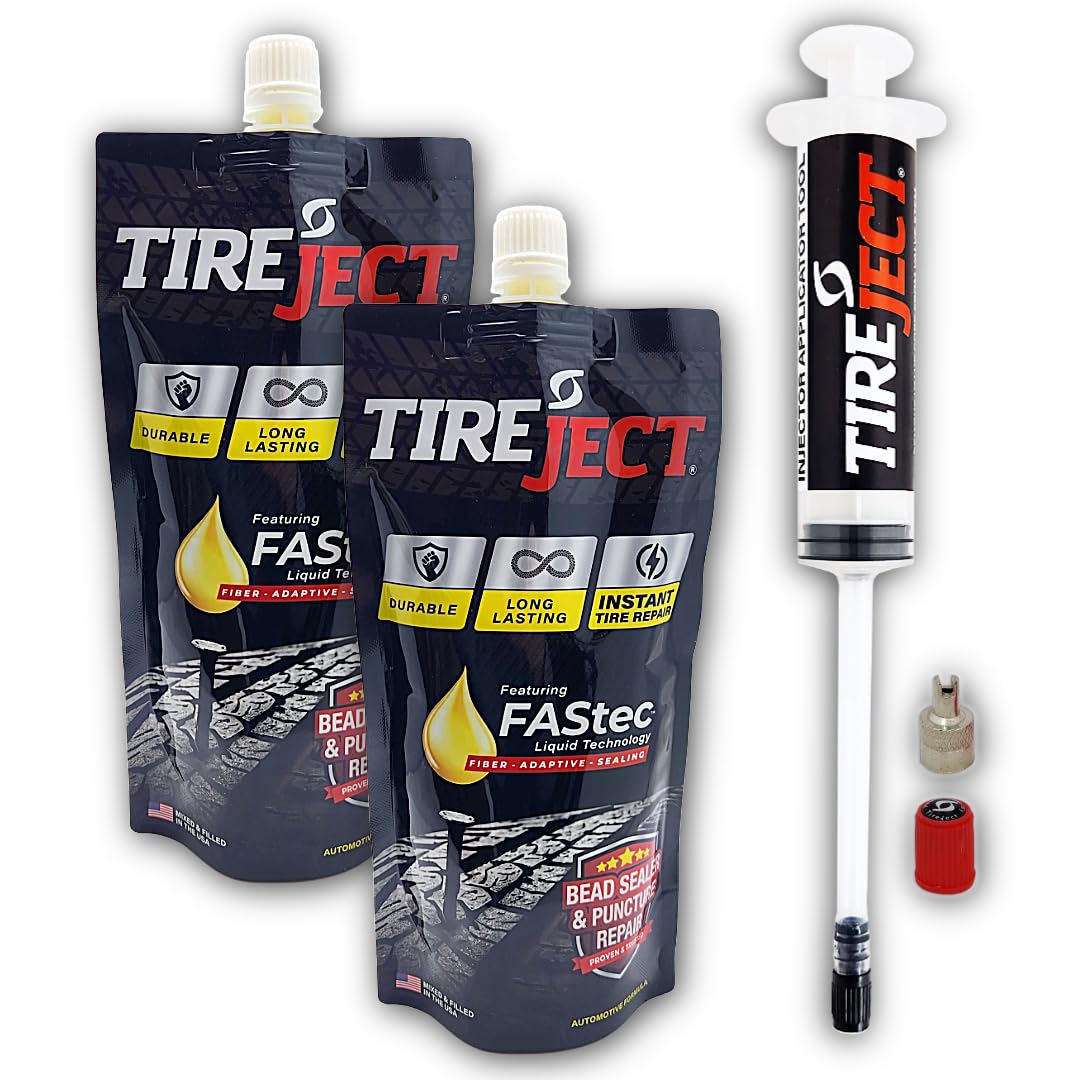
This is an on-road tire sealant kit sized for full-size pickup and SUV tires. Each pouch contains 10 ounces of TireJect Automotive sealant, and the listing says one pouch covers one tire up to 275/70R22. The second pouch can cover another eligible tire or remain stored as a backup.
The formula uses a low-viscosity liquid rubber compound, sealing particles, and aramid fibers. As the tire rotates, the material moves toward an air leak and forms a seal from inside the tire. The injector makes dosing cleaner than pouring directly into the valve stem, but the process still requires you to remove and reinstall the valve core.
Who Should Buy It?
Best For
- Drivers with a diagnosed slow bead leak between the tire and rim.
- Truck or SUV owners with a small puncture in the center tread.
- Road-trip, work-truck, and fleet drivers who already carry an inflator.
Skip If
- The puncture is in the sidewall or shoulder, exceeds 1/4 inch, or exposes cords.
- The wheel is bent, cracked, or otherwise damaged.
- You need an all-in-one kit that also inflates the tire.
Before You Buy: This automotive formula is for existing bead leaks and center-tread punctures only. Do not use it on sidewall or shoulder damage, an unknown leak location, a puncture larger than 1/4 inch, or visible tire or rim damage.
Feature-by-Feature Review
Sealant Formula and Leak Control
TireJect combines a liquid rubber compound with active sealing particles and aramid fibers. The low-viscosity fluid can move through the valve stem and circulate inside the tire, while the fibers and particles collect at the leak. This design is suitable for slow bead leaks and small center-tread punctures, including damage caused by a nail or screw.
The main limit is location. The on-road formula is not approved by the manufacturer for sidewall or shoulder punctures, and it cannot correct structural damage. If the tire has been driven while severely underinflated, it still needs a full inspection.
Fit and Compatibility
The two-pack is the correct TireJect variant for full-size truck and SUV tires that use up to 10 ounces per tire. The published dosage guide covers full-size tires up to 275/70R22. Larger custom sizes may need more sealant, so this two-pack may not provide two complete treatments for oversized tires.
The automotive formula is listed as compatible with most TPMS valve stems. You should still tell the tire technician that sealant is inside the tire so the sensor, valve, wheel, and tire can be cleaned and inspected properly.
Injector, Tools, and Storage
The reusable injector threads onto the valve stem and helps you measure and deliver the sealant with less mess. A valve-core tool and red valve-stem cap are also included. The compact package is easy to store in a cargo bin, tool box, or roadside kit.
An air source is essential. The sealant kit does not include a compressor, so you need a portable inflator or access to shop air before the tire can return to the pressure listed on the vehicle placard.
How It Performs in Real Use
For a Slow Bead Leak
A bead leak often shows up as a tire that loses pressure over several days. TireJect is designed to circulate to the leak between the tire and rim and seal small air paths. This can reduce repeated top-offs, but corrosion, flaking wheel coatings, or rim damage can still require wheel service.
For a Center-Tread Nail or Screw
The manufacturer supports tread punctures up to 1/4 inch in the center tread. The sealant can reach the opening from inside as the tire rotates. You still need to confirm that the puncture is in the approved area and that the tire has no hidden internal damage.
For Roadside or Travel Backup
The kit is useful when you have an eligible puncture, no practical spare-tire option, and a safe place to work. Because application requires valve-core removal, it is less convenient than an aerosol seal-and-inflate can, but it gives you a measured 10-ounce dose for a large tire.
For a Recurring Leak
If pressure continues to drop after treatment, stop relying on repeated applications. The manufacturer advises against multiple applications in the same on-road tire because excess sealant can affect balance. A recurring leak points to a puncture, bead, valve, wheel, or tire problem that needs diagnosis.
What People Say
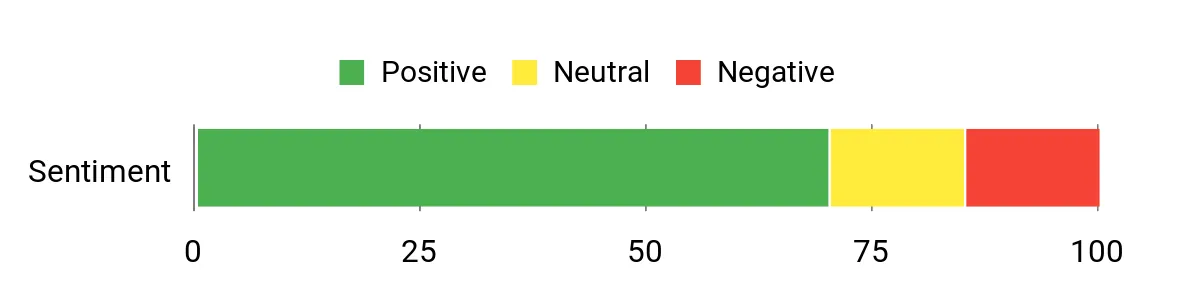
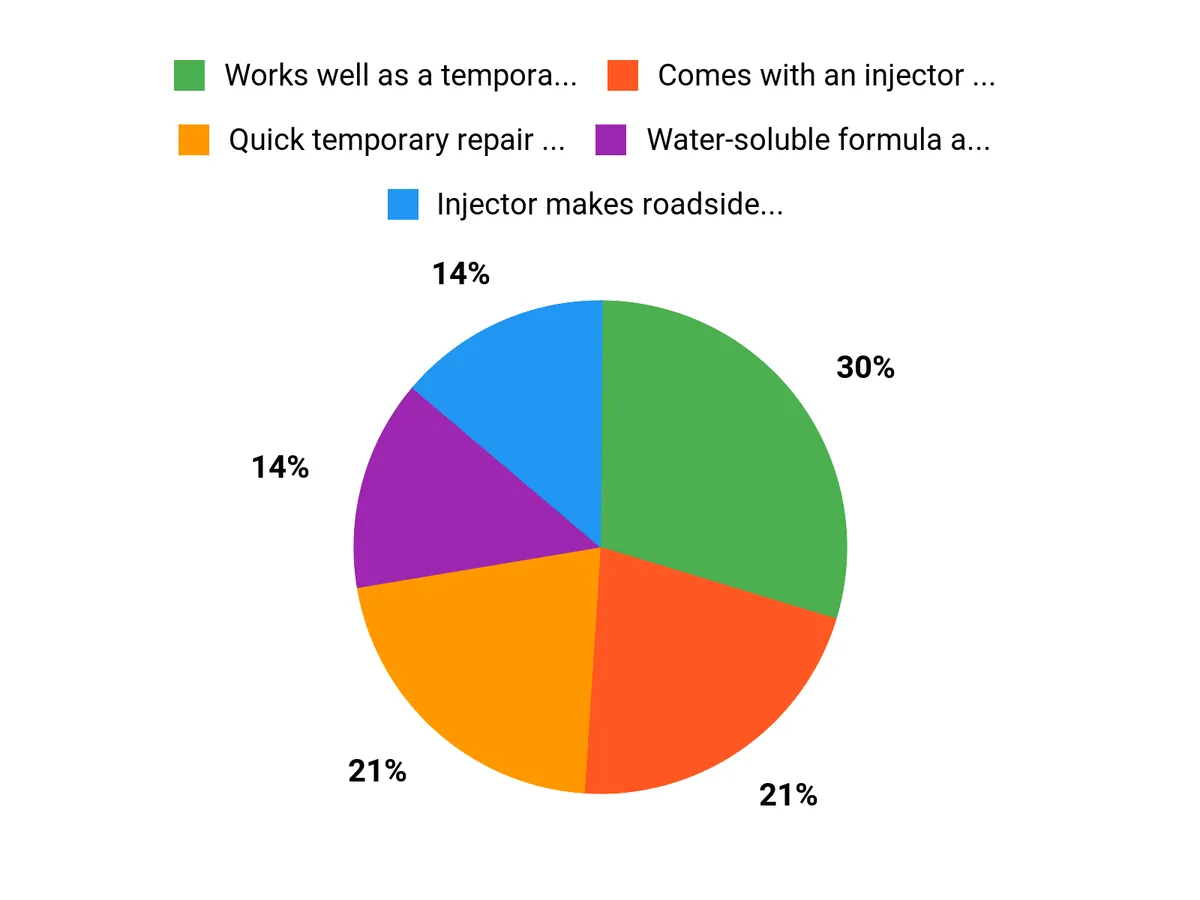
Buyer feedback trends positive around the kit’s ability to slow or stop persistent bead leaks and small punctures. Owners also value the included injector because it reduces guesswork compared with pouring sealant through the valve stem.
The most useful negative feedback concerns the valve-core removal step and inconsistent results when the underlying damage falls outside the product’s supported repair range. That is a fair limitation for any liquid sealant: it can seal an eligible air path, but it cannot restore damaged tire structure or repair a bent wheel.
Overall Sentiment: Positive, with results depending on correct diagnosis and application.
Pros and Cons
Pros
- Two 10-ounce pouches sized for full-size truck and SUV tires.
- Supports slow bead leaks and center-tread punctures up to 1/4 inch.
- Reusable injector helps control dosage and reduce spills.
- Compatible with most TPMS valve stems when used as directed.
- Water-soluble formula is easier for a tire shop to clean than many thick sealants.
Cons
- No compressor or inflator is included.
- Valve-core removal adds a step and can be difficult if the core is tight or corroded.
- Not suitable for sidewall, shoulder, major tire, or rim damage.
[Products Worth Considering]

This multi-function tire valve stem removal tool set makes it fast to remove, install, bleed, and clean valve cores for easier tire maintenance. It includes valve core removers, a 4-way spool tool, replacement valve caps, and spare cores to handle replacements and repairs with confidence. Universal compatibility suits cars, trucks, motorcycles, bicycles, and more for roadside convenience.

Wykodra tire plugs provide quick vulcanizing repairs for tubeless tires, helping you seal punctures and get back on the road. The industrial-strength rubber creates a long-lasting, leak-resistant bond and is designed for emergency fixes without removing the tire. Choose between two standard plug sizes with color-matched options for small to larger damage across many vehicles and off-road uses.
How to Use It Correctly
- Park in a safe, level location and identify the leak. Do not continue if the damage is in the sidewall or shoulder, larger than 1/4 inch, or otherwise outside the approved repair area.
- Fully deflate the tire and use the included tool to remove the valve core.
- Thread the injector onto the valve stem and add the correct dose. For a full-size truck or SUV tire up to 275/70R22, the listed dose is one 10-ounce pouch.
- Reinstall the valve core, then inflate the tire to the cold pressure shown on the vehicle’s tire-information placard.
- Install the red valve-stem cap and drive at low speed for about two to three minutes so the sealant can circulate.
- Stop and recheck pressure. If the tire will not hold air, vibrates, or shows visible damage, discontinue use and arrange professional service.
Pro Tip: Pack a 12-volt inflator, an accurate tire gauge, gloves, and a second valve-core tool with the kit. TireJect can seal an eligible leak, but it cannot restore tire pressure by itself.
Ease of Use
|
Task |
Difficulty |
|---|---|
|
Confirming tire size and dose |
Easy, if you read the size molded into the tire sidewall. |
|
Removing the valve core |
Moderate, especially if the core is tight or corroded. |
|
Injecting sealant |
Easy with the threaded injector and measured pouch. |
|
Reinflating and checking pressure |
Easy with a suitable compressor and tire gauge. |
Compatibility and Safety
Use this kit only with the TireJect Automotive on-road instructions. Do not pre-install it as a puncture preventive in a highway-speed tire. Do not add more than the recommended amount, and do not apply a second dose to the same on-road tire unless the manufacturer directs you to do so.
Do not use sealant on a sidewall or shoulder puncture, exposed cords, a large cut, rim damage, or a tire that has been driven flat. A certified tire shop should inspect the tire before continued highway use when the damage is uncertain. Tell the technician that sealant was used so the tire, wheel, valve, and TPMS sensor can be handled correctly.
Wear gloves, avoid contact with eyes, and clean spills according to the product label. Store the sealed pouches and tools where they will not be crushed or punctured, and follow the package instructions for temperature and disposal guidance.
Is It Worth the Price?
This kit offers strong value for drivers who have large tires, already own a portable inflator, and want two measured sealant doses. It can be less expensive and more convenient than a tow when the leak is within the supported repair range.
The value drops if you need an all-in-one inflation system or if the leak source is unknown. Amazon pricing and availability can change, so compare the current cost with a compressor-and-sealant kit and with the price of professional bead service before you buy.
How It Compares to Alternatives
Fix-a-Flat aerosol products combine sealant with a small amount of inflation, which can be faster during an emergency. TireJect separates the sealing step from inflation, but its measured injector system and 10-ounce truck/SUV dose may suit drivers who already carry a stronger compressor.
A Slime inflator-and-sealant kit is a better match if you want one package that both seals and reinflates. A manual rope-plug kit can address an accessible tread puncture without liquid inside the tire, but it requires you to locate and prepare the puncture and is not a solution for a bead leak. TireJect makes the most sense when the leak is eligible, you prefer valve-stem injection, and you already have an air source.
Frequently Asked Questions
What tire problems can this TireJect kit seal?
The automotive formula is designed for slow bead leaks and center-tread punctures up to 1/4 inch. It is not for sidewall or shoulder punctures, large cuts, exposed cords, rim damage, or an unknown leak source.
How many tires can the two-pack treat?
The kit includes two 10-ounce pouches. One pouch is the listed dose for one full-size truck or SUV tire up to 275/70R22, so the package can treat two tires within that range.
Does the kit inflate the tire?
No. You need a separate compressor or tire inflator to restore pressure after reinstalling the valve core. Carrying a gauge is also important so you can match the vehicle placard pressure.
Is TireJect safe for TPMS sensors?
The automotive formula is listed as compatible with most TPMS valve stems when used as directed. Tell your tire technician that sealant is present so the valve and sensor can be inspected and cleaned during service.
Can you use it as a preventive treatment?
Not in on-road, highway-speed tires. TireJect directs automotive users to apply the product after an eligible puncture or bead leak occurs, rather than pre-installing it to prevent future flats.
Can you add a second pouch if the tire still leaks?
Do not automatically add more sealant. Excess product can create balance problems, and continued air loss may mean the puncture, bead, valve, wheel, or tire needs professional repair.
Should a tire shop inspect the tire afterward?
Yes, especially after a puncture, a period of low pressure, or any uncertain damage. A technician can inspect the inside of the tire, confirm the repair area, and check the wheel, valve, and TPMS sensor.
Why Customers Choose
You may choose this TireJect kit because it combines a full-size tire dose with an injector that threads onto the valve stem. The two-pouch format also gives you backup coverage without requiring a large bottle and separate measuring process.
Its best advantage is targeted coverage for two common problems: a small center-tread puncture and a slow bead leak. Its main tradeoff is that it cannot inflate the tire or correct structural damage, so it works best as one part of a complete roadside setup.
The Bottom Line
The TireJect Full-Size Truck/SUV 2-Pack is a practical choice for drivers who need a measured sealant dose for an eligible bead leak or center-tread puncture and already carry an inflator. Skip it when the damage is outside the tread, the wheel is damaged, the leak source is unknown, or you want a kit that provides air as well as sealant.
Its strongest features are the two 10-ounce pouches, reusable injector, TPMS compatibility, and water-soluble cleanup. The limitation is equally clear: correct diagnosis and correct dosage matter, and serious tire damage still requires professional service.
Ready to Buy?
Check the latest price, seller, and product details before you decide.

Related Articles

Best All-Terrain Tires for SUVs 2026: Rugged Tires for Trails and Daily Driving
You need tires that bridge the gap between weekend trails and weekday commutes, so choosing the right all-terrain set matters more than ever. The…
Read More
Best Westlake Tires 2026: Affordable Tires for Daily Driving and All-Season Use
You spend a lot of time on the road, and the tires you choose affect safety, comfort, fuel economy, and long-term costs. Westlake offers…
Read More
Best Sailun Tires 2026: Affordable Tire Picks for Everyday Driving
You rely on tires for safety, fuel economy and ride comfort, so choosing the right Sailun model matters more than just price. This guide…
Read More