
ptiysta Bicycle Tire Levers Review: 4-Piece Stainless Steel Flat Tire Removal Tool Set
Disclosure: As an Amazon Associate, we earn from qualifying purchases. If you click a link on this page and make a purchase, we may receive a small commission at no extra cost to you.
A stubborn bicycle tire can turn a simple tube change into a frustrating roadside repair, especially when a plastic lever bends or snaps. The ptiysta 4-piece Bicycle Tire Lever set uses stainless steel, a flat scoop, and spoke hooks to give you more leverage during tire removal. Its main strengths are durability, compact storage, and a low-cost four-tool package, but bare metal demands more care around painted, soft-alloy, and carbon rims. This review helps you decide whether that extra strength is useful for your bike or whether a rim-friendlier plastic lever is the safer choice.
At a Glance
Quick Verdict
Rating: 8/10, recommended with caveats
Best For: Riders and home mechanics who want strong, reusable levers for conventional bicycle tire changes.
Bottom Line: You get four compact stainless-steel levers with flat tips, textured surfaces, and spoke hooks. They resist the breakage that can affect light plastic tools, but they require controlled pressure and may not be the best choice for delicate rims or very tight tubeless setups.
| Specification | Detail |
|---|---|
| Brand | ptiysta |
| Model name | Updated model |
| Product type | Bicycle tire levers / tire pry bars |
| Quantity | 4 levers |
| Material | Stainless steel |
| Finish | Silver, brushed or frosted non-slip surface |
| Lever dimensions | 4.7 × 0.6 × 0.6 inches |
| Listed item weight | 0.11 kilograms |
| Design details | Flat scoop tip, curved spoke hook, one-piece metal construction |
| Compatibility | Listed for road and mountain bikes; actual fit depends on tire and rim design |
| Included components | 4 tire levers |
| Warranty | 1 year |
[Products Worth Considering]
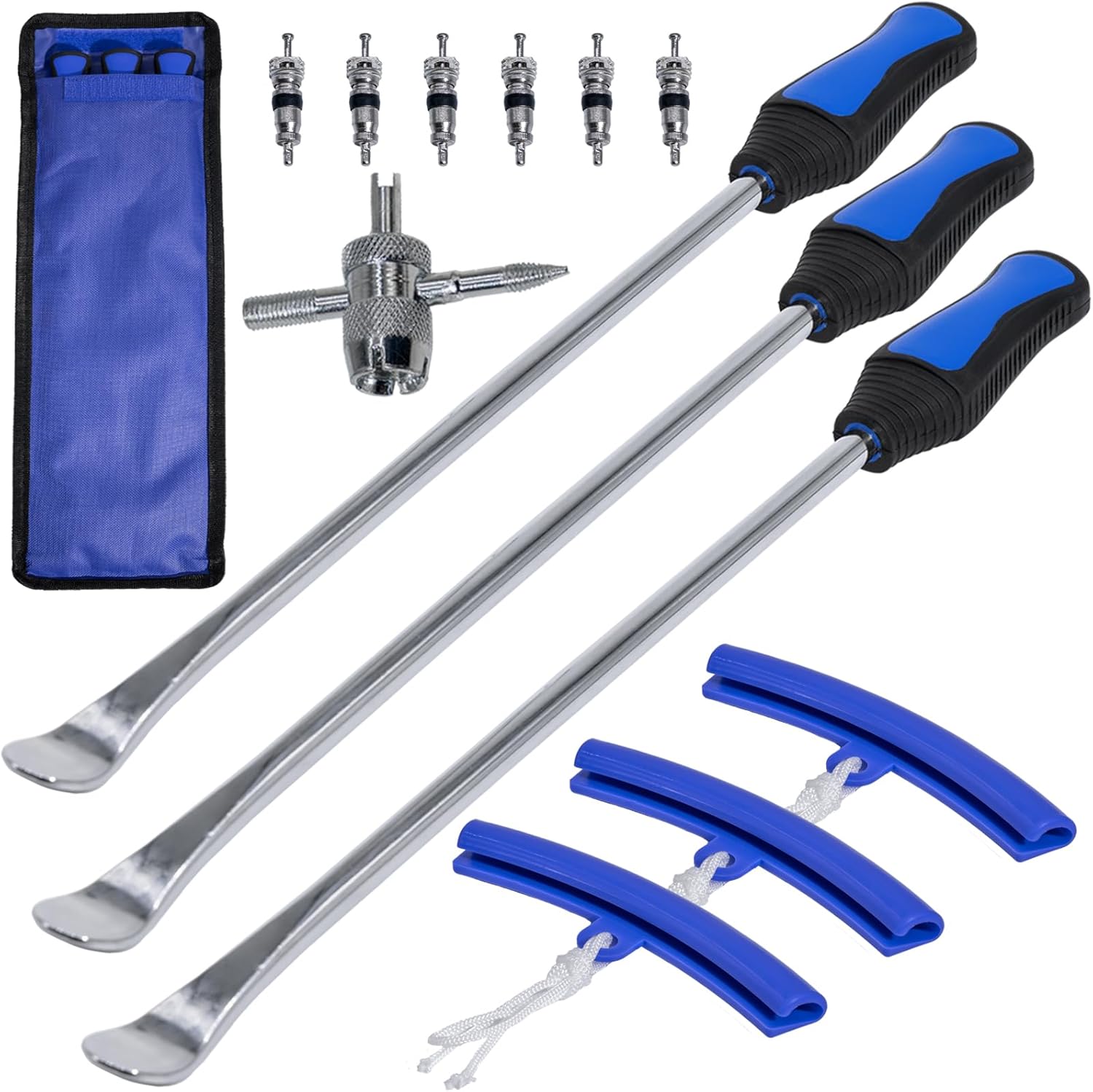
This tire spoon set helps you remove and install motorcycle, dirt bike, lawn tractor, and bicycle tires with extra leverage from a 14.5-inch spoon length. The kit includes tire removal tools, rim protectors, and a valve tool to simplify repairs and help protect rims during changing. Designed for quick, on-the-go service, it’s convenient for garage work, trails, and track-side fixes.

This PXZBLG bike repair kit helps you tackle common tire and on-the-ride issues with a compact, ride-ready tool collection. It includes a mini tire pump supporting both Presta and Schrader valves, a 16-in-1 bike multitool, tire levers, glueless patches with a plastic box, plus 4mm and 5mm Allen wrenches. A convenient bike bag stores everything so you can mount it on your road bike or mountain bike for lightweight, portable preparedness.

Tiakia’s mini high-pressure frame pump delivers up to 260 PSI for faster, more efficient inflations with an optimized intake volume. It features a double-head valve design compatible with Schrader and Presta, plus a conversion for Donlop, making it versatile for bikes and many inflatables. The lightweight anodized aluminum build includes a mounting bracket for convenient carry, while the flexible high-pressure hose and IPX4 waterproof body support outdoor use.
Ptiysta Bicycle Tire Levers
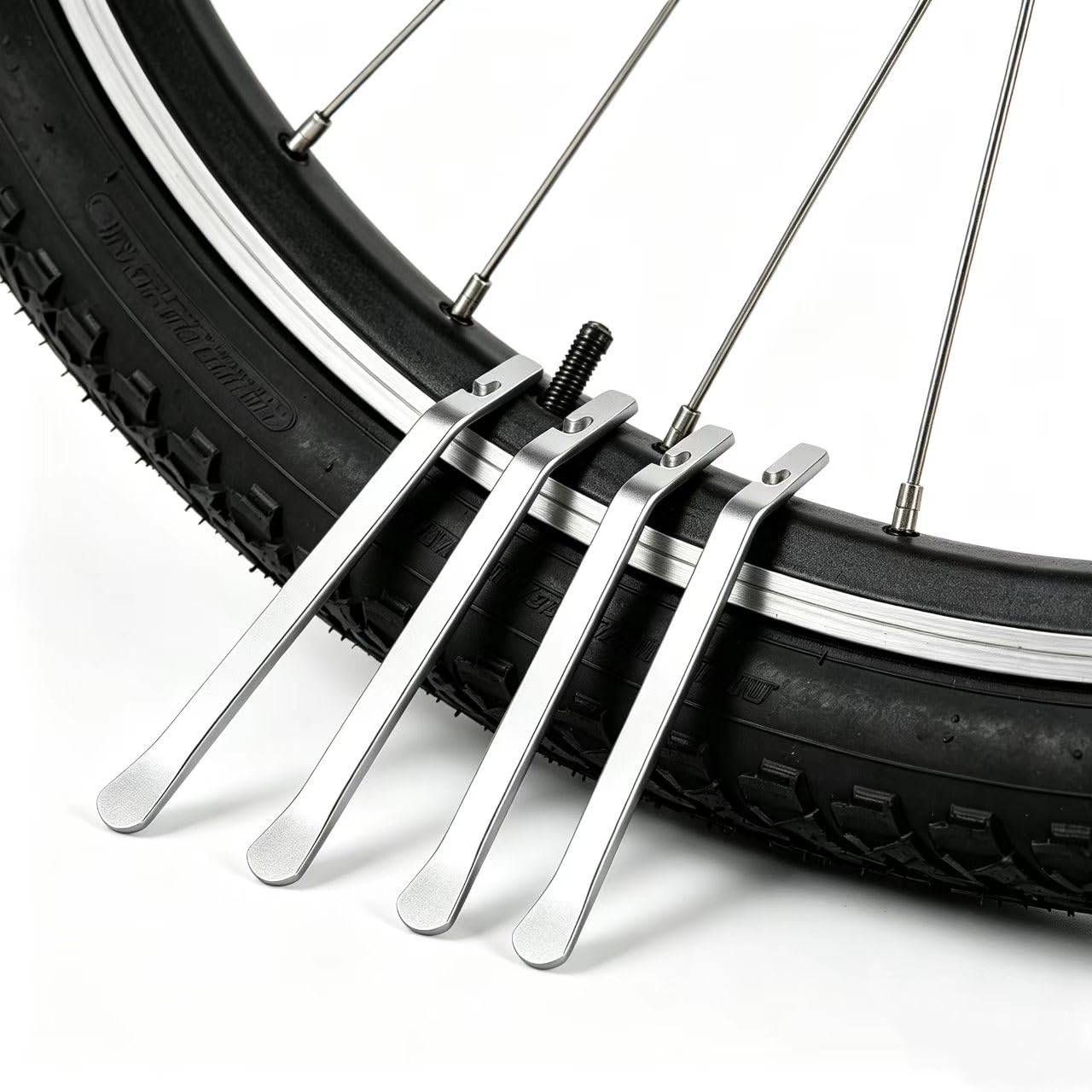
The ptiysta set is a compact bicycle repair tool designed to lift a tire bead over the rim during tube removal, patching, or tire replacement. Each lever is made from stainless steel and measures 4.7 inches long, which gives you more stiffness than many basic plastic levers without taking up much room in a saddlebag or workshop drawer.
The flat end slides beneath the bead, while the curved end can hook onto a spoke to hold the first section of tire in place. You receive four levers, so you can keep one anchored and use a second or third to work along a tight bead. The fourth tool provides a spare or lets you divide the set between a ride kit and a home toolbox.
What People Say
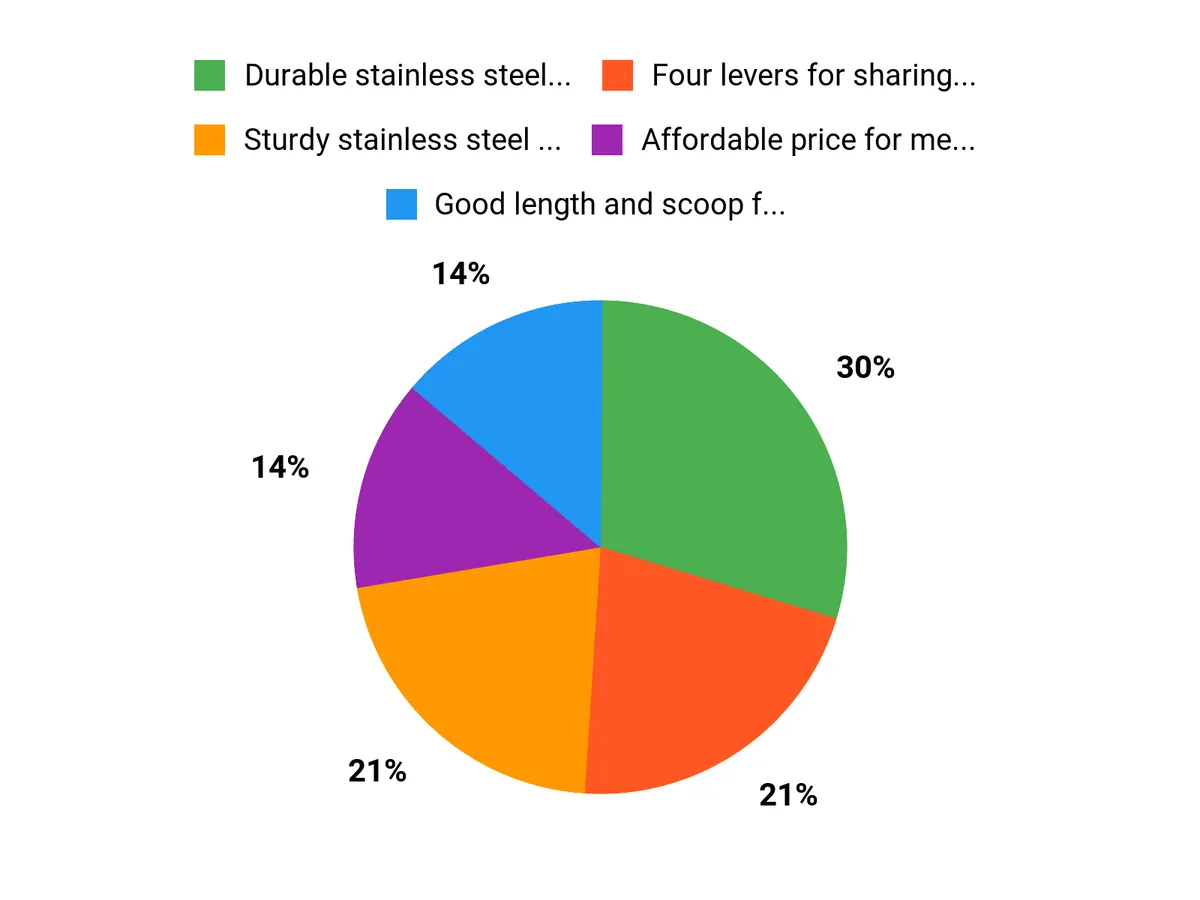
The customer-feedback summary supplied with this article is generally positive about strength, value, and the spoke-hook design. The recurring caution is edge finish: a metal lever should feel smooth before it touches your rim, tube, or rim tape. That concern matters more than cosmetic finish because a burr or sharp edge can create damage during a forceful tire change.
Overall Sentiment: Positive, with a practical caution about smoothness and rim protection.

Who Should Buy It?
Best For
- Commuters who want a sturdy backup for roadside tube changes.
- Home mechanics dealing with conventional clincher tires and stubborn beads.
- Riders who prefer reusable metal tools and want four levers in one compact set.
Skip If
- You have carbon, polished, painted, or otherwise delicate rims and want the lowest scratch risk.
- You need a lever specifically approved by your wheel or tire maker for a tight tubeless system.
- You prefer a padded handle or a lighter, stackable plastic set for jersey-pocket carry.
Before You Buy: These are bare stainless-steel levers. Inspect every edge before first use, and check your rim and tire maker’s service guidance. A plastic or coated lever is the safer choice when scratching, rim-tape damage, or carbon-surface damage is a concern.
Build Quality and Materials
Stainless steel is the main reason to choose this set. It gives each lever a rigid feel and reduces the chance of snapping under ordinary tire-removal loads. The one-piece construction also avoids joints that could loosen over time, while the brushed surface gives your fingers more purchase than a polished metal strip.
That strength comes with tradeoffs. The listed weight is 0.11 kilograms, so the set is heavier than a pair of small plastic levers. There is also no rubberized grip, which means sustained pressure can feel harder on your palm. For occasional repairs this is manageable, but a shop mechanic changing several tires may prefer a longer or coated tool.
Flat Tip, Spoke Hook, and Leverage
The business end uses a flat, thin profile intended to reach beneath the tire bead. Once the first section is lifted, the curved hook can catch a spoke and keep the lever from springing free. This frees both hands for the next lever and is especially useful when the bead keeps dropping back into place.
Using two or three levers usually gives you better control than forcing one tool. Start with small movements and keep the opposite side of the bead pushed into the rim’s center channel, where the effective diameter is smaller. That technique reduces the force needed and lowers the chance of pinching the tube.
Pro Tip: Before levering, deflate the tube fully and push both tire beads toward the rim’s center channel all the way around the wheel. You will often need less force, which protects the tube, rim tape, and lever edges.
Compatibility and Rim Safety
The listing describes the levers for road and mountain bikes, and the general-purpose shape should work with many commuter, hybrid, and standard clincher setups. Compatibility is not universal, however. Tire casing stiffness, bead construction, rim width, hookless-rim rules, and tubeless fit can change how much force is safe.
Metal should never be treated as harmless simply because the lever is purpose-built. Keep the tip under the tire bead rather than digging it against the rim wall. Work slowly around valves, avoid trapping the tube, and stop if the lever is gouging a finish or deforming rim tape. For carbon wheels or a wheel with special service limits, follow the wheel manufacturer’s instructions.
How It Performs in Real Use
[Products Worth Considering]

Convert Presta bicycle valves to accept standard Schrader pump nozzles for fast, hassle-free inflation. This kit includes durable brass adapters with leak-resistant connections, plus sports inflation needles and protective valve caps for convenient use on bikes and ball sports equipment.

This 4-pack kit converts Presta bike valves to standard Schrader valves so you can inflate with any regular pump or air compressor. The solid brass adapters include an O-ring for a tight, leak-proof seal and provide a simple screw-on setup. Compatible with road bikes, mountain bikes, e-bikes, and e-scooters, it’s designed for convenient, everyday carry readiness.
Roadside Tube Changes
The four-piece format gives you redundancy when a flat interrupts a commute or recreational ride. One lever can stay hooked to a spoke while a second moves along the bead, and you still have spares if one is misplaced. The tools are small enough for a saddlebag, though their metal weight is more noticeable than compact plastic levers.
At-Home Tire Maintenance
For routine tube swaps and worn-tire replacement, the rigid steel body provides consistent leverage. It is particularly useful when a flexible lever bends before the bead clears the rim. You still need correct technique, because more tool strength can transfer more force into the rim or tube when the lever is placed poorly.
Tight Clincher Beads
On a tight but conventional clincher, using several short steps is safer than trying to lift a large section at once. The flat tip and spoke hook make that method practical. If the bead will not move after it is centered in the rim channel, stop and confirm that the tire and rim are compatible rather than increasing force without limit.
Travel and Storage
The listing says the four levers can be lined up together for storage, and the 4.7-inch length fits common repair pouches and toolboxes. Because the finish is metal, store them where the tips cannot rub against a spare tube, electronics, or a painted frame. A small cloth sleeve can prevent noise and abrasion in a travel kit.
How to Use the Levers Correctly
- Remove the wheel and release all air. Open the valve and press the tire to confirm the tube is fully deflated.
- Move the bead into the center channel. Work around both sides of the tire, pushing the bead inward to create slack near the point where you will start.
- Insert the first lever away from the valve. Slide only the smooth scoop beneath the bead, taking care not to catch the inner tube.
- Lift a small section and hook the spoke. Use the curved end to hold the lever when the wheel design allows it.
- Add a second lever nearby. Move in short steps until one side of the bead can be guided over the rim by hand.
- Remove the tube carefully. Start at the valve and inspect the tube, tire casing, rim tape, and rim for the cause of the puncture.
- Reinstall without forcing the final section. Keep the bead centered, avoid pinching the tube, and use a lever for installation only when your tire and rim instructions permit it.
Wipe the tools after wet rides and inspect them for burrs, bends, or corrosion before storing them. Stainless steel resists rust, but clean, dry storage still protects the finish and the other items in your repair kit.
Pros and Cons
Pros
- Four stainless-steel levers provide stiffness, spares, and flexible placement.
- Flat scoop tips help reach beneath a tire bead.
- Curved spoke hooks can hold a lifted bead while you use another lever.
- Compact 4.7-inch length works for saddlebag or toolbox storage.
- One-year warranty adds basic purchase protection.
Cons
- Bare metal can scratch or damage delicate rims, rim tape, or tubes when used carelessly.
- No padded or rubberized grip for long repair sessions.
- Heavier than many plastic alternatives and not ideal for every tubeless or carbon-wheel setup.
Is It Worth the Price?
This is a budget-oriented tool set that focuses on basic strength rather than premium handles, coatings, or extra functions. You receive four matching levers, so the value is strongest when you want a home set plus roadside spares or you regularly encounter beads that overwhelm thin plastic tools.
It is not the best fit when rim protection is your top priority. A high-quality plastic or metal-core lever with a protective outer layer may cost more, but that added protection can be worthwhile for expensive wheels. Check the current listing price and seller details before deciding, since Amazon pricing and offers can change.
How It Compares to Alternatives
Park Tool TL-4.2 levers and Pedro’s Tire Levers use strong plastic designs with flat or chisel-style tips and spoke hooks, making them appealing when you want lower scratch risk. Muc-Off Rim Stix are another plastic option aimed at strong leverage and easy bead engagement. Those alternatives are generally lighter and more rim-friendly, while the ptiysta set gives you four bare stainless-steel tools and a more rigid feel.
The ptiysta levers make the most sense when you value metal strength, a four-piece package, and simple spoke-hook operation. Choose a quality plastic option when you carry tools in a jersey pocket, work around delicate finishes, or want a lever that is less likely to mark a rim after a slip.
Why Riders Choose
You choose this set for its straightforward combination of stainless-steel strength, compact dimensions, four-piece quantity, and spoke-hook control. It is a practical backup for conventional tire repairs, provided you inspect the finish and use measured pressure rather than treating the metal body as permission to force a difficult bead.
Frequently Asked Questions
Will these levers work with my bike?
The listing describes them for road and mountain bikes, and they should suit many standard clincher tires. Fit still depends on the specific tire, rim, and bead system, so check the instructions for your wheel and tire before using a metal lever.
Can stainless-steel tire levers damage a rim?
Yes, damage is possible if an edge is rough, the tool slips, or excessive force is applied against the rim wall. Inspect the levers first, keep the scoop under the bead, and use plastic or coated tools for delicate finishes and carbon rims when recommended.
Are they suitable for tubeless tires?
They may lift some tubeless beads, but that does not make them suitable for every tubeless rim or tire. Tight systems, hookless rims, and delicate rim tape may require a manufacturer-approved plastic lever or a specific mounting method.
Why does the set include four levers?
Tight beads may require one lever to stay hooked to a spoke while a second and third move along the rim. The fourth gives you a spare, lets you share the set, or allows you to keep tools in two repair kits.
How do I avoid pinching the inner tube?
Deflate the tube fully and make sure the lever tip is beneath the tire bead, not the tube. Use short movements, keep the bead in the rim’s center channel, and check that the tube is not trapped before reinstalling the final section.
Do the levers need maintenance?
Wipe them clean and dry after use, then inspect the tips and edges for burrs, bends, or corrosion. Store them where the metal cannot rub against a spare tube, frame finish, or other sensitive equipment.
Are these better than plastic tire levers?
They are stiffer and less likely to snap than weak plastic levers, but they are heavier and can be harder on rims if they slip. Strong plastic levers are often the better choice for carbon or polished rims, while these suit buyers who prioritize rigid metal construction.
The Bottom Line
The ptiysta 4-piece Bicycle Tire Lever set is a sensible budget choice for commuters and home mechanics who want compact, rigid tools for conventional tire work. Its stainless-steel build and spoke hooks are useful strengths, but riders with delicate rims, strict tubeless systems, or a preference for lightweight tools should choose a quality plastic or coated alternative.
Ready to Buy?
Check the latest price, seller, and product details before you decide.

Related Articles

Best Westlake Tires 2026: Affordable Tires for Daily Driving and All-Season Use
You spend a lot of time on the road, and the tires you choose affect safety, comfort, fuel economy, and long-term costs. Westlake offers…
Read More
Best Sailun Tires 2026: Affordable Tire Picks for Everyday Driving
You rely on tires for safety, fuel economy and ride comfort, so choosing the right Sailun model matters more than just price. This guide…
Read More
Best Snow Tires for Trucks 2026: Winter Truck Tires for Safe Cold-Weather Driving
Winter tires are one of the most effective upgrades you can make to keep your truck safe when temperatures drop and roads become snow-…
Read More