
Road Instant Fixes Flat Tire Sealant Review: Easy Hose Tire Inflator Air Filler 3-Pack
Disclosure: As an Amazon Associate, we earn from qualifying purchases. If you click a link on this page and make a purchase, we may receive a small commission at no extra cost to you.
A flat tire can leave you choosing between a tow, a spare-tire change, or a quick emergency sealant. The Road Instant Fixes Flat Tire Easy Hose Tire Inflator Air Filler Sealant gives you three 16 oz aerosol cans intended to seal and add air through a hose connection. It is easy to store and may help with a small, repairable tread puncture, but it is not a permanent tire repair. This review explains its verified features, the limits you need to understand, and when a different repair option makes more sense.
Quick Verdict
Rating: 7.5/10, recommended with caveats
Best For: Drivers who want a compact, single-use emergency backup and value a three-can package.
Bottom Line: The hose-top aerosol design is simple and the three-pack gives you more than one emergency use. The tradeoff is limited public documentation about puncture size, driving distance, and tube-type tire compatibility, so the can label must guide every application.
Key Specifications
| Specification | Detail |
|---|---|
| Brand | Road |
| ASIN | B07KPLYG6J |
| Product type | Aerosol emergency tire inflator and sealant |
| Can size | 16 oz per can |
| Package quantity | Three cans |
| Application design | Hose-top can that connects to a tire valve |
| Stated functions | Seals and inflates for temporary emergency use |
| Listed safety features | TPMS-safe and non-flammable formula |
| Cleanup | Listed as water-cleanable |
| Best use | Temporary help for a small puncture when the label permits use |
| Main limitation | A professional inspection and approved repair are still required |


What Is the Road Instant Fixes Tire Sealant 3-Pack?
This Road product is a set of three pressurized 16 oz cans that combine tire sealant with inflation. You connect the supplied hose top to the valve stem and discharge the can according to the label. The main appeal is that you do not need to pour liquid sealant into the tire or immediately set up a separate compressor.
The product is best viewed as an emergency mobility aid, not as a substitute for a spare tire, roadside assistance, or a proper internal repair. Public marketplace information describes it as suitable for automotive use and says the hose top works with all wheels. Compatibility with tube-type bicycle, mower, motorcycle, or specialty tires is not clearly documented across reliable sources, so you should not assume those uses are approved.
Before You Buy: Do not use aerosol sealant on a sidewall cut, blowout, exposed cords, damaged rim, or tire that has been driven while fully flat. The public listing does not provide a verified puncture-size limit or maximum driving distance, so follow the can label and arrange tire service as soon as possible.
Who Should Buy It?
Best For
- Drivers who want an easy-to-store emergency backup in more than one vehicle.
- Households that prefer a three-can package instead of one single-use can.
- Buyers who want a hose-top aerosol that supplies both sealant and some inflation.
Skip If
- You need a permanent repair or have damage outside the tread area.
- You want a reusable inflator with a pressure display.
- You need clearly documented approval for a tube-type or specialty tire.
Feature-by-Feature Review
Hose-Top Design and Setup
The attached hose is the product’s main convenience feature. It lets you connect the aerosol can directly to a Schrader-style valve without handling a separate sealant bottle. This can reduce setup time during a stressful roadside stop, although a loose connection may allow product or air to escape.
Inflation and Temporary Sealing
The listing states that the product seals and inflates in seconds. In practical terms, an aerosol can may add enough pressure to help lift the tire away from the rim and allow limited movement, but you still need to confirm the final pressure with a gauge. Never assume the tire has reached the pressure shown on the driver’s door-jamb placard.
Sealant products generally work only when liquid can reach a small leak in the tread area. They are not designed to rebuild a sidewall, close a large hole, repair a damaged bead, or correct a leaking valve stem. If the tire does not hold pressure after the labeled procedure, do not continue driving on it.
TPMS and Wheel Considerations
Public product data describes this formula as TPMS safe and says the hose top works with all wheels. That is useful for modern passenger vehicles, but TPMS-safe does not mean residue-free. Tell the tire technician that sealant was used so the tire, valve, wheel, and sensor area can be inspected and cleaned correctly.
Three-Pack Convenience
Three cans make sense when you maintain several vehicles or want one can in the trunk, one in a second vehicle, and one in the garage. The downside is that aerosol emergency products are consumables. Check each can for corrosion, damage, and the manufacturer’s storage or expiration guidance before relying on it.
Cleanup and Storage
The listing says the formula cleans up with water and is non-flammable. Even so, use it outdoors or in a well-ventilated area, protect your eyes, and avoid direct contact with the spray. Store the cans where the label allows, away from puncture hazards and temperature extremes inside a parked vehicle.
What Buyer Feedback Suggests
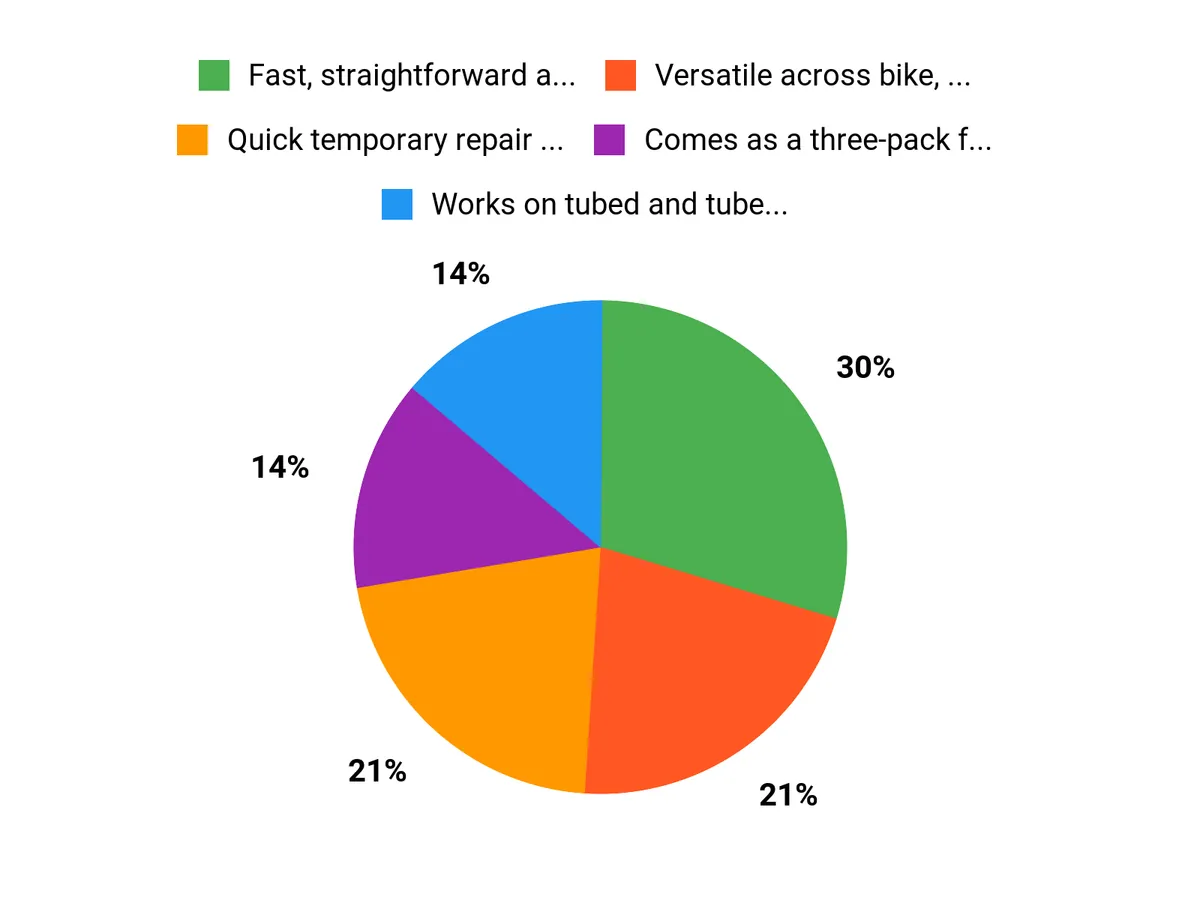
Available feedback tends to focus on the same practical points: quick hose connection, the convenience of a multi-can package, and the possibility of mess or leakage around the fitting. Ratings differ across marketplace listings and some samples are very small, so the product should be judged more by its clearly stated features and limitations than by a single star score.
Overall Sentiment: Mixed to positive, with compatibility and hose sealing as the main concerns.

Pros and Cons
Pros
- Three 16 oz cans provide multiple emergency uses.
- Hose-top design connects directly to the tire valve.
- Combines sealant and inflation in one disposable can.
- Public listing describes the formula as TPMS safe and non-flammable.
- Water-cleanable formula may simplify exterior residue cleanup.
Cons
- It is a temporary emergency measure, not an approved permanent repair.
- Public product information does not clearly state a puncture-size or driving-distance limit.
- Tube-type and specialty-tire compatibility is not reliably verified.
How It Performs in Real Use
[Products Worth Considering]

Wykodra tire plugs provide quick vulcanizing repairs for tubeless tires, helping you seal punctures and get back on the road. The industrial-strength rubber creates a long-lasting, leak-resistant bond and is designed for emergency fixes without removing the tire. Choose between two standard plug sizes with color-matched options for small to larger damage across many vehicles and off-road uses.
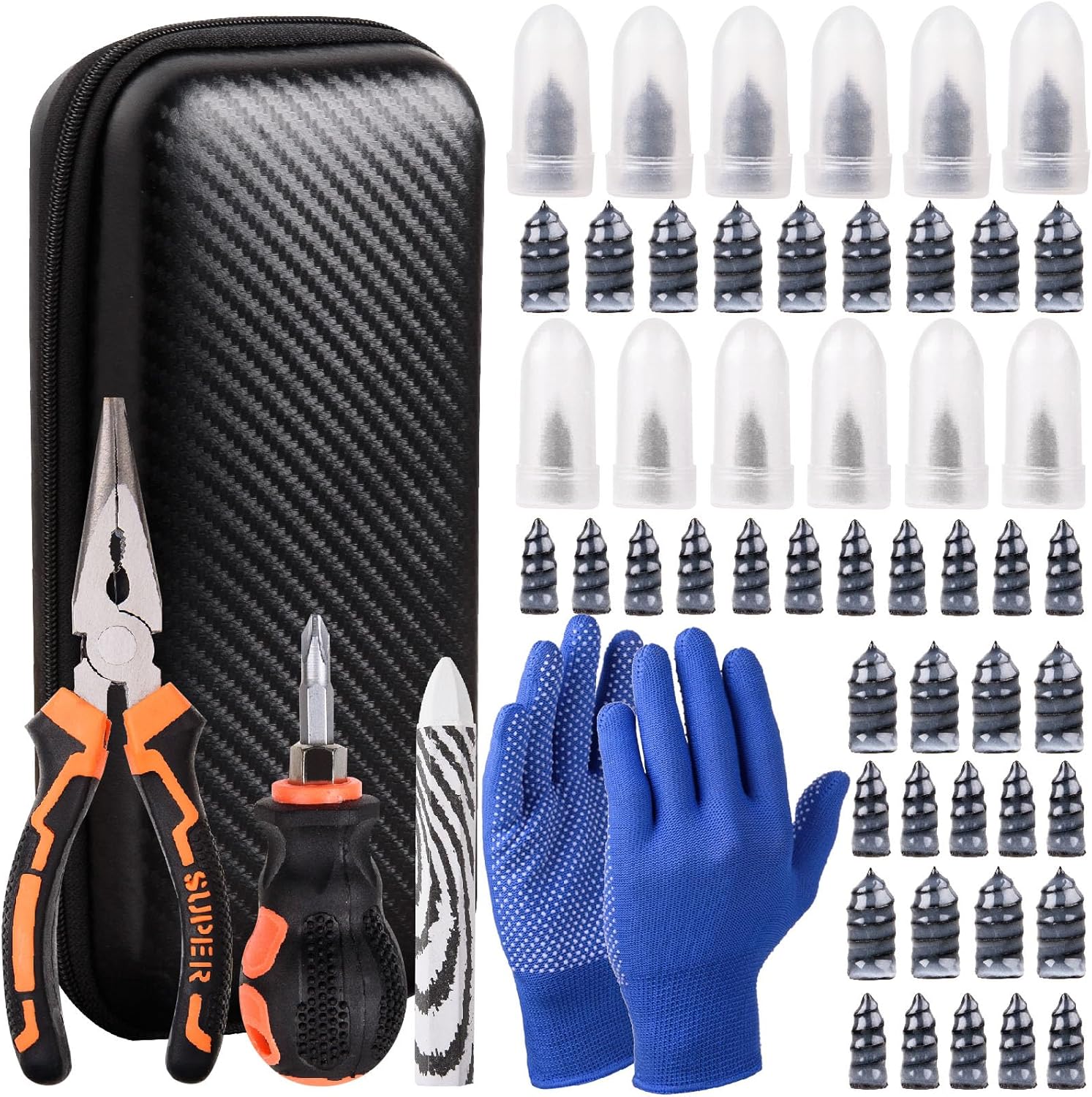
This tire sidewall puncture repair kit fixes flats fast without removing the tire, helping you get back on the road in minutes. It includes self-tapping repair nails, essential tools, gloves, and a portable storage bag for convenient roadside use. Designed for tubeless tires, it helps create a tight, leak-resistant seal for cars, motorcycles, trucks, SUVs, and ATVs.
For a Small Roadside Tread Puncture
This is the scenario where the product makes the most sense. After moving to a safe location, you can connect the hose and use the can without lifting the vehicle. If the tire regains and holds pressure, drive only as the product label permits and go directly to a tire service location.
For a Slow Leak
A slow leak may come from a tread puncture, valve, wheel corrosion, or bead problem. Sealant may help only with certain punctures, so it should not be used to hide repeated air loss. A recurring leak needs diagnosis before the tire is considered safe.
For a Trailer or Utility Tire
The three-pack format may appeal to trailer owners, but the tire type, speed rating, load, and label instructions still matter. Confirm that the can specifically permits the tire and application. Do not use passenger-vehicle guidance as proof that every trailer, mower, bicycle, or tube-type tire is compatible.
For Emergency-Kit Storage
The compact cans are easier to store than a full-size compressor and repair kit. The best setup pairs the aerosol with a reliable pressure gauge, gloves, eye protection, a flashlight, and roadside warning equipment. A charged portable inflator is also useful if the aerosol does not bring the tire to the required pressure.
How to Use It Correctly
- Move away from traffic and stop on a firm, level surface. Turn on hazard lights and follow local roadside-safety rules.
- Inspect the tire. Do not use the product for a sidewall cut, blowout, visible cords, bent wheel, or damage caused by driving on the rim.
- Read the entire can label before connecting it. Follow any instructions about shaking, valve position, puncturing objects, and can orientation.
- Attach the hose firmly to the valve stem and discharge only as directed. Keep your face and eyes away from the connection.
- Check pressure with a tire gauge. Use the vehicle manufacturer’s cold-pressure specification, not the maximum pressure molded on the tire sidewall.
- If pressure drops again, the tire vibrates, or the vehicle pulls, stop driving and arrange roadside assistance.
- Tell the tire professional that aerosol sealant is inside the tire and request a full internal inspection.
Pro Tip: Write the use date on the can or keep a note on your phone, then tell the technician exactly which tire received sealant. This helps the shop prepare for cleanup and assess the tire correctly.
Compatibility and Safety
The listing’s TPMS-safe and non-flammable claims are useful, but they do not make every damaged tire repairable. The U.S. Tire Manufacturers Association says a permanent passenger or light-truck tire repair requires removing the tire from the wheel for inspection, filling the injury with a rubber stem, and sealing the inner liner with a patch. It also limits repairable punctures to the tread area and no more than 1/4 inch, subject to the tire maker’s policy.
You should therefore treat this Road aerosol as a way to reach professional help, not as evidence that the tire is safe for normal service. Run-flat tires, specialty tires, and tires with prior damage may have additional restrictions. Review your owner’s manual because some automakers provide specific instructions for emergency mobility sealants and TPMS service.
For the industry repair standard, see the USTMA tire repair guidance.
Is It Worth the Price?
This is a value-focused emergency product because the package includes three full-size cans rather than one. It is worth considering when you want simple backup coverage for several vehicles or prefer a disposable hose-top solution over carrying loose sealant and a separate pump.
The value is weaker if you need detailed published performance limits, a built-in pressure gauge, or a reusable inflator. You may spend more upfront on a compressor-based kit, but it can provide measured inflation and serve many non-puncture top-offs.
How It Compares to Alternatives
Fix-a-Flat 16 oz is a direct aerosol alternative for standard passenger-car tires and publishes a tread-puncture limit plus a service window. Slime 16 oz Emergency Tire Sealant also publishes a tread-puncture limit and temporary-use window, but it requires a separate source of air.
The Road three-pack makes the most sense when package quantity and hose-top simplicity matter most. Buyers who prefer detailed public instructions, a pressure gauge, or reusable hardware may be better served by a documented aerosol brand or a sealant-and-compressor kit.
Frequently Asked Questions
Can I use it on a car tire?
Public listings describe it as an automotive emergency tire sealant. Use it only for damage and tire types permitted by the can label, then arrange professional inspection as soon as possible.
Is this a permanent tire repair?
No. Aerosol sealant is an emergency mobility measure. A qualified technician must remove and inspect the tire before deciding whether an approved patch-and-plug repair is possible.
Will it repair a sidewall cut or blowout?
No. Do not use it for sidewall damage, exposed cords, a separated tread, a bent wheel, or a tire damaged by driving while flat. Use a spare tire or roadside assistance instead.
Is the formula safe for TPMS sensors?
The public product listing describes the formula as TPMS safe. Still, tell the tire shop that sealant was used so the sensor, valve, tire, and wheel can be checked and cleaned during service.
Can I use it in a bicycle or mower tire?
Do not assume it works with tube-type or specialty tires. Compatibility information is inconsistent across public listings, so use it only when the can label specifically approves that tire type and application.
How far can I drive after using it?
The verified public listing does not state a specific speed or distance limit for this Road product. Follow the can label exactly and drive only far enough to reach safe professional service.
Does one can fully inflate a tire?
The listing says the can seals and inflates, but final pressure depends on tire size, air loss, and damage. Always check with a gauge and use a separate inflator if the label permits and more air is required.
What comes in the package?
The reviewed listing is a three-pack of 16 oz hose-top aerosol cans. Check the current seller page before ordering because marketplace packaging and seller details can change.
Why Customers Choose It
The main reasons to choose this product are simple setup, a three-can supply, and a compact format that fits in a trunk or garage cabinet. It appeals most to buyers who want a basic emergency option and understand that the tire still needs professional inspection.
The Bottom Line
The Road Instant Fixes Tire Sealant 3-Pack is a practical emergency backup for drivers who value hose-top simplicity and three 16 oz cans. Buy it for temporary mobility after a small label-approved puncture, but skip it if you need a permanent repair, verified tube-type compatibility, or a reusable inflator with a pressure gauge.
Ready to Buy?
Check the latest product details and read the can-label instructions before you decide.

Related Articles

Best All-Terrain Tires for SUVs 2026: Rugged Tires for Trails and Daily Driving
You need tires that bridge the gap between weekend trails and weekday commutes, so choosing the right all-terrain set matters more than ever. The…
Read More
Best Westlake Tires 2026: Affordable Tires for Daily Driving and All-Season Use
You spend a lot of time on the road, and the tires you choose affect safety, comfort, fuel economy, and long-term costs. Westlake offers…
Read More
Best Sailun Tires 2026: Affordable Tire Picks for Everyday Driving
You rely on tires for safety, fuel economy and ride comfort, so choosing the right Sailun model matters more than just price. This guide…
Read More