
Overinflated Tires: 5 Risks and Safe PSI Fixes
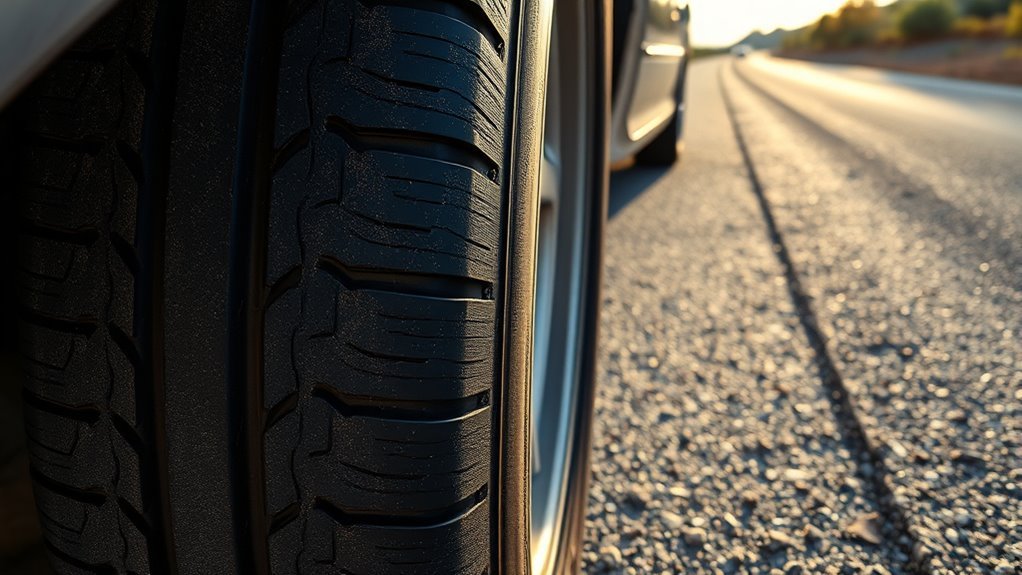
If your tires exceed the vehicle’s recommended PSI, you reduce the contact patch, lose traction, and make steering less predictable. Overinflation can also concentrate load on the center tread, which speeds up center wear and adds stress to the tire casing. Check cold tire pressure, lower it to the placard PSI, and inspect the tread and sidewalls for center wear, bulges, cuts, or cracks.
Why Proper Tire Pressure Matters for Safety and Performance
What’s in This Article
- Why Proper Tire Pressure Matters for Safety and Performance
- What “Overinflated” Means: PSI vs. Manufacturer Specs
- How Overinflation Reduces Traction and Alters Handling
- Why Overinflated Tires Can Be More Likely to Fail
- Why the Center Tread Wears Faster With Overinflation
- How Ride Comfort and Road Feedback Change When Tires Are Overinflated
- How to Check If Your Tires Are Overinflated: Tools and Timing
- How to Safely Deflate an Overinflated Tire to the Correct PSI
- When to Seek Professional Inspection or Replace a Tire After Overinflation
- Simple Tire-Maintenance Habits to Avoid Overinflation and Extend Tire Life
- Frequently Asked Questions
- Safety Disclaimer
- Final Tire Pressure Checks
- References
Quick Answer
Overinflated tires can reduce traction, make the ride harsher, speed up center tread wear, and increase the risk of tire damage. Use the vehicle placard PSI, not the maximum pressure printed on the tire sidewall. Check pressure when tires are cold, then release air in short bursts until each tire matches the recommended PSI.
Key Takeaways
- Use the vehicle manufacturer’s recommended PSI as your target.
- Check tire pressure when the tires are cold for the most reliable reading.
- Watch for center tread wear, bulges, cuts, cracks, and slow leaks.
- Release excess air slowly, then recheck each tire with a reliable gauge.
- Ask a tire professional to inspect any tire that looks damaged or deformed.
When you keep tires at the manufacturer’s recommended pressure, you preserve the designed contact patch and steering response. Overinflation shrinks that contact area, which can reduce traction and raise skidding risk on wet, icy, or loose surfaces.
You should monitor tire pressure regularly to maintain predictable handling and braking performance. Pressure changes affect load distribution, center tread wear, and directional stability.
Correct inflation also helps protect the tire casing from excess stress. It supports safer handling, better tire life, and more consistent fuel economy.
Adopt a simple inspection routine. Check pressures when cold, adjust for temperature shifts, and inspect tread and sidewalls for unusual wear or damage.
What “Overinflated” Means: PSI vs. Manufacturer Specs
Correct tire pressure means more than keeping the gauge within a rough range. You need to match the vehicle manufacturer’s recommended PSI, which you can usually find on the driver’s door jamb or in the owner’s manual.
Overinflated means the tire pressure exceeds those manufacturer specifications. It does not mean the tire has only passed the maximum pressure printed on the sidewall.
Note: The sidewall maximum PSI shows the tire’s upper limit, not the best operating pressure for your vehicle.
You should treat the vehicle’s recommended PSI as the operating target. View the tire’s max PSI as a safety limit, not a daily-use goal.
Pressure also changes with temperature. As a general rule, tire pressure changes by about 1 PSI for every 10°F change in air temperature.
How Overinflation Reduces Traction and Alters Handling
When you overinflate a tire, you reduce the contact patch with the road. That smaller contact area can lower traction and increase the chance of skidding in low-grip conditions.
Reduced road contact also affects cornering grip. You may need more steering input, and the vehicle may feel less stable during turns.
The tire also becomes stiffer as pressure rises. That stiffness can make steering response feel sharper at first, then less predictable during sudden moves or hard braking.
Reduced Road Contact
Extra pressure can change how your tire meets the road. Over-inflation stiffens the tire carcass and pulls the tread into a more rounded shape.
That shape shrinks the contact patch and puts more load on the center ribs. Less rubber touches the pavement, which can reduce traction on wet or icy surfaces.
Reduced road contact can also increase braking distances. Steering feedback may feel muted because the tire’s altered shape lowers directional stability.
Impaired Cornering Grip
The same reduction in contact patch can also reduce lateral traction. You may feel this most when turning, changing lanes, or avoiding an obstacle.
Overinflation concentrates load on the tire center. That leaves less usable rubber at the tread shoulders, which can reduce cornering stability.
Stiffer sidewalls also reduce tire compliance. The tire may not conform well to road texture, potholes, or bumps, especially in wet or uneven conditions.
Unpredictable Steering Response
Because overinflation narrows the tire’s contact patch, you may get reduced traction and less consistent steering response. Road feel can change quickly as surfaces shift.
The center tread carries more of the load, which can speed up center wear. Over time, that wear changes the tire’s intended contact shape.
Stiffer sidewalls also send more road vibration through the chassis. That harsher feedback can make corrective steering inputs feel less smooth.
Why Overinflated Tires Can Be More Likely to Fail
Overinflating your tires raises internal pressure and stiffens the casing. That can make the tire less able to absorb sharp impacts from potholes, curbs, or debris.
Extra pressure also adds stress to the tire’s structure. Under heat, speed, or heavy loads, that stress can raise the chance of sudden tire damage.
Warning: Do not drive on a tire with a bulge, exposed cord, sidewall crack, or suspected internal damage.
A stiffer tire can also lose grip more easily during hard maneuvers. Those dynamic loads can stress belts, beads, and ply endings.
Road debris and minor obstacles may cause more damage when the tire cannot flex well. Disciplined pressure checks help with blowout prevention and protect your margin of safety.
Why the Center Tread Wears Faster With Overinflation
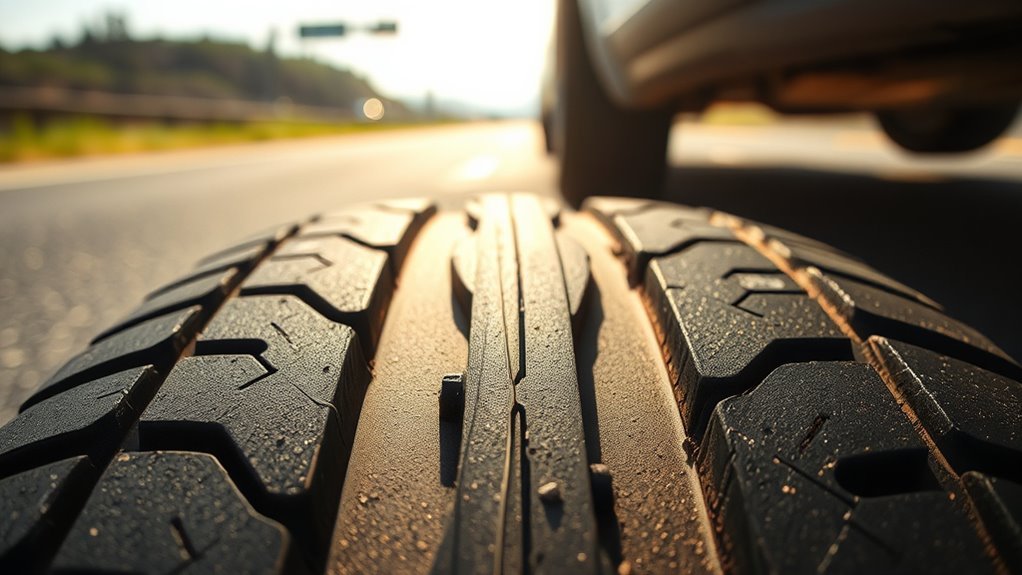
The center of an overinflated tire often wears faster because the tire shape changes under excess pressure. The tread crowns outward, so the middle carries more load than the edges.
That concentrated contact speeds up tread wear in the center and shortens usable tire life.
- Overinflation distorts tire shape and concentrates vertical load on the center ribs.
- The smaller shoulder contact area reduces lateral load sharing.
- Center abrasion increases because the middle tread does more of the work.
- Regular pressure checks help restore even contact and protect traction.
You should treat pressure as a simple control point. Use the correct PSI to reduce uneven wear, avoid early replacement, and keep the tire working as designed.
How Ride Comfort and Road Feedback Change When Tires Are Overinflated
Center tread wear is not the only problem caused by overinflation. You may also notice a harsher ride because the tire sidewall and casing flex less.
That extra stiffness sends more vibration through the suspension and cabin. Steering input can feel sharp, brittle, or noisy over rough pavement.
A smaller contact patch can also reduce grip and make steering less linear. You may feel delayed or uneven feedback during quick lane changes.
Braking performance can suffer when grip drops. On longer drives, the added vibration and harshness may also increase driver fatigue.
How to Check If Your Tires Are Overinflated: Tools and Timing
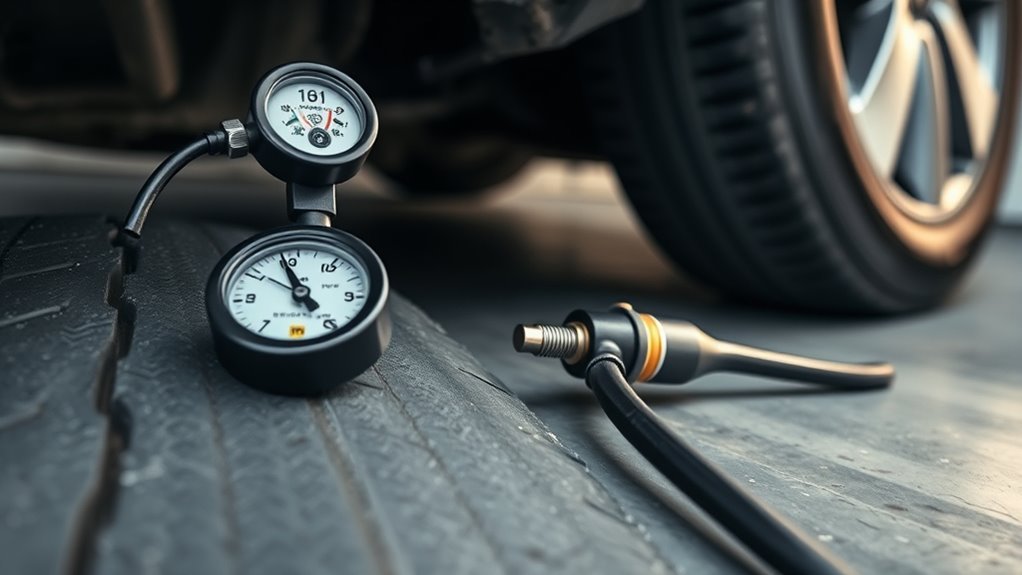
When you suspect overinflation, check tire pressure with a reliable gauge while the tires are cold. Heat from driving raises pressure, so cold readings give you the best baseline.
Use a digital, dial, or stick gauge that reads clearly. Compare each reading to the vehicle placard or owner’s manual, not the max PSI on the tire sidewall.
- Check pressures monthly and before long trips.
- Inspect tread for center wear that may signal chronic overinflation.
- Verify valve stems and caps stay clean, tight, and undamaged.
- Record readings over time to spot pressure drift.
Pro tip: Keep one tire gauge in your glove box so you can check pressure before long drives.
How to Safely Deflate an Overinflated Tire to the Correct PSI
Start by checking the cold tire pressure with an accurate gauge. Note how far each tire sits above the recommended PSI.
Remove the valve cap, then press the valve core with a small tool or fingertip. Release air in short bursts, check the gauge again, and stop when the tire reaches the correct PSI.
Check Tire Pressure
Begin with cold tires before you adjust anything. This gives you a cleaner PSI baseline and reduces guesswork.
Locate the valve stem, remove the cap, and use a tire gauge to record the current pressure. Compare that reading with the manufacturer’s recommended PSI.
- Use a reliable tire gauge to measure overpressure.
- Note the outdoor temperature before you adjust pressure.
- Press the valve pin in short bursts and recheck often.
- Target the manufacturer PSI and write down the final reading.
Release Air Safely
After you document the cold PSI, remove the valve cap and press the valve core pin. Use short, controlled bursts instead of one long release.
Check the gauge after each burst. This helps you avoid dropping below the target PSI and having to reinflate the tire.
Use quality tire pressure tools, such as a clear gauge and a valve core depressor if you have one. Include the spare tire in your routine checks.
Recheck and Adjust
When the tire reaches target PSI, replace the valve cap and check the pressure again. Repeat the same process for each tire.
Work slowly to avoid uneven pressure from tire to tire. Balanced pressure helps maintain balanced handling and steadier braking.
- Check cold tire pressure before driving.
- Use controlled valve-pin taps and measure often.
- Set each tire to the vehicle placard PSI.
- Double-check all tires, including the spare.
When to Seek Professional Inspection or Replace a Tire After Overinflation
If you spot excessive center tread wear, visible bulges, cracks, cuts, or any deformation, ask a qualified technician to inspect the tire. These signs can point to structural compromise or internal damage.
You should also watch for uneven wear patterns, bead separation, casing irregularities, vibration, or slow leaks. A technician can inspect, balance, and dismount the tire when needed.
Replace the tire if you find bulges, exposed cords, deep sidewall damage, or signs of a blowout. These issues can signal irreparable structural failure.
If a tire went above the sidewall maximum pressure, get an expert assessment even when the tire looks normal. Internal damage does not always show on the outside.
Simple Tire-Maintenance Habits to Avoid Overinflation and Extend Tire Life
Good routine maintenance starts with a simple pressure check. Use a calibrated gauge while the tires are cold, then match each tire to the vehicle manufacturer’s recommended PSI.
Build this habit into a disciplined maintenance schedule. Temperature, time, and driving conditions can all change pressure.
- Check tire pressure monthly or before long trips.
- Inspect tread for center wear and uneven tread depth.
- Rotate tires at the interval listed by your vehicle manufacturer.
- Schedule balancing and alignment when you feel vibration or uneven wear.
These habits give you better control over tire life and vehicle safety. They also help you avoid pressure-related wear before it becomes expensive.
Frequently Asked Questions
What Are the Risks of Overinflated Tires?
Overinflated tires can reduce traction, speed up center tread wear, and make the ride feel harsher. They can also raise the risk of tire damage because the casing has less flex to absorb impacts.
Are Overinflated Tires at a Lower Risk of Blowout Options True False?
False. Overinflated tires can face more stress from heat, load, and impacts, which can raise the risk of sudden failure.
Can You Drive a Short Distance With Overinflated Tires?
You should correct the pressure before driving when you can do so safely. If the tire sits far above the placard PSI or shows damage, avoid driving and get professional help.
Should You Use the PSI on the Tire or the Door Sticker?
Use the PSI on the vehicle placard or in the owner’s manual. The tire sidewall usually lists a maximum pressure, not the correct pressure for your vehicle.
How Often Should You Check Tire Pressure?
Check tire pressure at least once a month and before long trips. Always check when the tires are cold so heat from driving does not inflate the reading.
Safety Disclaimer
Safety Disclaimer: This article is for informational purposes only and does not replace advice from a qualified mechanic or tire professional. Always follow your vehicle owner’s manual, tire manufacturer guidance, and local safety rules before driving on a tire that may be damaged.
Final Tire Pressure Checks
You tune a safety-critical system every time you set tire pressure. Overinflation can reduce grip, speed up center tread wear, and make tire damage more likely.
Use the manufacturer PSI, check pressure when tires are cold, and keep a reliable gauge in the vehicle. If you see bulges, exposed cords, cracks, or unusual wear, stop relying on that tire until a professional inspects it.
Small pressure checks can prevent big problems. Make them part of your normal driving routine.
References
- Tires — National Highway Traffic Safety Administration
- Maintaining Proper Tire Pressure — National Highway Traffic Safety Administration
- Keeping Your Car in Shape — U.S. Department of Energy
- Why Tire Pressure Matters — Consumer Reports

Related Articles
Why Put a Plastic Bottle on Your Tire? The Viral Trick Explained
Mysterious plastic bottle on your tire? Discover the viral trick’s surprising truth and what it really means before you assume it’s protecting your car.
Read More
What Happens When a Tire Blows Out at Highway Speed? Full Guide
Buckle up to discover what really happens when a tire blows out at highway speed, and why your next move could change everything.
Read More
What Does V Mean on a Tire? Load, Speed & Rating Guide
Need to know what “V” means on a tire and how load and speed ratings affect safety?
Read More