
BFGoodrich Tundra Tires: KO3 vs Trail-Terrain 2026
Your Toyota Tundra puts real demands on tires: curb weight, payload, towing, highway miles, rain, gravel, snow, and weekend trail use all matter. The best BFGoodrich tire for your Tundra is not just the most aggressive tread. It is the model and size that match your wheel diameter, load index, speed rating, suspension setup, driving style, and how much off-road traction you actually need.
This guide compares BFGoodrich KO3 and Trail-Terrain options for Tundra owners. Choose the KO3 if you want stronger all-terrain toughness for towing, hauling, gravel, mud, snow, and rough-road use. Choose Trail-Terrain if your truck spends most of its time on pavement and you want a quieter ride with light off-road capability.
This roundup is reader-supported. When you click through Amazon links, we may earn a referral commission on qualifying purchases.
Quick Verdict
Best overall BFGoodrich pick: Choose the KO3 265/75 if your Tundra setup supports this LT size and you want the best balance of truck-focused toughness, traction, and everyday usability.
Best for pavement-first driving: Choose Trail-Terrain 265/60 or Trail-Terrain 275/60 if road comfort, lower noise, and light trail use matter more than maximum all-terrain strength.
Best for aggressive setups: Consider KO3 305/55 or KO3 295/70 only after confirming wheel width, offset, suspension clearance, load rating, and rubbing risk.
[Products Worth Considering]

Replace worn or missing TPMS sensors with a pre-programmed 4-pack designed for compatible GM vehicles. These 315MHz sensors provide real-time tire pressure monitoring and...
Fitment First: Check This Before You Buy
Before ordering any tire, confirm your Tundra’s door placard size, wheel diameter, wheel width, load index, speed rating, suspension setup, and whether the truck has a lift or leveling kit. Larger KO3 sizes can improve stance and capability, but they may also add weight, road noise, rubbing risk, and fuel-economy impact if the fitment is wrong.
- Match the tire size and load index to your truck’s placard or owner’s manual.
- Confirm rim diameter before choosing a 16-inch, 17-inch, 18-inch, or 20-inch tire.
- Check clearance if you are moving to a taller or wider tire.
- Use a qualified tire shop for mounting, balancing, TPMS checks, and load-pressure guidance.
Top Picks
|
Category |
Product |
Best For |
|---|---|---|
|
🏆 Best Overall |
KO3 265/75 |
LT all-terrain toughness for compatible Tundra setups |
|
🎯 Best Road Handling KO3 |
KO3 265/70 |
Drivers who want KO3 traction in a more manageable size |
|
🚀 Best For Heavy-Duty 20-Inch Setups |
KO3 305/55 |
Wider compatible 20-inch builds, towing, and rough-road confidence |
|
⭐ Best Tall 17-Inch KO3 |
KO3 295/70 |
Confirmed 17-inch setups where clearance has been measured |
|
🔰 Best On/Off-Road Comfort |
Trail-Terrain 275/60 |
Mostly pavement, occasional gravel, campsites, and light trails |
|
💰 Best Comfort Value |
Trail-Terrain 265/60 |
Daily driving when the size and load index match your truck |
How We Picked These Tires
You want tires that match the Tundra’s weight, towing needs, road use, and off-road plans, so we focused on fit, load rating, tire family, and real-world use cases. We prioritized BFGoodrich tire families that make sense for trucks and SUVs, then separated them by driving style: tougher all-terrain use, highway manners, heavy-load support, and pavement-first comfort.
We also looked for clear buyer differences between models. The KO3 is the stronger choice when traction, sidewall toughness, and load support matter most. Trail-Terrain is the better match when you want a quieter ride and only need light off-pavement capability. No tire here should be treated as universal for every Tundra trim, wheel, or generation.
BFGoodrich Tire Reviews for Toyota Tundra
You want a tire that balances rugged off-road capability with predictable highway manners, and the KO3 265/75 is the cleanest all-around pick in this lineup when the size fits your Tundra. It is built for light trucks, SUVs, and crossovers, and the LT construction makes it a practical choice for owners who tow, haul, commute, and still want confidence on gravel or dirt.
For daily driving, expect a firmer feel than a highway tire. For weekend use, the tread design gives the truck more bite on loose surfaces while keeping the tire manageable for long road trips.
Best For
Tundra owners who want one BFGoodrich all-terrain tire for towing, hauling, wet roads, gravel, and weekend trails without jumping to an oversized 20-inch setup.
Who Should Avoid It
Skip this size if your Tundra placard, wheel diameter, load requirement, or clearance setup does not support it. Do not buy by tread style alone.
Owner Feedback Themes
Common feedback around the KO3 line points to strong traction, a tough-looking tread, and useful all-weather confidence. The tradeoff is that aggressive all-terrain tires can be more sensitive to balancing, road noise, tire weight, and fuel economy than lighter highway-oriented tires.
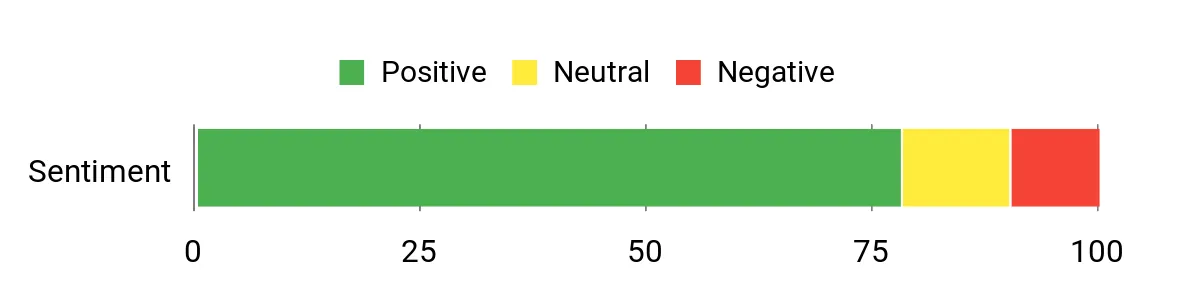
Overall Sentiment: Positive, with fitment and balancing checks still important
Pros
- Strong all-terrain traction for dirt, gravel, rain, snow, and jobsite use
- LT load rating makes it more suitable for truck work than many passenger-style tires
- Good single-tire solution for mixed driving when the size matches your truck
Cons
- Firmer and heavier than a highway tire
- May create more road noise than Trail-Terrain
- Fitment must be checked against your Tundra’s wheel and placard size
Verdict
Choose the KO3 265/75 if you want the safest overall recommendation in this BFGoodrich Tundra roundup and your truck supports this size. It is the most balanced option here for durability, traction, and everyday usability.
You get a KO3 tire designed to bridge daily driving and weekend adventure. The 265/70 size keeps the tire more controlled than larger, heavier fitments while still giving your Tundra a real all-terrain tread for wet roads, dirt roads, gravel, and light mud.
This is a sensible pick if your truck spends most of the week on pavement but still sees towing, hauling, hunting access roads, snow ramps, or unpaved jobsite use. Confirm that the 17-inch rim diameter and load index fit your specific truck before ordering.
Best For
Tundra owners who want KO3 toughness but still care about steering feel, braking confidence, and highway stability.
Who Should Avoid It
Avoid this option if your Tundra uses a different wheel diameter or if your door placard calls for a different size and load index.
Owner Feedback Themes
Buyers often look at the KO3 because it promises a more modern all-terrain balance than older aggressive designs. The likely tradeoff is familiar for this category: more weight and tread noise than a mild highway tire, but more confidence on loose or mixed surfaces.
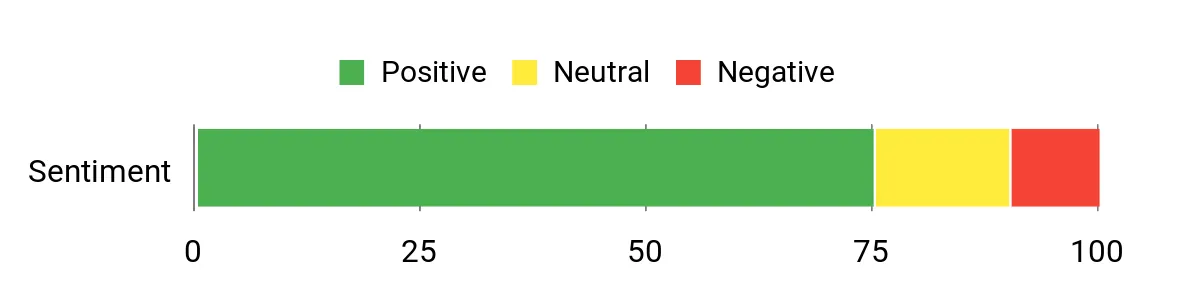
Overall Sentiment: Positive, especially for mixed road and trail use
Pros
- Balanced size for drivers who want all-terrain traction without going too large
- Useful LT load support for towing-minded Tundra owners when fitment matches
- Good wet-road and loose-surface confidence for mixed driving
Cons
- Still firmer than a touring or highway tire
- Not as quiet as Trail-Terrain for pavement-first use
- Must match your exact rim diameter and Tundra placard requirements
Verdict
Choose the KO3 265/70 if you want a practical all-terrain tire that still feels manageable on daily highway miles and your Tundra setup supports the 17-inch size.
You’re looking at a big, capable all-terrain built for heavier truck use. The KO3 305/55 gives your Tundra a wider footprint and a more aggressive stance, which can help drivers who prioritize load support, towing stability, and off-road bite.
The fitment warning matters here. A wider 20-inch tire can be excellent on the right truck, but it can also add weight, create rubbing, require wheel-offset checks, and feel firmer over broken pavement.
Best For
Tundra owners running compatible 20-inch wheels who want a wider KO3 with strong load support and a more aggressive look.
Who Should Avoid It
Do not choose this as a casual stock replacement unless a tire shop has confirmed wheel width, offset, clearance, speedometer impact, and load requirements.
Owner Feedback Themes
Drivers considering this size usually want a tire that feels planted under load and looks more substantial on the truck. The common tradeoffs are added tire weight, potential balancing sensitivity, and the need to confirm clearance before buying.
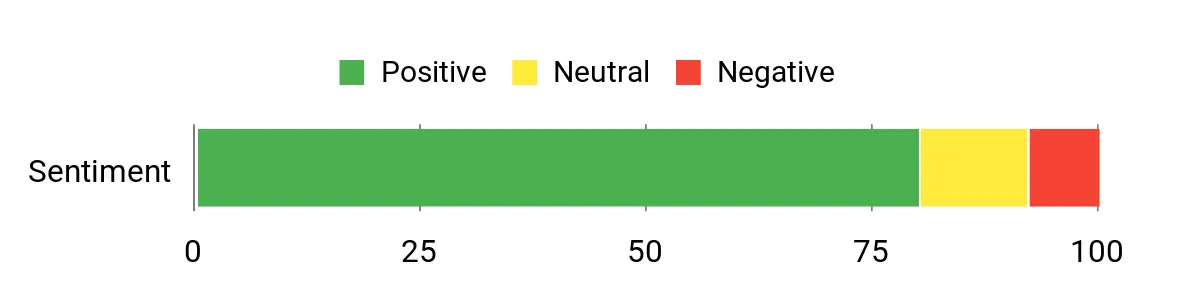
Overall Sentiment: Positive for the right setup, but fitment-dependent
Pros
- Higher load support than lighter Trail-Terrain options
- Wider footprint for a tougher stance and stable feel
- Strong choice for towing, hauling, and rough-road confidence when properly fitted
Cons
- Can be too wide or heavy for some setups
- May need lift, leveling, trimming, or wheel-offset checks
- More expensive to replace as a larger 20-inch tire size
Verdict
Choose the KO3 305/55 only if your Tundra setup can support the size cleanly. It is a strong heavy-load and aggressive-fitment choice, but it should not be treated as a universal plug-and-play option.
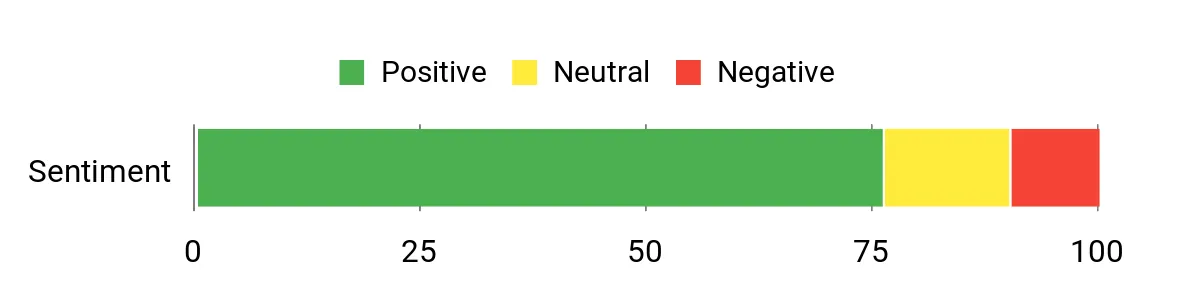
You get a tall, heavy-duty all-terrain tire that can work well on compatible 17-inch wheel setups. The KO3 295/70 is best viewed as an aggressive fitment choice for Tundra owners who want extra sidewall, a taller stance, and strong light-truck construction.
This is not the first size most stock Tundra owners should buy without measuring. It makes the most sense when you already know your wheel width, offset, suspension clearance, and desired tire diameter.
Best For
Confirmed 17-inch wheel setups where the owner wants KO3 toughness, a taller tire profile, and a more cushioned sidewall feel over rough roads.
Who Should Avoid It
Avoid this tire if you are unsure whether 17-inch wheels fit your Tundra generation or if you have not measured clearance for the taller diameter.
Owner Feedback Themes
Large KO3 sizes are usually chosen for stance, traction, and toughness. The tradeoffs are predictable: heavier steering feel, higher rotating weight, possible fuel-economy impact, and a greater need for careful installation and balancing.
Overall Sentiment: Positive for custom or confirmed fitments
Pros
- Tall all-terrain profile for rough roads and trail use
- Strong load rating for truck-focused driving
- Good choice for owners who want a more aggressive 17-inch setup
Cons
- Not ideal for buyers who want a simple stock-size replacement
- Can require fitment changes depending on Tundra generation and wheel setup
- Heavier than smaller tire sizes
Verdict
Choose the KO3 295/70 if you already know this size fits your Tundra or you are building a more aggressive setup. It is a strong tire, but the fitment work comes before the purchase.
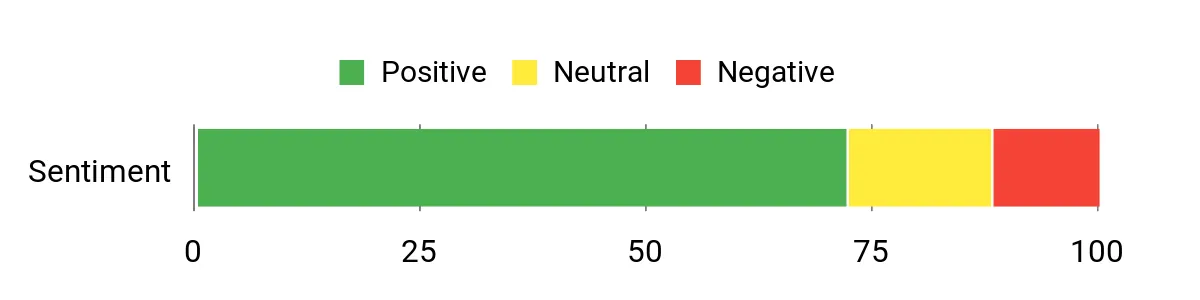
You’ll appreciate this tire if your Tundra spends most of its time on pavement but still needs confidence on gravel, campsites, wet roads, and mild winter conditions. The Trail-Terrain 275/60 is not as aggressive as the KO3, and that is the point: it aims for lower noise and smoother daily driving.
It is a better match for drivers who do not need maximum sidewall toughness or deep mud traction, but still want a BFGoodrich tire that looks and behaves more capable than a basic highway tire.
Best For
Tundra owners who want road comfort first, with enough light off-road traction for gravel roads, campsites, and weekend exploring.
Who Should Avoid It
Skip it if you tow heavy loads often, carry near max payload, drive sharp rocks, or need a tougher LT all-terrain tire.
Owner Feedback Themes
Trail-Terrain feedback tends to focus on ride comfort, quieter manners, and useful all-weather confidence. Buyers who need frequent mud, rocks, or heavy towing should look harder at the KO3 instead.
Overall Sentiment: Positive for pavement-first trucks
Pros
- Quieter and smoother than a more aggressive all-terrain tire
- Good choice for daily commuting and highway trips
- Still capable enough for light dirt, gravel, and campsite access
Cons
- Not the best pick for heavy mud, sharp rocks, or frequent trail abuse
- Lower load capacity than the LT KO3 options in this roundup
- Less aggressive appearance than KO3
Verdict
Choose the Trail-Terrain 275/60 if your Tundra is a daily driver first and an adventure truck second. It is the more comfortable on/off-road compromise for pavement-heavy use when the size and load rating match your truck.
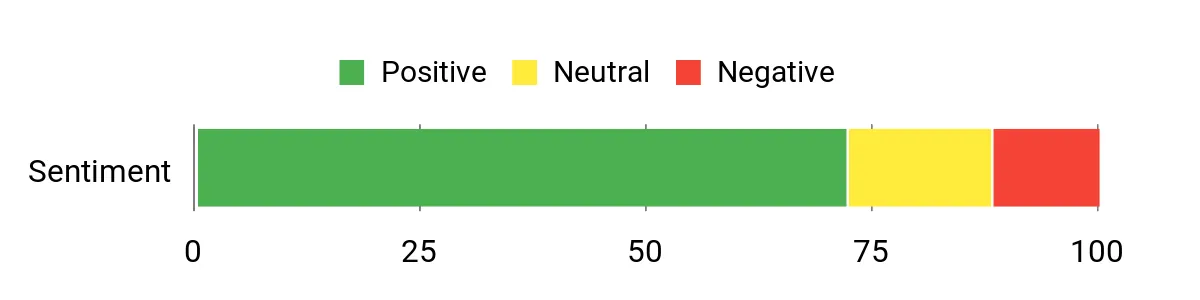
You’ll like the Trail-Terrain 265/60 if you want a BFGoodrich tire that behaves well on the highway and still gives your Tundra light off-road confidence. It is the least aggressive choice in this roundup, which makes it appealing for buyers who want comfort, lower noise, and dependable all-season manners.
Do not pick this as your first choice for frequent heavy towing, loaded overlanding, or rocky trails. Pick it when the truck is mostly a commuter, family vehicle, or long-distance cruiser that occasionally leaves pavement, and only if the load index matches your Tundra’s requirements.
Best For
Daily-driver Tundras where comfort, value, all-season traction, and lower road noise matter more than maximum all-terrain toughness.
Who Should Avoid It
Avoid this tire if your truck’s placard requires a higher load index, if you tow often, or if you need LT-rated toughness.
Owner Feedback Themes
Owners usually choose Trail-Terrain for a quieter ride and even wear. The main limitation is that it is not designed to replace a heavier-duty KO3 when the truck regularly carries heavy payloads or sees harsher off-road surfaces.
Overall Sentiment: Positive for light-duty daily use
Pros
- Comfort-focused option for daily driving
- Less road noise than aggressive all-terrain tires
- Good fit for light gravel, wet roads, and mixed-weather use
Cons
- Not as tough as KO3 for heavy truck work
- Less aggressive tread for mud or rocky trails
- Fitment and load rating still need to match your specific truck
Verdict
Choose the Trail-Terrain 265/60 if your Tundra is mostly pavement-driven and your placard supports the size and load index. It is the most comfort-oriented value pick here.
KO3 vs Trail-Terrain: Which One Should Tundra Owners Choose?
Choose KO3 if your Tundra tows, hauls, drives gravel often, sees snow, or needs stronger light-truck construction. It is the better choice for work use, rougher roads, and drivers who want a more aggressive all-terrain tire.
Choose Trail-Terrain if your Tundra spends most of its time on pavement and you care more about a smoother, quieter ride than maximum off-road bite. It still handles light dirt and gravel, but it is not the best choice for frequent mud, rock, or heavy-load abuse.
Simple Buying Guide
- For towing and hauling: Start with KO3 options and confirm the LT size, load range, and pressure guidance.
- For quiet daily driving: Start with Trail-Terrain, but make sure its load index meets your Tundra’s placard requirement.
- For bigger stance: Measure first. Taller or wider KO3 sizes may need offset changes, lift, leveling, trimming, or recalibration.
- For snow: Look for severe-snow-rated options, but remember that all-terrain tires are not a replacement for dedicated winter tires in harsh winter conditions.
- For best tire life: Rotate on schedule, keep pressures correct, and check alignment after suspension changes.
FAQ
Will These Tires Fit My Tundra?
Maybe, but not automatically. You should check the tire size, rim diameter, load index, speed rating, and your truck’s placard or owner’s manual before buying. Also confirm wheel width, TPMS compatibility, brake clearance, and whether you have any lift or leveling modifications that change recommended sizes.
Which BFGoodrich Should I Choose For Towing Or Off-Road?
If you tow, haul, drive gravel often, or want stronger off-road traction, choose the KO3 family after confirming load rating and fitment. If you spend most time on pavement but want occasional light trails and a quieter ride, the Trail-Terrain offers better highway manners. Pick the model that matches your typical use rather than hoping one tire excels at everything.
Is The KO3 Better Than Trail-Terrain For A Toyota Tundra?
The KO3 is better for a Tundra that regularly tows, hauls, drives gravel, or needs stronger all-terrain traction. Trail-Terrain is better for pavement-first driving where comfort, lower road noise, and light off-road ability matter more than maximum toughness.
Do Larger BFGoodrich Tires Rub On A Tundra?
They can, depending on the Tundra generation, trim, wheel offset, suspension height, and tire size. Wider or taller KO3 sizes should be checked carefully before purchase, especially if the truck is stock height.
What Load Rating Should I Look For?
Start with the load index and tire size listed on your Tundra’s placard. If you tow or haul often, compare the tire’s load index and load range against your truck’s requirements and avoid choosing a tire only for appearance.
How Do I Maintain These Tires For Best Life?
Keep the tires inflated to the vehicle placard pressure, check pressure regularly, and rotate them every 5,000 to 7,500 miles to promote even wear. Have alignment and balance checked after suspension work or if you notice uneven wear, inspect for cuts or embedded debris after off-road trips, and follow the manufacturer’s treadwear warranty and break-in recommendations for optimal longevity.
Final Buying Advice
If you want the safest single recommendation, start with the KO3 265/75 because it gives Tundra owners a strong balance of traction, durability, and truck-focused load support when the size matches the truck. If your truck is mostly a highway cruiser, the Trail-Terrain 265/60 is the easier comfort pick when its load index fits your placard. If you are chasing a bigger stance or heavier-duty setup, check the KO3 305/55 or 295/70 only after confirming clearance and wheel compatibility.
Wrapping Up
If you want an all-terrain tire that handles everything from highway miles to weekend trails, the KO3 family is the go-to choice for many Tundra owners because it balances durability, traction, and truck-focused load support. Pick the larger KO3 sizes only when you need higher load capacity, a more aggressive look, or a specific modified fitment. Choose Trail-Terrain if you prioritize a quieter on-road ride with capable light off-road performance.
Match the tire size and load rating to your truck’s requirements and driving habits and you will get the best combination of safety, comfort, and value.
| Product Name | Image | Load Capacity | Tire Diameter | Warranty |
|---|---|---|---|---|
| BFGoodrich All-Terrain T/A KO3 Car Tire LT265/75R16/E 123/120S Check Price on Amazon |
 |
3415 Pounds | 31.6 Inches | 50,000-Miles Manufacturer’s Treadwear Limited |
| BFGoodrich All-Terrain T/A KO3 Car Tire LT265/70R17/E 123/120S Check Price on Amazon |
 |
3415 Pounds | 31.6 Inches | 50,000-Miles Manufacturer’s Treadwear Limited |
| BFGoodrich All-Terrain T/A KO3 Car Tire LT305/55R20/F 125S Check Price on Amazon |
 |
3640 Pounds | 33.2 Inches | 50,000-Miles Manufacturer’s Treadwear Limited |
| BFGoodrich All-Terrain T/A KO3 Car Tire LT295/70R17/E 128/125S Check Price on Amazon |
|
3970 Pounds | 33.3 Inches | 50,000-Miles Manufacturer’s Treadwear Limited |
| BFGoodrich Trail-Terrain T/A Tire 275/60R20 115T Check Price on Amazon |
 |
2679 Pounds | 33 Inches | 60,000-Miles Manufacturer’s Treadwear Limited Warranty |
| BFGoodrich Trail-Terrain T/A Tire 265/60R18 110T Check Price on Amazon |
 |
2337 Pounds | 30.5 Inches | 60,000-Miles Manufacturer’s Treadwear Limited Warranty |
This roundup is reader-supported. When you click through links we may earn a referral commission on qualifying purchases.

Related Articles
Best Toyota Tundra Tires for Long Tread Life in 2026
Last updated: July 4, 2026 Choosing long-lasting tires for your Toyota Tundra starts with fitment. The right tire needs to match your wheel size,…
Read More
Best Toyota Tundra Tires for 2026: Top 3 Picks
Last updated: July 4, 2026 Affiliate disclosure: This roundup is reader-supported. When you click through Amazon links, we may earn a referral commission on…
Read More
33 Inch Tires for Toyota Tundra: 2026 Top Picks
Last updated: June 24, 2026 Reader note: This roundup is reader-supported. When you click through Amazon links, we may earn a referral commission on…
Read More