
Toyota Tundra All-Terrain Tires: Crosswind vs Lexani

When you take your Toyota Tundra onto gravel, dirt, ruts, mud, loose trail surfaces, or snowy backroads, the right tire can make the truck feel more stable and controlled. The best choice depends on how often you drive pavement, how much off-road traction you need, and whether your truck can safely clear the tire size you want. Before buying, confirm your Tundra’s tire placard, wheel diameter, rim width, load index, brake clearance, lift height, and steering clearance.
This guide compares two all-terrain tire options for Toyota Tundra owners who want a better mix of daily drivability and trail traction. One is a value-focused 18-inch all-terrain option, while the other is a stronger LT-rated 17-inch all-terrain tire for drivers who want more load capacity and tougher construction.
Quick Verdict
Best value trail tire: Crosswind Traxx is the better pick if you want a road-friendly all-terrain tire for light mud, gravel, dirt roads, and winter backroads.
Best balanced LT option: Lexani Terrain Beast is the stronger choice if you want an LT-rated tire with deeper load capacity, good wet-road manners, and moderate off-road traction.
Fitment note: Neither tire should be treated as a guaranteed fit for every Tundra. Always confirm wheel size, load index, rim width, tire diameter, offset, and rubbing clearance before ordering.
[Products Worth Considering]

EVOULTES heavy duty tire inflator with an integrated gauge delivers accurate pressure readings from 10–120 PSI, helping you inflate, deflate, and check tires in one tool. The 16.5-inch extended dual-head air chuck with swivel base reaches hard-to-access dual wheel valves on trucks and RVs. A brass trigger core and side-mounted air release valve make operation smooth, with standard 1/4" NPT threading and quick-connect compatibility for easy setup.
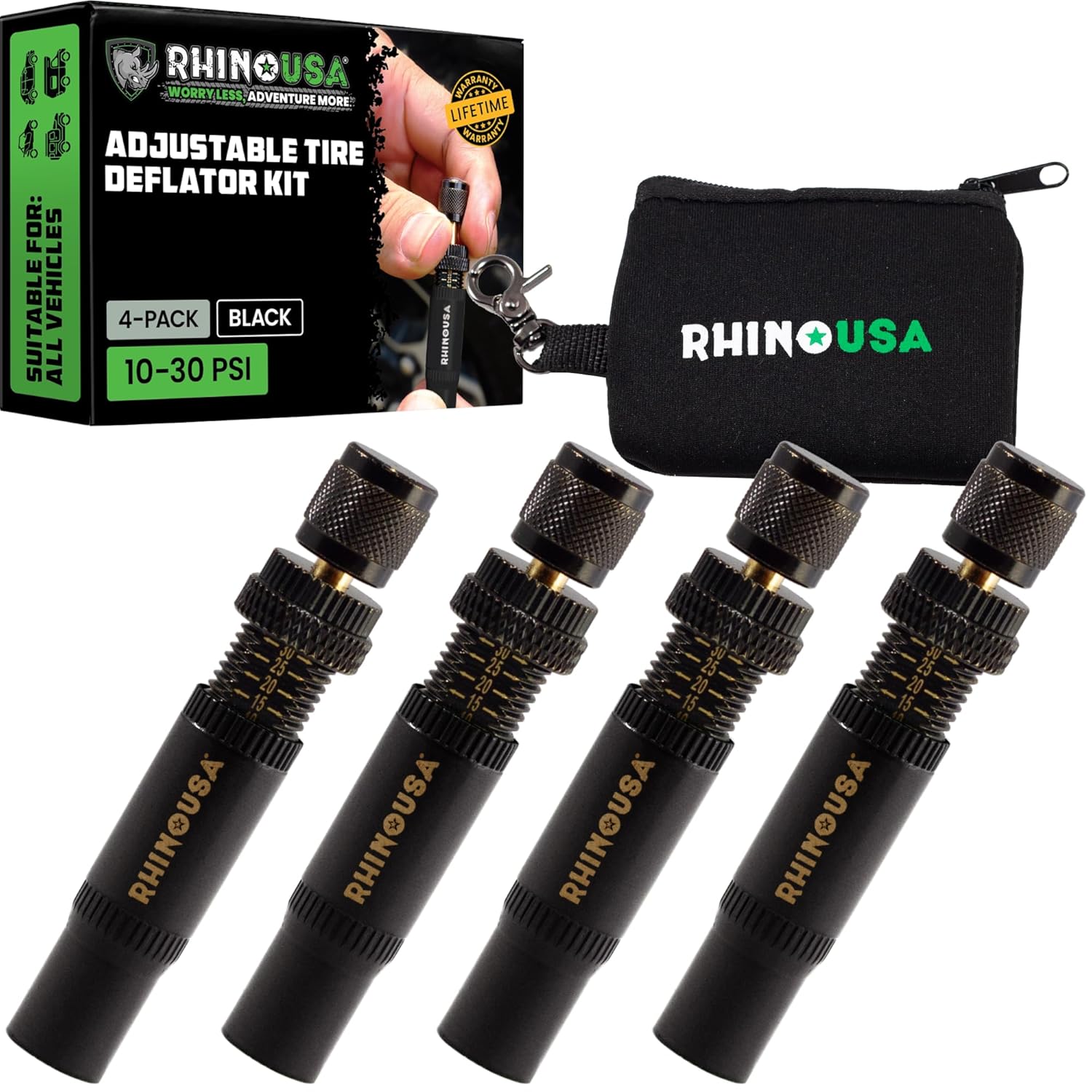
Use the Rhino USA adjustable tire deflators to air down all four tires at once by screwing one deflator onto each valve stem, letting you step away while the tires reach your preset pressure. Each deflator independently adjusts across a 10–30 PSI range with laser-etched indicators for quick setup and verification, making it ideal for beach, sand, and rocky off-road trails.

Make hard-to-reach areas easier to access with the MAXXHAUL truck tire service step featuring an adjustable width and height. The foldable design stores compactly, while the serrated non-slip platform provides secure footing for tire-related maintenance. It fits most stock tire sizes up to 31-inch diameter with a 300-lb capacity.
Top Picks
|
Category |
Product |
Best Fit |
|---|---|---|
|
💰 Best Value AT |
Mixed trail use and everyday driving |
|
|
🎯 Best Balanced LT AT |
Daily Tundras that see moderate trails |
How We Chose These Tires
You need tires that balance grip, durability, road comfort, and fitment for your Tundra’s wheel and load requirements. We evaluated traction on loose surfaces, tread design, sidewall and ply information, load index, maximum pressure, rim size, and whether each tire makes sense for a truck that still spends time on pavement.
The result is a focused list of all-terrain options for different priorities. Use the product size and load details as a starting point, then confirm fitment for your exact Tundra year, trim, wheels, suspension setup, and intended trail use before ordering.
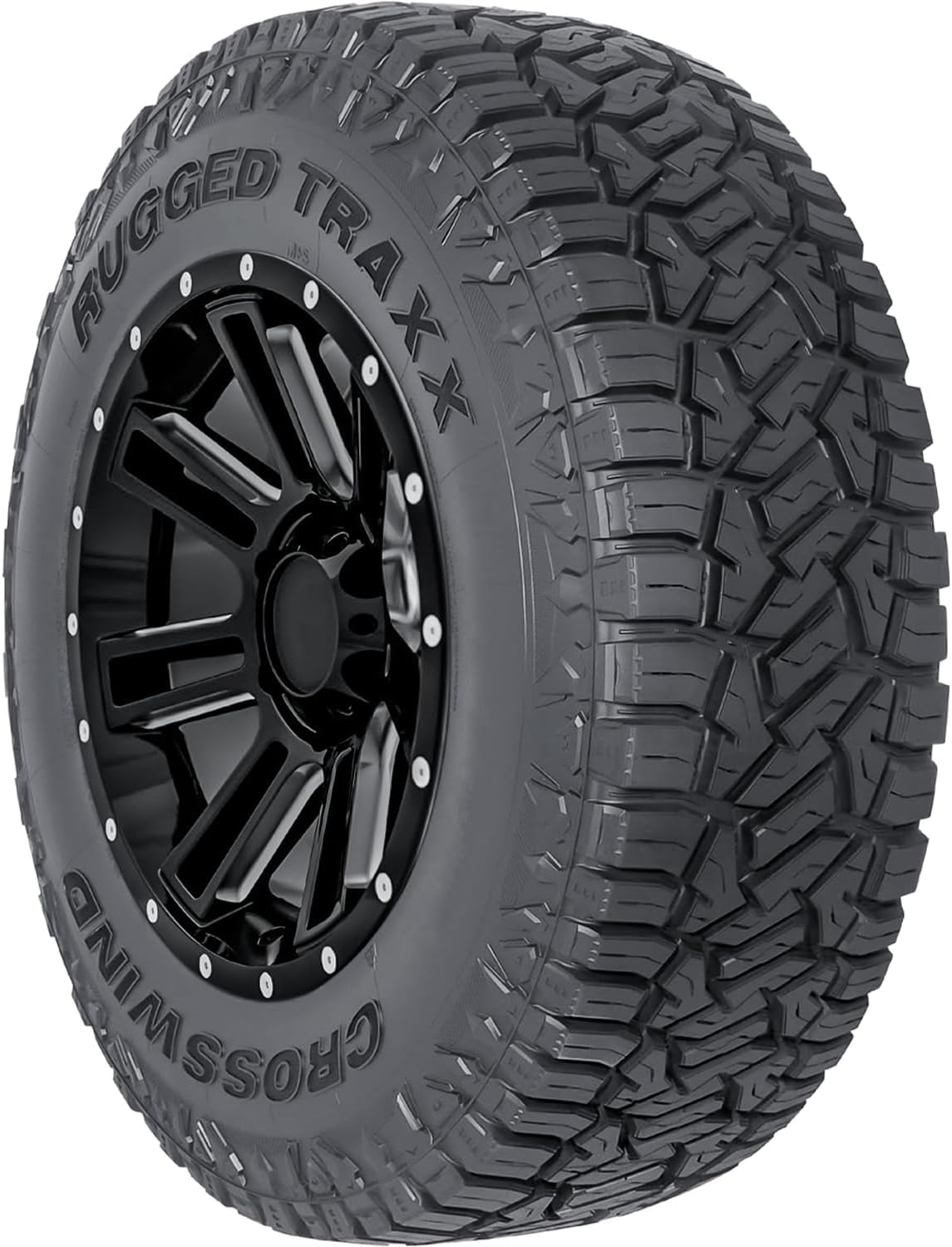
You want a tire that works on weekend trails and does not make highway driving a chore. The Crosswind Rugged Traxx fits that role by offering an aggressive tread for mud, gravel, dirt, and soft ground while staying reasonable for pavement use.
Use it for mixed off-road days, winter backroads, and daily driving where you still care about comfort. Confirm the exact size, load index, rim width, tire diameter, and wheel clearance for your Tundra before purchase.
Best For
- Tundra owners who want a value-focused all-terrain tire
- Drivers who split time between pavement, gravel, dirt, and light mud
- Weekend trail use where a full mud-terrain would be too loud or heavy
Skip If
- You need a tire mainly for deep mud, sharp rocks, or frequent technical crawling
- You drive on ice often and need a dedicated winter tire
- Your wheel, lift, load, or clearance setup does not match the listed tire size
What People Say
You’ll see many buyers praising the Traxx for its off-road bite and lower road noise than expected from an open tread. Drivers often highlight performance in softer ground and winter backroads, plus the dual sidewall as a useful visual option. A recurring caution is that wet pavement grip and long-term wear can depend heavily on truck setup, alignment, pressure, and rotation schedule.
Overall Sentiment: Positive

|
Pros |
Cons |
|---|---|
|
✅ Strong traction on mud and soft surfaces |
❌ Wet pavement traction may not feel as confident as a highway tire |
|
✅ Quieter than many aggressive all-terrain tires |
❌ Long-term wear can vary by truck setup, tire pressure, alignment, and rotation schedule |
|
✅ Dual sidewall for two looks |
❌ Not aggressive enough for frequent rock crawling or deep mud |
Situational Benefits
|
Situation |
How It Helps |
|---|---|
|
Daily Commuting |
You’ll appreciate lower highway noise and a predictable on-road feel so your Tundra stays comfortable between trail days. |
|
Mixed Off-Road Days |
When trails alternate between mud, dirt, and gravel, the tread pattern helps clear debris and keep traction more consistent. |
|
Winter Backroads |
The tread’s biting edges can help in light snow and slushy conditions, but icy roads still call for winter-focused tires and careful driving. |
|
Visual Customization |
The dual sidewall design lets you choose the look that best matches your truck without swapping tires. |
Road And Trail
This tire is built for outdoor trail use while remaining suitable for daily on-road driving. You’ll get competent year-round traction for mixed conditions and quieter highway manners, but if your adventures center on extreme rock crawling or deep mud, you should compare dedicated mud-terrain or hybrid tires that fit your Tundra correctly.
Key Benefits
- Useful mud, gravel, and light snow traction
- Quieter highway ride than expected for an aggressive tread
- Dual sidewall options for a tailored look
- Good balance for Tundra owners who drive both roads and trails
You want a tire that can handle weekend trails and still behave on the road. The Lexani Terrain Beast balances an aggressive tread for off-road grip with a road-friendly pattern that helps keep daily driving manageable. The center rib supports a more stable feel, and the deep grooves aid traction when conditions turn wet or sloppy.
If you split time between commuting, hauling gear, wet roads, and moderate off-roading, this is the most rounded all-terrain choice in this lineup. The LT265/70R17 size and higher load index may appeal to Tundra owners who need a tougher tire, but fitment still depends on your exact wheels, suspension, and clearance.
Best For
- Tundra owners who want one tire for commuting and moderate off-road trails
- Drivers who care about wet-road confidence and road manners
- Buyers who want an LT-rated all-terrain tire before stepping up to a harsher mud-terrain
Skip If
- Your trails are mostly deep mud, sharp ledges, or repeated rock crawling obstacles
- You need a dedicated severe-winter tire
- You want the most aggressive off-road tire regardless of pavement comfort
What People Say
Drivers commonly praise the Terrain Beast for feeling quieter on pavement than you’d expect given its aggressive look, and many point to improved grip in wet and muddy stretches. People also note a stable, predictable feel thanks to the center rib and that the tire seems built to wear evenly. Those who push hard off-road often suggest moving to a more specialized mud tire for extreme conditions.
Overall Sentiment: Positive

|
Pros |
Cons |
|---|---|
|
✅ Good balance between off-road bite and on-road comfort |
❌ Not as aggressive as dedicated mud-terrains for extreme rock work |
|
✅ Reduced road noise compared to many aggressive all-terrain tires |
❌ Heavier LT construction can affect ride feel and fuel economy |
|
✅ Stability-focused center rib that can help fight uneven wear |
❌ May not be the best choice for drivers in severe winter climates |
|
✅ Deep grooves and sipes improve wet traction |
❌ Must match your Tundra’s 17-inch wheel setup before ordering |
Situational Benefits
|
Situation |
How It Helps |
|---|---|
|
Daily Driving |
You’ll get a quieter, more comfortable highway ride while still having a capable tread for occasional dirt roads. |
|
Mixed Trail Days |
When trails alternate between mud, gravel, and loam, the deep grooves and sipes help maintain traction and shed debris. |
|
Rainy Conditions |
The tread pattern and water channels help improve grip and reduce hydroplaning risk so you feel more confident in wet weather. |
|
Long Trips |
The stability-focused design helps keep highway vibrations in check on extended drives when the tire is properly mounted, balanced, and rotated. |
Road And Trail
This tire is built for outdoor trail use while staying road-friendly. You’ll find it suitable for daily commuting, wet-weather driving, and moderate off-roading, but extreme mud or technical rock crawling may call for a dedicated mud or rock tire that fits your truck correctly.
Key Benefits
- Strong traction in mixed wet and loose surfaces
- Road-friendly design for daily-driven Tundras
- Center rib for improved stability and more even wear potential
- Deep grooves and sipes that aid water evacuation
Fitment Notes Before You Buy
Off-road tire shopping for a Toyota Tundra is not just about tread pattern. A tire can look right and still be wrong for your truck if the load index, rim size, overall diameter, section width, offset, or suspension clearance does not match your setup.
- Check the tire placard first: Use the original size and load requirement as your baseline.
- Confirm wheel diameter: Crosswind Traxx is listed for an 18-inch rim, while Lexani Terrain Beast is listed for a 17-inch rim. Your wheels must match the tire size you order.
- Match load index and rim width: Do not choose a tire just because the diameter looks close. Confirm load rating, rim width, and inflation requirements for your truck and payload.
- Account for lifts and rubbing: Larger tires may need lift, trimming, different offset wheels, or steering-stop adjustments.
- Match the tire to your driving: All-terrain tires are usually easier to live with daily; mud-terrain and specialty off-road tires trade comfort for grip.
- Use a professional install: Have the tires mounted, balanced, and checked for TPMS compatibility, full steering lock clearance, and suspension compression clearance.
[Products Worth Considering]

Camco’s RV wheel chocks with an attached rope help keep your travel trailer securely in place for safer unhitching or parking. This 2-pack is compatible with wheels up to 26-inch diameter and features durable UV-resistant construction for reliable outdoor performance. The rope enables quick, safe removal so you can prepare for your next trip with less hassle.

Secure your parked vehicle quickly with AFA Tooling 4T rubber wheel chocks in a 4-pack for two dual-wheel sets. The ribbed design and textured base grip fast without pounding, so you can chock tires on trailers, RVs, ATVs, and work vehicles with confidence. EZ rustproof handles with rope ties keep the pair together for easy placement and removal, while nylon-reinforced rubber stands up to dirt, ice, salt, and harsh weather.
FAQ
How Do I Choose The Right Size And Load Rating For My Tundra?
Start by checking your truck’s placard and original tire size, then match or sensibly upsize tires to preserve speedometer accuracy and steering geometry. Make sure you meet or exceed the load index on the placard so the tires can safely carry your rig and any gear you haul, and confirm rim width compatibility before buying.
If you plan to lift or run much larger tires, account for wheel well clearance and steering travel, and have a professional mount and balance the tires and verify TPMS compatibility.
Should I Pick All-Terrain Or Mud-Terrain For Tundra Trails?
It depends on how you use the truck. All-terrain tires give you a quieter highway ride and decent grip across mixed surfaces, while mud-terrains deliver bigger lugs and more self-cleaning bite for deep mud and aggressive rock work. For a mix of daily driving and occasional trails, an aggressive all-terrain tire often hits the best balance.
If rock crawling is your main focus, prioritize sidewall strength, reinforced shoulders, correct load rating, and a tire size that is proven to clear your exact Tundra setup.
Can A Toyota Tundra Run 35-Inch Off-Road Tires?
Some Tundra builds can run 35-inch tires, but it depends on the model year, trim, wheel offset, suspension lift, fender clearance, and how much rubbing you are willing to correct. Before ordering a larger tire, check full steering lock, compression clearance, brake clearance, gearing changes, fuel economy impact, and speedometer accuracy.
Are These Tires Good For Serious Rock Crawling?
These picks are better for mixed road and trail use than dedicated rock crawling. They make sense if your Tundra still sees pavement, rain, gravel, dirt, and light mud. If you spend most weekends on sharp ledges, deep ruts, or technical crawling lines, compare purpose-built mud-terrain or hybrid tires that match your truck’s wheels, brakes, load requirements, and clearance.
How Should I Maintain Tires Used For Trail And Highway Driving?
Regular checks and simple habits extend tire life and keep you safer: inspect sidewalls and tread for cuts or chunks after trips, rotate tires on schedule to encourage even wear, and get alignments if you notice uneven wear or handling issues. Run lower pressures on loose or rocky trails only when appropriate, then re-inflate to the recommended highway pressure before long road trips and use a quality gauge when airing up.
Also keep a repair kit and spare, and review the manufacturer warranty and maintenance requirements so you do not void coverage.
Wrapping Up
If you want an economical all-terrain tire that still handles dirt, gravel, light mud, and winter backroads, choose the Crosswind Traxx. If you want the best balance of LT-rated construction, quiet highway manners, wet-road confidence, and dependable moderate off-road grip, the Lexani Terrain Beast is the stronger choice in this lineup.
Match your choice to your Tundra’s wheel diameter, load requirements, clearance, suspension setup, and trail difficulty. The right tire should improve traction without creating avoidable rubbing, braking, speedometer, or ride-quality problems.
| Crosswind Rugged Traxx All Terrain 255/70R18 116T XL Light Truck Tire | Lexani Terrain Beast AT LT265/70R17 121/118S E | |
|---|---|---|
 |
 |
|
| Best For | Value-focused mixed road and trail use | Daily driving with moderate off-road use and LT-rated construction |
| Tire Style | Aggressive all-terrain | Balanced LT all-terrain |
| Fit Note | Confirm 18-inch wheel fitment, load index, rim width, and clearance | Confirm 17-inch wheel fitment, load index, rim width, and clearance |
| Road Tradeoff | More road-friendly than a dedicated mud tire | Best daily-driving balance in this lineup |
| Check Price on Amazon | Check Price on Amazon |
This Roundup is reader-supported. When you click through links we may earn a referral commission on qualifying purchases.

Related Articles
Best Toyota Tundra Tires for Long Tread Life in 2026
Last updated: July 4, 2026 Choosing long-lasting tires for your Toyota Tundra starts with fitment. The right tire needs to match your wheel size,…
Read More
Best Toyota Tundra Tires for 2026: Top 3 Picks
Last updated: July 4, 2026 Affiliate disclosure: This roundup is reader-supported. When you click through Amazon links, we may earn a referral commission on…
Read More
33 Inch Tires for Toyota Tundra: 2026 Top Picks
Last updated: June 24, 2026 Reader note: This roundup is reader-supported. When you click through Amazon links, we may earn a referral commission on…
Read More