
Toyota Tundra Sand Tires: 5 Best Picks for 2026
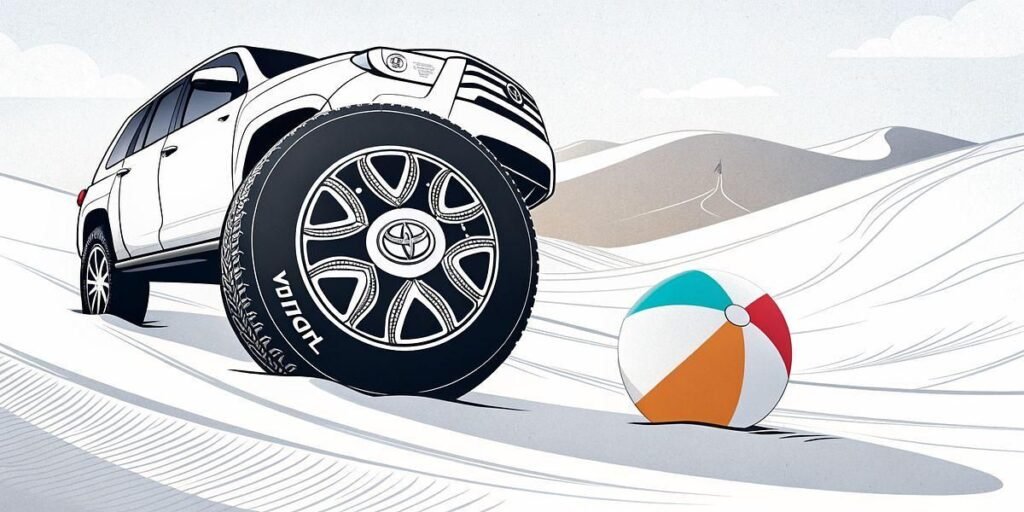
The best tires for Toyota Tundra sand driving should help your truck float over soft beaches and dunes without giving up too much highway comfort. Sand changes how a tire works: you need a footprint that resists digging, sidewalls that can handle buried debris, and tread that stays predictable when the surface shifts under load.
This roundup compares all-terrain and hybrid-terrain tires that fit the needs of Tundra owners who split time between pavement, beach access roads, dunes, gravel, and occasional wet or winter driving. Use the quick picks first, then read the product notes to match the tire to how often you actually drive in sand.
Affiliate disclosure: This roundup is reader-supported. When you click through Amazon links, we may earn a referral commission on qualifying purchases.
Quick Verdict
Best overall balance: Nitto Ridge Grappler if your Tundra is a daily driver that also sees beach roads, gravel, and moderate trails.
Best sidewall-focused pick: BFGoodrich KO2 if rough access roads, rocks, ruts, and durability matter more than the quietest highway ride.
Best comfort-oriented mixed-weather pick: Yokohama Geolandar if you want a smoother all-terrain tire for packed sand, wet pavement, and daily use.
Before ordering: always confirm the exact tire size, load index, load range, speed rating, wheel diameter, and clearance for your Toyota Tundra.
[Products Worth Considering]
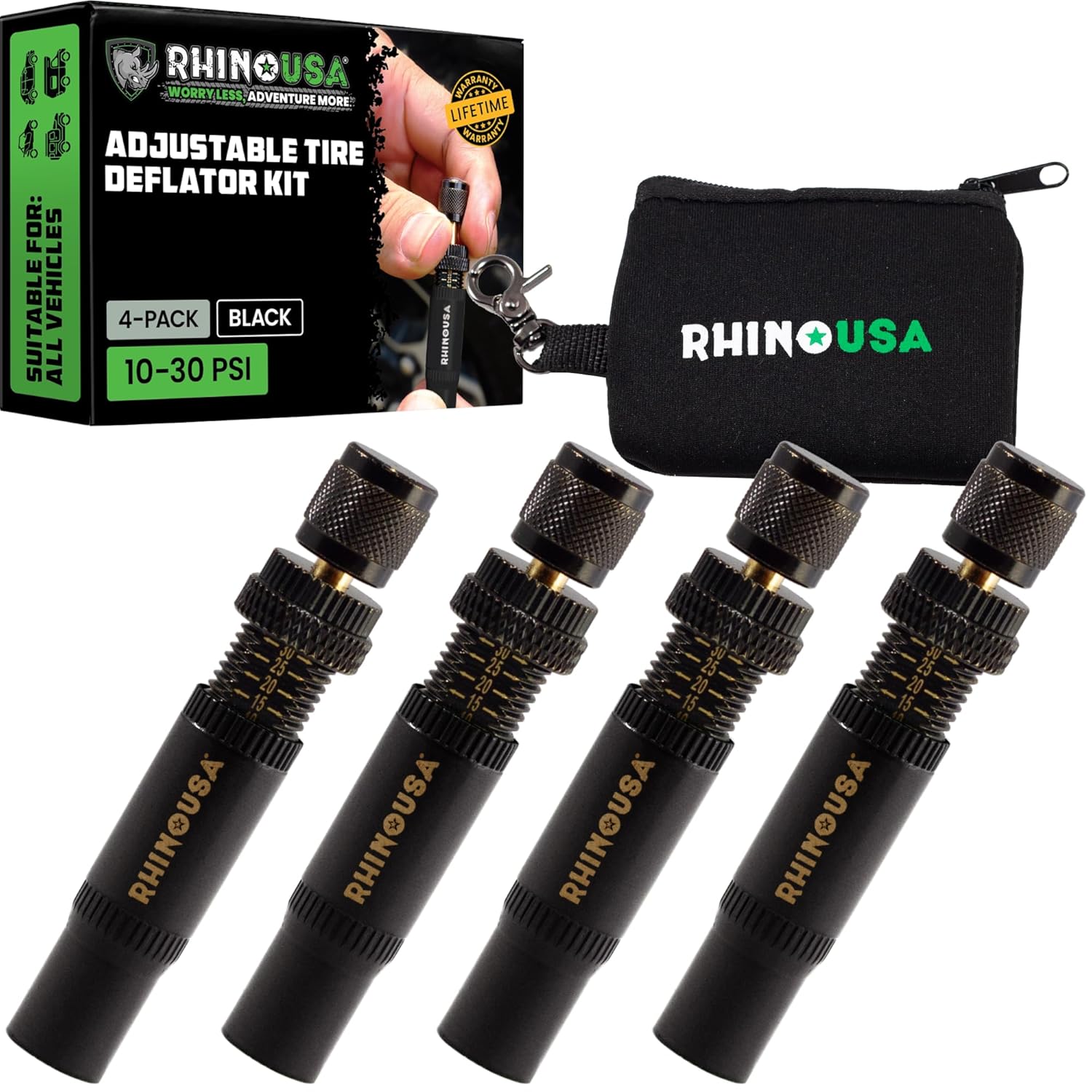
Use the Rhino USA adjustable tire deflators to air down all four tires at once by screwing one deflator onto each valve stem, letting you step away while the tires reach your preset pressure. Each deflator independently adjusts across a 10–30 PSI range with laser-etched indicators for quick setup and verification, making it ideal for beach, sand, and rocky off-road trails.

Secure your parked vehicle quickly with AFA Tooling 4T rubber wheel chocks in a 4-pack for two dual-wheel sets. The ribbed design and textured base grip fast without pounding, so you can chock tires on trailers, RVs, ATVs, and work vehicles with confidence. EZ rustproof handles with rope ties keep the pair together for easy placement and removal, while nylon-reinforced rubber stands up to dirt, ice, salt, and harsh weather.

This portable cordless tire inflator delivers fast, efficient inflation for cars, motorcycles, bikes, and sports balls with a digital pressure gauge. Use the one-click PSI preset with auto shut-off for accurate, hands-free topping to your target pressure up to 150 PSI. It’s compact and rechargeable with a built-in emergency LED light plus valve adapters and accessories for quick, ready-to-go use.
Top Picks
|
Category |
Product |
|---|---|
|
💰 Best Budget |
Atturo Trail Blade |
|
🎯 Best All-Rounder |
Nitto Ridge Grappler |
|
🚀 Most Aggressive Tread |
Venom Terra Hunter |
|
🔰 Toughest Sidewalls |
BFGoodrich KO2 |
|
🌦️ Best For Mixed Weather |
Yokohama Geolandar |
How We Picked These Tires
You want tires that handle soft sand without digging in, resist cuts and punctures, and still give you a comfortable highway ride back home. We compared tread design, sidewall construction, load suitability, sand and mud evacuation, wet-road manners, and whether the tire is a realistic main tire choice for a Toyota Tundra rather than an accessory or recovery tool.
Because tire listings and size-specific specifications can change, use this guide as a decision framework and confirm the exact size, load index, speed rating, load range, and warranty terms before ordering. A tire that works well on one Tundra setup may not be correct for a heavier build, towing use, lifted suspension, or oversized wheel package.
Before You Buy Tires For Sand Driving
- Match the door placard first: verify the tire size, load index, speed rating, and wheel diameter against your Tundra.
- Think about weight: towing, bed gear, campers, bumpers, and recovery gear may require a stronger load range.
- Check clearance: oversized tires can rub fenders, mud flaps, suspension parts, or body mounts.
- Plan for airing down: soft sand usually rewards a larger contact patch, but you need a gauge and compressor before returning to pavement.
- Balance sand grip with daily comfort: the most aggressive tread is not always the best choice if most of your miles are highway miles.
If you drive your Tundra on beaches, dunes, gravel approaches, or mixed roads, this tire aims to be a practical middle ground. The tread layout favors loose-surface grip and water evacuation without going as extreme as a full mud-terrain tire, which helps if your truck still sees regular pavement miles.
This is the sensible pick for a driver who wants off-road confidence at a lower entry price. It is not the tire to choose if your priority is the quietest possible highway ride or if your Tundra regularly carries heavy loads without checking the exact load rating for your size.
Best For
- Tundra owners who want an affordable all-terrain tire for beach access and light trail use
- Drivers who need a more open tread than a highway tire but do not want a dedicated mud-terrain
- Mixed wet-road, gravel, and packed-sand driving
Who Should Avoid It
Skip this one if you need a premium quiet highway tire, a very specific towing load range, or a tire with clearly verified size-specific specs before you compare the current Amazon listing.
What To Check Before Buying
Confirm the tire size, load index, load range, and seller warranty terms against your Tundra’s door placard and your wheel setup. If you tow, haul, or air down often, choose the load range and sidewall rating that match your actual use.
When It Helps
|
Situation |
How It Helps |
|---|---|
|
Beach Driving |
The wide grooves and deep sipes can help the tire shed loose material and maintain a steadier footprint on soft shorelines when you keep momentum smooth. |
|
Desert Dunes |
Large shoulder blocks can improve lateral stability, while a tougher carcass is helpful when sand hides debris or hard-packed ruts. |
|
Wet Access Roads |
Channels in the tread help move water out of the footprint, which can improve contact on wet approaches to beaches or trails. |
|
Everyday Highway Use |
The tread balances off-road bite with a predictable on-road feel, so you can drive to the trailhead without switching tires. |
Durability
The Trail Blade is positioned as a tougher all-terrain option for light trucks and SUVs. For sand use, the most important durability checks are sidewall construction, load range, and whether the exact tire size can handle repeated airing down and reinflation for your driving conditions.
Key Benefits
- Improved traction on loose surfaces
- Durable compound and reinforced carcass
- Water evacuation channels for wet approaches
- Balanced on-road comfort and off-road grip for budget builds
Check Product Details on Amazon
You get a tire that blends on-road comfort with genuine off-road bite. The hybrid tread design is a strong fit for Tundra drivers who commute during the week and still want dependable traction for sand, packed dirt, and muddy access roads on weekends.
Pick the Ridge Grappler if you want one set of tires that can handle daily pavement, beach runs, and moderate trail use. Skip it if you want the smoothest highway tire or if you need a dedicated deep-mud tire with maximum void area.
Best For
- Daily-driven Tundras that still see sand, gravel, and trail approaches
- Drivers who want a more aggressive look without jumping to a full mud-terrain tire
- Mixed terrain where road noise matters
Who Should Avoid It
Choose a milder highway all-terrain if most of your miles are pavement and you rarely leave packed sand. Choose a more open mud-terrain only if deep mud matters more than road comfort.
What To Check Before Buying
Ridge Grappler sizes vary widely, and load range changes the ride, weight, sidewall behavior, and towing suitability. Match the exact size to your Toyota Tundra’s use case, especially if you tow, haul, or run oversized wheels.
When It Helps
|
Situation |
How It Helps |
|---|---|
|
Beach Driving |
Grooves and shoulder channels help move loose material out of the tread and maintain traction so you can cruise shorelines without excessive digging. |
|
Dune Runs |
Step block edges provide biting surfaces for lateral stability when you are carving through loose dunes. |
|
Muddy Trails |
The lateral Z grooves help expel mud and slush, restoring tread contact and grip on wet, slippery sections. |
|
Daily Highway Use |
Variable pitch tread helps reduce pattern noise so your commute stays more comfortable while the tire remains ready for off-road driving. |
Durability
The Ridge Grappler’s reinforced block foundation, stone ejectors, shoulder grooves, and sidewall lugs are aimed at drivers who need more off-road capability than a mild all-terrain. For Tundra sand use, it is especially useful when the route to the beach includes gravel, rocks, or rutted access roads.
Key Benefits
- Quieter highway ride than many aggressive tires
- Strong mud and slush evacuation
- Balanced on- and off-road performance
- Good choice for daily-driven Tundras
Check Product Details on Amazon
You get a tire built to clear mud, sand, and debris so momentum does not disappear as soon as the surface gets soft. The open-shoulder design and angled grooves are the main reason to consider it for a Tundra that sees looser sand or muddy trail sections.
This is a better fit for buyers who accept a more aggressive tread in exchange for bite on soft, shifting surfaces. If your Tundra spends nearly all its time on pavement, a quieter all-terrain may be the better long-term choice.
Best For
- Drivers who want a more aggressive tread for soft sand, mud, and mixed trails
- Weekend off-road use where self-cleaning tread matters
- Budget-minded buyers comparing aggressive all-terrain and hybrid-terrain options
Who Should Avoid It
Avoid this pick if your main priority is low road noise, maximum fuel economy, or a comfort-first tire for mostly highway commuting.
What To Check Before Buying
Review the exact size, load range, tread depth, sidewall rating, and return policy on the current Amazon listing. More aggressive tread can add noise and weight, so balance traction needs against highway comfort.
When It Helps
|
Situation |
How It Helps |
|---|---|
|
Beach Driving |
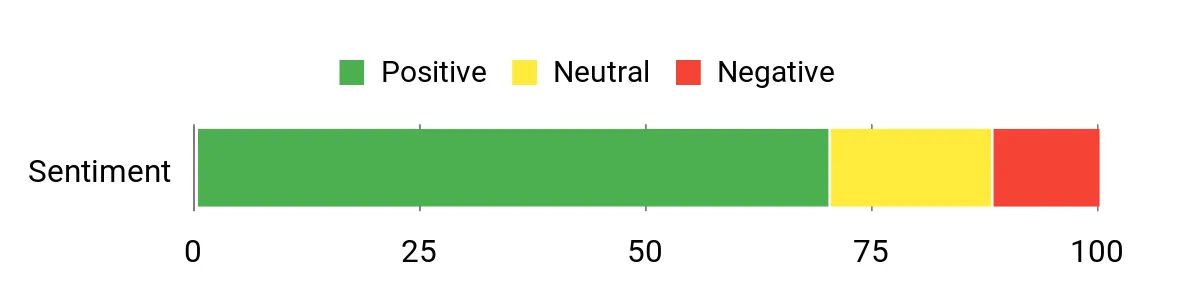
Open shoulders and angled grooves push loose material away from the footprint so you can maintain momentum along shorelines without constantly digging. |
|
Dune Runs |
Aggressive tread blocks deliver lateral bite and stability when you are carving dunes, helping reduce slides and loss of traction. |
|
Rocky Approaches |
Reinforced construction and a tougher compound can help lower the risk of damage from sharp rocks and embedded debris on approach roads. |
|
Muddy Trails |
Self-cleaning grooves help expel mud and slush to restore contact quickly, so you regain grip after soft sections. |
Durability
The Terra Hunter is written for buyers who want an aggressive all-terrain feel rather than a mild highway-biased tread. Check the current product page for size-specific construction details, because durability depends heavily on the exact size and load range you buy.
Key Benefits
- Aggressive self-cleaning tread
- Reinforced construction for rough terrain
- Useful bite on loose surfaces
- Good fit for weekend sand and trail runs
Check Product Details on Amazon
You get a tire built to take abuse and keep going. The KO2 focuses on stronger sidewalls and an interlocking tread pattern, so it is as useful on rocky approach roads as it is on long highway runs to the beach.
For sand and dunes, the main advantage is confidence: the tire has enough tread bite for loose surfaces while the sidewall-focused design helps when the route includes rocks, roots, or debris. It is a strong choice if your Tundra is used for daily driving, camping, trail access, and occasional winter roads.
Best For
- Tundra owners who prioritize sidewall strength and rough-road durability
- Beach trips where the access road includes rocks, ruts, or construction debris
- Drivers who want one proven all-terrain tire for sand, gravel, snow, and pavement
Who Should Avoid It
Skip it if you mostly drive smooth pavement and want the softest, quietest ride possible. Also check current size availability, because not every KO2 size will match every Tundra setup.
What To Check Before Buying
The KO2 is offered in many sizes and load ranges, so confirm the exact Amazon listing matches your Tundra’s wheel size, load needs, clearance, and intended pressure range before you buy.
When It Helps
|
Situation |
How It Helps |
|---|---|
|
Beach Driving |
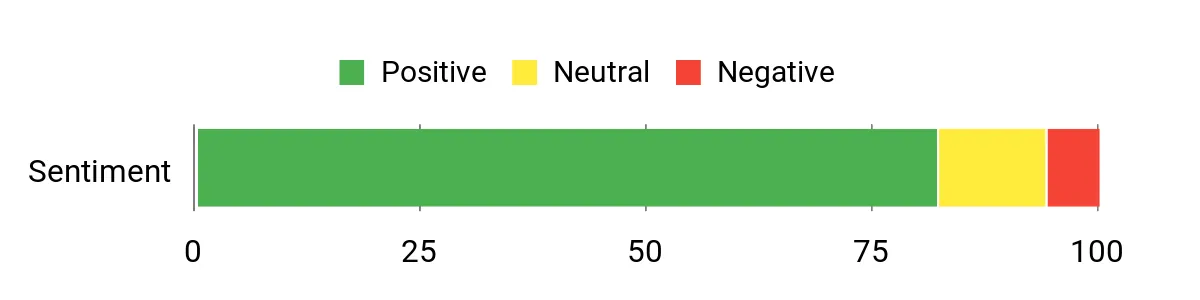
The tread provides lateral grip and stability so you can maintain momentum on packed and loose sand without feeling skittish. |
|
Rocky Trails |
Reinforced sidewalls and a robust carcass reduce the chance of punctures and help protect the tire during rocky approaches and low-clearance spots. |
|
Dune Runs |
Tread bite and block stability help you carve through soft faces and hold line when you are pushing the truck in shifting sand. |
|
Highway Drives |
Interlocking tread and stable block design keep steering predictable and can help reduce irregular wear during long pavement miles. |
Durability
BFGoodrich highlights CoreGard Technology, split- and bruise-resistant sidewall rubber, increased rubber thickness, and mileage warranty coverage for the KO2. Those strengths make it one of the safest picks here if your sand trips often include harsh access roads, but warranty terms can depend on size, seller, and usage.
Key Benefits
- Tough sidewalls for impact resistance
- Interlocking tread for more stable wear
- Strong off-road traction on rocks and sand
- Predictable highway handling for an aggressive all-terrain tire
Check Product Details on Amazon
You get a tire designed for mixed driving rather than a one-surface specialty. For Tundra owners, that makes the Geolandar a practical option when a beach trip includes wet roads, gravel shoulders, packed sand, and a long highway drive home.
Choose it if you want a balanced all-terrain tire with a comfort-first personality. Consider a more aggressive option if your normal sand driving involves deep dunes, frequent airing down, or muddy sections where open shoulders matter more than road manners.
Best For
- Tundra drivers who want an all-terrain tire for pavement, packed sand, gravel, and wet roads
- Buyers who prioritize ride comfort and tread life over maximum tread aggression
- Mixed-weather driving where highway control still matters
Who Should Avoid It
Choose a more aggressive tread if you often run deep dunes, muddy approaches, or rocky routes where open shoulders and sidewall protection matter more than daily comfort.
What To Check Before Buying
Confirm the exact Geolandar model, size, load range, speed rating, and warranty terms shown on the product listing. Yokohama sells multiple Geolandar lines, so the model name and size matter before ordering.
When It Helps
|
Situation |
How It Helps |
|---|---|
|
Beach Driving |
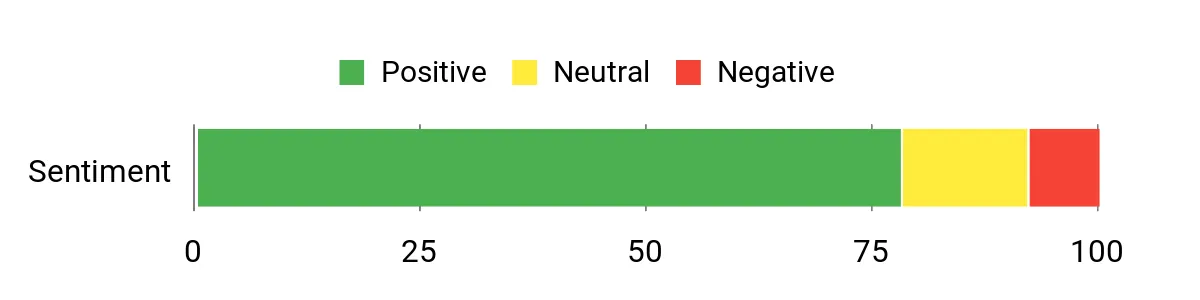
Sturdy tread and consistent contact help you maintain momentum on packed sand while resisting cuts from shell fragments or buried debris. |
|
Desert Approaches |
A strong carcass and all-terrain construction help reduce puncture risk on rocky approach roads, so you can reach dunes with less worry. |
|
Wet Roads |
A traction-focused pattern helps with control when the route to the beach includes rain, puddles, or slushy access roads. |
|
Daily Highway Use |
The construction promotes even wear and predictable handling so your commute stays comfortable between off-road trips. |
Durability
The Geolandar line is built around mixed-use durability and everyday drivability. For a Tundra, the key is choosing the correct light-truck size and load specification rather than relying on the model name alone.
Key Benefits
- Balanced all-terrain construction
- Useful for packed sand and wet roads
- Comfort-oriented choice for daily driving
- Good fit for mixed road conditions
Check Product Details on Amazon
How To Choose Tires For A Toyota Tundra In Sand
Start with the way you actually drive. Soft beach sand rewards flotation, controlled throttle, and a larger contact patch. Rocky or rutted access roads reward sidewall strength, puncture resistance, and a load rating that matches the truck. If your Tundra is also your daily driver, road noise, wet braking, and tread life matter just as much as sand bite.
- For mostly pavement plus beach access: choose a balanced all-terrain or hybrid-terrain option such as the Nitto Ridge Grappler or Yokohama Geolandar.
- For rocky approaches: prioritize sidewall toughness, with the BFGoodrich KO2 standing out in this list.
- For looser sand and mud: look at a more open tread such as the Venom Terra Hunter.
- For budget builds: compare the Atturo Trail Blade against your required size, load rating, and road-noise expectations.
[Products Worth Considering]

EVOULTES heavy duty tire inflator with an integrated gauge delivers accurate pressure readings from 10–120 PSI, helping you inflate, deflate, and check tires in one tool. The 16.5-inch extended dual-head air chuck with swivel base reaches hard-to-access dual wheel valves on trucks and RVs. A brass trigger core and side-mounted air release valve make operation smooth, with standard 1/4" NPT threading and quick-connect compatibility for easy setup.

This tire repair kit provides fast emergency puncture repair without removing the tire from the rim, helping you get back on the road quickly. Its screw plug system is designed for punctures in both tread and sidewall and includes a complete patch plug tool set with essential accessories. A portable storage bag makes it easy to carry for cars, trucks, SUVs, motorcycles, and heavy-duty applications.
Quick Comparison
|
Tire |
Main Strength |
Best Buyer |
|---|---|---|
|
Atturo Trail Blade |
Lower-cost all-terrain traction |
Budget Tundra builds with light beach use |
|
Nitto Ridge Grappler |
Hybrid-terrain balance |
Daily drivers that still need weekend trail grip |
|
Venom Terra Hunter |
Aggressive self-cleaning tread |
Drivers who see loose sand, mud, and mixed trails |
|
BFGoodrich KO2 |
Sidewall strength and durability |
Beach routes with rocky or rutted access roads |
|
Yokohama Geolandar |
Comfort and mixed-weather control |
Pavement, packed sand, rain, and gravel |
FAQ
How Do I Choose The Right Tire For Sand?
Pick a tire that balances flotation and durability for the type of sand you drive. Wider footprints and tread designs that resist digging help you stay on top of soft beaches and dunes, while reinforced sidewalls and tougher compounds matter if you often run rocky approach roads. If you split time between highway and sand, consider a hybrid all-terrain that offers quieter road manners with self-cleaning channels.
What Tire Pressure Should I Use On Sand?
Lowering pressure increases the contact patch and helps you float instead of digging in, so many drivers temporarily air down for soft sand. The right pressure depends on tire size, wheel setup, vehicle weight, load, and conditions. Always carry a reliable gauge and a way to reinflate before returning to pavement. Do not return to highway speeds while aired down.
Are Mud-Terrain Tires Better Than All-Terrain Tires On Sand?
Not always. Mud-terrain tires can provide strong bite, but very aggressive lugs may dig in if you spin the tires in soft sand. Many Tundra owners are better served by an all-terrain or hybrid-terrain tire that creates a stable footprint, clears sand reasonably well, and remains comfortable on the highway.
What Should I Check Before Buying Tires For A Tundra?
Check tire size, load index, load range, speed rating, wheel diameter, and whether the tire suits your towing or hauling needs. Also confirm that the tire clears your suspension and fenders if your truck is lifted or running oversized wheels.
How Should I Maintain Tires After Beach Or Desert Runs?
After a sandy or salty run, rinse the tires and check the tread and sidewalls for cuts, embedded debris, or unusual wear. Reinflate to highway pressure before long drives and inspect the valve stems and rims for corrosion or damage. Regular rotations and alignment checks help keep tread wear even.
Which Tire Is Best If My Tundra Is Also A Daily Driver?
The Nitto Ridge Grappler is the strongest all-rounder in this list if you want a more aggressive tire that still cares about highway comfort. The Yokohama Geolandar is the better comfort-first choice if most of your sand driving is packed beach access rather than deep dunes.
Wrapping Up
If you spend a lot of time on beaches or in desert dunes, choosing tires that match how you drive will make every outing easier and safer. The Atturo Trail Blade is the most budget-friendly option if you want decent all-terrain capability without a big investment.
The Nitto Ridge Grappler is the quiet, balanced all-rounder if you split time between highway and soft surfaces. The Venom Terra Hunter leans more aggressive for loose sand and self-cleaning in muddy conditions.
The BFGoodrich KO2 is the top pick if you prioritize sidewall strength and long-term durability on rocky approaches and aggressive off-road use. The Yokohama Geolandar stands out as the comfort-oriented mixed-weather choice if you need a tire that works for daily driving as well as packed sand and gravel.
Match your tire to your Tundra’s weight, wheel size, driving style, and how often you air down. The right tire is not always the most aggressive one; it is the one that keeps the truck moving without making every highway mile worse.
| Product Name | Image | Tread Type | Best Fit | Buying Note |
|---|---|---|---|---|
| Atturo Trail Blade A/T Check Price on Amazon ➜ |
 |
All-Terrain | Budget sand and mixed-road driving | Confirm exact load rating and size for your Tundra. |
| Nitto Ridge Grappler Check Price on Amazon ➜ |
 |
Hybrid Terrain | Daily driving plus sand, gravel, and trails | Good balance when road comfort still matters. |
| Venom Power Terra Hunter X/T Check Price on Amazon ➜ |
 |
Aggressive All-Terrain | Loose sand, mud, and weekend trail use | Expect a more aggressive tread feel than mild all-terrains. |
| BFGoodrich All Terrain T/A KO2 Check Price on Amazon ➜ |
 |
All-Terrain | Rocky approaches, sand, and sidewall durability | Best pick here when durability matters most. |
| Yokohama Geolandar Check Price on Amazon ➜ |
 |
All-Terrain | Mixed weather, packed sand, and daily comfort | Confirm the exact Geolandar model and warranty terms before ordering. |
This roundup is reader-supported. When you click through links we may earn a referral commission on qualifying purchases.

Related Articles
Best Toyota Tundra Tires for Long Tread Life in 2026
Last updated: July 4, 2026 Choosing long-lasting tires for your Toyota Tundra starts with fitment. The right tire needs to match your wheel size,…
Read More
Best Toyota Tundra Tires for 2026: Top 3 Picks
Last updated: July 4, 2026 Affiliate disclosure: This roundup is reader-supported. When you click through Amazon links, we may earn a referral commission on…
Read More
33 Inch Tires for Toyota Tundra: 2026 Top Picks
Last updated: June 24, 2026 Reader note: This roundup is reader-supported. When you click through Amazon links, we may earn a referral commission on…
Read More