
ZUKKA 20×3.0 Tire Review: Performance Unleashed
Disclosure: As an Amazon Associate, we earn from qualifying purchases. If you click a link on this page and make a purchase, we may receive a small commission at no extra cost to you.
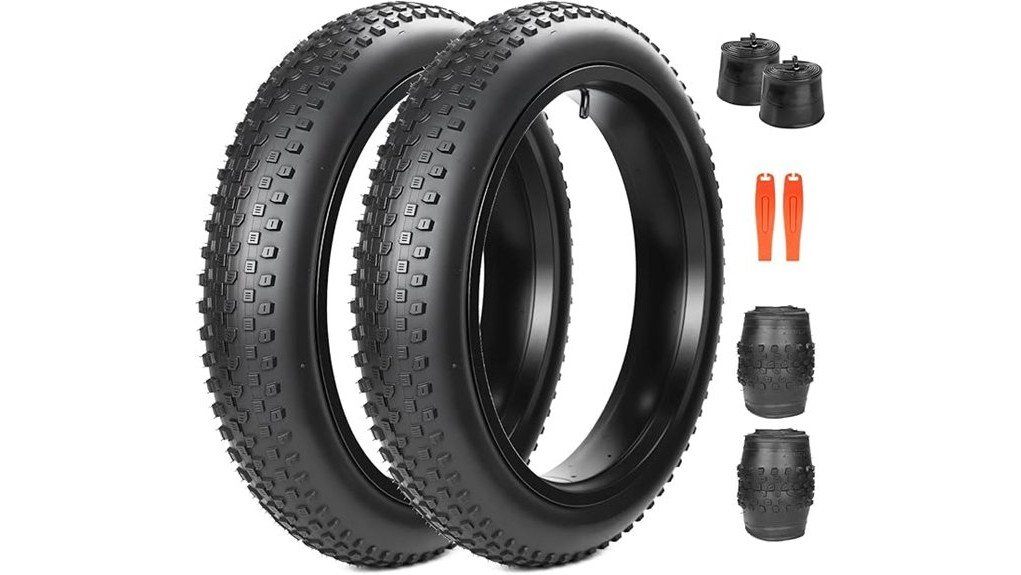
A worn or damaged 20-inch e-bike tire can affect grip, comfort, and braking, but a replacement only works when its bead diameter and width match your wheel. The ZUKKA 20 x 3.0 tire is a 76-406 clincher designed for compatible e-bikes, cruisers, mountain bikes, and tricycles. Its broad casing, patterned tread, and listed 25 to 45 PSI range make it a practical option for mixed paved and light-trail riding. The main caution is fit: a tire marked 20 x 3.0 will not suit every wheel labeled 20 inches, so you must confirm the 76-406 size before ordering.
Quick Verdict
Rating: Recommended with caveats
Best For: Riders replacing a 20 x 3.0, 76-406 clincher on a compatible e-bike, cruiser, tricycle, or recreational bike.
Bottom Line: The ZUKKA tire offers a wide footprint, a water-shedding tread pattern, and a useful pressure range for everyday riding. Its value depends on exact rim clearance and the selected bundle, so verify the sidewall size and package contents before checkout.
| Specification | Detail |
|---|---|
| Brand | ZUKKA |
| Product type | Fat or wide bicycle replacement tire |
| Marked size | 20 x 3.0 inches |
| ETRTO size | 76-406 |
| Tire design | Clincher with wire bead |
| Listed pressure range | 25 to 45 PSI, 175 to 310 kPa, or 1.7 to 3.1 bar |
| Materials | Nylon and rubber composite with steel wire in the bead |
| Tread | Uneven pattern with granular surface texture |
| Compatibility | Compatible 20-inch e-bikes, cruisers, mountain bikes, and tricycles that use 76-406 tires |
| Included accessories | Tire levers are listed with the indexed bundle; confirm the selected package before purchase |
| Best use | Commuting, casual street riding, paths, and light mixed-surface use |
Before You Buy: Match the ETRTO number on your current tire, not just the words “20 inch.” You need a 406 mm bead-seat diameter and enough frame, fork, fender, and brake clearance for a tire about 3 inches wide.
Key Takeaways
- The ZUKKA tire is marked 20 x 3.0 and 76-406, which is the most important fit information.
- Its listed 25 to 45 PSI range lets you tune pressure within the tire and rim limits for load, comfort, and surface conditions.
- The nylon-rubber casing and steel wire bead provide a conventional clincher construction for compatible rims.
- The uneven tread and granular texture are intended to add grip and move water away from the contact area.
- Bundle contents may vary, so do not assume inner tubes are included unless your selected option states that clearly.
What Is the ZUKKA 20 x 3.0 Tire?
The ZUKKA is a wide replacement bicycle tire for wheels that use the 76-406 ETRTO size. The 406 number describes the bead-seat diameter, while 76 refers to the approximate inflated width in millimeters. That standardized marking is more dependable for fit checks than the general “20-inch” label.
Its clincher design uses a steel wire bead that hooks into a compatible rim. The listing describes a nylon and rubber composite casing, an uneven tread, and a textured surface. Together, these features target a balance of casing strength, surface grip, and predictable everyday handling rather than competition-level speed or deep-mud traction.
Who Should Buy It?
Best For
- Riders replacing an existing tire marked 20 x 3.0 or 76-406.
- E-bike, cruiser, and tricycle owners who want a wide tire for stable everyday riding.
- Buyers who ride mostly pavement, paths, hard-packed ground, and light mixed terrain.
Skip If
- Your current tire has a bead diameter other than 406 mm.
- Your frame, fork, fenders, or brakes lack clearance for a 3-inch tire.
- You need a verified tubeless-ready, studded, or aggressive deep-mud tire.
Fit and Compatibility
Compatibility is the first buying factor. A 20 x 3.0 tire is wider than common 20 x 1.75 or 20 x 2.125 tires, so the bead may fit a 406 rim while the inflated casing still rubs the frame or fender. Compare the full sidewall marking on your old tire and measure clearance on both sides of the wheel.
Also check the rim’s approved tire-width range, the bicycle manufacturer’s limits, and the space around the chainstays, fork crown, brake bridge, and fenders. On an e-bike, confirm that the replacement does not interfere with motor cables, torque arms, speed sensors, or enclosed chain guards.
Pro Tip: Photograph your old tire’s complete sidewall code before shopping. Match “76-406” first, then compare tread direction, valve type, tube size, rim width, and surrounding clearance.
Tread and Wet-Road Grip
The tire uses an uneven tread pattern and a three-dimensional granular texture. Those shapes create edges that can engage pavement and compact surfaces, while the channels give water a route away from parts of the contact patch. This design should be more versatile than a completely smooth tire when roads are damp or lightly covered with loose material.
Wet grip still depends on pressure, speed, rider weight, braking technique, temperature, and surface contamination. Painted lines, metal covers, leaves, oil, and polished concrete can remain slippery even with fresh tread. Reduce speed before turns, brake progressively, and leave more stopping distance in rain.
Build Quality and Durability
The listed nylon and rubber composite is a common approach for balancing flexibility and casing support. The soft steel wire belongs in the tire bead, not in an inner tube. It helps the bead retain its shape and seat against the rim hook during inflation.
The 3-inch casing spreads the load across a broad footprint, but tread life cannot be predicted from width alone. Alignment, motor torque, braking habits, load, road debris, and pressure all affect wear. Check the center and shoulder tread regularly, especially on a rear hub-motor e-bike where acceleration can wear the drive tire faster.
Installation and Setup
The bundle is described with tire levers, which help lift the bead over the rim. You will still need a compatible inner tube unless your selected package explicitly includes one, plus a pump and an accurate pressure gauge. A patch kit and valve-core tool can also be useful, but they are not substitutes for a damaged tube or tire.
- Confirm the wheel is compatible with a 76-406 clincher tire and inspect the rim tape.
- Check the tire for a rotation arrow and align it with forward wheel rotation.
- Install one bead, add a lightly inflated compatible tube, and place the valve straight through the rim.
- Seat the second bead by hand where possible, using levers carefully so you do not pinch the tube.
- Inflate in small steps while checking that the molded bead line stays even around both sides.
- Set pressure within the tire, tube, and rim limits, using the lowest maximum rating as the hard limit.
After installation, spin the wheel and check for side-to-side wobble, bead lift, rubbing, or a crooked valve. Recheck pressure before the next ride because a newly installed tube can settle slightly.
Compatibility and Safety
Never inflate solely from a number copied from a web listing. Use the pressure marking on the tire you receive and stay within the limits printed on the rim and tube. Overinflation can damage the tire, tube, or rim, while very low pressure can cause pinch flats, bead movement, rim strikes, and unstable handling.
Stop riding if you notice exposed casing cords, bead damage, deep cuts, a sidewall bulge, repeated pressure loss, or tread separation. E-bikes can place higher loads and torque on tires than standard bicycles, so inspect them often. A bicycle shop should handle the installation if you are unsure about rim compatibility, wheel removal, brake adjustment, or motor wiring.
How It Performs in Real Use
Daily Commuting
On paved routes, the broad 3-inch casing can add a planted feel and some impact cushioning when pressure is adjusted correctly. The tradeoff is more rotating mass and possible rolling resistance compared with a narrower commuter tire.
Wet Streets
The patterned tread provides channels and biting edges that are useful on damp pavement. It should still be treated as an everyday bicycle tire, not a guarantee against sliding, so smooth steering and longer braking distances remain essential.
Paths and Hard-Packed Trails
The texture and width suit recreational use on gravel paths, park trails, and firm dirt. Riders who regularly encounter deep mud, loose sand, snow, or sharp rocks may need a more aggressive tread or a tire with clearly documented puncture-protection features.
Tricycle and Cargo Use
A compatible tricycle can benefit from the wide contact patch, but multi-wheel setups make matching size and tread more important. Replace tires in matched pairs or sets when uneven wear, diameter differences, or handling imbalance could affect stability, and follow the vehicle maker’s load and pressure guidance.
Maintenance and Care
Check pressure before rides or at least weekly, because wide tires can feel firm even when underinflated. Use a gauge rather than squeezing the sidewall by hand. Remove embedded glass, wire, and sharp stones before they work deeper into the casing.
Keep the tire away from solvents, fuel, ozone-producing equipment, and prolonged direct sun during storage. If the bike will sit for a long period, maintain reasonable pressure and rotate the wheel occasionally so the same section is not carrying the full load continuously.
Pros and Cons
Pros
- Clear 20 x 3.0 and 76-406 fit markings.
- Wide casing supports a stable, cushioned ride on compatible bikes.
- Patterned tread is suitable for pavement and light mixed-surface use.
- Listed 25 to 45 PSI range provides room for careful pressure tuning.
- Tire levers are included with the indexed bundle.
Cons
- A 3-inch width may not clear every frame, fork, brake, or fender.
- Bundle contents can vary, and inner tubes should not be assumed.
- Warranty terms and advanced puncture-protection details are not clearly verified.
Is It Worth the Price?
The ZUKKA makes the most sense as a practical replacement when its exact size matches your bike and the bundle gives you the quantity you need. The included levers can save a small accessory purchase, and the broad tread design covers common commuting and recreational surfaces.
Its value is weaker for buyers who need documented tubeless compatibility, a named puncture-protection layer, a verified long warranty, or a specialized tread for deep mud and snow. Compare the total cost after adding the correct tube, rim tape, and installation if those items are not included.
How It Compares to Alternatives
A Kenda K1008A 20 x 3.0 tire is worth comparing when you want a smoother center ridge for street-focused rolling and clearly published retailer specifications. The Kenda Havok 20 x 3.0 is a stronger comparison for riders who prioritize more off-road grip. The ZUKKA is most appealing when you want a general-purpose 76-406 replacement and its current bundle offers better overall value.
Frequently Asked Questions
Will this fit every 20-inch bicycle wheel?
No. It is made for a 406 mm bead-seat diameter and is marked 76-406. You also need enough rim-width and frame clearance for the 3-inch casing.
Does the package include inner tubes?
Do not assume tubes are included. The indexed bundle for this listing identifies tires and tire levers, so check the exact option and package description shown at checkout.
What pressure should you use?
The article and listing information give a 25 to 45 PSI range. Use the markings on the tire you receive and stay within the rim and tube limits, then adjust for load and surface without exceeding the lowest maximum rating.
Is the tire suitable for e-bikes and electric tricycles?
It is marketed for compatible e-bikes and tricycles that use the same 76-406 tire size. Confirm the vehicle maker’s tire-width, load, and speed requirements before installation.
Can you use it without an inner tube?
The available information describes a clincher tire but does not verify a tubeless-ready construction. Use a compatible tube unless the tire sidewall, rim maker, and seller instructions all approve tubeless installation.
Is it a good choice for snow or deep mud?
It can handle light mixed terrain, but the available tread description does not establish it as a dedicated snow or deep-mud tire. Choose a more aggressive or studded design for frequent severe conditions.
What does the warranty cover?
A lifetime tire warranty could not be confirmed for this listing. Review the current seller warranty and Amazon return terms before buying, and keep your order record if you need support.
The Bottom Line
The ZUKKA 20 x 3.0 tire is worth considering when your bike already uses a 76-406 clincher and you want a broad, general-purpose tread for commuting and light mixed surfaces. Skip it if clearance is tight or you need verified tubeless, studded, or heavy off-road features. Its main strength is straightforward size and everyday versatility, while its main limitation is incomplete detail about bundle contents, puncture protection, and warranty coverage.
Ready to Buy?
Check the latest price, selected package, and product details before you decide.

Related Articles
EOPOAYI 19×7-8 Mini Bike Tire Review
A rugged EOPOAYI 19x7-8 mini bike tire review reveals traction, durability, and fit details that could change your next off-road ride.
Read More
MaxAuto 16×8-7 ATV Tires Review
Jump into this MaxAuto 16x8-7 ATV Tires Review to see whether these rugged tires truly deliver on trails—and what you need to know next.
Read More
TRIBLE SIX 20×11-9 Tires Review
Built for ATVs, UTVs, mowers, and carts, TRIBLE SIX 20x11-9 tires deliver surprising traction—yet one detail may change everything.
Read More