
Rhino USA Tire Pressure Gauge Review
Disclosure: As an Amazon Associate, we earn from qualifying purchases. If you click a link on this page and make a purchase, we may receive a small commission at no extra cost to you.
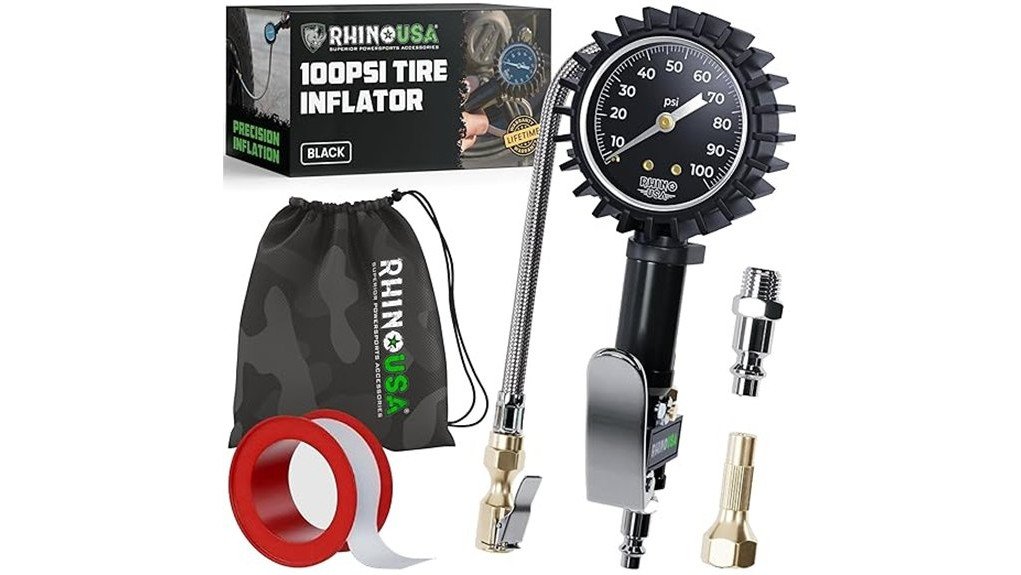
Checking tire pressure should be quick, but a weak chuck, a hard-to-read dial, or repeated switching between tools can make a simple job frustrating. The Rhino USA 100 PSI Tire Inflator Gauge combines an analog gauge, inflation trigger, air-release valve, braided hose, and interchangeable brass chucks in one compressor-powered tool. Its strongest points are the clear 2-inch glow-in-the-dark dial and controlled inflate-or-bleed operation. Its main limitation is just as important: you need a compatible air compressor, and the 100 PSI ceiling is not intended for every high-pressure commercial application.
Quick Verdict
Rating: 8.6/10, Recommended with caveats
Best For: Drivers and home mechanics who already own an air compressor and want one tool for checking, inflating, and bleeding tire pressure.
Bottom Line: The Rhino USA gauge offers a useful 100 PSI range, an ANSI B40.1-rated analog dial, and convenient pressure control without batteries. It is a strong garage tool, but it is not a self-contained portable inflator and may not suit tires that require more than 100 PSI.
| Specification | Detail |
|---|---|
| Brand | Rhino USA |
| Product | 100 PSI Tire Inflator Gauge |
| Product type | Analog tire inflator, pressure gauge, and deflator |
| Pressure range | 0 to 100 PSI |
| Accuracy standard | ANSI B40.1 certified |
| Display | 2-inch glow-in-the-dark analog dial |
| Air connection | 1/4-inch NPT quick-connect fitting |
| Hose | Braided, no-leak hose; about 10.5 inches flexible and 14.5 inches overall including fittings |
| Chucks | Interchangeable solid brass air chucks |
| Controls | Inflation trigger and integrated air-release valve |
| Power source | External air compressor required; no batteries needed for the analog gauge |
| Vehicle use | Cars, SUVs, trucks, motorcycles, UTVs, RVs, and other compatible Schrader-valve tires within the pressure range |
| Included items | Gauge assembly, braided hose, brass chucks, thread-seal tape, and storage bag |
| Warranty | Rhino USA advertises a lifetime warranty; registration and warranty terms should be checked after purchase |
What Is the Rhino USA Tire Pressure Gauge?
The Rhino USA 100 PSI Tire Inflator Gauge is a pneumatic garage tool that connects to an air compressor through a 1/4-inch NPT fitting. It lets you read pressure, add air with the trigger, and release excess air through the integrated bleed valve without removing the chuck between adjustments.
The tool is designed for common vehicle tires that fall within its 0 to 100 PSI range. You can use it on cars, SUVs, pickup trucks, motorcycles, UTVs, and many RV or trailer tires, provided the valve and required pressure are compatible. The analog design also works without batteries, which makes it practical for a garage, workshop, or compressor-equipped service vehicle.
[Products Worth Considering]

The AstroAI 2 pack air chucks provide a heavy-duty, closed-flow locking design that helps keep air flowing during inflation while securely attaching to the valve stem. Built with 250 PSI rated brass components and compatible with Schrader valves, they feature 1/4" female NPT threads for a wide fit with common inflators. The straight tip and locking clip make filling tires and monitoring pressure more convenient.

This dual head and ball air chuck set provides closed-flow tire inflation that routes air only through the chuck engaged with the valve. It includes both dual-head and ball-head chucks plus quick plug fittings for easy, fast connections to air lines and compressors. Built for reliable, leak-resistant operation, it’s ideal for filling Schrader valves on bikes, motorcycles, cars, trucks, and more.
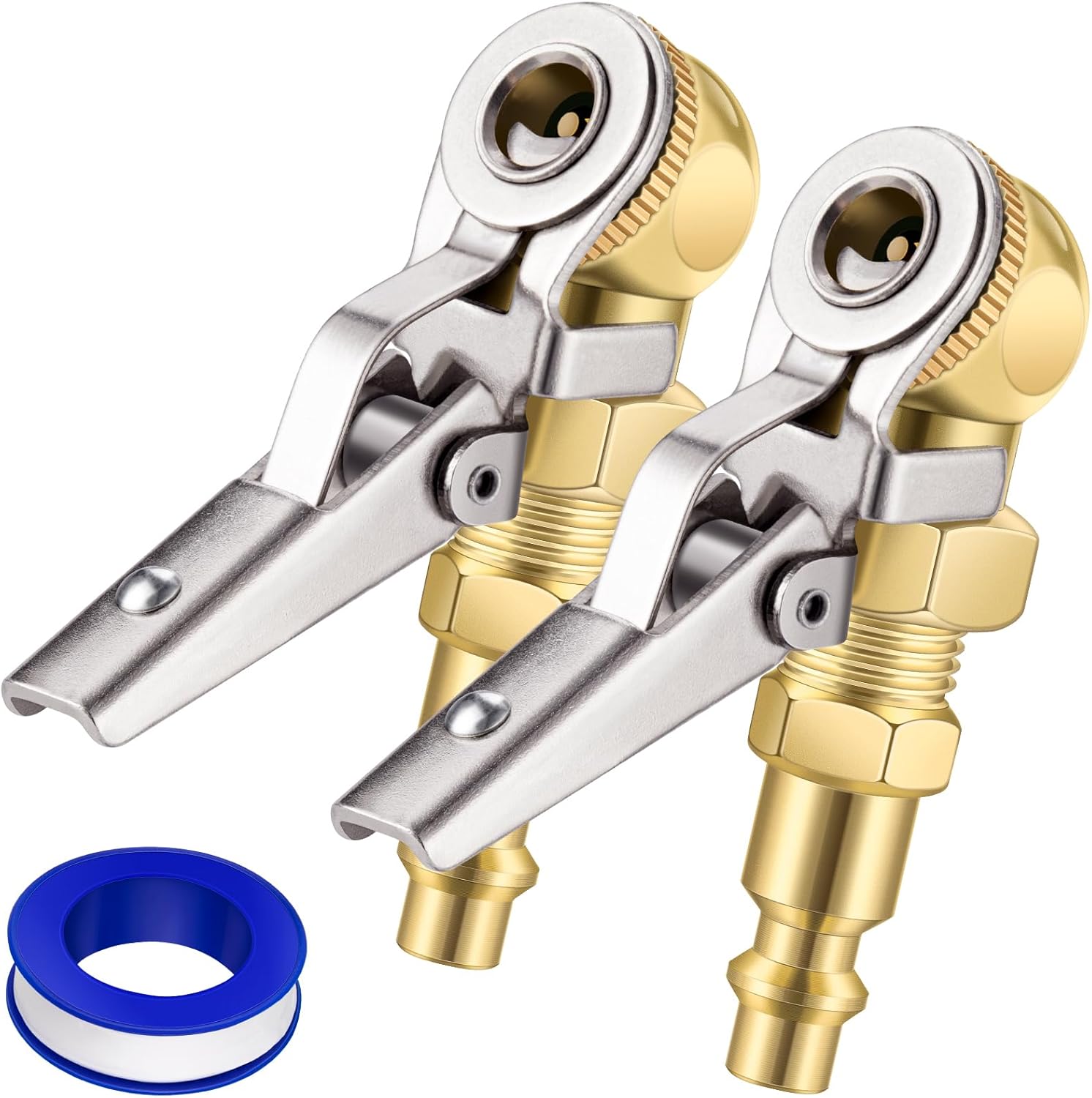
EVOULTES 2-pack closed ball tire chucks lock onto Schrader valves to help you inflate tires hands-free. The set includes both chucks with quick plug compatibility and a 2-way connection approach for easy setup to your air line or compressor. Durable metal construction supports reliable use for cars, trucks, RVs, bikes, and other Schrader-valve tires up to 250 PSI.
Key Takeaways
- The Rhino USA model combines a gauge, inflator, and deflator in one compressor-powered tool.
- Its 2-inch analog dial glows in the dark and carries an ANSI B40.1 accuracy certification.
- The 1/4-inch NPT connection fits common compressor setups, but you should confirm your coupler style before buying.
- Interchangeable solid brass chucks and a braided hose support repeated garage use.
- The 100 PSI maximum is suitable for many passenger and recreational vehicles, but not every commercial or specialty tire.
Who Should Buy It?
Best For
- You already own an air compressor with a compatible 1/4-inch NPT connection.
- You maintain several cars, motorcycles, UTVs, trailers, or recreational vehicles.
- You prefer a battery-free analog gauge with one-handed inflation and pressure release.
Skip If
- You need a portable inflator with its own motor or power supply.
- Your tires regularly require more than 100 PSI.
- You want a powered digital display with exact decimal readings.
Before You Buy: This gauge does not create air. You need a separate compressor and a matching 1/4-inch NPT coupler. Also confirm that your vehicle’s recommended pressure stays within the 100 PSI gauge range.
Build Quality and Included Hardware
The working end of the tool uses interchangeable solid brass chucks, while the hose has a braided outer layer designed to resist routine abrasion and flexing. A rugged protective cover surrounds the dial, helping shield the gauge from ordinary bumps in a garage or tool bag. These details make the assembly feel more suitable for repeated maintenance than a basic pencil gauge.
The hose length is useful without becoming bulky. Rhino USA lists about 10.5 inches of flexible hose and about 14.5 inches overall when the metal fittings are included. That gives you room to reach many valve stems without forcing the gauge body against the wheel.
The package also includes thread-seal tape and a storage bag. The tape helps you prepare threaded connections, while the bag keeps the gauge and chucks together between uses. You should still inspect the hose, threads, and chuck seals regularly because any damaged pneumatic fitting can cause leaks or inaccurate adjustments.
Dial Readability and Pressure Accuracy
The 2-inch analog dial is larger than many compact handheld gauges, so you can read it without bringing your face close to the tire. Its glow-in-the-dark face improves visibility in a dim garage or beside the road, but it is not a powered backlight. Low-light performance will therefore depend on how much light the dial has absorbed beforehand.
Rhino USA identifies the gauge as ANSI B40.1 certified. That standard gives you a more useful accuracy reference than vague marketing language alone. Even so, any mechanical gauge can drift after hard impacts or long use, so it is sensible to compare it occasionally with another trusted gauge, especially before a long trip.
How the Inflator and Bleed Valve Work
Once the tool is connected to your compressor and the chuck is seated on the valve stem, the dial shows the tire’s pressure. Squeezing the trigger sends compressed air into the tire. Pressing the integrated air-release valve lets out small amounts of excess pressure while the gauge remains connected.
This three-in-one layout saves time because you do not have to alternate between a separate gauge, compressor hose, and deflation tool. The main benefit is control: you can add air, pause to read the dial, and bleed off pressure until you reach the vehicle manufacturer’s cold-pressure specification.
A secure chuck seal matters. If you hear continuous leaking around the valve stem, reseat the chuck before trusting the reading. A poor connection can waste compressor air and make the needle appear less stable.
Fit and Vehicle Compatibility
The 100 PSI range covers most passenger cars, SUVs, motorcycles, and light trucks, plus many UTV, RV, and trailer applications. It can also serve compatible bicycle tires, sports equipment, or inflatables when you use the correct chuck or adapter and remain within the rated pressure range.
Compatibility has two parts. First, your compressor line must accept the gauge’s 1/4-inch NPT connection or a suitable coupler. Second, the chuck must seat correctly on the valve stem. Tight wheel designs, dual rear wheels, or deeply recessed stems may require a different chuck shape or extension.
How to Use It Correctly
- Find the recommended cold tire pressure on the driver’s door placard or in your owner’s manual. Do not use the maximum number molded on the tire sidewall as your routine target.
- Check the tire when it is cold, ideally before driving or after the vehicle has been parked for at least three hours.
- Confirm that the compressor is off or depressurized while you install any threaded fitting. Apply thread-seal tape only to the appropriate male pipe threads.
- Connect the gauge to the compressor, then attach the correct brass chuck to the tire valve.
- Read the dial. Squeeze the inflation trigger in short bursts if pressure is low.
- Use the air-release valve in small taps if pressure is high, then recheck the dial.
- Remove the chuck, reinstall the valve cap, and repeat the process for every tire, including the spare when accessible.
Pro Tip: Write the front and rear cold-pressure targets on a small card and keep it in the storage bag. Some vehicles specify different pressures by axle, so this prevents you from assuming all four tires use the same setting.
[Products Worth Considering]

Upgrade your tire inflating setup with this 12-inch hose adapter featuring a brass locking quick-connect chuck for secure, leak-proof attachment. The extended, flexible design helps reach hard-to-access valve stems, while the self-locking mechanism enables hands-free inflation with no pressure loss. It’s compatible with most portable air compressors and inflators, making it ideal for cars, trucks, motorcycles, and bicycles.

Upgrade your air tools with this 18-piece air compressor accessory kit featuring a 25ft recoil poly hose, 1/4" NPT quick connect fittings, and a 100 PSI tire inflator gauge. The set also includes a heavy-duty blow gun with safety and tapered nozzles, plus couplers, inflation needles, plugs, and other essentials for everyday mechanic and workshop tasks. Corrosion-resistant steel and brass components help keep connections reliable for inflating, blowing out, and general pneumatic use.
Compatibility and Safety
Compressed-air tools deserve careful handling. Wear eye protection when working with pressurized fittings, keep the hose away from sharp edges, and never exceed the gauge’s 100 PSI range. Stop using the tool if the hose is cut, the dial is cracked, or a fitting is loose.
For vehicle safety, follow NHTSA tire safety guidance and use the pressure listed by the vehicle manufacturer, not the maximum pressure printed on the tire. Check pressure at least monthly and before long trips, preferably when the tires are cold. A tire-pressure monitoring system is a warning device, not a replacement for regular manual checks.
If a tire repeatedly loses pressure, has a bulge, visible damage, or unusual wear, adding air is not a complete repair. Have the tire inspected by a qualified service professional.
How It Performs in Real Use
For Daily Garage Maintenance
The combined trigger, gauge, and release valve make routine top-offs faster than switching among separate tools. The analog dial is easy to glance at, and you do not need to replace batteries. The tradeoff is that the tool remains tied to your compressor hose, so it is less convenient away from home.
For Motorcycles and UTVs
The flexible braided hose can make angled or partially recessed stems easier to reach than a rigid gauge body. Interchangeable chucks also give you more flexibility across different wheels. You should confirm access before buying because some brake rotors, spokes, or wheel designs leave very little clearance.
For RVs, Trailers, and Light Trucks
The 100 PSI capacity works for many recreational and towing setups, and the longer hose helps when the valve is not easy to approach directly. However, some heavy-duty truck, trailer, or commercial tires call for pressures near or above this limit. Check the placard before relying on this model for those vehicles.
For Low-Light Checks and Storage
The glow dial is more useful than an unlit white face in a dim garage, but it will not match the constant illumination of a digital backlit gauge. The included bag is helpful for keeping the brass chucks and thread tape together, reducing the chance of losing small parts in a crowded toolbox.
Pros and Cons
Pros
- Combines pressure checking, inflation, and controlled deflation.
- ANSI B40.1-certified 0 to 100 PSI analog gauge.
- Large 2-inch glow-in-the-dark dial needs no batteries.
- Interchangeable solid brass chucks and braided hose.
- Includes thread-seal tape, storage bag, and advertised lifetime warranty.
Cons
- Requires a separate air compressor and compatible fitting.
- The 100 PSI ceiling is not enough for every commercial tire.
- The glow dial is less readable in darkness than a powered backlit display.
Is It Worth the Price?
The Rhino USA gauge sits in the practical mid-range of compressor accessories. Its value comes from combining three functions, using a large analog dial, and including several small accessories that you would otherwise have to organize separately. It makes the most sense when you already have a compressor and expect to check several vehicles throughout the year.
It is less compelling if you only check pressure occasionally or need a tool for roadside use without shop equipment. In that case, a basic handheld gauge or a portable powered inflator may be a better use of your money. The advertised lifetime warranty adds value, but you should register the product and review the current terms rather than assuming every type of damage is covered.
How It Compares to Alternatives
The AstroAI 100 PSI analog inflator is a close alternative with a larger 2.5-inch glow dial and a longer rubber hose, so it may appeal more if display size and reach matter most. The JACO FlowPro 100 PSI is another analog option with a stated ±2% accuracy specification and 1/4-inch NPT compatibility, making it useful for buyers who want a published numerical tolerance.
A JACO FlowPro digital 200 PSI model is better suited to drivers who want a backlit screen, decimal resolution, and a higher pressure ceiling. The Rhino USA model makes the most sense when you prefer a battery-free 100 PSI analog tool, a compact braided hose, interchangeable brass chucks, and Rhino USA’s warranty program.
Frequently Asked Questions
Does the Rhino USA gauge need an air compressor?
Yes. It is an inflator-gauge accessory, not a self-powered air pump. You need a compressor and a compatible 1/4-inch NPT connection to add air, although the dial can show pressure while the tool is connected.
Is the dial backlit for nighttime use?
No powered backlight is specified. The 2-inch analog face glows in the dark, which helps in a dim area after the dial has been exposed to light, but it will not stay as bright as an illuminated digital screen.
How accurate is the pressure gauge?
Rhino USA states that the analog gauge is ANSI B40.1 certified. The listing does not provide a narrower numerical tolerance, so avoid assuming a specific ±1 PSI claim and compare the gauge with another trusted tool from time to time.
Will it work on motorcycles, RVs, and trailers?
It can work on those vehicles when the valve is accessible and the recommended pressure is within 0 to 100 PSI. Check tight wheel clearances and high-pressure trailer specifications before buying.
Can you release excess air with the tool?
Yes. The integrated air-release valve lets you bleed off pressure in small amounts while monitoring the analog dial. Use short presses so you do not drop below the vehicle’s recommended cold pressure.
How long is the hose?
Rhino USA lists the flexible hose section at about 10.5 inches. The total distance from the gauge to the end is about 14.5 inches when the metal and brass fittings are included.
What does the lifetime warranty cover?
Rhino USA advertises a lifetime warranty on its products and provides a registration and claim process. Coverage details can change, so activate the warranty after purchase and read the current exclusions before relying on it.
Who should choose a different gauge?
Choose another model if you need more than 100 PSI, a powered backlit display, decimal readings, or a self-contained portable compressor. A longer or angled chuck may also be better for dual rear wheels or deeply recessed valve stems.
The Bottom Line
The Rhino USA 100 PSI Tire Inflator Gauge is a strong choice when you already own a compressor and want a durable, battery-free tool for reading, adding, and releasing tire pressure. Its 2-inch glow dial, ANSI B40.1 certification, brass chucks, and braided hose are meaningful strengths, while the compressor requirement and 100 PSI limit are the main reasons to skip it.
Ready to Buy?
Check the latest price, included fittings, and product details before you decide.

Related Articles
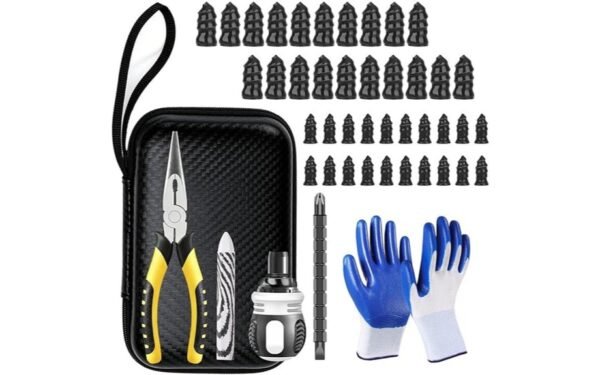
Tire Screw Plug Repair Kit Review
Compact tire screw plug repair kit review reveals fast roadside fixes, but which punctures are truly safe enough to trust?
Read More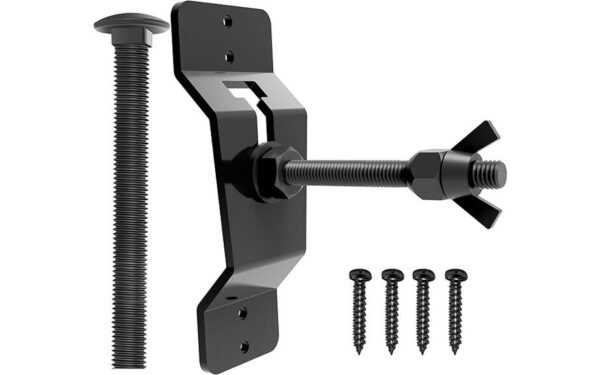
Wall Mount Spare Tire Carrier Mount Review
I review the wall mount spare tire carrier’s fit, strength, and stability—see what could make or break your trailer setup.
Read More
Socpuro Tire Repair Patch Tool Kit Review
Great for quick DIY puncture fixes, the Socpuro Tire Repair Patch Tool Kit has limits and surprises you’ll want to know before buying.
Read More