
Bike Tire Liner Review: Ultimate Protection Tested
Disclosure: As an Amazon Associate, we earn from qualifying purchases. If you click a link on this page and make a purchase, we may receive a small commission at no extra cost to you.
Review note: This review covers product specifications, installation details, fit limits, and practical use cases for tubed bicycle tires.
JULAI Bike Tire Liner Review: Is This Inner Tube Flat Protector Worth It?
A tread puncture can turn a quick ride into a long walk, especially if your route has thorns, glass, wire, or sharp gravel. The JULAI Bike Tire Liner adds a 1 mm polyurethane strip between your tire tread and inner tube, giving sharp debris another layer to pass through before it reaches the tube. This review helps you decide whether the 2300 x 38 x 1 mm two-roll kit makes sense for your bike, riding style, and setup patience. It is a simple add-on for tubed tires, but it is not a sealant, sidewall protector, or cure for every kind of flat.
Quick Verdict
Rating: 7.5/10
Best For: Commuters, casual riders, family bikes, and light trail riders using inner tubes who want extra tread-area puncture protection.
Bottom Line: The JULAI Bike Tire Liner is worth considering if your flats usually come from debris entering through the tire tread. Its main tradeoff is setup accuracy, because poor centering, rough trimming, or overlap can affect comfort and tube life.
| Specification | Detail |
|---|---|
| Brand | JULAI |
| Model | JLBK200819 |
| Manufacturer | Ju Lai Technology |
| Product Type | Bicycle tire liner for tubed tires |
| Design | Trim-to-fit strip that sits between the tire casing and inner tube |
| Material | Polyurethane |
| Dimensions | 2300 mm long x 38 mm wide x 1 mm thick |
| Weight | 208 g listed item weight |
| Wheel Compatibility | 12″, 16″, 18″, 20″, 24″, 26″, 27.5″, and 29″ bike tires after trimming |
| Count or Quantity | Two rolls, enough material for two tires |
| Best Use | Commuter, casual, family, hybrid, and light trail bikes with inner tubes |
| Installation Notes | Requires tire removal, measuring, trimming, careful centering, and staged inflation |
| Limitations | Does not seal holes, protect sidewalls fully, or stop every pinch flat |
| Warranty | One year |
| ASIN | B0C9TRLSGL |
[Products Worth Considering]

Convert Presta bicycle valves to accept standard Schrader pump nozzles for fast, hassle-free inflation. This kit includes durable brass adapters with leak-resistant connections, plus sports inflation needles and protective valve caps for convenient use on bikes and ball sports equipment.

Tiakia’s mini high-pressure frame pump delivers up to 260 PSI for faster, more efficient inflations with an optimized intake volume. It features a double-head valve design compatible with Schrader and Presta, plus a conversion for Donlop, making it versatile for bikes and many inflatables. The lightweight anodized aluminum build includes a mounting bracket for convenient carry, while the flexible high-pressure hose and IPX4 waterproof body support outdoor use.

This PXZBLG bike repair kit helps you tackle common tire and on-the-ride issues with a compact, ride-ready tool collection. It includes a mini tire pump supporting both Presta and Schrader valves, a 16-in-1 bike multitool, tire levers, glueless patches with a plastic box, plus 4mm and 5mm Allen wrenches. A convenient bike bag stores everything so you can mount it on your road bike or mountain bike for lightweight, portable preparedness.
What Is the JULAI Bike Tire Liner?
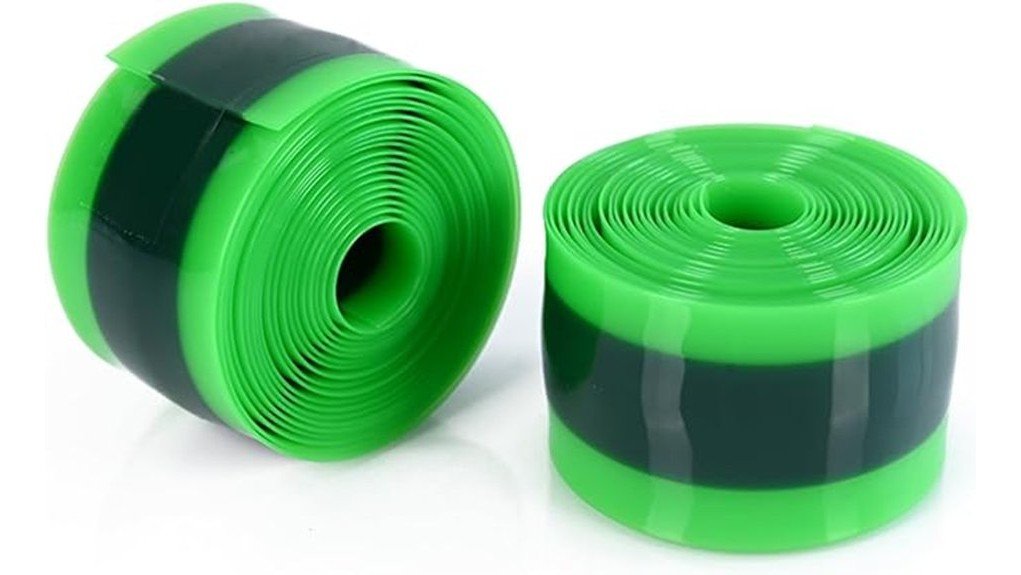
The JULAI Bike Tire Liner JLBK200819 is a thin polyurethane strip that installs inside a tubed bicycle tire. It sits between the tire casing and inner tube, where it helps block sharp debris before it reaches the tube.
The reviewed version measures 2300 mm long, 38 mm wide, and 1 mm thick. That size gives you enough length to trim for many wheel sizes, while the 38 mm width targets the tread area on many commuter, hybrid, mountain, and casual bike tires.
Each package includes two rolls, so one order can protect the front and rear tires on a standard tubed bike. The key is matching the 38 mm strip to a tire wide enough to keep the liner centered under the tread without pushing its edges into the tube sidewall.
Key Takeaways
- The JULAI liner uses a 1 mm polyurethane strip to add a physical barrier between your tire tread and inner tube.
- The 2300 x 38 mm size trims to fit many 12″ to 29″ tubed bike tires.
- The two-roll package covers two tires, so one kit can protect one standard bicycle.
- Installation requires tire removal, careful measuring, clean trimming, and centered placement.
- The liner helps most with tread punctures, not sidewall cuts, worn tires, or hard rim-impact pinch flats.
- The one-year warranty adds reassurance, but you still need to inspect tire pressure and tire condition regularly.
Who Should Buy It?
Best For
- Daily commuters riding tubed tires through glass, staples, wire fragments, or roadside grit.
- Trail riders on 26″, 27.5″, or 29″ wheels who want extra resistance against thorns and small sharp stones.
- Casual riders, youth bikes, and family bikes where fewer tread punctures matter more than the lightest ride feel.
Skip If
- You use tubeless tires and want sealant-based puncture repair instead of an inner tube liner.
- You need sidewall protection, rim-impact cushioning, or the support of a thicker insert system.
- You do not want to remove the tire, measure the strip, trim it, and check placement during inflation.
Before You Buy: Confirm that a 38 mm wide liner suits your tire. A strip that is too wide can ride up the casing or press into the tube, while a strip that is too narrow may leave more tread area exposed.
How It Prevents Tread Punctures
The JULAI liner works by adding a 38 mm wide polyurethane barrier under the tire tread area. When a thorn, nail, shard of glass, or wire fragment pushes through the outer tire, the liner gives that object another layer to penetrate before it can reach the inner tube.
This barrier design is simple because it does not seal holes after they happen. Instead, it reduces the chance that debris reaches the tube in the first place, which is useful on city streets, gravel shoulders, dry trails, and thorn-prone routes.
A tire liner does not make your tube impossible to puncture, but it adds a practical 1 mm shield where many flats start.
The protection is strongest against small objects that enter through the tread. It will not fully protect the sidewall, and it will not stop every pinch flat caused by hard rim impacts, so pressure, tire condition, and riding style still matter.
Material and Build Quality
JULAI lists the liner material as polyurethane. That material choice makes sense for a tire liner because the strip needs to bend around the tire while still resisting cuts from common road and trail debris.
The 1 mm thickness is the main design tradeoff. It keeps the liner slim, flexible, and easier to fit than a bulky insert, but it cannot provide the same impact cushioning or sidewall support as a thicker foam insert.
The listed 208 g item weight applies to the package, not one wheel alone. Most casual riders will care more about puncture protection than that added weight, but performance-focused riders may notice any added rotating mass more than commuters do.
Fit and Compatibility
The liner is marketed for 12″, 16″, 18″, 20″, 24″, 26″, 27.5″, and 29″ tires. Because each roll is 2300 mm long, you measure the strip around the inside of your tire and trim the extra length before final installation.
The 38 mm width is best matched to tires wide enough to hold the strip centered under the tread. Narrow road tires may need a narrower JULAI variant, while fat-bike tires usually need a much wider liner than 38 mm.
Valve type does not matter because the strip sits between the tire and tube, away from the valve stem. Tire width, tire condition, tube placement, and liner centering matter much more than whether your tube uses a Schrader or Presta valve.
Installation and Trimming
Installation starts by removing one side of the tire bead, taking out the tube, and placing the liner between the tire casing and tube. The goal is to center the 38 mm strip under the tread so the edges do not press into the tube sidewall.
Trim the liner so the ends meet cleanly without overlap. An overlap can create a raised section inside the tire, which may cause a bump while riding or create extra pressure against the tube.
After trimming, reinstall the tube, seat the tire bead evenly, and inflate in stages. Stop partway through inflation to check that the bead is seated and the liner has not shifted toward one side.
Pro Tip: Before final inflation, lightly inflate the tube just enough to give it shape. This helps reduce twisting and makes it easier to keep the liner centered under the tread.
Compatibility and Safety Notes
This liner is an add-on for tubed bicycle tires, not a replacement for a good tire, good tube, or correct tire pressure. Inspect the tire casing before installation, because a worn tire with cuts, exposed threads, or damaged sidewalls can still fail even with a liner inside.
Keep the liner under the tread area and away from the tube sidewall. If an edge folds, shifts, or presses into the tube, it can create rubbing or pressure points that work against the protection you wanted.
After your first ride, check tire pressure, bead seating, and ride feel. If you feel a repeating bump, remove the tire and check for overlap, trapped tube, uneven liner placement, or debris left inside the casing.
Does It Affect Ride Quality?
A 1 mm liner adds less bulk than a foam insert, so the ride should stay close to your normal tire feel when it is installed correctly. You may notice a slightly firmer tread area because the strip sits between the tube and tire casing.
Pressure matters after installation. If you already run high tire pressure, the extra layer can make the tire feel a little less supple, while moderate pressure can help keep the ride more comfortable within your tire’s safe pressure range.
| Factor | What You May Notice |
|---|---|
| Weight | Adds material inside both tires, with 208 g listed item weight for the package |
| Thickness | 1 mm barrier under the tread keeps bulk low |
| Grip | No direct tread change because the liner sits inside the tire |
| Comfort | Can feel slightly firmer if the tire is already stiff or inflated near the high end |
[Products Worth Considering]

This 4-pack kit converts Presta bike valves to standard Schrader valves so you can inflate with any regular pump or air compressor. The solid brass adapters include an O-ring for a tight, leak-proof seal and provide a simple screw-on setup. Compatible with road bikes, mountain bikes, e-bikes, and e-scooters, it’s designed for convenient, everyday carry readiness.
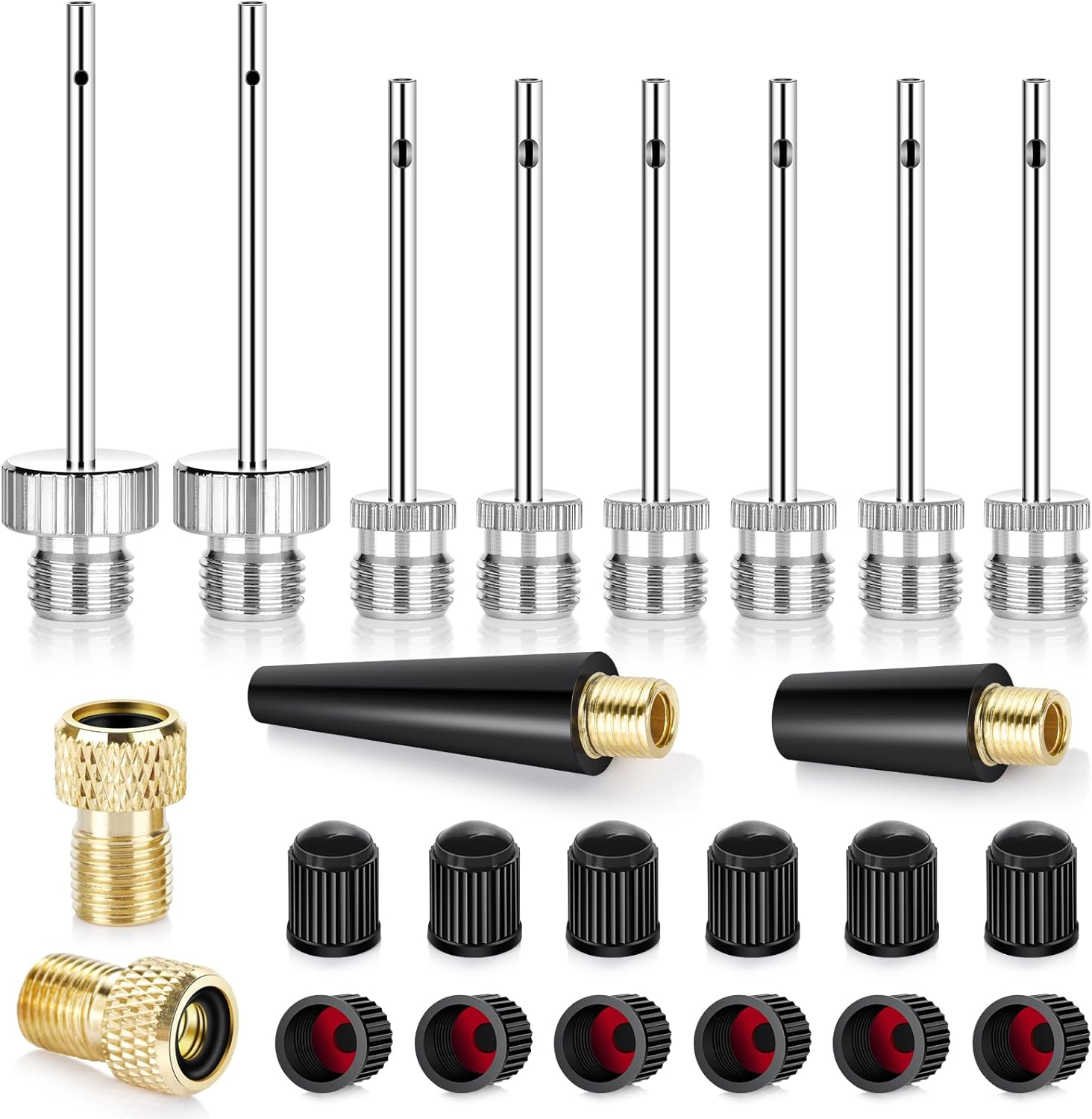
This ball pump needles kit includes brass ball needles for inflating footballs, soccer balls, basketballs, and volleyballs, plus conical nozzles for air mattresses, exercise balls, balloons, and swim rings. It also offers Presta to Schrader valve adapters for easy use with compatible bikes and rideables. The set includes sealed valve caps and a storage case, helping keep your equipment organized and ready to inflate quickly.
How It Performs in Real Use
On a Daily Commute
On a commuter bike, the 38 mm liner gives your tube extra protection against glass, staples, wire fragments, and small metal pieces near curbs and bike lanes. You get the best result when the strip stays centered and you check tire pressure weekly.
On Light Trails
On dry trails, the 1 mm polyurethane layer helps against thorns and small sharp stones that enter through the tread. It is less useful against hard rim strikes, so rough trails still call for correct pressure and careful line choice.
For Kids’ Bikes and Casual Bikes
The broad 12″ to 29″ compatibility makes this liner useful for family bikes, youth bikes, and neighborhood bikes. Since the package includes two rolls, one order can protect both tires on a standard tubed setup.
For Longer-Term Use
The liner is low maintenance once installed, but it should not be ignored forever. Check inside the tire when you replace a tube, remove a tire, or feel a new bump, because shifted edges, trapped debris, or worn casing can reduce the benefit.
Setup Tips Before First Use
- Start with a clean tire casing. Remove old thorns, glass, staples, wire, or grit before placing the liner inside the tire.
- Measure before cutting. Wrap the strip inside the tire first, then trim only the extra length needed for the ends to meet cleanly.
- Avoid overlap. Overlapping ends can create a raised spot that you may feel while riding.
- Center the strip under the tread. Keep both edges away from the tube sidewall to reduce rubbing.
- Inflate in stages. Add some air, check bead seating and liner position, then finish inflation to your tire’s recommended range.
Common Mistakes to Avoid
The most common mistake is treating the liner like a full flat-proof system. It helps with tread punctures, but it cannot fix worn tires, prevent every pinch flat, or protect the full sidewall area.
A second mistake is trimming too quickly. Cut too short and you may leave a gap under the tread, but leave an overlap and you may create a raised pressure point inside the tire.
A third mistake is skipping a short test ride. Ride a small loop near home first, then check for bumps, uneven tire seating, or pressure loss before relying on the bike for a long commute or trail ride.
Pros and Cons
Pros
- 2300 mm length trims to fit many wheel sizes from 12″ to 29″.
- 38 mm width gives a useful tread-area barrier for many commuter, hybrid, casual, and mountain bike tires.
- 1 mm polyurethane construction adds puncture protection without the bulk of a thicker foam insert.
- Two-roll package can protect both tires on one standard bicycle.
- One-year warranty gives added reassurance for a simple protective part.
Cons
- Requires tire removal, measuring, trimming, and careful centering.
- Does not protect the sidewall like thicker insert systems.
- May feel slightly firmer if installed in already stiff tires or used at high pressure.
Is It Worth the Price?
The JULAI Bike Tire Liner offers strong value for the price if you want a basic puncture barrier without changing your tire, tube, or wheel setup. Since one package includes two rolls, you can protect a full bike rather than buying a separate liner for each wheel.
The value is best for riders who deal with repeated tread punctures from thorns, glass, wire, or small sharp debris. If your flats usually come from pinch flats, sidewall cuts, underinflation, or worn tires, a liner alone may not solve the root problem.
This is a smart buy for everyday use because it adds protection with a simple, removable part. It is not the best fit if you need the lightest ride feel, tubeless sealant repair, or a thicker insert for impact support.
How It Compares to Alternatives
Mr. Tuffy tire liners are a better-known alternative for riders who want a long-running liner brand with many size-specific options. Slime tube liners are another simple barrier-style option and may appeal to riders who already use Slime flat-prevention products.
Tannus Armour is the more protective choice if you want a thicker insert that also helps with sidewall support and impact cushioning. The JULAI liner makes the most sense if you want a thin 1 mm strip, broad trim-to-fit sizing, and two-roll coverage in one package.
Is the JULAI Bike Tire Liner Worth It?
The JULAI Bike Tire Liner is worth considering if your main problem is repeated tube punctures through the tread. Its 2300 x 38 x 1 mm polyurethane strip gives your tube a second line of defense while keeping setup simpler than tubeless conversion.
Buy it for commuting, light trail riding, family bikes, or casual riding where fewer roadside stops matter more than maximum tire suppleness. Skip it if you need sidewall protection, pinch-flat protection, or the lightest possible tire setup.
Frequently Asked Questions
Does the JULAI Bike Tire Liner fit a 29″ tire?
Yes. The liner is listed for tires up to 29″, and the 2300 mm length is designed to be trimmed after you measure it inside the tire. You still need a tire wide enough to suit the 38 mm strip.
How many liners come in the package?
The package includes two rolls. That gives you enough material to protect the front and rear tires on one standard tubed bike.
Will it work with tubeless tires?
This liner is designed to sit between a tire and an inner tube. If you run tubeless tires, a sealant system or a tubeless-specific insert is usually a better match.
Does it replace tire sealant?
No. The JULAI liner is a physical barrier, not a liquid sealant. It helps stop some debris from reaching the tube, but it does not seal punctures after they happen.
Can the liner stop every flat tire?
No liner can stop every flat. The JULAI strip helps against tread punctures from sharp debris, but sidewall cuts, pinch flats, worn tires, and poor installation can still cause problems.
What tools do you need to install it?
You may need normal tire-removal tools if your tire bead is tight. You also need a sharp blade or scissors to trim the 2300 mm strip, but the liner itself does not require glue or liquid sealant.
Does valve type matter?
No. Valve type does not affect liner use because the strip sits between the tire and tube, away from the valve stem. Fit and placement matter more than valve style.
What is the biggest installation mistake?
The biggest mistake is leaving the ends overlapped or letting the strip shift toward the sidewall. Either issue can create a bump, rubbing, or extra tube pressure inside the tire.
The Bottom Line
The JULAI Bike Tire Liner earns a 7.5/10 because it gives you a practical 1 mm polyurethane shield, broad 12″ to 29″ compatibility, two-roll coverage, and a one-year warranty. It is best for riders who want fewer tread-puncture stops without switching to sealant or tubeless tires.
Choose it for commuter bikes, casual bikes, family bikes, and light trail bikes with inner tubes. Look elsewhere if you need a thicker insert, sidewall protection, impact support, or the most responsive ride feel possible.

Related Articles
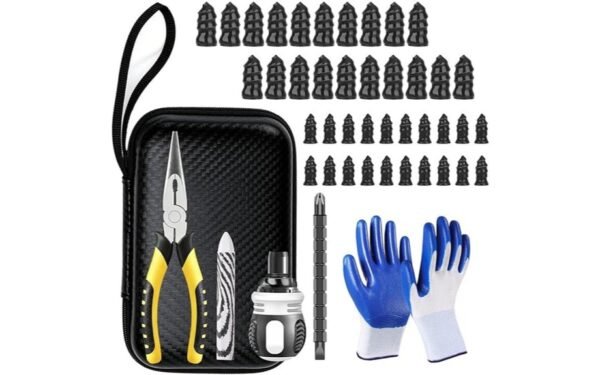
Tire Screw Plug Repair Kit Review
Compact tire screw plug repair kit review reveals fast roadside fixes, but which punctures are truly safe enough to trust?
Read More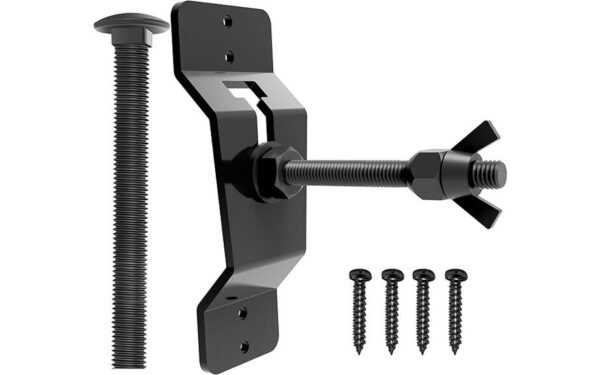
Wall Mount Spare Tire Carrier Mount Review
I review the wall mount spare tire carrier’s fit, strength, and stability—see what could make or break your trailer setup.
Read More
Socpuro Tire Repair Patch Tool Kit Review
Great for quick DIY puncture fixes, the Socpuro Tire Repair Patch Tool Kit has limits and surprises you’ll want to know before buying.
Read More