
LiQuiTube Tire Sealant Review: Reliable Protection
Disclosure: As an Amazon Associate, we earn from qualifying purchases. If you click a link on this page and make a purchase, we may receive a small commission at no extra cost to you.
LiQuiTube Tire Sealant Review
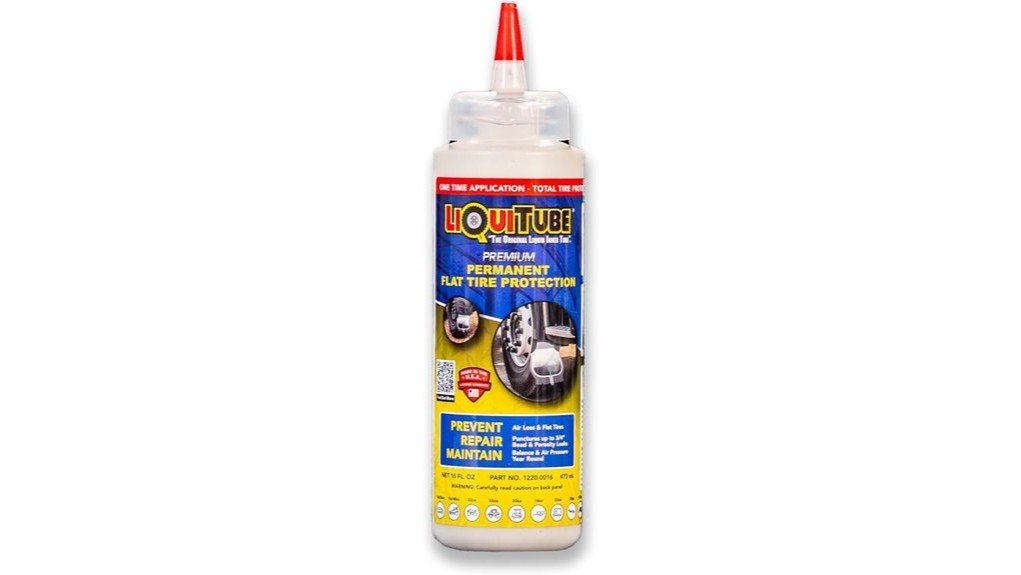
A slow leak can turn a mower, trailer, skid steer, or farm tire into a work delay fast. LiQuiTube Premium Heavy Duty Tire Sealant is made for buyers who want preventive protection inside compatible air-filled tires, not just a quick patch after a flat. This review looks at the 16 oz LiQuiTube Premium bottle, where it makes sense, and where its limits matter before you pour it into a tire.
Quick Verdict
Rating: 8.2/10
Best For: Homeowners, farmers, fleet managers, landscapers, and equipment owners treating puncture-prone mower, trailer, golf cart, ATV, farm, and heavy-duty work tires.
Bottom Line: LiQuiTube Premium is a strong choice when you need long-term sealant protection for compatible work and equipment tires. The main tradeoff is compatibility, since it is not the right choice for light automobile tires or valve stems with TPMS sensors.
| Specification | Detail |
|---|---|
| Brand | LiquiTube |
| Model | LiquiTube Premium 16 oz |
| Product Type | Heavy-duty liquid tire sealant |
| Item Model Number | 1220-0016 |
| Manufacturer Part Number | 1219-0016 |
| Container Size | 16 oz bottle |
| Item Weight | 1.43 pounds |
| Package Dimensions | 10 x 4.09 x 3.74 inches |
| Best Use | Mower tires, golf cart tires, wheelbarrow tires, small trailer tires, ATVs, farm equipment, skid steers, and heavy-duty fleet tires |
| Compatibility | Most effective in tubeless tires, also usable inside tubes |
| Leak Types | Punctures, bead leaks, rim leaks, and porosity leaks |
| Stated Puncture Capability | Up to ¾ inch in heavy ply industrial tires |
| Important Limitation | Not for light automobile tires or installation through valve stems with TPMS sensors |
| Package Note | The 16 oz size may be too small for all four mower or ATV tires, depending on tire volume |
| ASIN | B0DV7FYK4L |
[Products Worth Considering]

Wykodra tire plugs provide quick vulcanizing repairs for tubeless tires, helping you seal punctures and get back on the road. The industrial-strength rubber creates a long-lasting, leak-resistant bond and is designed for emergency fixes without removing the tire. Choose between two standard plug sizes with color-matched options for small to larger damage across many vehicles and off-road uses.
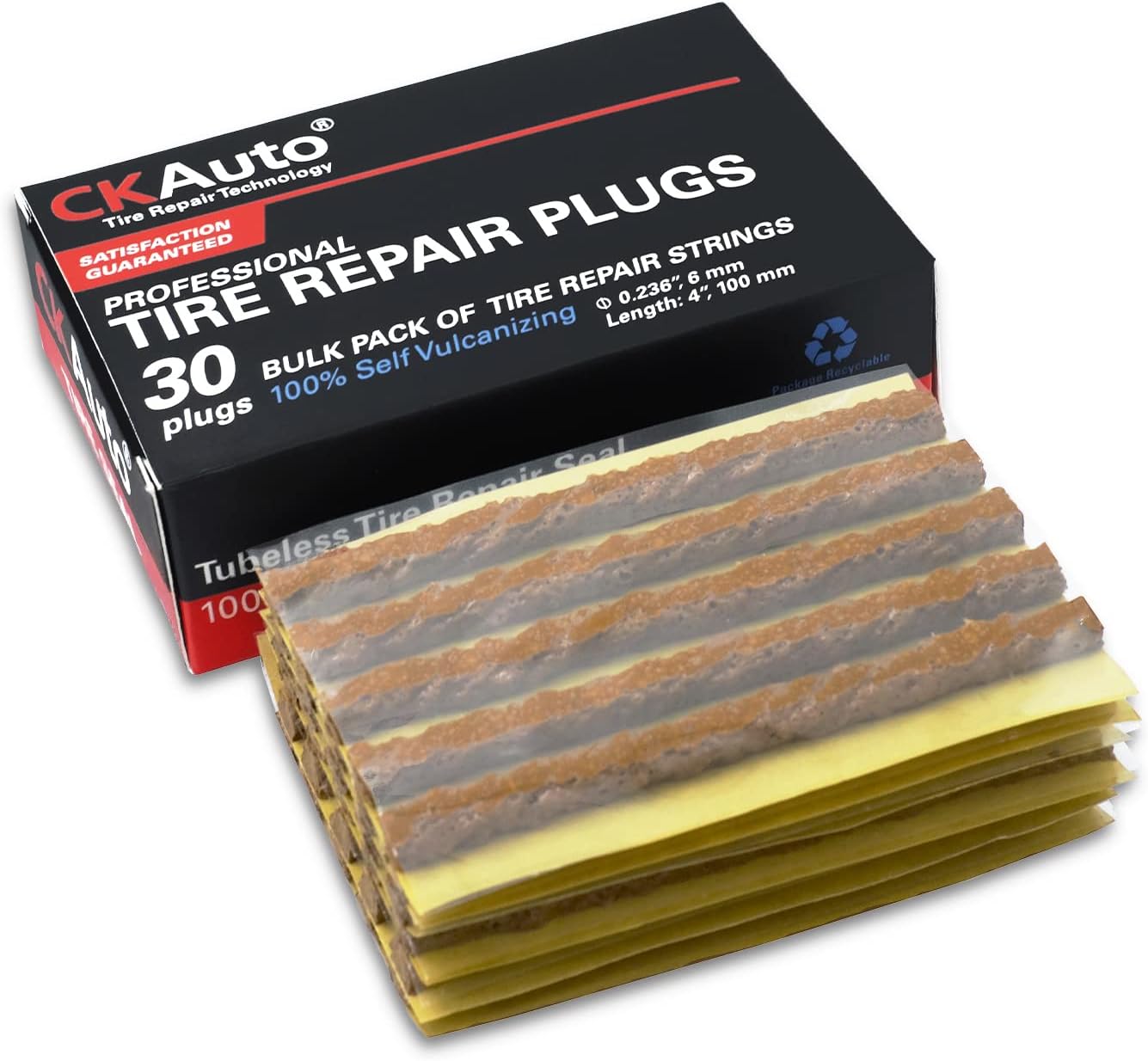
CKAuto tire repair strings provide a fast, reliable way to seal punctures in tubeless off-road tires without removing the tire from the rim. The rubber repair plugs are designed for quick roadside fixes and work across many vehicle types including cars, bikes, ATVs/UTVs, wheelbarrows, and mowers.
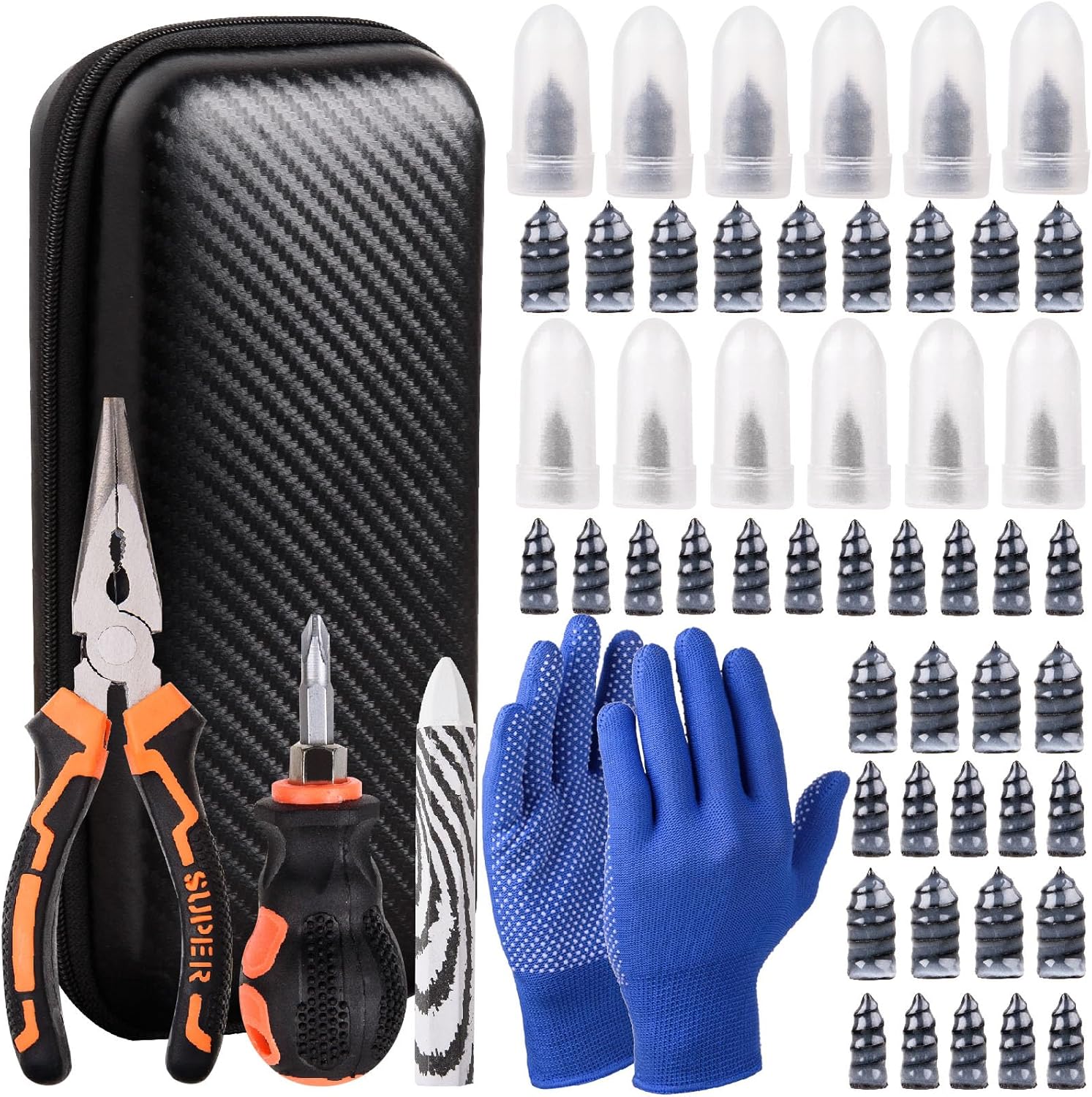
This tire sidewall puncture repair kit fixes flats fast without removing the tire, helping you get back on the road in minutes. It includes self-tapping repair nails, essential tools, gloves, and a portable storage bag for convenient roadside use. Designed for tubeless tires, it helps create a tight, leak-resistant seal for cars, motorcycles, trucks, SUVs, and ATVs.
What Is LiQuiTube Premium Heavy Duty Tire Sealant?
LiQuiTube Premium Heavy Duty Tire Sealant is a liquid sealant for air-filled tires that face regular puncture risk. The 16 oz bottle is positioned for smaller equipment tires, including front lawn mower tires, golf cart tires, wheelbarrow tires, and small trailer tires. It also fits within the same LiQuiTube product family used for heavier farm, construction, transportation, and fleet tire applications.
The product works from inside the tire. After installation, the tire rotation spreads the sealant across the inner surface. When air escapes through a tread puncture, bead leak, rim leak, or porosity leak, the sealant moves toward that leak and helps form a flexible plug.
That makes LiQuiTube different from a tire plug kit you use after the tire is already flat. You add it as a preventive layer before a puncture stops a mower route, farm chore, job-site task, or trailer run. It is still not a cure for every damaged tire, so compatibility and tire condition matter.
Key Takeaways
- LiQuiTube Premium 16 oz is best suited to small equipment tires and selected heavy-duty tire applications, not light automobile tires.
- It is designed to seal punctures, bead leaks, rim leaks, and porosity leaks from inside the tire.
- The article-supported puncture claim is up to ¾ inch in heavy ply industrial tires.
- It works best in tubeless tires, but it can also be installed inside tubes.
- You should avoid installing it through valve stems with TPMS sensors.
- The 16 oz bottle may not be enough for every tire set, so match the amount to tire size and volume.
Before You Buy: Do not treat this as a universal car-tire sealant. Skip it for light automobile tires and valve stems with TPMS sensors, and check your tire size before assuming one 16 oz bottle will cover a full mower or ATV set.
Who Should Buy It?
Best For
- Property owners treating front mower, wheelbarrow, golf cart, or small trailer tires that pick up thorns, nails, gravel, or yard debris.
- Farm, landscaping, and construction crews that lose work time when a skid steer, tractor, utility trailer, or mower tire goes soft.
- Fleet managers who want preventive tire maintenance for compatible heavy ply tires with repeat bead, rim, porosity, or tread leaks.
Skip If
- You need a sealant for everyday light automobile tires.
- Your valve stem has TPMS sensor hardware and the sealant would need to pass through that stem.
- You want one small bottle to cover multiple larger ATV, mower, trailer, or industrial tires without checking dosage needs.
How LiQuiTube Stops Flats and Leaks
LiQuiTube stays inside the tire and reacts when air pressure pushes it toward an active leak. For a tread puncture, the liquid carries sealing material into the opening and helps create a plug. That matters on equipment tires because small nails, stubble, thorns, and sharp debris can cause repeat slow leaks long before the tire casing is worn out.
The product also targets bead, rim, and porosity leaks. Those leak types are easy to miss because you may not find a visible nail or screw in the tread. Older utility tires, trailer tires that sit outside, and work tires that see rough lots can lose air through the wheel area or through porous rubber.
The stated puncture capability is up to ¾ inch in heavy ply industrial tires. Treat that as an application-specific claim, not a promise for every tire. Sidewall cuts, torn casings, blowouts, and severe structural damage still need proper tire repair or replacement.
Fit, Compatibility, and Tire Safety
Compatibility is the main buying point with this product. LiQuiTube makes the most sense for compatible tubeless equipment tires, where it can coat the inside of the tire and respond to tread-area leaks. It can also be used inside tubes, which helps if you maintain older lawn, farm, or utility equipment.
The 16 oz listing is not aimed at light automobile tires. That limitation matters because car tires operate at highway speeds, often include sensor hardware, and may need repairs that follow tire-industry service standards. Do not use a heavy-duty equipment sealant as a substitute for a proper road-tire inspection.
TPMS is another key warning. The article-supported limitation says not to install this product through valve stems with TPMS sensors. If your tire has sensor hardware, confirm the setup before using any liquid sealant.
Design, Formula, and Build Quality
The 16 oz bottle has an Amazon-listed package size of 10 x 4.09 x 3.74 inches and an item weight of 1.43 pounds. That makes it easy to keep on a shop shelf, in a trailer toolbox, or in a maintenance area. It is not a bulk fleet jug, so it is better for one small tire, spot treatment, or keeping a compact bottle ready.
The formula is marketed as LiQuiTube Premium Heavy Duty Tire Sealant. Its stated jobs include puncture sealing, air-pressure maintenance, balancing support, and helping tires run cooler. Those benefits depend on tire type, dosage, and correct installation, so the amount you add matters.
For buyers with mixed equipment, the best design advantage is versatility. One product can make sense across mower tires, golf carts, utility carts, small trailers, ATVs, and heavier work tires when the tire type is compatible. You still need to size the dose to each tire rather than pour the same amount everywhere.
Best Uses for LiQuiTube Tire Sealant
The strongest use case is a tire that faces repeated small punctures or slow leaks but still has a usable casing. Mowers, wheelbarrows, utility trailers, golf carts, and ATVs often roll through thorns, nails, gravel, and scrap debris. These tires are also inconvenient to remove during a workday.
LiQuiTube also makes sense for commercial equipment when downtime costs more than preventive maintenance. A skid steer, farm tractor, semi truck, or trailer can lose hours from one preventable tire issue. If those tires are heavy ply and puncture-prone, a sealant can be part of a broader tire-maintenance routine.
The 16 oz size is not the universal choice for every tire. The original article notes that lawn mowers and ATVs may need a larger size, such as a 1 gallon option, for all four tires. Match the bottle size to tire volume instead of assuming one bottle treats a whole machine.
[Products Worth Considering]
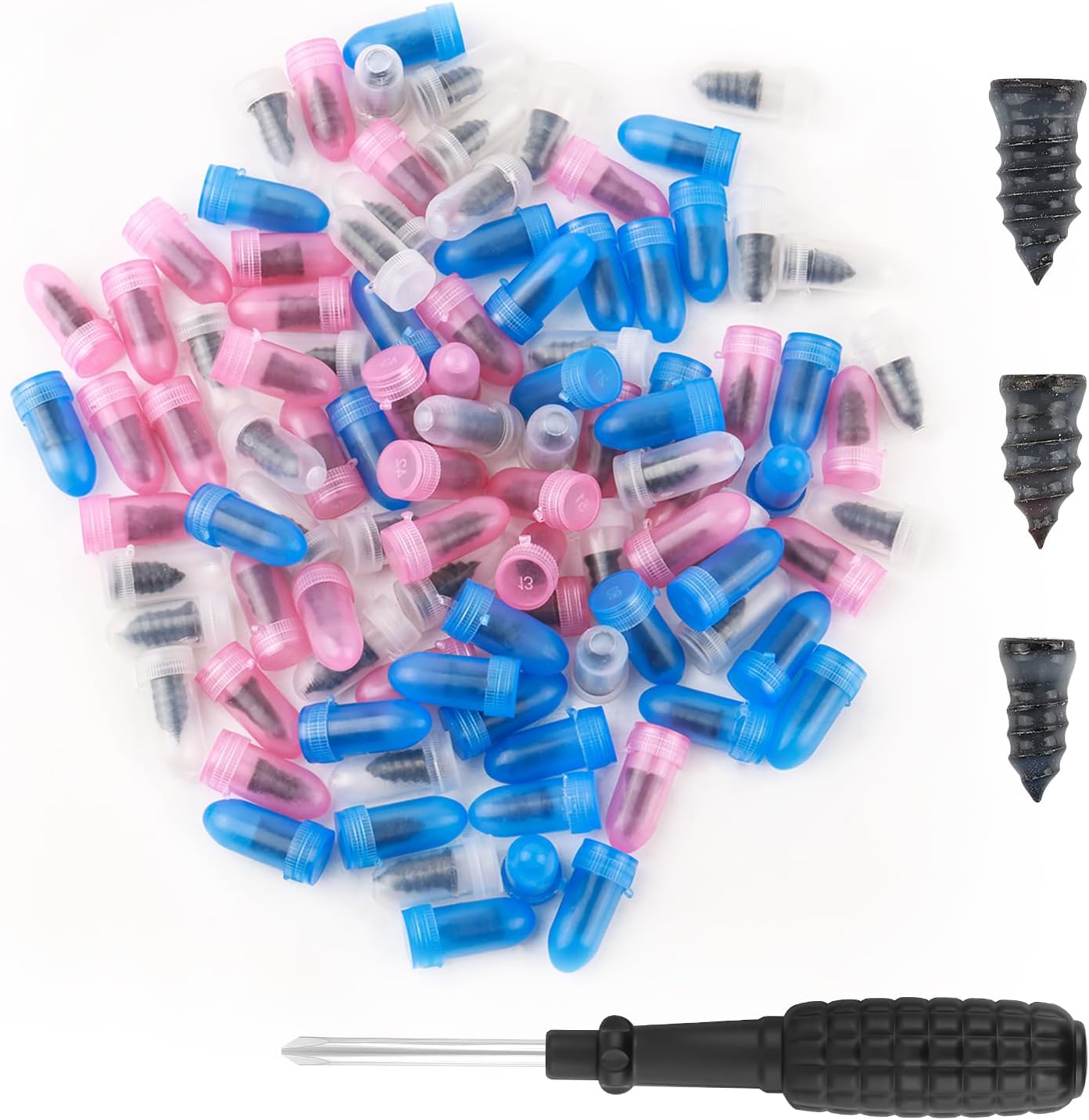
This 100-piece tire repair screw plug kit provides a fast, self-service solution for punctures on the road. Choose the correct plug size, insert it into the break, and screw it in to help seal the puncture and temporarily restore tire pressure. Thickened threads and rubber-wrapped plugs improve bite and sealing while remaining compact and easy to carry.
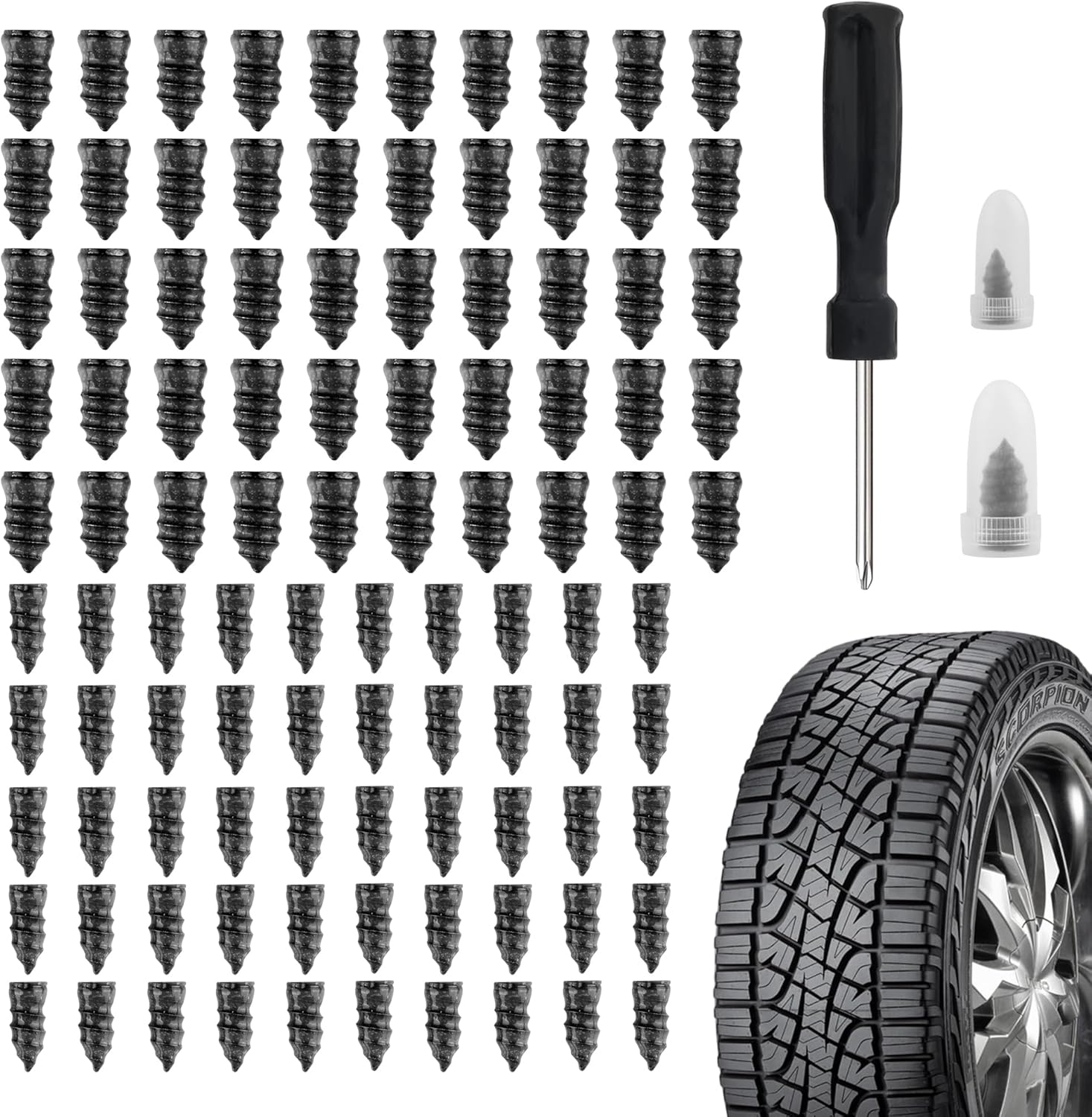
Salior’s tire plug kit provides a fast, reliable self-service fix for punctured or leaking tires without the need for flaring tools. Choose the correct plug size, then screw the nail into the puncture using the included screwdriver for an enhanced seal. The set is durable and convenient for on-the-go maintenance across multiple vehicle types.
Installation and Dosing Tips
Installation is straightforward, but the result depends on preparation. Deflate the tire, remove the valve core when appropriate, add the correct amount of sealant, reinstall the core, inflate the tire, and rotate the wheel so the sealant coats the inside surface. The sealant needs to spread before it can offer full protection.
Dosing is the step most buyers should slow down for. A 16 oz bottle may fit small tires, but larger mower, ATV, trailer, and industrial tires can need more. Too little sealant may leave part of the inner tire untreated, while too much can create mess or possible balance concerns.
Pro Tip: Before opening the bottle, group your tires by size and use case. Treat one small tire at a time, then rotate the wheel after inflation so the sealant can coat the tread area where punctures usually happen.
How It Performs in Real Use
On Lawn Mowers and Yard Equipment
For mower tires, the 16 oz size is a practical fit for a front tire and similar small equipment tires. These tires often pick up thorns, small nails, or sharp yard debris. When installed correctly, the main benefit is fewer interrupted mowing sessions from a slow leak.
On Small Trailers and Utility Tires
Small trailer tires often sit for long periods, then get loaded and used hard. LiQuiTube can help with slow air loss from bead, rim, and porosity leaks, especially on tires that age, sit outside, or roll through rough lots. You still need to check pressure before towing.
On Farm and Job-Site Equipment
For farms and job sites, uptime is the big benefit. A skid steer or tractor tire that goes flat during a busy day can stop several people, not just one machine. LiQuiTube is most useful when tires face debris, stubble, nails, rocks, and rough surfaces every week.
For Fleet Maintenance
Fleet managers can use a compatible sealant to reduce repeat service calls tied to slow leaks. The value is strongest when it is used before a tire becomes a problem. Once the casing is torn or the sidewall is damaged, sealant should not replace inspection, repair, or replacement.
Pros and Cons
Pros
- Targets punctures plus bead, rim, and porosity leaks, so it can help with more than visible tread damage.
- Stated to seal punctures up to ¾ inch in heavy ply industrial tires when used in the right application.
- Works best in tubeless tires but can also be installed inside tubes.
- Compact 16 oz bottle is convenient for small equipment tires, mower tires, golf cart tires, wheelbarrow tires, and small trailer tires.
- Useful for preventive maintenance when tire downtime costs more than the sealant itself.
Cons
- Not intended for light automobile tires, which limits its usefulness for everyday car owners.
- Not for installation through valve stems with TPMS sensors.
- The 16 oz bottle may not be enough for all four mower or ATV tires, depending on tire size and volume.
Why Fleet Managers Choose LiQuiTube
Fleet managers usually care about uptime, predictable maintenance, and tire cost control. LiQuiTube fits those needs because it focuses on punctures, slow leaks, air-pressure retention, and heavy-duty tire protection. For trucks, tractors, trailers, and equipment, a slow leak can become a scheduling problem fast.
The product can also simplify maintenance across compatible tire types. If your operation uses trailers, mowers, ATVs, skid steers, and tractors, one compatible sealant can reduce the number of tire products on the shelf. You still need the correct dose for each tire, but the broad equipment-use range is a real advantage.
The best fleet use case is preventive treatment before tire problems stop work. Waiting until a tire is already damaged may still require repair, especially if the casing is torn or the sidewall is compromised. Used early, LiQuiTube gives compatible tires another layer of protection against ordinary puncture risk.
Is It Worth the Price?
LiQuiTube Premium 16 oz offers strong value for the price when one small tire failure can interrupt work. For a homeowner, that might mean finishing a mowing job without dragging out a jack and compressor. For a fleet or farm, it can mean less downtime across equipment that works in rough conditions.
The value is strongest when you buy the right size for the tire. A 16 oz bottle makes sense for small tires and spot treatments, while larger machines or full ATV and mower sets may need a larger container. Buying too little can reduce performance, so do not judge the product only by bottle size.
For the right buyer, this is a smart maintenance purchase rather than an emergency patch. You get the most value when you install it before repeated flats, not after a tire is already beyond repair.
How It Compares to Alternatives
Slime 10193 is a common alternative for non-highway tires and tubes, especially for buyers who want a widely available consumer sealant. TireJect Off-Road is another option for off-road tire protection, while FlatOut Off-Road Multi-Purpose Tire Sealant appeals to buyers who want a Kevlar-based off-road formula.
LiQuiTube remains the stronger fit when your priority is heavy-duty equipment, fleet-style maintenance, and bead, rim, and porosity leak protection. If you mainly need a simple sealant for casual non-highway use, Slime or TireJect may be easier to compare by kit format. If you manage mixed equipment or heavy ply tires, LiQuiTube has a clearer industrial-use purpose.
Frequently Asked Questions
Can LiQuiTube Premium 16 oz be used in car tires?
The article-supported limitation says the 16 oz bottle is not for light automobile tires. It is better suited to mower tires, golf cart tires, wheelbarrow tires, small trailer tires, ATVs, and compatible heavy-duty equipment tires.
Does LiQuiTube work with TPMS sensors?
Do not install this product through valve stems with TPMS sensors. If your tire uses TPMS hardware, check the tire and sensor setup before using any liquid sealant.
How much LiQuiTube do you need per tire?
The correct amount depends on tire size and tire volume. A 16 oz bottle may fit small equipment tires, but larger ATV, mower, trailer, or industrial tires may need more sealant.
Can LiQuiTube seal bead and rim leaks?
Yes, the product is described as targeting bead, rim, and porosity leaks in addition to punctures. That makes it useful for slow leaks that are not caused by a visible nail or thorn.
Is LiQuiTube better in tubeless tires or tubes?
LiQuiTube is listed as most effective in tubeless tires. It can also be installed inside tubes, which helps if your equipment uses older tube-style tires.
Can LiQuiTube fix every flat tire?
No sealant can fix every tire failure. LiQuiTube is designed for punctures and certain slow leaks, but sidewall cuts, torn casings, blowouts, and severe structural damage still need repair or replacement.
Should you buy the 16 oz bottle or a larger size?
Choose the 16 oz bottle for small tires or spot treatment. Consider a larger container if you need to treat all four mower tires, multiple ATV tires, trailer tires, or larger industrial tires.
The Bottom Line
LiQuiTube Premium Heavy Duty Tire Sealant earns an 8.2/10 because it solves a real maintenance problem for compatible mower, trailer, farm, fleet, and job-site tires. You should buy it if you need preventive protection against punctures, bead leaks, rim leaks, and porosity leaks in tires that match the product’s intended use.
You should skip it for light automobile tires, TPMS valve-stem installations, or tires that already have structural damage. For the right tire, the 16 oz bottle is a practical maintenance tool that can reduce slow-leak interruptions and help keep equipment moving.
Ready to Buy?

Related Articles
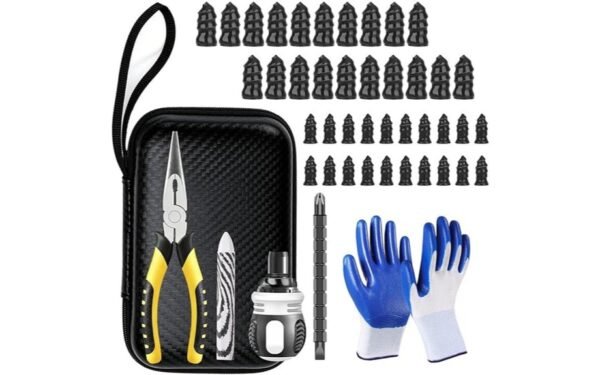
Tire Screw Plug Repair Kit Review
Compact tire screw plug repair kit review reveals fast roadside fixes, but which punctures are truly safe enough to trust?
Read More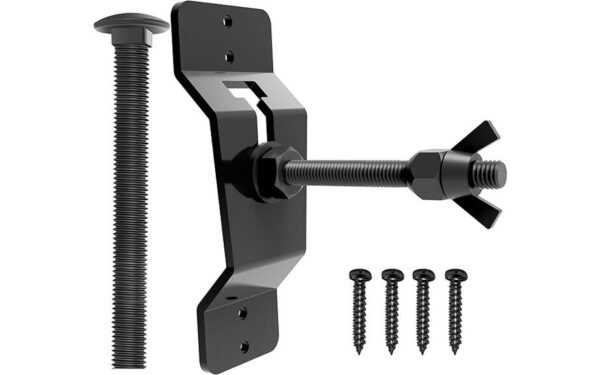
Wall Mount Spare Tire Carrier Mount Review
I review the wall mount spare tire carrier’s fit, strength, and stability—see what could make or break your trailer setup.
Read More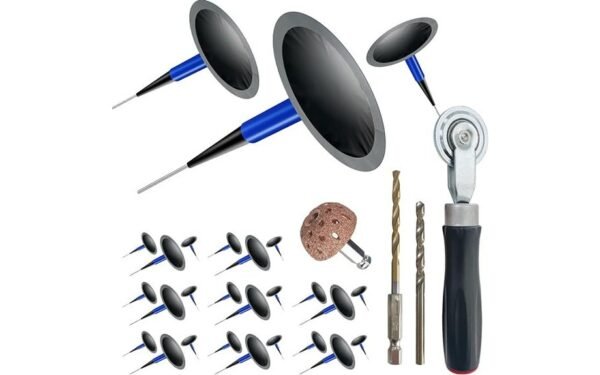
Socpuro Tire Repair Patch Tool Kit Review
Great for quick DIY puncture fixes, the Socpuro Tire Repair Patch Tool Kit has limits and surprises you’ll want to know before buying.
Read More