
TPMS Sensor Review: GM 315MHz Performance Insights
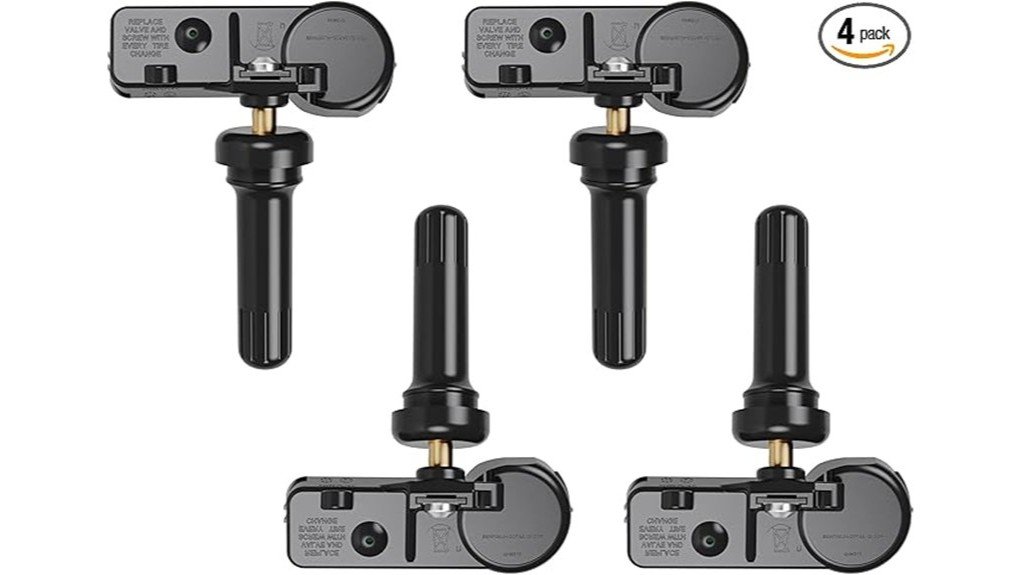
CDWTPS GM 315MHz TPMS Sensor Review
A failed tire pressure sensor can leave you with a warning light, missing pressure readings, and one more thing to fix during tire service. The CDWTPS GM 315MHz TPMS sensor is an aftermarket replacement for many GM-family vehicles that use 315MHz sensors and matching OE references. This review focuses on the four-sensor option for ASIN B07FMWYZLM, model 13586335. It can be a useful full-set replacement if your vehicle matches the frequency and part numbers, but it is not a universal GM sensor.
Quick Verdict
Rating: 8/10, recommended with caveats
Best For: GM owners replacing all four compatible 315MHz TPMS sensors during tire or wheel service.
Bottom Line: The CDWTPS 13586335 four-pack gives you a budget-friendly way to replace a full set of compatible GM TPMS sensors. The main tradeoff is fitment risk, so you need to confirm the OE number, 315MHz frequency, and relearn process before installation.
[Products Worth Considering]

Replace your worn or missing TPMS sensors with pre-programmed, direct-fit sensors for compatible Ford, Lincoln, and select Mazda models. Each sensor comes ready to activate with a scan tool, helping restore accurate tire pressure monitoring and trouble-free installation. Built with a long-life CR2032 battery and tested before factory release, this set provides dependable performance with a one-year warranty.
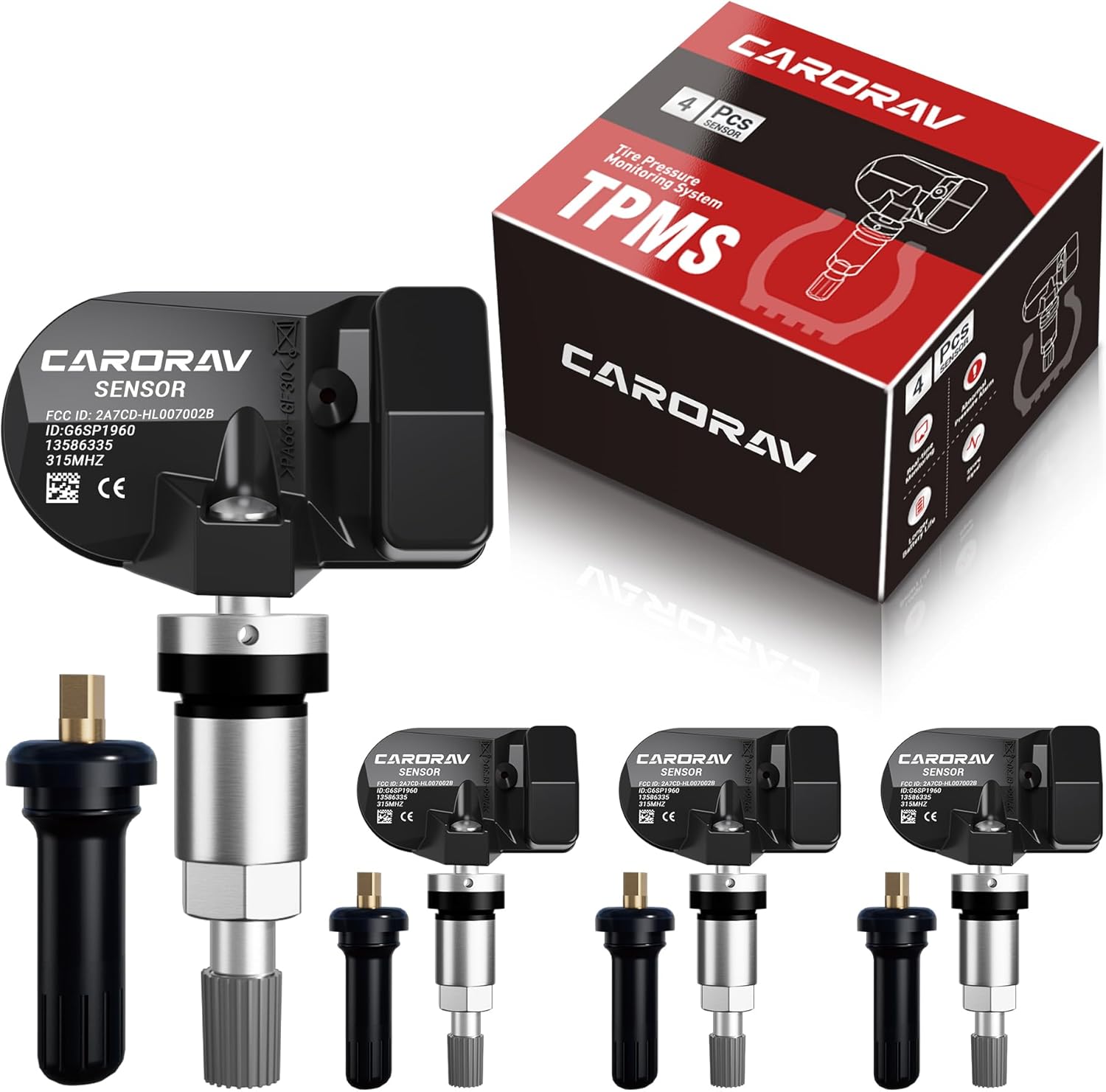
Replace worn or missing TPMS sensors with CARORAV pre-programmed GM-compatible sensors for a smoother installation experience. These 315MHz replacement sensors help monitor tire pressure in real time with long battery life, and they are designed to withstand harsh temperatures. Manual or OBDII relearn may be required to reset the system for proper recognition.

Replace worn or malfunctioning GM TPMS sensors with this 433MHz pre-programmed sensor set designed for compatibility with many Chevrolet, Buick, GMC, and Cadillac models. It includes guidance for proper OBDII relearning/pairing after installation and supports reliable long-term operation with a high-performance CR2032 battery. Quality tested for durability and performance to help restore accurate tire pressure monitoring.
Key Specs
| Specification | Detail |
|---|---|
| Brand | CDWTPS |
| Model / Part Number | 13586335 |
| ASIN | B07FMWYZLM |
| Product Type | Replacement tire pressure monitoring system sensor |
| Frequency | 315MHz |
| Pack Size Reviewed | Four sensors |
| Other Size Option | The same listing also shows a one-sensor option |
| OE Numbers Listed | 13598771, 13598772, 13586335, 13581558 |
| Compatibility Focus | Many GM-family vehicles, including select Chevrolet, GMC, Buick, Cadillac, Pontiac, Saturn, Hummer, and Saab applications |
| Material | Metal |
| Item Weight | 0.35 lb |
| Maximum Supply Voltage | 3.6V |
| Current Rating | 1 microamp, 3.5 milliamps |
| Measurement Accuracy | ±1.5% |
| Measuring Range | -40°C to +125°C |
| Upper Temperature Rating | 125°C |
| Mounting Type | Tire mount |
| Output Type | Digital |
| Sensing Distance | 30 meters |
| Setup Requirement | Pre-programmed for supported applications, but still needs activation or relearn after installation |
| Warranty Note | Amazon listing shows a one-year warranty description |
| Battery Life Claim | Listing bullet says up to 10 years, while product content has also shown a 5-year battery graphic. Check the current listing or seller details before relying on expected battery life. |
What Is the CDWTPS GM 315MHz TPMS Sensor?
The CDWTPS GM 315MHz TPMS sensor is a replacement tire pressure monitoring sensor for compatible GM-family vehicles. It is designed to replace listed OE references such as 13598771, 13598772, 13586335, and 13581558.
The main selling point is that the sensors are listed as pre-programmed for supported applications. That means you should not need separate sensor programming before installation, but the vehicle still needs activation or relearn after the sensors are mounted.
This four-pack makes the most sense when you want to replace all four wheel sensors at once. It is especially relevant during tire replacement, wheel changes, or a second wheel set, where installing sensors while the tire is already off the wheel can save labor later.
Before You Buy: Do not order by brand name or vehicle make alone. Match your original sensor frequency, OE part number, and Amazon Confirmed Fit details before mounting these sensors.
Who Should Buy It?
Best For
- Drivers with a compatible GM-family vehicle that uses 315MHz TPMS sensors.
- Owners replacing all four sensors during tire service or wheel replacement.
- Buyers who can confirm OE numbers before purchase and have access to a relearn tool or tire shop.
Skip If
- Your vehicle uses 433MHz sensors or a different OE sensor design.
- You need dealer-supplied OEM sensors with no aftermarket fitment risk.
- You cannot complete the post-installation relearn process.
Feature-by-Feature Review
Fit and Compatibility
Compatibility is the most important part of this purchase. The sensor is aimed at many GM-family vehicles, but it still needs to match your vehicle’s original 315MHz TPMS system and one of the listed OE references.
The listing mentions Chevrolet, GMC, Buick, Cadillac, Pontiac, Saturn, Hummer, and Saab applications. That broad coverage can be helpful, but it also creates room for mistakes because model year, trim, wheel setup, and sensor frequency can vary.
Pre-Programmed Design and Relearn
The sensors are listed as pre-programmed for supported vehicles, which can reduce setup work compared with blank programmable sensors. In practical terms, that does not mean you can install them and skip the vehicle relearn process.
After installation, each sensor still needs to be activated in the correct wheel position. A compatible scan tool, TPMS relearn tool, or professional tire service is usually needed to finish the job.
Materials and Build
The listing identifies the material as metal and the mounting type as tire mount. Since TPMS sensors sit inside the wheel assembly, build quality matters because the sensor faces heat, vibration, moisture, and tire-service handling.
The listed measuring range is -40°C to +125°C, with an upper temperature rating of 125°C. Those figures are useful for normal automotive use, but they do not remove the need for correct fitment, proper installation, and careful relearn.
Sensor Specs and Readings
The product information lists digital output, a 30-meter sensing distance, and ±1.5% measurement accuracy. These details support its role as a replacement TPMS sensor, not a performance upgrade.
Buyer feedback is generally positive on installation and value, but some users report connection issues, low readings, or early failure. That mixed feedback makes pre-installation scanning a smart step before the sensors are mounted inside the tires.
Battery Life and Long-Term Expectations
The battery-life messaging deserves caution. The listing bullet says the battery is made to last up to 10 years in normal use, while product content has also shown a 5-year battery graphic.
Because TPMS batteries are sealed inside the sensor, you should treat battery life as an estimate rather than a guaranteed service interval. If long-term reliability matters more than price, compare this aftermarket set with OEM GM sensors before you decide.
Compatibility and Safety Notes
A TPMS sensor is part of your vehicle’s tire-pressure monitoring system, so fit and installation quality matter. Use the sensor only on vehicles that match the listed frequency and OE references, and follow the vehicle relearn procedure after installation.
Installation requires the tire to be removed from the wheel or handled by a tire service professional. If you are not equipped for tire mounting, balancing, and TPMS relearn, have a qualified installer handle the job.
Pro Tip: Ask the installer to scan each sensor before mounting it in the tire. A quick scan can confirm frequency, pressure response, and battery status before you pay for mounting and balancing.
How It Performs in Real Use
[Products Worth Considering]
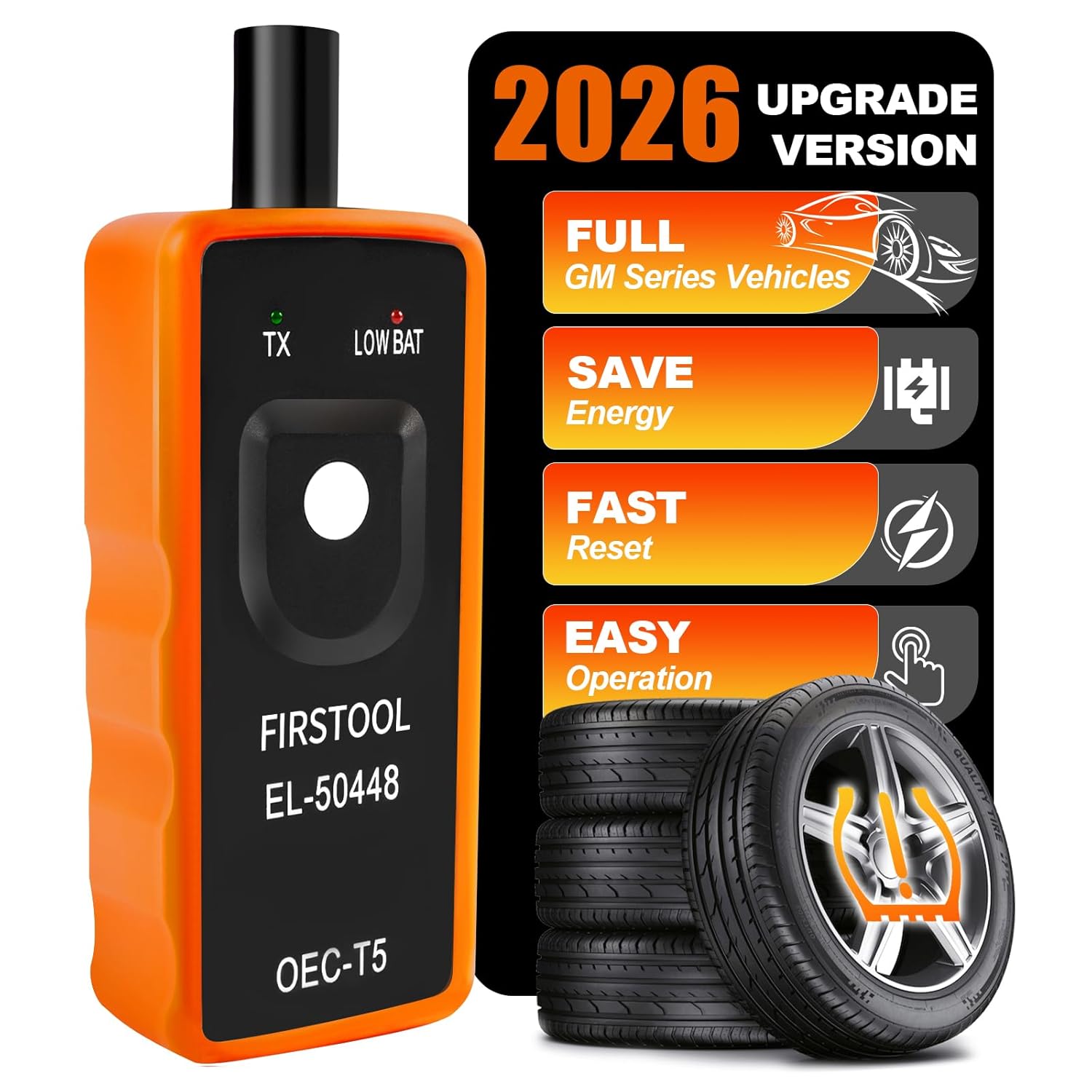
This TPMS relearn tool helps you quickly activate, match, and reset GM tire pressure sensors to keep the vehicle monitoring system working properly. It clears tire pressure alarms and dashboard warning lights after sensor replacement or tire rotation, and supports learning for common 315/433 MHz TPMS sensors. Designed for simple one-button operation, it can help you avoid unnecessary trips to repair shops.

Masoll Gen 2 external TPMS sensors are a DIY replacement set of 4 for select GM vehicles made after 2006, helping you shut off the TPMS warning light quickly. Simply screw the sensors onto the tire valves and sync to your car ECU using the included EL-50448 relearn tool. Dual-frequency 315/433 MHz design provides OEM-level performance with accurate readings and replaceable batteries for about two years.
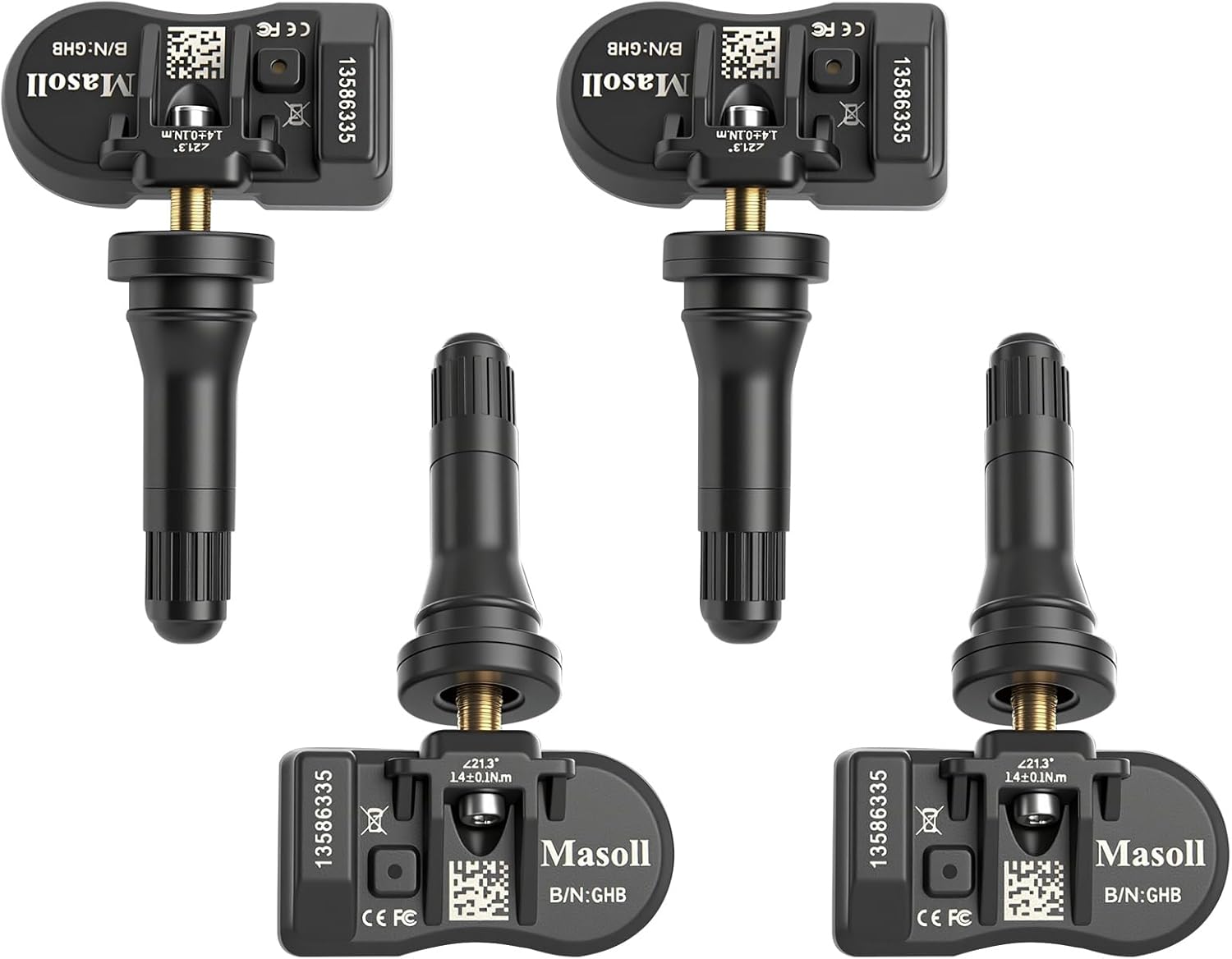
Masoll TPMS sensors are designed for most GM vehicles after 2006, helping you clear tire pressure warnings with OEM-level 315/433MHz compatibility. The 4-pack includes pre-programmed sensors, but re-learning is required after installation using a GM TPMS relearn tool or scan tool. Built with a dual-antenna design and a long-life CR2050 battery, these sensors deliver reliable performance in extreme temperatures with corrosion-resistant valve construction.
During Tire Replacement
This four-pack is easiest to justify when your tires are already being replaced. The installer can mount the sensors while the tires are off, then balance the wheels and complete the TPMS relearn in the same visit.
For a Winter Wheel Set
The sensors can work for a second wheel set if your vehicle uses compatible 315MHz sensors and the OE references match. You should still expect a relearn step when the winter or seasonal wheels are installed.
After a TPMS Warning Light
If your TPMS warning light is caused by failed sensors, replacing the sensors and completing the relearn may restore readings. If the issue comes from a receiver, wiring, tool problem, or wrong frequency, new sensors alone may not solve it.
For Long-Term Ownership
For older GM vehicles, replacing all four sensors at once can be more convenient than replacing one failed sensor now and another one later. The tradeoff is that aftermarket sensors can have more variable fitment and reliability feedback than dealer parts.
Setup Tips Before First Use
- Confirm the frequency: Make sure your original sensor system uses 315MHz, not 433MHz.
- Match the OE number: Compare your original sensor or vehicle fitment data with 13598771, 13598772, 13586335, and 13581558.
- Check the selected size: The listing includes one-sensor and four-sensor options, so verify the four-pack before checkout if you need a full set.
- Scan before mounting: Have the shop confirm that each sensor responds before it is installed inside the wheel.
- Plan the relearn: Make sure you or your installer has a compatible scan tool, relearn tool, or vehicle procedure ready.
What Buyers Are Saying
Based on Amazon customer reviews at review time, the feedback pattern is clear:
- Praise: Several buyers say the sensors worked out of the box after installation and relearn.
- Praise: Many buyers mention easy installation, easy programming, and good value compared with shop-supplied replacements.
- Watch-out: Some buyers report compatibility or connection problems with certain vehicles, so fitment checks are important.
- Watch-out: Accuracy and reliability feedback is mixed, with some buyers reporting low readings or early sensor failure.
Pros and Cons
Pros
- 315MHz design matches many listed GM-family TPMS applications.
- Pre-programmed setup can reduce extra programming work for supported vehicles.
- Four-sensor pack is practical when replacing a full set during tire service.
- Listing provides OE reference numbers for easier fitment checks.
- Budget-friendly option compared with many shop-supplied replacements.
Cons
- Fitment is not universal, even across GM vehicles.
- A compatible scan tool or relearn tool is still needed after installation.
- Buyer feedback includes mixed reports on accuracy, connectivity, and early failure.
Is It Worth the Price?
The CDWTPS GM 315MHz TPMS sensor four-pack is best viewed as a budget-friendly replacement set for compatible vehicles. You get the most value if you are already paying for tire service and want to replace all four sensors at once.
The value drops quickly if the frequency, OE number, or relearn process is wrong. Tire mounting and balancing can cost more than the sensor set itself, so the safest buying move is to confirm fitment before installation.
It is worth considering if you want a lower-cost aftermarket option and can accept some fitment and reliability risk. It is not the best fit if you need guaranteed dealer OEM parts or a plug-and-play promise for every GM model year.
How It Compares to Alternatives
BDFHYK, CARORAV, and A-Premium offer similar aftermarket GM 315MHz TPMS sensor four-packs aimed at many of the same OE reference numbers. The biggest differences are usually seller support, fitment notes, review patterns, and whether any bundle includes a relearn tool.
The CDWTPS set makes the most sense if you want the 13586335 four-sensor option and the listing matches your vehicle. If you want an OEM route, a genuine GM sensor from a dealer or parts counter may be a better comparison, even if it costs more.
Frequently Asked Questions
Does this CDWTPS sensor require programming?
The listing says the sensors are pre-programmed for supported vehicles. They still need activation or relearn after installation so the vehicle can recognize each wheel position.
Will it fit every GM vehicle after 2006?
No. The listing targets many GM vehicles, but fitment is not automatic. Check your vehicle’s original TPMS frequency, OE sensor number, and Amazon Confirmed Fit details before buying.
Which OE part numbers does it replace?
The listing names 13598771, 13598772, 13586335, and 13581558 as replacement references. Match those numbers against your original sensor, service information, or fitment data.
Does it include a relearn tool?
No separate relearn tool is clearly listed as included with this four-sensor option. Plan to use a compatible TPMS scan tool, GM relearn tool, or professional tire service.
Is this a one-sensor or four-sensor listing?
The same Amazon listing shows one-sensor and four-sensor size options. This review covers the 13586335 four-sensor option, so check the selected size before checkout.
Can you use these sensors with winter wheels?
Yes, if the winter wheel setup is for a compatible vehicle that uses 315MHz sensors and the listed OE references match. The vehicle will still need a relearn after the wheels are installed.
How long should the battery last?
The listing bullet claims up to 10 years of normal use, but product content has also shown a 5-year battery graphic. Treat battery life as a seller claim to verify before purchase, not a guaranteed service life.
Who should skip this TPMS sensor?
Skip it if your vehicle uses a different frequency, a different OE sensor, or a system that cannot relearn this sensor. You should also skip it if you need guaranteed OEM dealer parts.
The Bottom Line
The CDWTPS GM 315MHz TPMS sensor is a practical aftermarket replacement for compatible GM-family vehicles that match the listed 315MHz OE sensor references. It is strongest as a four-sensor set for tire-service timing, but you should skip it if you cannot confirm fitment or complete the relearn process.
For the right vehicle, it is a sensible budget option with clear value. The main limitation is that fitment and reliability feedback are not as predictable as a dealer OEM sensor.
Ready to Buy?
Check the latest product details, selected size, and fitment notes before you decide.
[Products Worth Considering]

Replace worn or missing TPMS sensors with a pre-programmed 4-pack designed for compatible GM vehicles. These 315MHz sensors provide real-time tire pressure monitoring and alert you if pressure is too high, too low, or if a rapid air leak occurs. Most installations are ready with minimal relearn effort after mounting, helping improve safety and driving confidence.

The VEHLIVE SU-50448 II TPMS relearn tool provides a fast activation reset to restore accurate tire pressure monitoring after sensor replacement or tire rotation. It supports 315 MHz and 433 MHz GM series sensors and helps clear dashboard pressure warnings. With simple two-button operation and horn-confirmed relearning order, you can reprogram sensors conveniently at home.
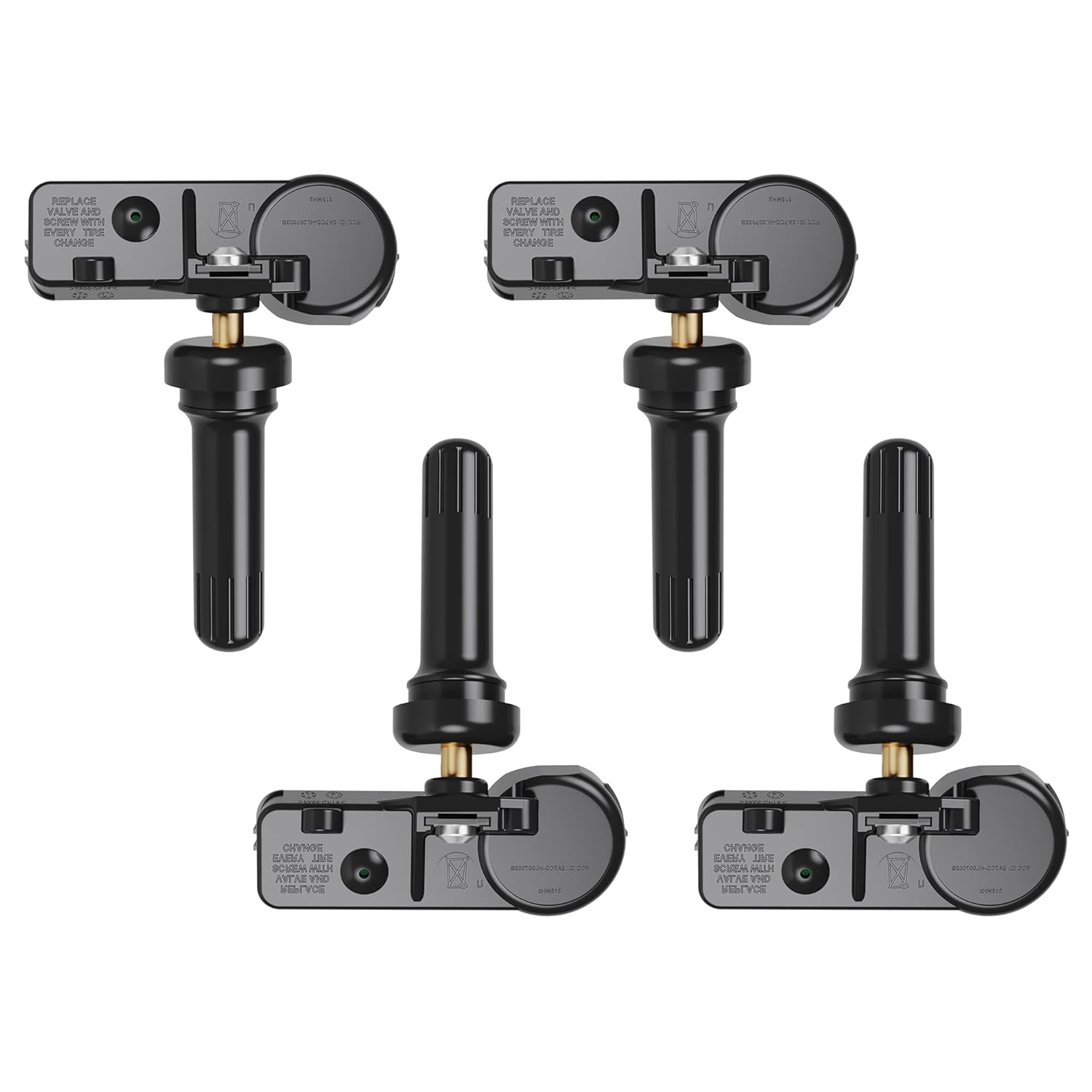
Replace worn or faulty TPMS sensors with this brand new 315MHz GM-compatible replacement set for select Chevy, GMC, Buick, Cadillac, and similar vehicles. These sensors are pre-programmed for your make/model/year and typically only require activation with a scan tool. Built for long service life with a high-temperature battery, they help maintain reliable tire pressure monitoring for safer driving.

Related Articles
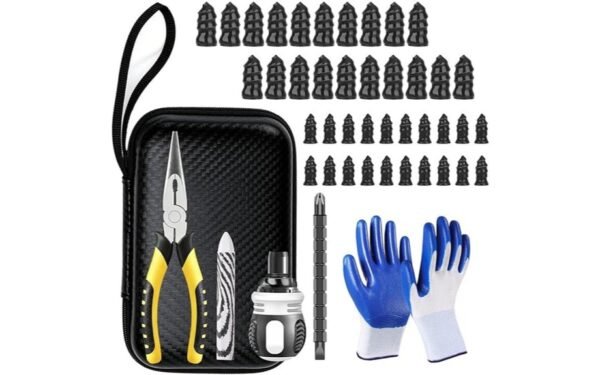
Tire Screw Plug Repair Kit Review
Compact tire screw plug repair kit review reveals fast roadside fixes, but which punctures are truly safe enough to trust?
Read More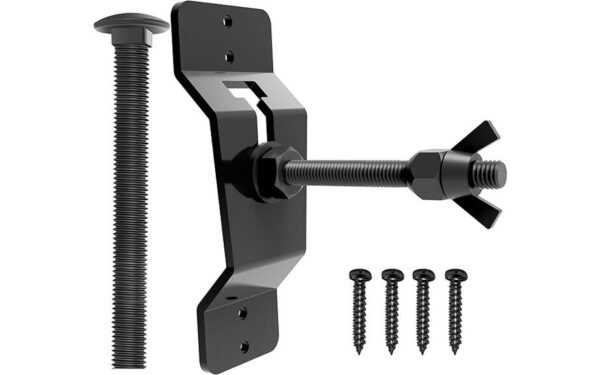
Wall Mount Spare Tire Carrier Mount Review
I review the wall mount spare tire carrier’s fit, strength, and stability—see what could make or break your trailer setup.
Read More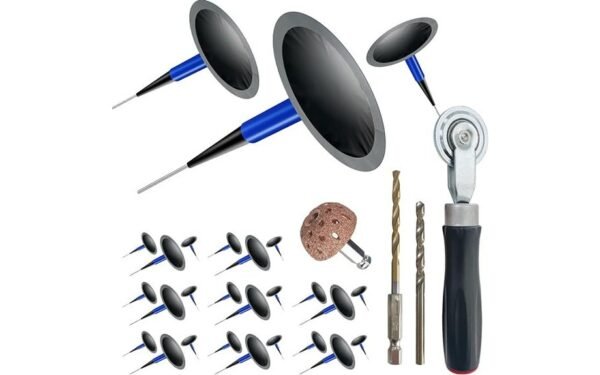
Socpuro Tire Repair Patch Tool Kit Review
Great for quick DIY puncture fixes, the Socpuro Tire Repair Patch Tool Kit has limits and surprises you’ll want to know before buying.
Read More