
Chemical Guys Wonder Wave Applicator Pads Review
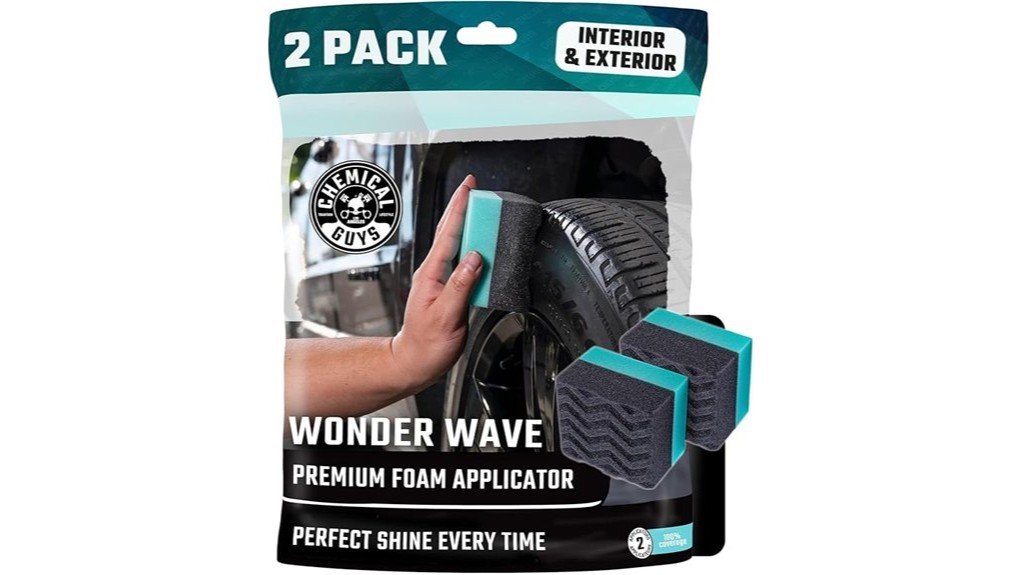
Tire dressing looks clean only when the product goes on evenly. The Chemical Guys Wonder Wave Durafoam Tire and Trim Applicator Pad is made to give you more control than a flat sponge when you work around tire sidewalls, textured rubber, and exterior plastic trim. Its wave-cut foam face helps spread dressing into uneven surfaces instead of leaving heavy streaks in one spot. This review helps you decide if the pad is a practical upgrade for your detailing kit or if you need a smaller, more precise applicator.
Quick Verdict
Rating: 8/10, Recommended with caveats
Best For: DIY detailers who want cleaner tire dressing and trim protectant application with less hand mess.
Bottom Line: The wave-cut Durafoam design gives you better coverage on textured rubber and plastic than a basic flat sponge. The tradeoff is that the pad can feel large in tight trim gaps and may wear with heavy repeated use.
| Specification | Detail |
|---|---|
| Brand | Chemical Guys |
| Product type | Wonder Wave Durafoam tire and trim applicator pad |
| Material | Dense Durafoam with a contoured wave design |
| Design | Wave-cut foam face for spreading dressing across textured surfaces |
| Primary use | Tire dressing, trim protectants, and exterior detailing |
| Compatible surfaces | Rubber tires, textured exterior trim, and plastic exterior parts |
| Best use | Controlled hand application when you want less overspray and cleaner edges |
| Care note | Reusable when cleaned, dried, and stored after use |
| Limitations | Not ideal for very tight gaps, delicate interior detailing, or ultra-precise work |
What Is the Chemical Guys Wonder Wave Durafoam Tire and Trim Applicator Pad?
The Chemical Guys Wonder Wave Applicator Pad is a foam hand applicator for spreading tire shine, tire dressing, and trim protectants. Instead of using a flat sponge face, it uses a contoured wave surface that helps move product across grooves, lettering, and textured rubber.
The pad is made for exterior detailing tasks where control matters. You can use it on tire sidewalls, plastic trim, and other small exterior areas that need an even coat of product. It is not a polishing pad, buffing pad, or interior detail sponge, so it works best when you use it for the tire and trim jobs it was designed to handle.
The main benefit is cleaner hand application. You apply product to the foam, work it across the surface in overlapping passes, and use the wave texture to spread the dressing more evenly than a basic sponge would.
[Products Worth Considering]

Adam’s Pro Tire Hex Grip applicators are molded foam sponges designed for precise, even tire dressing application. The ergonomic grip helps you spread product without overapplying, reducing sling that can splash onto paint and helping keep your hands clean during wheel and trim detailing. They’re durable, washable, and reusable for repeated detailing sessions.

This oesee 8-piece wheel care kit helps you clean, scrub, and dry wheels safely with purpose-built brushes and towels. The scratch-free microfiber wheel brush lifts brake dust and grime, while the stiff pro-grip tire brush removes tire browning and embedded dirt. A twist loop microfiber drying towel and an applicator help achieve a streak-free finish and cleaner, more even product application.

This wheel brush kit delivers pro-level cleaning at home, lifting dirt, grime, and brake dust to help restore wheel appearance. It includes multiple brush styles and applicator pads for tackling different wheel surfaces, with gentle, metal-free bristles designed to reduce scratching risk. The flat and double-ended brushes are built for comfort and reach, making wheel care easier for cars, trucks, and RVs.
Who Should Buy It?
Best For
- DIY car detailers who apply tire dressing by hand
- Drivers who want cleaner edges around wheels and trim
- Users working on textured rubber, plastic trim, and exterior details
Skip If
- You need a very small applicator for tight badges, vents, or narrow trim gaps
- You prefer an ultra-soft sponge for very light product application
- You mainly detail delicate interior surfaces instead of tires and exterior trim
Before You Buy: Confirm the package quantity and listing details before checkout. The article-supported facts cover the pad design and intended use, but seller listings can vary in how they bundle applicator pads.
Feature-by-Feature Review
Wave-Cut Foam Surface
The wave-cut face is the main reason to choose this applicator over a basic flat foam sponge. The ridges help carry dressing across textured rubber and plastic, which can reduce patchy spots on tire sidewalls.
This design is most useful on raised tire lettering, molded sidewall patterns, and rough trim grain. It does not make the product automatic, so you still need to use a small amount of dressing and spread it in controlled passes.
Dense Durafoam Build
The dense Durafoam construction helps the pad hold shape better than a loose, open sponge. It also helps reduce over-absorption, which matters because tire dressing can get wasted when a sponge soaks up too much product.
The tradeoff is normal wear. Foam can break down, tear, or lose its clean edge if you press too hard, drag it over sharp trim edges, or use it heavily without cleaning it.
Fit and Surface Compatibility
This applicator is best matched to tires, exterior trim, and plastic exterior parts. It gives you enough surface area to coat a tire sidewall efficiently while still giving more control than spraying dressing directly onto the tire.
It may feel too large for tight spaces. If you need to reach a narrow gap around emblems, grille pieces, or small interior details, a smaller foam block, microfiber swab, or precision applicator may be easier to control.
Cleaning and Reuse
The pad is reusable with proper cleaning and drying. After use, leftover dressing should be removed as well as the product instructions allow, then the pad should dry before storage.
Do not store the pad while it is wet or loaded with heavy product residue. That can shorten foam life and transfer old dressing onto the next surface you detail.
How It Performs in Real Use
For Tire Sidewalls
On tire sidewalls, the pad helps you place dressing where you want it instead of getting product on the wheel face. The wave texture is useful when you work around lettering and sidewall grooves because it spreads product into low spots more evenly.
For Textured Exterior Trim
On textured plastic trim, the applicator gives you more control than a towel wrapped around your fingers. Use light pressure and thin coats so dressing does not collect in grooves or leave shiny buildup in one area.
For Quick Wash-Day Detailing
If you add tire dressing after a routine wash, this pad can make the final step cleaner and faster. It gives you a dedicated tool for tire and trim products, so you do not have to sacrifice a clean microfiber towel for oily dressing work.
For Long-Term Use
With repeated use, the pad’s value depends on how carefully you use and clean it. It should last longer when you avoid sharp edges, avoid overloading it with product, and let it dry before storage.
How to Use It Correctly
For the best result, start with a clean, dry tire or trim surface. Put a small amount of dressing on the wave-cut side of the pad, then spread it across the surface in overlapping motions.
- Use thin coats first, then add more product only if the surface needs it.
- Work around tire lettering and trim texture with light, even pressure.
- Keep the pad away from sharp edges that can catch and tear the foam.
- Use a separate applicator for tires and trim if you want to avoid cross-contamination.
- Follow the label directions for the dressing or trim protectant you are applying.
Pro Tip: Apply less product than you think you need on the first pass. The wave surface spreads dressing better when the foam is lightly loaded instead of saturated.
Compatibility and Safety Notes
This pad touches tires, exterior trim, and detailing chemicals, so use it with the correct product for the surface you are treating. Always follow the dressing or protectant label, especially around tire tread, pedals, glass, painted panels, and other areas where slick residue could create a problem.
Do not use a heavily loaded tire dressing pad on interior controls, steering wheels, pedals, or touch surfaces. Keep it as a dedicated exterior detailing tool unless the chemical product label says a different use is safe.
[Products Worth Considering]

Blackline Blackout is a water-based trim and tire dressing that restores rubber, vinyl, and plastic with a rich satin, blackout look. Its no-sling formula dries quickly and helps prevent messy transfer onto paint. The coating repels water and offers UV protection to help prevent fading, cracking, and discoloration for a clean, long-lasting finish.

Cristal Products Untouchable Tire Shine Spray delivers a deep, wet-look gloss that enhances your vehicle’s tires. It’s quick-drying and spreads smoothly for consistent, streak-free coverage, while forming a protective coating against UV rays, road grime, and weather. Suitable for all tire types, it helps restore dull, faded tires to a showroom-quality finish.
What Buyers Are Saying
Buyer feedback in the source review points to a clear pattern: users like the cleaner tire dressing application, but some report wear after heavier repeated use.
- Praise: Many users mention more even tire dressing coverage compared with basic sponges.
- Praise: Users highlight cleaner application with less mess on hands and wheels.
- Watch-out: Some users report wear or minor tearing after repeated heavy use.
Pros and Cons
Pros
- Wave design helps improve coverage on textured rubber surfaces
- Dense foam helps reduce wasted dressing from over-absorption
- Gives more control than spraying dressing directly near the wheel
- Works for tires, exterior trim, and plastic exterior detailing
- Reusable when cleaned, dried, and stored properly
Cons
- May feel too large for tight trim gaps or small detail areas
- Foam can wear or tear with heavy pressure and repeated use
- Not ideal for delicate interior detailing or ultra-precise work
Is It Worth the Price?
For tire and trim work, this is a strong value for the price if you want cleaner control than a basic sponge. It is a smart buy for everyday use because tire dressing is easier to place when you have a dedicated applicator.
You get the most value if you detail your vehicle often or want to avoid getting dressing on your hands, wheels, or nearby trim. It is not the best fit if you need a tiny applicator for narrow areas or if you only apply dressing once in a while.
How It Compares to Alternatives
Meguiar’s Foam Applicator Pads are worth comparing if you want a simple flat foam pad for general detailing. CarPro Tire Applicator Block may be better if you prefer a block-style shape for tire work, while Adam’s Polishes Hex Grip Applicator may appeal to users who want a grippier hand feel.
The Chemical Guys Wonder Wave pad makes the most sense if you care about controlled coverage on textured rubber and exterior trim. Its wave surface is the key difference, while its size and foam wear are the main reasons to compare alternatives before you buy.
Frequently Asked Questions
What is the Chemical Guys Wonder Wave Applicator Pad used for?
It is used for applying tire dressing, tire shine, trim protectants, and similar exterior detailing products. It works best on rubber tires, textured trim, and plastic exterior parts.
Does the wave design really help?
The wave design helps spread product over uneven surfaces, tire lettering, and textured rubber. It is most helpful when you use thin coats instead of soaking the foam with dressing.
Can you use it on interior trim?
This pad is better suited to exterior tires and trim. For interior controls, pedals, steering wheels, or delicate surfaces, use a product and applicator made for that specific area.
Is it reusable?
Yes, it can be reused when properly cleaned, dried, and stored. Foam life depends on how often you use it, how much pressure you apply, and whether it catches on rough or sharp edges.
Will it fit into small trim gaps?
It may feel too large for very tight areas. For narrow vents, badges, or tiny trim gaps, a smaller precision applicator can be easier to control.
How much tire dressing should you use with it?
Start with a small amount and spread it across the tire in overlapping passes. Adding too much product can leave buildup in grooves and make the pad harder to clean.
Who should skip this applicator?
Skip it if you need a very small applicator, an ultra-soft interior sponge, or a tool for precision detailing around tiny parts. It is built more for controlled exterior tire and trim application.
The Bottom Line
The Chemical Guys Wonder Wave Durafoam Tire and Trim Applicator Pad is a good choice if you want cleaner tire dressing and trim protectant application with better control than a basic sponge. You should skip it if you need a tiny applicator for narrow areas or if heavy repeated use would make foam durability your top concern. For most DIY tire and trim work, its wave-cut surface and reusable foam design make it a practical, control-focused detailing tool.

Related Articles
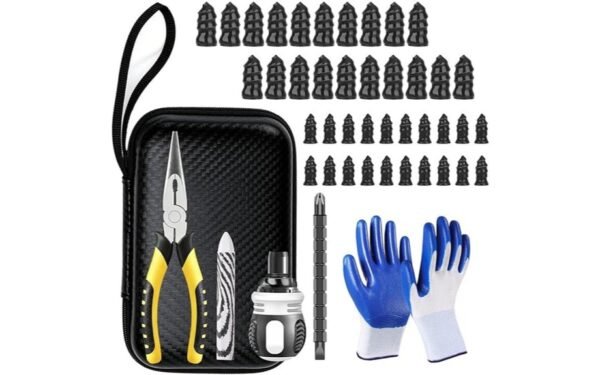
Tire Screw Plug Repair Kit Review
Compact tire screw plug repair kit review reveals fast roadside fixes, but which punctures are truly safe enough to trust?
Read More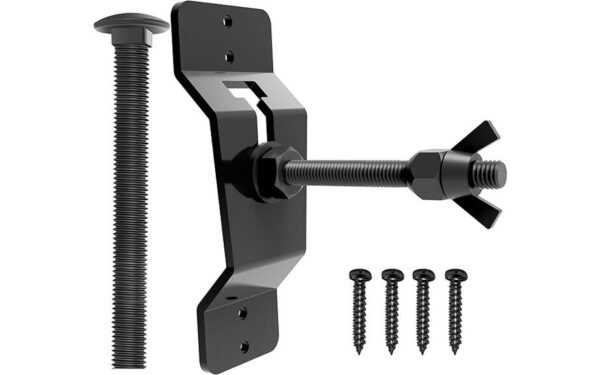
Wall Mount Spare Tire Carrier Mount Review
I review the wall mount spare tire carrier’s fit, strength, and stability—see what could make or break your trailer setup.
Read More
Socpuro Tire Repair Patch Tool Kit Review
Great for quick DIY puncture fixes, the Socpuro Tire Repair Patch Tool Kit has limits and surprises you’ll want to know before buying.
Read More