
When Should You Switch to Winter Tires on a Honda Accord
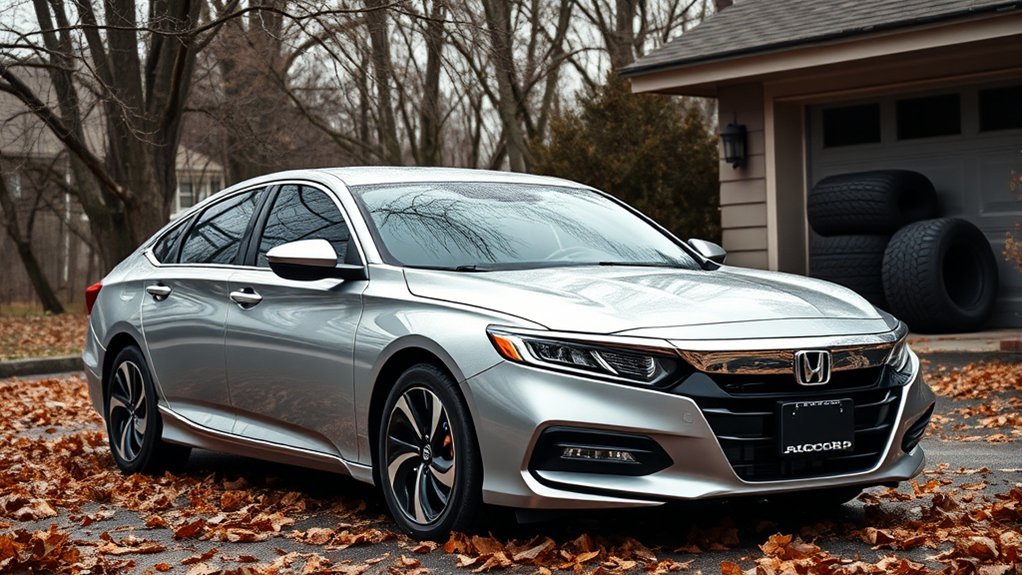
For a Honda Accord, the right time to switch to winter tires is based on temperature first and the calendar second. Once daily temperatures are consistently near or below 7°C (45°F), all-season and summer tires start losing the flexibility that helps them grip cold pavement, snow, and slush.
Quick Answer
Switch your Honda Accord to winter tires when temperatures consistently drop below 7°C (45°F), before the first major snowfall. In Quebec, compliant winter tires are mandatory from December 1 to March 15 inclusive, but installing them earlier is safer when cold weather arrives before then.
Key Takeaways
- Use the 7°C (45°F) rule: switch when cold temperatures become consistent, not when snow is already on the ground.
- For a Honda Accord, choose winter tires in the same size and load range as the original tires, and install them on all four wheels.
- Look for the peaked mountain snowflake symbol, also called 3PMSF, when buying winter tires.
- Check tire pressure monthly and keep winter tread depth above 4 mm for snow-covered roads; 4.8 mm is a better start-of-season target.
- Remove winter tires once temperatures stay above 7°C, unless late frost, snow, or local rules make it smarter to wait.
At a Glance
| Time Required | 30–60 minutes at a tire shop; 10–15 minutes for at-home pressure and tread checks. |
| Difficulty | Easy to plan; professional mounting and balancing are recommended if the tires are not already on dedicated wheels. |
| Tools Needed | Tire pressure gauge, tread-depth gauge or Canadian quarter, and your Accord’s driver-door tire label or owner’s manual. |
| Cost | Varies by tire size, brand, wheel package, and local installation fees. Dedicated winter wheels cost more upfront but can lower seasonal swap costs. |
Why Winter Tires Are Essential for Safe Driving
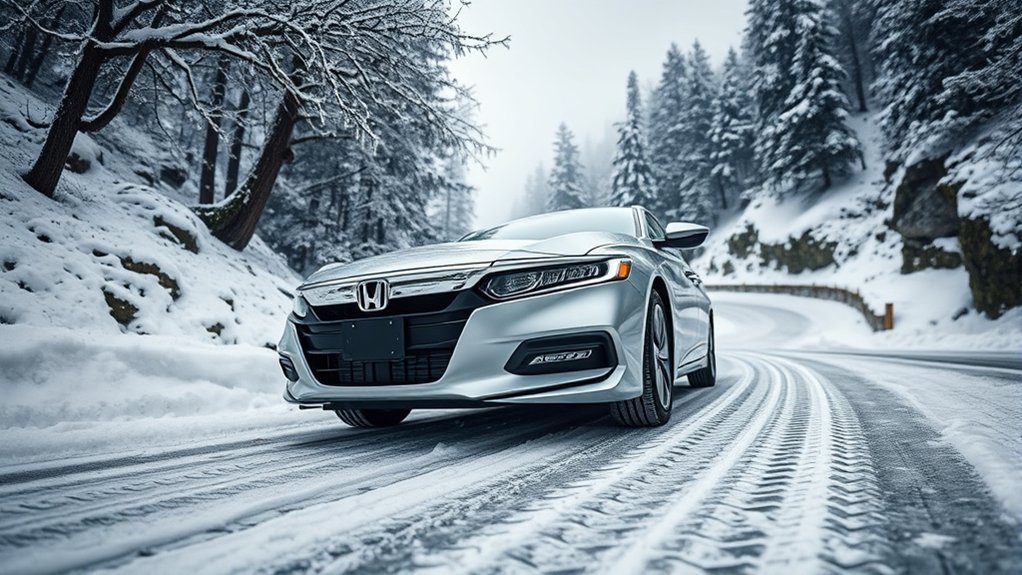
Winter tires are built for cold pavement, snow, slush, and ice. Their rubber compounds stay more flexible in low temperatures, while their tread blocks, sipes, and grooves help move snow and slush away from the contact patch. That gives your Accord better traction than typical all-season or summer tires in true winter conditions.
Transport Canada advises looking for the peaked mountain with snowflake symbol because it identifies tires designed to meet specific snow-traction performance requirements. That symbol is especially important if you drive in Quebec, heavy snow regions, or on rural and highway routes that freeze early.
At temperatures below 7°C, all-season and summer tires begin to lose elasticity. Winter tires are designed to keep their grip at much lower temperatures.
Winter tires do not make icy roads risk-free. You still need to slow down, leave extra following distance, brake gently, and avoid sudden steering inputs. They give your Accord a better safety margin, but they do not replace careful winter driving.
[Products Worth Considering]

EVOULTES heavy duty tire inflator with an integrated gauge delivers accurate pressure readings from 10–120 PSI, helping you inflate, deflate, and check tires in one tool. The 16.5-inch extended dual-head air chuck with swivel base reaches hard-to-access dual wheel valves on trucks and RVs. A brass trigger core and side-mounted air release valve make operation smooth, with standard 1/4" NPT threading and quick-connect compatibility for easy setup.

The JACO FlowPro Tire Inflator measures, inflates, and airs down tires up to 100 PSI with battery-free operation and ±2% accuracy after calibration. It features a glowing pressure dial for night visibility, a heavy-duty steel build with a hybrid hose, and a precision push-to-inflate thumb trigger. The patented Lightning Air Chuck locks on for a secure seal, and the kit includes quick-connect hardware for easy inline use with your air compressor.

This portable cordless tire inflator delivers up to 160 PSI with fast 17 L/min airflow to help you quickly top up tires and get back on the road. It features dual power mode, running on a 21V rechargeable battery or a 12V DC adapter for convenient roadside use. An automatic shut-off with digital pressure gauge helps prevent overinflation, and a built-in LED light improves visibility in low-light conditions.
When to Install Winter Tires: Key Temperature Guidelines
The best time to install winter tires on your Honda Accord is when temperatures are consistently below 7°C (45°F), especially during your normal driving hours. Do not wait for the first storm. Tire shops get busy as soon as snow appears in the forecast, and a cold rain or early frost can already make roads slippery.
- Best practical trigger: several days in a row near or below 7°C, especially overnight and early morning.
- Best calendar window in many cold regions: October or November, depending on your local climate.
- Quebec deadline: install compliant winter tires before December 1 because the requirement runs from December 1 to March 15 inclusive.
- If your Accord has summer tires: switch earlier. Summer tires are not designed for winter driving conditions.
Pro Tip: Book your tire appointment before the first snowstorm appears in the forecast. The 7°C rule usually gives you a safer and less stressful timing window than waiting for visible snow.
Honda Accord Winter Tire Fitment Checklist
Your Accord’s winter tires should match the vehicle, not just the season. Honda’s Accord owner’s manual says that when mounting winter tires, you should select the same size and load range as the original tires and mount them on all four wheels.
- Use four matching winter tires: Mixing winter and non-winter tires can make the car less stable during braking and cornering.
- Match the original size and load range: Check the tire label on the driver’s door jamb or your owner’s manual.
- Use the correct speed and load rating: A tire shop can confirm the correct rating for your Accord trim and wheel size.
- Check tire pressure cold: Use the pressure listed by Honda, not the maximum pressure molded on the tire sidewall.
- Be careful with chains: Honda notes that tire chains should be installed on the front tires only and that wrong or poorly installed chains can damage brake lines, suspension, body, or wheels.
Warning: Do not install only two winter tires on a Honda Accord. Four matching winter tires help the car brake, steer, and stay balanced in slippery conditions.
Signs You Need to Change to Winter Tires
You should change to winter tires when the weather, road surface, or your tire condition shows that all-season tires are no longer the right tool for the job. Watch for these signs:
- Morning frost appears regularly on grass, windshields, or bridges.
- Daily temperatures are consistently below 7°C (45°F).
- Cold rain, sleet, freezing rain, or wet snow is in the forecast.
- Your commute includes shaded roads, bridges, rural routes, or hills.
- Your all-season tires are worn, cracked, or close to the tread-wear bars.
- You drive early in the morning or late at night when pavement is coldest.
If you live where winter tires are legally required, install them before the deadline, even if the season starts mild. Laws set the minimum requirement; the weather should guide your actual timing.
Benefits of Winter Tires vs. All-Season Tires
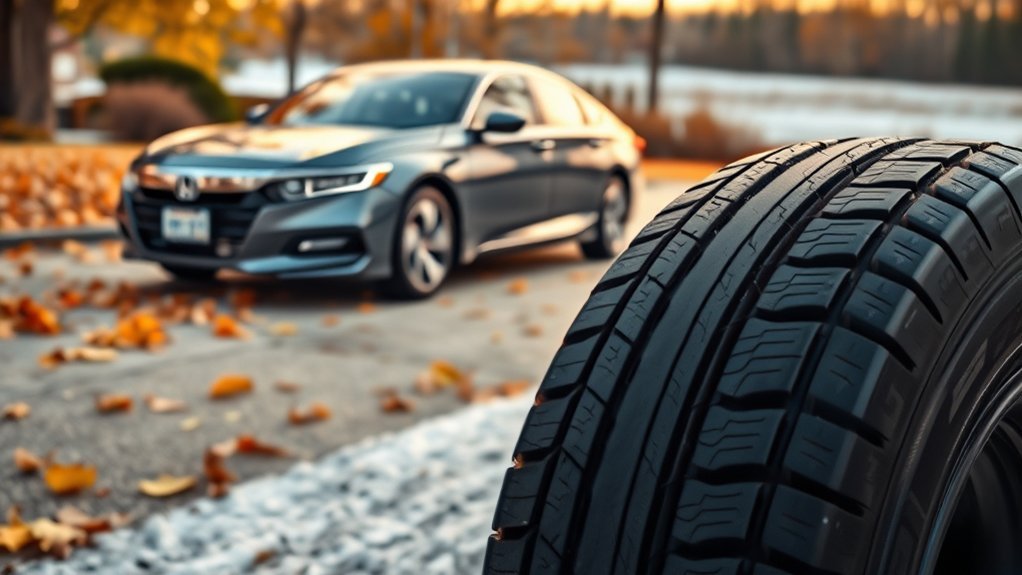
All-season tires are convenient, but they are a compromise. They may work in mild weather, but they are not the same as dedicated winter tires once cold, snow, slush, and ice become normal. Winter tires use rubber and tread designs made specifically for low-temperature grip.
Here is the simple difference:
| Tire Type | Best Use | Winter Limitation |
|---|---|---|
| Summer tires | Warm, dry, and wet roads | Not designed for winter driving conditions. |
| All-season tires | Mild year-round driving | Less effective once temperatures fall and snow or ice builds up. |
| All-weather tires | Drivers who want one tire set with winter certification | A good compromise, but not always equal to a dedicated winter tire in severe conditions. |
| Winter tires | Cold, snow, slush, freezing rain, and icy roads | Wear faster and handle less precisely in warm weather. |
If you are choosing between budget and premium winter tires, compare real test results, the 3PMSF marking, ice and snow ratings, warranty, road-noise reviews, and braking performance from reputable tire tests. Avoid choosing only by price, especially if your Accord sees highway driving or steep winter roads.
Choosing Studded or Non-Studded Tires for Your Honda Accord
Studded tires can help on hard-packed ice, but they are not the right choice for everyone. They can be noisier, may feel rougher on dry pavement, and are restricted by local law. Non-studded winter tires are usually the better everyday choice for mixed city, highway, snow, slush, and cold-rain driving.
In Quebec, studded tires are permitted from October 15 to May 1 on passenger vehicles, taxis, and eligible commercial vehicles with a total loaded mass not exceeding 3,000 kg. Outside Quebec, check your provincial, state, or local rules before buying studs.
Note: Studded tires are most useful where roads stay icy for long periods. If your winter driving is mostly plowed pavement, slush, and occasional snow, a high-quality non-studded winter tire is often the more comfortable choice.
[Products Worth Considering]
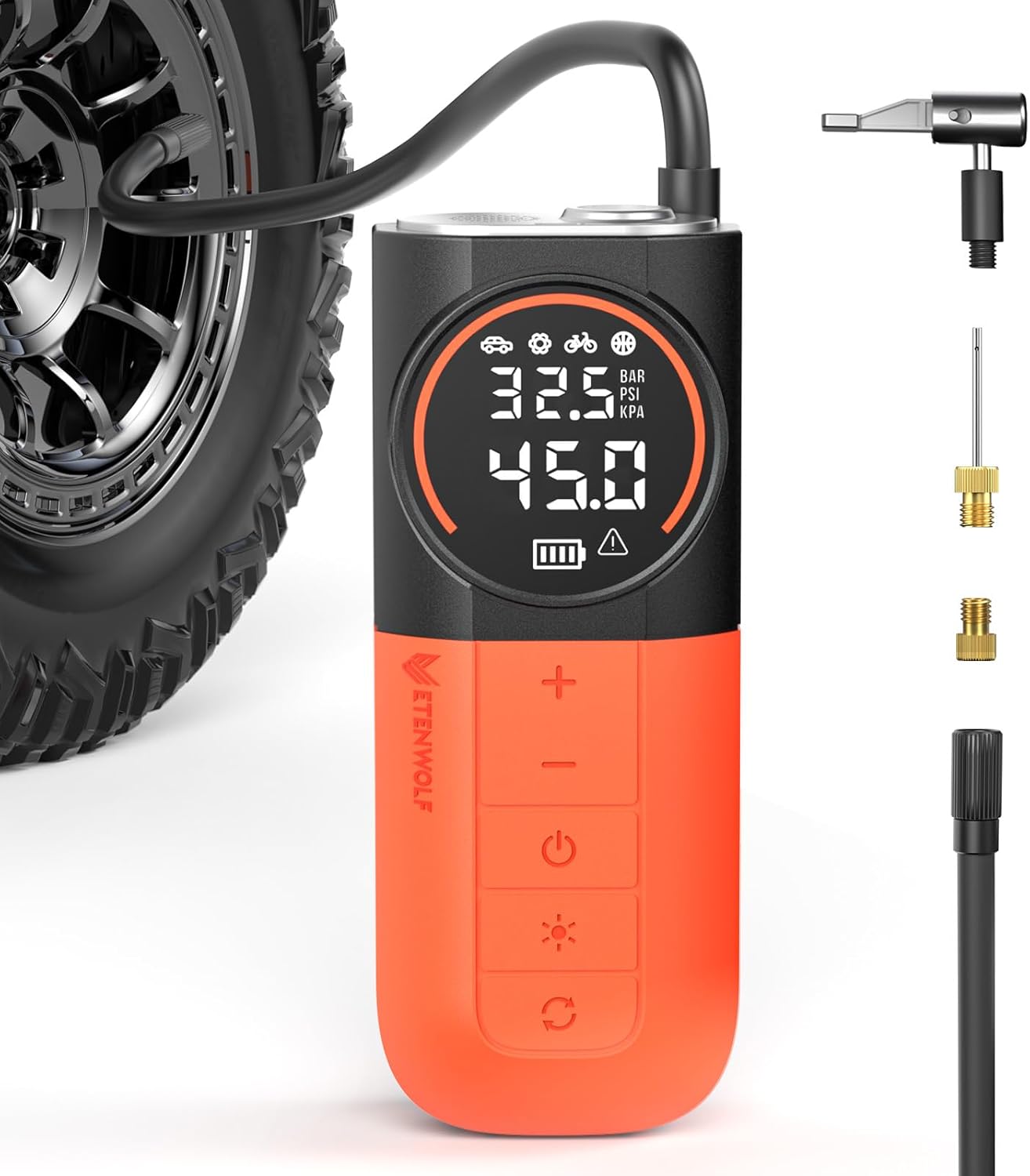
The ETENWOLF S1 cordless tire inflator delivers ultra-fast inflation with up to 160 PSI and a 20 L/min airflow for quicker tire top-offs. Its 5200mAh battery and cooling system support inflating many tires and sports balls on a single charge, while the digital pressure gauge and multi-unit display help you reach the right pressure accurately. With preset modes, pressure memory, an auto-stop feature, and an LED flashlight, it’s built for easy roadside and everyday use.

Blackline Blackout is a water-based trim and tire dressing that restores rubber, vinyl, and plastic with a rich satin, blackout look. Its no-sling formula dries quickly and helps prevent messy transfer onto paint. The coating repels water and offers UV protection to help prevent fading, cracking, and discoloration for a clean, long-lasting finish.
How to Maintain Winter Tires for Optimal Performance
Winter tires work best when they are inflated correctly, have enough tread, and are stored properly between seasons. Add these checks to your regular Honda Accord maintenance routine.
Tire Pressure Management
Cold weather can lower tire pressure, and underinflated tires can hurt handling, fuel economy, tread wear, and durability. Honda advises checking tire pressure at least once a month or before long trips and using the pressure shown on the driver’s doorjamb label or specifications page.
- Check pressure when the tires are cold, before driving far.
- Use a reliable tire pressure gauge.
- Inflate to Honda’s recommended pressure for your specific Accord tire size.
- Do not use the tire sidewall’s maximum PSI as your normal setting.
- Recheck pressure after sharp temperature swings.
Tread Depth Monitoring
Tread depth matters because winter tires need grooves to clear snow and slush. Transport Canada advises not using tires with less than 4 mm tread depth in snow-covered or severe winter conditions, while Quebec recommends at least 4.8 mm during winter.
| Check | What It Means |
|---|---|
| 4.8 mm or more | A stronger target at the start of winter, especially for deep snow and slush. |
| 4 mm | A common minimum threshold for snow-covered roads. |
| 1.6 mm | Legal minimum in many places, but too low for dependable winter traction. |
| Cracks, bulges, or exposed cord | Replace the tire or have it inspected before driving. |
Use a tread-depth gauge for the most accurate reading. In Canada, the quarter test can also help: place the caribou’s nose into the groove. If the snout is visible, the tire may not have enough tread for deep snow.
Seasonal Storage Tips
Good storage helps winter tires last longer. Before storing them, clean off salt, dirt, and brake dust, then let them dry fully.
- Store tires in a cool, dry place away from direct sunlight.
- Keep them away from motors, chemicals, solvents, and ozone sources.
- If tires are mounted on wheels, stack them flat or hang them.
- If tires are not mounted on wheels, store them upright and rotate them occasionally.
- Label each tire location, such as front-left or rear-right, to make rotation easier next season.
- Inspect sidewalls for age cracks, bulges, cuts, and uneven wear before reinstalling.
When’s the Right Time to Take Off Your Winter Tires?
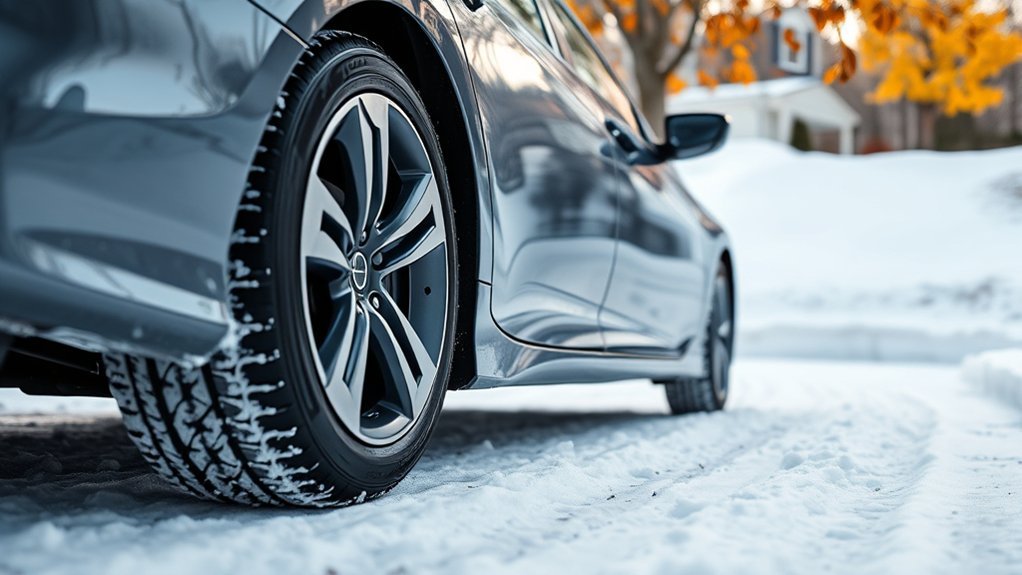
Take winter tires off your Honda Accord when temperatures consistently stay above 7°C (45°F) and the risk of snow, freezing rain, and overnight frost has passed. Driving on winter tires in warm weather can wear them faster and reduce the crisp handling you expect on dry pavement.
Do not remove them only because the calendar says spring has arrived. If your area still gets late frost, freezing rain, or wet snow, waiting a little longer can be the safer choice. In Quebec, the legal winter-tire period ends after March 15, but weather conditions should still guide the final decision.
Local Regulations on Winter Tire Compliance
Winter tire rules vary by location. Quebec has a clear provincewide rule: most covered vehicles registered in Quebec must use compliant winter tires from December 1 to March 15 inclusive. A compliant winter tire must have the required winter pictogram or be a permitted studded tire.
Quebec also allows studded tires from October 15 to May 1 on eligible passenger vehicles, taxis, and commercial vehicles up to 3,000 kg total loaded mass. Other provinces, states, mountain routes, and local roads may have different rules for winter tires, chains, or studs, so always verify the rule where you drive.
Warning: Legal compliance is only the minimum. If the road is icy, snowy, or below 7°C, your Accord may need winter tires even before or after a legal date range.
Frequently Asked Questions
Is October too early to put winter tires on a Honda Accord?
October is not too early if temperatures in your area are already staying near or below 7°C (45°F), especially overnight or during your commute. If October is still warm where you live, wait until the cold is more consistent.
What month is best to put winter tires on?
November is often the best month in many cold regions, but temperature matters more than the month. Switch when temperatures consistently fall below 7°C. In Quebec, install them before December 1 to meet the winter-tire requirement.
What is the 7°C rule for winter tires?
The 7°C rule means you should switch to winter tires when temperatures are consistently below about 7°C or 45°F. Below that point, all-season and summer tires begin losing flexibility, while winter tires are designed to keep gripping in colder weather.
Can I put winter tires only on the front of my Honda Accord?
No. Even though the Honda Accord is front-wheel drive, winter tires should be installed on all four wheels. Four matching tires help maintain balanced braking, steering, and stability on slippery roads.
How much tread depth do winter tires need?
For snow-covered roads, keep winter tires above 4 mm tread depth. At the start of winter, 4.8 mm or more is a better target for snow and slush traction. Replace tires sooner if they are cracked, unevenly worn, or damaged.
Are studded tires legal in Quebec?
Yes, Quebec permits studded tires from October 15 to May 1 on passenger vehicles, taxis, and eligible commercial vehicles up to 3,000 kg total loaded mass. Check local rules if you drive outside Quebec.
Conclusion
Switch your Honda Accord to winter tires when temperatures consistently fall below 7°C (45°F), not when the first snowstorm has already arrived. Use four matching winter tires in the correct Accord size and load range, check pressure monthly, and keep tread depth above 4 mm for snow-covered roads. If you drive in Quebec, remember the December 1 to March 15 inclusive legal window and plan your installation early enough to avoid the seasonal rush.
Sources
- Transport Canada — Using winter tires — supports the 7°C rule, 3PMSF symbol, four-tire installation, tread depth, and tire-pressure guidance.
- Gouvernement du Québec — Requirements for winter tires — supports Quebec compliance rules, studded tire dates, and winter tread-depth recommendations.
- SAAQ — Winter preparation — supports the December 1 to March 15 inclusive winter-tire requirement.
- Honda 2025 Accord Owner’s Manual — Winter Tires — supports Accord-specific winter tire size, load range, four-wheel installation, and chain cautions.
- Honda 2025 Accord Owner’s Manual — Checking Tires — supports monthly pressure checks, doorjamb pressure guidance, and tire inspection advice.
- Automobile Protection Association — Winter tire technical information — supports winter tread-depth and tire-pressure maintenance guidance.

Related Articles
How Tall Is a 305 70 R17 Tire? Exact Height, Width & Dimensions
Curious how tall a 305 70 R17 tire really is—and whether it fits your truck?
Read More
Can-Am Defender Tire Size Guide: Stock Specs & Upgrade Options
Just how big can you go on a Can-Am Defender before mods become necessary?
Read More
How Tall Is a 275 65 20 Tire? Exact Height, Width & Dimensions
Check the exact height, width, and hidden fitment effects of a 275/65R20 tire before you buy or upgrade.
Read More