What Is Tire Casing? Layers, Materials & Importance
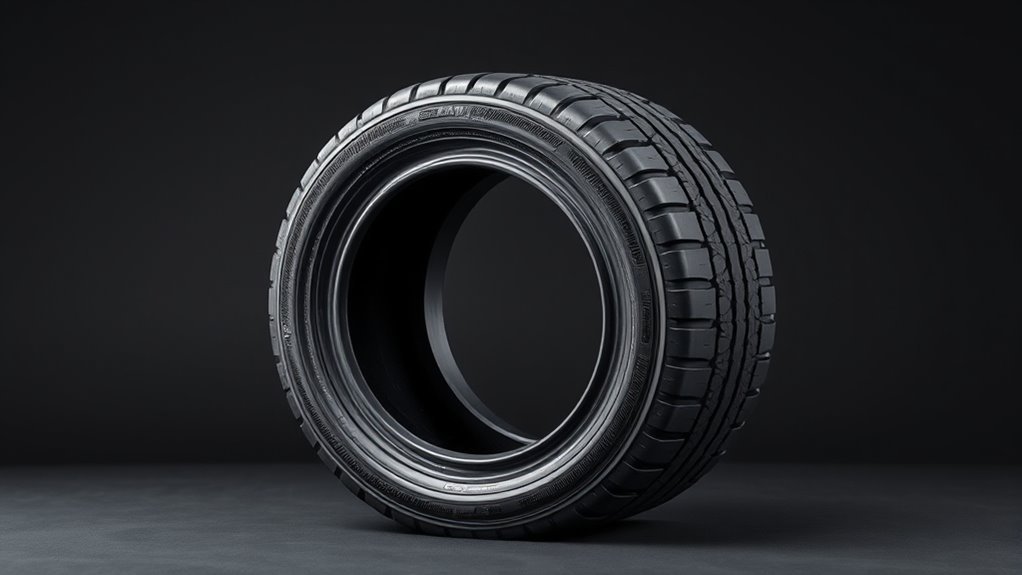
A tire casing is the tire’s structural skeleton—bead, plies, belts, sidewall and inner liner—that carries load, controls shape and resists punctures. You’ll find fabric plies for flexibility, steel or aramid belts for high‑speed stability and cut resistance, and an inner liner to retain air; rubber compounds tune grip and wear. Casing construction and thread count set ride compliance, durability and retreadability. Keep issues inspected and pressures correct, and if you want specifics you can learn more below.
What a Tire Casing Is and Why It Matters
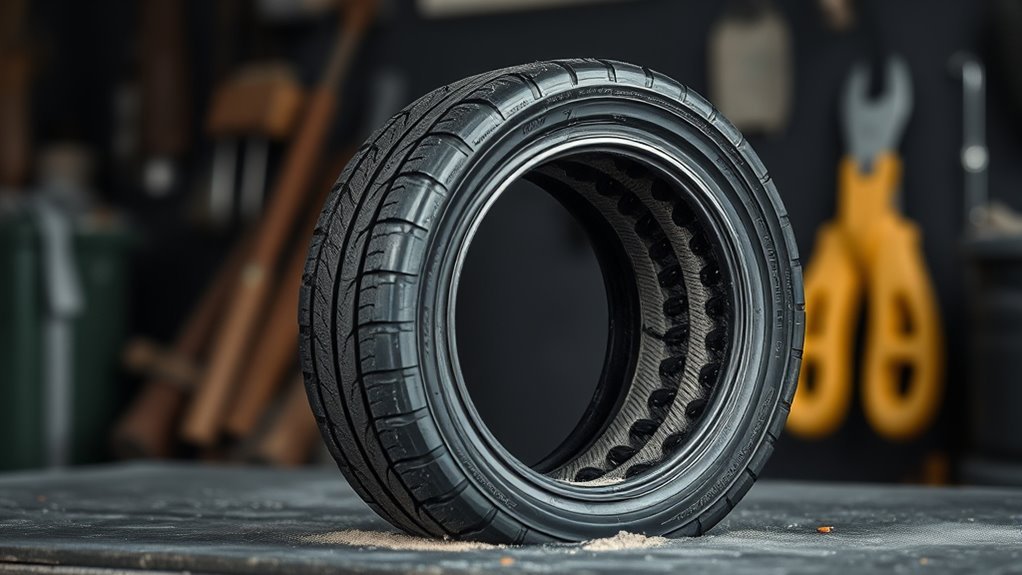
Think of the tire casing as the tire’s skeleton: it’s the layered assembly of fabric plies, steel belts and other components beneath the tread that carries load, maintains shape, and transfers forces to the road. You’ll assess casing quality by its materials, thread count (TPI) and construction, since these determine puncture resistance, flexibility and retreadability. Lower TPI gives tougher protection; higher TPI improves flexibility, reduces weight and refines handling—factors you’ll quantify in performance metrics like wear rate, heat generation and load cycles to failure. Regular inspections and correct inflation control heat buildup and structural stress, directly affecting tire longevity. Choosing higher-quality casings can enable multiple retreads, lowering lifecycle cost and environmental impact while preserving operational safety.
Inside a Tire: Bead, Plies, Belts, Sidewall, and Inner Liner
A tire’s internal layers work together to support load, retain air, and manage forces from the road, so understanding the bead, plies, belts, sidewall and inner liner is essential for evaluating performance and serviceability. You assess bead function first: it anchors the tire to the rim, sealing and preventing slippage. Ply composition determines structural support and flexibility; more plies means greater strength and weight. Belts under the tread stabilize shape and resist punctures at speed. The sidewall absorbs shocks, provides lateral stability, and displays size/load data. The inner liner retains air, minimizing loss for consistent pressure.
| Component | Primary Role |
|---|---|
| Bead | Anchors and seals |
| Plies | Structural support |
| Belts | Tread stability |
| Sidewall | Shock absorption |
| Inner liner | Air retention |
Common Tire Casing Materials and What They Do (Nylon, Aramid, Steel, Rubber Blends)
Because tire casings face competing demands—flexibility, strength, puncture resistance, and shape retention, you’ll find engineers combine nylon, aramid, steel, and tailored rubber blends to balance those properties for specific applications. You’ll use nylon for its lightweight flexibility and cut resistance; nylon benefits include maintaining structural integrity under cyclic loads. For high-performance or gravity‑oriented tires you’ll select aramid: aramid applications leverage a high strength‑to‑weight ratio and roughly threefold improvement in cut resistance. Steel reinforcement comes in as steel belts to control deformation, enhance handling, and extend service life under heavy loads. Finally, rubber formulations—natural and synthetic blends—are chosen to tune traction, wear resistance, and compliance. Together these materials target puncture protection, shape control, and predictable performance.
How Tire Casing Construction Affects Ride, Durability, and Retreading
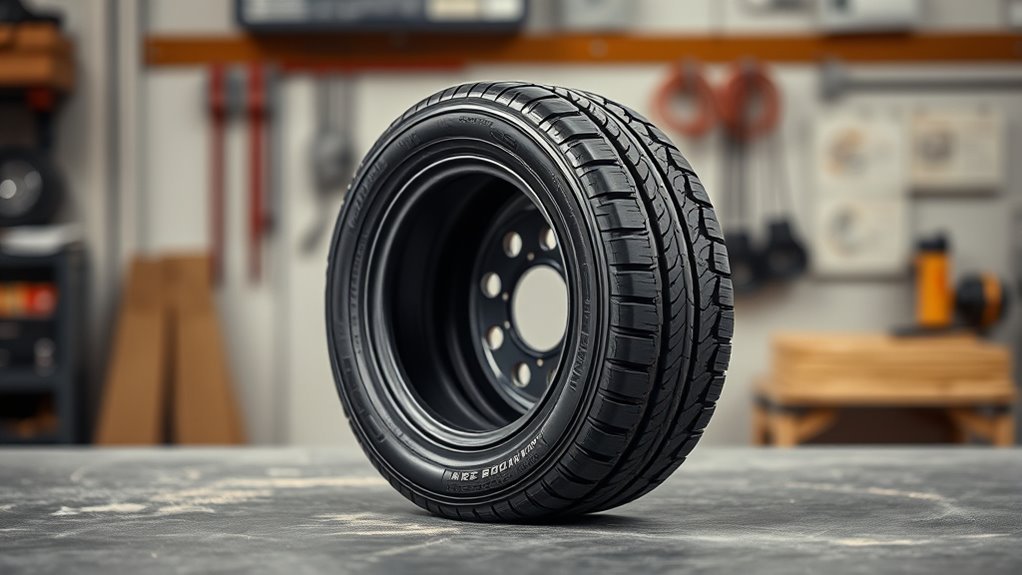
Construction dictates how a tire rides, withstands wear, and accepts retreads: the casing’s layered architecture—fabric plies, steel belts, and rubber compounds—sets flexibility, strength, heat tolerance, and puncture resistance that you’ll feel as ride compliance or stiffness. You choose thread count and material to tune ride comfort versus protection: lower thread counts yield more puncture resistance and damped compliance; higher counts increase responsiveness and terrain conformity. Durability factors include ply orientation, belt stiffness, and rubber heat resistance; these determine fatigue life and the number of viable retreads. A robust casing tolerates retread curing temperatures and repeated buffing without delamination. Inspecting for cuts, cord exposure, and pressure-related deformation helps preserve structural integrity so the casing delivers expected performance and retreadability.
Choosing and Caring for Tire Casings: Selection Tips, Maintenance, and When to Retread
Having covered how casing architecture shapes performance and retreadability, you now need to choose casings and maintain them so they deliver that expected life and behavior. Select based on thread count: low for rough durability, high for flexibility on winding roads. Invest in durable casings to enable multiple retreads and long-term savings. Check tire pressure routinely and perform a wear inspection to detect cuts, sidewall wear, or multiple repairs. Retread when the casing is structurally sound but shows tread loss; defer to a qualified technician if you see visible damage or sidewall deterioration.
| Choice | Emotion | Action |
|---|---|---|
| Low thread count | Confidence | Choose for rough terrain |
| High thread count | Anticipation | Choose for handling |
| Durable casing | Relief | Retread, don’t replace |
Frequently Asked Questions
What Is a Tire Casing?
A tire casing is the structural shell that supports the tire; you’ll evaluate tire construction and casing durability by inspecting fabric plies, belts, and integrity, since they determine load capacity, retread potential, and overall performance.
What’s a Better Tire, 10-Ply or 12 Ply?
12-ply’s better for heavy loads—it’s practically armored—if you prioritize tire durability and load capacity; you’ll get stiffer sidewalls and puncture resistance, but you’ll trade some ride comfort and flexibility compared to 10-ply options.
Which Is Better, 4 Ply or 8 Ply Tires?
8-ply is better if you need greater tire durability and higher load capacity; 4-ply suits lighter vehicles for comfort and efficiency. You’ll choose based on payload, fuel impact, and cost versus toughness trade-offs.
Conclusion
You now know a tire casing’s layers, materials, and why construction matters for ride, durability, and retreading. Will you choose casings by matching ply, belt, and bead design to your load and usage? Inspect for damage, maintain pressure, and retread when the casing’s integrity—plies, belts, and inner liner—remains sound. Selecting the correct materials (nylon, aramid, steel, rubber blends) and following maintenance rules maximizes service life and safety.
Related Articles
How to Read Motorcycle Tire Size: Complete Breakdown
Often misunderstood, this guide decodes motorcycle tire sizes like 180/55ZR17—learn what each number and letter means to ensure safe, perfect fitment.
Read More
How to Read Bicycle Tire Size: Inches, Metric & ISO
Get the essential trick to decoding ETRTO/ISO codes so you’ll always pick rim-compatible tyres—discover what to check next.
Read More
How to Read Tire Size Numbers: Decode the Sidewall
Step-by-step guide to decode tire sidewalls—sizes, load, speed, DOT and winter symbols—so you’ll know what fits and when to replace.
Read More