What Is the DOT Code on Tires? How to Read It

The DOT code on your tire’s sidewall is an alphanumeric identifier that shows the manufacturer, plant, size/model data, and production batch; it begins with “DOT” and runs 10–12 characters. The last four digits give the production week and year (e.g., 3020 = 30th week of 2020), letting you assess tire age for safety and recalls. Check both sidewalls if needed, log DOTs for tracking, and keep inspecting tires regularly — more specifics follow below.
What the Tire DOT Code Is and Why It Matters
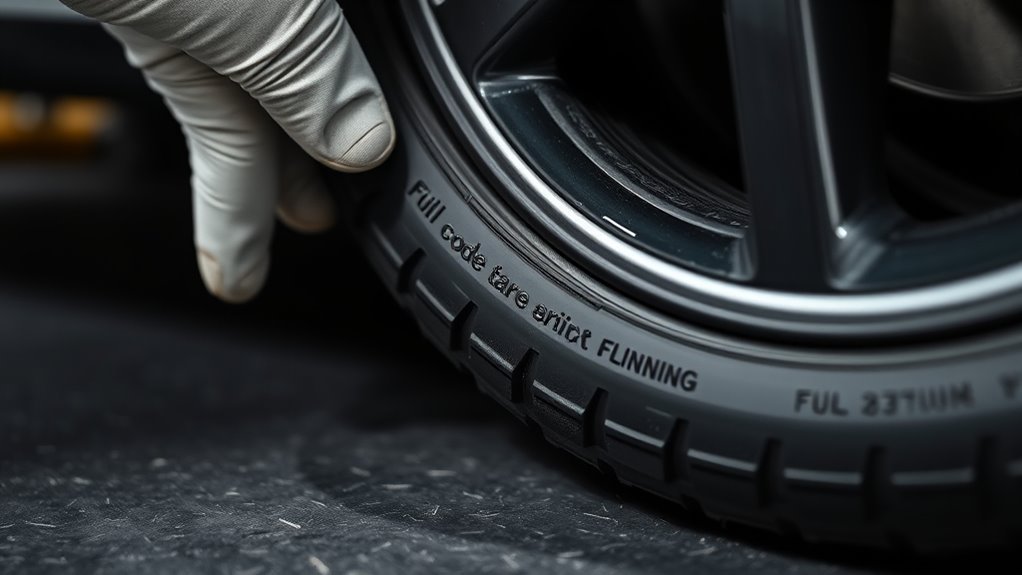
The DOT code is the alphanumeric identifier stamped on a tire’s sidewall that tells you who made the tire, where and when it was made, and which size and production batch it belongs to. You’ll read 10–12 characters beginning with “DOT”: a two-character plant code, a size code, production batch data, and a final four-digit manufacture date (week and year). That date is critical for tire safety—experts advise replacement every 6–10 years regardless of tread. The code enables precise manufacturing insights for traceability, defect identification, and recall matching, so you can determine if a tire falls within a problematic run. Use the DOT code to assess age-related risk and to verify manufacturer claims during inspections or service requests.
Where to Find the DOT Code on Your Tire
Look for the full DOT code stamped on the outer sidewall, starting with “DOT” and followed by 10–12 characters. If you don’t see the complete code, check the inside sidewall for a partial or alternate listing. Also inspect the tire as it rotates on the wheel—some codes become visible only at certain positions.
Outer Sidewall Location
On your tire’s outer sidewall you’ll find the DOT code—starting with “DOT” and followed by 10–12 alphanumeric characters—positioned for easy inspection and regulatory checks. You should inspect that sidewall first during any tire inspection or purchase to confirm safety compliance. The full DOT string conveys manufacturer, plant, tire size, and the final four digits that specify week and year of manufacture, which you’ll use to assess tire age. Note that a partial DOT (6–9 characters) can appear on the opposite sidewall; however, the outer sidewall is the primary, visible source for compliance verification. If a tire lacks a DOT code, don’t assume compliance—reject the tire or request documentation proving regulatory approval.
Inside Sidewall Check
If you can’t read the full DOT string from the outer sidewall, check the inside sidewall—you often find the complete code there when the outer sidewall shows only a partial sequence. Inspect the inner face of the tire for the DOT marking; manufacturers sometimes print the full 10–12 character sequence only on one side. During a sidewall inspection, note the manufacturer/plant identifier (first 2–3 characters) and the date code (last four digits indicate week and year, e.g., 3020 = 30th week of 2020). You should perform this as part of routine tire maintenance tips: verify the complete DOT code to confirm age and regulatory compliance. Record the full string if visible; if it’s missing on both sides, consult a tire professional.
Wheel Rotation Visibility
Because tire shops or wheel rotations can position tires with the DOT string facing inward, you should inspect both outer and inner sidewalls and the wheel-mounted orientation to locate the full DOT code; the complete 10–12 character sequence (beginning with “DOT” and ending with the four‑digit week/year date code) is often visible only when the tire is rotated off the wheel or viewed from the vehicle’s inside-facing sidewall. Check both sides: one face may show only a partial code. Verify the terminal four digits to assess age and safety. During routine service, confirm rotation patterns haven’t obscured the identifier. If a tire exhibits advanced tire wear or has been remounted, remove the wheel or rotate the tire to expose the full stamp. Record the code for purchase and compliance verification.
Read the DOT Code: Plant, Size, and Maker
Check the first 2–3 characters after “DOT” to identify the manufacturer and specific plant where the tire was made. The next 4–6 characters encode size and brand-specific model information you’ll need to confirm fitment. Use these fields together with the date code to verify origin, compatibility, and production traceability.
Plant Code Meaning
When you read a DOT number, the two-character plant code tells you exactly which manufacturing facility made the tire—usually one letter and one number—and that detail is essential for recalls, quality tracking, and verifying compliance with safety standards. You’ll use plant code significance to trace a tire to its production site; manufacturers assign unique codes so you can identify origin, applicable production standards, and responsibility chains. That traceability enforces manufacturing accountability during defect investigations and recall actions. For example, code “00” maps to Kumho Tire Georgia Inc., confirming U.S. manufacture. By checking the plant code you validate a tire’s provenance, assess its conformity with regulatory requirements, and guarantee any safety notices or warranty claims reference the correct production facility.
Size And Maker
The DOT code begins with “DOT” followed by 10–12 characters that let you identify the tire’s maker and size: the first 2–3 characters encode manufacturer information and the specific plant where the tire was produced, providing primary tire identification for traceability. The subsequent 4–6 characters encode the tire size using a standardized list published by NHTSA, though manufacturers may map their internal sizes to those codes. A full DOT code appears on one sidewall; older tires can show a partial code opposite. You should read the plant and size segments together to verify compatibility and quality for your vehicle. Use the manufacturer information to contact the plant or reference databases when confirming recalls, specifications, or fitment.
Decode the Date: Read the Last Four Digits (Week + Year)
Although it looks like a short number, the last four digits of the DOT code tell you the exact production week and year—read the first two as the week and the last two as the year (for example, 3020 = 30th week of 2020). You’ll find this on the outer sidewall; a three-digit code means pre-2000 manufacture. Knowing week/year ties directly to tire longevity and safety standards — it helps you avoid buying aged rubber that meets old specs but may have degraded.
| DOT example | Week | Year |
|---|---|---|
| 3020 | 30 | 2020 |
| 0899 | 08 | 1999 |
Check dates routinely; age affects performance even if tread looks fine.
When to Replace Tires: DOT Age, Safety, and Inspection Tips

Having read the DOT date, you should use it to determine replacement timing and inspection priorities: tires generally need replacement between six and ten years from their manufacture week, with many safety experts advising change at six years even if tread remains. Record the last four DOT digits (week/year) and track age as part of tire longevity tips. Inspect visually every month and after long trips; set inspection frequency based on usage, climate, and storage. Look for cracks, bulges, cuts, and uneven wear patterns; any of these signs mandates immediate replacement regardless of age. Maintain a written or digital log linking each tire to its DOT code and manufacture date so you can plan timely, safety-driven replacements.
Use DOT Codes to Check Recalls, Warranties, and Used Tires
How can you use the DOT code to protect yourself from unsafe or non-covered tires? Use the DOT code for recall tracking by matching the manufacturer, plant, and week/year digits against recall databases to confirm safety compliance. Locate the last four DOT digits to determine manufacture week and year; compare that age to the 6–10 year service window for used tire assessment. For warranty verification, provide the full DOT code when filing defect or recall claims—manufacturers require it to validate coverage. When buying used tires, inspect DOT age regardless of tread depth to avoid expired or non-compliant units. Familiarize yourself with DOT format and document codes before purchase to streamline recall checks, warranty verification, and safety compliance validation.
Frequently Asked Questions
How to Tell if a Tire Is LT or P?
You check the sidewall: if it starts with “P” it’s a passenger tire; “LT” denotes light truck. You’ll use this tire classification plus the printed load rating to confirm suitability for vehicle weight and towing demands.
What Does the 4 Digit Dot Number on a Tire Indicates?
The four-digit DOT number indicates the tire’s manufacture week and year (week then year); you’ll use DOT significance for tire safety assessments, tracking recalls, and determining age-related replacement to maintain proper Tire safety standards.
Conclusion
Think of the DOT code as your tire’s birth certificate—small numbers that carry safety, history, and accountability. You’ll find the plant, size, and maker information followed by the four-digit date code (week and year). Read it, log it, and compare it against recalls and warranties. If the age, wear, or inspection flags concern you, replace the tire. Treat the code as a technical beacon: it guides maintenance decisions and protects your vehicle’s performance.
Related Articles

How to Read Motorcycle Tire Size: Complete Breakdown
Often misunderstood, this guide decodes motorcycle tire sizes like 180/55ZR17—learn what each number and letter means to ensure safe, perfect fitment.
Read More
How to Read Bicycle Tire Size: Inches, Metric & ISO
Get the essential trick to decoding ETRTO/ISO codes so you’ll always pick rim-compatible tyres—discover what to check next.
Read More
How to Read Tire Size Numbers: Decode the Sidewall
Step-by-step guide to decode tire sidewalls—sizes, load, speed, DOT and winter symbols—so you’ll know what fits and when to replace.
Read More