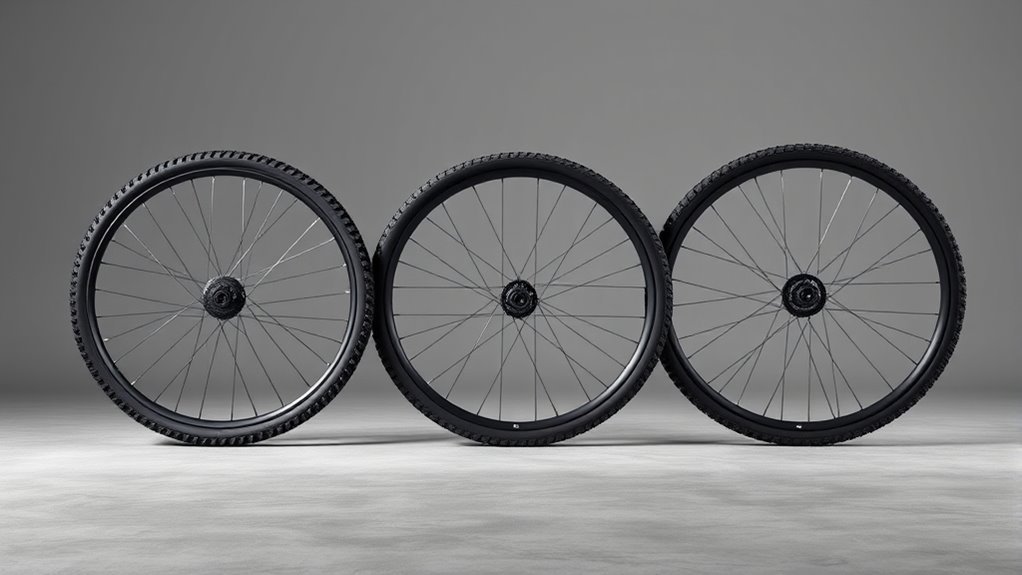
Pick wheels based on your height, terrain, and handling goals. If you want instant acceleration and razor-sharp flicks, choose 26″ for tight, technical riding. Go with 27.5″ for a balanced compromise. This size offers quick steering with added stability for trail and park laps. Choose 29″ when rollover, traction, and momentum over rough ground matter most. This is especially true for taller riders and endurance terrain. Each size changes acceleration, traction, and bike geometry. Always try different setups and check the fit before buying to find your best match.
What This Guide Helps You Decide
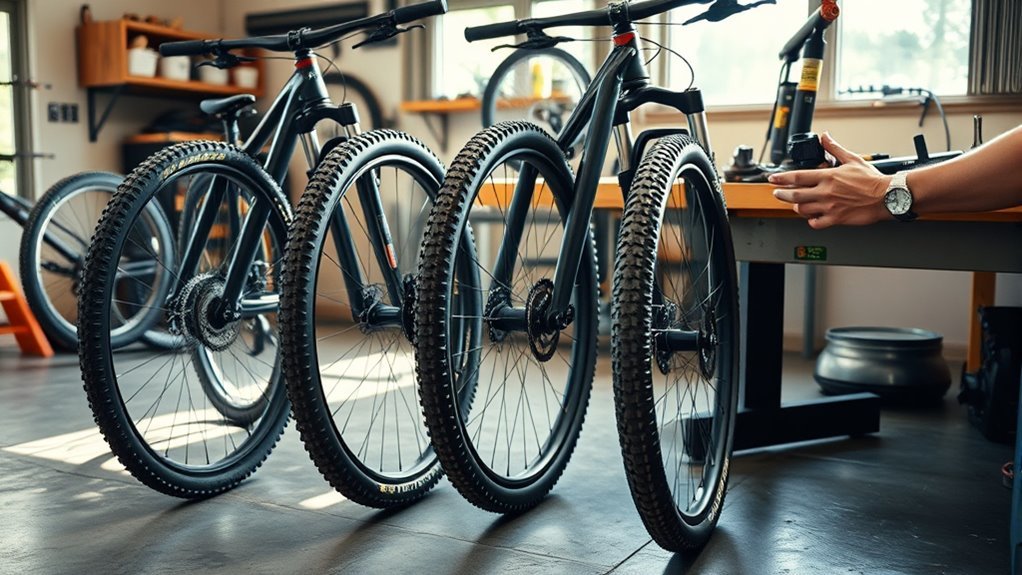
When you choose a wheel size, you must weigh several factors. These include rollover ability, stability, acceleration, and maneuverability. You want to match these traits to your terrain and riding style. This guide helps you decide by mapping 26, 27.5, and 29-inch tire behaviors to practical outcomes on the trail.
You will see that 29-inch wheels maximize rollover and straight-line stability. They help you keep speed over obstacles during XC and enduro efforts. You will learn that 27.5-inch wheels balance agility with quicker acceleration. This makes them perfect for tighter trails and smaller riders who want nimble handling. The guide also covers how wheel diameter interacts with tire pressure and different terrain types. You will see the clear trade-offs for cornering, braking, and momentum. This information empowers you to choose based on objective performance metrics and your personal riding goals.
Quick Answer: Which Wheel Size Fits Your Riding and Height
Match your wheel size to your height and riding style. If you are under 5’6″, you will likely prefer 27.5″ for better fit and maneuverability. Taller riders often benefit more from 29″ stability.
Always consider your trail style. Choose 27.5″ for tight, technical lines and rapid acceleration. Go with 29″ for better rollover capability and efficient climbing. Factor in your own skill and experience. Personal preference and comfort ultimately determine the best fit for your bike.
Rider Height Match
Wheel size plays a massive role in fit and control. Pick one that suits your height and riding goals. If you are under 5’5″, you will likely find 26″ or 27.5″ wheels easier to handle. Riders between 5’5″ and 6’0″ often benefit from 27.5″ for a great balance of agility and stability. Those over 6’0″ typically prefer 29″ for superior rollover and high-speed stability. Always factor in your personal comfort and riding style, as individual preferences easily override these basic guidelines.
Match your height-driven ergonomics to your intended terrain. If you are shorter, 26″ or 27.5″ improves maneuverability and lowers your standover height. Mid-height riders get the best blend of benefits from 27.5″. Taller riders gain maximum momentum and traction with 29″. Test different bikes to confirm cockpit fit and control before you make a final purchase.
Trail Style Fit
Height guides your initial fit, but trail style should steer your final wheel choice. Choose 27.5″ for tight, technical sections and flow trails. These wheels shine where agility and rapid direction changes matter most. Choose 29″ for endurance rides, long climbs, and rough descents. Larger wheels dominate when rollover and momentum maintenance are your top priorities.
If you are moving from an older 26″ bike, 27.5″ will feel very familiar. Switching straight to 29″ alters your trajectory and handling significantly. Remember to adjust your tire pressure to tune grip versus speed across different terrain types. There is no universal best choice. Your personal preference decides the final trade-offs.
| Wheel Size | Strength | Best Terrain |
|---|---|---|
| 27.5″ | Agility | Tight/technical |
| 29″ | Momentum | Long/rough |
| 26″ | Nimbleness | Retro/park |
Skill And Experience
Experience level heavily influences wheel choice. 27.5″ wheels typically suit beginners and smaller riders by offering easier maneuverability and quicker acceleration through technical sections. On the other hand, 29″ wheels favor taller or more experienced riders who want rollover, stability, and sustained speed on rough climbs.
Beginners often prefer 27.5″ because it lowers the learning curve. You get quicker steering, faster changes of direction, and more confidence through tight obstacles. If you chase sustained momentum, 29″ delivers predictable tracking and a smoother roll over roots and rocks. Aggressive, highly technical riders may still choose 27.5″ for its nimbleness and punch. Endurance riders almost always prefer 29″ for sheer efficiency. Ultimately, fit and comfort give you the most confidence on the trail.
Quick Compare: 26 Vs 27.5 Vs 29 (At-A-Glance)
These three common mountain-bike diameters deliver distinct trade-offs in handling and performance. A 26″ wheel (≈559 mm) gives the fastest acceleration and the most nimble responsiveness. A 27.5″ wheel (≈584 mm) balances agility with improved stability. A 29″ wheel (≈622 mm) maximizes rollover, momentum retention, and traction at high speeds.
The choices are clear. Pick 26″ for instant responsiveness and playful control. Pick 27.5″ for an adaptable, all-around compromise. Pick 29″ for confidence, speed, and better grip on loose terrain. Consider wheel performance and riding comfort together. Smaller wheels allow you to flick and maneuver easily. Larger wheels allow you to charge hard and maintain your pace.
| Attribute | Impact |
|---|---|
| Acceleration | 26″ excels |
| Stability | 29″ dominates |
| Versatility | 27.5″ balances |
| Market trend | 27.5″/29″ preferred |
[Products Worth Considering]
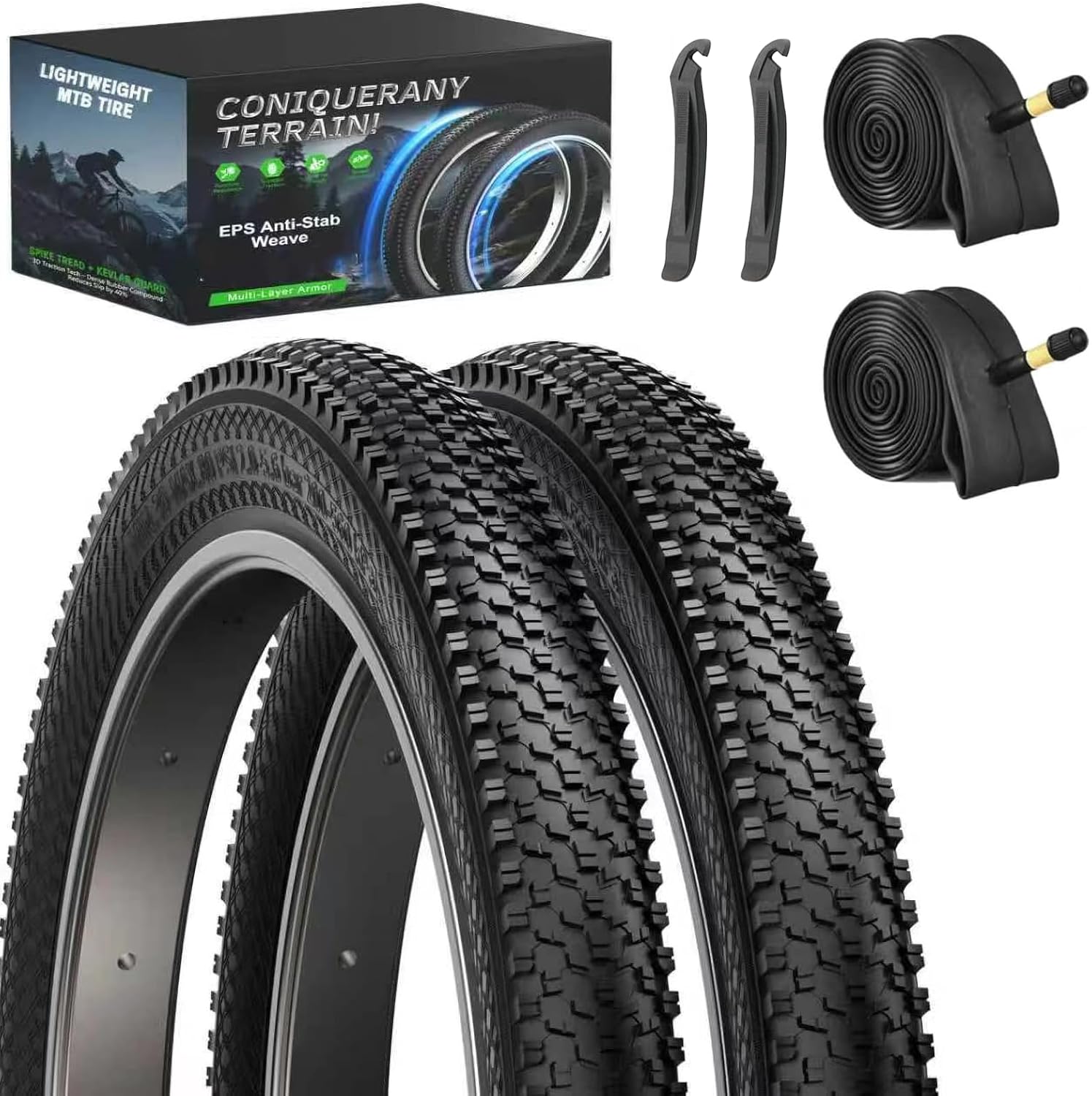
This 2-pack set includes two folding mountain bike tires, two inner tubes, and two tire levers for quick, budget-friendly replacements. The tires feature an anti-stab weave for added protection, plus strong grip and durable construction to help you stay stable across common trail and road conditions. Foldable design makes storage and travel convenient, while the included tubes provide a matched fit for smoother setup.

Upgrade your ride with a 2-pack set of 26x1.95 folding mountain bike tires built for dependable traction on mud, rocks, and trail surfaces. A reinforced puncture-resistant layer helps protect against sharp debris, while included butyl inner tubes provide strong sealing and shock absorption. Ready for fast swaps with included tire levers and universal sizing for most bikes.

Built for smooth-trail to technical single-track riding, these Blackburn mountain bike tires deliver superior traction and ultimate control with an optimized knobby tread. A protective layer under the tread enhances strength and puncture resistance, helping you stay confident on rough terrain. The carbon steel bead makes folding and unfolding the tire easier without damage.
How Wheel Physics Affect Ride Feel
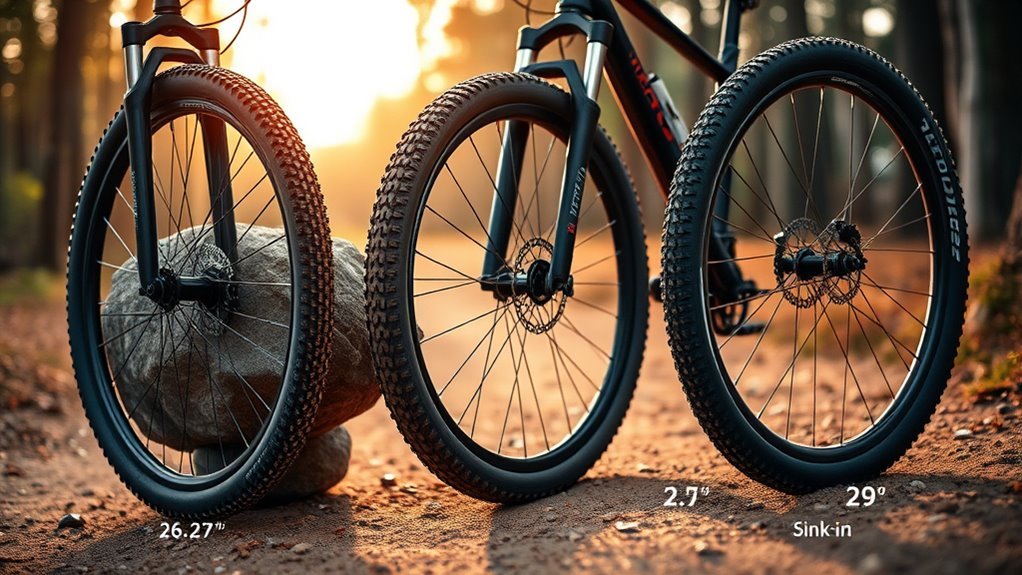
You will quickly notice that larger wheels improve rollover. They let the bike absorb bumps and roots with less speed loss. This helps you maintain momentum on very rough trails. However, that same increase in diameter raises rotational inertia. Because of this, 29-inch wheels demand more torque to accelerate and feel less flickable than 27.5s. Understanding this trade-off between rollover efficiency and rotational inertia helps you match your wheel choice to your terrain.
Rollover And Momentum
When you roll a larger-diameter wheel, its greater moment of inertia and expanded contact patch let it climb over obstacles easily. A 29-inch setup preserves speed and traction across rough terrain. Meanwhile, 27.5-inch and 26-inch wheels trade that speed preservation for quicker acceleration and lower rotating mass.
You will notice tire performance improves with a larger contact patch. Traction stays steadier, braking feels more planted, and momentum carries you through ruts effortlessly. Smaller wheels respond faster to pedal inputs. This gives you nimble handling and quicker bursts of speed. Choose based on your primary mission. If you seek sustained speed and smooth lines, 29s win. If you crave agile acceleration and flickable handling, 27.5 or 26 will suit you better.
Rotational Inertia Effects
Larger-diameter wheels carry more rotational inertia. They reward you with steadier momentum once you get them up to speed. A 29-inch setup needs more torque to accelerate initially, but it resists speed loss over obstacles. Moment of inertia scales with diameter and mass distribution. Because of this, 29-inch wheels demand greater physical input to change direction quickly.
That higher inertia translates directly to sustained momentum. It reduces rider fatigue on long rides and technical rocky sections. Conversely, 27.5-inch wheels offer lower rotational inertia. You get quicker acceleration and more agile direction changes. This is ideal when you crave nimble handling on tight trails.
26-Inch Wheels: Who Still Rides Them and Why
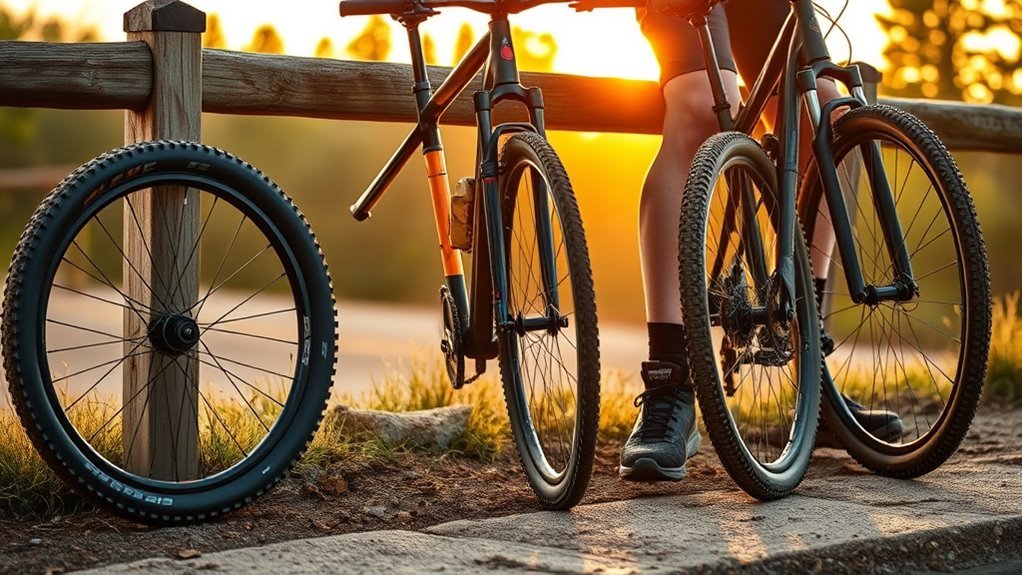
Why would anyone still choose 26-inch wheels today? You might value the nostalgia, or you want the lightweight advantages that deliver immediate handling on tight trails. Many riders use them to restore older frames, race dual slalom, or seek playful maneuverability where low rotational inertia matters most.
| Rider Type | Reason | Typical Use |
|---|---|---|
| Racers | Rapid acceleration, responsive steering | Steep, twisty courses |
| Enthusiasts | Vintage compatibility, collector appeal | Restoration, show rides |
| Trailists | Tight-space agility, playful control | Tech trails, urban lines |
Niche manufacturers and custom builders still keep 26s alive for targeted performance. Choose them when you prioritize precise flicks, short-wheelbase control, and minimal rotating mass. The platform rewards highly aggressive, technical riding. If you demand compact geometry and instant feedback, 26-inch wheels remain a valid option despite their massive market decline.
27.5-Inch Wheels: Agility, Acceleration, and Best Uses
Think of 27.5-inch wheels as the perfect middle ground. They give you decisive agility and quick acceleration without the sluggishness of larger hoops. You get a wheel that responds to your inputs instantly. Its smaller diameter lowers rotational inertia, allowing you to accelerate with minimal effort. That translates directly to sharper corner entry, faster direction changes, and confident exits on steep climbs.
You can exploit handling techniques that favor quick weight shifts and precise line choices. The lighter wheelset lets you flick the bike and recover much faster. Terrain adaptability is incredibly strong here. Flow trails, bike parks, and technical singletrack reward this balance of nimbleness. While their availability is slowly waning, they remain the top choice for riders who want total control over raw speed. They sacrifice some ultimate rollover, but they allow you to attack tight terrain with superior acceleration.
29-Inch Wheels: Rollover, Momentum, and When They Win
When you ride 29-inch wheels, their larger diameter and longer contact patch go to work. They let you roll over roots, rocks, and ruts with noticeably less speed loss. You sustain your momentum and expend far less energy on rough terrain. You also get superior wheel stability. Long straights, chunky descents, and endurance laps heavily favor 29s because they preserve speed so well.
You do sacrifice some acceleration and tight-trail nimbleness compared to 27.5s. Align your choice with your personal preference and your local trail profile. Use speed control via gearing and suspension tuning to offset the slightly slower initial acceleration. Choose 29s when momentum and obstacle rollover matter most.
| Trait | When it wins |
|---|---|
| Rollover capability | 29-inch |
| Momentum maintenance | 29-inch |
| Acceleration responsiveness | 27.5-inch |
| Trail maneuverability | 27.5-inch |
Mullet Setups: Why Mix Sizes and When to Choose One
A mullet setup mixes wheel sizes to give you a deliberate performance compromise. You run a 29-inch front wheel for improved rollover, tracking, and momentum. You pair it with a 27.5-inch rear wheel for quicker acceleration, snappier handling, and easier body clearance in tight sections. The front stabilizes the bike so you hold speed over obstacles. The rear lets you flick the bike and clear steep, technical shifts easily.
This is not just a fashion trend. It is targeted performance tuning used heavily in downhill and eMTB racing where control and speed matter equally.
- Enhanced rollover and traction up front (29″) increases confidence and momentum.
- Smaller rear (27.5″) delivers faster rotational acceleration and tighter geometry response.
- A mixed setup reduces rear tire buzzing on steep descents and aids weight distribution.
Choose a mullet when you demand aggressive control without sacrificing agility. It optimizes trade-offs for varied terrain and steep riding styles.
[Products Worth Considering]

This Hycline 2-pack mountain bike tire set delivers durable, puncture-resistant performance with a high-grip, aggressive tread designed for traction on hard surfaces and confident handling through mud and soil. Includes matching inner tubes and tire levers for easier everyday maintenance and quicker installation after folding storage. Built for a range of riding conditions with reinforced rubber and nylon cord for wear-resistant reliability.

Replace worn wheelchair rear tires with a universal 24x1 no-flat polyurethane foam option designed to mount tightly on 24-inch rims without the tire falling off. Installation is made easier with included tools and multiple methods, including using a pry bar or softening the tire in hot water to reduce resistance. The package includes two tires plus tie ropes for convenient fitting and handling.

A portable bicycle repair bag built for on-the-go maintenance, pairing a scalable mini tire pump with a multi-tool, crank and bone wrenches, tire levers, and self-adhesive glueless patches. The included patch set helps you quickly seal punctures using the integrated prep/rasp step, while the waterproof nylon bag keeps tools organized and easy to access. Ideal for road, mountain, and home bike emergencies, repairs, and routine adjustments.
The Role of Tire Width (Plus Sizes)
When choosing a wheel size, you also need to consider tire width. The volume of your tire changes the overall diameter of the wheel. A 27.5″ wheel wrapped in a high-volume 2.8″ tire (often called 27.5+) actually has a similar outer diameter to a standard 29″ wheel.
Plus-sized tires give you massive grip, vibration damping, and extra rollover ability. However, they add significant rotational weight. If you want the rollover benefits of a 29er but prefer the frame geometry of a 27.5 bike, exploring plus-sized tires might give you the exact ride feel you are looking for.
Choose by Trail & Discipline: XC, Trail, Enduro, DH, Park
Each mountain bike discipline demands different control and speed priorities. You should pick your wheel size to match your primary terrain. Favor 29″ for XC and stability. Choose 27.5″ for quick handling in trail, DH, and park settings. Consider a mullet setup for enduro to perfectly blend rollover and agility.
For XC racing, 29″ wheels give you superior speed efficiency and rollover capability. On mixed trail riding, 27.5″ delivers nimble cornering and quicker acceleration for technical lines. In enduro, base your choice on the course. Use a full 29″ setup for composure on fast descents, or a mullet to balance downhill confidence with rear agility. For DH and bike parks, prioritize 27.5″ for jump performance and tight turn control.
[Products Worth Considering]

This heavy-duty bicycle rim liner provides complete tube protection by shielding the inner tube from rim spoke holes and sharp metal burrs that can cause flats. Made from premium, wear-resistant PVC, it lays flat with optimized 18 mm width and 0.50 mm thickness for edge-to-edge coverage. Installation is quick with flexible stretch placement and a secure, non-slip fit.

Ride with added confidence using Blackburn inner tubes featuring anti-puncture technology and a 20% thicker tube to help prevent flats. Each set includes two tire levers to make removal and installation easier. Designed for compatible mountain and cruiser bikes with Presta valves.

This manual duck head tire changer kit makes tire installation and removal simpler by letting you embed the duck head into the tire with applied pressure. The integrated design and durable steel construction help reduce friction and improve efficiency and safety during use. Suitable for 16–21 inch wheels, it’s convenient for cars, trucks, SUVs, and ATV tires, with 24-hour after-sales support.
Fit & Geometry Checklist: Match Wheel Size to Your Body and Bike
Always match your wheel size to your frame size to preserve the bike’s intended geometry. Smaller frames typically pair better with 27.5″ wheels for maneuverability. Larger frames pair well with 29″ for stability. Confirm your rider reach and standover clearance so your center of mass remains balanced. If you are unsure, test both sizes on the trail to validate handling and comfort.
Frame Size Compatibility
Think about how your body and frame geometry interact. Riders under 5’6″ usually fit 27.5″ wheels better. The smaller diameter reduces standover height and shortens the cockpit reach. Conversely, 29″ wheels lengthen the wheelbase and can introduce clearance issues for shorter riders.
You need to assess compatibility challenges carefully. Some modern frames accept both 27.5 and 29 wheels via flip chips. However, swapping sizes still alters suspension kinematics and bottom bracket height.
- Check manufacturer notes for multi-wheel compatibility and required geometry adjustments.
- Verify rear triangle clearance and tire width limits before swapping wheel sizes.
- Anticipate handling shifts. Shorter chainstays improve flickability, while longer wheelbases add high-speed stability.
Rider Reach & Standover
Wheel diameter is not the only factor, but it is a major one. Prioritize standover clearance and reach when matching a wheel size to your body. Measure your standover clearance and aim for 1 to 2 inches of space. Confirm the frame reach aligns comfortably with your torso and arm length. This guarantees rider comfort and safe control.
Smaller riders prefer 27.5″ for a safer fit and predictable handling. Taller riders gain necessary stability from 29″. Wheel size interacts directly with frame geometry, so do not assume bigger is always better. You want confident weight distribution, predictable steering, and unhindered movement on the bike.
| Measurement | Guideline |
|---|---|
| Standover clearance | 1–2 inches |
| Reach fit | Match torso/arm length to frame reach |
| Wheel suggestion | 27.5″ small, 29″ tall |
Frequently Asked Questions
Are 27.5 Wheels Being Phased Out?
Yes, you are seeing 27.5 wheels slowly phased out on newer trail bikes as manufacturers shift focus to 29ers. You must weigh the advantages of 27.5 wheels against current market trends. Choose based on your absolute need for agility versus long-term parts availability.
How Tall Should You Be for 29 Inch Wheels?
You do not need to be a giant to ride a 29er. If you are between 5’8″ and 6’2″, you easily gain 29-inch benefits like stability and rollover. That is the ideal height range. However, personal preference, riding style, and modern frame fit still govern your final choice.
Conclusion
Choose a wheel size that perfectly matches your riding style, body, and local terrain. Pick 26 for nimble, playful, shorter-travel bikes. Pick 27.5 for balanced agility and quick acceleration. Pick 29 for ultimate speed, stability, and rough ground rollover. Remember mullet setups when you want the best traits of both sizes. Let bike geometry and reach be your ultimate compass. Wheel size is a tool to help you ride better. The right wheel translates your intent into smooth forward motion, so pick the setup that amplifies your control and confidence.