Valve Stem Types Explained: Presta, Schrader & Dunlop
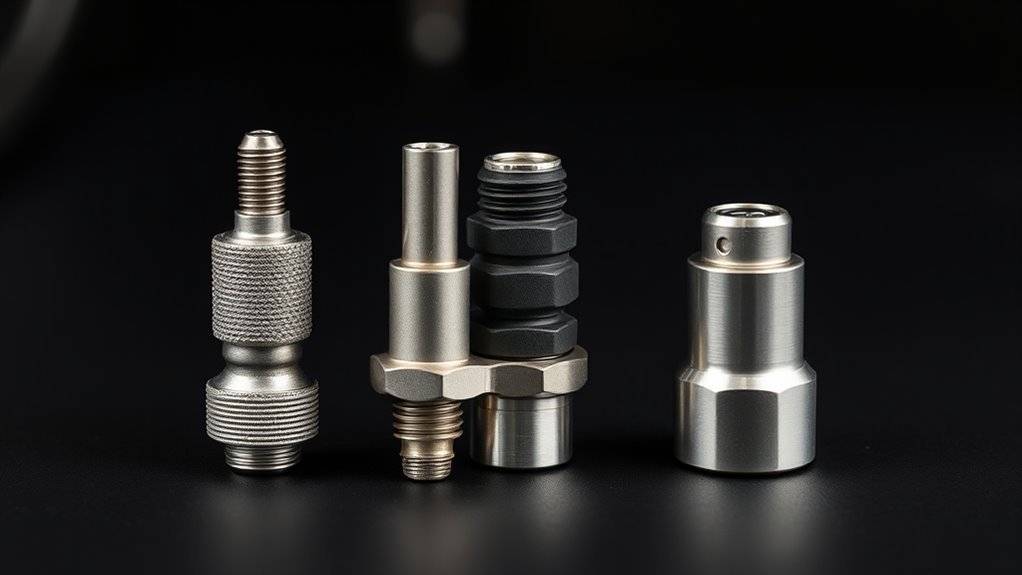
You’ll pick Presta for high-pressure road or tubeless setups because its threaded tip gives precise control and a tight seal; choose Schrader for mountain bikes and easy service-station inflation since its spring-loaded poppet is robust and simple; go with Dunlop/Woods for city bikes when durability and pump-head compatibility matter. Check rim hole size and pump head fit, use adapters or valve-core tools for maintenance, and learn more about sealing, cores, and troubleshooting next.
Which Valve You Need: A Quick Guide for Road, MTB, and City
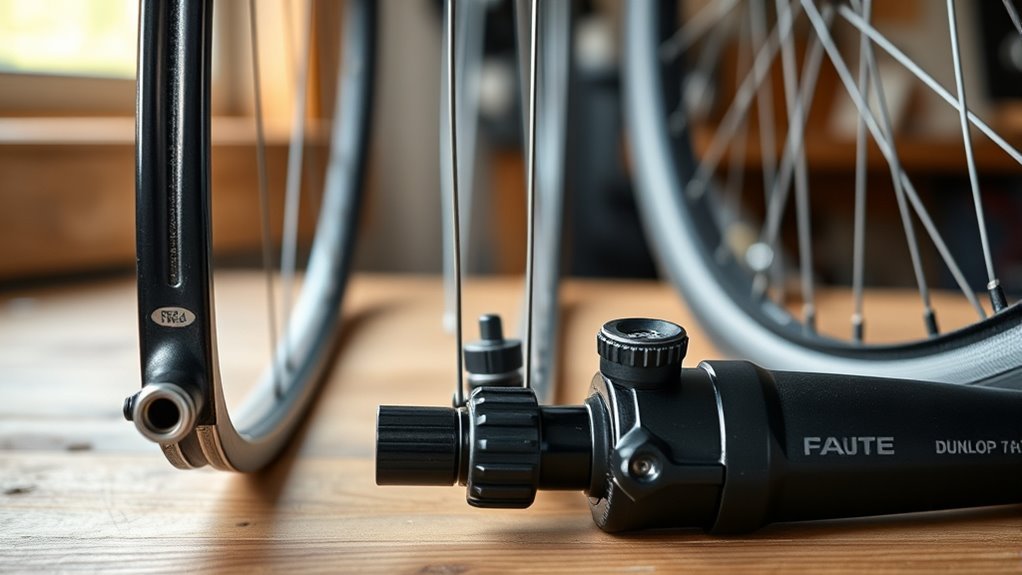
Choosing the right valve matters because it affects inflation, pressure limits, and pump compatibility: for road bikes you’ll usually want Presta valves (smaller hole, lightweight, high-pressure capable), MTBs commonly use Schrader valves (robust, easy to fill at service pumps, larger rim hole), and city or commuter bikes often have Dunlop/Woods valves (durable and compatible with Presta-style pump heads). You’ll pick based on tire pressure needs, rim compatibility, and available pumps. For tubeless-ready setups choose Presta to guarantee an airtight seal and permit lower pressures for traction. Use a valve hole reducer if you need to fit a Presta into a Schrader rim. These valve selection tips directly affect bike performance factors like weight, max PSI, and field-service convenience.
How Presta, Schrader, and Dunlop Valves Actually Work
You’ll look at how each valve’s core and spring work together to seal the tube and control airflow during inflation and deflation. Pay attention to how Presta’s threaded core lets you finely meter pressure, Schrader’s spring-loaded pin opens under pump pressure, and Dunlop’s larger assembly requires a compatible head but is simpler to pressurize. Understanding seal interfaces and release mechanics explains why rim drill size and pump compatibility matter for performance and serviceability.
Valve Core Mechanics
A clear grasp of how valve cores function makes diagnosing leaks and choosing the right pump head straightforward. You’ll assess valve core functionality by noting mechanism and serviceability: Presta uses a threaded screw pin that you unscrew to open, giving precise pressure control and removable-core serviceability; Schrader uses a spring-loaded poppet that opens when depressed, offering robustness, one-way flow, and removable cores for easy replacement; Dunlop (Woods) relies on an internal rubber tube acting as the sealing element, allowing inflation with Presta heads but offering less precise release control. Knowing valve core types lets you match pumps, replacement parts, and maintenance steps to application: high-pressure Presta, general-use Schrader, or easy-inflate Dunlop with simpler rubber internals.
Air Flow Control
Having checked how valve cores operate, let’s look at how each valve actually controls airflow during inflation and deflation. You’ll find Presta uses a screw-tip that you unscrew to open; that screw gives very precise, gradual airflow control ideal for high-pressure tyres and contributes to a favorable valve performance comparison for road use. Schrader relies on a spring-loaded core that opens when depressed by a pump head; it’s less precise but straightforward, so inflation speed differences favor faster, user-friendly fills on lower-pressure tyres. Dunlop combines aspects: a removable cap and internal rubber tube regulate flow, requiring you to unscrew the cap to inflate and risking quick air loss on removal. Choose based on pressure needs, rim compatibility, and desired control versus speed.
Seal And Release Mechanisms
When you work with different valve types, their sealing and release mechanisms dictate how you control pressure: Presta uses a threaded top nut that you unscrew to open the port, giving precise, gradual air release and excellent seal durability when tightened; its metal-to-metal closure against the rim minimizes leakage. Schrader relies on a spring-loaded core that stays closed until you depress it with a pin or pump head, offering high release efficiency for quick deflation or inflation but depending on core integrity for airtight performance. Dunlop mirrors Schrader functionally but uses an internal rubber tube to seal and requires a larger rim hole; its seal durability can vary with rubber age, though release efficiency upon cap removal is immediate. Choose based on control needs and maintenance.
Valve Pros & Cons, by Bike Type (Road, Gravel, MTB, Tubeless)
For road bikes you’ll want a valve that lets you set high pressures precisely, so Presta’s slim, high-pressure design usually wins. Gravel riders need versatility—Presta offers light weight and sealant compatibility, but Schrader can be more convenient on mixed-use rigs. For MTB the priority is durability and easy service, which makes Schrader common, while tubeless setups favor Presta cores for secure sealing and removable- core maintenance.
Road Bike Precision
A precise valve choice directly affects road, gravel, and MTB performance, so you’ll want the right balance of weight, pressure range, and rim compatibility. On road bikes, prioritize Presta for road bike performance: its slim profile and low valve weight impact let you run high pressures without compromising rim strength or aerodynamics. Presta’s fine-threaded core gives precise pressure control, essential for consistent rolling resistance and cornering feel. Avoid Schrader on lightweight road rims—the larger hole and heavier stem degrade stiffness and add unnecessary mass. Dunlop offers easy inflation but lacks the pressure finesse you need on race-focused setups. For tubeless road systems, use Presta with a proper core or sealant-compatible valve to maintain airtightness and adjust pressure accurately.
Gravel Versatility Needs
Moving from road-focused precision, gravel riding asks for more versatility from your valve choice because you’ll mix surfaces, pressures, and often run tubeless systems. You’ll favor Presta for gravel tire flexibility: its lightweight design and smaller diameter fits tighter rim holes, supports higher pressures when needed, and the removable core simplifies sealant maintenance in tubeless setups. Schrader can work if you value convenience and topping up at roadside, but its larger rim hole may weaken rims and adds valve weight considerations that matter on long climbs. Dunlop is usable but offers less precise pressure control. Match valve type to rim and tubeless compatibility to avoid air loss or damage: prioritize secure sealing and serviceability for real-world gravel use.
MTB Durability Priority
Durability matters on the trail, so choose valves that match your MTB use and maintenance habits. You’ll prioritize robustness if you ride aggressive terrain or run tubeless. Schrader valves give you straightforward inflation and proven durability for downhill and shuttle days; they score well in durability testing and resist hammering impacts, though they add weight and need larger rim holes. Presta valves offer better valve longevity under high-pressure and tubeless conditions, preserve rim integrity with smaller holes, and enable lower pressures for traction—just expect more maintenance and sealant checks. Dunlop is acceptable for entry-level mountain bikes where simple service and durability matter over precision. Match valve choice to service discipline: frequent sealant and checks favor Presta; low-maintenance toughness points to Schrader or Dunlop.
Check Compatibility: Rims, Pumps, and Valve Hole Sizes
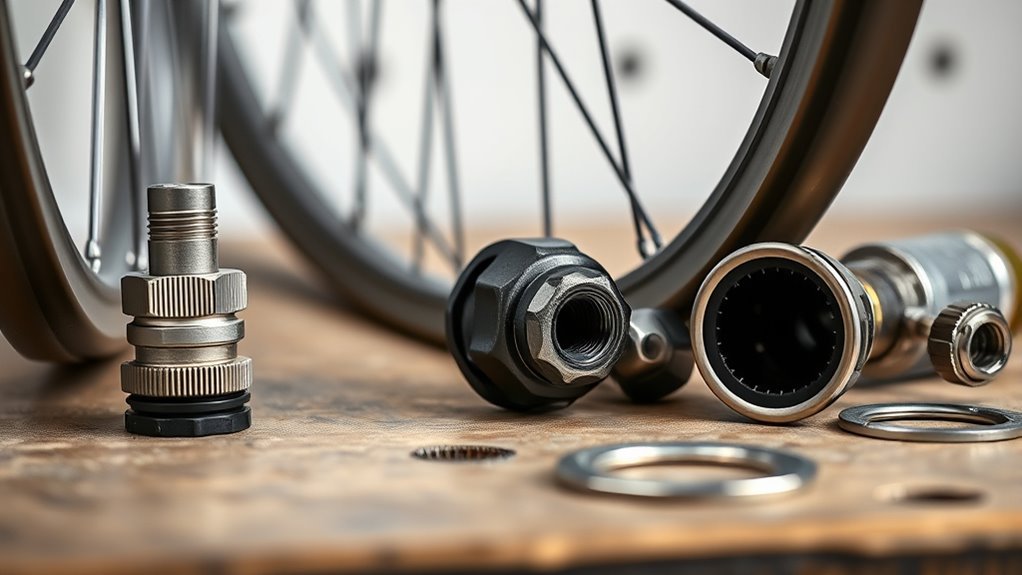
Because rims, pumps, and valve hole sizes all dictate whether a valve will seat and inflate properly, you should check each component before fitting tubes or tires. Focus on valve sizing and rim compatibility: Presta needs ~6.5 mm drilling; Schrader and Woods need ~8.5 mm. Use reducers to fit Presta into larger holes. Inspect rims for cracks or wear that can cause leaks or prevent proper seating.
| Component | Key spec |
|---|---|
| Presta hole | 6.5 mm |
| Schrader/Woods hole | 8.5 mm |
| Pump heads | Check dual-compatibility |
| Adapter | Valve reducer fits Presta into Schrader hole |
Confirm pump compatibility with your valve type before purchase. Regular rim inspection prevents fit and sealing failures.
Practical Valve Tips: Inflating, Adapters, and Tubeless Sealing
When inflating, always prep the valve: unscrew the Presta knurled nut before attaching the pump and confirm Schrader cores are seated so compressors won’t push them in, and keep a spare core or two on hand since worn cores are a common leak source. Use proper inflation techniques: secure the pump head, watch pressure rise with a gauge, and avoid forcing mismatched fittings. Carry a Presta–Schrader adapter for compatibility with service-station compressors or spare pumps. For tubeless systems, fit a Presta valve with a sealing nut tightened against the rim to prevent base leaks and guarantee bead seating during air bursts. Regular valve maintenance includes inspecting cores and seals, replacing compromised parts, and verifying leak-free operation before each ride.
Troubleshooting & Maintenance: Common Valve Failures and Fixes
You’ve prepped valves and learned fitting tricks; now let’s look at what typically goes wrong and how to fix it. Inspect seals, cores and threads regularly—valve maintenance tips include visual checks for corrosion, bent stems (Presta), and loose cores. For air leaks from damaged cores, use a valve core tool to remove and replace the core; it’s fast and reliable. If Schrader flow is reduced, clean or replace the clogged core. With Presta, handle the stem and pump head gently to avoid fractures or bending. For Woods/Dunlop, unscrew caps gently to prevent rapid pressure loss. Keep spare cores and a core tool with you. These common troubleshooting techniques minimize downtime and extend valve life through timely repair.
Frequently Asked Questions
Are Dunlop and Presta Valves the Same?
No, they’re different: Dunlop valve characteristics include a wider diameter and push-fit core, while Presta vs. Schrader highlights Presta’s slim screw-tip design and removable core, so they aren’t directly interchangeable without adapters.
What Are the 3 Main Bike Valve Types?
The three main bike valve types are Presta, Schrader, and Dunlop. You’ll follow valve maintenance tips, address tube compatibility concerns when selecting valves, use proper adapters, and check rim hole sizes and sealing for safety.
What Is a Dunlop Valve?
A Dunlop valve’s a humble powerhouse: you’ll find it in many entry-level tubes, with a larger diameter, easy maintenance; Dunlop valve history shows practicality, and Dunlop valve advantages include simple inflation and broad pump compatibility.
What Are the Different Types of Tire Valve Stems?
You’ll find Presta, Schrader, Dunlop (Woods) and newer Clik valves. Consider valve compatibility with rims and pumps; each uses different inflation methods, affecting adapter needs, rim drilling size, and ease or speed of pumping.
Conclusion
You’ve now got the valve map—pick Presta for high-pressure road, Schrader for rugged MTB and pumps-at-the-gas, Dunlop where it’s common locally—and know which rims, pumps and adapters will play nice. Treat valves like tiny pressure gates: keep threads and cores clean, check seals, and swap faulty stems before they wreck a ride. With these habits you’ll stop guessing and start riding confidently, every valve click a small, reliable promise.
Related Articles
How to Read Motorcycle Tire Size: Complete Breakdown
Often misunderstood, this guide decodes motorcycle tire sizes like 180/55ZR17—learn what each number and letter means to ensure safe, perfect fitment.
Read More
How to Read Bicycle Tire Size: Inches, Metric & ISO
Get the essential trick to decoding ETRTO/ISO codes so you’ll always pick rim-compatible tyres—discover what to check next.
Read More
How to Read Tire Size Numbers: Decode the Sidewall
Step-by-step guide to decode tire sidewalls—sizes, load, speed, DOT and winter symbols—so you’ll know what fits and when to replace.
Read More