TPMS Explained: How Tire Pressure Sensors Work
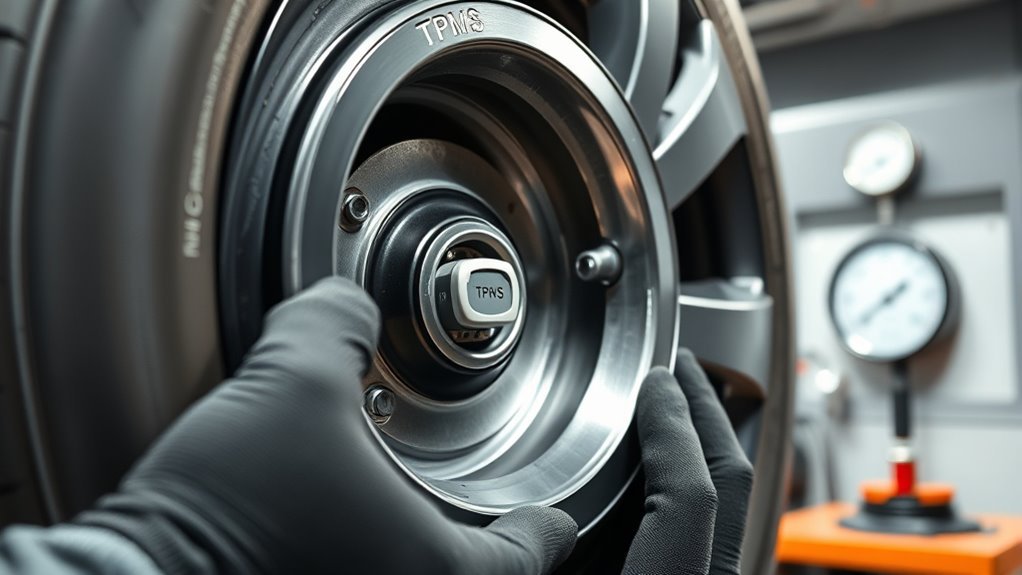
You rely on TPMS to catch under‑inflation and temperature rises before they harm tires. Direct systems use battery‑powered sensors at each wheel to measure pressure and temperature and transmit data wirelessly to the vehicle module, offering precise real‑time readings and diagnostics. Indirect systems infer pressure from wheel‑speed sensors by detecting changes in rotation rate. You’ll also learn about warning lights, troubleshooting, retrofit options, fleet telemetry, and security practices if you keep going.
Who This Guide Is For & How to Use It
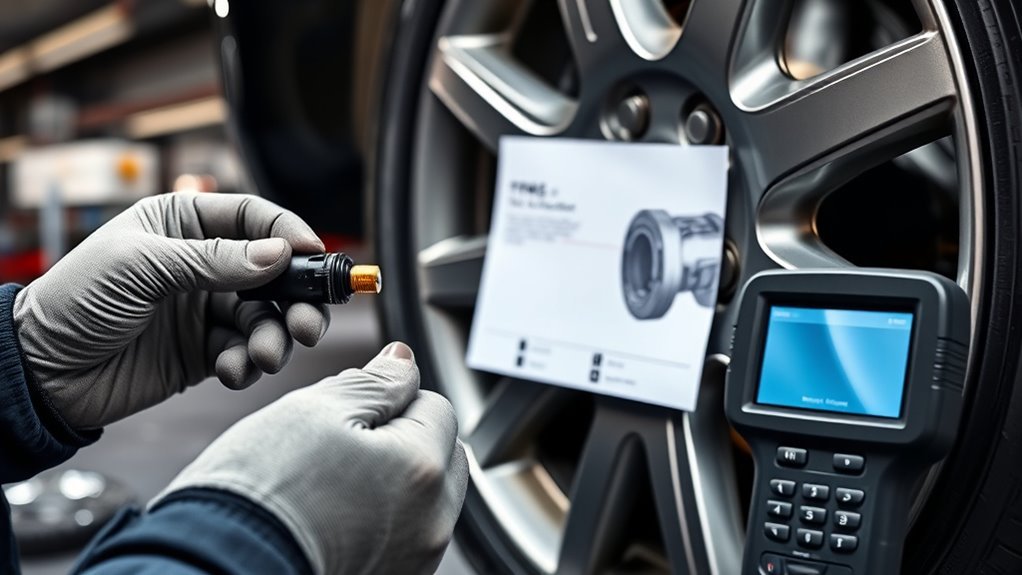
Who should read this guide and how should you use it? You’re a vehicle owner, automotive enthusiast, or technician seeking precise, actionable information on tire maintenance and safety. Use this guide to learn TPMS benefits, core sensor technology, and practical maintenance steps without wading through marketing. You’ll get clear explanations of system operation, indicators, recalibration procedures, and expected sensor lifespan. Apply the guidance to optimize tire pressure for safety, fuel efficiency, and prolonged tread life. Follow calibration checkpoints after tire service or sensor replacement, and consult provided resources and infographics for visual clarification. The content prioritizes measurable outcomes and maintenance intervals so you can implement procedures, document service history, and assess when sensor replacement or professional diagnostics are required.
Direct vs Indirect TPMS : Quick Comparison
Now that you know when to calibrate and document TPMS service, compare the two sensing approaches you’ll encounter: direct TPMS uses battery-powered sensors mounted on each wheel to report exact pressure and temperature in real time, while indirect TPMS infers pressure changes from ABS wheel-speed and rotation patterns. You’ll choose based on sensor accuracy versus lifecycle cost. Direct TPMS gives per-tire, real-time readings with superior sensor accuracy and clear fault diagnostics; expect periodic sensor replacement when batteries reach 5–10 years. Indirect TPMS is a cost comparison winner for initial purchase and minimal maintenance, since it leverages existing ABS sensors and has no battery replacements, but its estimations can be compromised by uneven wear or mismatched tires. Match system selection to service capability and vehicle requirements.
How Indirect TPMS Detects Under‑Inflation
You use the wheel speed sensors from the ABS to compare each tire’s rotation rate against vehicle speed. From those speed differences the system infers changes in rotational diameter, which correspond to reduced circumference from under‑inflation. Because indirect TPMS reports only inferred pressure anomalies, you’ll need to recalibrate after inflation or rotations to keep those diameter estimates accurate.
Wheel Speed Comparison
Because an under‑inflated tire has a smaller rolling diameter, indirect TPMS uses ABS wheel‑speed sensors to compare each wheel’s rotational speed and detect faster‑spinning tires that indicate pressure loss. You monitor tire dynamics via relative speed differentials rather than absolute pressure: the control unit samples wheel pulses, normalizes for vehicle speed and load, and flags persistent deviations beyond calibrated thresholds. You’ll need to reset the system after inflation changes or rotations so baseline speed relationships are relearned. The method infers size change from rotational behavior, not pressure units, so it’s cost‑effective but indirect. Expect occasional false alerts during transient maneuvers or mismatched tires; proper calibration and consistent tire sizing minimize misdiagnosis.
Rotational Diameter Calculation
Rotational diameter calculation converts each wheel’s measured rotational speed into an effective rolling circumference so the TPMS control unit can spot size differences caused by under‑inflation. You rely on ABS wheel speed sensors to provide revolution rates; the control unit computes an instantaneous rotational diameter for each wheel by relating speed to vehicle forward speed and applying calibration constants. The algorithm emphasizes rotational accuracy and filters sensor noise to avoid false alerts from transient slip. Diameter variations between wheels indicate a smaller rolling circumference from an under‑inflated tire, which results in a higher rotational rate versus expected values. Remember indirect TPMS estimates pressure; it doesn’t measure PSI. After inflating or rotating tires you must reset the system so recalibration restores reliable detection.
How Direct TPMS Sensors Measure & Transmit Pressure
When mounted inside each wheel, a direct TPMS sensor continuously measures tire pressure and temperature with an internal pressure transducer and temperature probe, then wirelessly transmits time-stamped readings and its unique serial ID to the vehicle’s central control module; the module validates the data, compares it to set thresholds, and triggers a dashboard alert if pressure falls outside specified limits. You rely on precise sensor functionality: the transducer converts pneumatic pressure to an electrical signal, the probe records temperature, and onboard electronics time-stamp and packetize measurements. Data transmission uses short-range RF bursts containing the serial number and sensor telemetry, typically at periodic intervals or after notable pressure changes. Batteries are non-serviceable and last roughly 5–10 years, requiring replacement of the sensor unit.
Common TPMS Warnings and Dashboard Light Meanings

If your TPMS light comes on, it’s signaling that one or more tires likely fall outside the system’s programmed pressure thresholds—commonly 25% below the recommended pressure—or that the system has detected a sensor or communication fault. You should interpret TPMS light meanings quickly: steady light indicates under- or over-inflation; flashing light signals sensor battery issues or system malfunction. Cold-induced pressure loss can trigger warnings since pressure drops ~1–2 PSI per 10°F. Consult the owner’s manual for over-inflation detection capability. Regular manual pressure checks prevent false positives and protect performance.
| Indicator | Likely cause |
|---|---|
| Steady amber | Under- or over-inflation detected |
| Flashing amber | Sensor battery issues/system fault |
| Illuminates in cold | Temperature-related pressure drop |
| Persistent after inflate | Communication or sensor failure |
Routine Maintenance: Resets, Battery Life, Replacement Costs
Because TPMS sensors rely on internal batteries that typically last 5–10 years (about 7 years on average), you should plan routine checks and recalibrations after tire rotations, replacements, or repairs to maintain accurate readings. You’ll perform sensor maintenance by recalibrating the system immediately after service and verifying pressure readings against a calibrated gauge. Track replacement intervals based on elapsed years and battery life symptoms rather than mileage alone. If the TPMS light stays on after pressure correction, anticipate sensor replacement; individual sensor costs range roughly $40–$200 plus labor. Some shops, like Mavis, offer affordable recalibration (e.g., $24.99) to keep sensors aligned. Regular maintenance extends sensor life and prevents erroneous data that could mask tire issues.
TPMS Troubleshooting: False Alerts, Rotations, Sensor Faults
Although TPMS is designed to alert you to unsafe tire pressure, false alerts are common and have specific causes you can diagnose quickly. You should verify pressures manually first to determine if the alert reflects under‑inflation or a system error. Consider these common checks:
- Sudden temperature drops: pressure falls ~1–2 PSI per 10°F and can trigger false alerts; recheck pressures after temperature stabilizes.
- Rotations and indirect TPMS: rotating tires can confuse wheel‑speed–based systems; perform a manual reset or relearn procedure after rotation.
- Sensor faults and sensor battery issues: a flashing TPMS light often indicates sensor failure or depleted battery; direct sensors last 5–10 years and require replacement when expired.
Follow methodical diagnosis to avoid unnecessary repairs.
Aftermarket TPMS for Consumers: Retrofit Options & Pricing
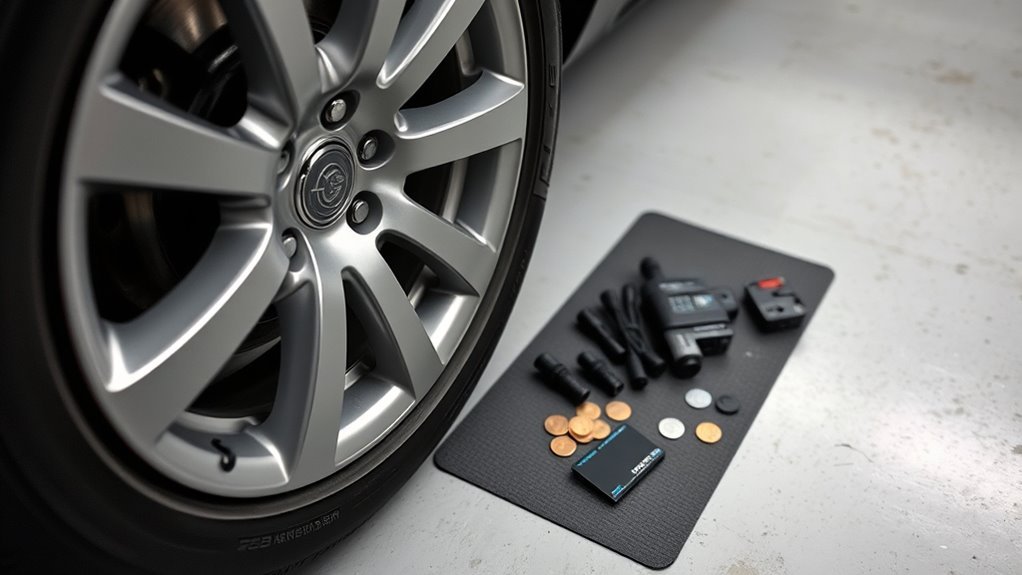
When you’ve ruled out false alerts, or you’re working with a vehicle that never had TPMS, aftermarket kits provide a practical retrofit path. You can choose sensor-stem or clamp-on units for cars, motorcycles, bicycles and light trucks; some kits scale to commercial trucks. Expect prices roughly $50–$200 depending on sensor count, telemetry rate and aftermarket features like smartphone apps, dashboard displays or GPS integration. You’ll get real-time pressure and temperature data; some units forward data to tracking hardware but avoid fleet telematics detail here. Installation tips: verify valve compatibility, torque sensor nuts to spec, pair sensors to the monitor per manufacturer sequence, use basic hand tools for most installs, and consider professional fitting for TPMS calibration or heavy‑duty wheels.
Fleet & Heavy‑Duty TPMS: Telematics and Remote Monitoring
How do fleet operators turn raw tire data into actionable maintenance decisions? You ingest telematics streams from TPMS sensors that report pressure and temperature in real time, correlate readings with GPS, and set thresholds for alerts. That workflow preserves tire health and maximizes fleet efficiency.
- Real-time alerts for under-inflation and temperature rise sent to operators.
- Integration with fleet management software for scheduled maintenance and routing.
- Remote diagnostics reduce on-road failures and optimize fuel use.
You’ll deploy aftermarket or OEM heavy-duty TPMS compatible with existing telematics stacks, map sensors to vehicles, and automate work orders when readings exceed thresholds. Proper telemetry-driven maintenance yields measurable safety gains and fuel savings, improving uptime and total cost of ownership.
TPMS Laws, Privacy, and Security Best Practices
After you’ve wired TPMS into fleet telematics and automated alerts, you also have to handle the legal, privacy, and security implications of collecting continuous tire data. You’ll follow TPMS regulations (US mandate 2007, EU 2014) while recognising privacy implications: direct TPMS IDs can enable tracking. Because NHTSA lacks explicit privacy rules, you must mitigate unauthorized access via strong data encryption and radio-link protections. Implement security measures: key management, firmware updates, and vulnerability monitoring. Document compliance challenges and remediation plans for audits. Use technical controls and policies to limit data retention and access. The table below summarizes priority areas, control types, and audit checkpoints.
| Priority | Control Type | Audit Checkpoint |
|---|---|---|
| Privacy | Data encryption | Key rotation logs |
| Security | Access control | Unauthorized access alerts |
| Compliance | Policy | Regulatory mapping |
Frequently Asked Questions
How Does TPMS Know Which Tire Is Which?
Direct systems use sensor identification and radio IDs so the control module maps each sensor to a tire, while indirect systems infer position via wheel-speed differences; you’ll recalibrate or remap after rotations to maintain accurate tire mapping.
How Long Do Tire Sensors Usually Last?
By and large, you’ll see a sensor lifespan of about 5–10 years, averaging seven. You’ll get replacement signals when batteries fail or sensors degrade, so monitor performance and replace proactively during tire service.
Conclusion
You’ll leave the shop with TPMS knowledge like a tire’s shadow—subtle but telling. Picture sensors as tiny sentinels: indirect systems sense rhythm changes, direct units report exact pressure and temperature. Use this guide to pick the right retrofit, troubleshoot false alerts, and secure fleet telemetry. Stay precise with maintenance, rotations, and firmware updates to avoid surprises on the road. Treat TPMS as proactive safety, not optional instrumentation.
Related Articles

How to Read Motorcycle Tire Size: Complete Breakdown
Often misunderstood, this guide decodes motorcycle tire sizes like 180/55ZR17—learn what each number and letter means to ensure safe, perfect fitment.
Read More
How to Read Bicycle Tire Size: Inches, Metric & ISO
Get the essential trick to decoding ETRTO/ISO codes so you’ll always pick rim-compatible tyres—discover what to check next.
Read More
How to Read Tire Size Numbers: Decode the Sidewall
Step-by-step guide to decode tire sidewalls—sizes, load, speed, DOT and winter symbols—so you’ll know what fits and when to replace.
Read More